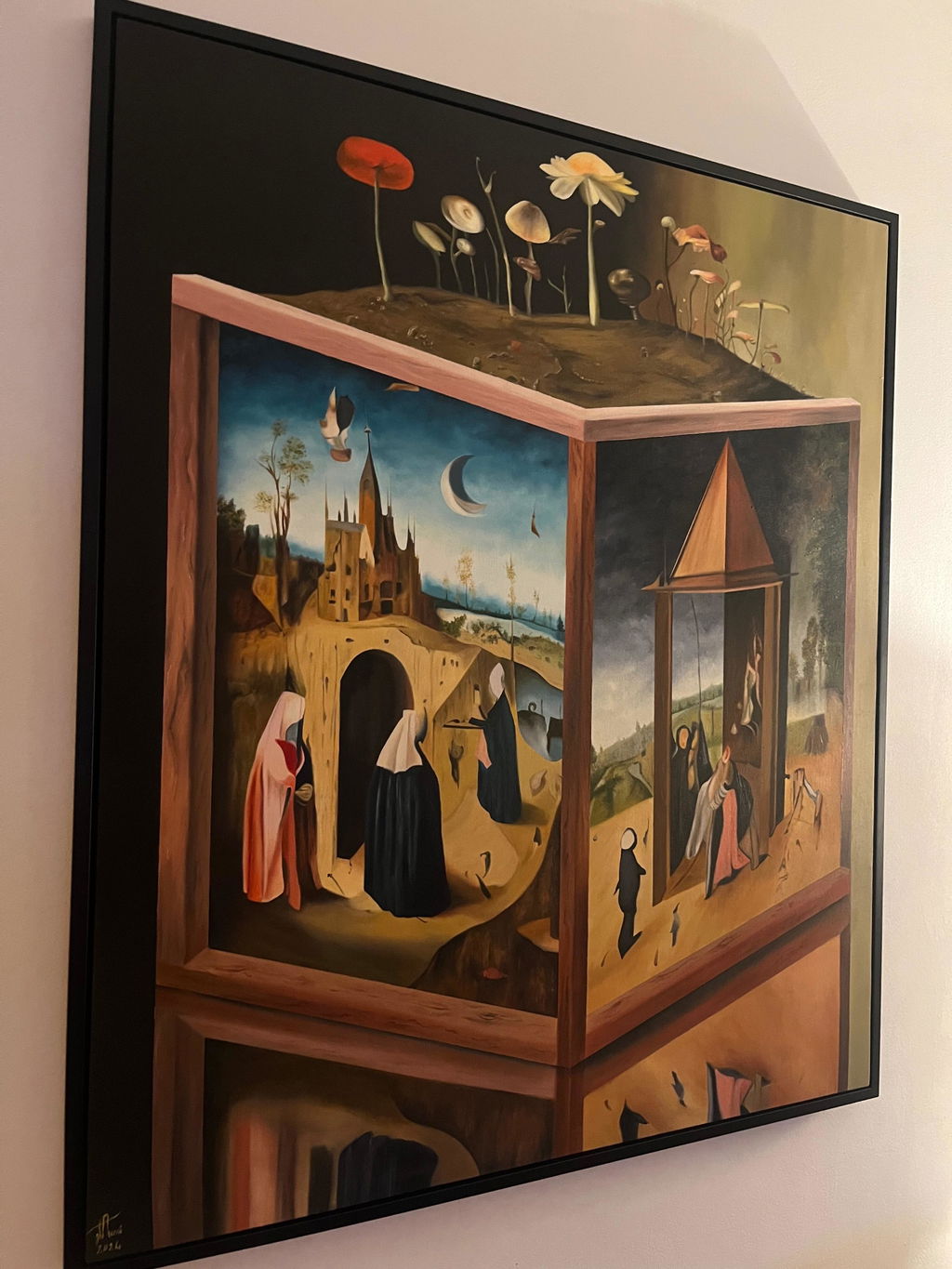
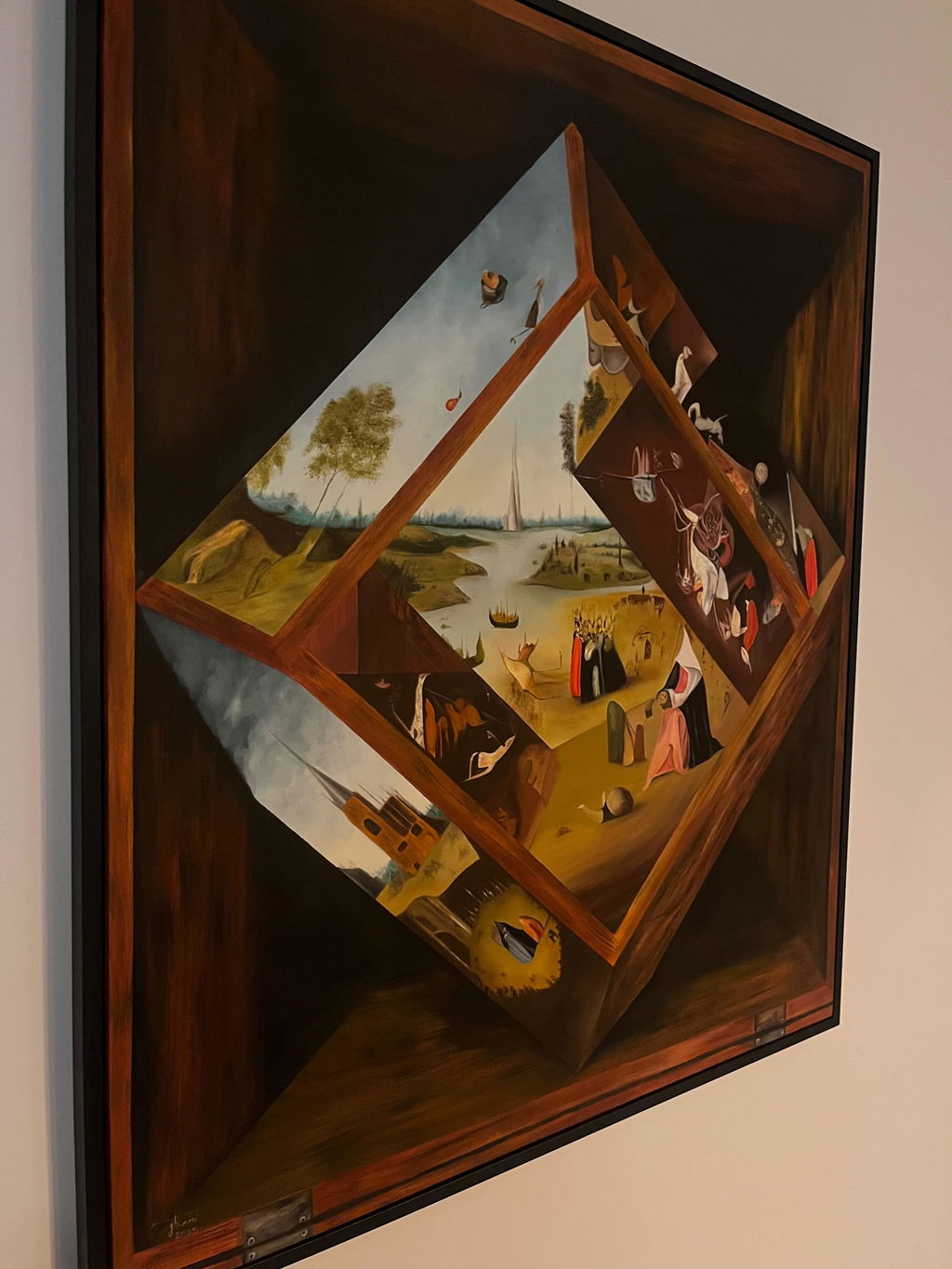
When a painting no longer fits your home or your taste, you have four good options, in roughly this order: sell it, donate it, trade it back to the gallery that sold it, or gift it to someone who will hang it. The one option to rule out is the garbage. An original painting took real skill and many hours to make, it can last for generations, and someone, somewhere, will want it. Rehoming takes a little effort, and this page breaks that effort into plain steps.
One of the four routes, trade-back, is a program VanArtHub runs for its own collectors. It is presented here as exactly what it is: one option among several, useful in some situations and not in others.
Key takeaways
- The four rehoming routes, in the order most people should try them, are selling, donating, trading back, and gifting.
- Prepare first: photograph the work in daylight, note the artist, title, size, and medium, and gather any receipts or certificates.
- Donation suits works that are slow to sell; hospitals, schools, seniors' residences, and charities often welcome art, but always ask before dropping anything off.
- VanArtHub's Lifetime Trade-Back exchanges any painting bought from the gallery for store credit, at any time.
- Never put a painting in the garbage; even a damaged work can usually be repaired or given away.
Step one: prepare the work
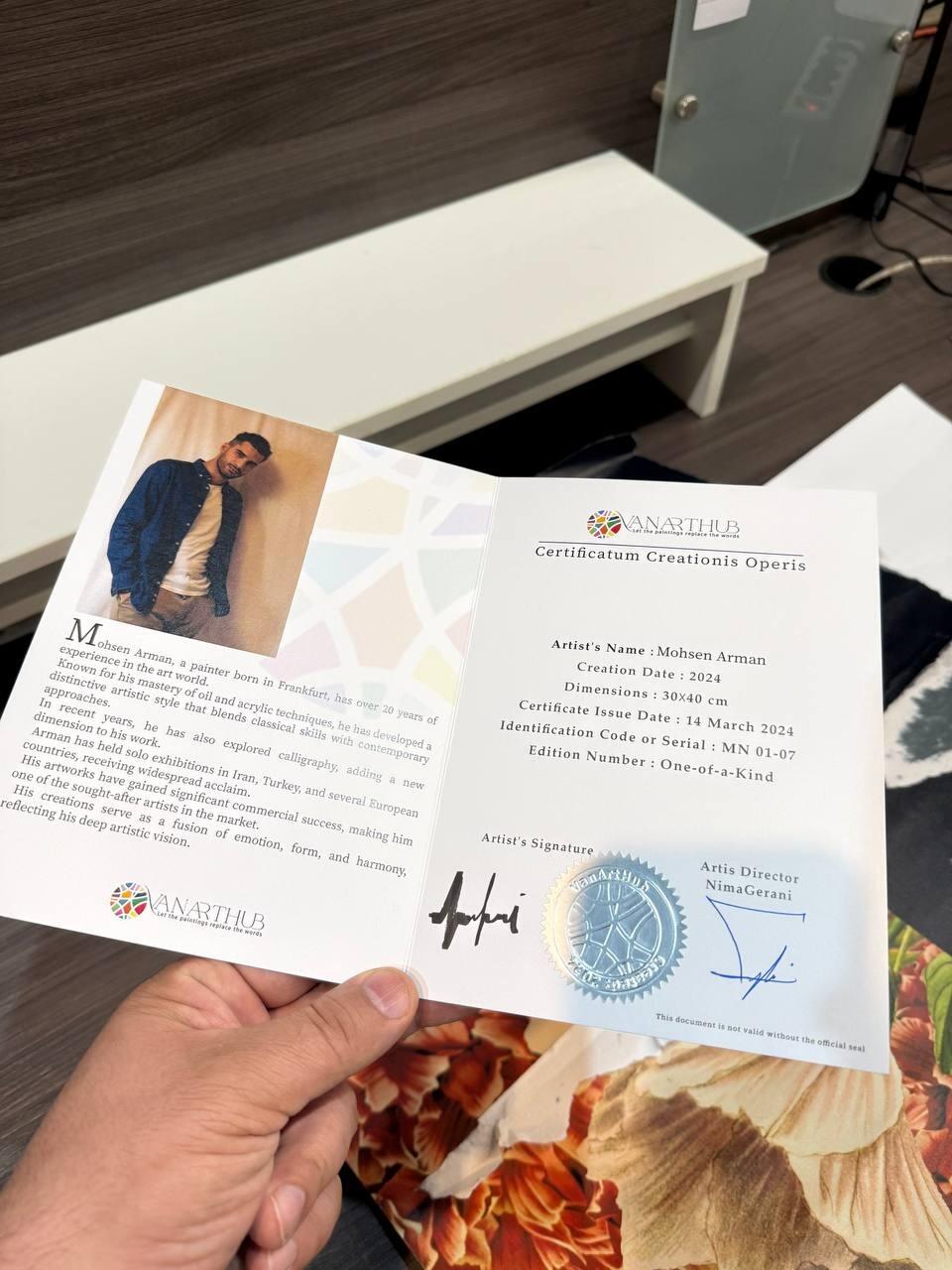
Every route gets easier if you spend fifteen minutes preparing. Photograph the painting in daylight: the full front, the back, the signature, and any labels on the stretcher or frame. Write down what you know: artist, title, size, medium, and roughly when and where you got it. Find the paperwork if it exists, such as the receipt or the Certificate of Authenticity. Finally, note the condition honestly, including any scratches, dents, or fading. This small file of facts is what a buyer, a charity, or a gallery will ask for, and having it ready marks you as a serious seller or donor.
Option one: sell it
Selling returns some money and puts the work with someone who chose it. The main channels are a private sale to someone you know, a listing on a local or online marketplace, consignment with a dealer, and auction. Price honestly. Most work by artists without an established resale market sells below its original price, and that is normal; the years the painting spent on your wall were the value you bought.
Buyers will check exactly what you would check if you were the one buying second-hand art: condition, signature, and provenance. Your preparation file answers all three, and clear photos plus honest condition notes are what separate listings that sell from listings that sit.
Option two: donate it
If selling is slow or the money does not matter to you, donate. Hospitals, seniors' residences, schools, shelters, community centres, and charity thrift stores all hang or resell donated art at times. Contact them first with your photos and dimensions, because wall space, safety rules, and taste vary, and accept a no politely; it usually means "no room," not "bad painting."
On tax receipts: some registered charities can issue donation receipts for gifts of goods, and the rules on valuation differ between Canada and the USA and may require an appraisal for anything valuable. Ask the charity what it can issue, and ask a tax professional if the amount matters to you. For most modest works, the real payment is knowing the painting is on a wall being seen.
Option three: trade it back
If you bought the work from VanArtHub, the Lifetime Trade-Back applies: return the painting at any time and receive store credit toward another original. The gallery then finds the returned work its next owner. The honest limits are these: the credit is store credit rather than cash, and the program covers works bought from VanArtHub. That makes trade-back the easiest route when you still want art on your walls, and the wrong route when you want money or want to stop collecting. The full terms are on the Lifetime Trade-Back page, and credit can be spent on anything in the paintings collection.
Wherever you bought your painting, ask the seller before assuming nothing is possible. Some galleries and dealers will take back, resell on consignment, or help rehome works they originally sold, even without a formal program.
Option four: gift it
A gift works when a specific person genuinely likes the piece, so ask before you wrap. "Would you like this painting?" is a better gift than a surprise, because a painting takes wall space and commitment. Hand over the story along with the object: who made it, where you got it, and any papers, since provenance should travel with the work. If instead you want to give art chosen for the person rather than pass on your own, new originals in the gift-worthy art collection come with the paperwork already in order.
| Option |
What you receive |
Best when |
| Sell |
Money, usually less than the original price |
The work has resale appeal and you can wait for a buyer |
| Donate |
Little or no money, sometimes a tax receipt |
You want the work seen and used, without delay |
| Trade back |
Store credit at the selling gallery |
You bought from VanArtHub, or a gallery with a similar program, and want different art |
| Gift |
Nothing material, one happy recipient |
You know someone who genuinely loves the piece |
Why the landfill is never the answer
A painting is a durable object that holds hours of skilled work, and unlike almost everything else a household discards, it can keep doing its job for another lifetime. Damage is not a reason either: tears, flaking paint, and yellowed varnish are all treatable, as explained in repairing and restoring a painting, and repair often costs less than people assume. If a work is truly unsellable and no charity wants it, a free listing marked "pick up today" almost always finds a taker, and art students take damaged works for practice and materials. The garbage should never win by default.
Common questions
Can I sell a painting I bought years ago, even without paperwork?
Yes. Paperwork helps the price, but you can sell any work you own. Photograph it well, state honestly what you know and do not know about it, and price it modestly if the artist and history are unclear.
Where can I donate art in Canada or the USA?
Start local: hospitals, seniors' residences, schools, community centres, shelters, and charity thrift stores all accept art at times. Contact them first with photos and dimensions, because wall space and policies vary, and never drop work off unannounced.
Do I get a tax receipt for donating a painting?
Sometimes. Registered charities can often issue receipts for donated goods, and the valuation rules differ between Canada and the USA and may require an appraisal. Ask the charity what it can issue, and ask a tax professional for anything valuable.
How does VanArtHub's Lifetime Trade-Back work?
Any original painting bought from VanArtHub can be returned at any time for store credit toward another work. The credit is store credit rather than cash, and the program applies to works bought from the gallery.
What should I do with a damaged painting nobody wants?
Get a repair opinion first, since tears, flaking paint, and yellowed varnish are all treatable and the cost may be lower than you expect. If repair is not worth it to you, offer the work for free and state the damage plainly; students and makers often take damaged art for practice.
Rehoming well is the second half of collecting well; the first half is choosing slowly, so that fewer works ever need a new home. Both halves are covered in our full guide to sustainable art.