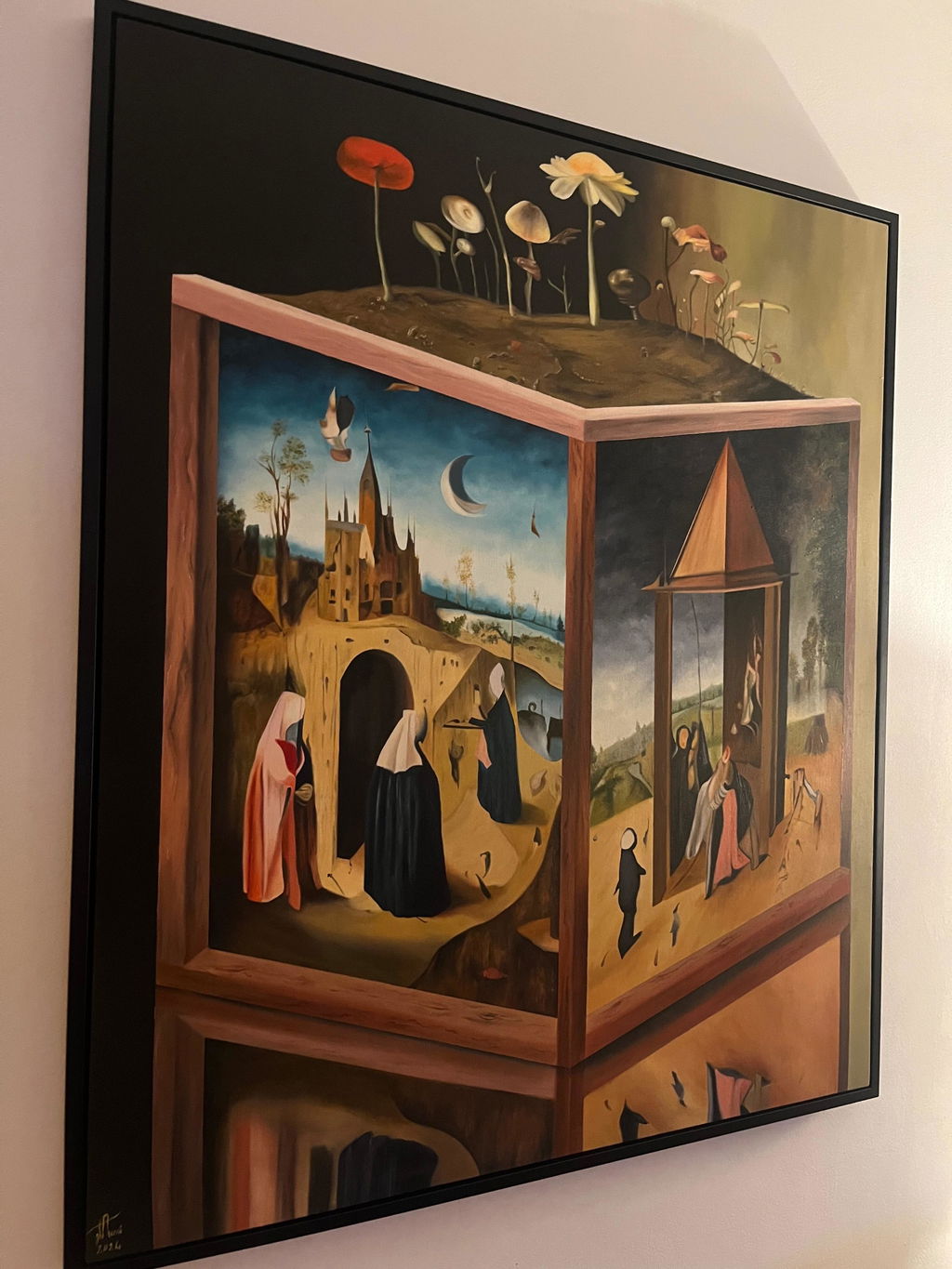
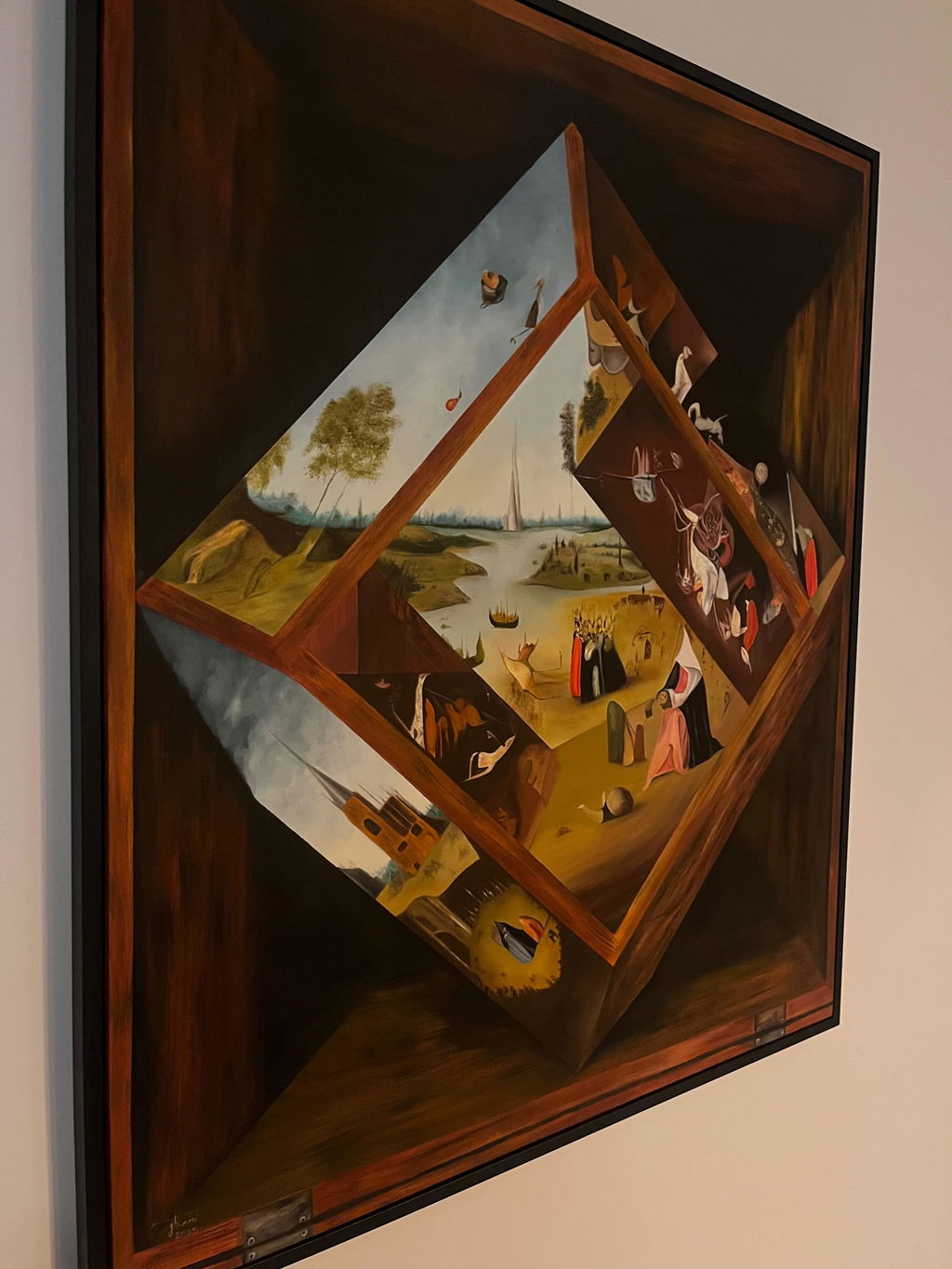
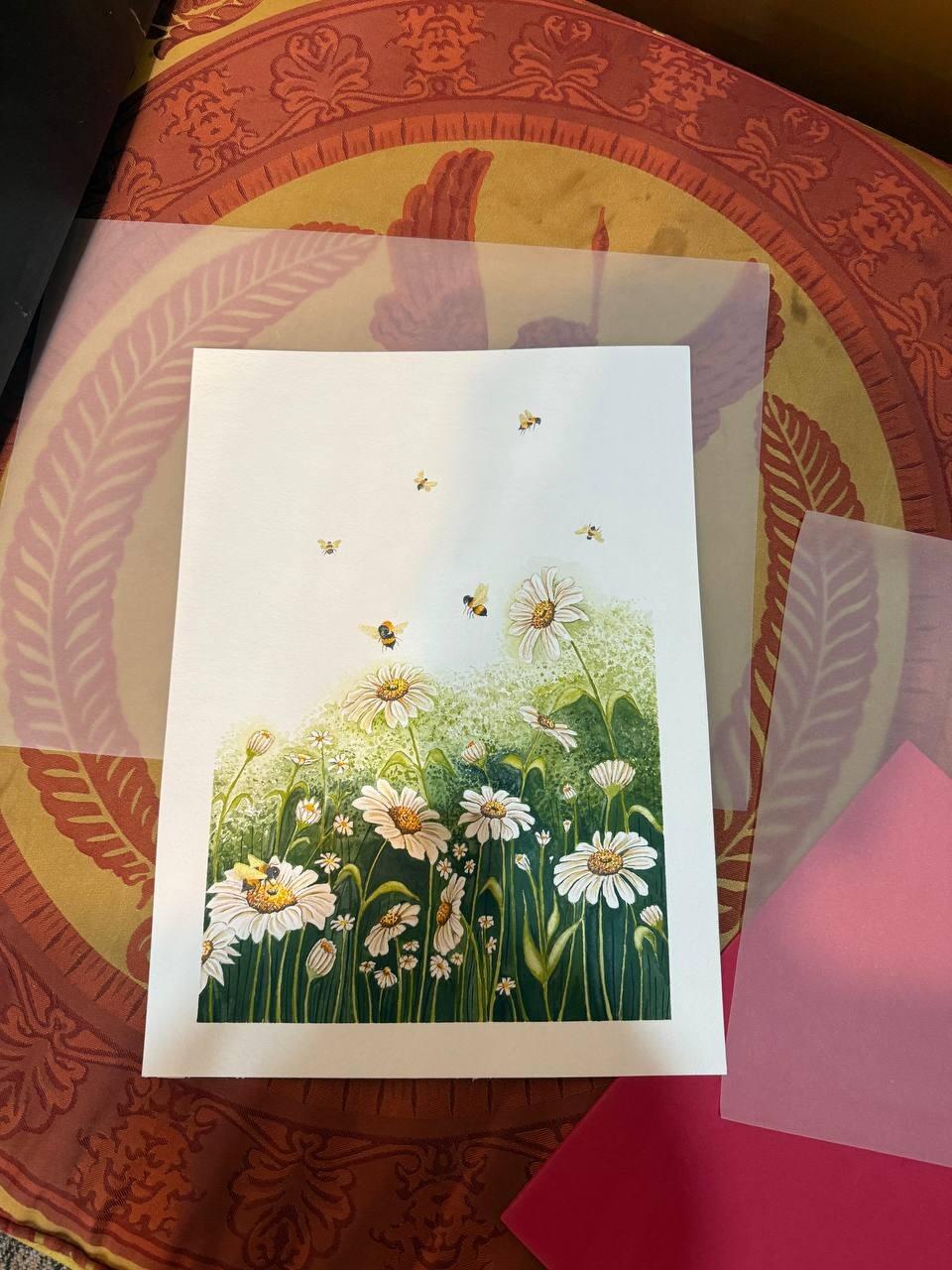
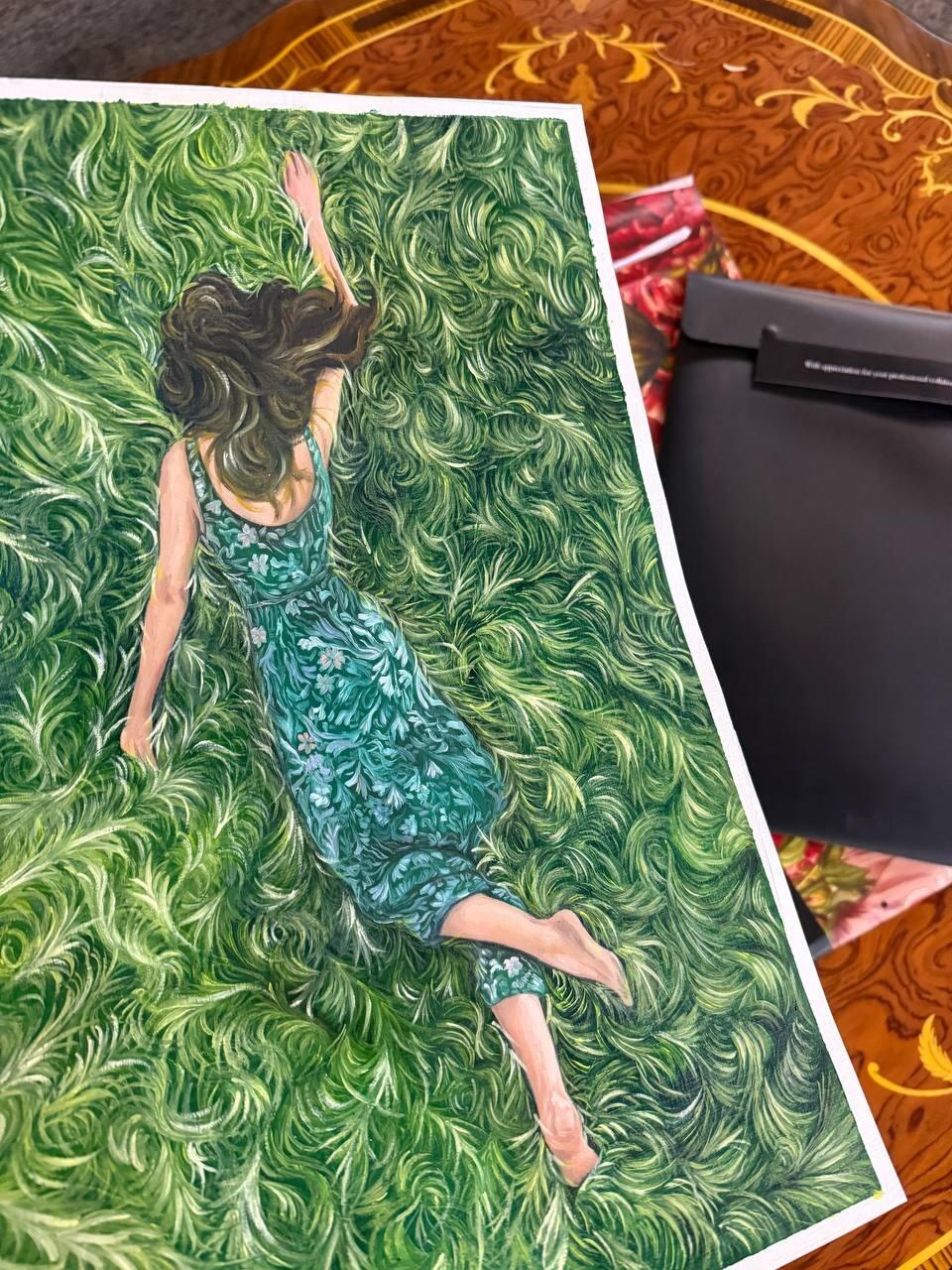
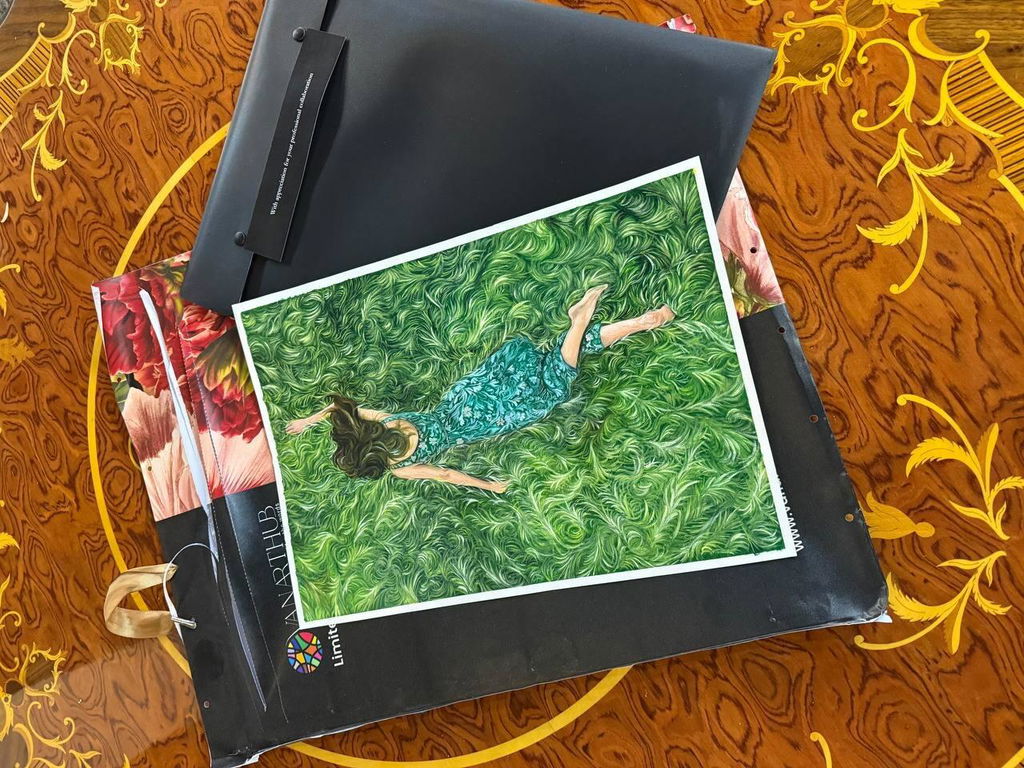
In a sustainable interior design project, art is the layer you buy once. Wall colours change, textiles wear out, and furniture follows fashion, but a well-chosen original painting can stay through every redesign that follows. That makes original art one of the lowest-impact purchases in the whole room plan: one object, bought one time, serving for decades and then passed on.
This page is written for homeowners planning a low-impact renovation and for interior designers working to a sustainability brief. The examples come from VanArtHub, a Vancouver gallery that sells original signed paintings by living artists, with prices starting at about $531.
Key takeaways
- Art is the most durable decorative layer in a room, because nothing wears it out in normal use.
- Buying one original painting to keep is a lower-impact choice than replacing mass-produced decor at every redesign.
- Art chosen for its own sake survives future colour schemes; art chosen to match a sofa usually leaves with the sofa.
- Framing and stretcher choices affect the footprint of the finished piece, and FSC-certified wood is the relevant label there.
- A 14-day trial and a Lifetime Trade-Back for store credit remove most of the risk of buying once and buying well.
The layers of a room and how long each one serves
Think of a finished room as a stack of layers with very different working lives. The structure rarely changes. Surfaces are redone with each major redesign. Furniture wears out and goes out of style. Small decor turns over fastest of all. Art sits at the far end of the scale: it does not wear in use, and it does not date the way styled objects do.
| Layer |
What usually happens to it |
Low-impact approach |
| Structure: walls, windows, doors |
Changes rarely |
Repair rather than replace |
| Surfaces: paint, flooring, tile |
Redone with each major redesign |
Durable finishes, careful colour choices |
| Furniture |
Wears out or goes out of fashion |
Solid pieces, second-hand, repair |
| Textiles and small decor |
Turns over fastest |
Fewer, better pieces in natural fibres |
| Original art |
Can stay for a lifetime |
Buy once, with intention |
Seen this way, the question "is buying art sustainable?" becomes a simpler one: which layer of the room are you buying, and how long will it stay in service? Art is the layer with the longest working life of anything you can hang or place in a room, so it deserves a permanent share of the renovation budget rather than the leftovers.
Why art is the buy-once layer
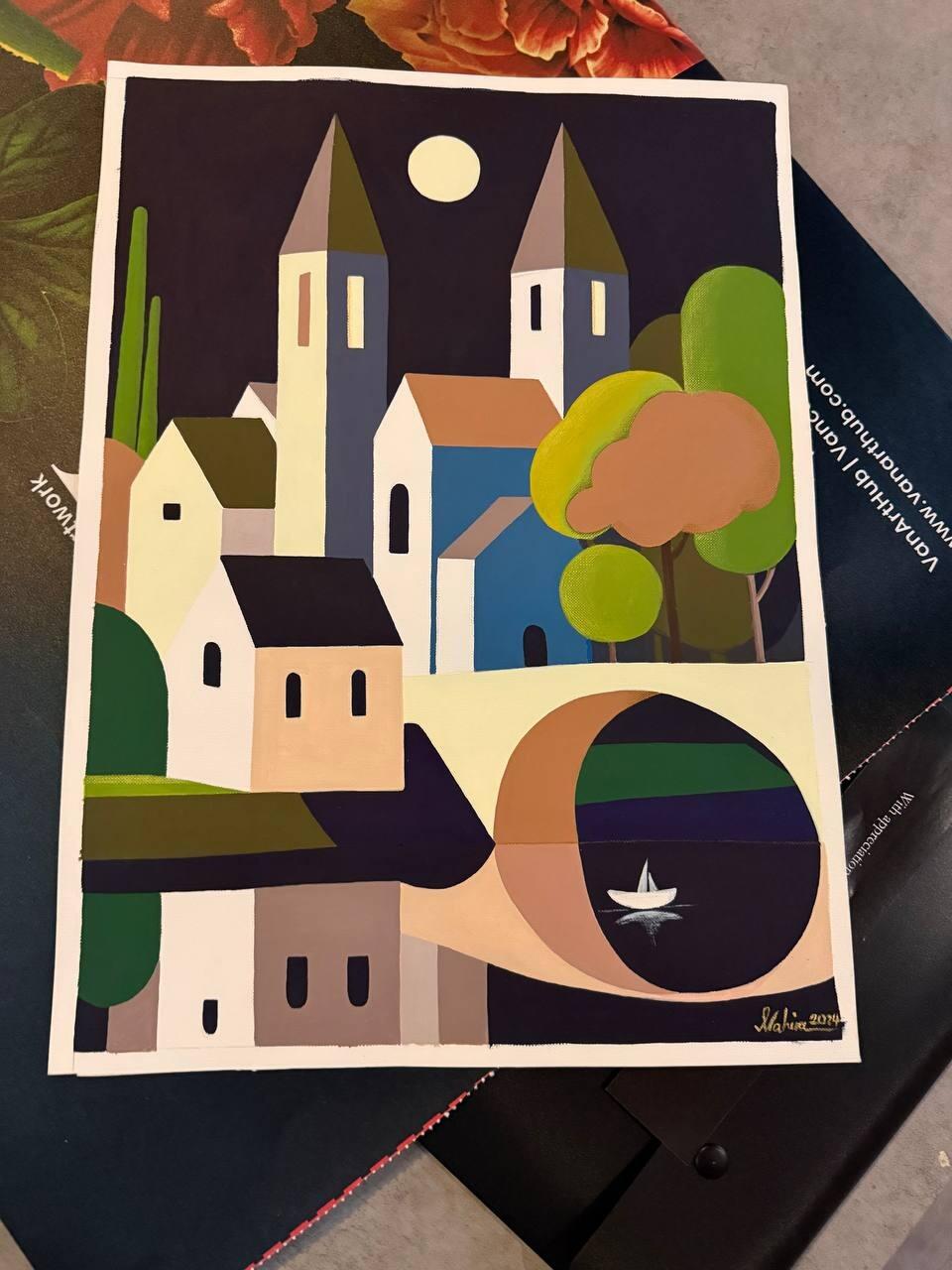
A painting has an unusual advantage over everything else in a room. Nobody sits on it, walks on it, spills coffee on it, or washes it. Its job is identical in year one and year thirty. A well-made original is also repairable: a torn canvas or a dirty varnish layer can be treated by a conservator, which is not true of most decor.
This is the core argument of sustainable art applied to interiors. The impact of decorating comes mostly from replacement, so the way to lower it is to own things you will not replace. Mass-produced wall decor is bought to fill space and discarded at the next refresh; an original painting is bought to keep. Our comparison of original art vs fast decor covers that difference in full.
And if taste genuinely changes, the piece still does not need to become waste. VanArtHub's Lifetime Trade-Back lets any collector return a work for store credit at any point, so the painting moves to a new wall instead of a landfill.
Choosing art that survives redesigns
The practical skill is separating the artwork from the current scheme. Three habits help.
First, buy the work for itself. If a painting only makes sense next to this year's sofa, it will leave when the sofa does. If it holds your attention on its own, it will survive any wall colour you paint behind it.
Second, favour subjects with lasting personal meaning: a coastline you know, a subject you keep returning to, an artist whose work you want to follow over the years. Meaning does not go out of style, and it is the one quality no future redesign can make wrong.
Third, keep flexibility in scale. originals under $700 regroup easily as rooms change, and a mid-sized work can move between rooms in a way built-in decor never can. A collection assembled slowly, piece by piece, adapts to a home better than a single decorating decision made all at once.
Framing as part of the plan
The painting is only part of the object. The stretcher bars and the frame are wood, and their sourcing matters to a low-impact brief. FSC certification, from the Forest Stewardship Council, covers wood from responsibly managed forests and is the label to look for on stretcher bars and frames. Reusing an existing frame is often the lowest-impact choice of all. Our guide to sustainable framing choices goes through the options in detail.
For interior designers: sourcing under a sustainability brief
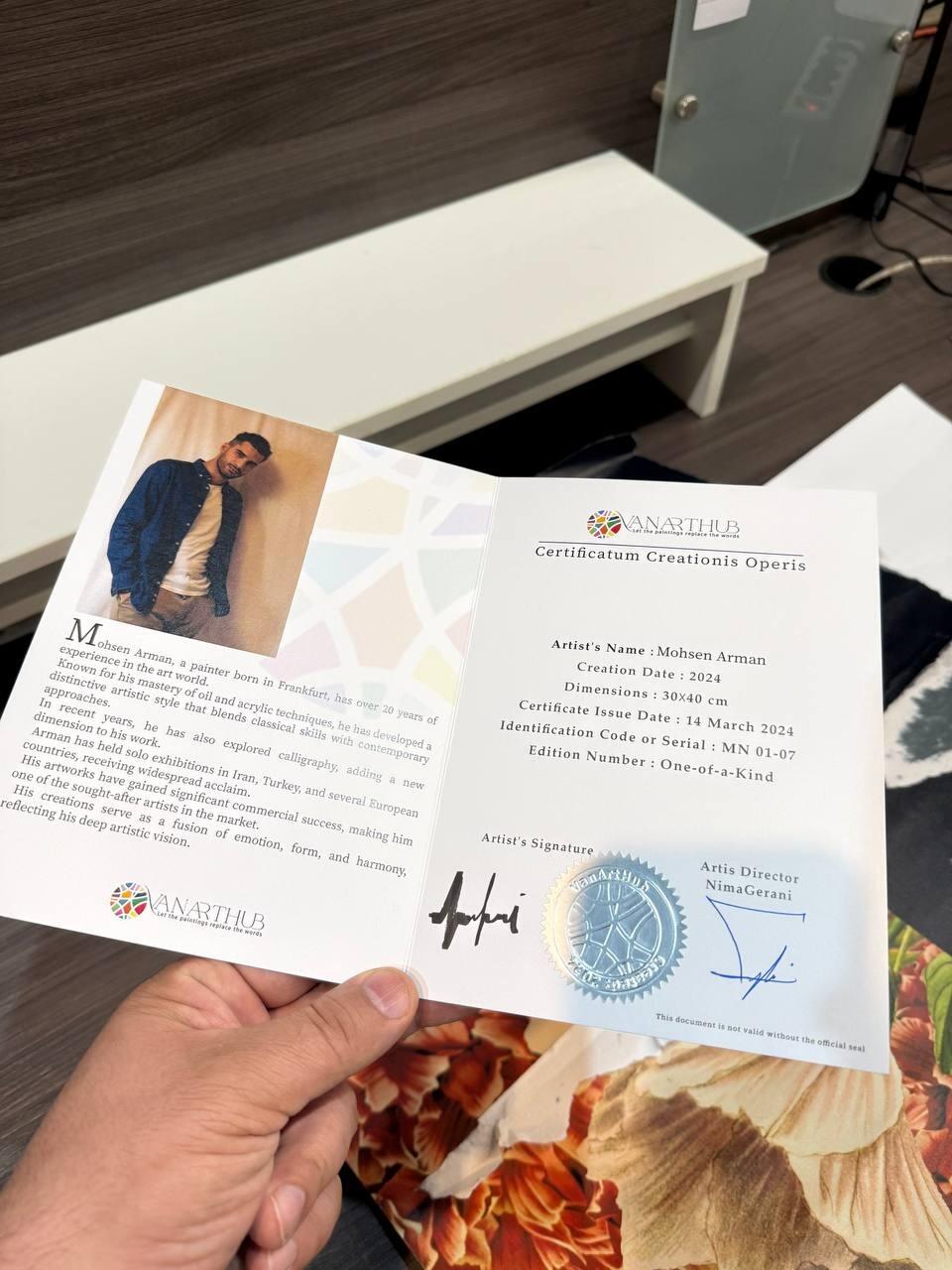
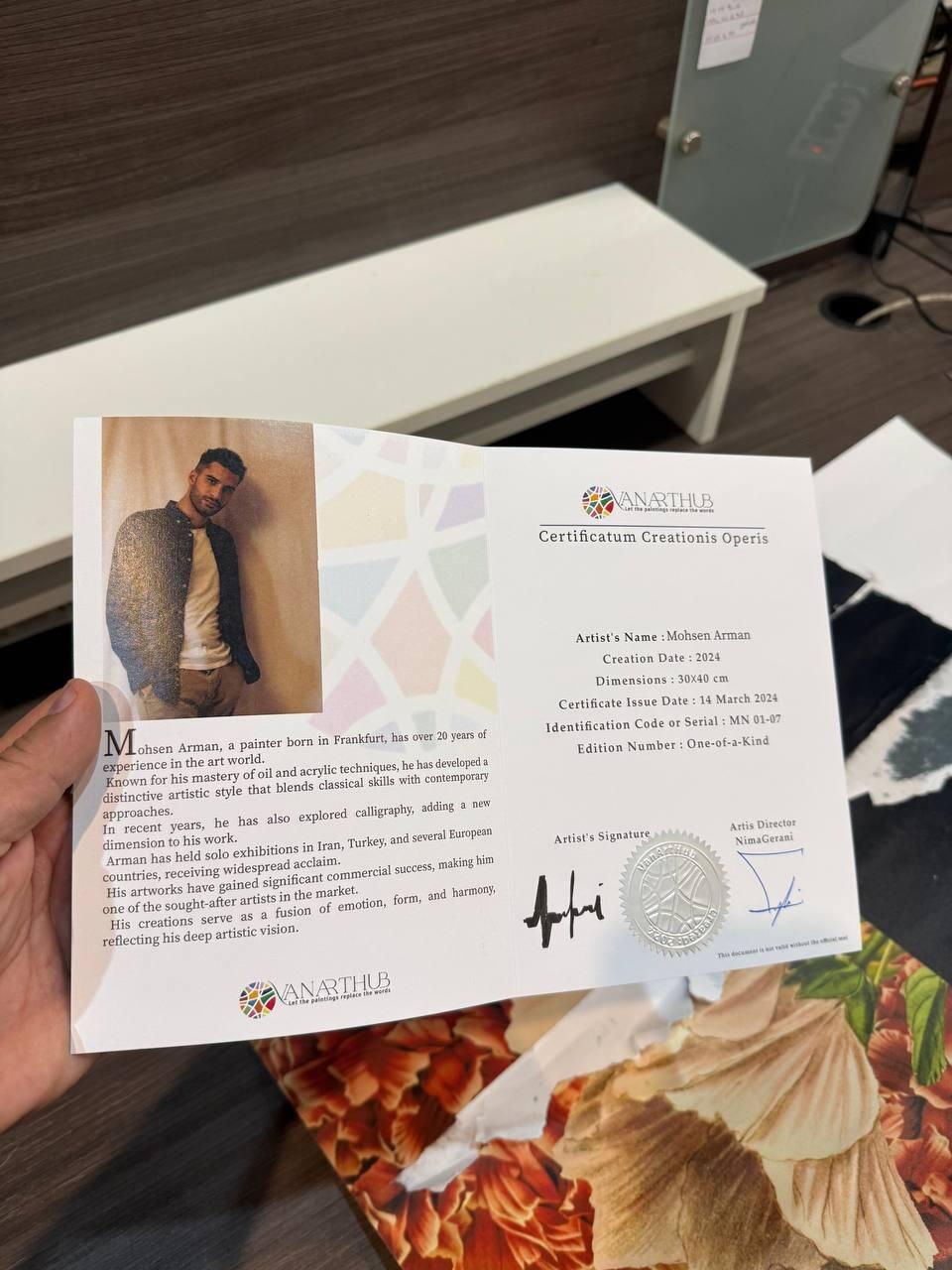
Clients who ask for a low-impact renovation increasingly ask where every object comes from. Original art has a clear answer: a named living artist, a signed one of a kind work, and a Certificate of Authenticity with every piece.
Two store policies matter in daily practice. Every VanArtHub piece ships free and fully insured in Canada (3 to 7 business days) and the USA (5 to 10), and every piece carries a 14-day trial with a full refund and free return shipping. That trial works as a client approval window: hang the work in the finished room, under the real lighting, and if the client does not approve it, it goes back at no cost.
One honest caution. VanArtHub does not claim its paintings are eco-friendly, non-toxic, or certified, because it has not audited every artist's materials. If a client has a specific materials requirement, ask before buying and the question goes to the artist directly. Our guide on how to verify vegan art shows what that process looks like for animal-derived materials, and the same approach works for any materials question.
Common questions
Is buying art a sustainable choice for a renovation?
Buying one original painting you intend to keep for decades is one of the lowest-impact ways to finish a room, because the environmental cost of decor comes mostly from replacement. An object bought once and kept is the opposite of disposable decor.
How do I choose art that will still work after the next redesign?
Choose the work for itself rather than for the current colour scheme. A painting that holds your attention on its own survives any future wall colour, while a piece bought to match a sofa usually leaves when the sofa does.
Should the art match the room, or the room match the art?
In long-lived interiors it is usually the second. The art stays for decades while surfaces and furniture change around it, so it makes sense to fix the artwork early and let future schemes respond to it.
What should designers tell clients who ask what a painting is made of?
The honest answer is that materials vary by artist, and VanArtHub has not audited them all. On request, VanArtHub will put a specific materials question to the artist before purchase, which is more reliable than a generic label.
Does the frame matter for sustainability?
Yes. The frame and stretcher are wood, so sourcing matters, and FSC certification covers wood from responsibly managed forests. Reusing an existing frame is often the lowest-impact option.
If a renovation is on your calendar, decide the art walls at the same time as the floor plan, not after. Designers and homeowners can start with the art for interior designers collection, where every piece is an original that can hang in the finished space for 14 days before the decision is final.