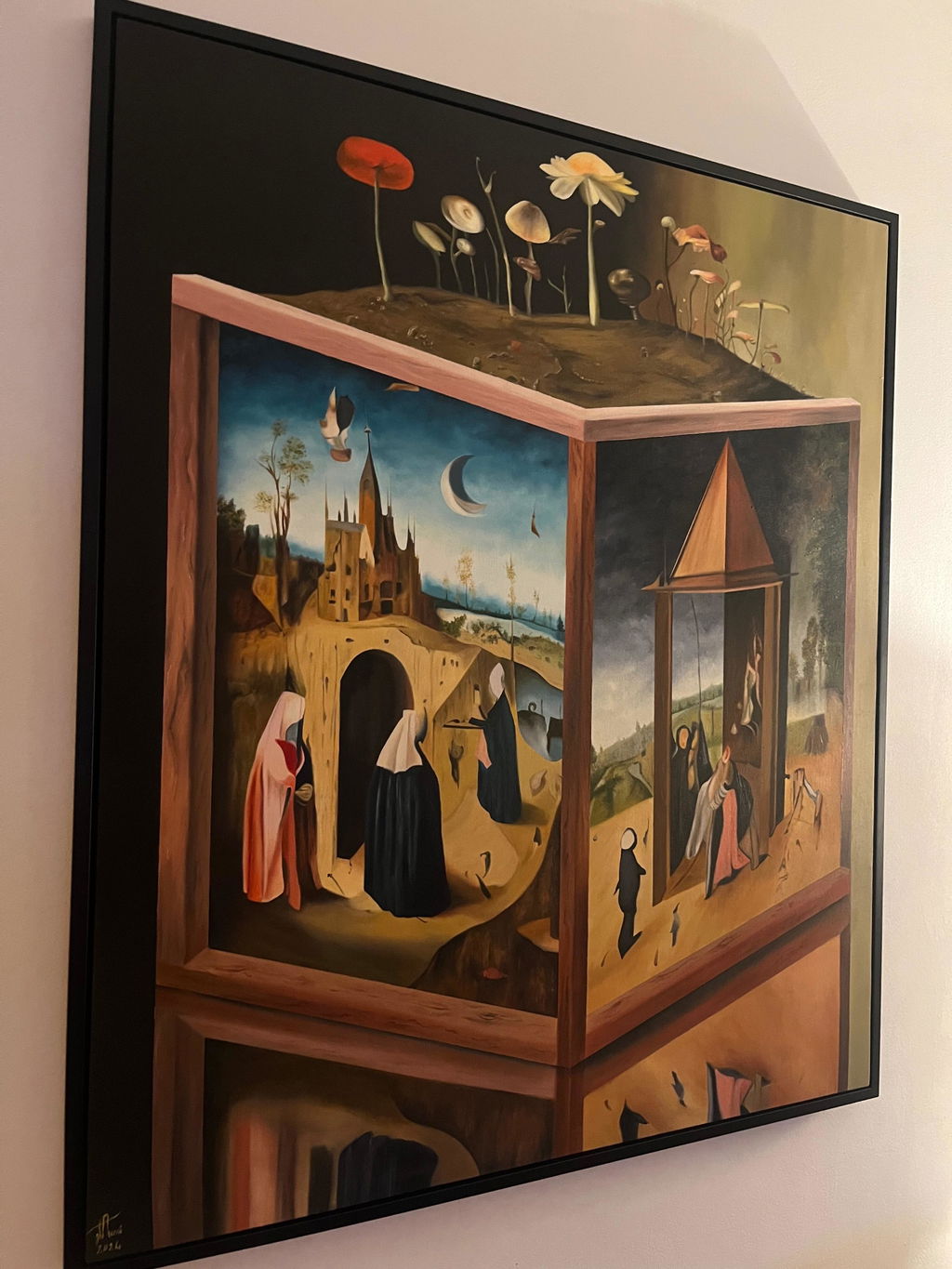
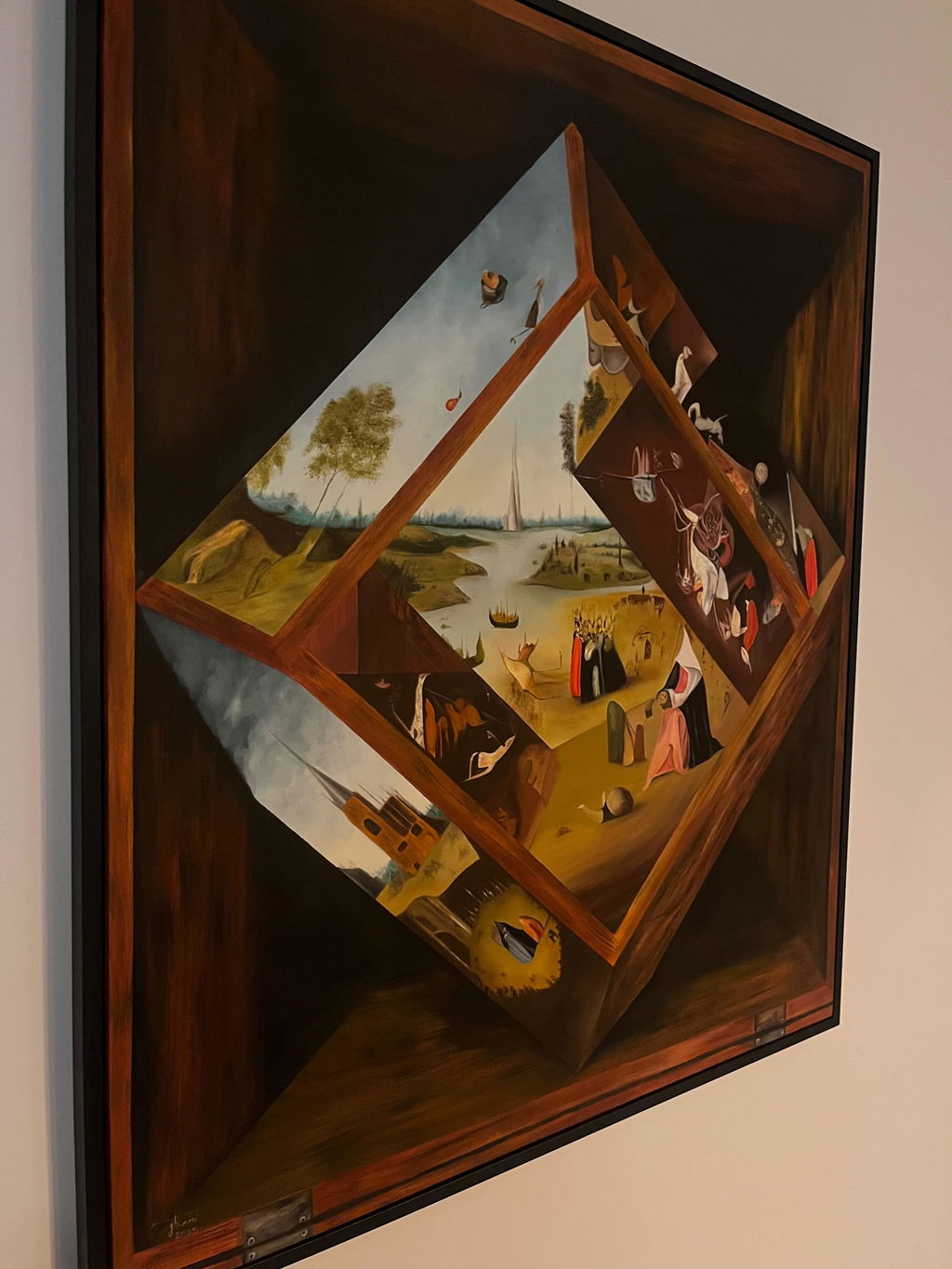
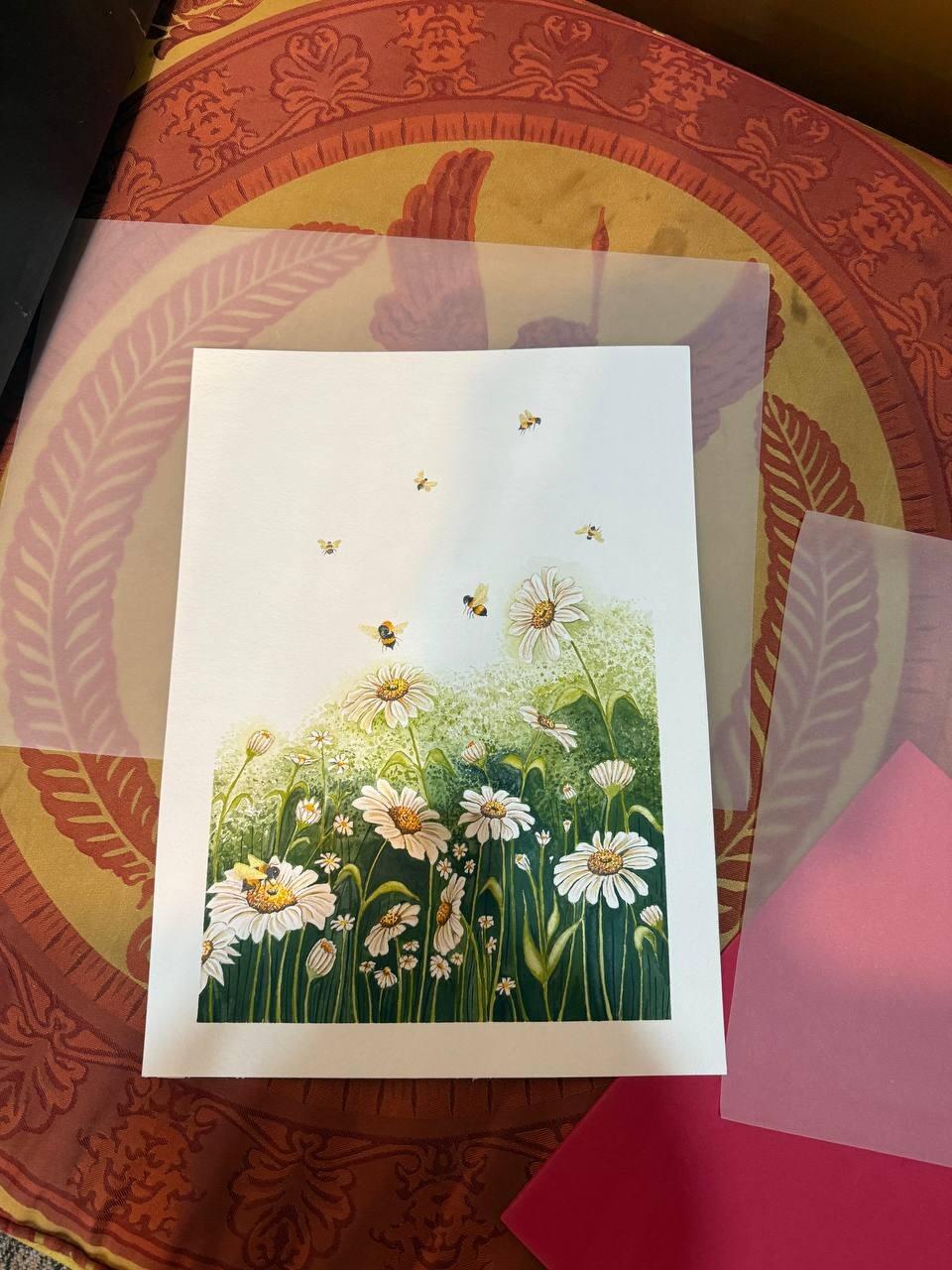
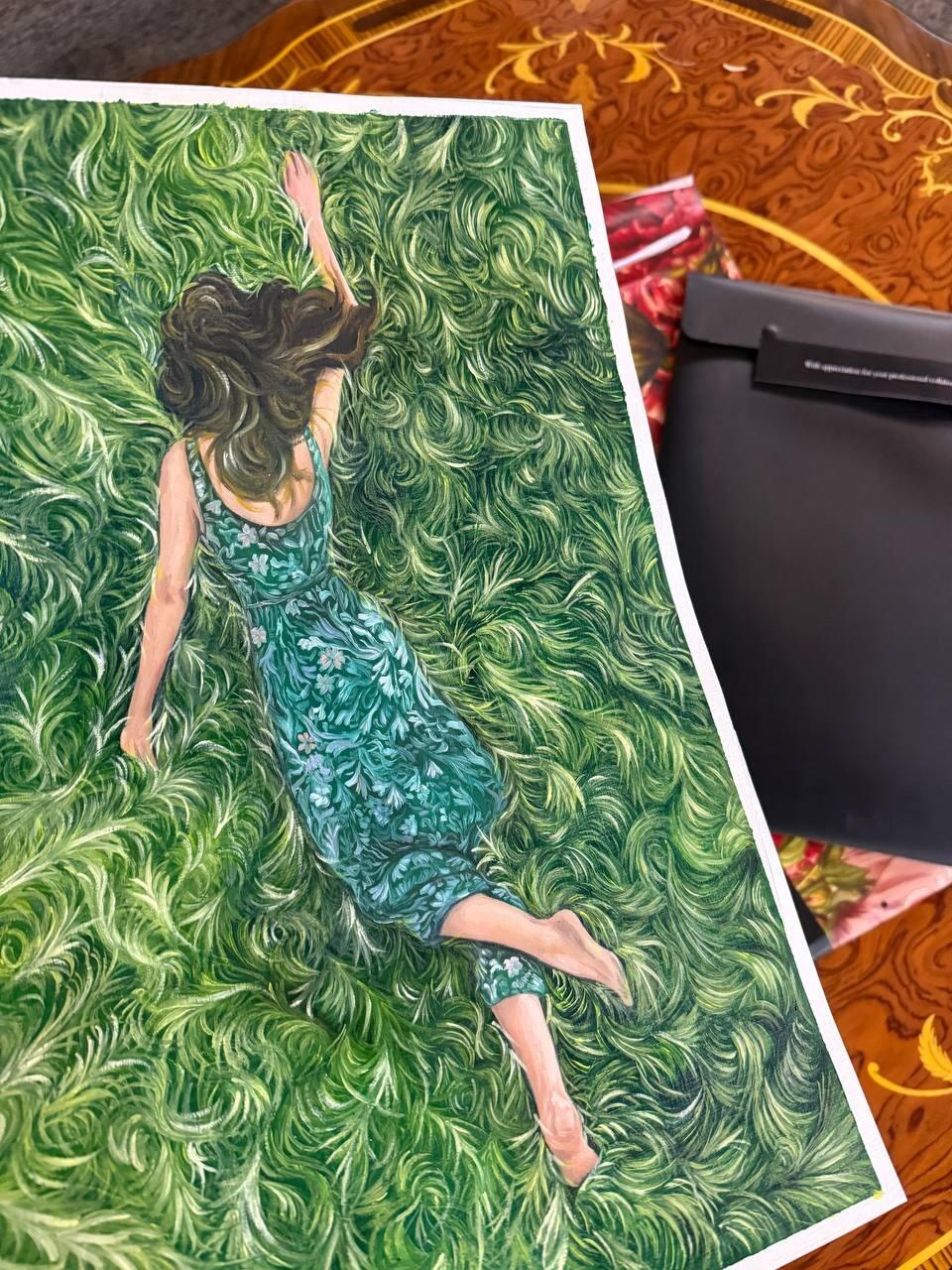
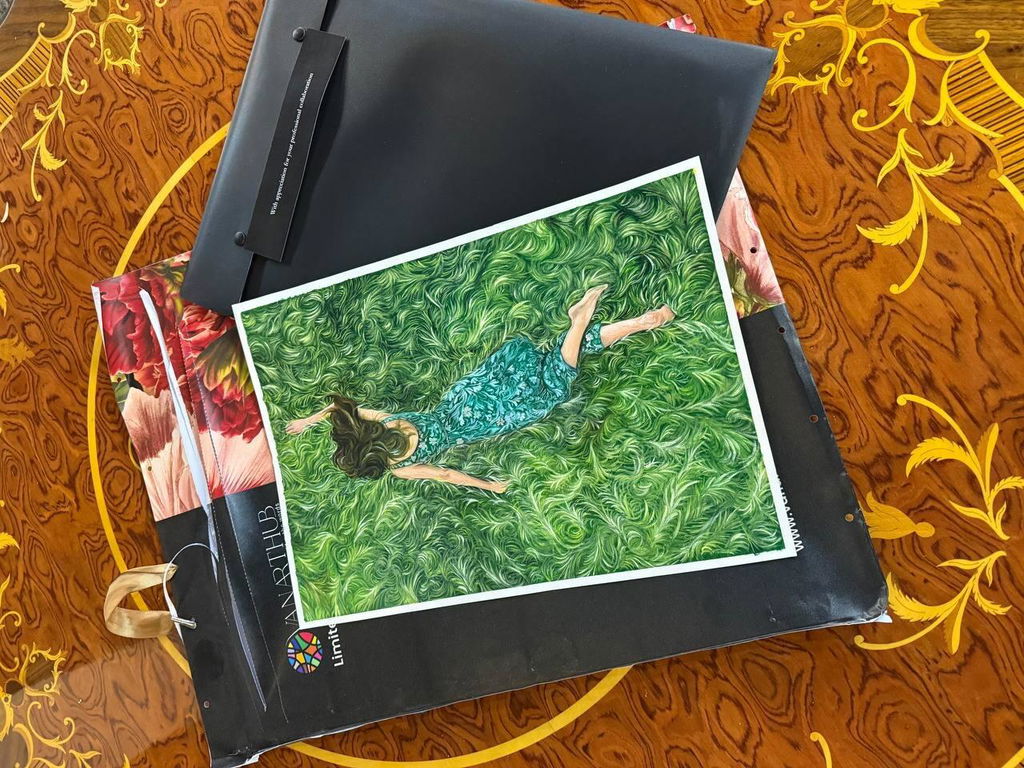
The art world often asks one question: how much can you buy? We think a better question is quieter. What do you actually want to live with? A wall does not need to be full. It needs to hold work you are glad to see every day. That single change in how you think turns collecting from a shopping habit into something slower and more personal.
You do not need many paintings to have a real collection. Some of the best collections we have seen are small, built over years, chosen around what the owner cares about. A few pieces you truly love shape a home more than a dozen quick buys that were on sale.
Why smaller and slower usually wins
Trends move fast. A color that feels fresh this year can feel tired in three. When you buy to match a trend, you are already planning to replace the piece later. When you buy the work you keep thinking about, you buy once and keep it for decades.
Slow collecting also protects your money. A rushed purchase is the one most likely to end up in a closet. A piece you sat with, returned to, and still wanted is the one that stays on the wall. Fewer, better, longer-lasting works cost less over ten years than churning through cheap decor every season.
Buy what you keep returning to
The simplest test is attention. If a painting keeps pulling your eye back, days later, that is the one. If you have already forgotten it by the next morning, it was never yours. Our 14-day trial is built for exactly this. You live with the piece in your own room, in your own light, and you only keep it if it still holds you after two weeks.
How to build a collection with intention
There is no formula, but there is a sane order of steps. Start with the room, not the piece. Then choose work you connect with, and leave space to grow.
Instead of accumulating, collect with intention
| Common habit |
Intentional approach |
| Buy to fill every empty wall quickly |
Leave walls open until the right piece arrives |
| Chase the trending color or style |
Buy the subject you keep returning to |
| Guess the size and hope it fits |
Measure the wall or furniture first, then choose |
| Buy many small, cheap pieces at once |
Buy fewer, better works, one at a time |
| Keep a piece that no longer fits, out of guilt |
Trade it back for credit toward one that fits now |
Choose size for the room first
Size is where most rooms go wrong. A painting that is too small for the wall looks lost. A good rule from interior designers: a piece should span most of the wall or the furniture below it. Many aim for 60 to 75 percent of the width of the sofa, bed, or console it hangs above. Measure that width, take 60 to 75 percent of it, and shop to that number. For a large open wall, our large wall art works better than a small frame that floats alone.
Mix subjects and sizes over time
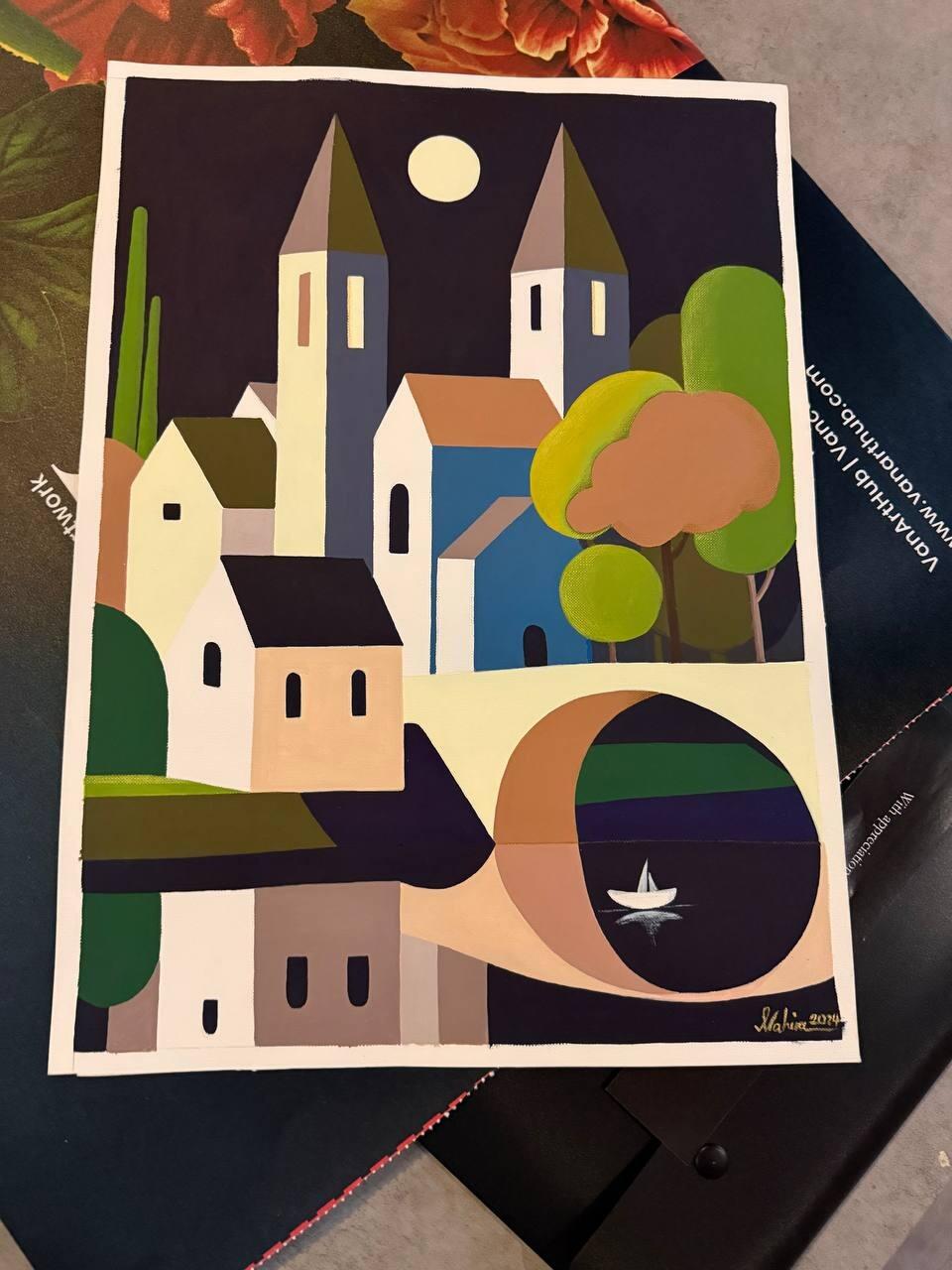
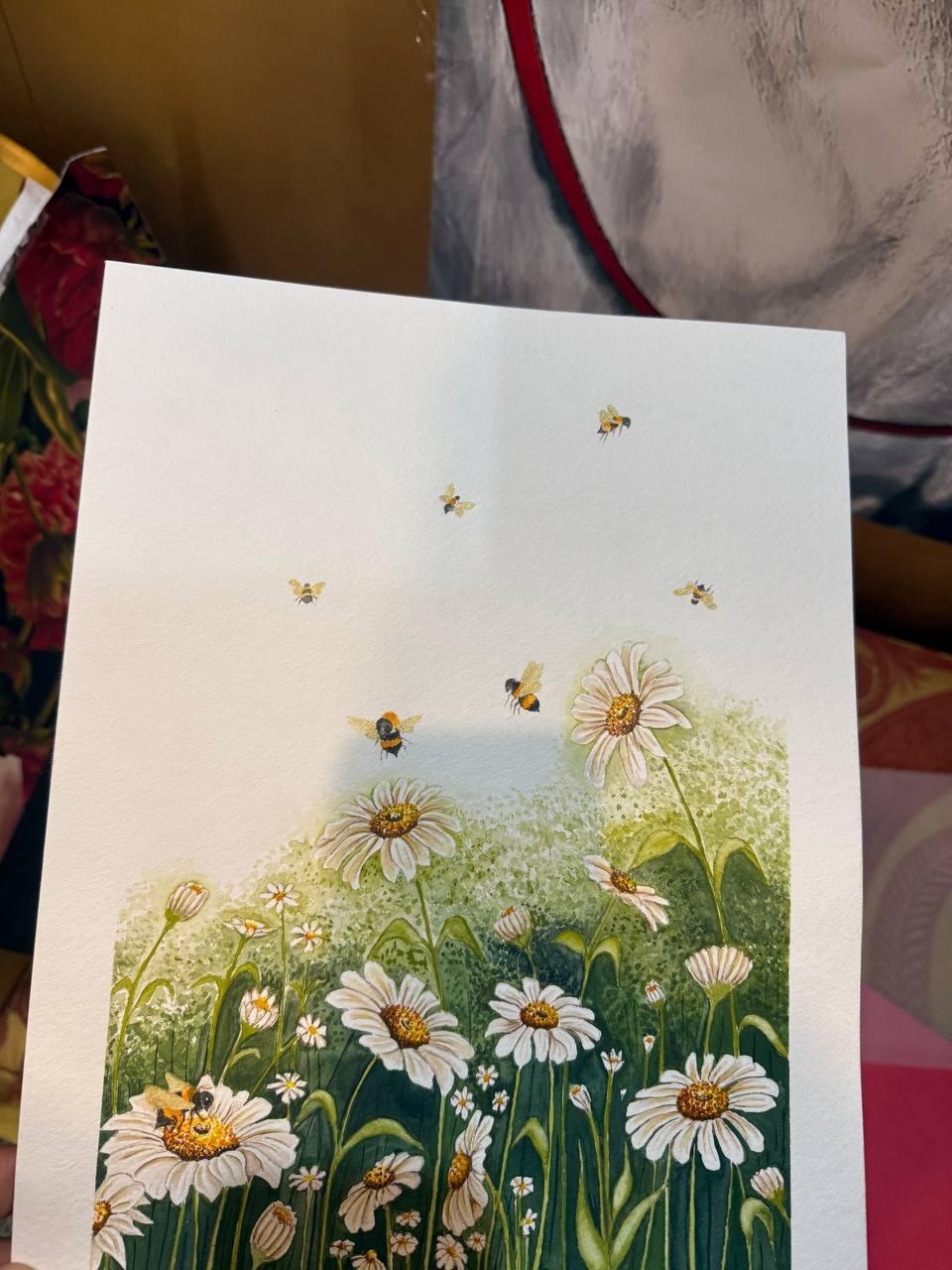
A collection does not need to match. It needs to feel like you. Over the years you can mix a calm nature scene, a bold abstract, and a smaller quiet piece. Different sizes and subjects, chosen slowly, read as a person with taste, not a showroom set. Leave room to grow. The best next piece is often one you have not met yet.
The honest sustainability thread
Buying fewer, better, longer-lasting pieces is simply lower waste than replacing decor every few seasons. A hand-made original is built to last for decades. That is the real difference between an original and a printed poster made to be thrown away. If you want the full picture, our pillar page on sustainable art explains what the term does and does not mean, honestly.
Intentional collecting also fits our Lifetime Trade-Back. If a piece stops fitting your home, if you move, redecorate, or your taste shifts, you can return it in good condition, any time, for store credit toward one that fits now. Nothing has to end up in a landfill. The painting moves to a wall where it belongs, and you keep collecting. That is circular ownership in practice, and you can read more on our Trade-Back page.
A calm note to end on
There is no correct number of works, and there is no rush. Two paintings you love make a fuller home than twenty you tolerate. Intentional collecting is calmer, and in our experience it is usually more rewarding, because every piece on your wall earned its place. Take the time. The right work is worth waiting for.
Key takeaways
- Ask "what do I want to live with?" instead of "how much can I buy?" The small, slow collection usually wins.
- Buy the work you keep returning to. If you forget it by morning, it was not yours.
- Measure first. Aim for a piece that spans about 60 to 75 percent of the furniture width below it.
- Mix subjects and sizes over the years, and leave open walls for pieces you have not met yet.
- Fewer, better, longer-lasting originals are lower waste than replacing decor every season.
- The 14-day trial lets you test a piece at home, and the Lifetime Trade-Back keeps it in use if it stops fitting.
Frequently asked questions
How many pieces do I need for a real collection?
There is no correct number. A real collection is defined by care, not quantity. Two or three works you truly love count more than twenty impulse buys. Start with one piece that holds your attention, live with it, and add only when the next right work appears. Slow is fine.
How do I choose the right size for a wall?
Measure the wall or the furniture below it first, then shop to that number. A common designer guideline is to fill 60 to 75 percent of the width of the sofa, bed, or console the art hangs above. A piece that is too small looks lost, so err toward larger for open walls.
What if I buy a painting and it does not fit my home later?
You are covered two ways. Within 14 days, return it for a full refund and we pay return shipping. After that, our Lifetime Trade-Back lets you return any painting in good condition, any time, for store credit toward one that fits now. Nothing you buy is ever stuck.
Should I match my art to my furniture or trends?
Buy what you connect with, not what matches a trend. Trends fade in a few years, and matching sets read as a showroom. Choose the subject and color you keep returning to. A collection that reflects you will still feel right long after this year's popular palette has moved on.
Is buying original art really more sustainable than prints or decor?
In one honest sense, yes. An original hand-made painting is built to last decades, so you replace it far less often than mass-produced prints or seasonal decor. Fewer, longer-lasting pieces means lower waste. Our Trade-Back also keeps each painting in use across homes instead of sending it to landfill.
How do I know a piece is right before I commit?
Use the attention test and the trial. If a painting keeps pulling your eye back over several days, that is a strong sign. Then live with it at home for 14 days in your own light. If it still holds you after two weeks, keep it. If not, return it for a full refund.
Is it better to buy several pieces now or one at a time?
One at a time, in most cases. Buying many pieces at once usually means some were rushed, and rushed buys are the ones that end up in closets. Spacing purchases lets each choice be deliberate and lets your collection mix subjects and sizes naturally over the years.
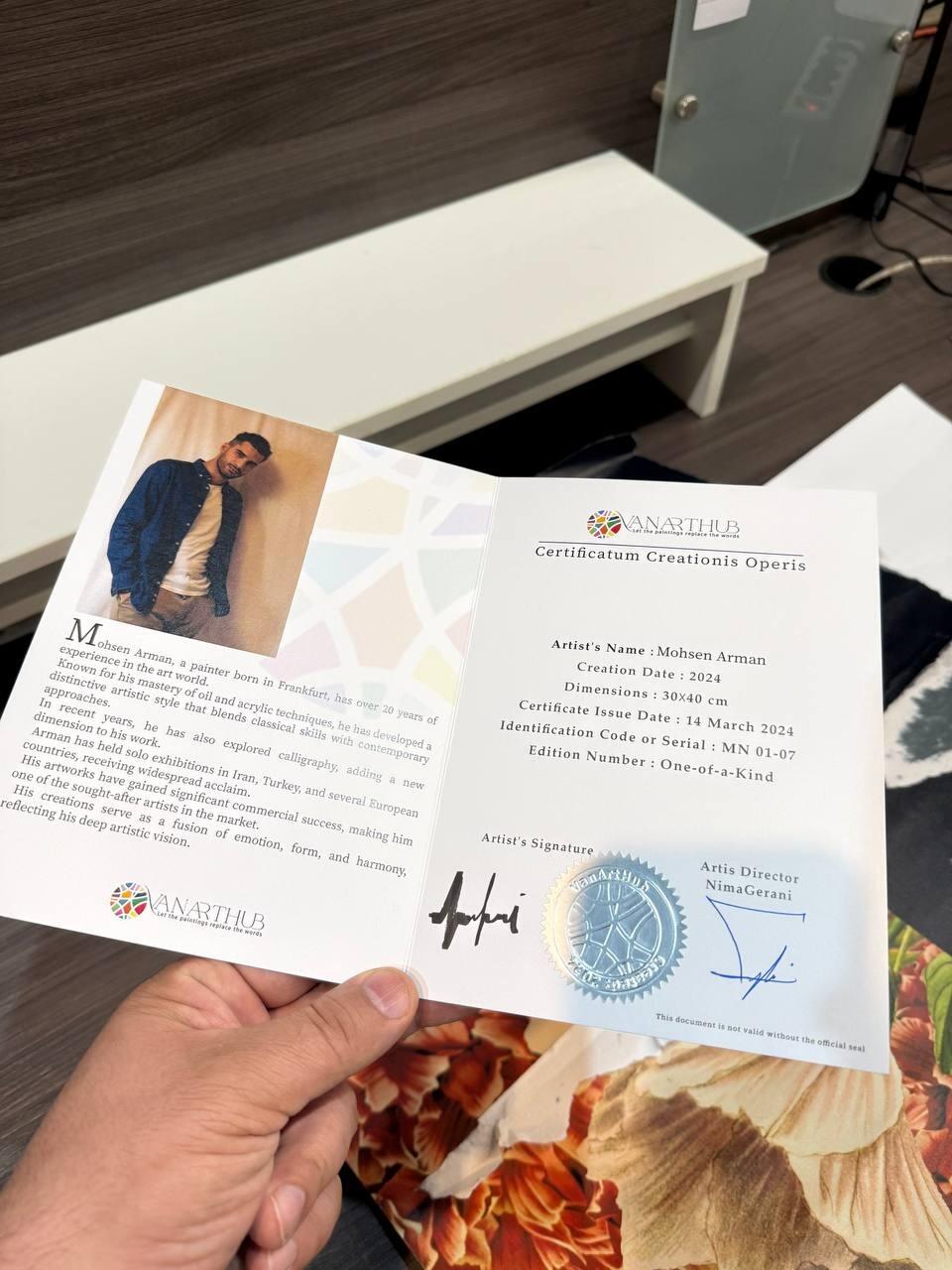
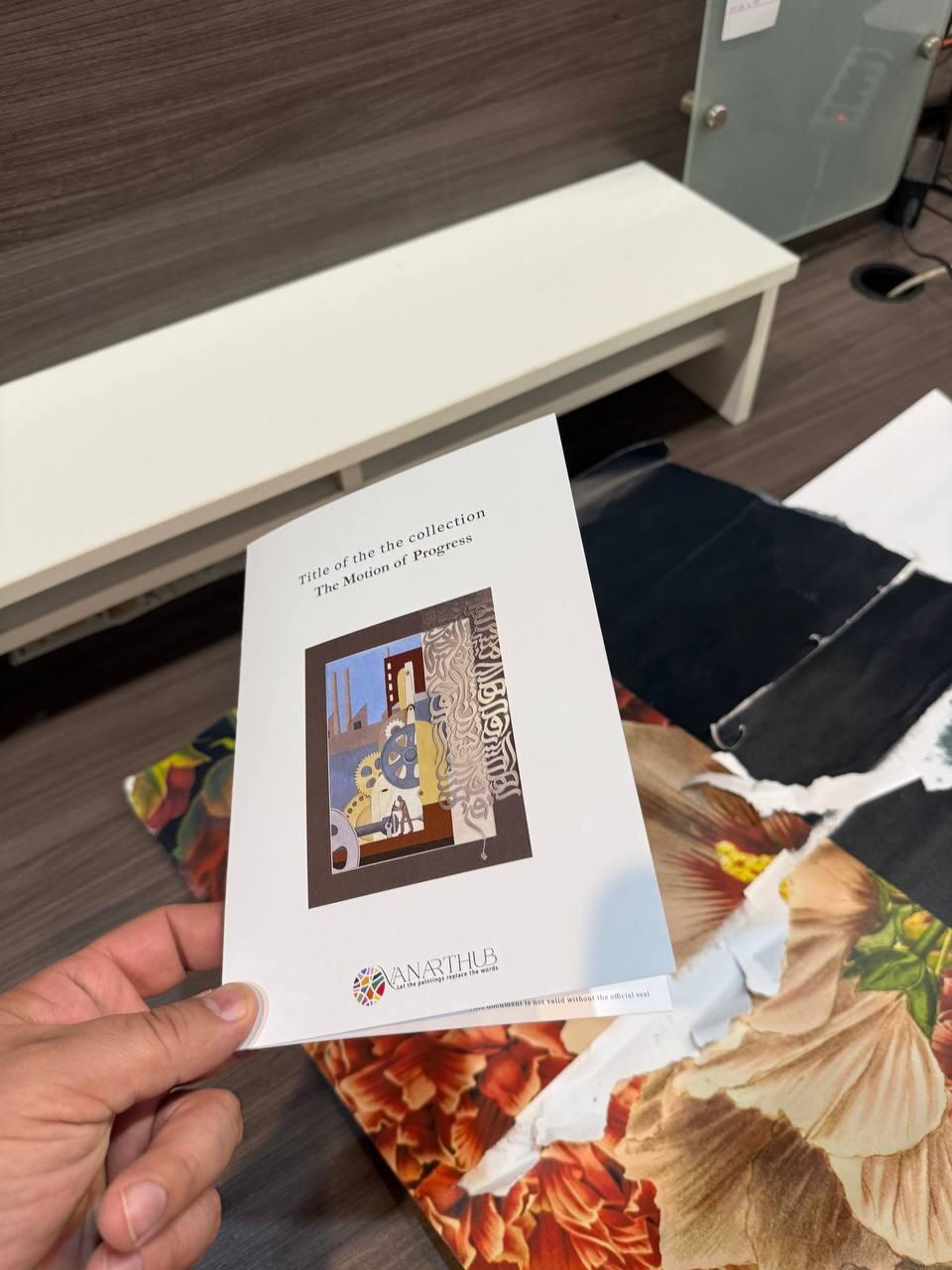
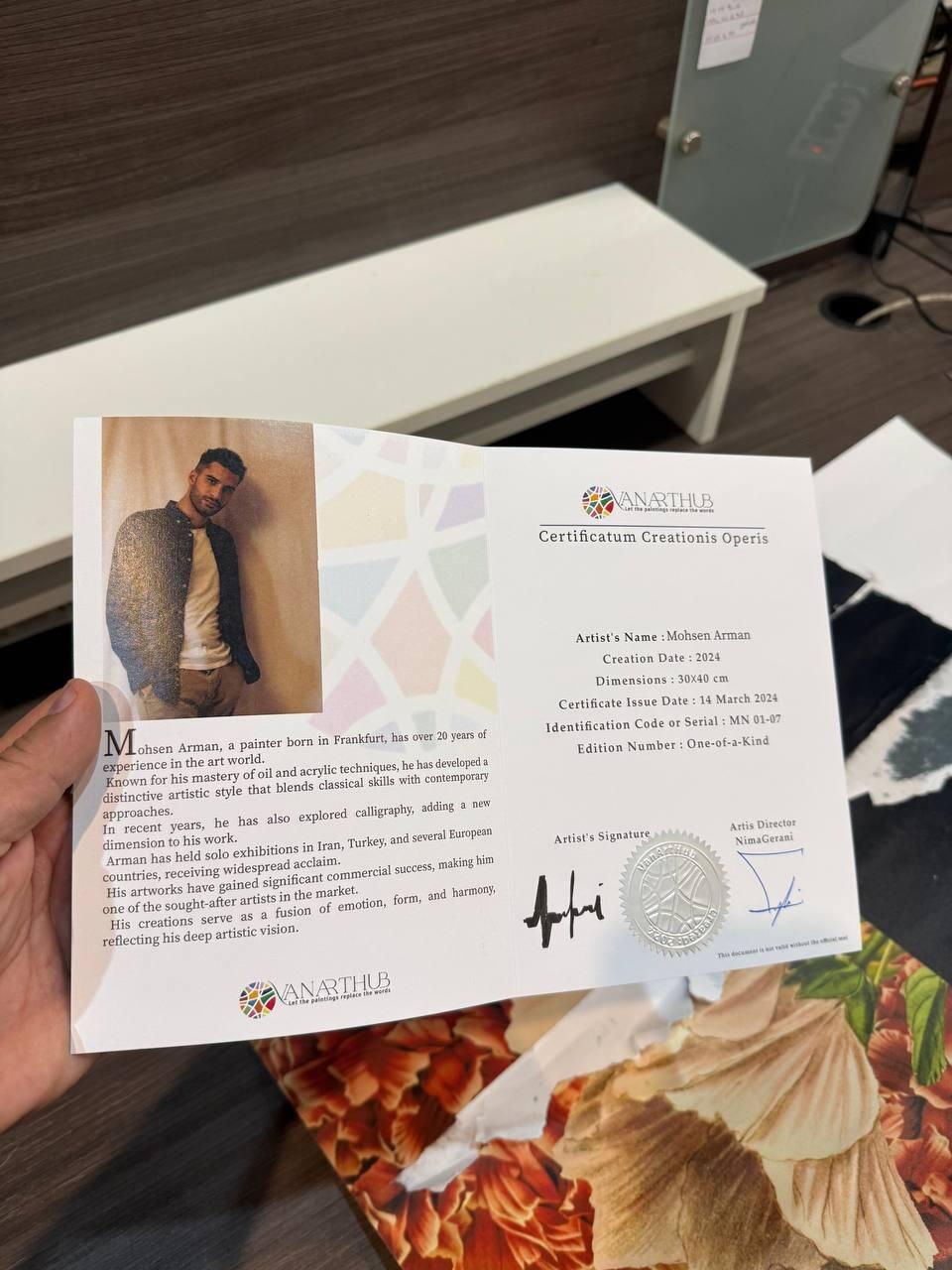
VanArtHub is an online gallery in Vancouver selling original, signed, one-of-a-kind paintings by independent local artists, never prints or reproductions, each with a Certificate of Authenticity and a 14-day home trial. If intentional collecting is your goal, start with our pillar on sustainable art, read why collect sustainable art for the case behind buying fewer better pieces, and follow how to buy original art for a calm step-by-step first purchase.