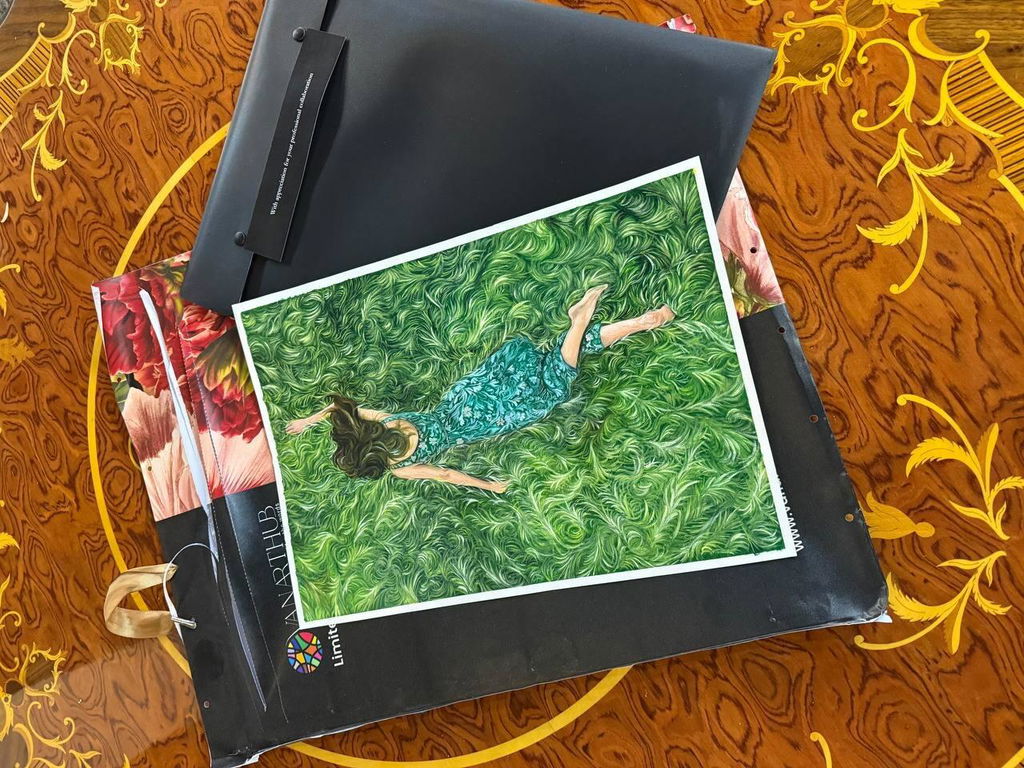
Fast decor is the wall version of fast furniture. Factories produce framed prints, canvas reproductions, and seasonal wall accents in high volume, stores sell them at low prices, and buyers replace them when the trend moves on. The pieces are not built to last, and when they come off the wall there is usually nowhere for them to go except the bin. An original painting sits outside that cycle: one object, made by hand, bought once, and kept for decades.
This page compares the two honestly and without invented statistics. It covers the broader decor cycle: how mass-produced wall decor is made, why replacement is built into it, and why the economics of one lasting original from a gallery like VanArtHub are different. For the narrower comparison between originals and printed reproductions specifically, read the companion guide Original Art vs Prints.
Key takeaways
- Mass-produced wall decor is designed around low price and trend cycles, so regular replacement is part of the business model.
- Most discarded decor has no repair path and no resale market, so it usually ends as waste.
- An original painting can be repaired, resold, passed down, or, at VanArtHub, traded back for store credit.
- The higher first price of an original spreads over decades of ownership; the low price of fast decor repeats every few years.
- This page uses no landfill tonnage figures, because we have not verified any. The argument is qualitative and holds without them.
The fast decor cycle
Mass-market wall decor follows the same product logic as fast furniture and fast fashion. Designs are chosen to match this season's interior trends. Production runs are large, because the whole model depends on volume. The retail price is kept low enough that buying feels like no decision at all, and the same low price means nobody expects the item to last.
The cycle then completes itself. The trend changes, the buyer redecorates, and the old piece comes down. It cannot be resold, because thousands of identical copies exist and nobody wants a used one. It rarely gets repaired, because repair would cost more than a new one. So it goes into the garbage, and a new piece takes its place on the same nail.
Why replacement is built in
Three features of fast decor make replacement almost automatic.
Low price means low attachment. An item that cost little to buy is easy to discard without a second thought. Nobody frames the question as "should I throw away this artwork". It feels like clearing clutter.
Trend design has an expiry date. A piece created to match a specific trend looks current for a season and dated soon after. The look that sold it is the same look that removes it.
The materials are not made to last. Thin frames, lightweight boards, and printed canvas wraps are chosen for cost, not durability. Corners chip, prints fade, and a single move between homes is often the end of the piece.
The different economics of one original
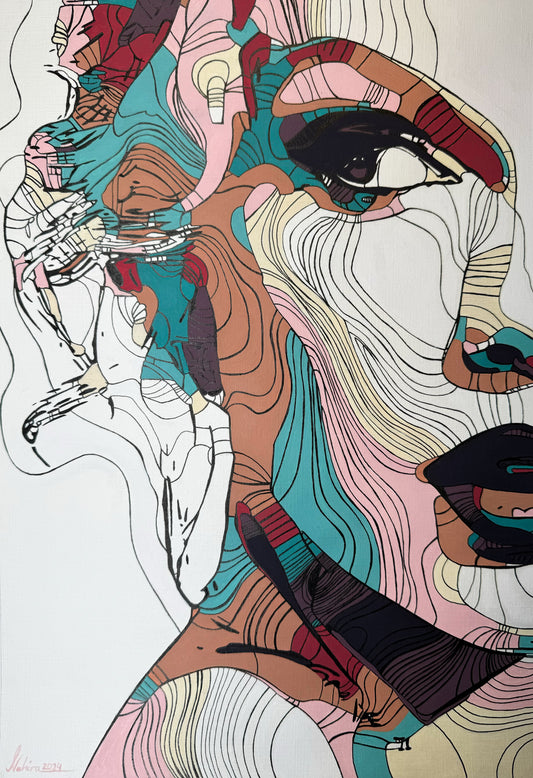
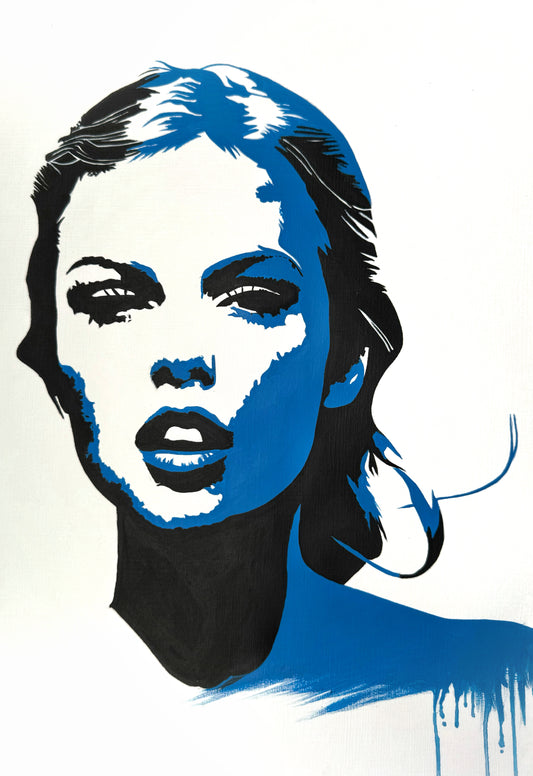
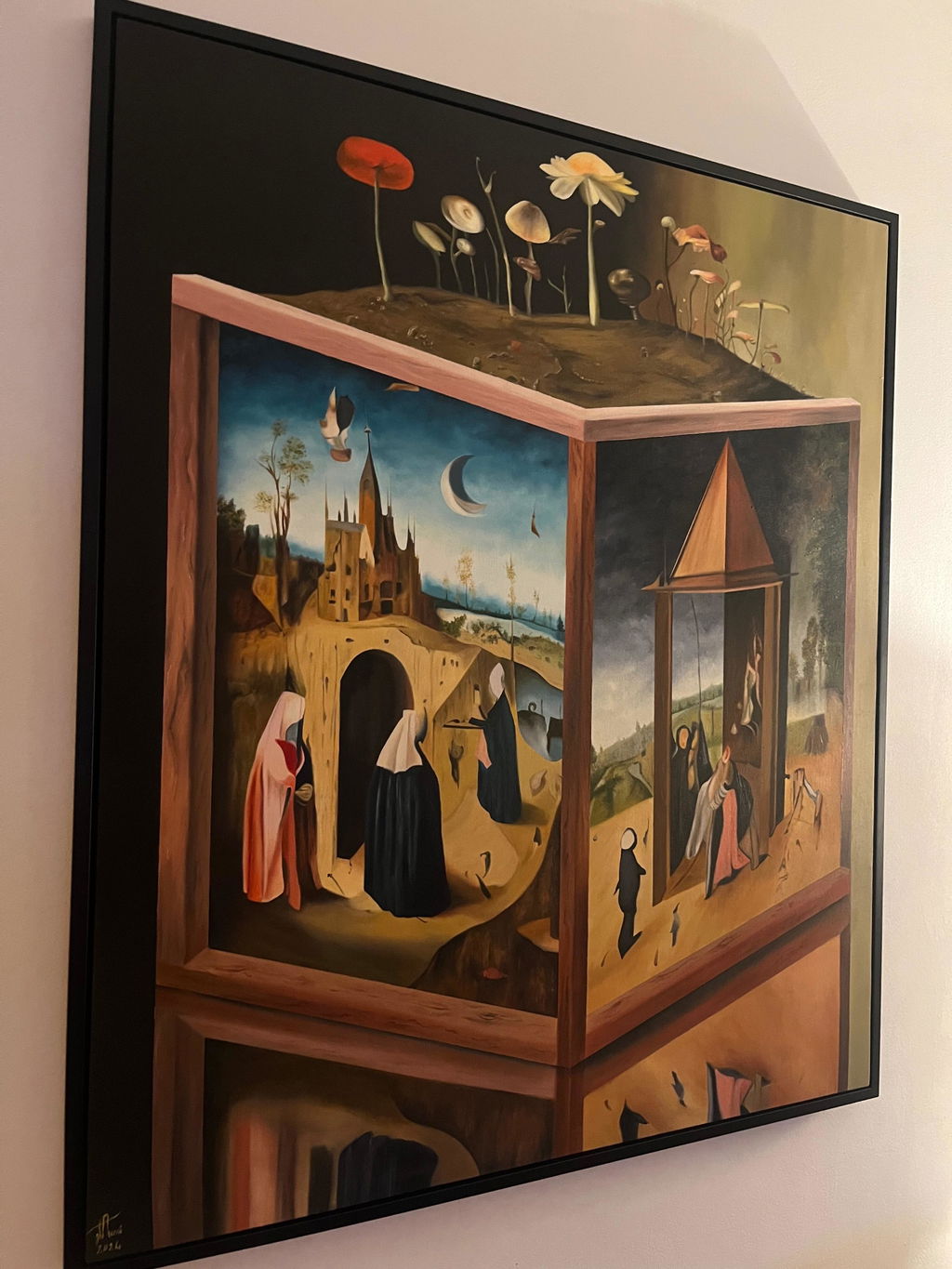
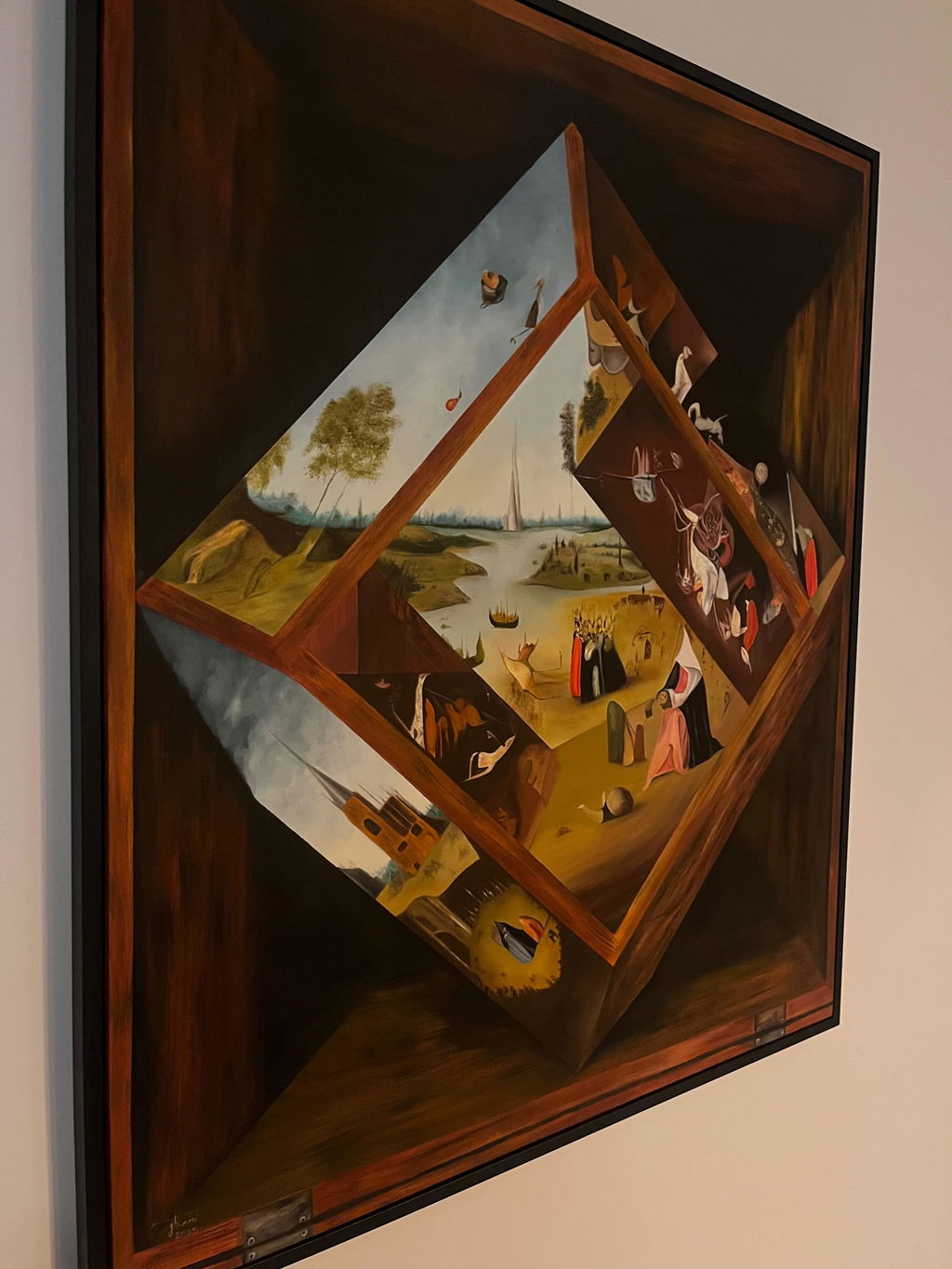
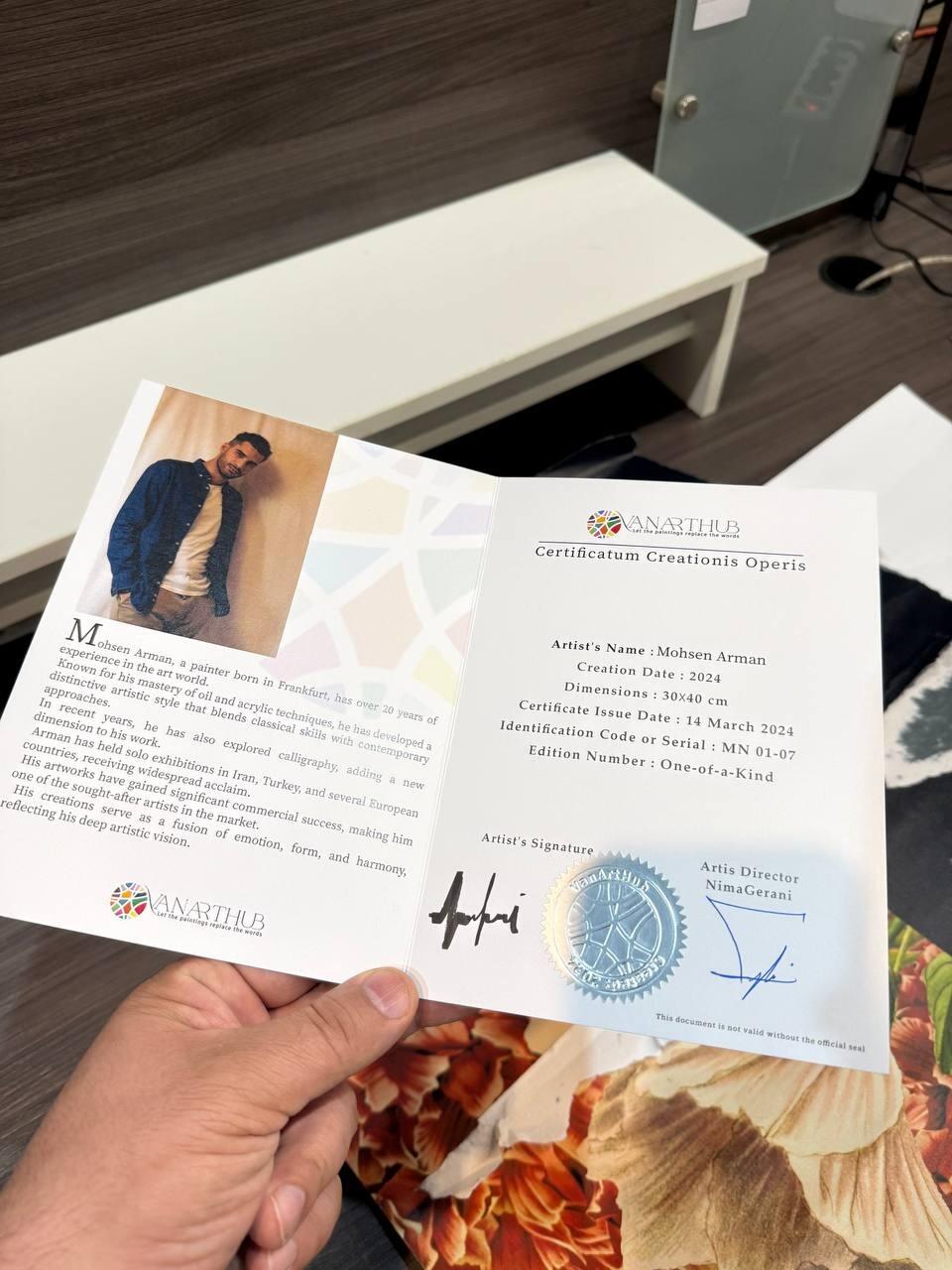
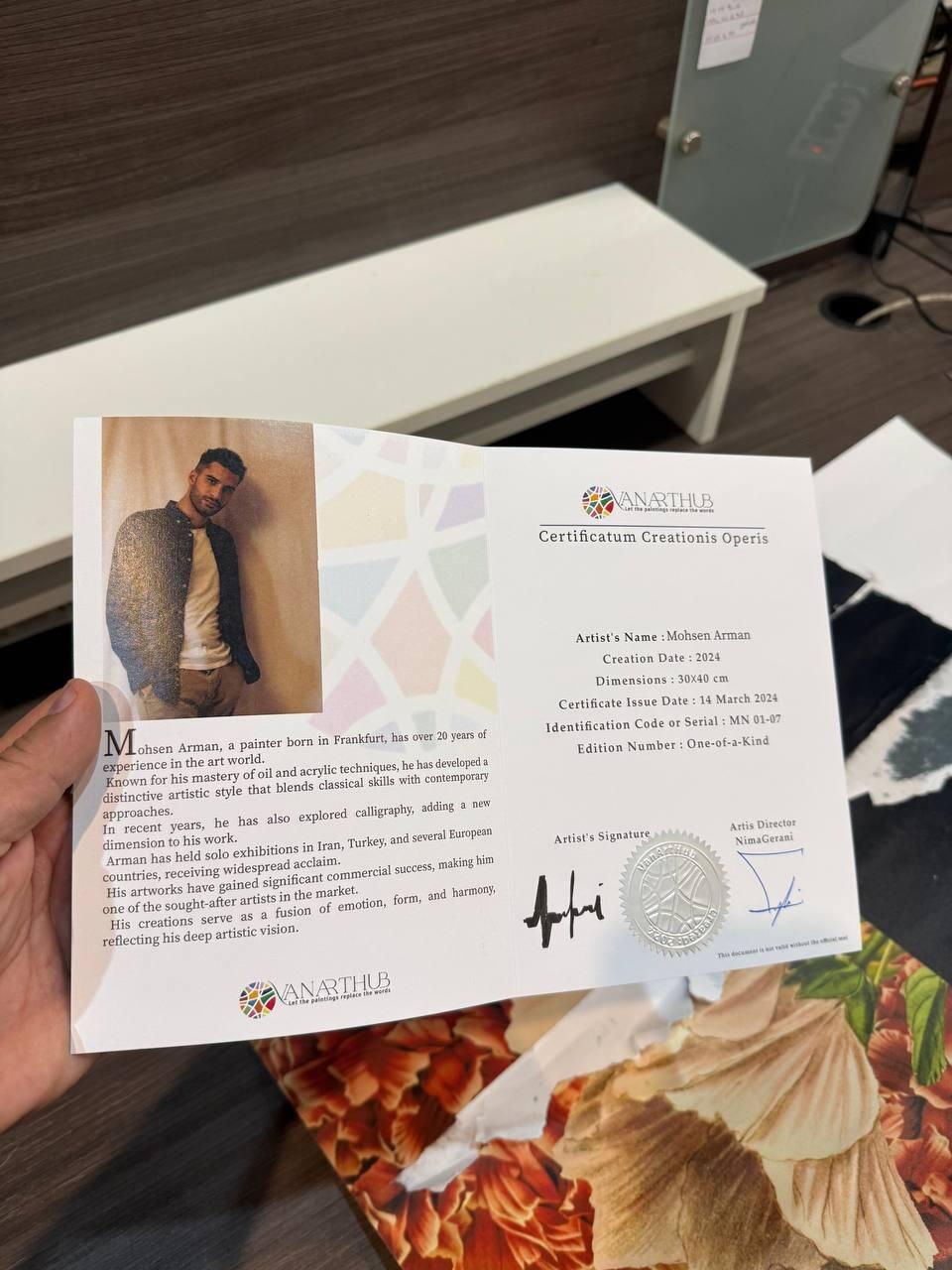
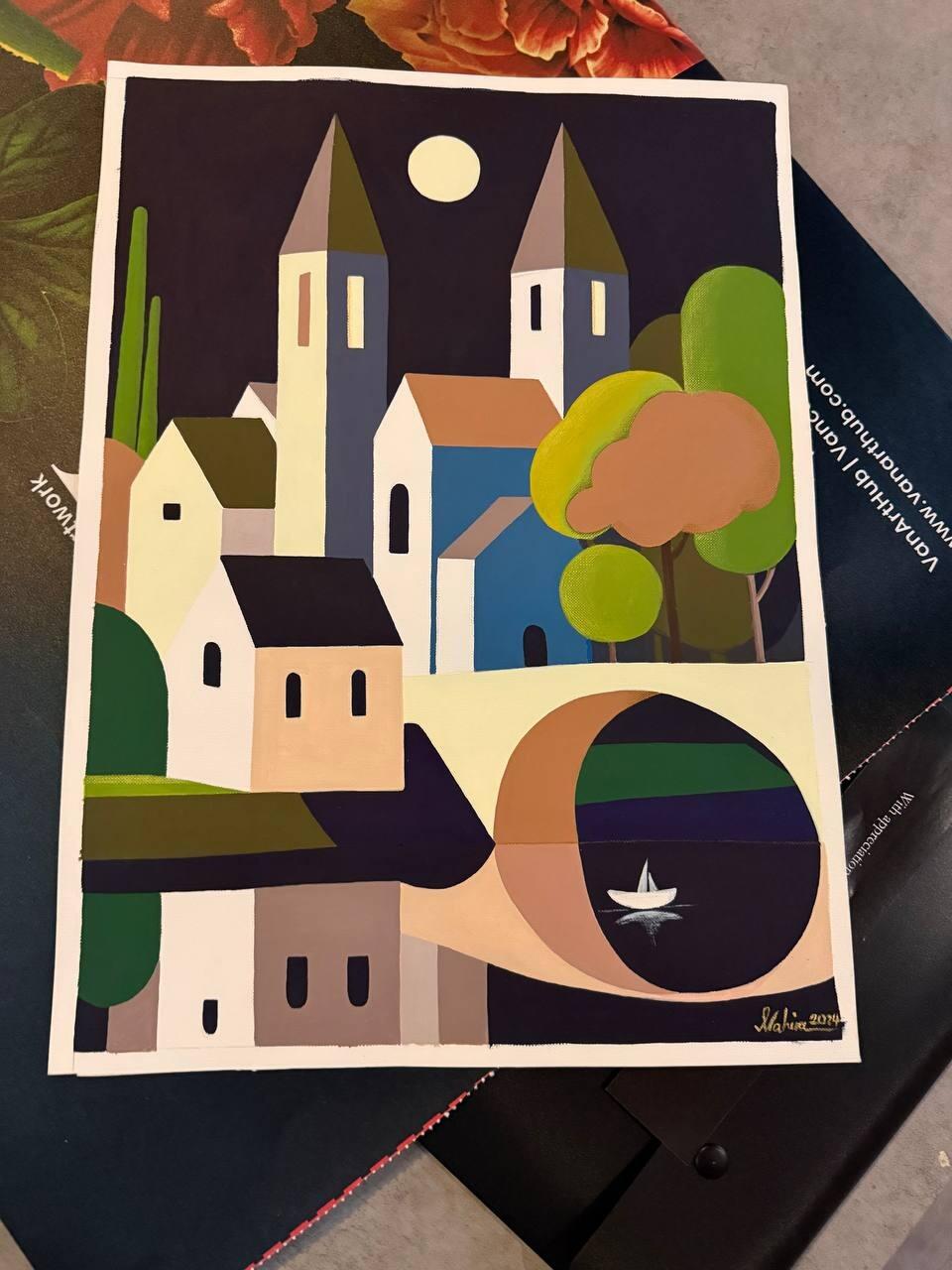
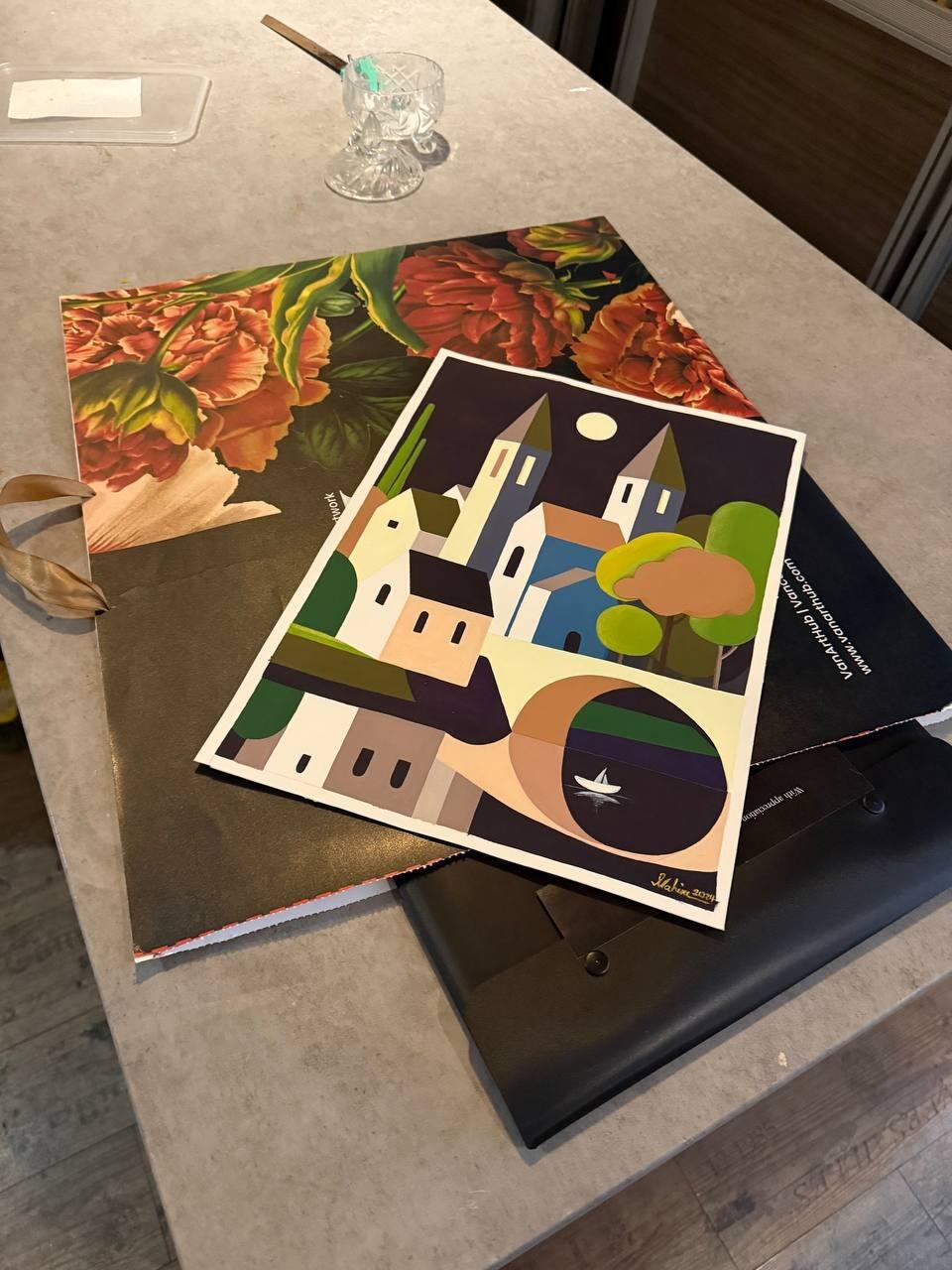
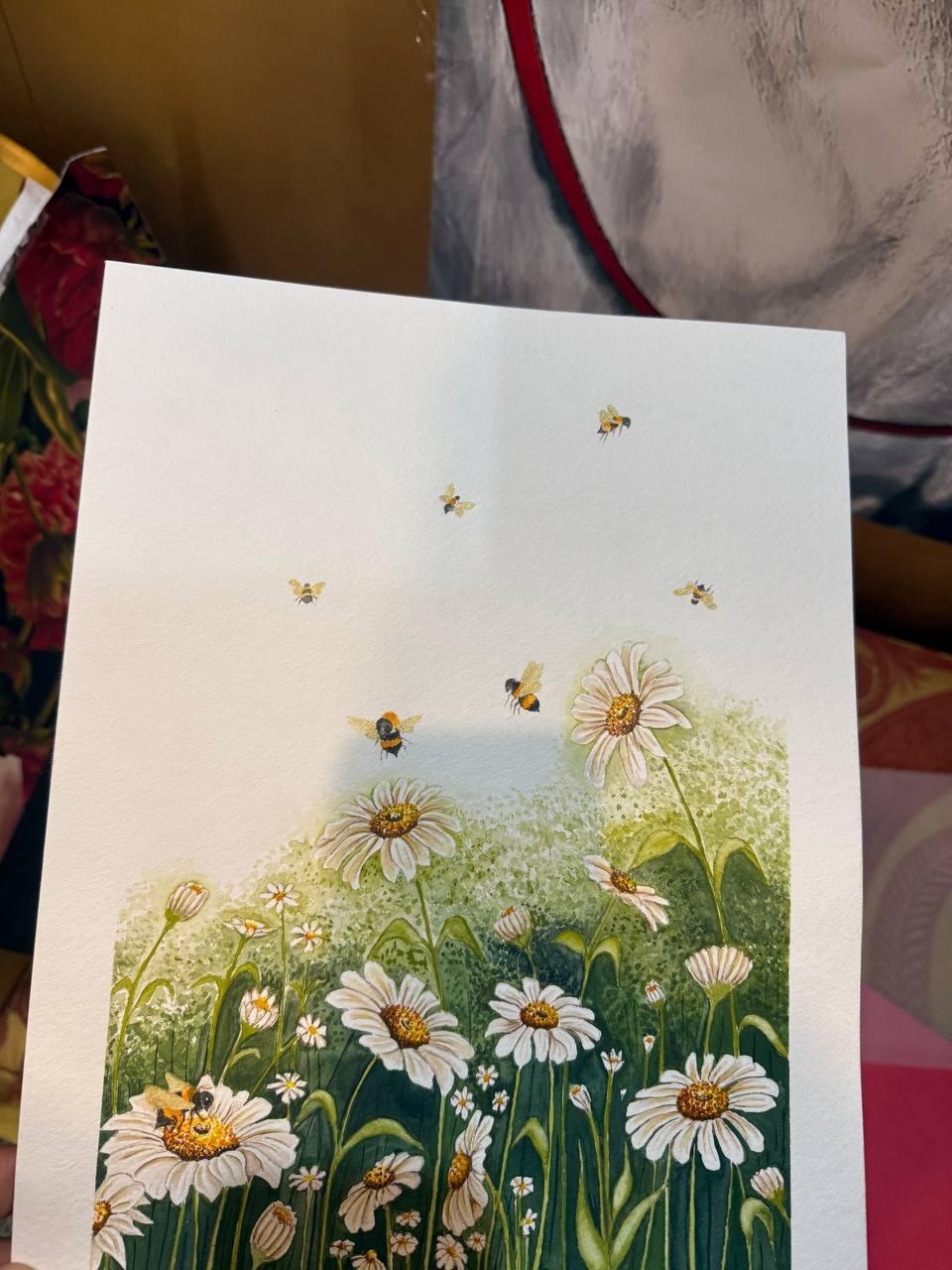
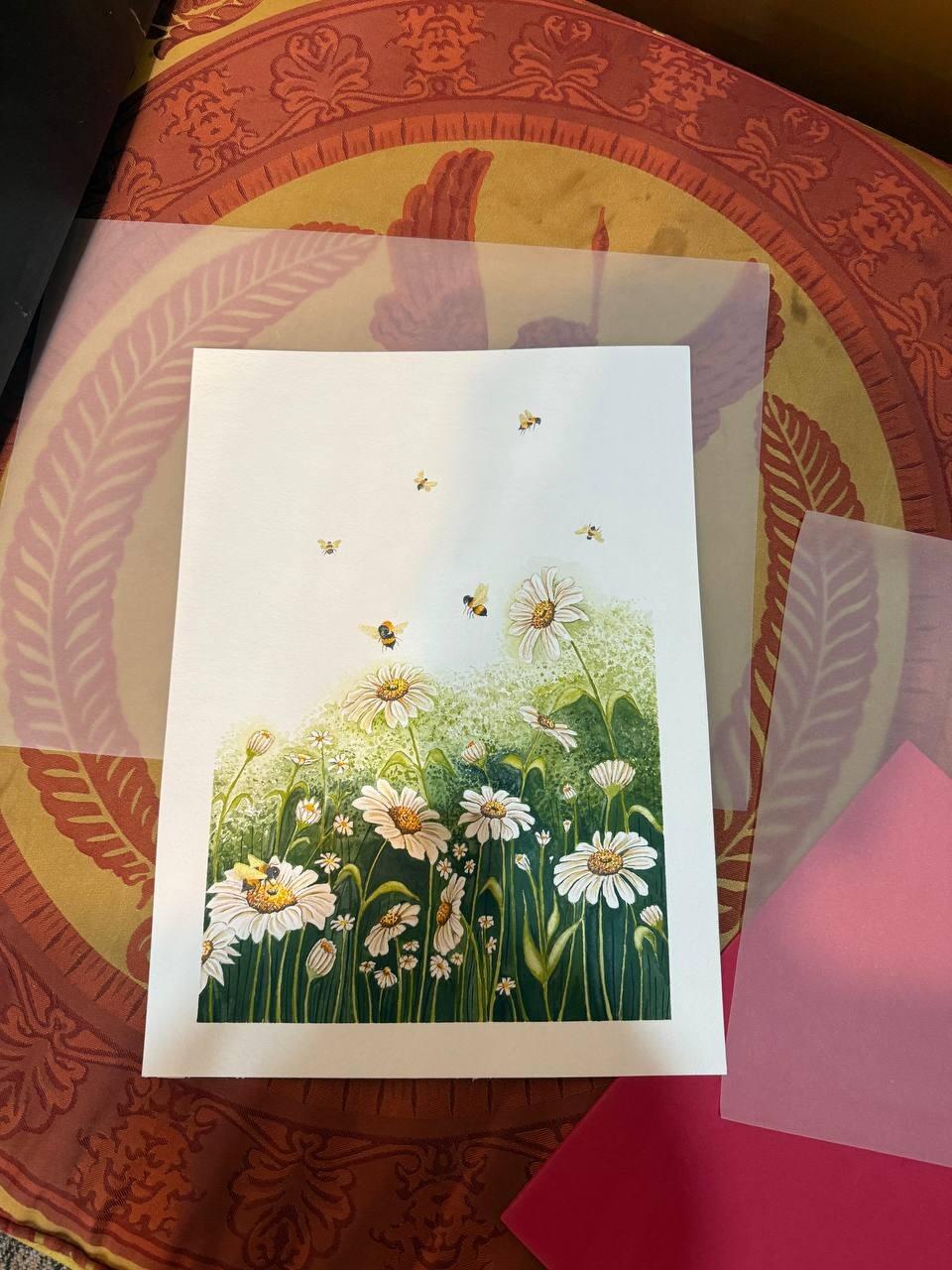
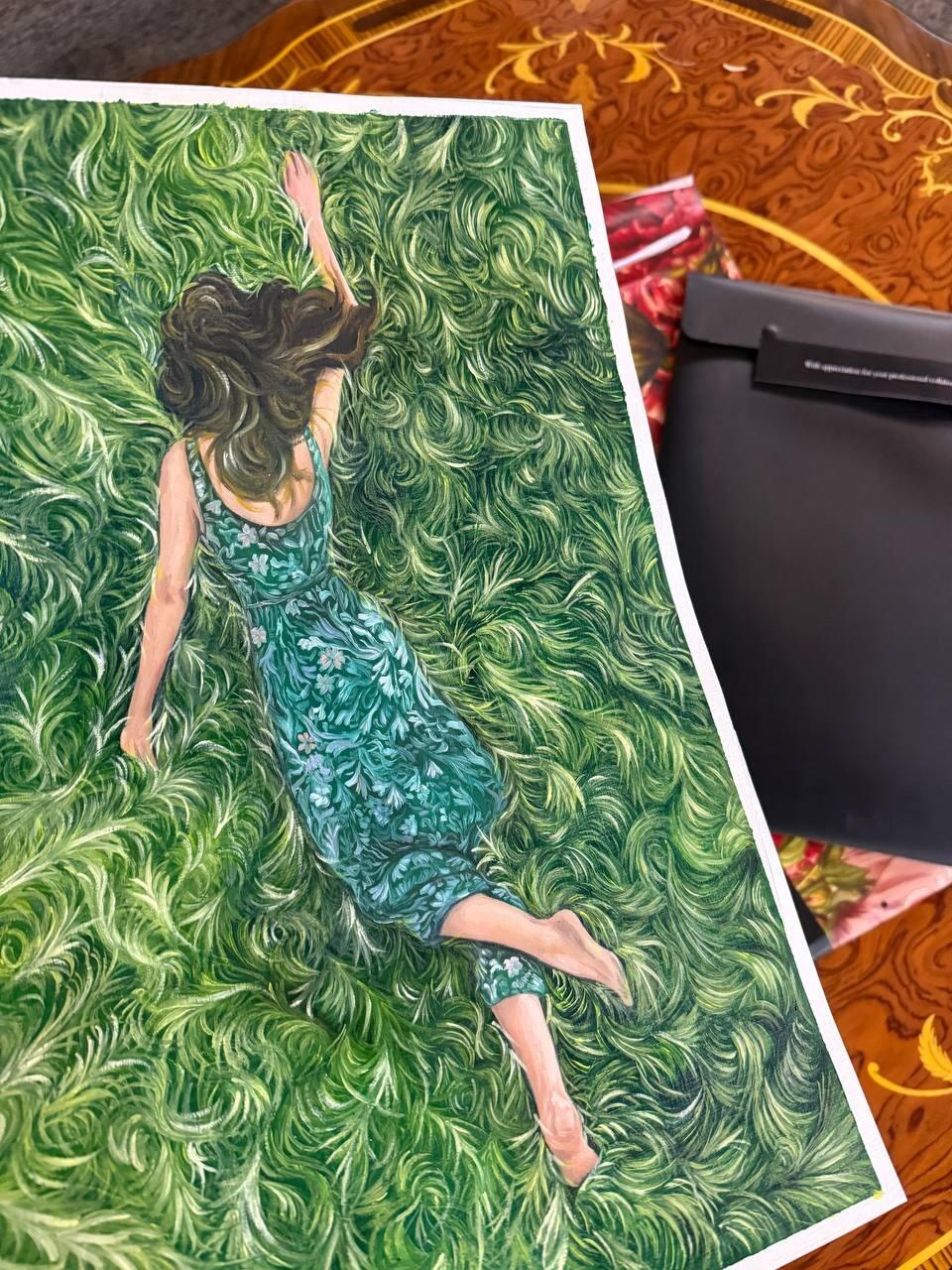
An original painting starts from the opposite assumptions. One person makes one object, by hand, and signs it. The price is higher than a factory print because it pays for an artist's time and skill, but it is paid once. At VanArtHub, signed originals start around $531, so the entry point is closer to fast decor than most people expect.
From there the economics diverge. A well-made painting, kept out of direct sun and handled with basic care, stays on a wall for decades; the page on how long a painting lasts covers what that takes. Nothing about it expires with a trend, because it was never designed to match one. If it is damaged, it can be professionally repaired. If your taste changes, a VanArtHub original can go back through the Lifetime Trade-Back for store credit, and the painting moves to another collector instead of into the garbage. You can see what current originals look like in the contemporary art collection.
Fast decor and an original, side by side
| Question |
Mass-produced decor |
An original painting |
| How it is made |
Factory production in large runs |
By one artist, by hand, as a single work |
| Why you buy it |
To match a current trend or room scheme |
Because the specific work means something to you |
| How long it stays up |
Until the trend or the room changes |
Decades, and often across generations |
| When you tire of it |
Bin; no repair path, no resale market |
Resell, pass down, or trade back for credit |
| What it is worth in ten years |
Effectively nothing |
A unique signed work with a documented maker |
An honest note about waste numbers
Large figures about furniture and decor waste circulate online. Some may be accurate, but we have not verified them, so we do not repeat them here. The pattern does not need a number to be visible. Count the wall decor you personally have bought and discarded over the past ten years, then count the original artworks you have thrown away. For most people the first number is real and the second is zero. That difference, multiplied across millions of households, is the fast decor problem, and it is the reason durable originals belong in any serious conversation about sustainable art.
Common questions
Is original art more sustainable than mass-produced wall decor?
In one clear way, yes: an original is bought once and kept for decades, while fast decor is replaced repeatedly, and each replacement means new production, new shipping, and a discarded item. We cannot put a verified number on the difference, but the pattern of fewer objects bought and thrown away is the substance of it.
Why does original art cost more than store-bought wall decor?
Because one person makes one object by hand. The price of an original pays for an artist's time, skill, and materials on a single unique work, while factory decor spreads its costs across thousands of identical copies. The original is also paid for once, where decor is repurchased every few years.
Can I buy original art on a small budget?
Yes. Original paintings at VanArtHub start around $531, which overlaps with what many people already spend on framed prints and seasonal decor. A small signed original costs about the same as a large mass-produced canvas print, and it is the one of the two that lasts.
What should I do with wall decor I no longer want?
Keep it out of the garbage if you can. Offer it to friends or family, donate it to a thrift store or community space, or give it away locally. Most mass-produced decor has no resale value, but an item that is still intact can usually find a second home.
Does VanArtHub sell prints or reproductions?
No. VanArtHub sells original paintings only. Every work is a one-of-a-kind piece signed by the artist, and every purchase includes a Certificate of Authenticity, free fully insured shipping, and a 14-day trial with free return shipping.
If the economics of one lasting piece make sense to you, start small: the originals under $700 collection is a realistic first step away from the replacement cycle, and every work in it is signed, insured in shipping, and covered by the 14-day trial.