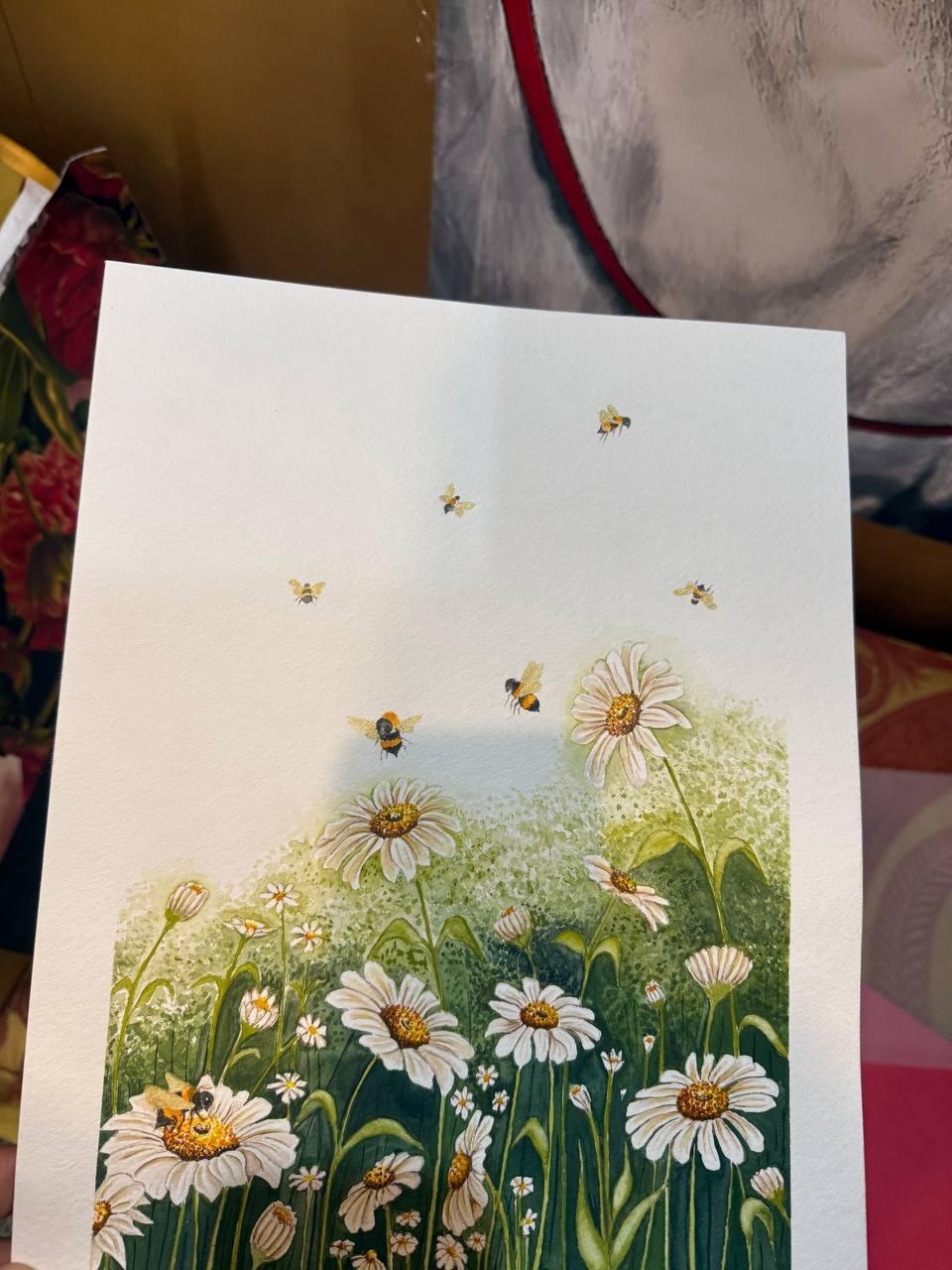
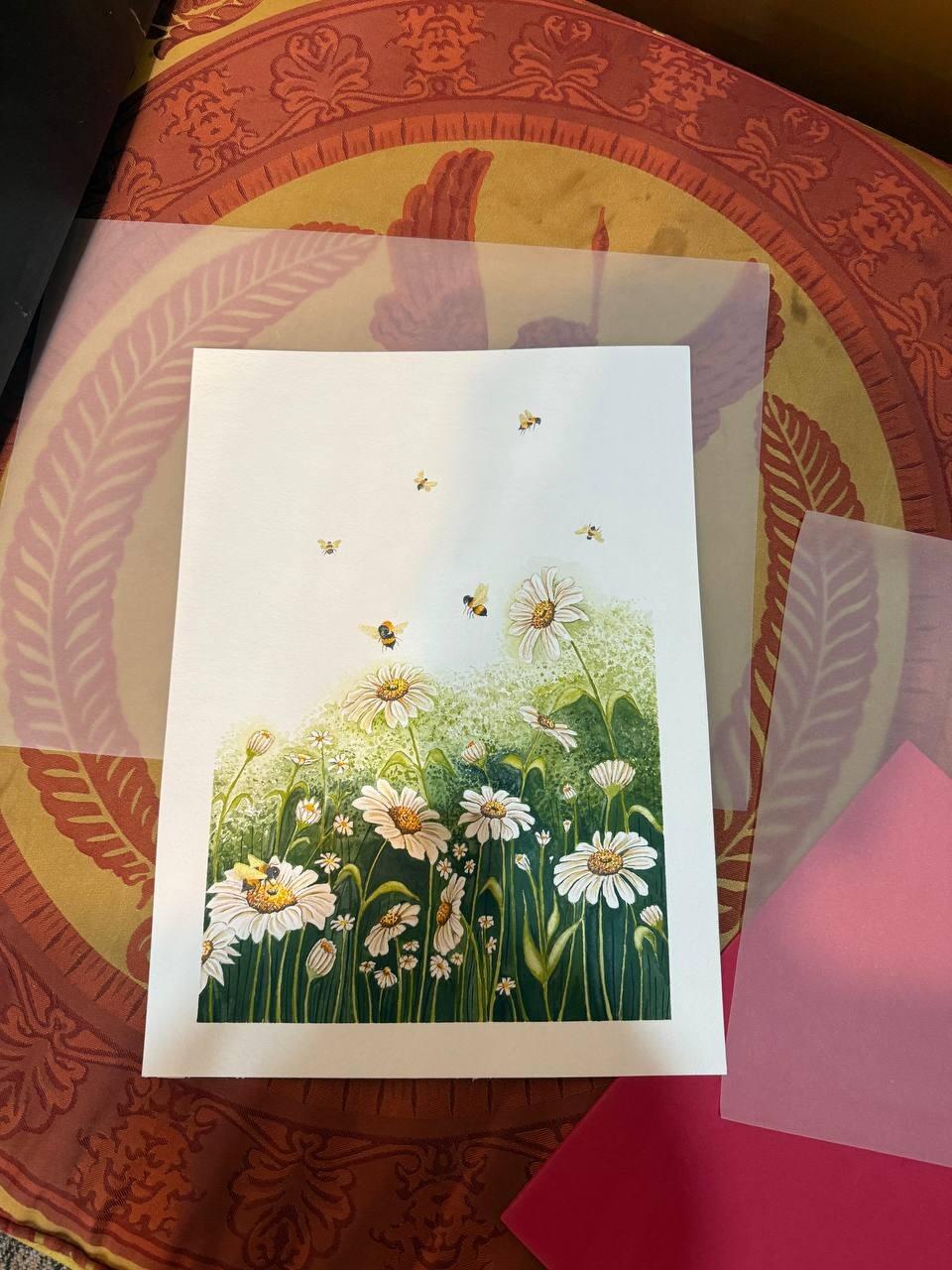
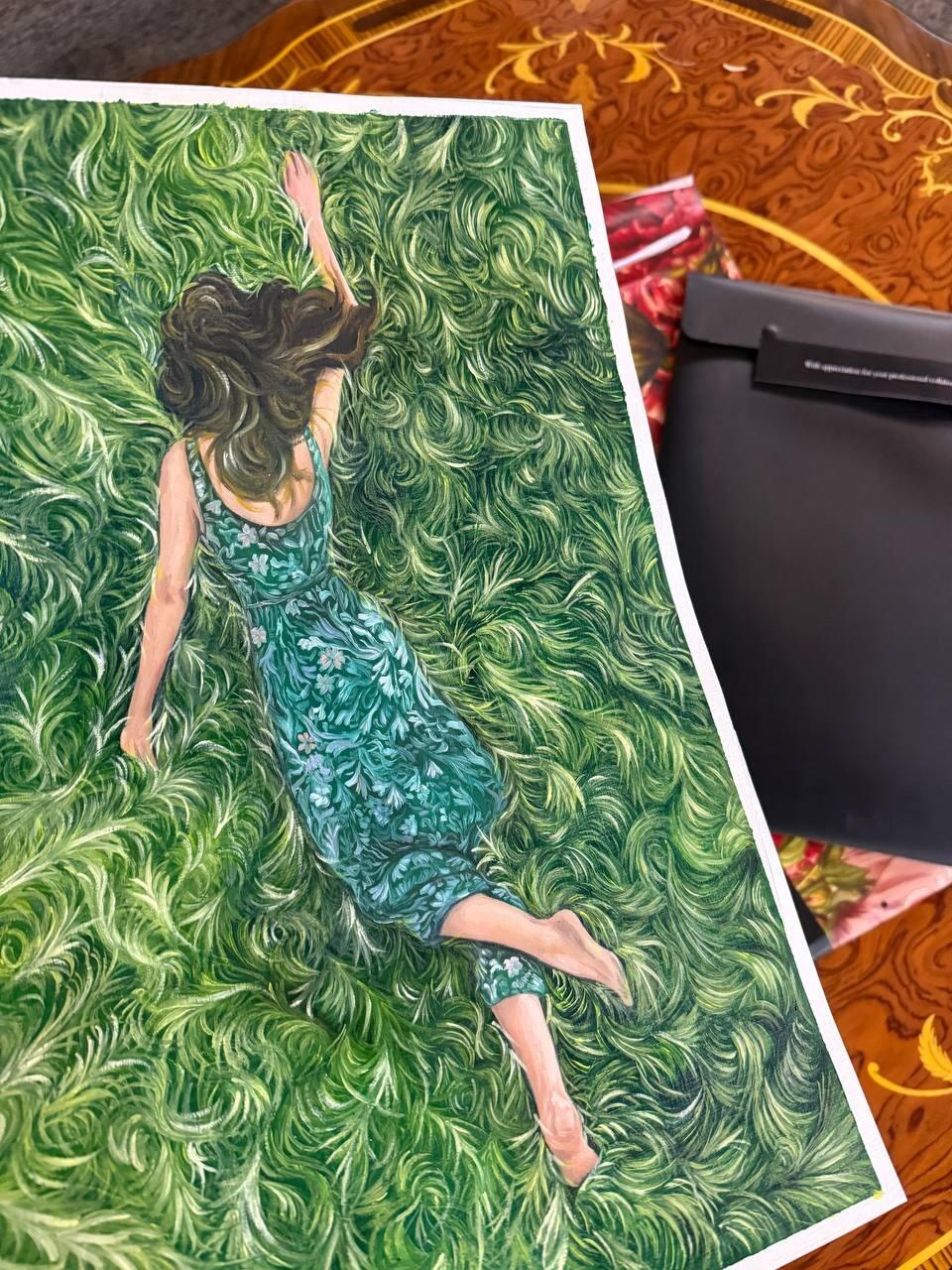
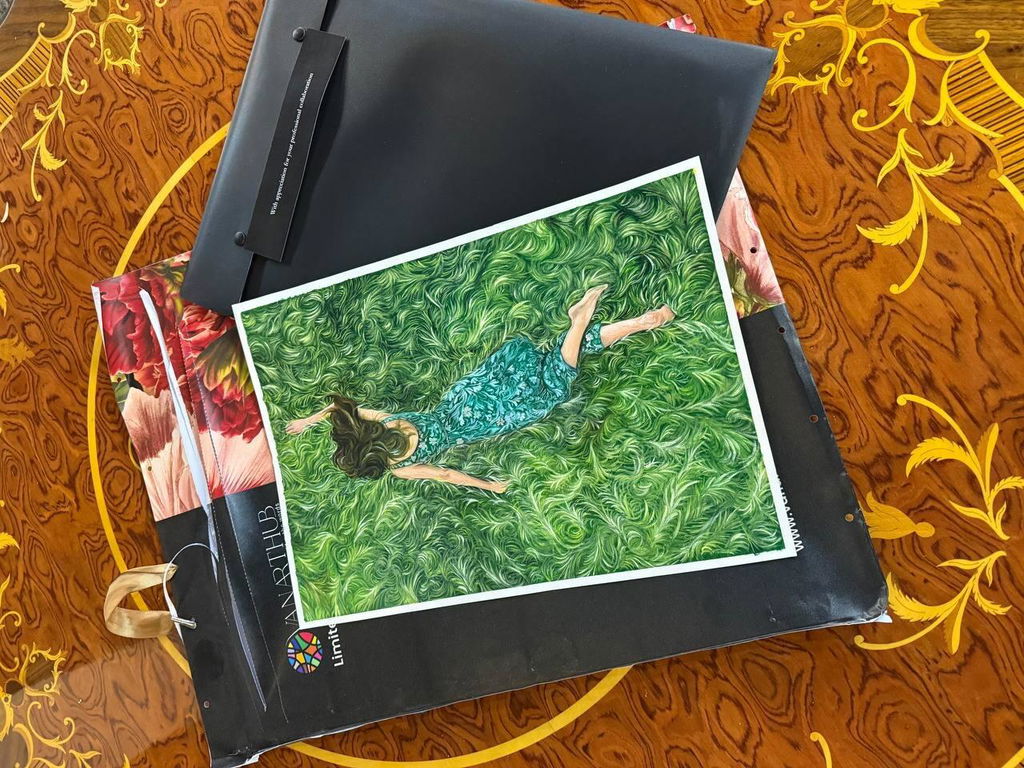
VOC stands for volatile organic compounds: solvent vapours that evaporate at room temperature and affect indoor air. In painting, the main sources are the solvents used in traditional oil practice, such as turpentine and mineral spirits, plus some sprays and mediums. Water-based paints, meaning acrylics and watercolour, need no solvent at all, so they add far less to the air of a studio.
For a buyer, the key point is simpler still: a finished, cured painting gives off very little, whatever it was painted with. A fresh oil painting can smell for a while as it cures, and that fades. This page, part of VanArtHub's guide to sustainable art, explains the difference between what an artist breathes at work and what a collector brings home.
Key takeaways
- VOCs in art materials come mainly from solvents, spray products, and some mediums, not from pigments.
- Acrylics and watercolour thin and clean up with water, so they need no solvent at any stage.
- Solvent-free oil painting is an established practice: brushes can be cleaned with oil and soap, and solvent-free mediums exist.
- A cured painting off-gasses very little; VOC exposure is mostly a studio matter that affects the artist while working.
- A new oil painting can smell while it cures, and ventilation plus patience is the whole solution.
What VOCs are, and where they appear in art materials
Volatile organic compounds are carbon-based substances that evaporate readily at room temperature. In a studio, they are what you smell when a jar of solvent is open. The pigments that give paint its colour are not the issue; the vapour comes from the liquids used to thin paint, clean brushes, and deliver sprays.
That points to where low-VOC choices actually happen. An artist who avoids solvent-heavy habits removes most of the vapour from their working day. A buyer, on the other hand, receives an object whose volatile content has largely already left it. The two situations are different, and mixing them up causes needless worry.
Water-based paints: the low-VOC default
Acrylic paint is pigment held in a synthetic polymer binder that thins and cleans up with water. Watercolour is pigment in gum arabic, a sap from acacia trees, and it never touches a solvent either. In both cases the liquid that leaves the paint as it dries is mostly water. This is why a studio that runs on acrylics and watercolour smells of very little, and why these mediums are the usual advice for artists working in small home spaces.
Dried, the results are stable. An acrylic film is a solid plastic layer; a watercolour is a thin wash of pigment bonded to paper, normally framed behind glazing.
Oil painting with and without solvents
Oil paint itself is pigment in linseed oil, which is pressed from flax seed. The binder is a plant oil, not a solvent. Solvents enter the picture as tools: turpentine or mineral spirits to thin paint and to clean brushes. Traditional practice uses them freely, and that is where the vapour in a classic oil studio comes from.
They are optional. A growing number of oil painters work solvent-free: they thin with oil or with solvent-free mediums, wipe brushes hard on rags, rinse them in oil, and finish with soap and water. The results are ordinary oil paintings; nothing about the finished object reveals whether solvent was used in the studio. If you are curious what else is inside the tube, our vegan hub answers a related question in is oil paint vegan.
The mediums at a glance
| Paint |
Thinned and cleaned with |
Solvent vapour in the studio |
Smell when the painting is new |
| Watercolour |
Water |
None needed |
Almost none |
| Acrylic |
Water |
None needed |
Slight, fades quickly |
| Oil, traditional practice |
Solvents such as turpentine or mineral spirits |
Present while working |
Noticeable at first, fades as the paint cures |
| Oil, solvent-free practice |
Oil and solvent-free mediums; soap for cleanup |
Little to none |
A mild oil smell that fades |
What a buyer of finished art should actually care about
Almost none of the above follows the painting home. By the time a work is finished, photographed, and shipped, the volatile part of its materials has mostly evaporated in the studio. A cured painting is a quiet object. The practical exceptions are about freshness, not medium: a recently completed oil painting can carry a linseed smell while the surface cures, and a freshly varnished work of any kind can smell for a few days.
The response is ordinary housekeeping. If a new arrival has a noticeable smell, let it hang in a ventilated room for a while before it goes into a bedroom. If you are sensitive to smells, ask when the work was completed and whether it was recently varnished before you buy. For how these choices play out in bedrooms and nurseries specifically, see non-toxic art for family homes.
Low-VOC choices are studio choices
The people VOC habits protect most are artists, who spend whole days beside the materials. That is why low-VOC practice belongs to the same family of habits as waste reduction: both happen at the source, in the studio, and both are invisible in the finished work. We describe the waste side in the low-waste art studio, and the materials themselves in eco-friendly and natural art materials. Buying from living artists means you can ask about all of it directly.
Common questions
Do acrylic paintings off-gas in the home?
Very little. Acrylic paint is water-based and needs no solvent, and once the paint film has dried the painting is a stable object. Any faint smell from a freshly finished acrylic disappears quickly.
How long does a new oil painting smell?
It depends on how thickly it was painted and how recently it was finished. The smell comes from the oil and any medium curing, and it fades steadily. Keeping the painting in a ventilated room speeds this up. Once you no longer notice it up close, it is essentially done.
Can oil painting really be done without solvents?
Yes. Solvents are a convenience, not a requirement. Painters thin with oil or solvent-free mediums, wipe brushes on rags, and wash them with oil followed by soap and water. The practice is well established.
Should I worry about VOCs when buying a finished painting?
For most buyers, no. VOC exposure is mainly a studio matter that affects the artist while working. A cured painting releases very little. If you are sensitive to smells, ask when the work was completed and give a recent oil painting some airing time.
Is watercolour the lowest-VOC medium?
It is among the lowest. Watercolour is pigment in a plant-based gum binder, thinned with water, and it needs no solvent at any stage. Framed behind glazing, a finished watercolour adds nothing noticeable to indoor air.
If low odour in the home is a priority, water-based work is the simplest starting point. Browse our acrylic paintings, and if a particular work interests you, ask us how it was made; we will put the question to the artist.