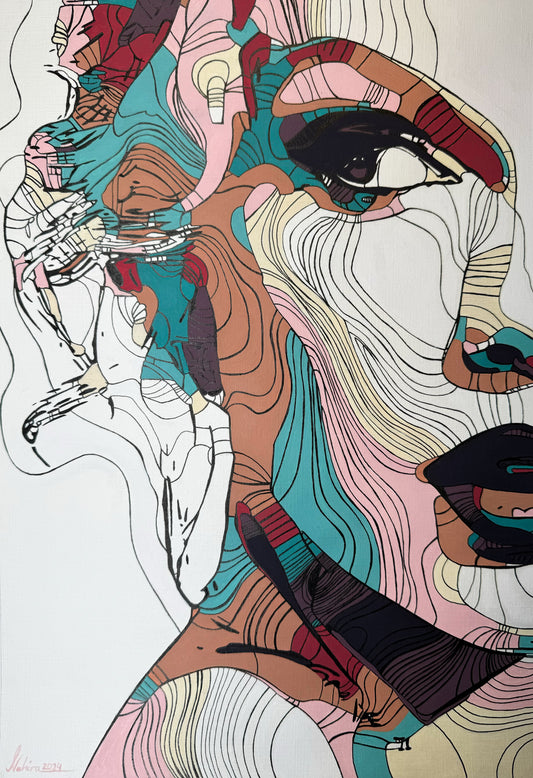
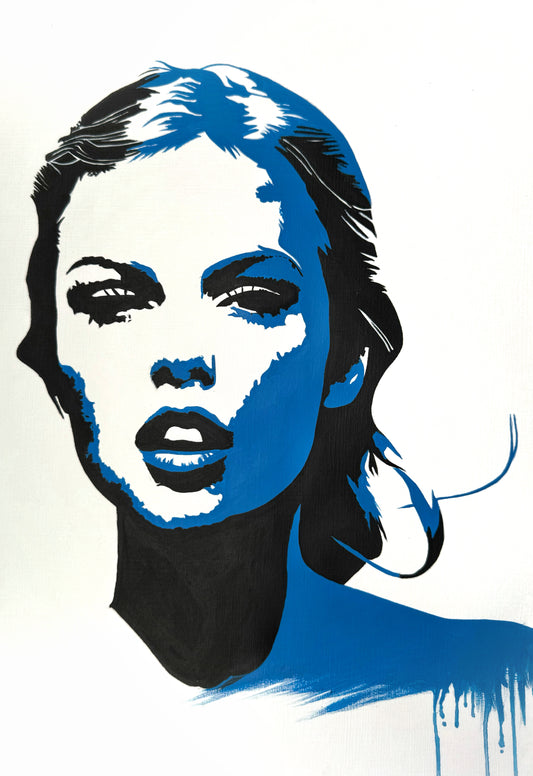
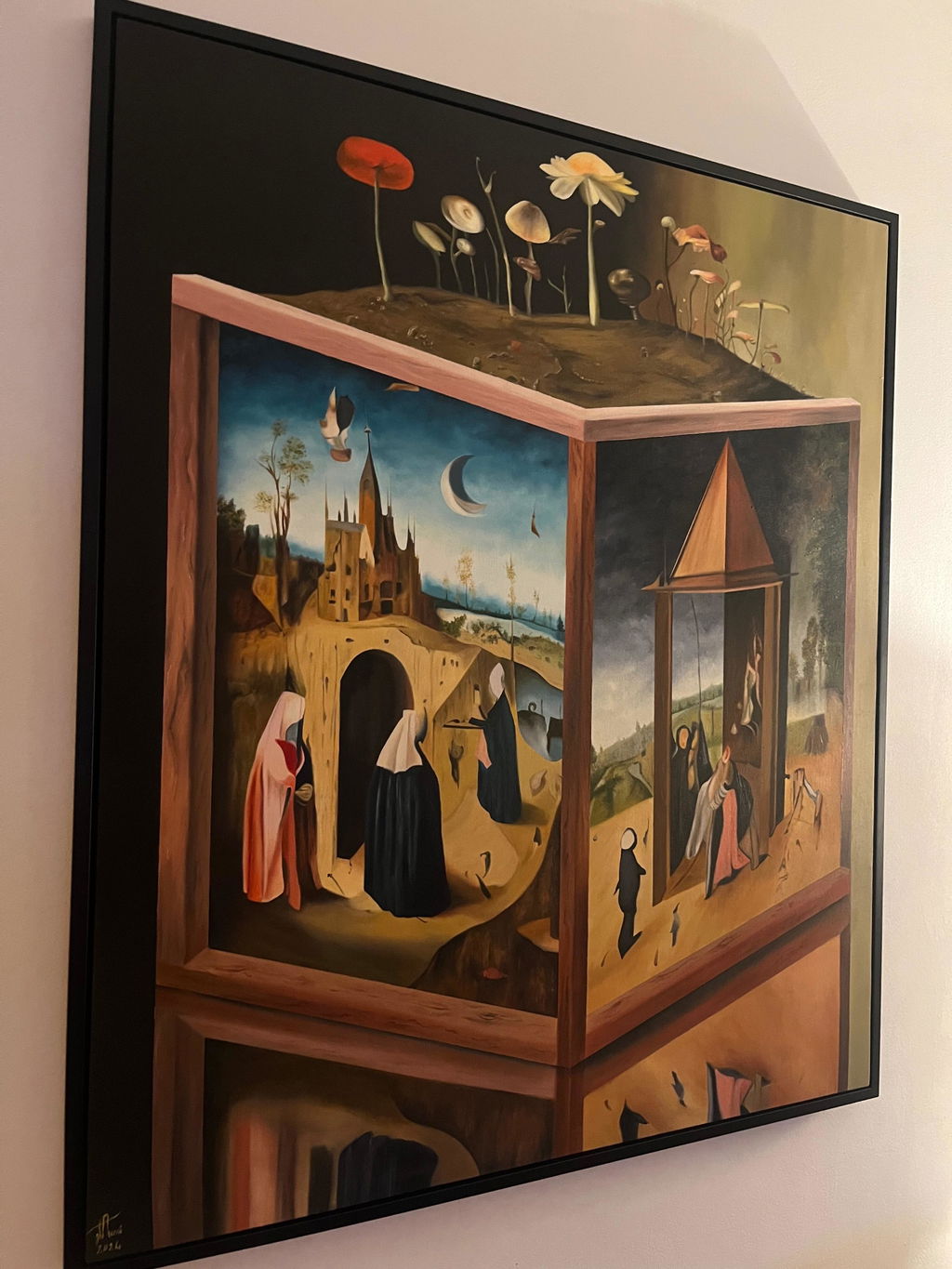
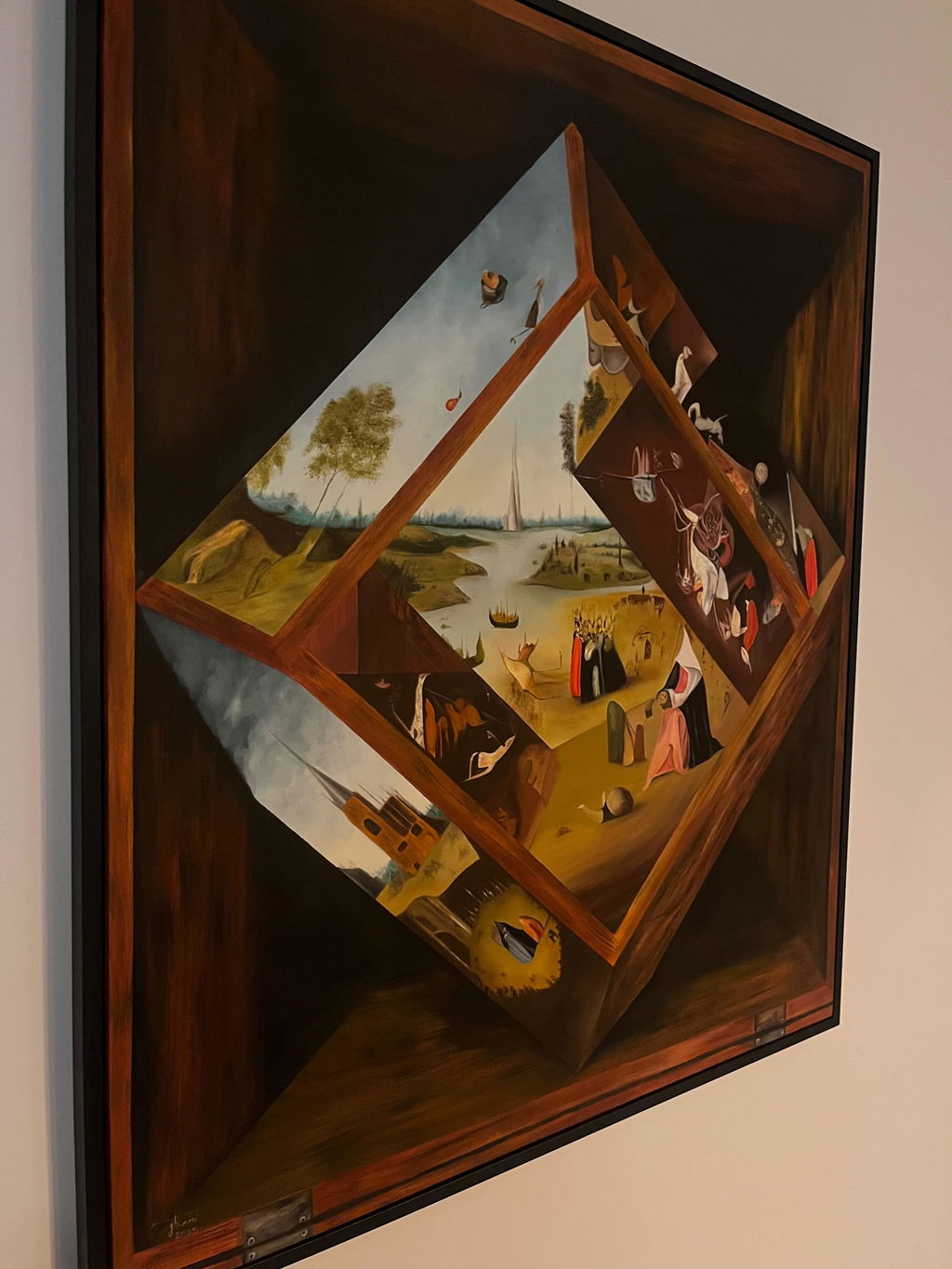
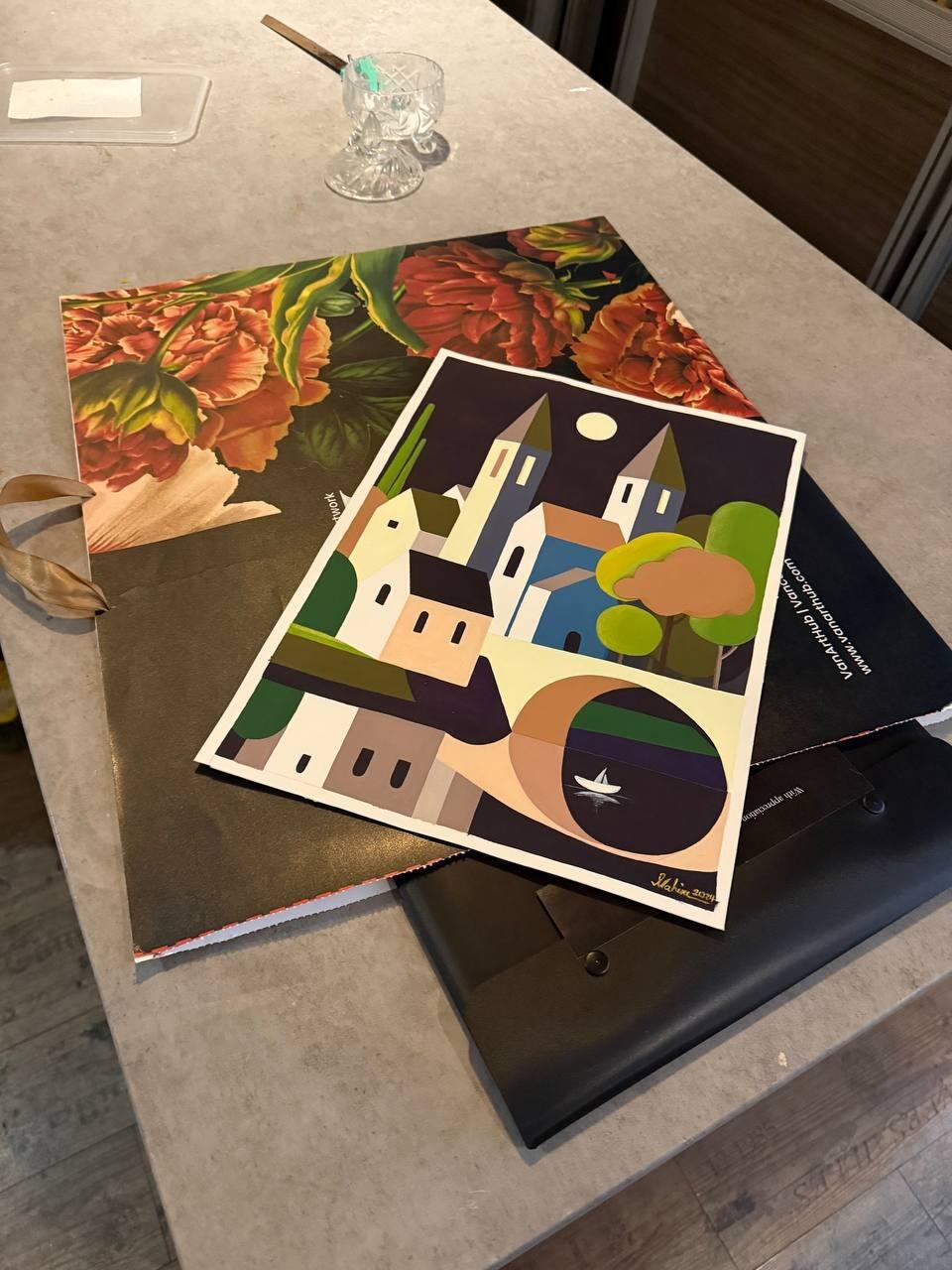
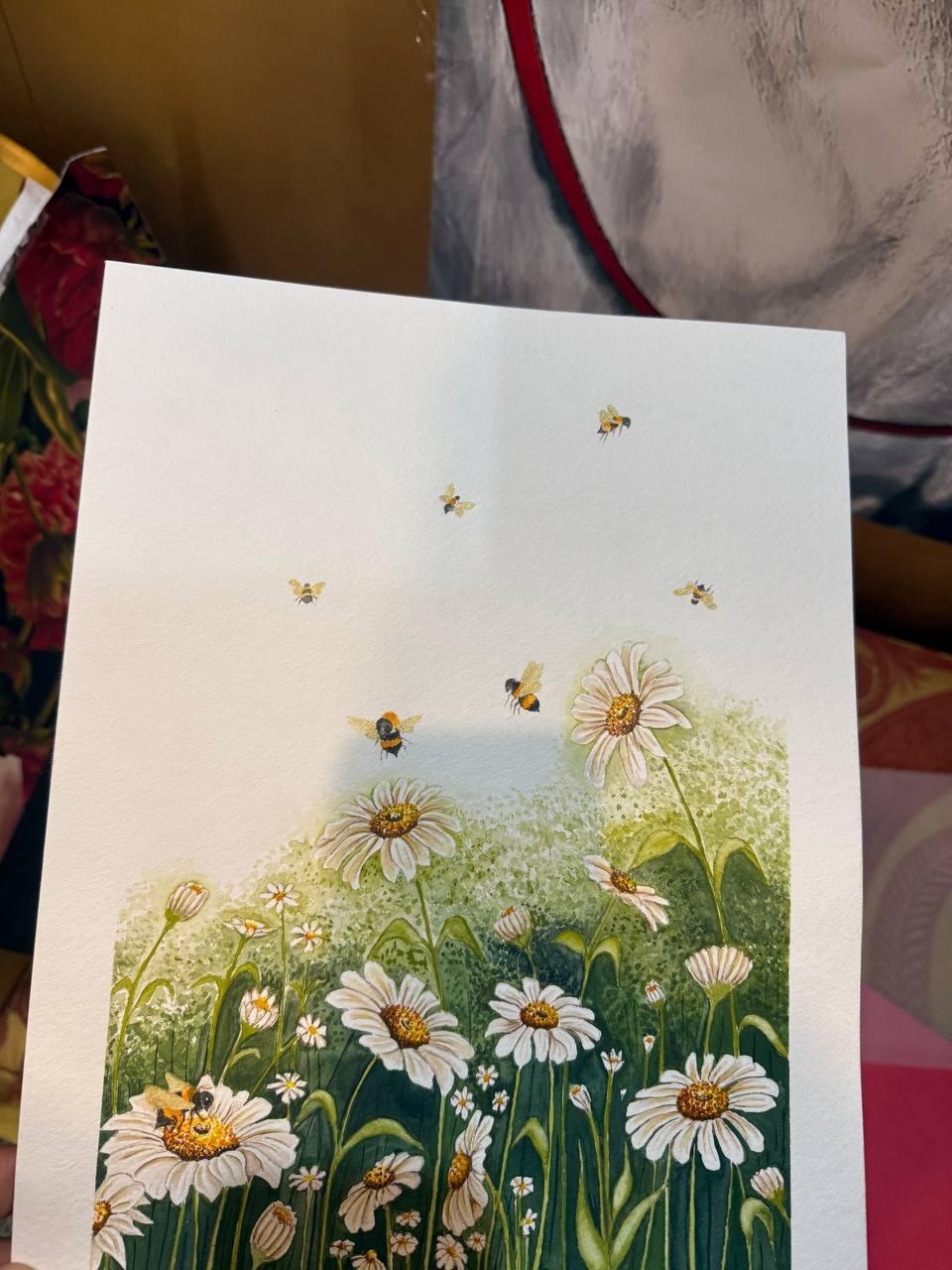
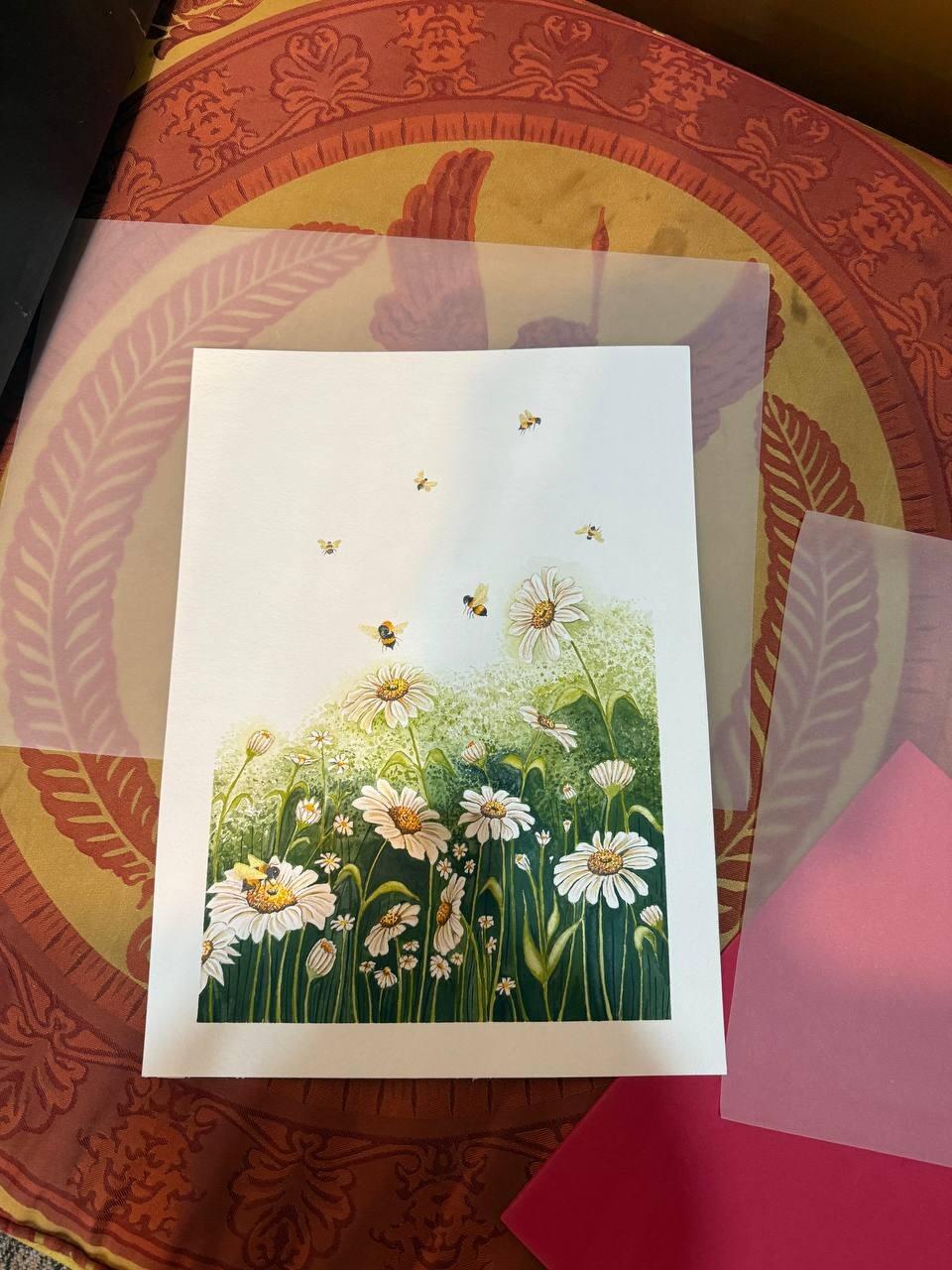
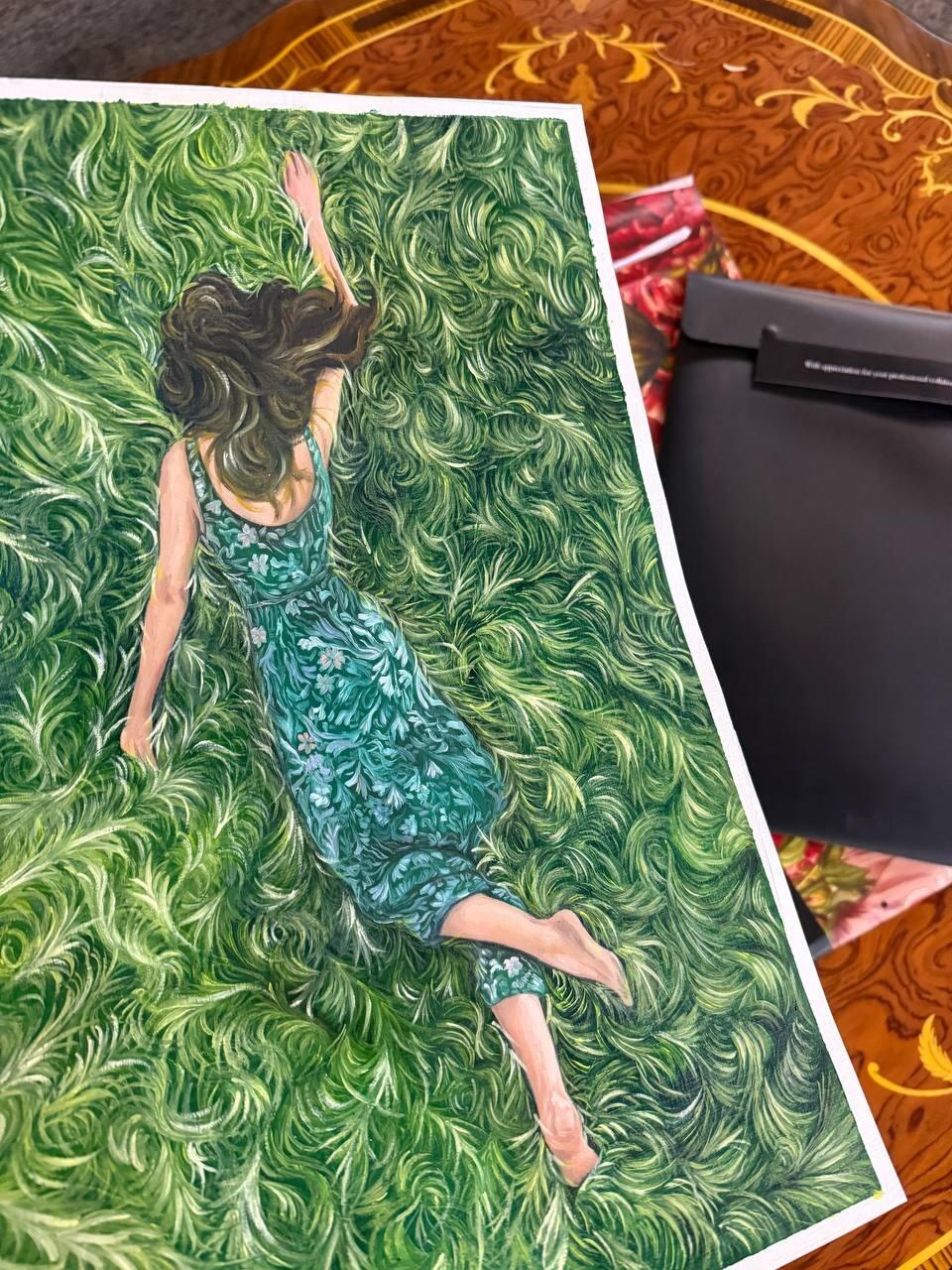
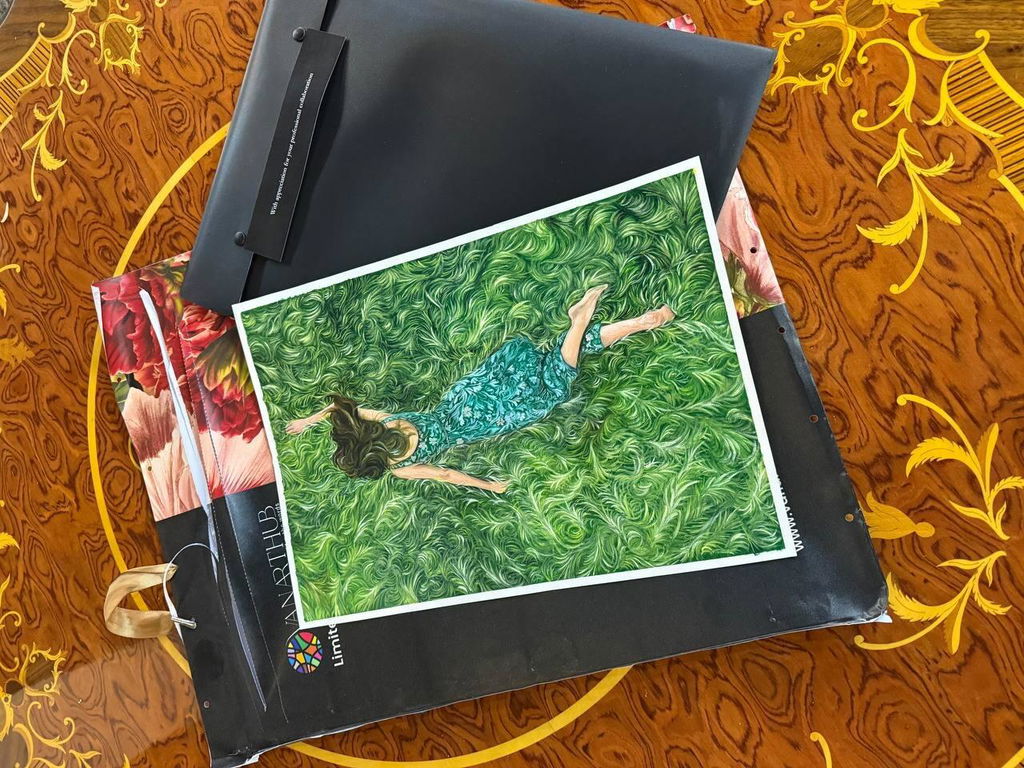
Minimalist collecting means owning a small number of original artworks, each chosen slowly and kept for life. Instead of filling every wall, you buy one good painting at a time, live with it, and add another only when a new work truly earns its place. The result is a home with less on the walls and more meaning in what remains there.
This approach is also the most direct form of sustainable collecting, because the easiest waste to avoid is the object you never buy. This page explains why fewer, better pieces work, and gives a practical way to choose a painting you will still want in twenty years. VanArtHub sells only signed originals, with prices starting around $531, which makes a slow and careful collection realistic on a normal budget.
Key takeaways
- A small collection of original paintings you love outlasts a large collection of decor you only liked at the checkout.
- The core test for a keeper piece is simple: you would still hang it if it went out of style tomorrow.
- Empty wall space is part of a minimalist collection, because it gives each work room to be seen.
- Buying one original at a time usually costs less over a decade than replacing inexpensive decor every few years.
- A 14-day home trial removes most of the risk of choosing wrong, because you judge the painting in your own room, not in a store.
Why fewer pieces work better
Attention is limited. A wall with one strong painting draws the eye every time you pass it. A wall with six competing frames becomes background noise within a month, and you stop seeing any of them. Museums hang major works with space around them for the same reason.
Care is limited too. Two or three paintings are easy to keep clean, out of direct sun, and properly hung. Twenty pieces of assorted decor are not, and the ones you neglect are the ones that end up chipped, faded, and finally thrown out.
Money follows the same logic. The amount many households spend on small decor purchases over several years, spread across items that get replaced, can instead buy one or two original works that stay. Concentrating the budget changes what you can own: instead of many copies, a few one-of-a-kind paintings with a real artist behind each one.
The keeper test: how to know a work is worth keeping for life
Before buying, run the painting through these five checks. A keeper passes all of them.
-
The second look holds. You liked it at first sight, and you still like it a week later. Trend purchases fade between those two moments.
-
You can say why. You can name what the work reminds you of, or what it makes you feel. If your only reason is "it matches the sofa", it will leave when the sofa does.
-
It fits your life, not a trend. Ask whether the painting would have appealed to you five years ago. If yes, it will probably still appeal to you in five more.
-
It survives a move in your head. Imagine your next home. If you would find a wall for it there, it is yours for life, not for this apartment.
-
The artist is real to you. An original by a living artist carries a person, a place, and a practice. That connection keeps a work interesting long after the colour scheme of the room has changed.
The trial period is where this test becomes practical. Every VanArtHub piece comes with a 14-day trial: hang the painting in the actual room, live with it, and return it for a full refund if it fails the second look. VanArtHub pays the return shipping, so testing a candidate costs nothing.
A practical method: one wall at a time
Start with the wall you see most, usually the one facing the sofa or the one at the end of a hallway. Choose one work for it and leave the nearby walls empty for now. Empty space is not a gap waiting to be filled. It is the frame around the work you chose.
Be honest about size. A small original, well placed, holds a wall better than a large reproduction. If you are starting out, the originals under $700 collection is a good first stop: real signed works at modest sizes and prices.
Then wait. Live with the first piece for a few months before you look for the second. The wait does two things: it confirms the first choice, and it teaches you what you actually respond to, which makes the second choice better than the first.
What a small collection costs over time
The comparison below is qualitative on purpose. Prices and habits vary, so the honest version is the pattern, not a made-up dollar figure.
| Question |
Many quick decor purchases |
A few chosen originals |
| How you buy |
Often, on impulse, in batches |
Rarely, slowly, one work at a time |
| How long each piece stays |
Until the next trend or the next move |
Decades, often for life |
| What replacement costs |
A new purchase every few years, forever |
Usually nothing, because you keep the work |
| What it is worth later |
Little; most decor has no resale path |
A unique signed work with a record of who made it |
| What leaves your home |
A steady stream of discarded items |
Very little |
Minimalism, changing taste, and the exit path
The honest objection to "buy for life" is that people change. A painting you loved at thirty may not fit your home at fifty. A minimalist collection needs an exit path that does not end in the garbage, and this is where buying from a gallery with a take-back promise matters. Every VanArtHub original carries a Lifetime Trade-Back: return the work at any point for store credit, and it goes on to another collector instead of into a landfill.
Owning fewer works also makes it realistic to know each one properly: the artist, the materials, the story. Some collectors extend that care to what the work is made of; if animal-free materials matter to you, the guide to what vegan art means explains the question well. And a work chosen this carefully is exactly the kind a family keeps, which is the subject of the companion page on art as an heirloom.
Minimalist collecting is one habit inside a larger idea, covered across the sustainable art hub: buy less, buy real, keep it in use.
Common questions
How many pieces of art should a minimalist collector own?
There is no fixed number. The test is that every piece earns its wall: you notice it, you can say why you keep it, and you would hang it again after a move. For many homes that means somewhere between three and ten works, gathered over years.
Is it better to buy one original painting or several cheap prints?
For a minimalist collection, one original. A single work you chose carefully holds your attention for decades, while a set of inexpensive reproductions tends to become background and get replaced. An original is also unique, so it can be resold, passed down, or traded back.
How do I start an art collection on a small budget?
Start with one small original rather than several cheap items. At VanArtHub, signed original paintings start around $531, and small works hold a wall well when they are placed thoughtfully. Buy one, live with it, and only then plan the next.
How long should I wait between buying artworks?
Wait until you have genuinely lived with the last purchase, usually a few months at least. If you still notice the work every day and can say what the next piece would add, you are ready. If the wall feels empty simply because it is empty, wait longer.
What if I stop loving a painting I bought?
Within the first 14 days, return it for a full refund; VanArtHub pays the return shipping. After that, every VanArtHub original is covered by the Lifetime Trade-Back, so you can return the work for store credit at any point and it moves on to another collector.
The natural next step is to read Collecting With Intention, which covers how to define what you are collecting and why, or to browse original paintings under $700 and try the keeper test on a real candidate.