Greenwashing means making a product, service, or company sound better for the environment than the evidence supports. In the art world it shows up as vague labels like "eco canvas" and "green gallery", nature imagery standing in for proof, and badges from certification schemes that do not exist. This guide shows you how to test environmental claims before you buy art or art supplies, using a short list of direct questions. It is written by VanArtHub, a Vancouver gallery that would rather tell you plainly what it has not verified than borrow a label it has not earned.
That last sentence is the method in miniature. The cure for greenwashing is not cynicism about every claim; it is knowing which questions collapse an empty claim in seconds.
Key takeaways
- Greenwashing is an environmental claim that sounds bigger than the evidence behind it.
- Words like "eco", "green", and "natural" have no fixed meaning on their own; the test is always what exactly is claimed and who checked it.
- There is no widely recognized certification for "sustainable art" itself; real labels such as FSC and B Corp cover wood and companies, not artworks.
- A manufacturer's own vegan or eco list is the maker's statement, not independent proof, and formulations change.
- VanArtHub does not label its paintings eco-friendly, non-toxic, or certified, because it has not audited every artist's materials.
How greenwashing shows up when you buy art
A few patterns account for most of it. Vagueness: "eco-conscious studio" or "sustainably made" with no detail about what was done. Irrelevance: advertising the absence of something that was never in the product to begin with. Imagery as proof: leaves, forests, and earth tones on the packaging doing the work that evidence should do. Invented authority: a leaf-shaped badge that looks like a certification but was designed by the seller's own marketing team. And the part standing for the whole: one genuinely green detail, like recycled packaging, used to colour the entire product green.
None of these patterns proves bad faith. Sometimes a seller is just sloppy with language. But the patterns all share one feature: they dissolve under a specific question, which is what the checklist below is for.
Labels that mean something, and what they actually cover
Real certifications exist, but each one covers a specific thing, and stretching a label past its scope is itself a form of greenwashing. The table shows the claims you are most likely to meet.
| Claim you may see |
What it should mean |
What to ask |
| "FSC-certified" frame or stretcher |
The wood comes from forests certified as responsibly managed by the Forest Stewardship Council |
Which component is certified: the frame, the stretcher bars, or the whole product? |
| "B Corp" seller |
B Lab has certified the company's overall social and environmental performance |
Remember it covers the company, so what about this specific product? |
| "Certified sustainable art" |
Nothing standard; no widely recognized certification for sustainable art exists |
Which body issued the certificate, and can you see it? |
| "Vegan" or "eco" art supplies |
Usually the maker's own statement about its formulations |
Is this independently verified, and is the information current? |
| "Eco-friendly materials" |
Should mean specific, checkable material choices |
Which materials exactly, and compared with what? |
Our guide to eco labels and certifications in art goes through each scheme in more depth, and our guide to eco-friendly and natural art materials covers what honest material choices look like in practice.
Supplies: the maker's word is a starting point, not a verdict
Art supply brands increasingly publish vegan and eco information about their ranges. Treat these as what they are: the maker's own account. Some of it circulates second-hand, through retailer summaries and hobby sites reporting a brand's customer-service replies, which adds another layer between you and the fact. Formulations also change without announcement, so a list that was accurate once may not describe the tube in front of you. The honest procedure is short: prefer the maker's current statement over any third-party summary, ask the maker directly when it matters, and keep the reply. The same procedure, applied to animal ingredients, is laid out step by step in our guide to how to verify vegan art.
The question checklist
Before paying for anything sold on an environmental claim, run through these seven questions. One honest conversation usually settles all of them.
- What exactly is being claimed? Vague words fail this question on their own.
- Which part of the product does the claim cover: the artwork, the frame, the packaging, or the company?
- Who verified it: the seller themselves, or an independent body with a name you can look up?
- Can they show the document, certificate, or written statement behind the claim?
- Is the information current, or does it describe an old formulation or a past practice?
- What is the trade-off the claim does not mention?
- Will the seller state plainly what is not covered by the claim? A seller who volunteers limits is usually telling the truth about the rest.
What VanArtHub does and does not claim
A page like this one only works if we apply the standard to ourselves, so here it is in writing. We do not claim our paintings are eco-friendly, non-toxic, vegan, recycled, or certified sustainable. We have not audited the materials each artist uses, and no widely recognized certification for sustainable art exists for us to apply for anyway.
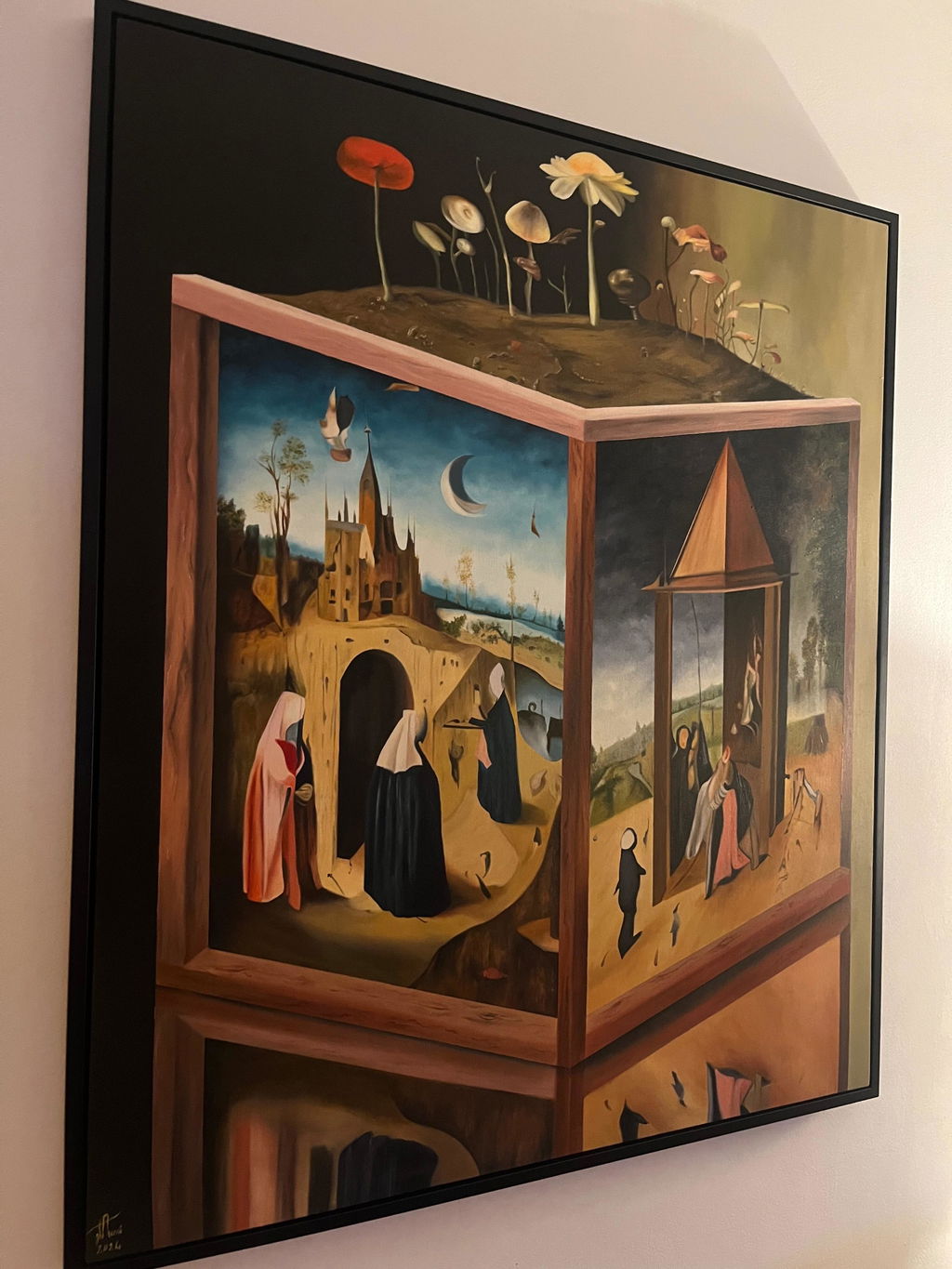
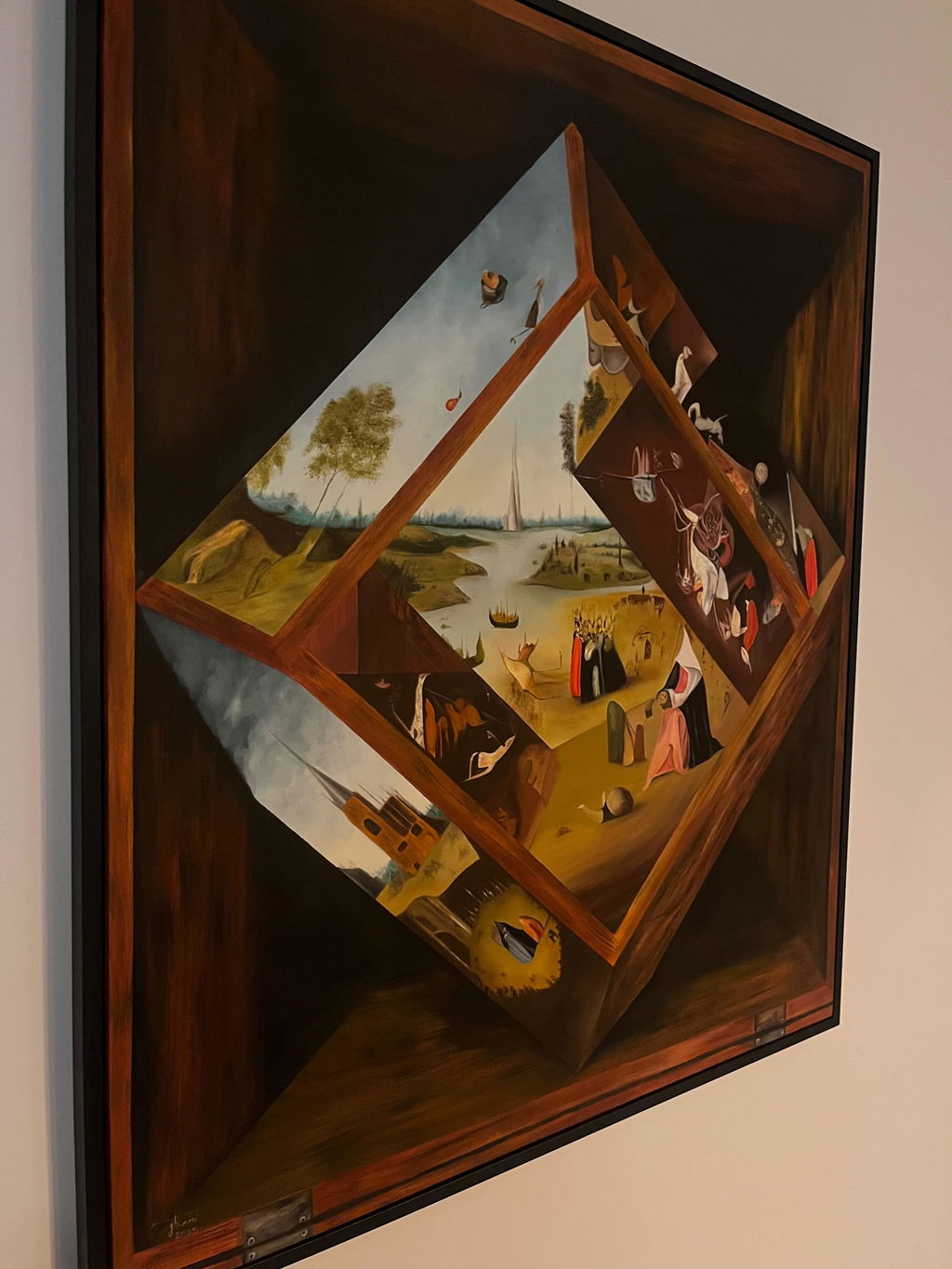
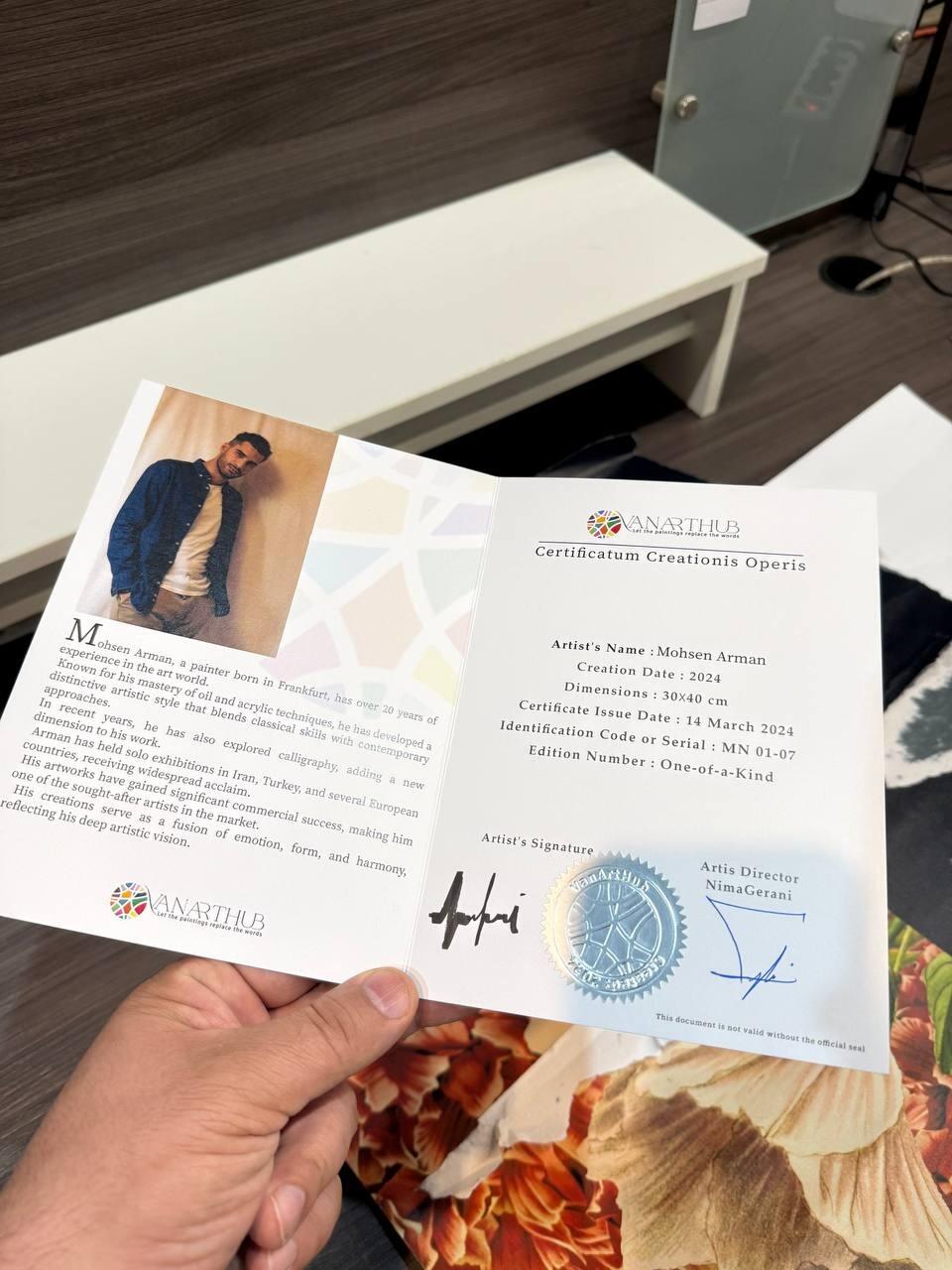
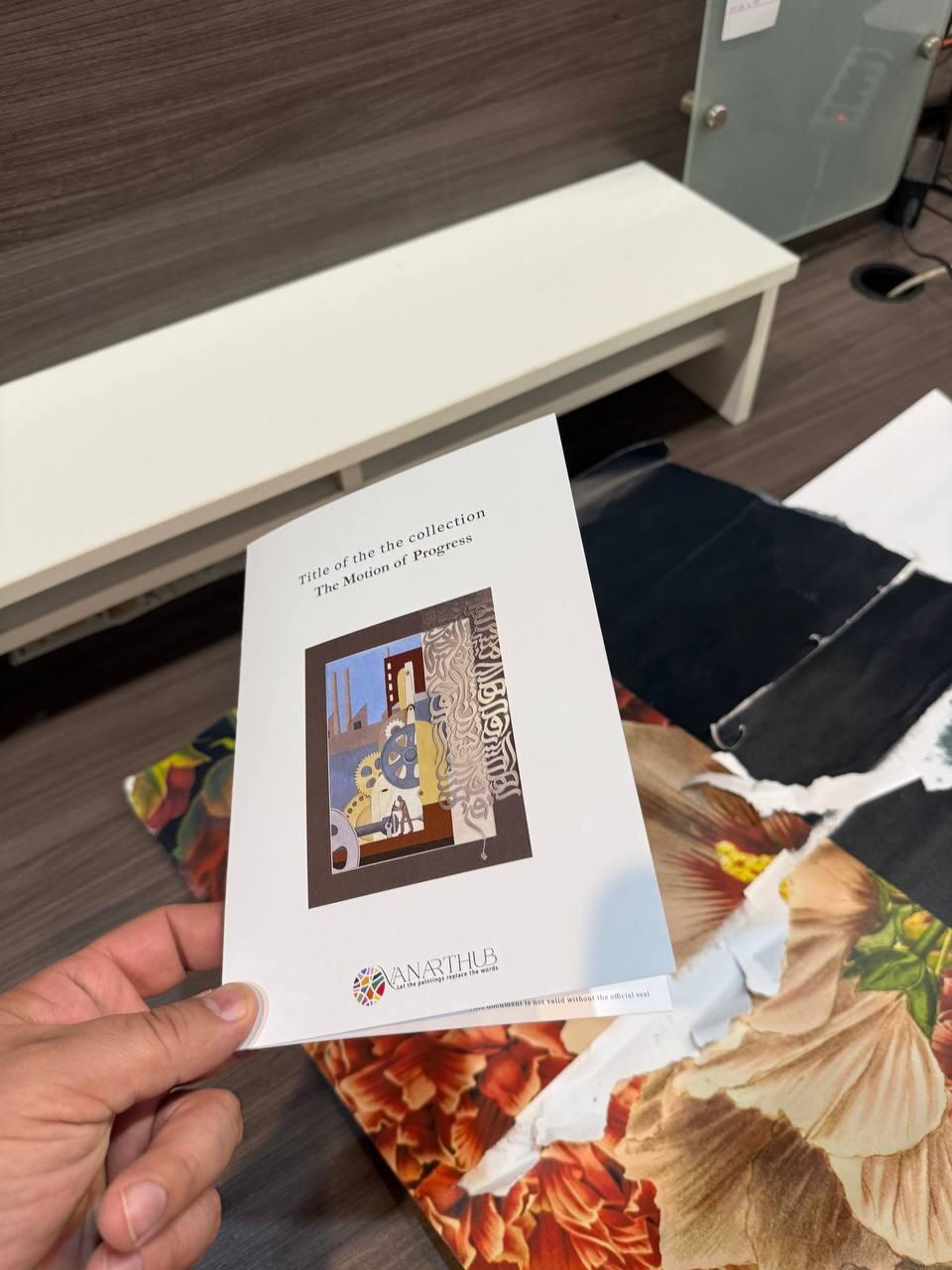
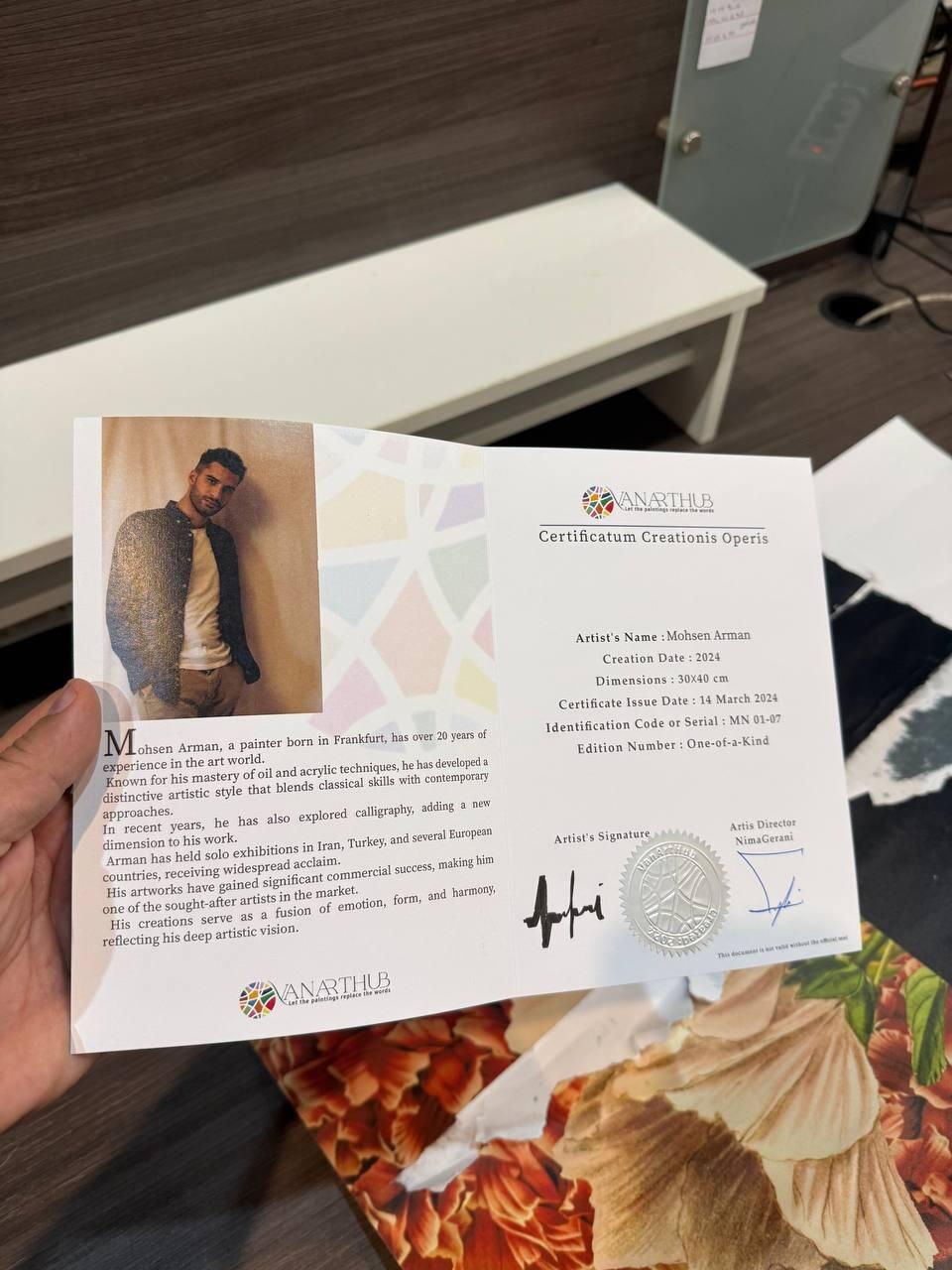
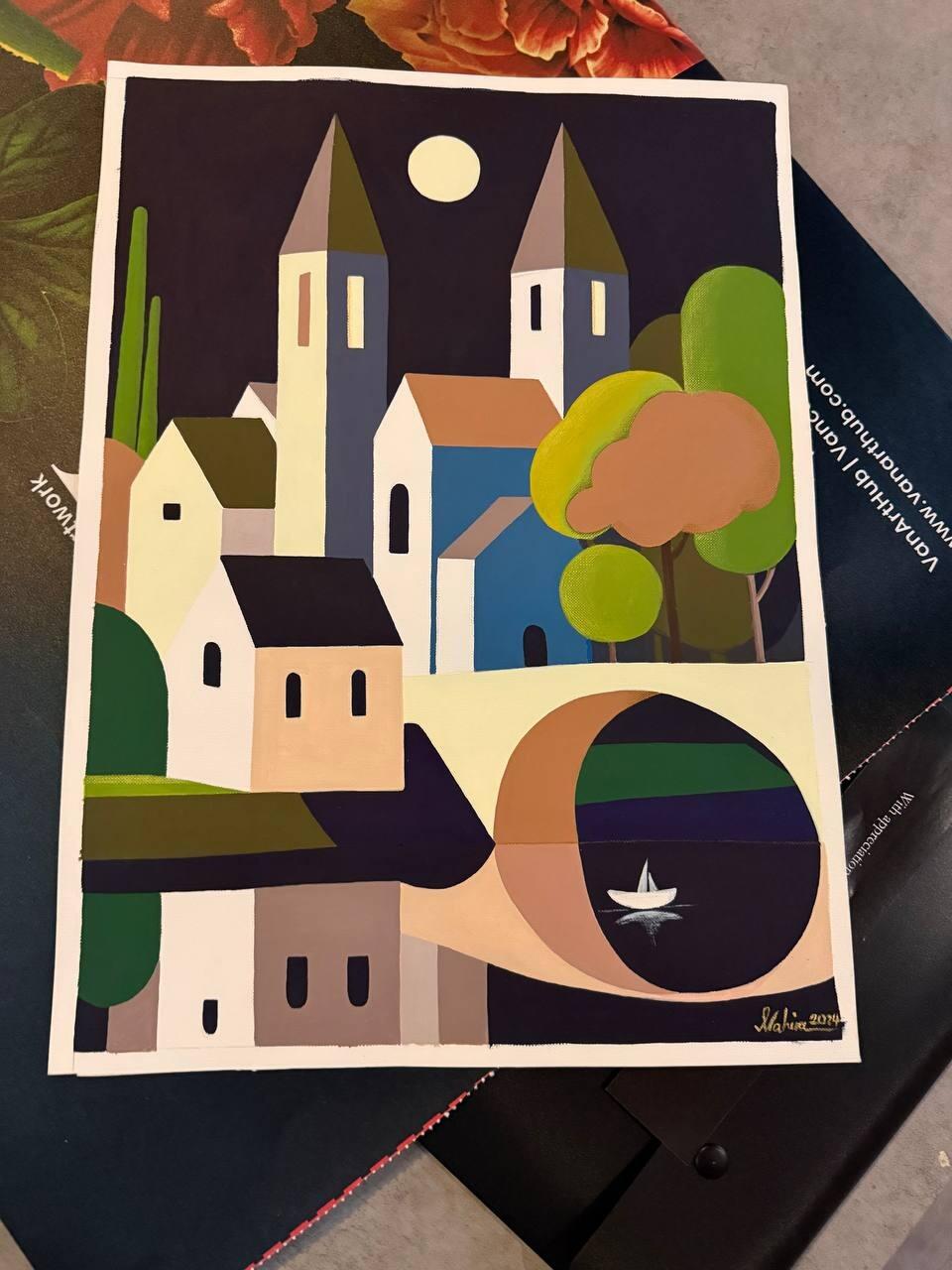
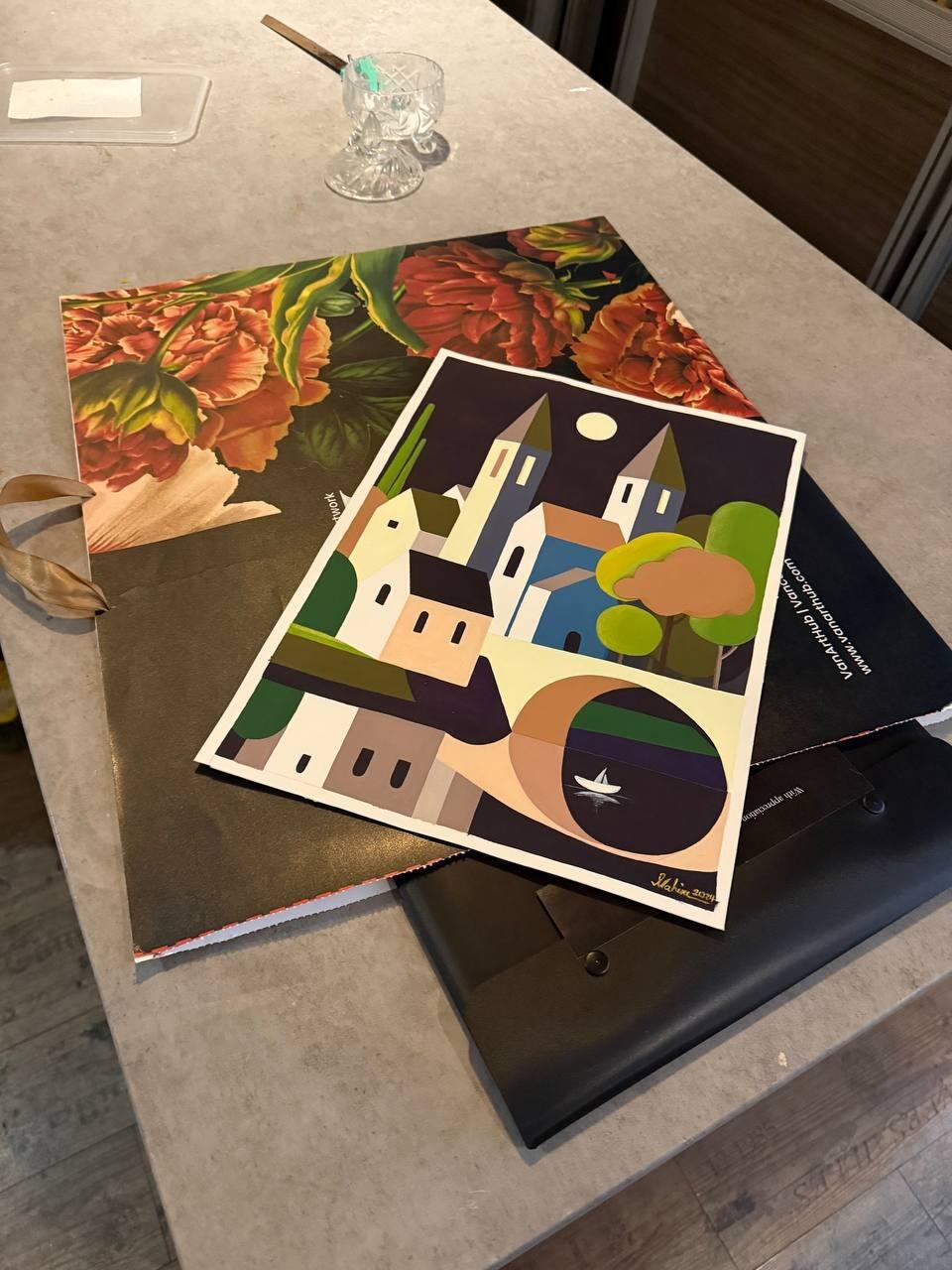
What we do claim, we can back. Every work is an original signed painting, never a print, with a Certificate of Authenticity. Paintings are objects made to last for decades, and our Lifetime Trade-Back returns store credit so a work you outgrow stays in circulation; the thinking behind that is explained in Lifetime Trade-Back: art in a circle. Buying here supports living Vancouver artists directly. Every purchase ships free and fully insured, with a 14-day trial: return the painting within 14 days for a full refund, with return shipping paid by us. And if the materials in a specific painting matter to you, ask us before you buy and we will put the question to the artist. You can even watch some works take shape in our watch art being made collection, which is the kind of transparency no badge can substitute for.
Common questions
What is greenwashing in simple words?
Greenwashing is when a seller makes something sound better for the environment than the evidence supports. It can be an outright false claim, but more often it is vagueness: words like "eco" and "natural" used without saying what was actually done, checked by whom, and covering which part of the product.
Is there an official certification for sustainable art?
No. There is no widely recognized certification for sustainable art itself. Real schemes certify specific things: the Forest Stewardship Council certifies wood from responsibly managed forests, which is relevant to frames and stretcher bars, and B Corp certifies a company's overall social and environmental performance. Any "certified sustainable art" badge should prompt you to ask which body issued it.
Can I trust vegan or eco labels on art supplies?
Treat them as the maker's own statement rather than independent proof. Much of this information also circulates second-hand through retailers and hobby sites, and formulations change without notice. When it matters, ask the manufacturer directly about the current formulation and keep the written reply.
Does VanArtHub claim its paintings are eco-friendly?
No. VanArtHub has not audited the materials each artist uses, so it does not attach eco labels to the work. Its verifiable claims are different: original signed paintings with a Certificate of Authenticity, a Lifetime Trade-Back for store credit, direct support of living Vancouver artists, and a 14-day trial with free insured shipping.
What is the fastest way to test an environmental claim before buying?
Ask two questions: what exactly is being claimed, and who verified it? Vague claims collapse under the first question, and self-awarded ones collapse under the second. If the seller answers both specifically and can show something in writing, the claim is probably worth taking seriously.
Clear eyes make better collections. When you are ready to look at art that is described plainly and nothing more, browse our original paintings collection, or return to the sustainable art hub for the rest of the honest version of this subject.