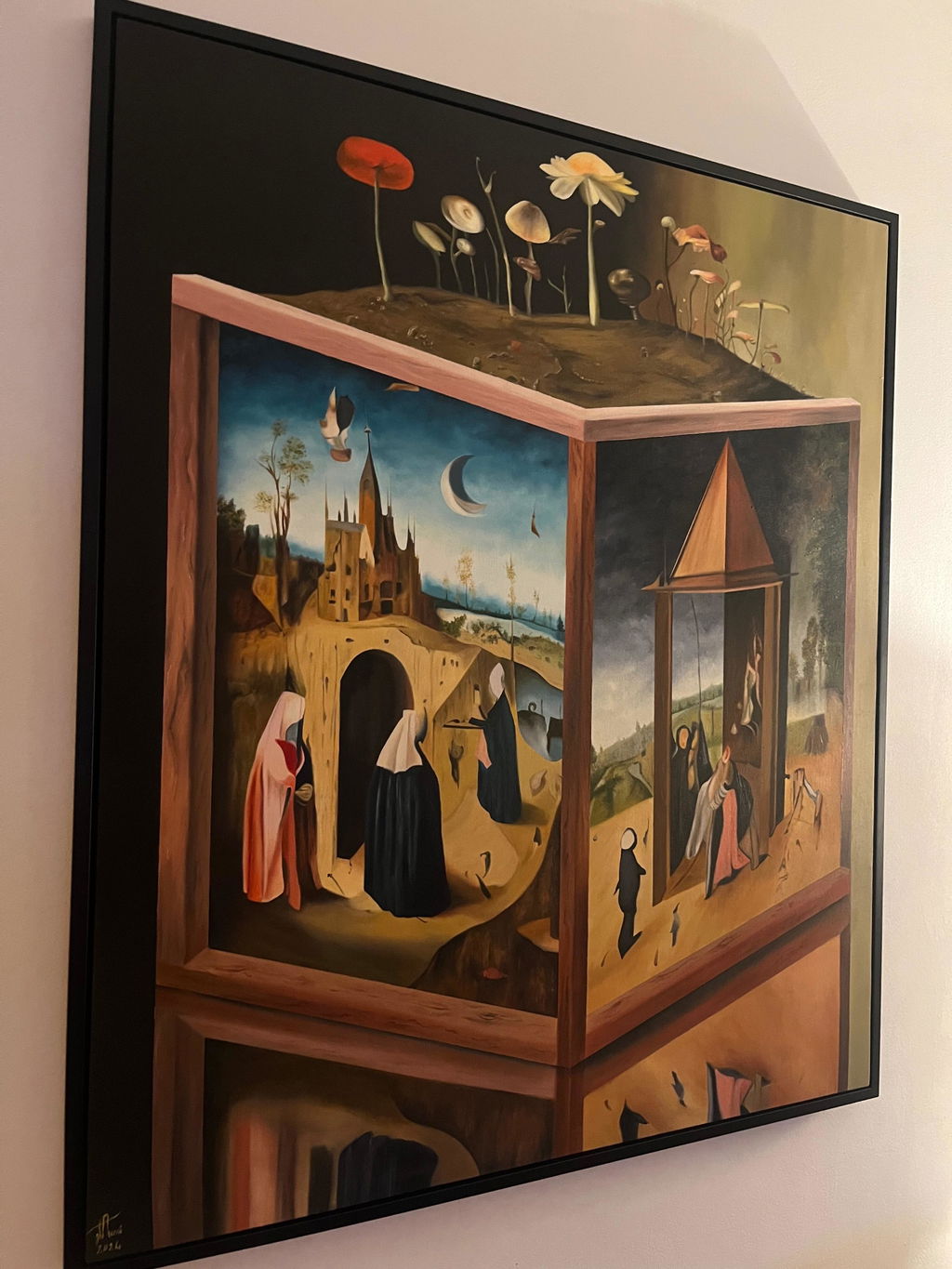
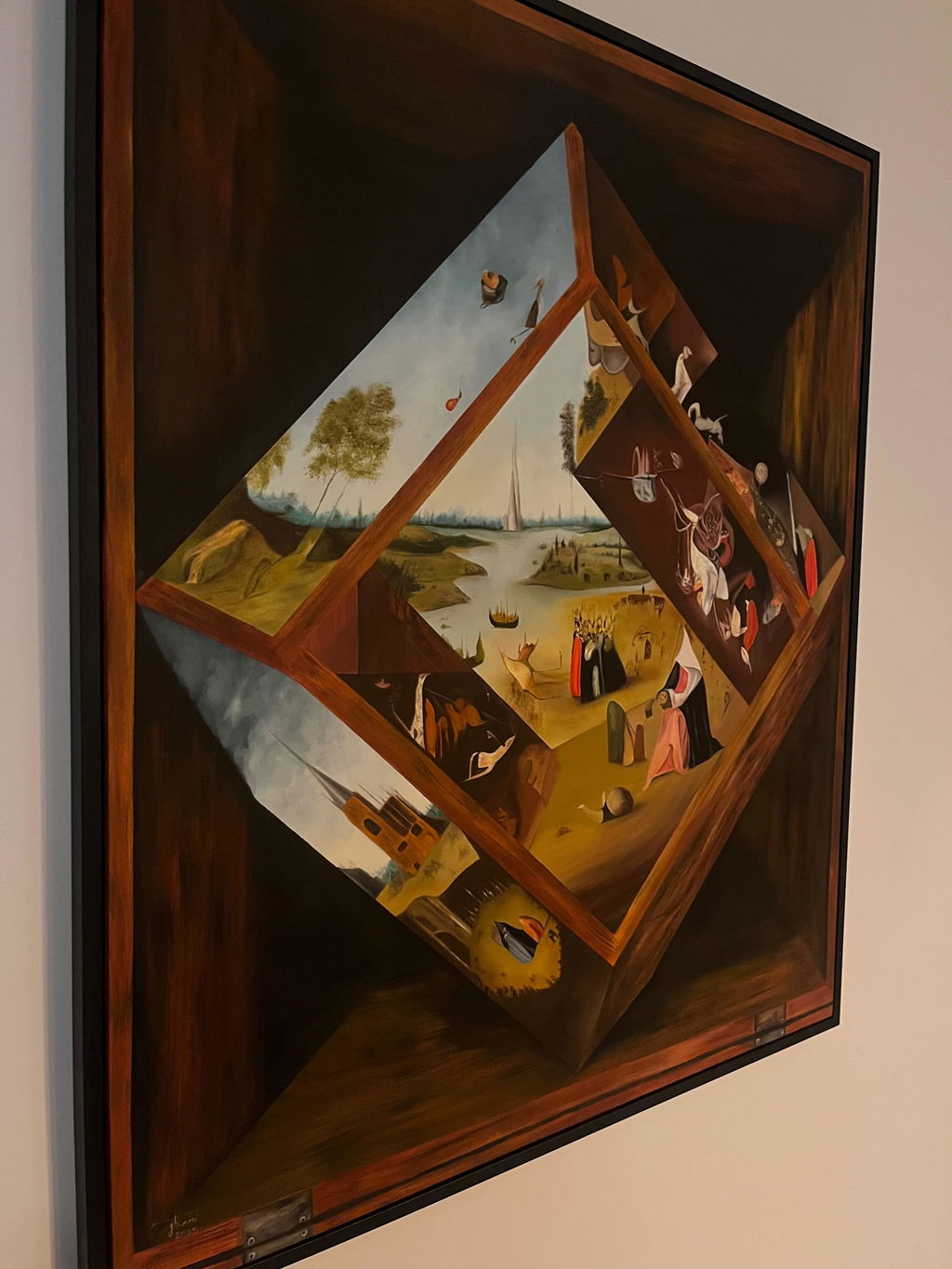
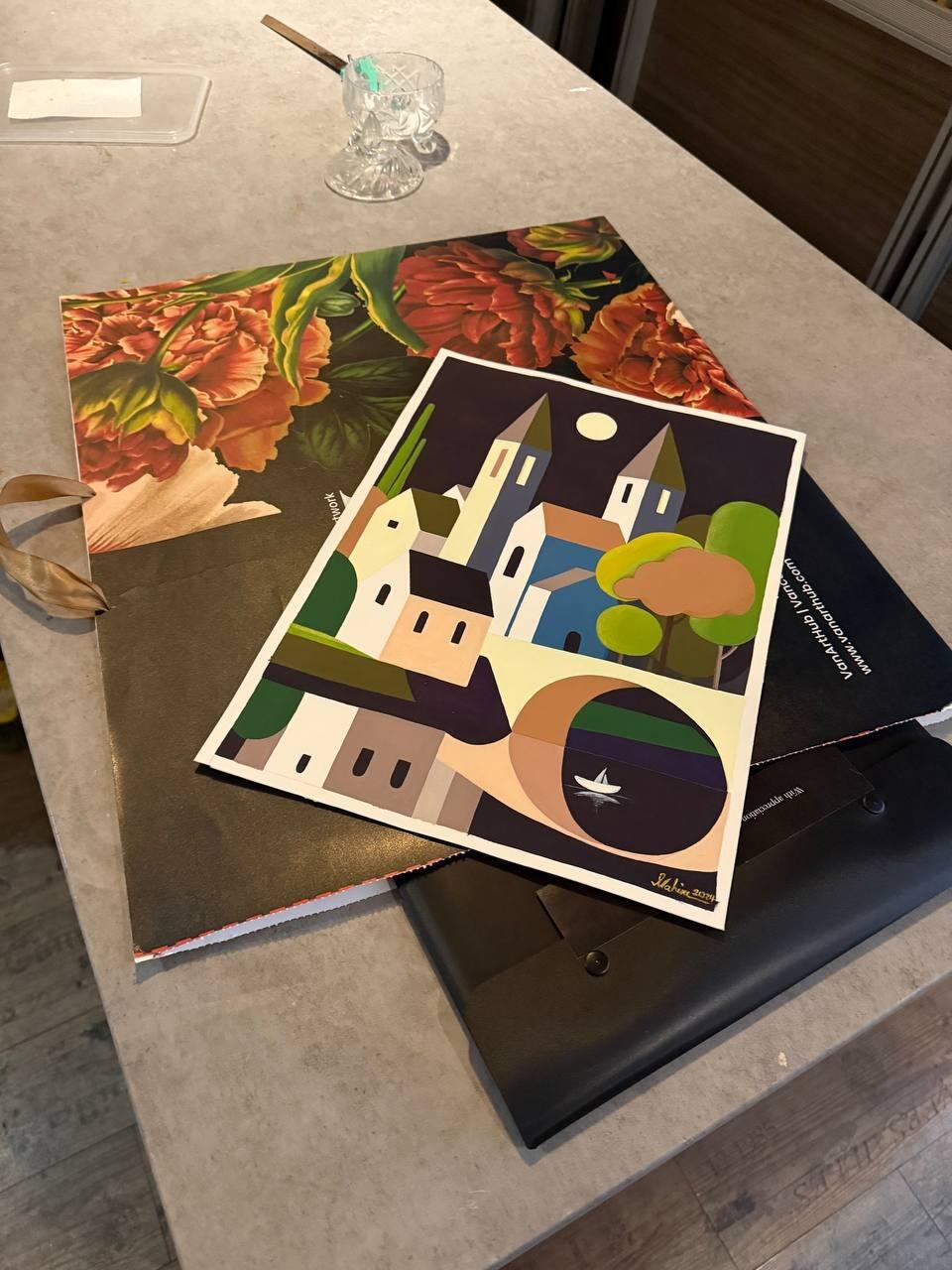
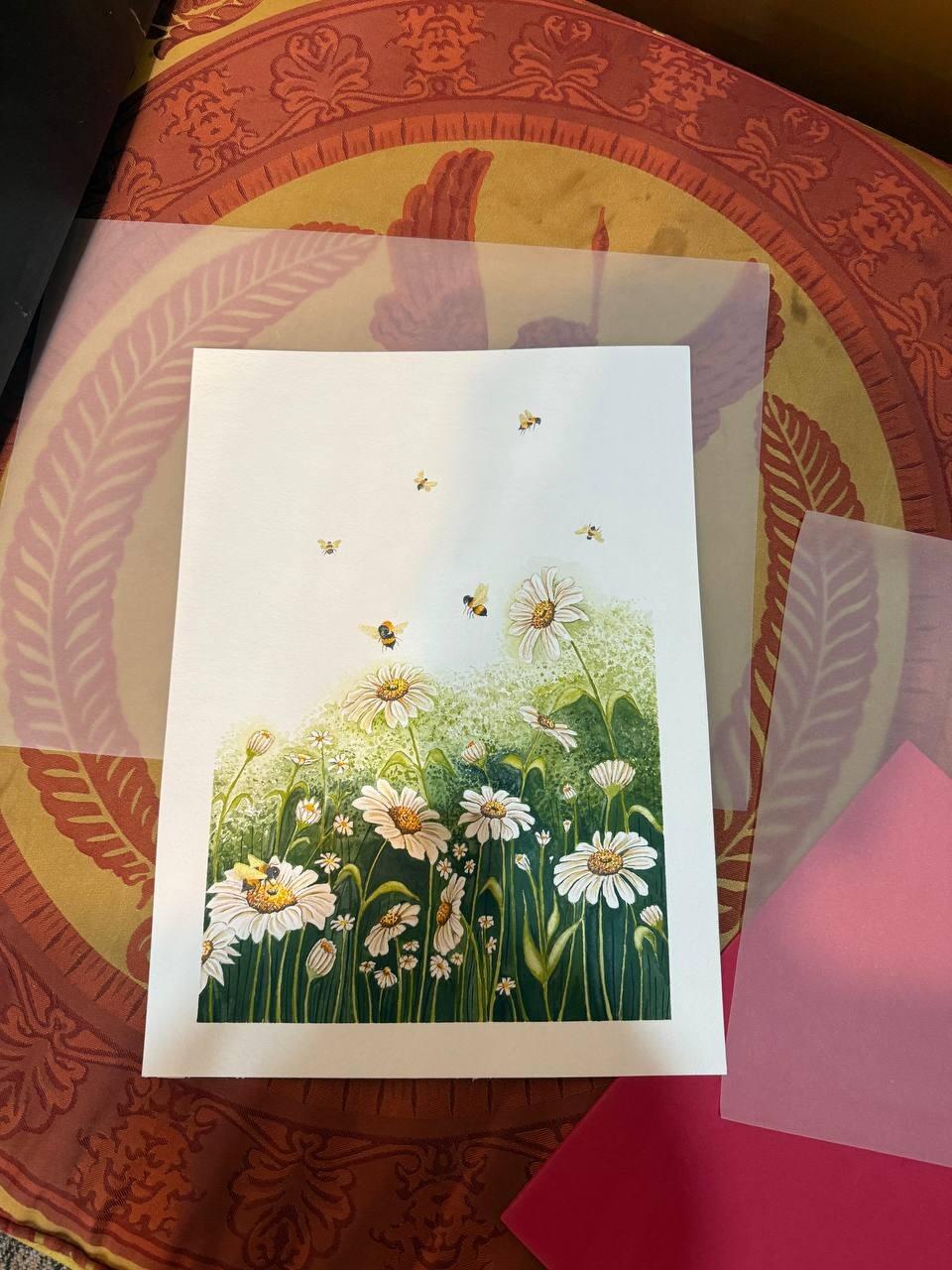
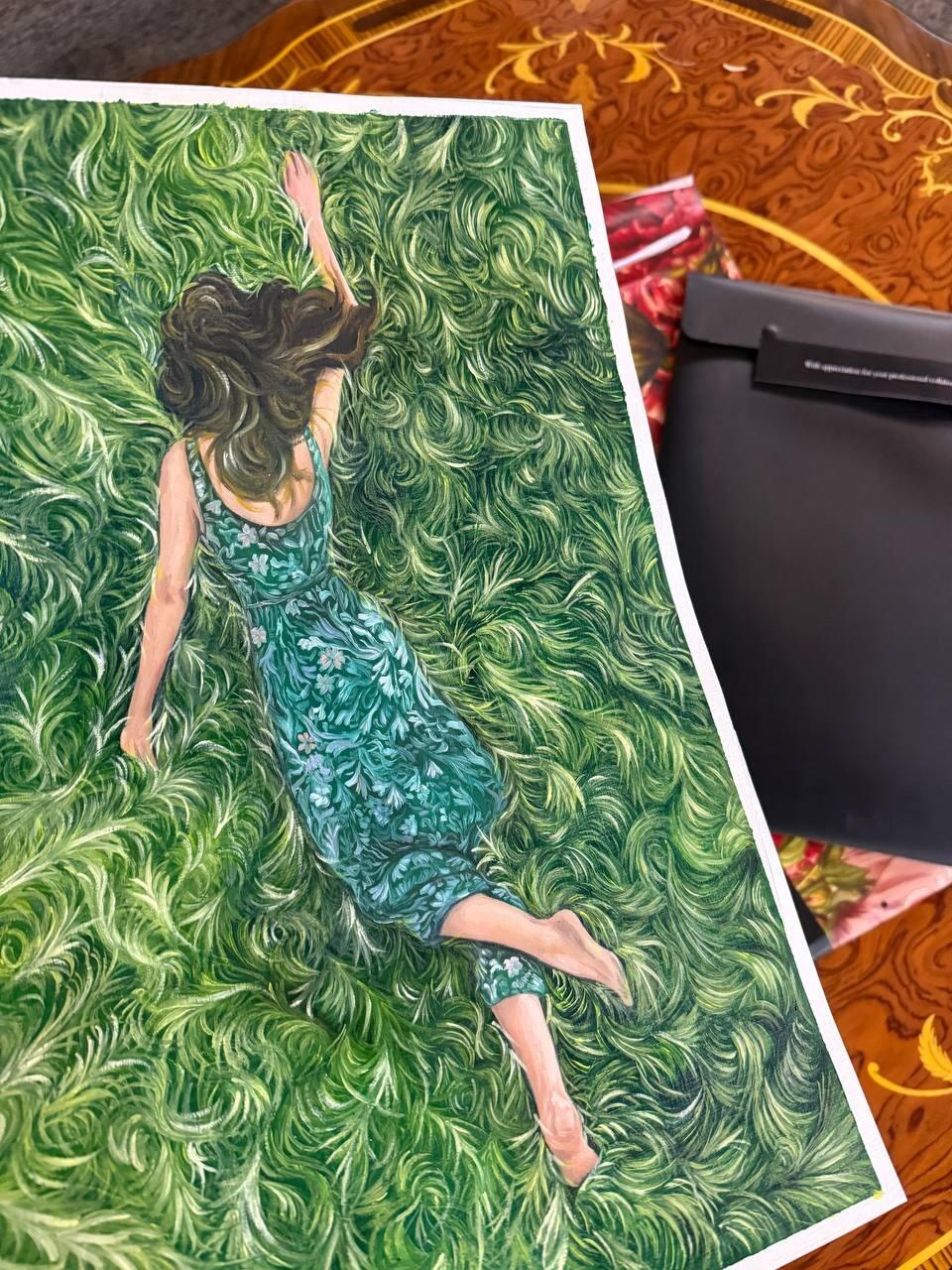
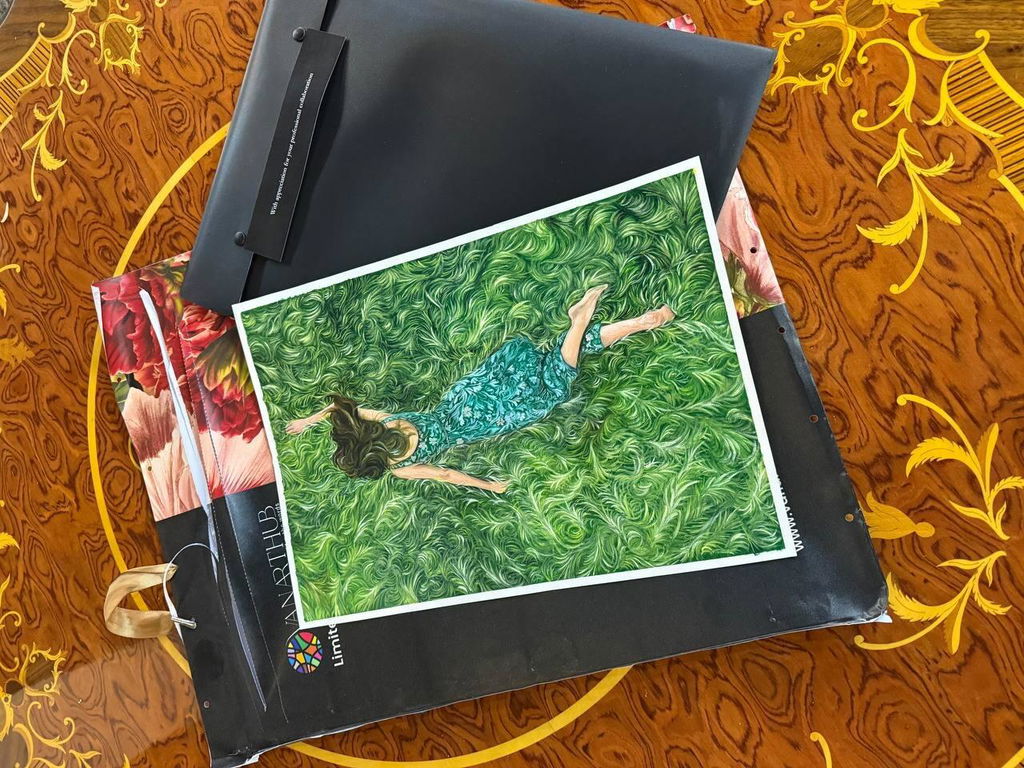
Stand in front of two finished paintings and you often cannot tell whether one is oil and the other acrylic. The medium matters less than most buyers expect, and the individual painting matters far more. This is our honest take on how the two differ in look, drying, care, climate, and price, so you can pick the right original without second-guessing.
Both are real originals here. Every oil and every acrylic we sell is painted by hand by a Vancouver artist and signed on the front, never a print. If you already lean toward oil, the full set is in our oil paintings collection.
How oil and acrylic actually look different
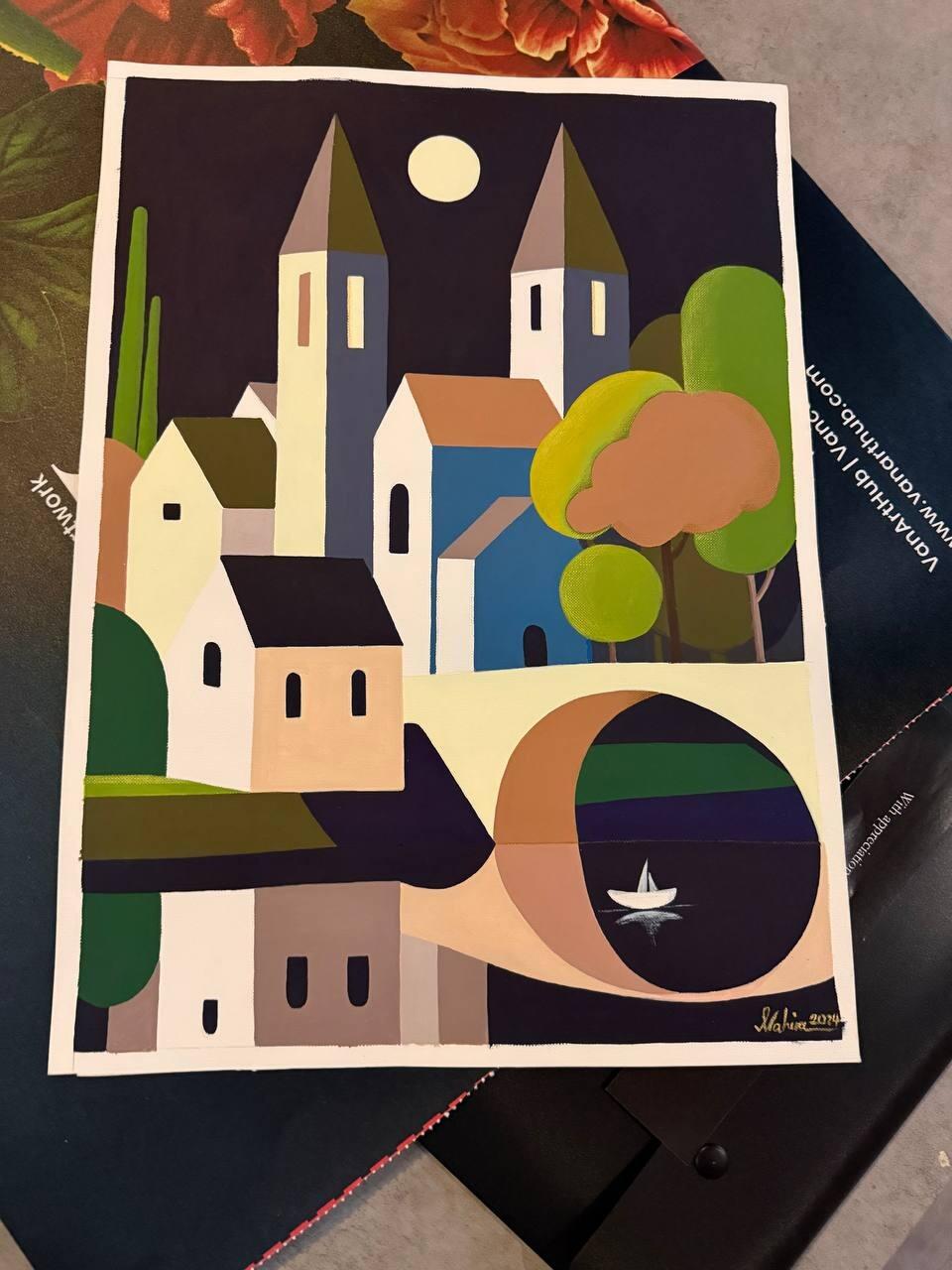
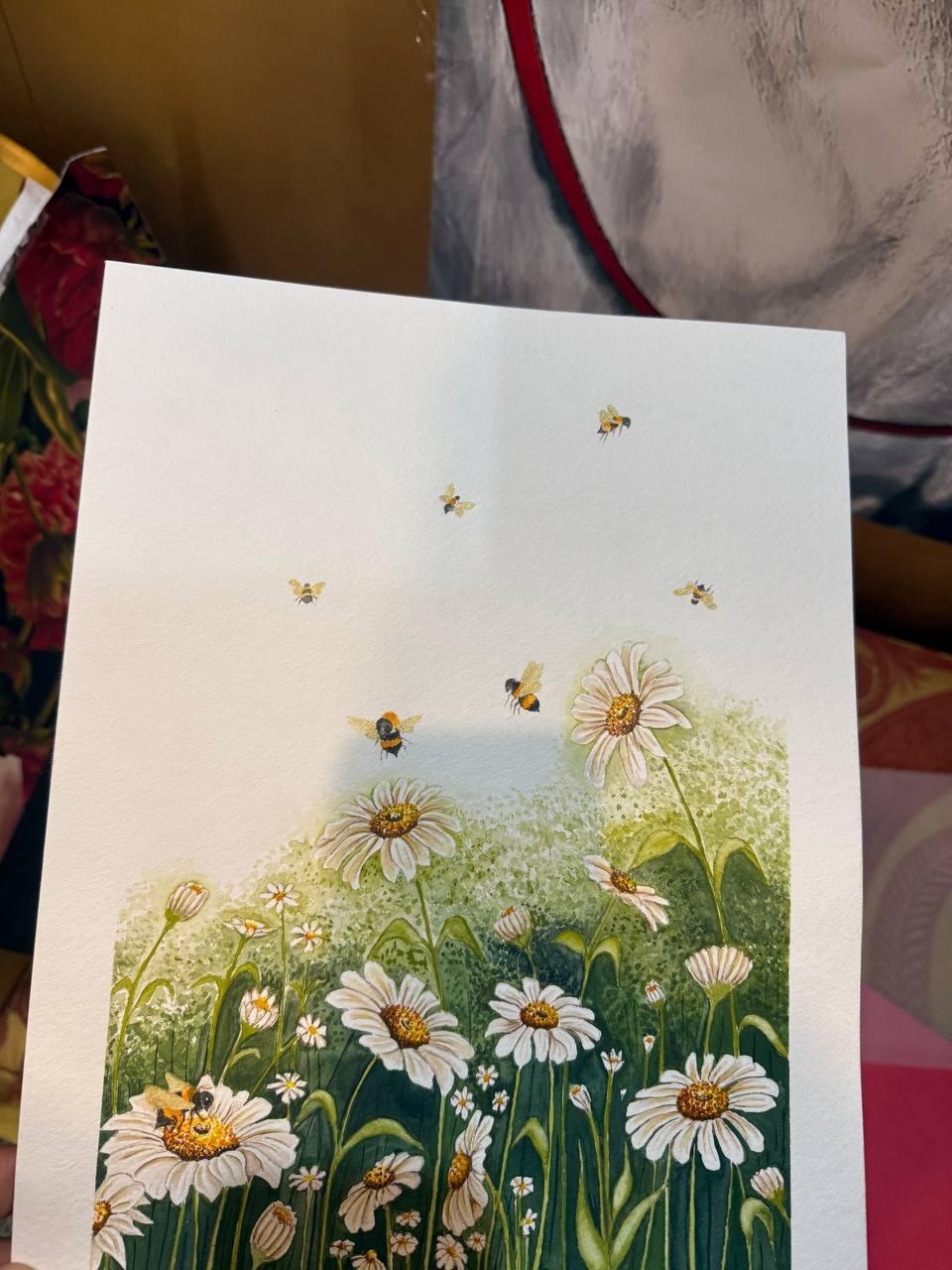
Oil paint stays wet for hours, sometimes days. That slow drying lets an artist blend one colour into the next while both are still soft, so you get smooth skies, deep shadows, and gradual shifts in tone. Oil also has a natural depth, a slight glow, because light passes into the layers before it reflects back. Acrylic dries in minutes. That speed pushes acrylic toward crisp edges, bold flat colour, and clean shapes, and modern acrylic colours can run brighter than most oils. Neither look is better. A soft coastal fog often wants oil. A graphic abstract in strong colour often wants acrylic. The painting in front of you tells you which it is.
Texture, drying, and finish
Both mediums can build thick, sculpted paint you see from the side, but they behave differently. Oil holds a raised brushstroke or palette-knife ridge for a long time as it slowly cures, so heavy impasto in oil keeps a wet, buttery look. Acrylic dries fast and firm, so it sets quickly and can be layered within one session. A finished oil can take six months to a year to cure fully, even though it feels dry in a week or two. Acrylic is stable within days, one reason acrylic pieces are often ready to ship sooner.
Durability, care, and climate
Cared for properly, both last for generations. The differences are small but real. Oil stays a little flexible for years and can develop fine surface cracks over decades if a canvas is flexed or stored badly, and it can yellow very slightly over time, mostly with cheaper paint or heavy varnish. A well-made oil hung normally will still outlive all of us. Acrylic is more forgiving day to day. It resists cracking, holds its colour, and copes better with swings in temperature and humidity, which is why it travels and settles well across different climates. For a cottage, a sunroom, or a wall near a heat source, acrylic has a modest edge. The care routine is nearly identical for both, and we cover it in our guide on caring for original paintings.
Does one cost more than the other?
Not in the way people assume. Oil paint costs more per tube and oils take longer to finish, so at the very top end a large studio oil can carry a higher price. But across most of what we sell, the size of the canvas, the artist's market, and the hours in the piece drive the price far more than the medium does. At VanArtHub, both oils and acrylics run from about $531 for small originals to several thousand for large statement canvases. A small oil can cost less than a large acrylic, and the other way around. Do not choose a medium to save money. Choose the painting, then check the price on the listing.
Oil versus acrylic, side by side
| What matters to you |
Oil |
Acrylic |
| Look |
Soft blends, deep glowing tone, gradual shifts |
Crisp edges, bold bright colour, clean shapes |
| Drying and finish |
Dries over days, full cure in 6 to 12 months, buttery brushwork |
Dries in minutes, stable in days, fast layered build-up |
| Durability |
Lasts generations, may craze or yellow slightly over decades |
Resists cracking, holds colour, very stable |
| Climate tolerance |
Prefers steady temperature and humidity |
Copes well with swings, good for varied climates |
| Price at VanArtHub |
About $531 to several thousand |
About $531 to several thousand |
| Best for |
Landscapes, portraits, moody atmospheric scenes |
Abstracts, graphic colour, high-contrast modern work |
Use this as a rough guide, not a rule. Plenty of soft, atmospheric acrylics and plenty of crisp, graphic oils break the pattern, because a skilled artist can push either medium in any direction.
Choose oil if, choose acrylic if
Here is the short verdict. Choose oil if you want soft blends, deep tone, and a traditional glowing finish, and your wall sits in a room with fairly steady temperature and humidity. Oil suits landscapes, portraits, and quiet atmospheric scenes. Choose acrylic if you want bright saturated colour, crisp modern edges, or maximum durability, or if the painting will hang somewhere with real seasonal swings like a cottage or a sunroom. Acrylic suits bold abstracts and graphic contemporary work. And if you love a piece that happens to be the "wrong" medium for that advice, buy it anyway. A painting you keep looking at was always the right choice.
Key things to remember
- Oil and acrylic are both real, one-of-a-kind originals at VanArtHub, hand-painted and signed, never prints.
- Oil blends soft and deep and dries slowly, acrylic reads crisp and bright and dries fast, but a skilled artist can bend either look.
- Acrylic copes better with big changes in temperature and humidity, so it has a small edge for cottages, sunrooms, and varied climates.
- Medium rarely sets the price. Size, the artist's market, and the hours in the piece matter more, and both run from about $531 to several thousand.
- The individual painting matters more than the medium, so pick the one you respond to and let the label come second.
Frequently asked questions
Is oil or acrylic better for a painting?
Neither is better. Oil blends soft and holds deep, glowing tone, so it suits landscapes and portraits. Acrylic dries fast, reads crisp and bright, and resists cracking, so it suits bold abstracts and varied climates. Both last for generations when cared for. At VanArtHub we tell buyers to choose the individual painting they respond to, not the medium in the abstract.
Does an oil painting cost more than an acrylic one?
Usually not by much. Oil paint costs more per tube and takes longer to finish, so a large studio oil can sit at the top of the range. But size, the artist's market, and the hours in the piece drive the price far more than the medium. At VanArtHub both oils and acrylics run from about $531 to several thousand dollars.
Which lasts longer, oil or acrylic?
Both last for generations with normal care. Oil stays slightly flexible and can develop fine surface cracks or yellow a little over many decades, mostly with cheaper paint. Acrylic resists cracking and holds its colour well. The difference is small for a painting hung normally indoors. Our guide on caring for original paintings covers the simple routine that protects either one.
Is acrylic better than oil in a humid or changing climate?
Acrylic has a modest edge. It copes better with swings in temperature and humidity, so it travels and settles well across different climates. That makes it a safer pick for a cottage, a sunroom, or a wall near a heat source. Oil prefers steadier conditions but does fine in a normal climate-controlled home. Both ship free and fully insured from our Vancouver studio.
Can you tell oil and acrylic apart just by looking?
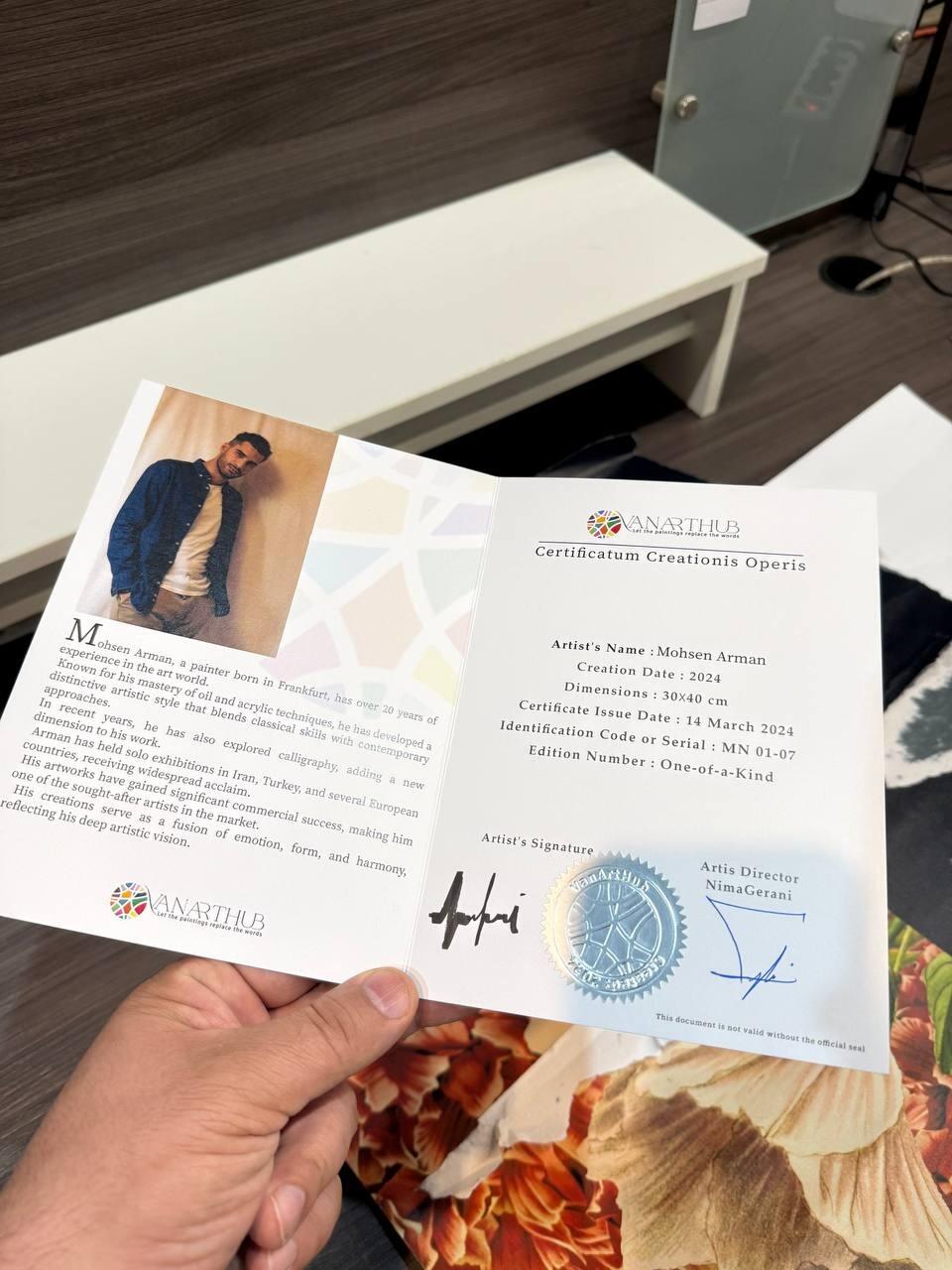
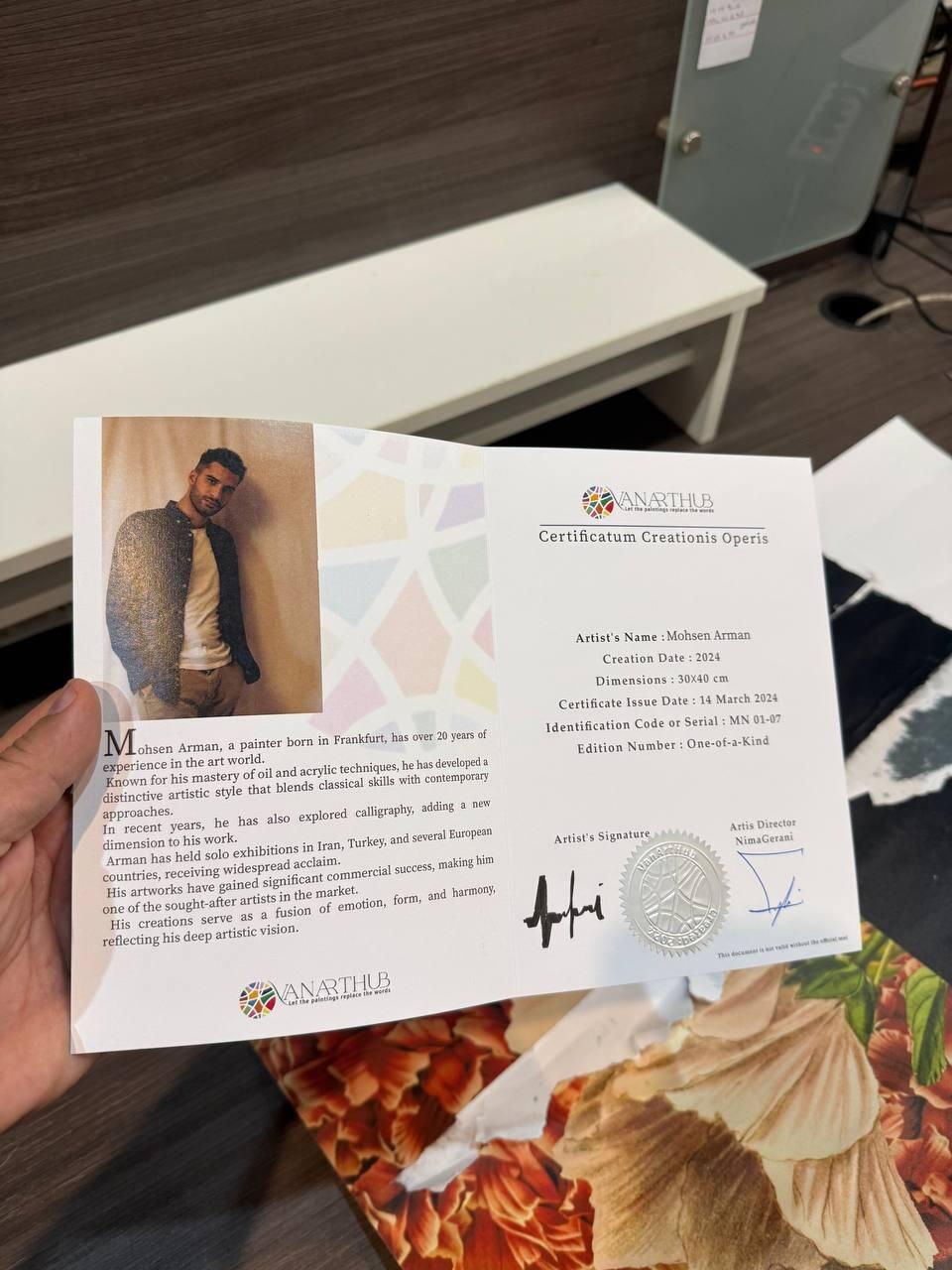
Often not, which surprises people. A skilled artist can make acrylic look soft and deep or make oil look crisp and graphic. The clearest tells are up close: oil brushwork can look wetter and more buttery, while acrylic edges tend to be sharper. The medium is listed on every product page and on the Certificate of Authenticity that comes with each painting.
Are these real paintings or prints?
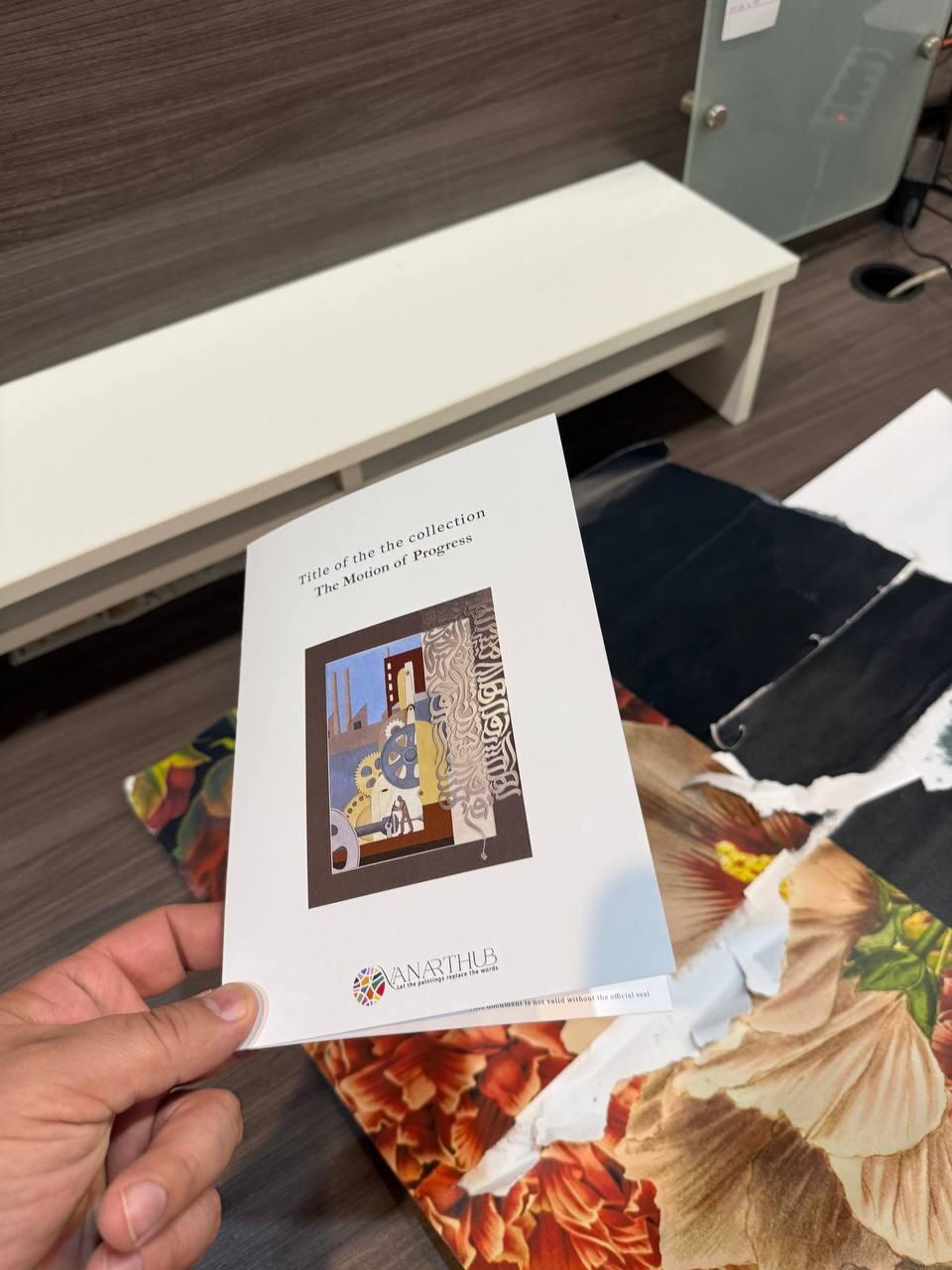
They are real originals. Every oil and every acrylic we sell is painted by hand and signed by a Vancouver artist. We do not sell prints, posters, or reproductions. Each piece ships with a Certificate of Authenticity naming the artist, title, medium, and size, plus a 14-day trial for a full refund if it is not right for your space.
Ready to look? Browse the full oil paintings collection, compare it against our take on Canadian abstract art, or return to the Canadian art hub for the complete buying guide.