It depends on the ink, and the ingredient that decides most cases is shellac. Many traditional India inks contain shellac, a resin secreted by the lac insect, so they are not vegan. Modern acrylic inks are built on a synthetic polymer binder and are usually free of animal ingredients, though their pigments still need checking. And sepia, the famous warm brown of old drawings, was historically made from the ink of the cuttlefish.
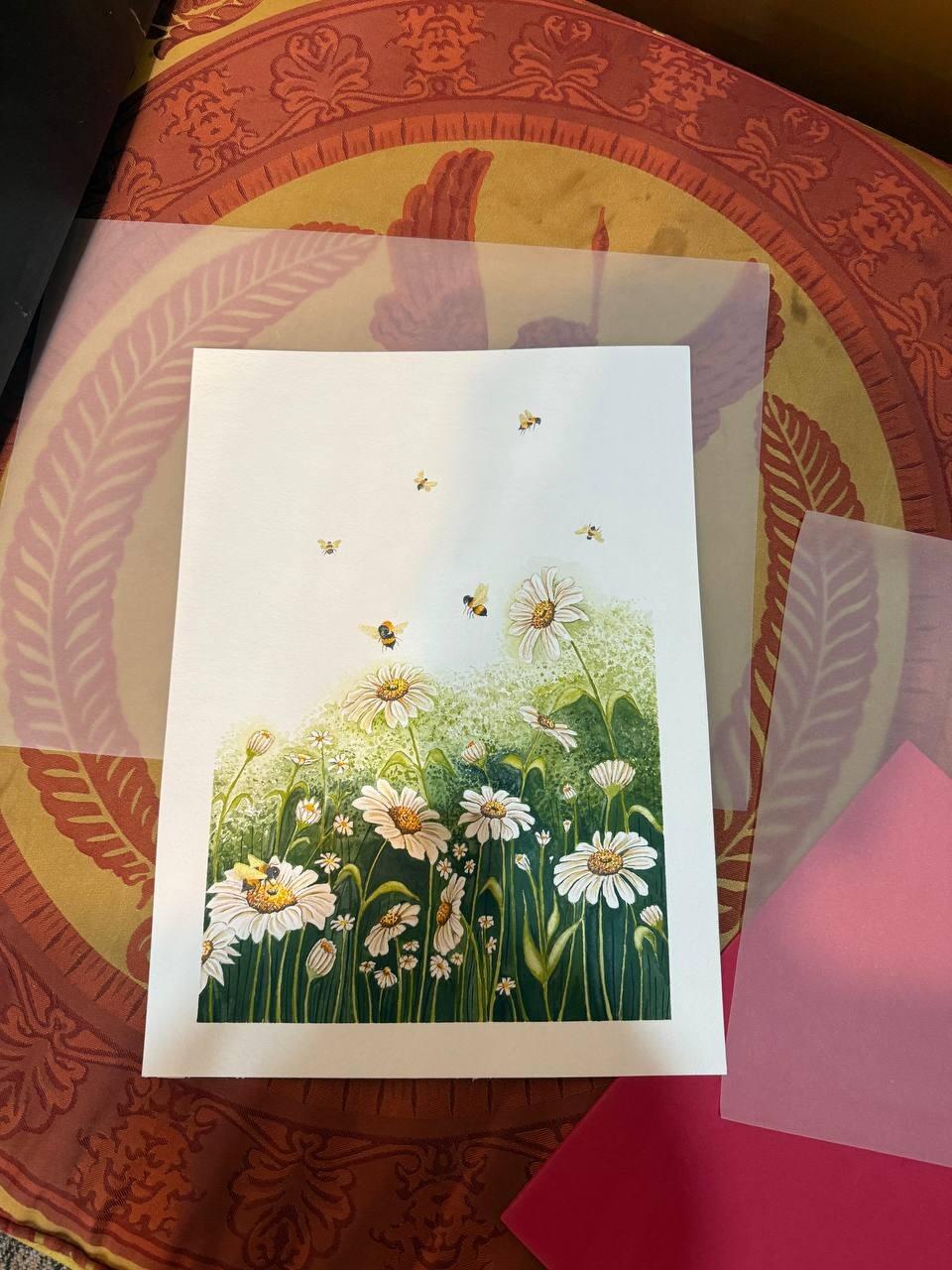
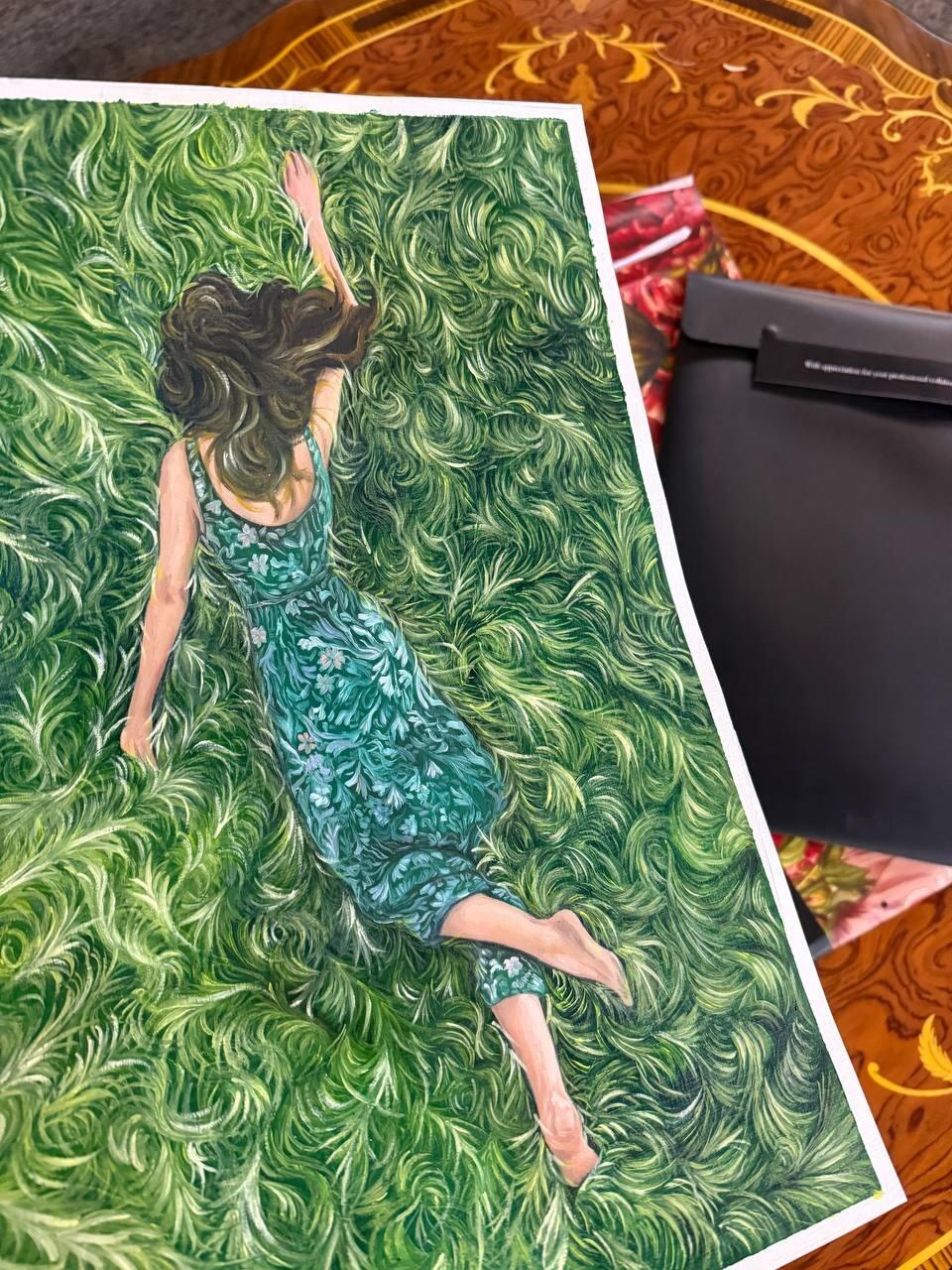
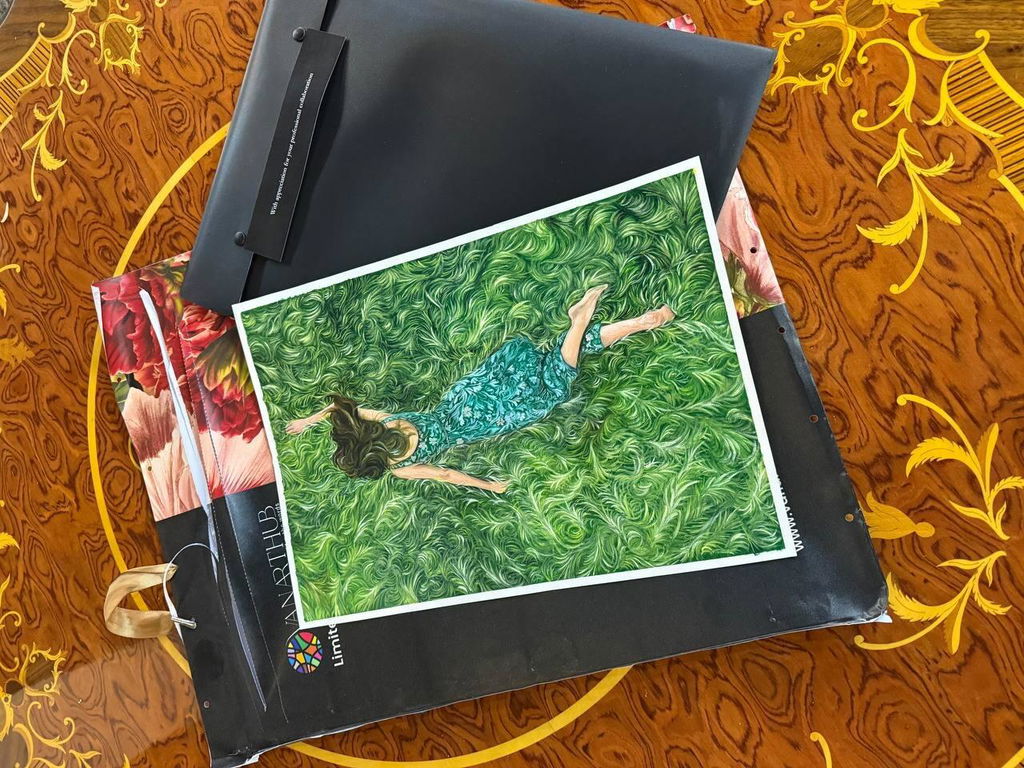
Ink is a loose family of products rather than one recipe, which is why the answer changes from bottle to bottle. This page sorts the family into the kinds that are usually fine, the kinds that usually are not, and the questions that settle a specific product. For a finished ink painting, VanArtHub will put the materials question to the artist before you buy.
Key takeaways
- Shellac, used in many India inks, is a resin secreted by the lac insect (Kerria lacca), so inks containing it are not vegan.
- Sepia was historically made from cuttlefish ink. Modern products named sepia vary, so check what a specific one contains.
- Modern acrylic inks use a synthetic binder, so the base of the ink is animal-free.
- Pigments such as carmine (from cochineal insects) and bone black (PBk9) can appear in inks just as in paint.
- When a label does not list contents, a short question to the maker settles the case, and formulations change over time.
Shellac: the ingredient that decides India ink
Shellac is a resin secreted by the lac insect, Kerria lacca. It is used in some inks, most of all in many India inks, and in wood finishes. Because the resin comes from an insect, inks made with it are not vegan.
Not every black drawing ink uses shellac, and product lines change, so the word to look for on a bottle or a maker's website is shellac itself. If the contents are not listed anywhere, ask the maker directly. Our guide how to verify vegan art covers how to put these questions to makers and artists, and what a useful answer looks like.
Sepia: a colour named after an animal
Sepia was historically made from the ink of the cuttlefish. Today the name survives on many products, from drawing inks to pencils, and a modern colour sold as sepia may or may not involve anything from an animal. Treat the name as a piece of history rather than an ingredient list, and check what the specific product actually contains before you decide.
Modern acrylic inks: synthetic by design
Acrylic inks use the same binder family as acrylic paint: a synthetic polymer carried in water. Nothing in that binder comes from an animal, which makes acrylic inks the simplest vegan choice in the ink family. Many contemporary artists work in them for the qualities buyers see in finished pieces: strong colour, fluid line work, and washes that hold their depth once dry.
The remaining question is the pigment inside the bottle, and the rules there are the same as for paint. We explain the binder story fully in is acrylic paint vegan?
Pigments still matter
An ink is a colourant plus a carrier, and a vegan carrier can still hold an animal-derived colourant. The two names to know are carmine, a red dye extracted from the dried bodies of cochineal insects, and bone black (PBk9), made from charred animal bones; Golden states that its Bone Black pigment is made from carbonized cattle bones. Plant and mineral alternatives cover nearly every colour an artist needs, and we survey them in plant-based pigments and inks.
The ink family at a glance
| Ink |
What to check |
Usually vegan? |
| Traditional India ink |
Shellac in the formula |
Often not |
| Acrylic ink |
Pigment codes; the binder is synthetic |
Usually yes |
| Historical sepia |
Made from cuttlefish ink |
No |
| Modern colours named sepia |
The actual pigment used |
Varies; check the product |
| Any red named carmine |
Cochineal-derived dye |
No |
One habit covers all of these rows: read the contents where they are published, and send the maker a short question where they are not. A current answer from the manufacturer is worth more than any list, including this one, because ink recipes change quietly.
Buying an ink painting
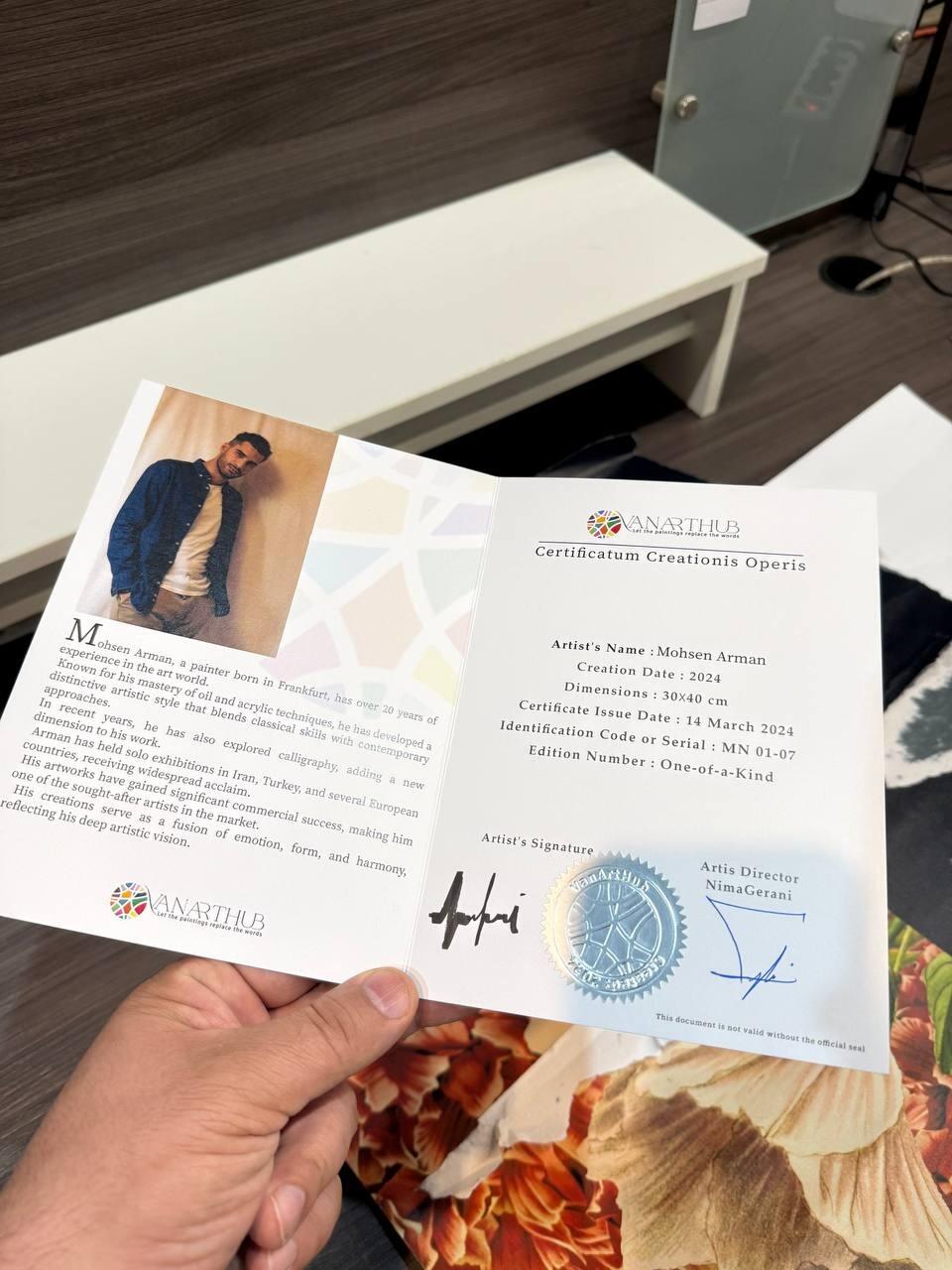
With a finished artwork, the bottle is long gone, so the artist is your source. Ask which inks they used and whether the paper was gelatin-sized; both questions take one sentence. We ask our artists these questions for any piece you are considering, and every original ships with a Certificate of Authenticity, free fully insured shipping, and a 14-day trial with a full refund if it is not right. That gives you time to confirm the details and live with the work before the decision is final.
Common questions
Is India ink vegan?
Often not. Many traditional India inks contain shellac, a resin secreted by the lac insect, which makes them non-vegan. Formulas differ between makers, so check the specific product or ask the manufacturer.
What is shellac made from?
Shellac is a resin secreted by the lac insect, Kerria lacca. It is used in some inks, including many India inks, and in wood finishes.
Is sepia ink still made from cuttlefish?
Historically, sepia was made from the ink of the cuttlefish. Modern products sold under the name sepia vary, so check what pigment a specific ink or pencil actually contains.
Are acrylic inks vegan?
The binder is a synthetic polymer, so the base of an acrylic ink is animal-free. Check the pigments, though: carmine comes from cochineal insects and bone black (PBk9) from charred animal bones.
How do I check an ink whose label lists nothing?
Ask the maker directly whether the ink contains shellac, animal-derived pigments, or any other animal ingredient. Makers answer these questions, and formulations change, so a current answer is the most reliable one.
Ink runs from insect resin to fully synthetic bottles, so the honest answer is to check each one. See what artists do with the medium in our ink paintings collection, and for the rest of the materials story, start at the vegan art guide.