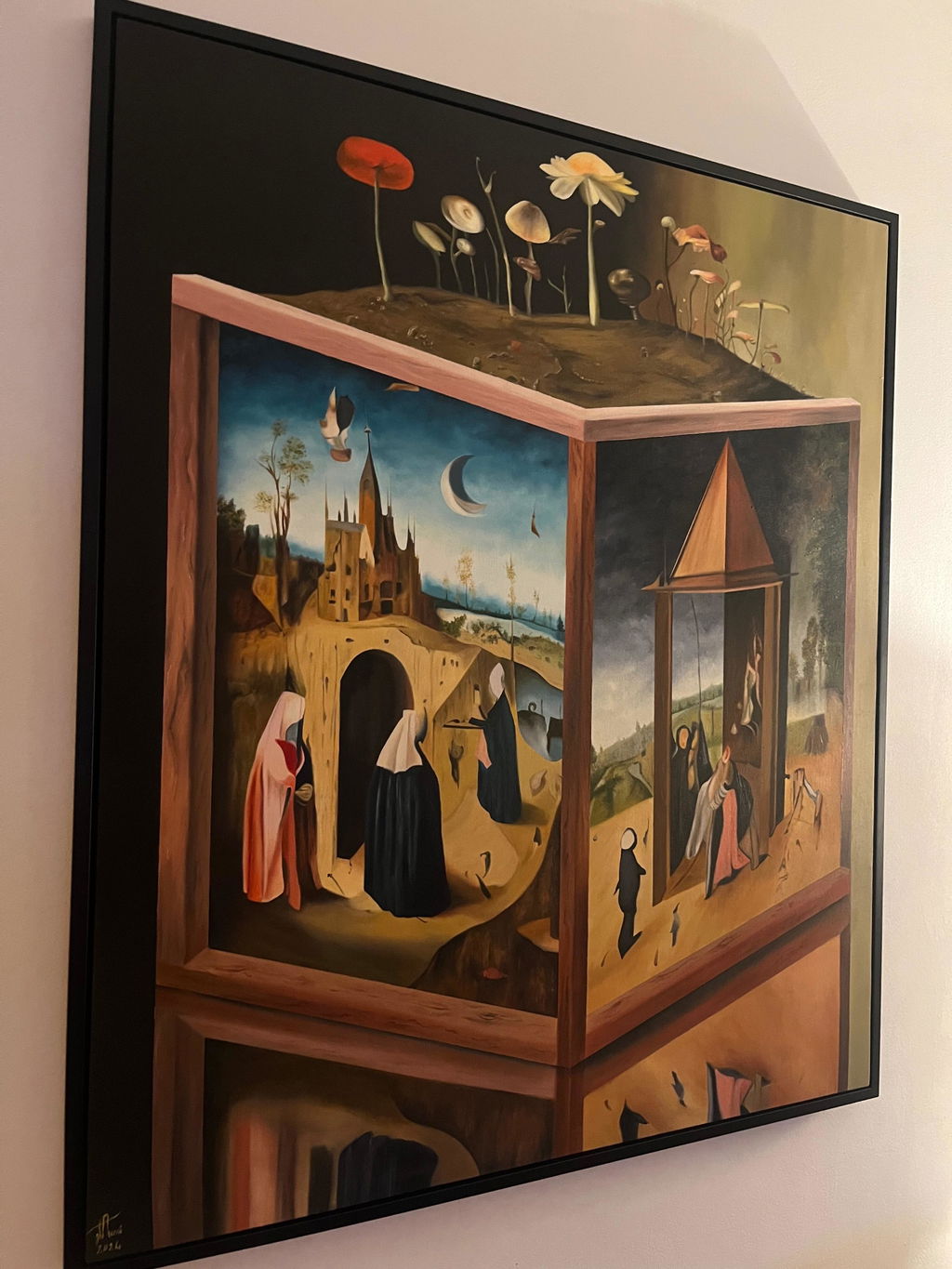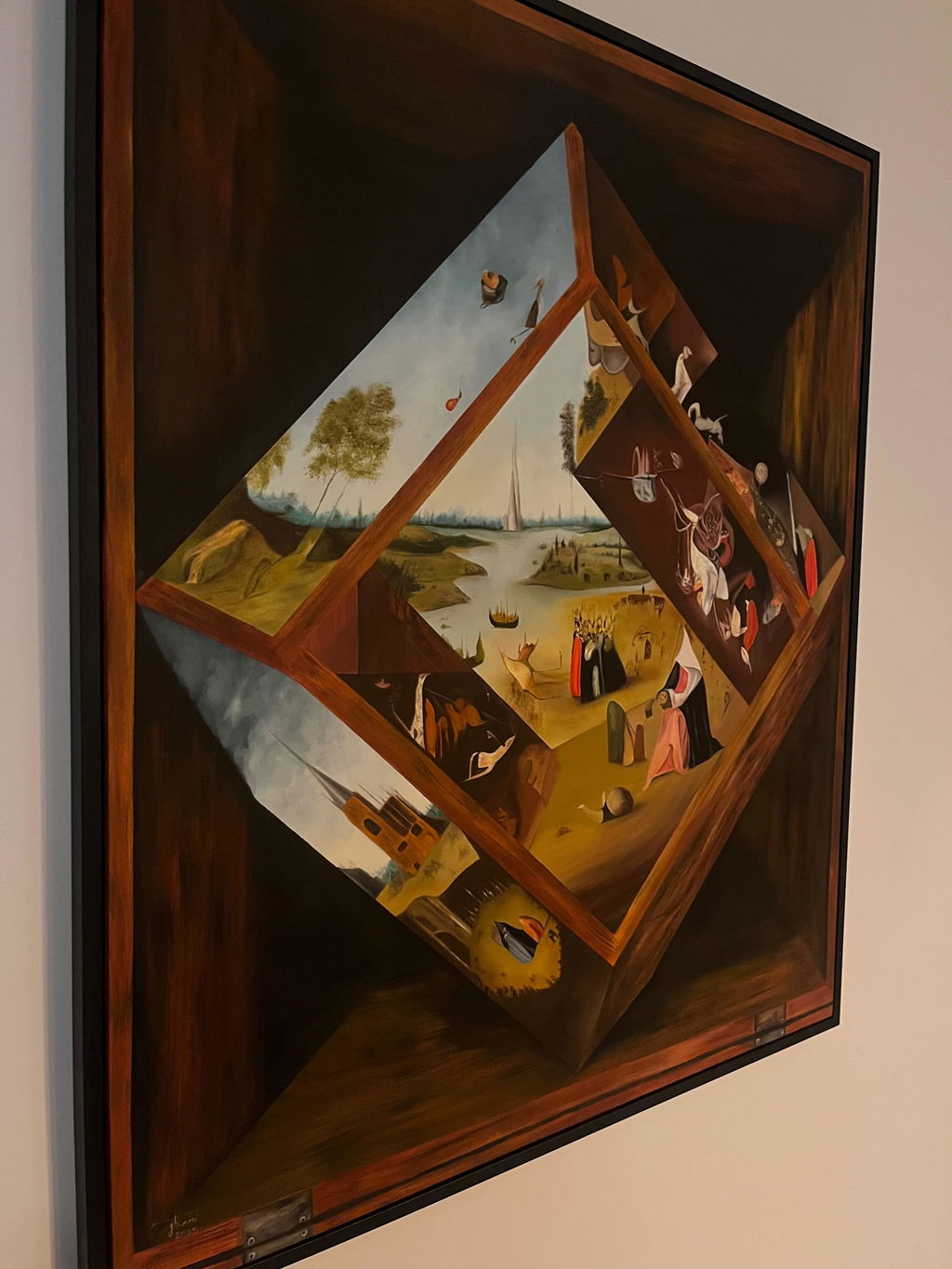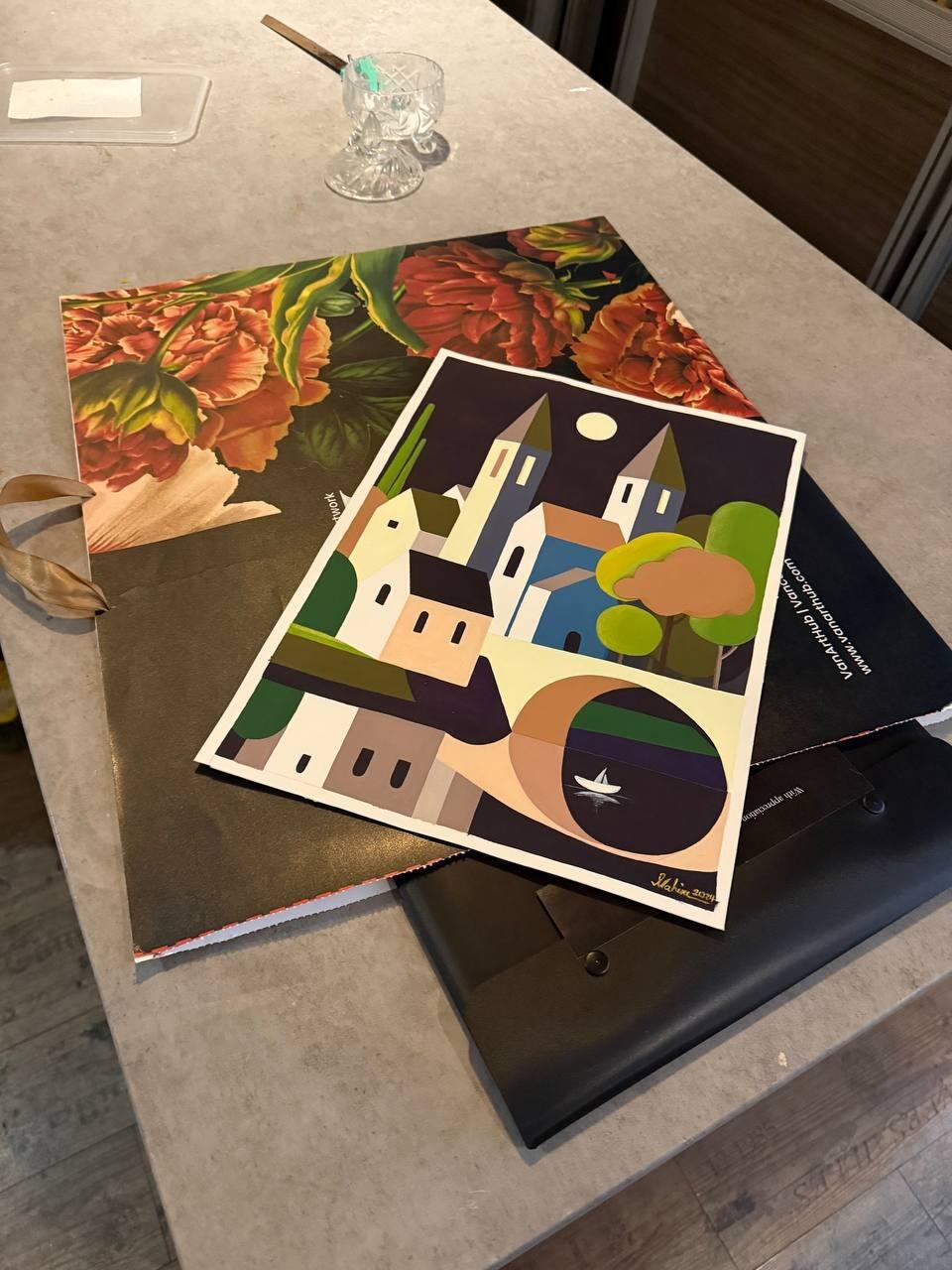
Hanging Art in a Heritage Home Without Damaging It
Updated By VanArtHub Curatorial TeamShare
You drill a small hole in a 1912 wall and a piece of plaster the size of your palm comes off with the bit. That is the moment most people discover their heritage house does not have drywall behind the paint. The good news is that older homes usually came with a hanging system already built in, and almost nobody notices it.
Why plaster and lath behaves nothing like drywall
Most Vancouver homes built before roughly the 1950s have plaster over wooden lath. Thin strips of wood are nailed horizontally across the studs with gaps between them, and wet plaster is pushed through those gaps so it hardens into keys that grip the lath from behind.
After a hundred years those keys are brittle. Drilling vibrates the plaster, the keys near your hole snap, and the plaster there loses its grip on the lath. You get a hole plus a soft hollow patch, and sometimes a crack that shows up a week later.
Stud spacing is the second surprise. Old houses were framed by hand, so studs sit at 16 inches, 24 inches, or something in between, and there may be nothing at all for two feet. Stud finders read the horizontal lath strips as timber, so they are unreliable across the whole wall.
The picture rail is already there. Go and look.
Before you drill anything, look at the wall about 20 to 40 cm below the ceiling. A moulded wooden strip running around the room is a picture rail, and it is the best thing about hanging art in an old house.
It was installed for this purpose, because the people who built these houses knew you cannot casually nail into plaster. Hooks slide over the rail from the top and the painting hangs on cord to whatever height you want. Zero new holes, and you can rearrange in ten minutes.
People paint over rails and stop recognising them. If a strip of wood sits at that height, run a putty knife gently along the top edge and feel for a lip. If there is one, buy picture rail hooks sized to that profile rather than generic S-hooks.
Our opinion: if you have a rail, use it for everything and never drill that wall. If a room has lost its rail and you own the house, refitting one is often cheaper than repairing plaster twice.
If you must go into the plaster, do it this way
Sometimes there is no rail and the painting is heavy. Technique matters more here than in a modern house.
| Weight of framed work | What we would use | Notes |
|---|---|---|
| Any weight, rail present | Picture rail hooks and cord | Always the first choice. No new holes at all |
| Under about 5 kg | Two small brass picture hooks with thin hardened pins | The thin pin displaces plaster rather than cratering it |
| 5 to 15 kg | Screws into a located stud, pilot drilled | Find the stud with a thin nail probe, not only an electronic finder |
| Over 15 kg | A wooden batten screwed across two studs, painting hung from the batten | Spreads the load and gives you lateral adjustment later |
| Any weight, no stud available | Toggle fixing rated well above the load | Accept that the repair later will be larger than the hole |
Two details make a real difference. Put a small square of masking tape over the spot first, which holds the surface together while the bit goes through. Drill on the slowest speed with no hammer action, because hammer mode on plaster is how you get the palm-sized crater.
Handling matters as much as fixing. The Canadian Conservation Institute is specific that easel-sized paintings need a minimum of two people to move, and that you should never carry a painting by the hanging wire, by the top of the frame, or by one side alone. Do not hand a painting to another person on a ladder either. Set it down and let them pick it up.
Exterior walls in an old house are the real conservation problem
This is the part most people miss, and it does more long-term damage than any hole in the plaster.
The CCI's target for paintings is a stable 40 to 60 percent relative humidity, with 50 percent as the usual central value, and mould becomes a genuine risk above roughly 70 to 75 percent. It also points out that high-humidity pockets form against exterior walls and near water pipes.
An uninsulated 1910 exterior wall runs cold, and cold surfaces raise the humidity of the air touching them. A painting flat against that wall sits in its own damp pocket all winter, even though the room reading looks fine.
So hang the work you care about on interior walls. Where you must use an exterior wall, fit small cork or felt spacers about 1 cm thick to the bottom corners of the frame so air can move behind it. A five dollar fix for a problem that ruins paintings quietly over years.
Fit a backing board too. The CCI recommends a backing board on every painting on canvas, because it prevents puncture from behind, keeps debris out, buffers humidity fluctuation, and blocks airborne pollutants. On an exterior wall the humidity buffering is the part that earns its money.
Light through original windows, and radiators under everything
Old houses have two more habits worth planning around. Single-glazed original windows pass a lot of unfiltered light, and the radiators sit under those windows, right where people want to hang something above.
Do not hang a painting directly above a radiator. The rising warm air is drier than the room and it moves constantly, putting the canvas through a slow cycle of expansion and contraction. Fit a shelf that deflects the air outward, or accept a smaller work higher up.
For the windows, UV-filtering film on the glass is the cheapest useful step in a heritage room, and it does not change how an original sash looks from the street.
If you are renting the heritage property, read this first
Many heritage rentals, and nearly all heritage buildings with a protective designation, prohibit drilling into original plaster. Some tenancy agreements ban any wall fixing at all. Ask the landlord in writing before the drill comes out, because a proper plaster repair is skilled work and it will come out of your deposit.
If you cannot drill, the options are limited and we would rather list the real ones. A picture rail needs no fixing, so it needs no permission. A floor easel or a heavy leaning shelf puts a large painting in the room with nothing touching the wall. Leaning a framed work on a mantelpiece suits these rooms well.
Adhesive strips are the one thing we would avoid. On old distemper or lime-based paint they pull the paint layer off when removed, which is a much worse outcome than a small filled hole. If you are unsure what your walls are painted with, assume the worst.
What we would do, and where we are the wrong shop
Given a heritage room with a rail, we would hang three or four works from it at varying drops, keep them all on interior walls, fit spacers and backing boards, and never touch the plaster. That takes an afternoon and it is fully reversible, which is the right standard for an old building.
Where we are the wrong shop: if you want work that is period-appropriate to the house, meaning genuine early twentieth century painting, we cannot help. Everything we sell is by living independent artists. We think contemporary painting in a heritage room looks excellent and the contrast is the point, though that is a taste you may not share. For a consistently period house, go to an antiques dealer or an auction house.
Key Takeaways
- Plaster over lath is brittle after a century. Drilling can break the keys and leave a hollow patch around the hole.
- Look for a picture rail 20 to 40 cm below the ceiling. If it is there, use it and never drill that wall.
- Studs in a hand-framed house are wherever the carpenter put them, and stud finders read lath as timber.
- Cold uninsulated exterior walls create a damp microclimate behind a painting. Hang the work you love on interior walls.
- Use small spacers on the frame corners and fit a backing board, which buffers humidity and blocks punctures.
- If you rent a heritage property, you may not be allowed to drill at all. Check the agreement in writing first.
Frequently Asked Questions
Can I hang a painting on a plaster and lath wall?
Yes, with care. The plaster grips wooden lath through keys that become brittle over a century, so drilling can break them and leave a hollow, soft area around your hole. Tape over the spot before drilling, use the slowest speed, and never use hammer action.
What is a picture rail and how do I know if I have one?
It is a moulded wooden strip running around the room roughly 20 to 40 cm below the ceiling, installed so paintings can hang from hooks with no wall fixings at all. Many have been painted over and go unrecognised. Run a putty knife along the top edge and feel for a lip.
Why can I not find a stud in my heritage house?
Because the framing was done by hand, so studs sit at irregular spacings rather than a standard 16 or 24 inches. Electronic stud finders also struggle here, since the horizontal lath strips read as timber across the whole wall. A thin nail probe is more reliable.
How heavy a painting can a plaster wall take?
Under about 5 kg, two small brass hooks with thin hardened pins are usually fine. Between 5 and 15 kg, screw into a located stud with a pilot hole. Above that, screw a wooden batten across two studs and hang the painting from the batten so the load spreads.
Is it bad to hang art on an exterior wall in an old house?
In an uninsulated heritage house, yes. The cold wall surface raises the humidity of the air touching it, so a painting flat against it sits in a damp pocket all winter even when the room reading looks fine. High-humidity pockets form against exterior walls and near water pipes.
I rent a heritage property and cannot drill. What can I do?
Use the picture rail if the room has one, since it needs no fixing and therefore no permission. Otherwise put large work on a floor easel or a leaning shelf, and lean framed pieces on a mantelpiece or sideboard. Avoid adhesive strips, which pull old distemper and lime paint off the wall.
How many people should move a large painting?
At least two for anything easel sized. Never carry a painting by the hanging wire, by the top of the frame, or by one side alone. Do not hand a painting directly to another person either. Set it down and let them lift it, so there is no moment when neither person has full control.
What does the Certificate of Authenticity cover?
It records the artist, title, year, medium, and dimensions of your specific piece, signed by us as the gallery that sold it. Every original we ship carries one. It is the document you will want if you ever insure, donate, or resell the work.
Sources
- Canadian Conservation Institute, Environmental Guidelines for Paintings (CCI Notes 10/4)
- Canadian Conservation Institute, Basic Handling of Paintings (CCI Notes 10/13)
- Canadian Conservation Institute, Backing Boards for Paintings on Canvas (CCI Notes 10/10)
Sources checked 1 September 2026. If you spot something out of date, tell us and we will update the guide.
About VanArtHub
VanArtHub is an online gallery in Vancouver selling original, signed, one-of-a-kind paintings by independent artists. No prints and no reproductions. Every piece ships with a Certificate of Authenticity, free fully insured delivery to Canada and the USA, and a 14-day trial so you can decide at home. Browse landscape paintings, original oils, or read our guide to hanging and lighting art. Our full policy lives on the Buy with Confidence page.