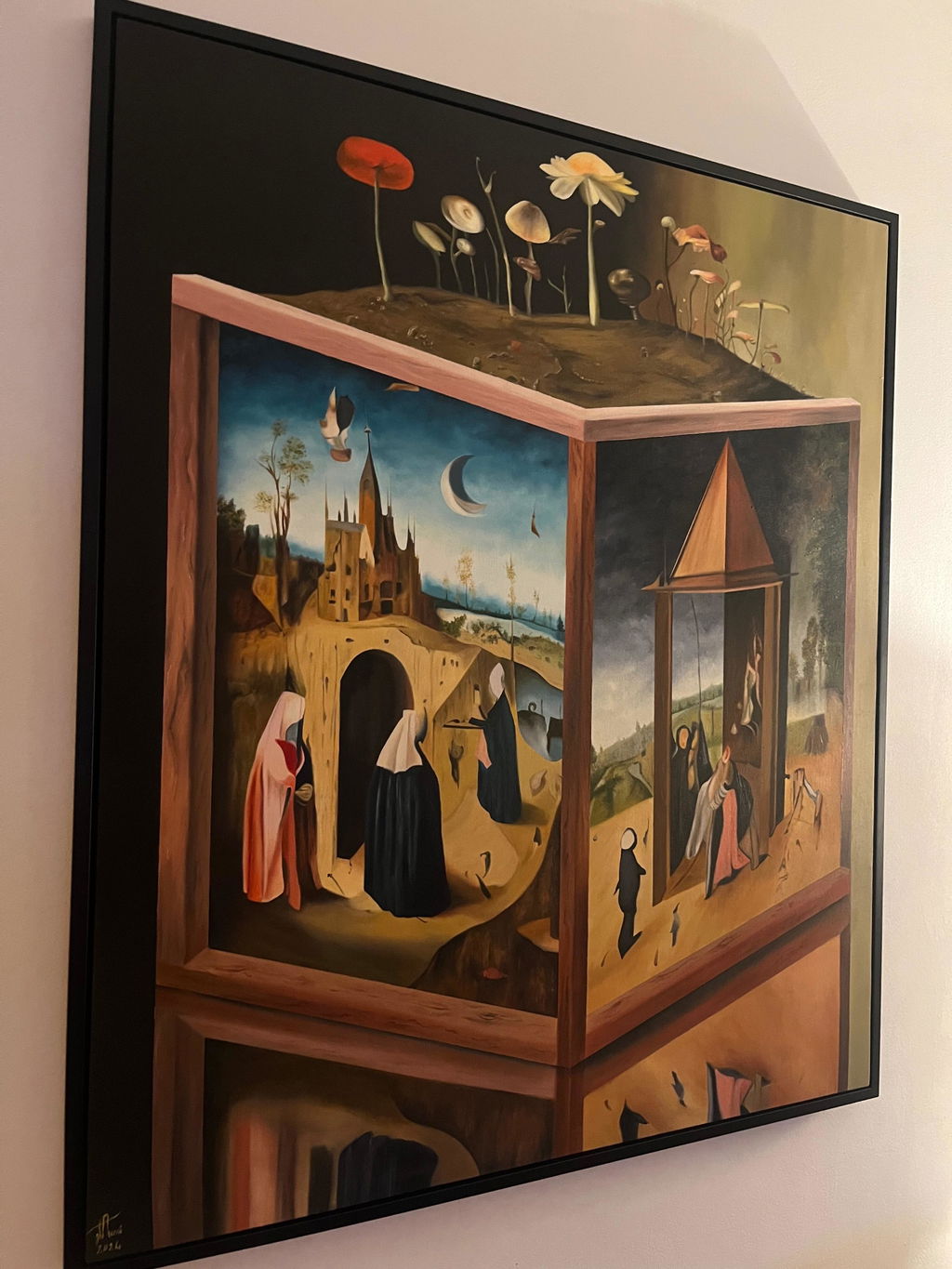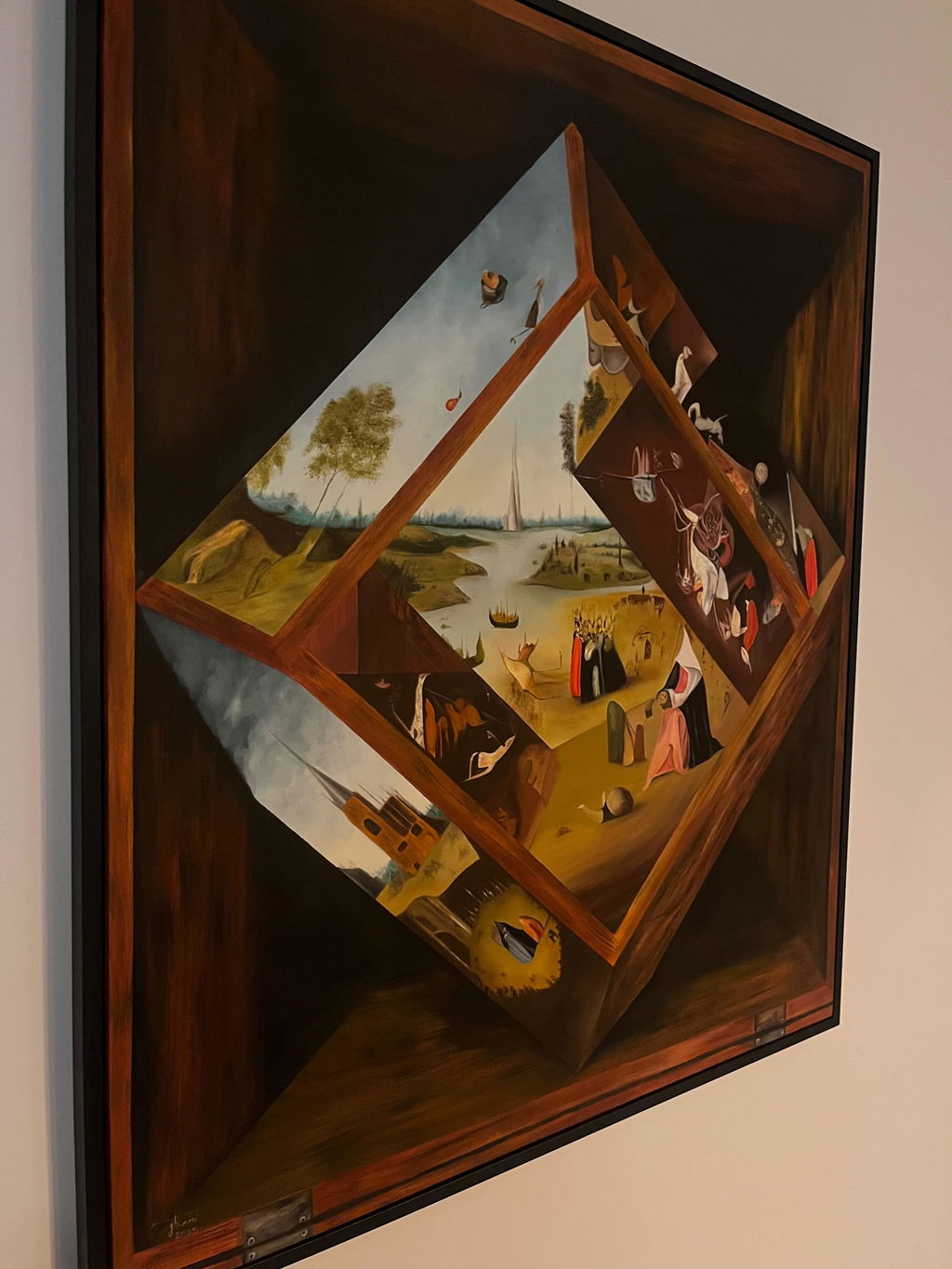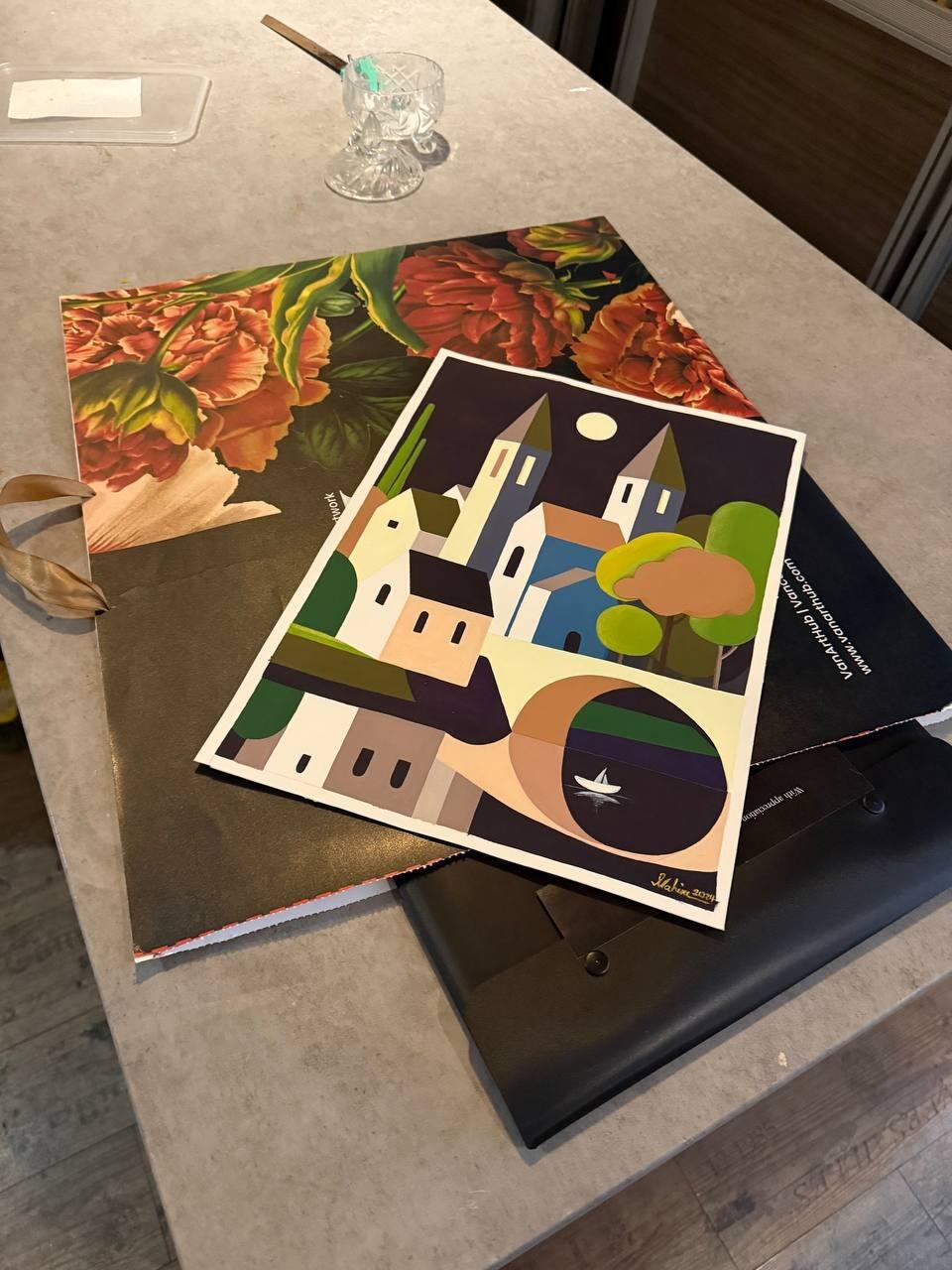
Abstract or Figurative for Your First Original
Updated By VanArtHub Curatorial TeamShare
You are ready to buy your first original painting, and you keep getting stuck on the same fork: abstract or figurative? It feels like you are supposed to already know your taste, and that is exactly why it stalls people. The better question is not "which do I like more" in the abstract. It is "which will live better on my wall and feel right to me every day". Once you frame it that way, the decision gets much easier.
Here is a plain comparison for a first-time buyer: what each kind asks of your room and of you, why abstract is often more forgiving with decor, why figurative can feel safer to start, and how to actually decide.
What the two words mean, plainly
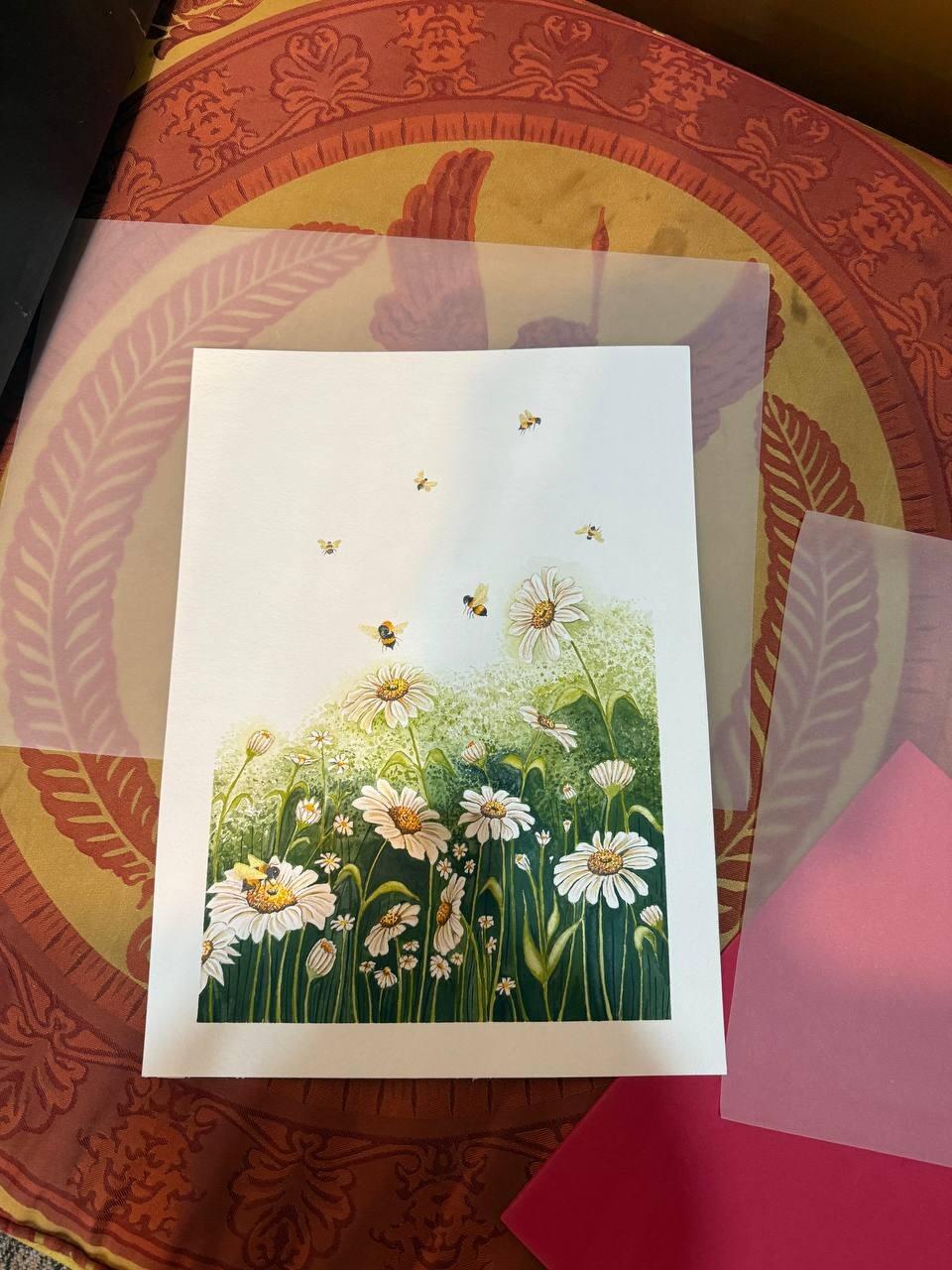
Figurative art shows something you recognise. A landscape, a harbour, a person, a bowl of fruit, a street. You can name what you are looking at. Abstract art does not show a scene you can name. It works with colour, shape, line, and texture to create a feeling or an energy, without picturing a specific thing.
There is a whole range in between, a loose seascape that is halfway to pure colour, a portrait broken into shapes, but for a first purchase the two ends are the useful ones to compare. They ask different things of you and your room.
Why figurative can feel safer to start
For a first-time buyer, figurative often feels like the safer bet, and that instinct is not wrong. You already know whether you respond to a quiet coast, a warm still life, or a city at night. The subject gives you something firm to react to. You do not have to wonder if you "get it", because there is a clear thing to like or not like.
Figurative work also tends to be easier to talk about and easier to place emotionally. A landscape of a place you love, a scene that matches a memory, a subject that means something to you, these connect fast. For a first original that you want to feel sure about, that quick, clear connection is worth a lot.
The catch is that a recognisable subject carries a specific mood, and that mood has to agree with the room. A dark, stormy sea is beautiful and also heavy; it will set the tone of wherever it hangs. A busy city scene brings energy that a calm bedroom may not want. So figurative gives you certainty about what you are looking at, but it asks the room to accept a definite subject and mood.
Why abstract is often more forgiving with decor
Abstract can feel harder at first, because there is no subject to grab onto. Some first-time buyers worry they will not "understand" it. But once you stop trying to decode it and just respond to the colour and feeling, abstract turns out to be the more flexible choice for a room.
The reason is simple. An abstract does not commit to a subject the room has to match. It reads as colour, shape, and energy, so it slots into far more spaces without fighting them. A soft abstract in the room's own tones can feel like it was made for the wall, and it will not clash with a change of bedding or furniture the way a specific scene might. If you plan to redecorate over the years, or you are not sure of the room's final look, abstract moves with you more easily.
Abstract also grows with you. Because it does not spell everything out, you keep finding new things in it over time, where a clear scene can feel fully "read" after a while. For a piece you will live with for years, that slow reveal is a real strength.
What each asks of the room
Think about scale and light before subject. A large abstract can carry a big empty wall on colour alone, where a small figurative piece can get lost on the same wall. A detailed figurative work rewards a spot where people get close, near a reading chair or along a hallway, while an abstract often reads well from across a room.
Busy rooms and quiet rooms want different things too. In a room already full of pattern and objects, a calm abstract in matching tones settles the space, while a detailed scene can add to the visual noise. In a plain, simple room, a figurative piece can become the focus and give the room a subject it was missing. Reading the signs a painting will work in your space before you buy helps you match either kind to the room's light, scale, and existing look.
What each asks of you
Be honest about how you want to feel when you look at the wall. If you want a clear anchor, a view, a face, a place, that greets you the same way each day, figurative gives you that. If you want something that shifts with your mood and the light, that you never fully finish reading, abstract gives you that.
There is also the question of nerve. Some first buyers feel bolder with figurative because it is easy to defend a landscape to a guest. Others find abstract freeing precisely because there is no "right" reading, so no one can tell them they got it wrong. Neither is more sophisticated. They are different relationships with the same wall.
How to decide
Try this. Picture the exact wall. Now ask three things. What is the room's mood, calm or lively? How much is already going on in the space, busy or plain? And do you want a clear subject to greet you, or a feeling that changes?
If the room is busy and you are unsure of its final look, lean abstract; it is more forgiving and moves with the space. If the room is plain and you want a clear focus you can name and love, lean figurative. If you feel a strong, fast pull toward one specific piece, trust that; a first original should be one you are glad to see, not one that won an argument on paper.
Do not overthink the "right first move". There is no rule that a beginner must start with one or the other. Starting small keeps the stakes low either way, and our guide to starting to collect original art on a small budget shows how to buy a real signed piece without overreaching, whichever direction you pick.
Removing the risk from the choice
The honest truth is that some things about a painting only show up once it is on your wall, in your light, for a few days. A photo cannot tell you how an abstract's colours will read against your paint, or how a scene's mood will sit in the room at night. That is why a proper trial matters more than getting the abstract-versus-figurative call perfect on the first try.
Every piece we ship comes with a 14-day trial and free return shipping. You hang your choice in the real room, live with it, and if it does not feel right you send it back for a full refund. So the decision below is lower-stakes than it looks. You are not locking in a guess; you are trying a real painting in the one place that matters.
The short version
Figurative art shows a scene you can name and often feels safer for a first buyer, but it asks the room to accept a specific subject and mood. Abstract works with colour and feeling, can seem harder at first, and is usually more forgiving with decor because it does not commit to a subject the room must match. Decide by the room's mood and how busy it is, and by whether you want a clear anchor or a feeling that shifts. If one piece pulls at you strongly, trust it. Every original we ship is signed, one of a kind, and comes with a Certificate of Authenticity and a 14-day trial with free returns, so you can test your choice in the real room before you commit.
Going deeper: our guide to figurative painting explains how painters use the human figure, and the surrealist painting guide covers the dream imagery many of our figurative works use.