A Corporate Buyer's Guide to Purchasing Original Art for Your Office
UpdatedBuying art for a home is a personal decision. Buying art for an office is a process with a paper trail. If you are an office manager, a member of a law firm's design committee, or the person who got handed "find something for the boardroom wall" as a side project, you already know the gap between those two things is where most corporate art purchases stall out. This guide walks through how to build the internal case, who typically signs off, what a vendor relationship should look like, and how long the whole thing actually takes.

Why This Is a Different Purchase Than Buying Art for Your Home
At home, you are the only approval you need. In an office, a painting touches facilities, finance, sometimes legal, and whoever has to live with the choice on their wall every day. That is not bureaucracy for its own sake. It is what happens any time a purchase is paid for with company money and displayed where clients see it.
The practical difference shows up in three places: how you justify the spend, who has to say yes, and how the vendor handles a business account instead of a single consumer checkout. Get those three right and the purchase moves fast. Get them wrong and a painting that should have taken three weeks to land on the wall takes three months, or never happens at all.
Building the Internal Case: Original Art vs. Prints
The first objection you will hear, almost always from finance, is some version of "why not just buy a print for a fifth of the cost." It is a fair question, and the honest answer is that prints and originals do different jobs.
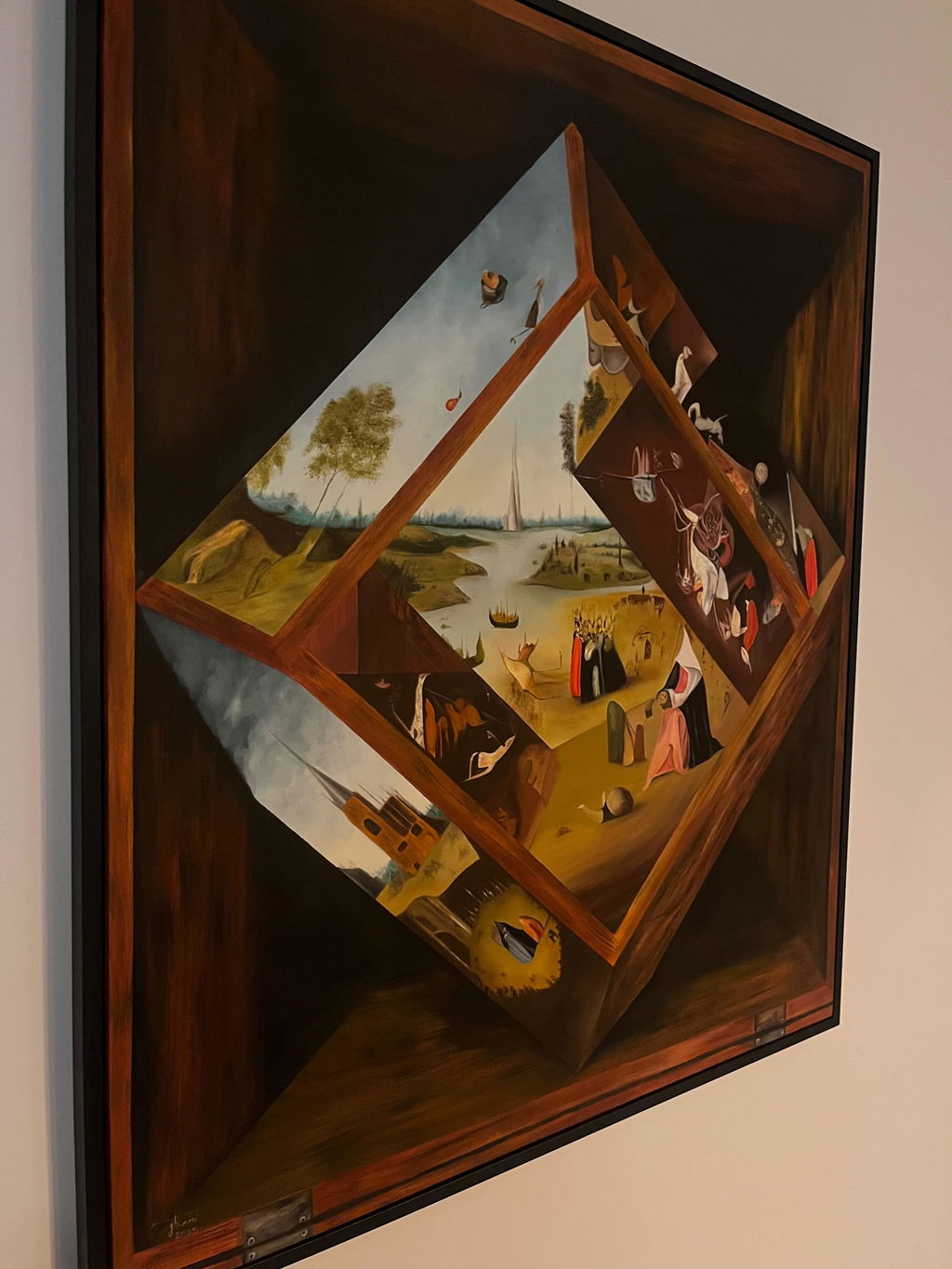
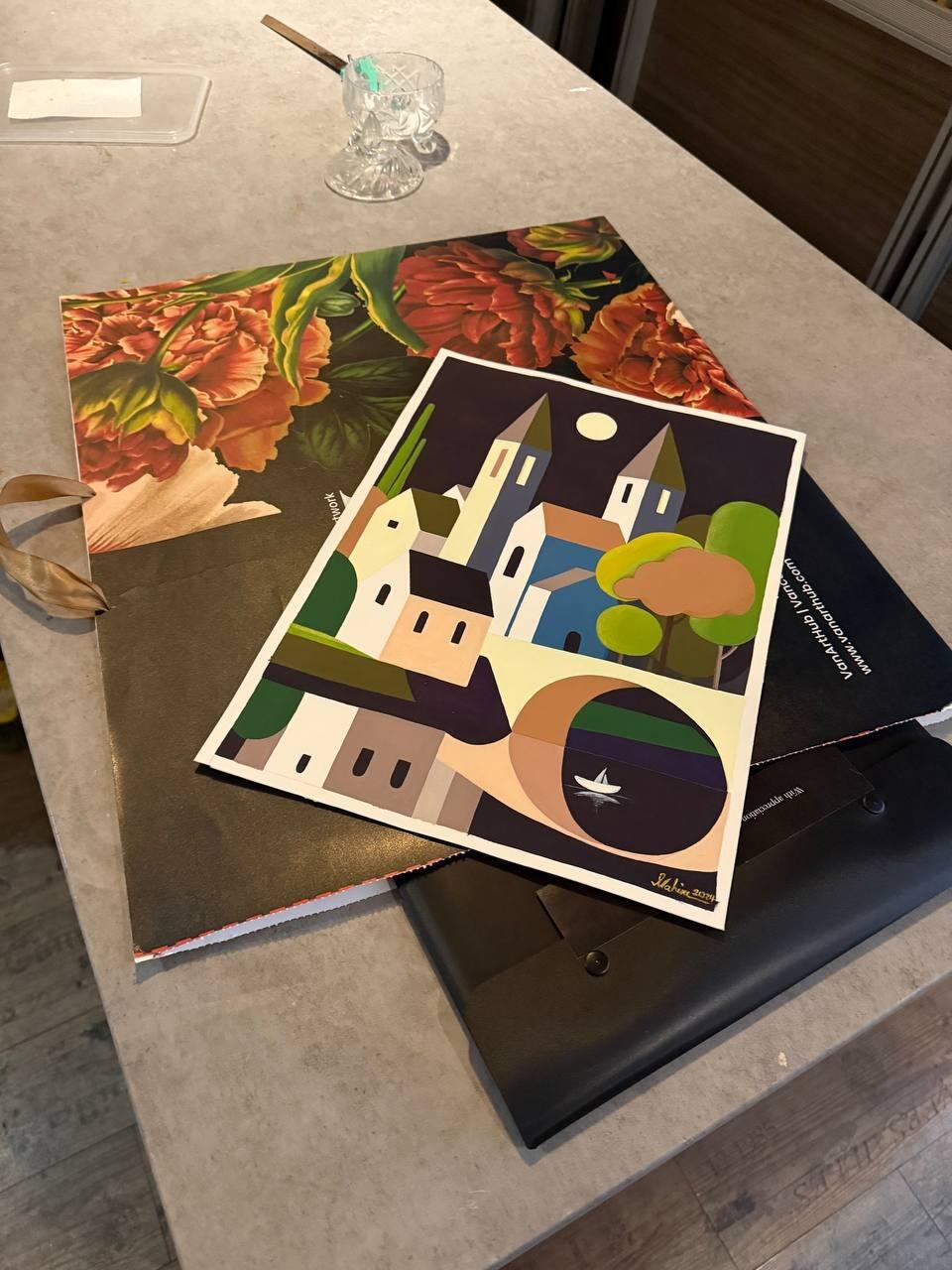
A print fills wall space. An original painting is a one-of-a-kind object that nobody else in the world owns a copy of, and for a law firm, an agency, or any business where a client sits across a table from you, that distinction reads immediately, even to someone who does not think of themselves as an art person. Framed reproductions are what you see in a chain hotel or a dentist's waiting room. Original work signals that someone at the company made a real decision, rather than ordering the first result off a stock catalog.
There is also a financial argument worth putting in front of finance directly, not softened. Original works are one-of-a-kind and their value depends on scarcity and the artist's growing reputation, so a well-chosen original from a working artist can hold or grow in value over time in a way a mass-produced print cannot, since a print's supply is not fixed the way an original is. That is not a guarantee, and no honest gallery will promise you a return. But it does mean the purchase is a real asset on the books, not a consumable.
In Canada specifically, there is a concrete tax mechanic worth flagging to your finance team. Under the Canada Revenue Agency's rules, artwork by a Canadian artist that costs $200 or more and is used to earn income, meaning it is displayed somewhere clients or staff see it, generally qualifies as Class 8 depreciable property. That means the business can write off 20% of the cost per year on a declining balance, with a half-year rule reducing the first year's claim to about 10%. It is not a loophole. It is the same capital cost allowance treatment applied to office furniture or equipment, just with a different asset class number. Bring this up early. It genuinely changes the math for a finance committee comparing a $2,000 original against a $300 print.
None of this means skip the print entirely as an option in your proposal. If the budget is tight and the wall is a low-visibility hallway, a good print might be the right call. Save the original budget for the space that actually gets seen: reception, the boardroom, the partner's office. That is where the difference in perceived quality does the most work per dollar.
Who Actually Approves an Office Art Purchase
This varies by company size, but the pattern repeats often enough to sketch out.
In a small firm, one person decides. Usually the office manager or a partner with an opinion about aesthetics, and the purchase goes through as a normal operating expense with no committee at all. In a mid-sized company, art purchases above a certain dollar threshold, often anywhere from $500 to $2,500 depending on the org, need sign-off from whoever owns the facilities or workplace experience budget, sometimes with a quick nod from finance if it is being capitalized rather than expensed. In larger organizations and most law firms, there is an actual art committee: a small group, often three to five people, drawn from partners, office management, and sometimes HR, that reviews proposals a few times a year and works from a stated budget and set of guidelines rather than approving pieces one at a time.
If your company does not have a committee and you are the one pushing this forward, build a one-page brief before you ask anyone for money. Include the room, the wall dimensions, two or three candidate pieces with prices, the total budget, and the return or trial policy of whoever you are buying from. A one-pager that anticipates the questions gets approved in one meeting. A vague request to "get some art" gets tabled indefinitely, because nobody wants to be the person who signs off on a mistake with no way to undo it.
That last point, the return policy, is worth dwelling on, because it is often the single thing that unsticks an approval. A committee that is nervous about committing $3,000 to a painting nobody has seen in person relaxes considerably when the vendor's policy removes the risk of a wrong call.
Working With a Vendor: What "Insured Shipping" Should Actually Mean
Buying art for an office usually means buying sight unseen, at least for the first piece. That raises two questions any purchasing committee should ask before signing off: what happens if the painting is damaged in transit, and what happens if it just does not work once it is on the wall.
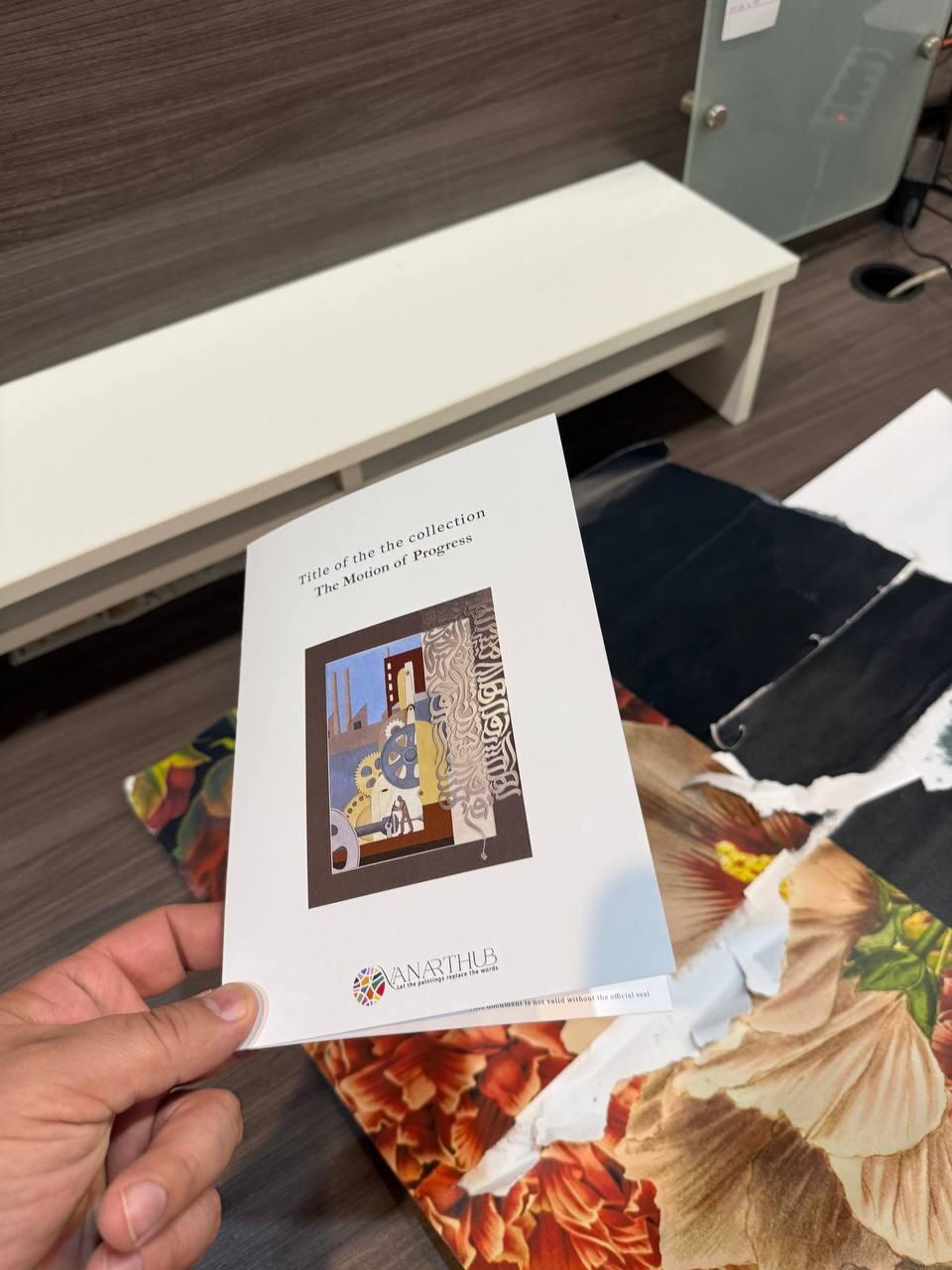
At VanArtHub, every original ships fully insured to Canada and the United States, and the piece arrives with a Certificate of Authenticity confirming it is hand-signed and not a print or reproduction. That certificate matters for your own internal records as much as for resale value. It is the paperwork a finance team wants attached to a capital asset.
More useful for a corporate buyer is what happens after delivery. We let you live with any painting for 14 days. Hang it in the boardroom, walk past it for a few weeks, see how it reads under the office lighting at 8am and at 6pm. If it is wrong, send it back within 14 days for a full refund, and we cover the return shipping. That single policy is what turns a nervous committee into a fast yes, because the actual risk of a wrong purchase drops close to zero. Past the 14-day window, our Lifetime Trade-Back lets you return any painting you bought from us, in good condition, at any time, for store credit toward something else. Offices redecorate, merge, move floors. Being able to trade a piece back instead of storing it in a closet is worth more to a facilities budget than people expect going in. Full details are on our Buy with Confidence page.
Ask any vendor you are considering these same three questions directly: is the shipping actually insured, what happens if the piece does not work in the space, and is there a documented certificate of authenticity. If a seller cannot answer plainly, that is useful information before you commit a budget line to them.
A Realistic Procurement Timeline
Here is roughly what to expect once you start the process in earnest.
| Stage | Typical time |
|---|---|
| Building the proposal and shortlist | 3 to 7 days |
| Committee or manager review and approval | 1 to 3 weeks, depending on meeting cadence |
| Order placed, in-stock original | Same day |
| Shipping (in-stock piece, insured) | 3 to 7 business days in Canada, 5 to 10 to the US |
| Optional 14-day trial before final sign-off internally | Up to 14 days |
| Custom commission, if requesting a specific size or palette | About 4 weeks from brief to delivery, on top of shipping |
From a standing start, budget four to six weeks for an in-stock piece to go from "we should do something about that wall" to a painting actually hanging in the room, and account for the committee's meeting schedule specifically. We see more delays caused by "the committee only meets monthly" than by anything on the vendor side. If there is a hard deadline, such as a client visit or an office opening, say so in the initial proposal. Most galleries, including ours, can move faster on an in-stock piece if the timeline is flagged early rather than discovered two weeks before the deadline.
Custom commissions run longer and depend on the artist's queue. If you want a piece sized to an exact wall or matched to a specific palette, build in the 2 to 4 week production window as a separate line in your timeline, not something that overlaps with shipping.
Key Takeaways
- Frame the original-vs-print decision around where the piece is seen. Save the original budget for reception, the boardroom, or a partner's office, where the difference actually registers with clients.
- In Canada, artwork by a Canadian artist costing $200 or more and displayed in a place of business generally qualifies as Class 8 depreciable property, a real number to bring to finance.
- A one-page brief with room dimensions, candidate pieces, a budget, and the vendor's return policy gets approved faster than an open-ended request.
- Ask any vendor directly whether shipping is insured, what the return process looks like, and whether a certificate of authenticity is included.
- Budget four to six weeks from proposal to painting-on-the-wall for an in-stock piece, longer for a custom commission.
Frequently Asked Questions
How much should a company budget for original office art?
It depends entirely on the space and the visibility of the wall. A reception or boardroom statement piece typically runs higher than a hallway or private office piece, since scale and placement drive cost more than medium does. Set the budget by room priority rather than a flat per-piece number, and put the largest share toward the wall clients actually see.
Can original art purchased for an office be claimed as a business expense in Canada?
Generally yes, if the artist is Canadian, the piece costs $200 or more, and it is displayed somewhere that supports earning income, such as a client-facing office or reception area. The CRA treats qualifying artwork as Class 8 depreciable property, deductible at 20% per year on a declining balance, with a reduced first-year claim under the half-year rule. Confirm the specifics with your own accountant, since individual circumstances vary.
Who should be on an office art purchasing committee?
For most mid-sized firms, three to five people is enough: someone who owns the facilities or workplace budget, at least one partner or senior leader with sign-off authority, and ideally someone who will actually work near the piece day to day. Smaller companies often skip the committee entirely and let one person, usually the office manager, decide within a set budget.
What happens if the painting does not work once it is in the office?
With VanArtHub, you have 14 days to live with any painting before deciding. If it is not right for the space, send it back for a full refund, and we cover the return shipping. After that window, our Lifetime Trade-Back lets you return the piece later for store credit toward something else, which matters for offices that redecorate or relocate.
Sources
- WDI Group: How to Claim Canadian Art as a Business Tax Deduction
- Art Match: Is Canadian Art Tax Deductible?
- The Artling: The Essential Guide to Building a Corporate Art Collection
Data sourced July 2026. Tax treatment of business art purchases can change; confirm current CRA rules with your accountant before filing. If you spot something out of date, let us know and we will update the guide.
About VanArtHub
VanArtHub sells original, signed paintings direct from working artists, each with a Certificate of Authenticity, shipping fully insured to Canada and the United States. Every piece comes with a 14-day trial and our Lifetime Trade-Back policy, built specifically to make a purchasing decision easier for a committee that cannot see the work in person first. Browse pieces suited to reception areas, boardrooms, and private offices in our Office Art collection, or read our companion guide on choosing large paintings for office spaces for room-by-room recommendations.