How to Photograph a Painting You Own (For Insurance or Resale)
Updated By VanArtHub Curatorial TeamShare
Imagine calling your insurer about a painting that was damaged in a move. The first question is what it looked like before. If your only picture is a phone snap taken at an angle, with a lamp reflecting off the varnish and half the frame cut off, you are going to have a difficult conversation. Twenty minutes of careful photography today is the difference between a claim you can prove and a claim you cannot.
Why a dated set of photographs is the whole point
Museums call this a condition report. The Canadian Conservation Institute describes it as a record of the physical state of a painting and its frame, and notes that when reports are kept systematically they document any changes over time. That last phrase is the entire value. One photograph proves nothing. A dated photograph compared against a later one proves exactly what changed and when.
The CCI is direct about the practical use too. Carefully maintained documentation is a critical element in settling insurance claims and can be taken into account in forensic investigations. Insurers are not being difficult when they ask for prior images. They have no other way to separate old damage from new.
For your main record, the CCI calls for a dated photographic record of the front and the back of the painting as well as the frame. Most people photograph the front and stop. The back is where the evidence lives.
Light it flat, and never use the flash
The CCI specifies that the primary photographs in a condition report are taken under normal lighting, meaning daylight, daylight-balanced bulbs, or filtered tungsten bulbs. Nothing exotic. What you are aiming for is even light across the whole surface with no bright spot anywhere.
The easiest free option is an overcast day. Take the painting off the wall, stand it near a large window with no direct sun, and shoot. If you use lamps, put one on each side at roughly 45 degrees and at the same distance, so the light from the left matches the light from the right.
Turn the flash off. It sits right next to the lens, so it fires straight at the surface and bounces straight back, putting a white blowout in the middle of your painting. No setting fixes this.
One safety point that people miss. The CCI warns that light sources emitting heat can cause very rapid localized expansion of the canvas threads, which makes the canvas bulge and ripple in that spot. Keep hot bulbs well back and switch them on only for the moment you take the photograph.
Square-on, or your record is worth much less
Set the camera so the lens is level with the middle of the painting and directly in front of it. If you shoot from above or off to one side, the rectangle turns into a trapezoid, straight edges bend, and any later comparison becomes guesswork.
A tripod makes this simple. Without one, rest the phone on a stack of books at the right height. Step back and zoom in slightly rather than standing close with a wide lens, which bulges the edges of a flat object.
Leave a small border of background all the way around so it is obvious nothing was cropped off, and shoot at the highest quality setting available. Then repeat the shot with the frame included, and take close details of anything that already looks odd: a scuff, an old repair, a knocked corner.
Put a ruler in the picture
Lay a ruler or a tape measure along the bottom edge of the painting, inside the shot, for at least one of your overall photographs and for every close detail.
This is what turns a picture into evidence. With a ruler in frame, anyone can measure the real size of a crack and compare it against a photograph taken five years later to see whether it grew. Without a scale, a detail shot tells you a crack exists and nothing more.
For the same reason the CCI suggests you include a colour spectrum in the photographs. A printed colour chart in the corner lets someone correct the colours later, because camera white balance drifts and paintings yellow slowly.
It also asks you to date all photographs, name the photographer, and specify the light used. Write those three things in a text file that lives beside the images.
The back is the half everyone forgets
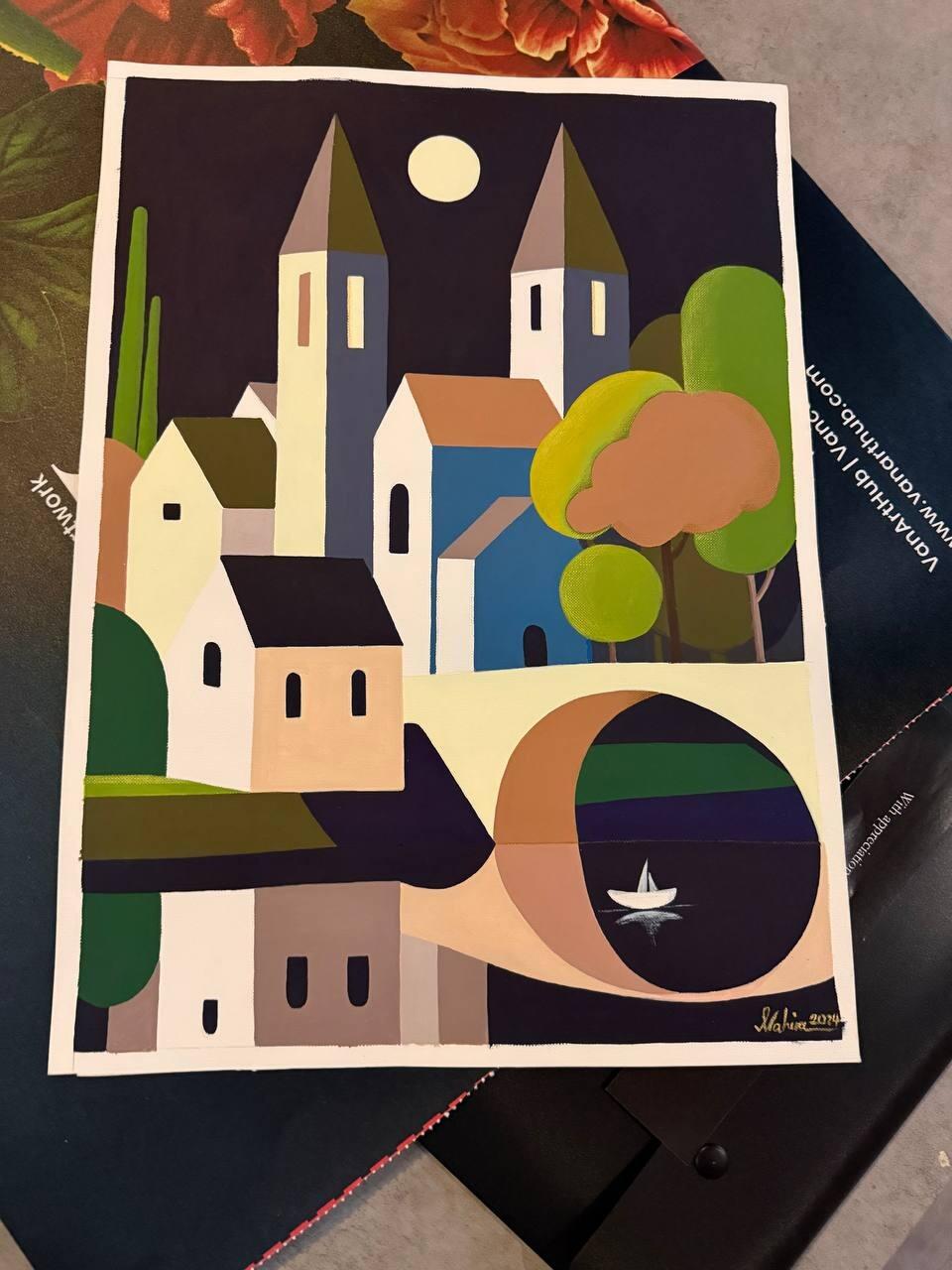
Turn the painting around and photograph the whole back. The CCI notes that a painting's display history is recorded on labels and tags fixed to the verso or the back of the frame, and a baseline report should include inscriptions and labels on the canvas and the support.
Photograph every label individually and close enough to read. Gallery labels, exhibition stickers, framer's stamps, auction lot numbers, the artist's handwriting on the stretcher bar. These are the provenance of the work, meaning the record of where it has been, and an appraiser looks for them first.
Photograph the signature separately, then the stretcher corners and the tacking margins where the canvas folds around the wood. If a backing board is fitted, photograph it. If there is not one, have one fitted.
Never remove a label, and never peel back a backing board to see behind it. That is a conservator's decision.
Where the files should live, and with what
A perfect photograph on a phone that gets lost is worth nothing. Here is the practice we recommend to our own buyers.
| Item | Why it matters | Where to keep it |
|---|---|---|
| Overall front, with and without frame | The baseline image any later damage is judged against | Cloud folder plus one offline copy |
| Overall back | Shows structure, backing board, and general condition | Same folder |
| Every label and the signature | Provenance and attribution evidence | Same folder |
| Detail shots with a ruler | Lets anyone measure change over time | Same folder |
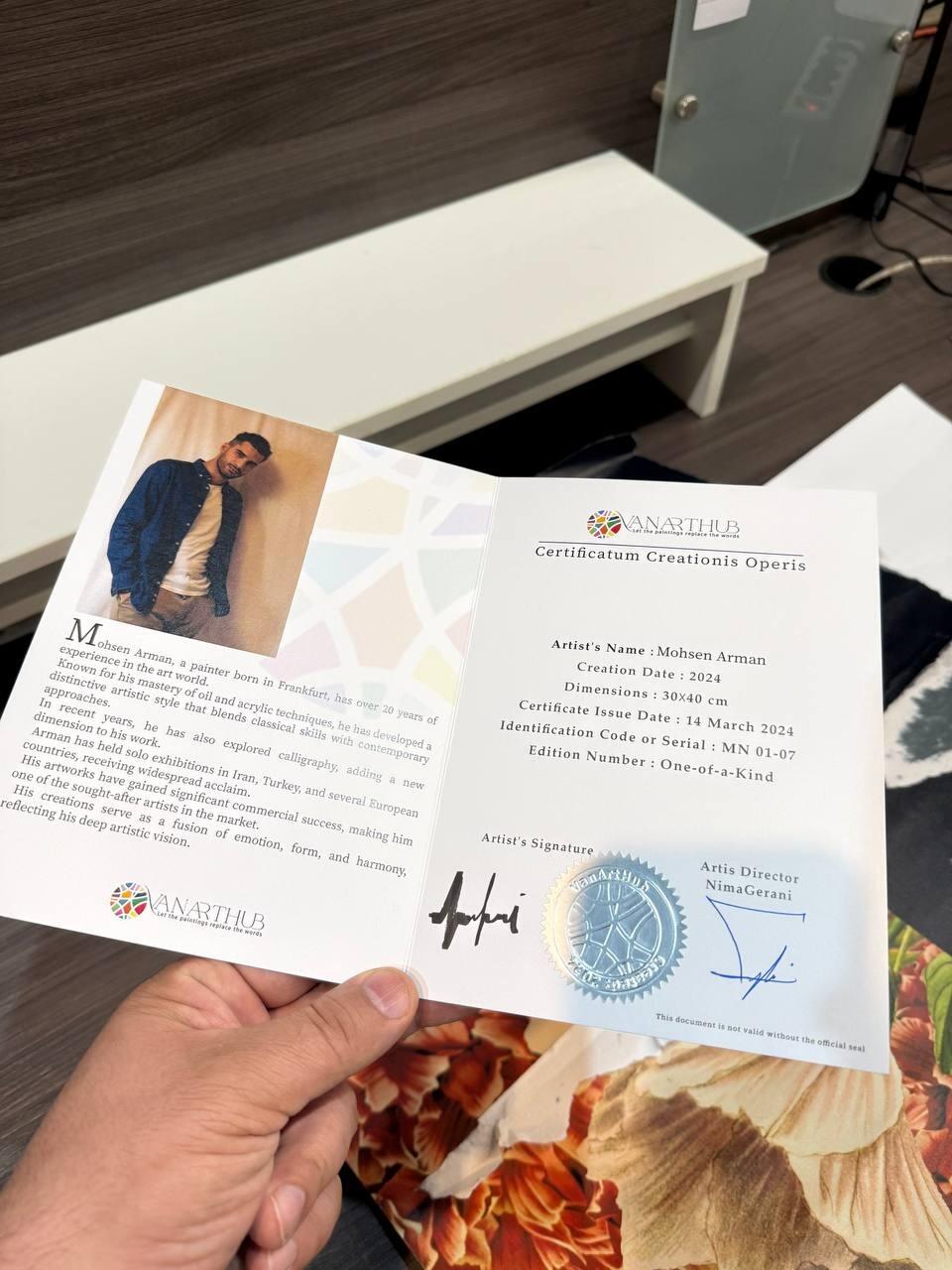
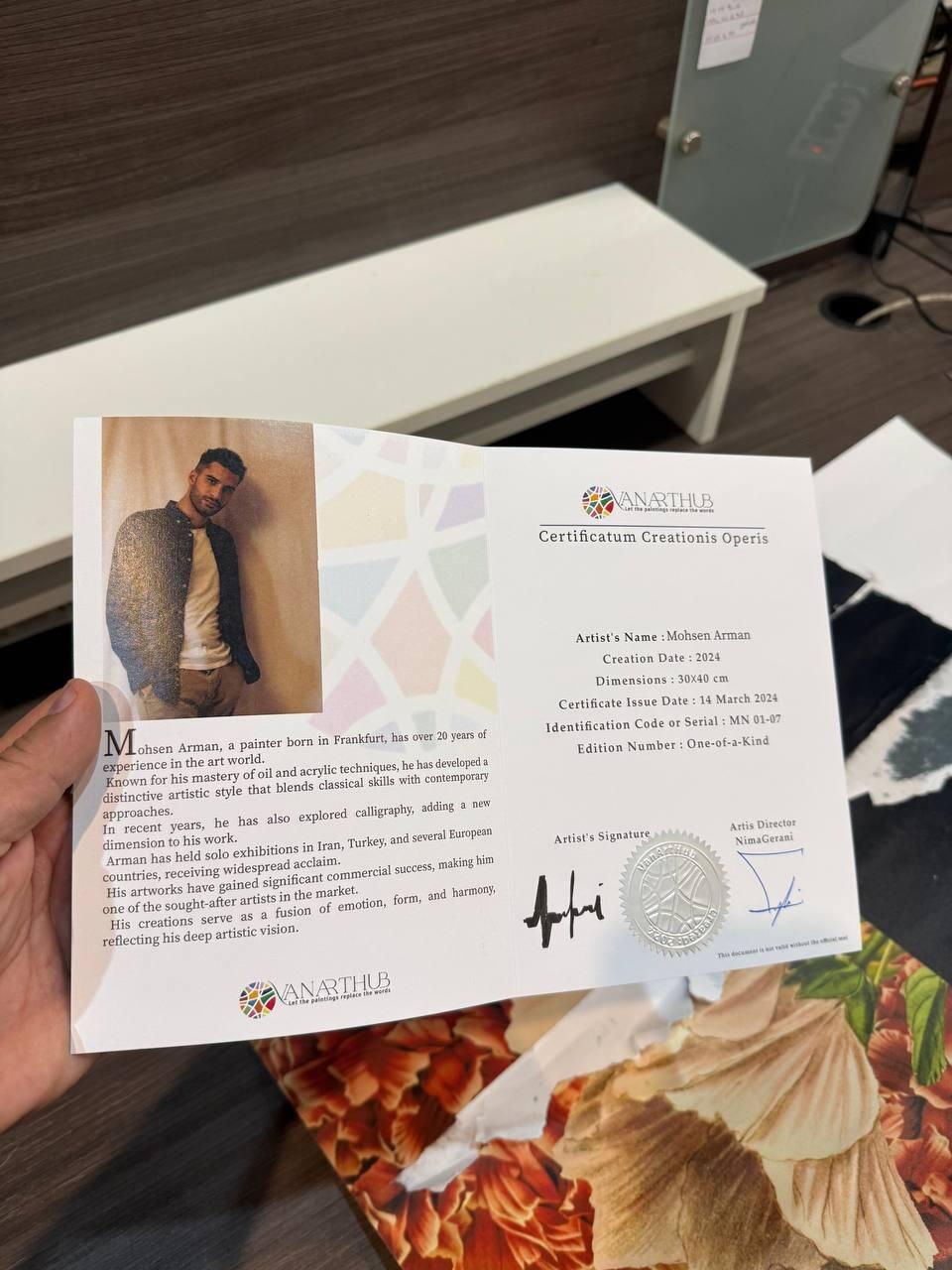
| Certificate of Authenticity | Records artist, title, year, medium, dimensions | Scan in the folder, paper original filed safely |
| Purchase invoice | Establishes what you paid and when you acquired it | Scan in the same folder |
| A dated text note | Photographer, date, lighting used, anything you observed | Plain text file in the folder |
Name the folder with the artist and the title. The certificate carries the artist, title, year, medium, and dimensions. The photographs carry the condition. Neither document does the job alone.
Store one copy somewhere that is not your house. A fire that damages the painting will also damage the folder in the drawer next to it.
Repeat it, and know what this does not replace
Photograph the work again every few years, and always immediately before and after it moves. Moving is when damage happens, and a pair of images taken either side of a move settles the question of when.
Now the honest limits. A record gives you evidence of condition. Valuation is separate work, and for an insurance schedule or a donation you need a qualified appraiser, who will ask for these photographs first.
You are also only recording what the surface shows, and some serious problems give no visible sign. Separation between layers can sit under a paint film that still looks perfect. If anything in your photographs looks new, the next call is a paintings conservator.
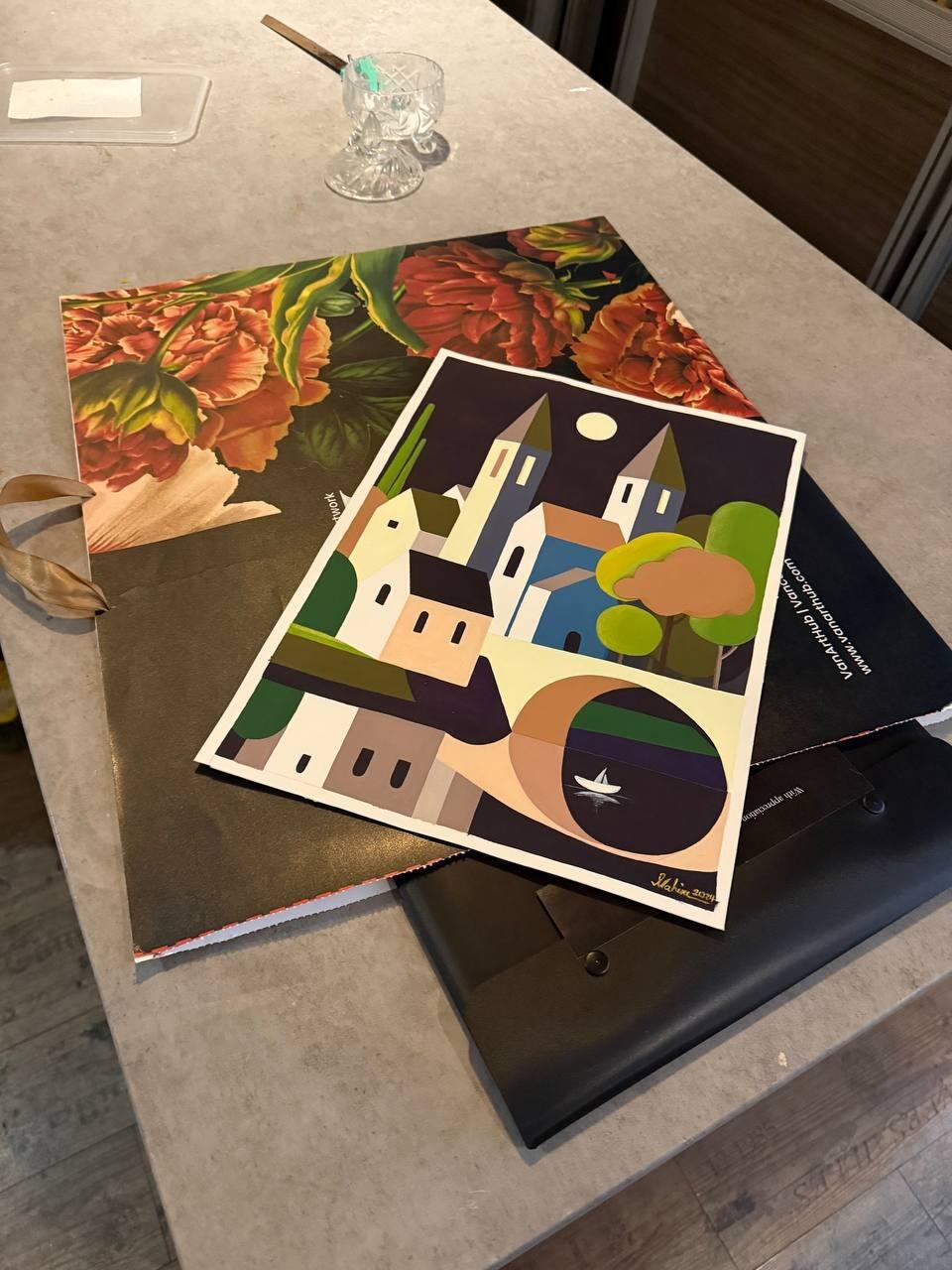
When you buy from us, some of this is already done. Every piece ships with a Certificate of Authenticity recording the artist, title, year, medium, and dimensions, and we photograph each work in our Vancouver studio before it goes in the box. Ask us and we will send you those studio images to start your file with.
Key Takeaways
- One photograph proves nothing. A dated photograph compared to a later one proves what changed and when.
- Use daylight or two matched lamps at 45 degrees. Never use the flash, because it bounces straight back at the lens.
- Shoot square-on with the lens level with the centre, or straight edges bend and later comparison becomes guesswork.
- Put a ruler in the detail shots. Without a scale, a photo of a crack cannot tell anyone whether it grew.
- Photograph the back, every label, and the signature. The CCI treats the verso as part of the record.
- Keep the images, the Certificate of Authenticity, and the invoice in one folder, with a copy stored off site.
Frequently Asked Questions
Why should I photograph a painting I already own?
So you can prove its condition on a specific date. The Canadian Conservation Institute notes that systematic condition records document changes over time and are a critical element in settling insurance claims. Without a prior image, an insurer has no way to separate damage that happened last week from damage that was always there.
Why is the camera flash a problem?
The flash sits beside the lens, so it fires straight at the painting and reflects straight back into the camera. That leaves a bright white patch across the middle of the image hiding whatever was underneath. It also flattens surface texture. No camera setting corrects it, so light the work separately instead.
What is the best light for photographing a painting?
Even light with no bright spot. The CCI specifies daylight, daylight-balanced bulbs, or filtered tungsten for condition photographs. An overcast day near a large window works very well and costs nothing. If you use lamps, place one on each side at about 45 degrees and the same distance.
Why do I need a ruler in the photograph?
It gives the image a scale. With a ruler in frame, anyone can measure how long a crack actually is and compare that against a photograph taken years later to see whether it has grown. Without a scale, a detail shot records that a flaw exists but nothing about its size.
What should I photograph on the back of a painting?
The whole back in one shot, then every label and stamp close enough to read, the signature if it appears there, the stretcher corners, and the tacking margins where the canvas folds around the wood. The CCI treats labels and tags on the verso as part of the painting's documented history.
How often should I re-photograph my paintings?
Every few years for a work hanging in stable conditions, and always immediately before and immediately after any move, renovation, or loan. Moving is when most damage occurs, and a pair of images taken either side of a move answers the question of when a mark appeared.
Does a photographic record replace an appraisal?
No. Photographs record condition and appearance. An appraisal assigns a value and must come from a qualified appraiser. The two work together, and an appraiser will usually ask for your images first. Keep the photographs, the purchase invoice, and the Certificate of Authenticity together.
What does the Certificate of Authenticity cover?
It records the artist, title, year, medium, and dimensions of your specific piece, signed by us as the gallery that sold it. Every original we ship carries one. It is the document you will want if you ever insure, donate, or resell the work.
How does shipping work and what does it cost?
Shipping is free and fully insured to both Canada and the USA. Canadian orders typically arrive in 3 to 7 business days and USA orders in 5 to 10. Every piece is packed in our Vancouver studio and travels with the insurance already in place.
Sources
- Canadian Conservation Institute, Condition Reporting, Paintings Part I (CCI Notes 10/6)
- Canadian Conservation Institute, Basic Handling of Paintings (CCI Notes 10/13)
- Canadian Conservation Institute, Backing Boards for Paintings on Canvas (CCI Notes 10/10)
Sources checked 1 September 2026. If you spot something out of date, tell us and we will update the guide.
About VanArtHub
VanArtHub is an online gallery in Vancouver selling original, signed, one-of-a-kind paintings by independent artists. No prints and no reproductions. Every piece ships with a Certificate of Authenticity, free fully insured delivery to Canada and the USA, and a 14-day trial so you can decide at home. Browse all available originals, read our guide to insuring an original painting, or see how to care for a painting you own. Our full policy lives on the Buy with Confidence page.