How to Insure an Original Painting: A Collector's Guide
UpdatedMost people find out the hard way that their home insurance does not really cover their art. A standard homeowners or renters policy treats a painting the same as a lamp or a coffee table: personal property, capped at a sublimit that is usually $1,000 to $5,000 for the whole "fine art and collectibles" category, no matter what any single piece is actually worth. If you own one original painting worth $2,000, you might be fine. If you own three, you are probably not.

Why your existing policy probably falls short
A sublimit is a cap inside your policy that limits how much it will pay for one category of belongings, even though your overall coverage is much higher. Jewelry and fine art are the two categories insurers sublimit hardest, and standard policies often set the fine-art sublimit at $2,500 or less, according to a 2026 review of homeowners coverage by MoneyGeek. So if a fire or a flood destroys a $6,000 painting, a policy with a $2,500 art sublimit pays $2,500 and nothing more.
There is a second gap most buyers do not think about: standard policies usually only pay out for "named perils," things like fire, theft, or a burst pipe. Accidental damage, like a canvas torn while being moved, or paint cracking after years in a spot with direct sun, is often excluded entirely.
Scheduled coverage vs. blanket coverage
Once a collection is worth insuring properly, you are choosing between two structures. Neither is universally "better," they suit different collectors.
| Structure | How it works | Best for |
|---|---|---|
| Scheduled (itemized) | Each painting is listed individually with its appraised value. You are paid that agreed value if it is lost or destroyed, regardless of the market at claim time. | A stable collection of a few valuable, well-documented pieces |
| Blanket | Your whole collection sits under one policy limit with no per-item cap, but the insurer assesses current market value at the time of a claim rather than a fixed agreed value. | Collectors who buy and sell often, or who own many smaller-value pieces |
Scheduled coverage generally asks for more paperwork up front: a description, photos, and a current appraisal for each piece, usually refreshed every three to five years. Blanket coverage is easier to set up initially since you are not itemizing every work, but you carry more uncertainty about what a claim actually pays until it happens.
A scheduled personal property endorsement, the add-on that removes the sublimit and insures an item at its appraised value, typically costs 1 to 2 percent of that value per year, per a 2026 NerdWallet analysis of scheduled personal property coverage. On a $3,000 original, that is roughly $30 to $60 a year, a small amount against the risk of losing the whole value in a fire or theft.
Why an appraisal matters here, specifically
An insurer cannot agree to pay out a value they have not seen justified. For a scheduled item, most companies want a current, professional appraisal, and for anything with real value, that appraisal needs to be recent, not something from a decade ago when you first bought the piece. If you never get one, you are usually stuck with the blanket structure and its at-claim-time valuation, which is a weaker position if the piece has appreciated since you bought it.
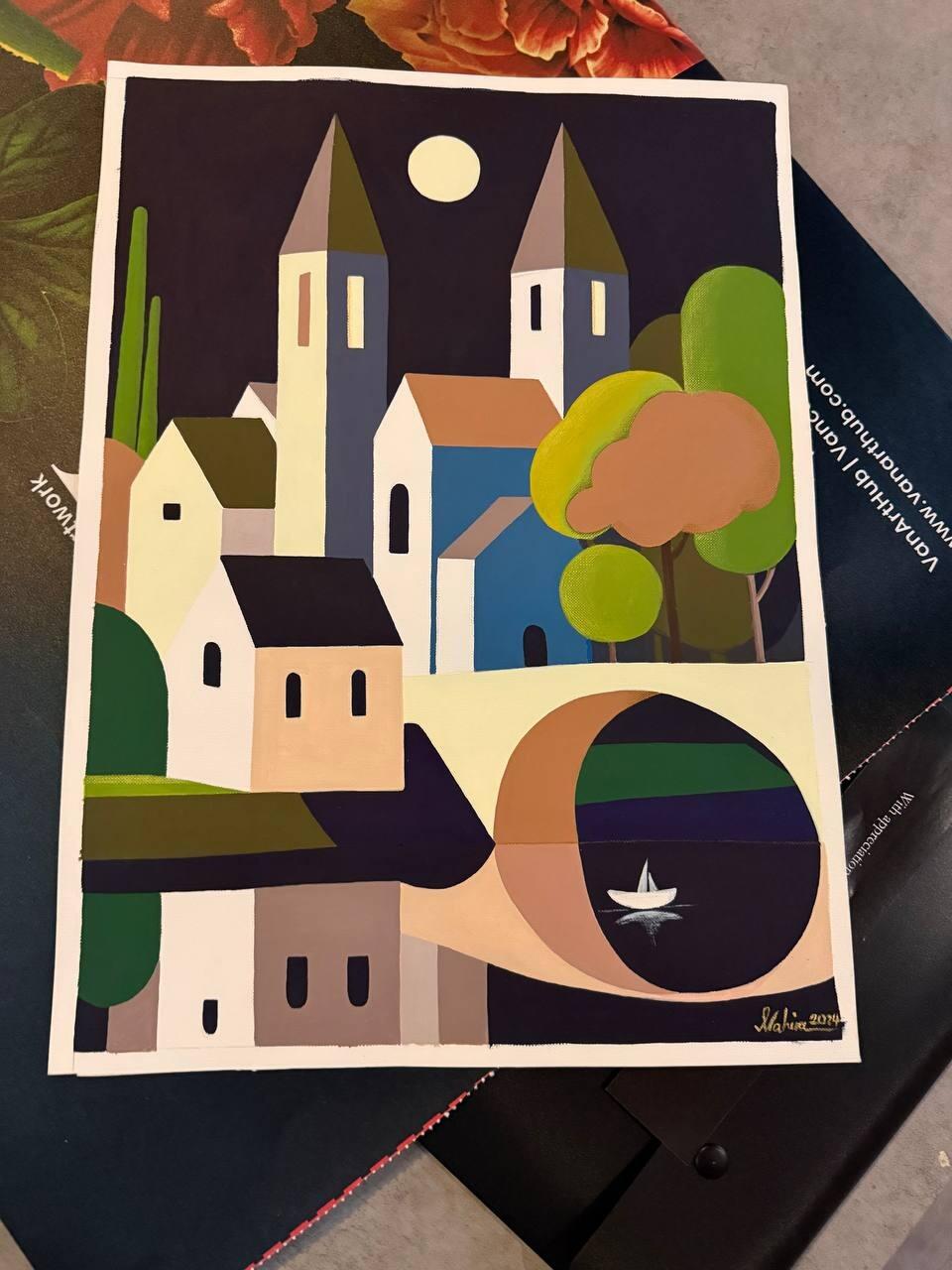
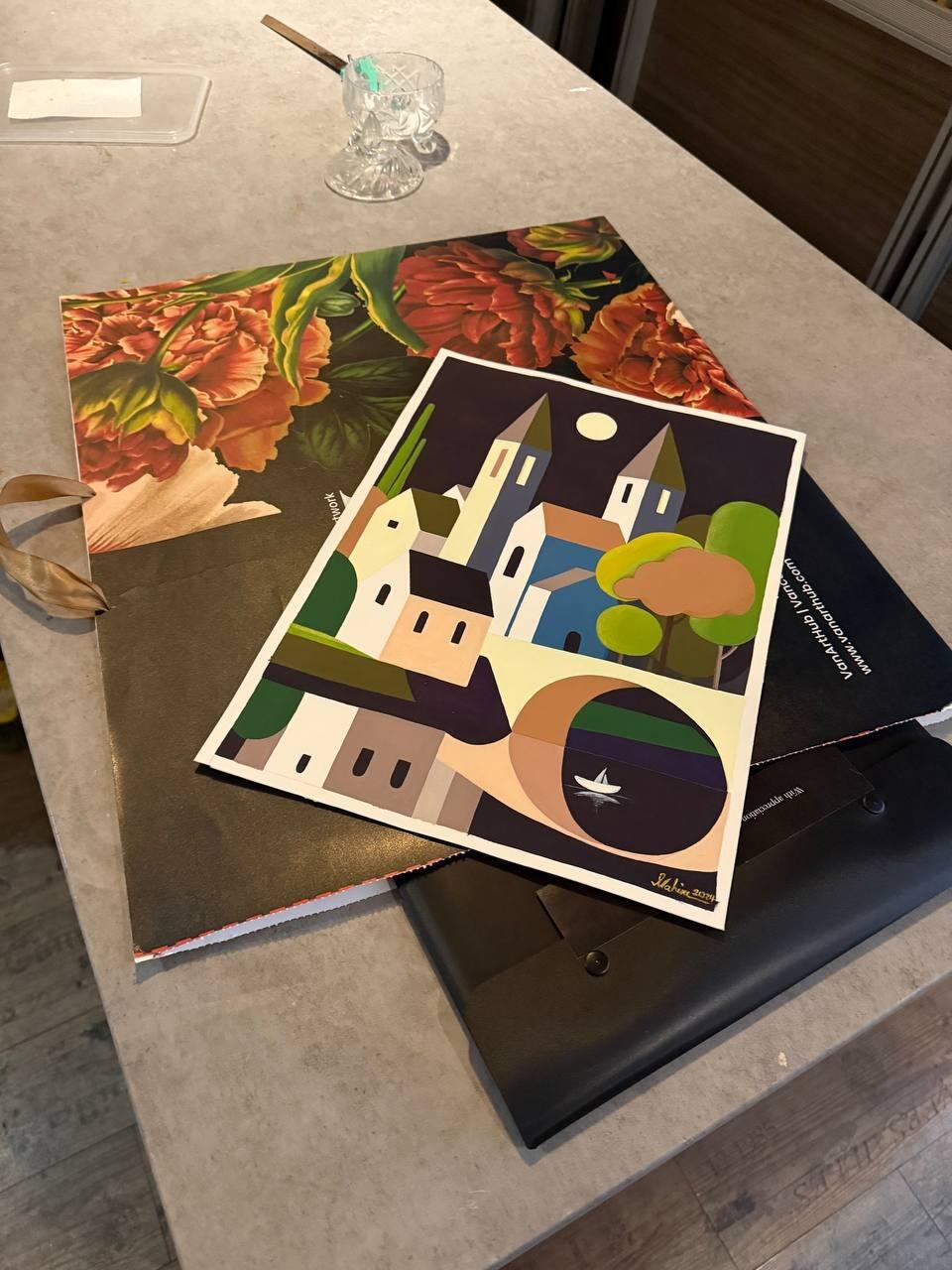
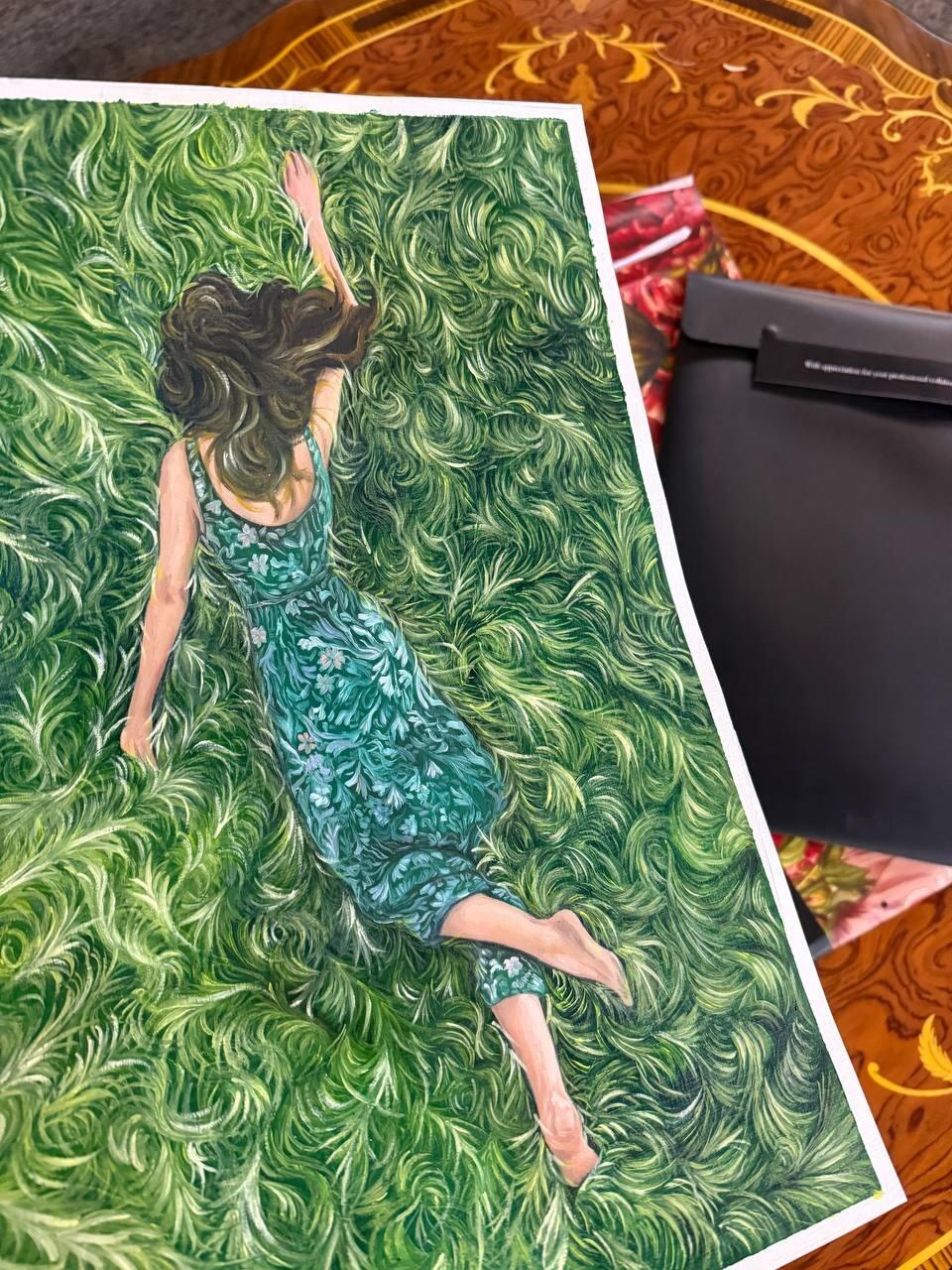
This is one of the few places where buying from an artist directly, rather than an anonymous estate sale, actually helps. An original with a documented purchase price, a named artist, and a paper trail from day one is a far easier appraisal than a painting somebody found in an attic with no history attached.
What to keep, starting the day the painting arrives
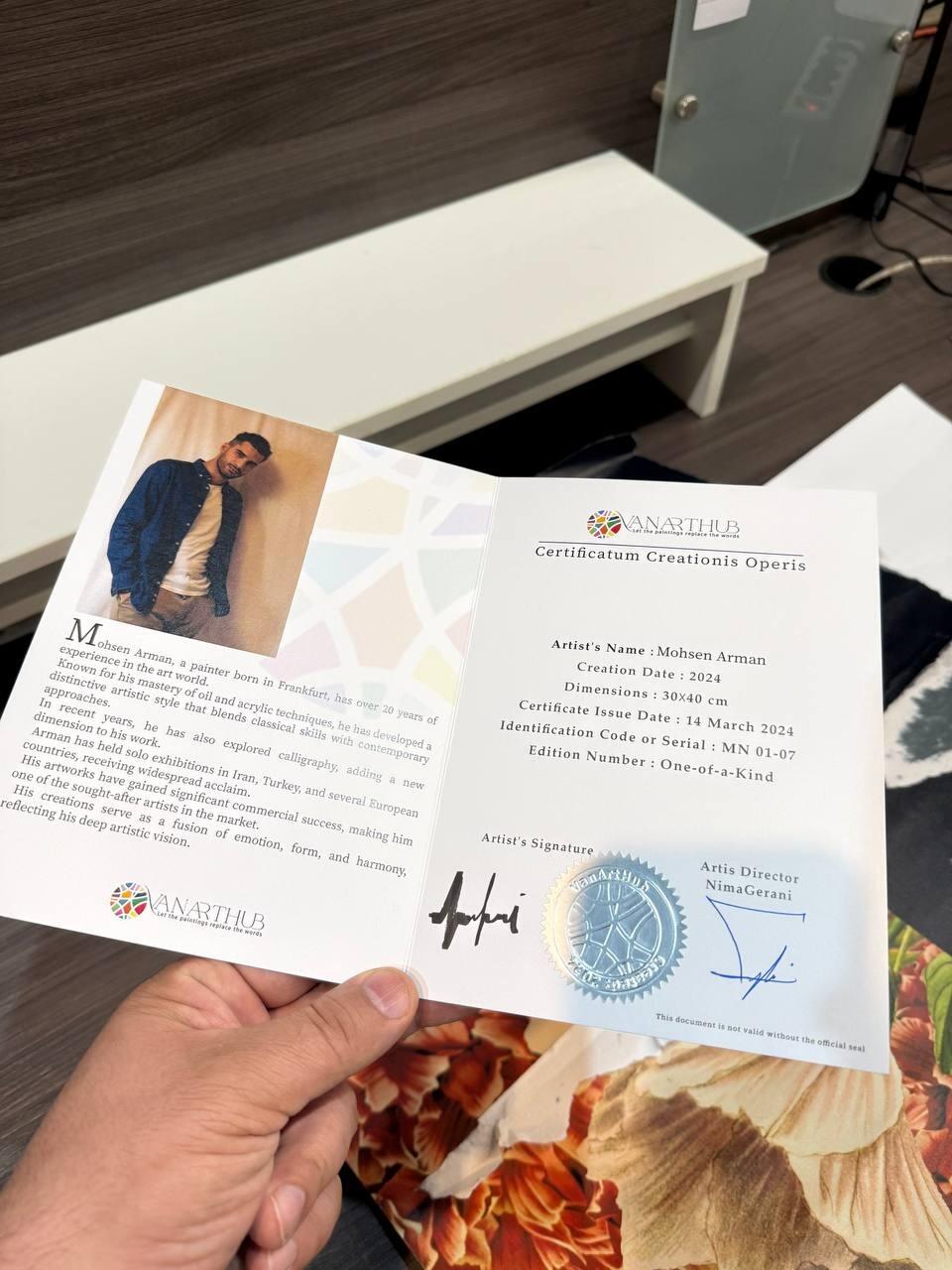
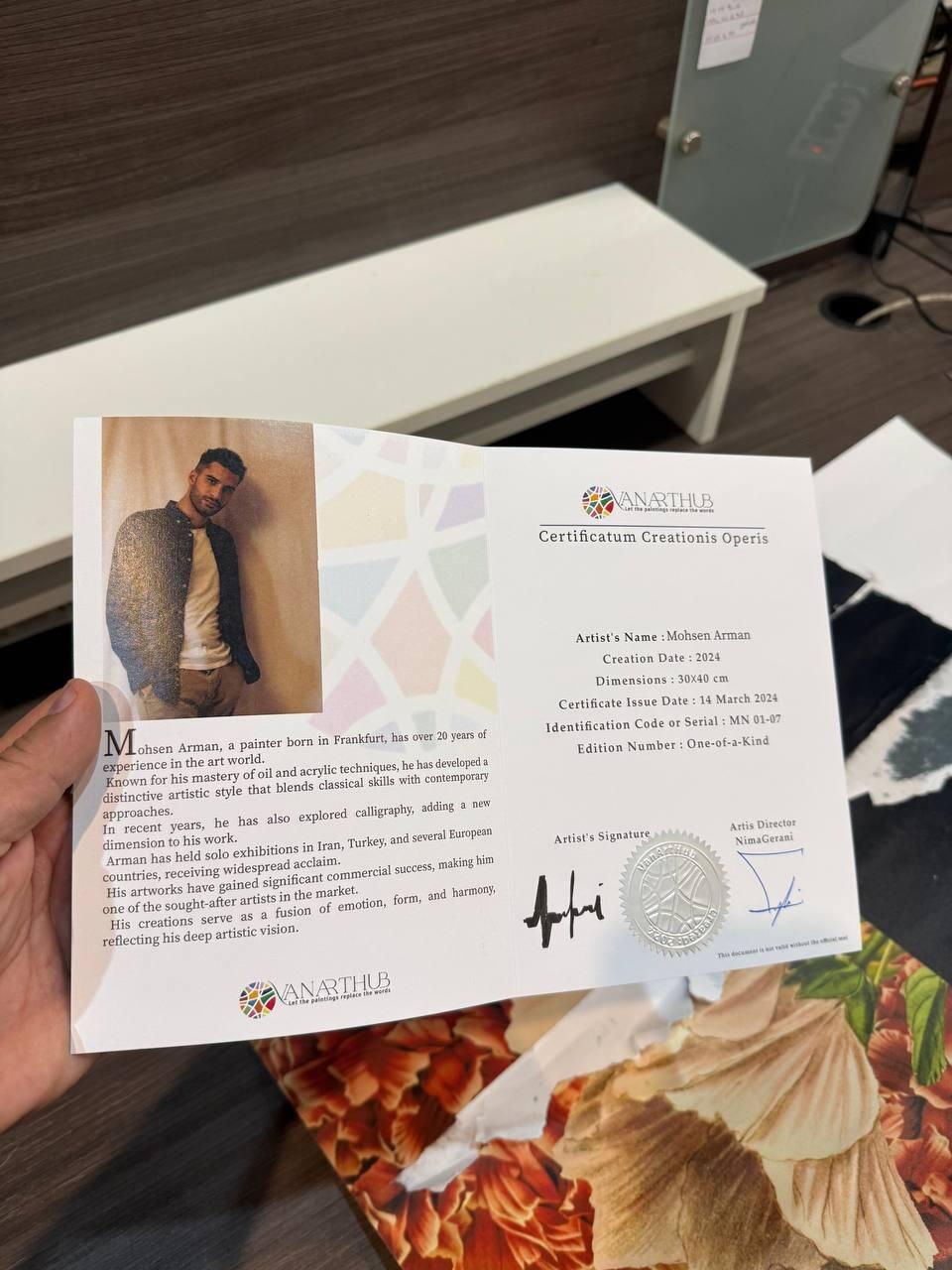
Every VanArtHub piece ships with a signed Certificate of Authenticity recording the artist's name, the title, the medium, and the exact dimensions. Keep that together with your purchase receipt from the day it arrives, not filed away and forgotten. Between the two, you already have most of what an insurer or an appraiser will ask for: proof of who made it, what it is, and what you paid.
Add to that over time:
- Clear photos of the front, the back of the canvas, and the signature, taken in good light
- Any correspondence with the artist or gallery about the piece
- A note of where and how it is displayed, since sun exposure and humidity both affect condition and can matter to a claim
- A copy of any formal appraisal, dated, and a reminder to refresh it every few years
When is a piece "worth insuring separately"?
There is no single dollar figure that applies to every insurer, but a reasonable rule of thumb: once a single piece, or your combined art and collectibles, would exceed the sublimit on your existing policy, it is time to ask your insurer about scheduling it. For most standard policies, that threshold sits somewhere in the $2,500 to $5,000 range per MoneyGeek's 2026 research, which for a working collector can arrive faster than expected. Two or three original paintings bought over a few years often clears that line quietly, long before anyone thinks to check.
If you are not sure where your policy's line sits, the fastest way to find out is to call your insurer and ask directly what the fine-art sublimit is on your current policy. Most people have never asked, and most are surprised by the answer.
Key takeaways
- Standard home and renters insurance caps fine art payouts at a sublimit, often $2,500 or less, no matter what the piece is worth
- Scheduled coverage insures a piece at its appraised value; blanket coverage covers a whole collection under one limit assessed at claim time
- A current professional appraisal is usually required to schedule a piece, and most insurers want it refreshed every three to five years
- Keep your Certificate of Authenticity and purchase receipt together from day one. They are the foundation of any future appraisal or claim
- Scheduled coverage typically costs 1 to 2 percent of the item's value per year, a small cost against the risk of an uninsured loss
Frequently asked questions
Does my homeowners insurance cover an original painting I own?
Partially, at best. Most homeowners and renters policies include fine art under personal property, but cap the payout at a sublimit, often $2,500 or less regardless of the piece's real value. A painting worth more than that sublimit is underinsured until you add scheduled or blanket coverage.
What is scheduled personal property coverage?
It is an add-on, sometimes called a rider or an endorsement, that lists an item individually with its own appraised value and removes the standard sublimit. If the item is lost or destroyed, you are paid the scheduled value, not a capped category amount.
What is the difference between scheduled and blanket art insurance?
Scheduled coverage insures each piece individually at an agreed, appraised value. Blanket coverage insures a whole collection under one overall limit, with the insurer assessing market value at the time of a claim rather than a fixed number set in advance.
Do I need an appraisal to insure a painting?
For scheduled coverage, almost always yes. Insurers want a current, professional appraisal to justify the value they are agreeing to pay out, typically refreshed every three to five years. Blanket policies generally do not require an upfront appraisal, but pay out based on value at claim time instead.
How much does it cost to insure an original painting?
Scheduling a piece typically runs 1 to 2 percent of its appraised value per year. On a $3,000 painting, that works out to roughly $30 to $60 annually, a modest cost set against a total loss with no coverage.
What documents should I keep for insurance purposes?
Your Certificate of Authenticity, your original purchase receipt, clear photos of the front and back of the piece and the signature, and any professional appraisal you have had done. Together these establish what the piece is, who made it, what you paid, and what it is currently worth.
Is a Certificate of Authenticity the same as an appraisal?
No. A Certificate of Authenticity confirms the artist, title, medium, and dimensions of a specific piece. An appraisal is a separate, professional assessment of the piece's current monetary value, which is what an insurer actually needs to set a scheduled coverage amount.
Does insurance cover accidental damage, not just theft or fire?
It depends on the policy. Standard homeowners coverage typically only pays for named perils like fire, theft, or water damage from a specific event. Scheduled fine-art coverage often extends further, covering accidental damage during normal handling, which standard personal property coverage frequently excludes.
At what value should I insure a painting separately from my regular policy?
Once a single piece, or your art collection combined, would exceed your policy's fine-art sublimit, which for most standard policies sits around $2,500 to $5,000, it is worth asking your insurer about scheduling. That threshold can arrive after only two or three original purchases.
Does VanArtHub provide insurance for paintings after purchase?
We insure every piece fully during shipping, so it arrives covered against loss or damage in transit. Insuring the painting in your home afterward is a separate step you would take with your own home or renters insurer, using the Certificate of Authenticity and receipt we provide as your starting documentation.
Sources
- MoneyGeek, Does Home Insurance Cover Fine Art and Collectibles?, 2026
- NerdWallet, Scheduled Personal Property Coverage for Homeowners, 2026
- Art Insurance Now, Art Insurance for Collectors: Schedule vs. Blanket, William Fleischer, 2026
Data sourced August 2026. If you spot something out of date, let us know and we will update the guide.
Related Reading
- Art Appraisal vs. Art Valuation: What's the Difference?
- How Much Does a Painting Appraisal Cost?
- How to Tell If a Painting Is Valuable Enough to Appraise
- How to Resell an Original Painting
About VanArtHub
VanArtHub sells original, signed paintings, never prints, shipping fully insured to Canada and the United States. Every piece arrives with a Certificate of Authenticity, the paperwork that becomes the foundation of any future appraisal or insurance claim. Read more about how we protect a purchase before it ever leaves our hands in Buy with Confidence, or see how a piece can move on for store credit years later through our Lifetime Trade-Back. Browse our current collection of one-of-a-kind originals.