How Artists Actually Price a Painting
Updated By VanArtHub Curatorial TeamShare
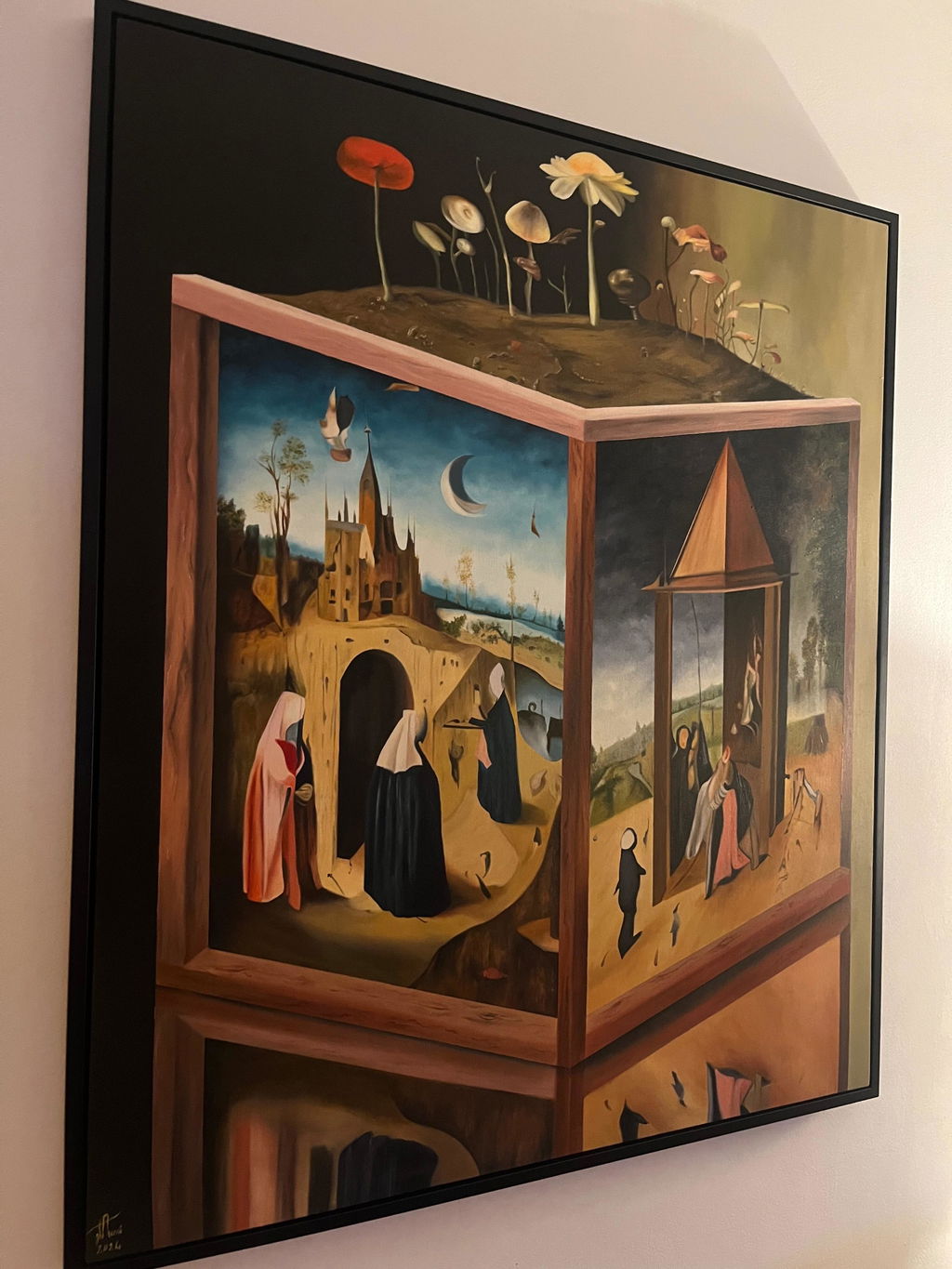
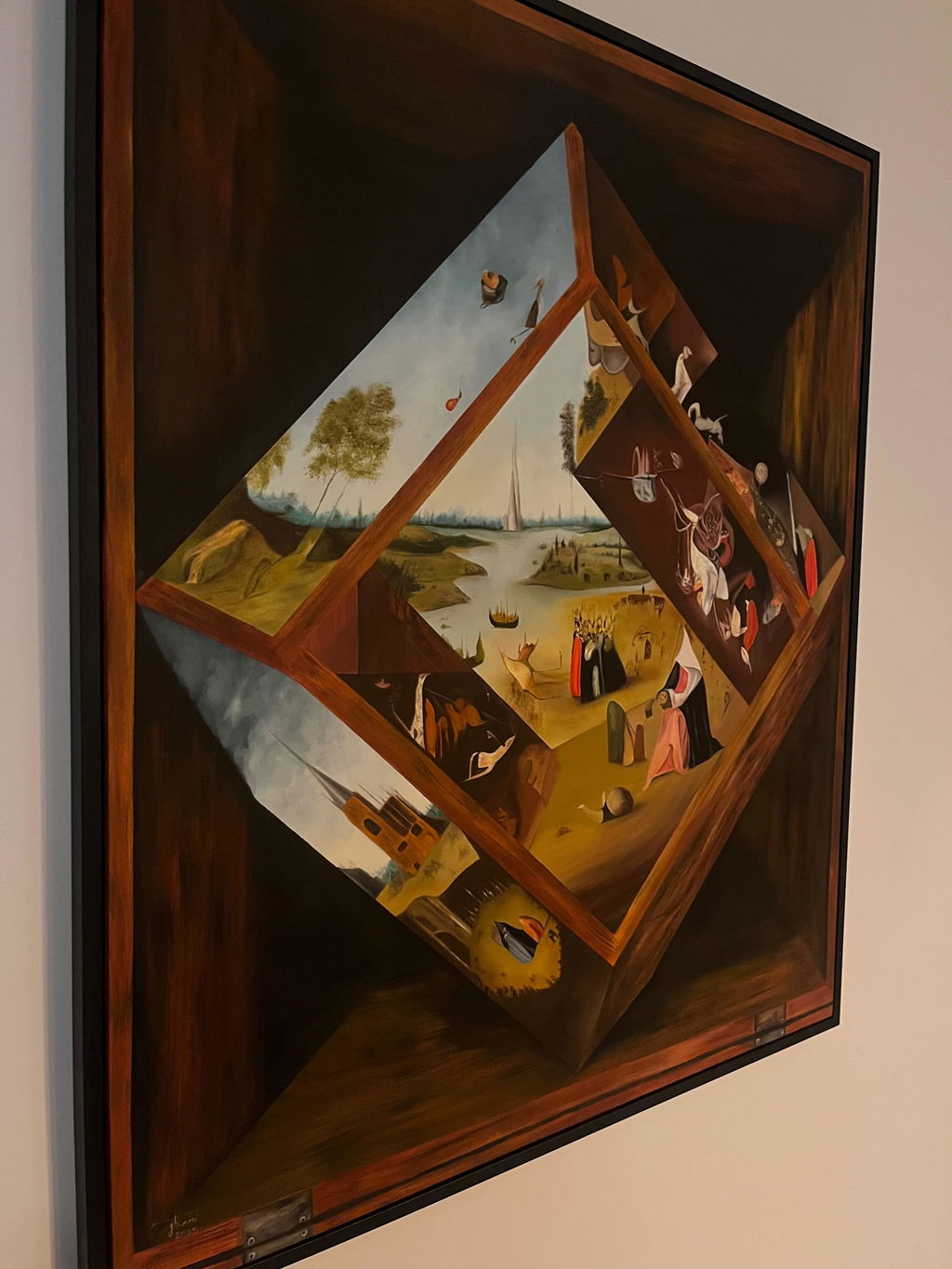
Someone looks at the price of an original painting and says, "It is just paint and canvas, why does it cost that much?" It is a fair thing to wonder, and it deserves a real answer instead of a defensive one. So here is how the price on an original actually gets set, from the artist's side of the easel.
The short version is that price is a mix of what the piece cost to make, what the artist's time is worth, and what the market will pay. None of those three is a fixed formula. Together they explain almost every price you will see. Let us take them in order.
Materials are the smallest part
Start with the objection on its own terms. The paint and canvas are real costs, but they are usually the smallest line in the whole price. Good stretched canvas, quality paint, brushes, and varnish add up, but on most paintings the materials are a small fraction of the final number. If price were only materials, originals would cost a fraction of what they do.
Heavier materials cost more. A thick, textured mixed-media piece uses far more paint and medium than a thin acrylic study. A large oil painting on fine linen costs the artist more up front than a small work on cotton canvas. But even at the high end, materials rarely explain most of the price. So the "just paint and canvas" objection answers itself: if that were the whole story, the number would be tiny. It is not, because most of the price is not the stuff.
Size, on a curve
Size is the first big lever, and it does not move in a straight line. A painting twice as wide and twice as tall has four times the surface area, so it takes far more than twice the paint and time. It also carries more risk. One bad passage near the end of a large piece can cost days to fix, while a small study can be set aside cheaply.
This is why price climbs faster than size. A piece that is modestly larger can cost a good deal more, and that is not padding. It reflects real hours, real material, and the real chance that a big painting goes wrong late and has to be reworked. Our guide to how much an original painting costs walks through the ranges you will actually see at each size.
Medium and method
The medium changes the time and cost in ways that are easy to miss. Oils dry slowly, so an oil painting with many layers can take weeks of waiting between sessions, not because the artist is slow but because the paint is. Acrylic dries fast, which can mean a quicker piece but also a harder one, because there is less time to blend and correct.
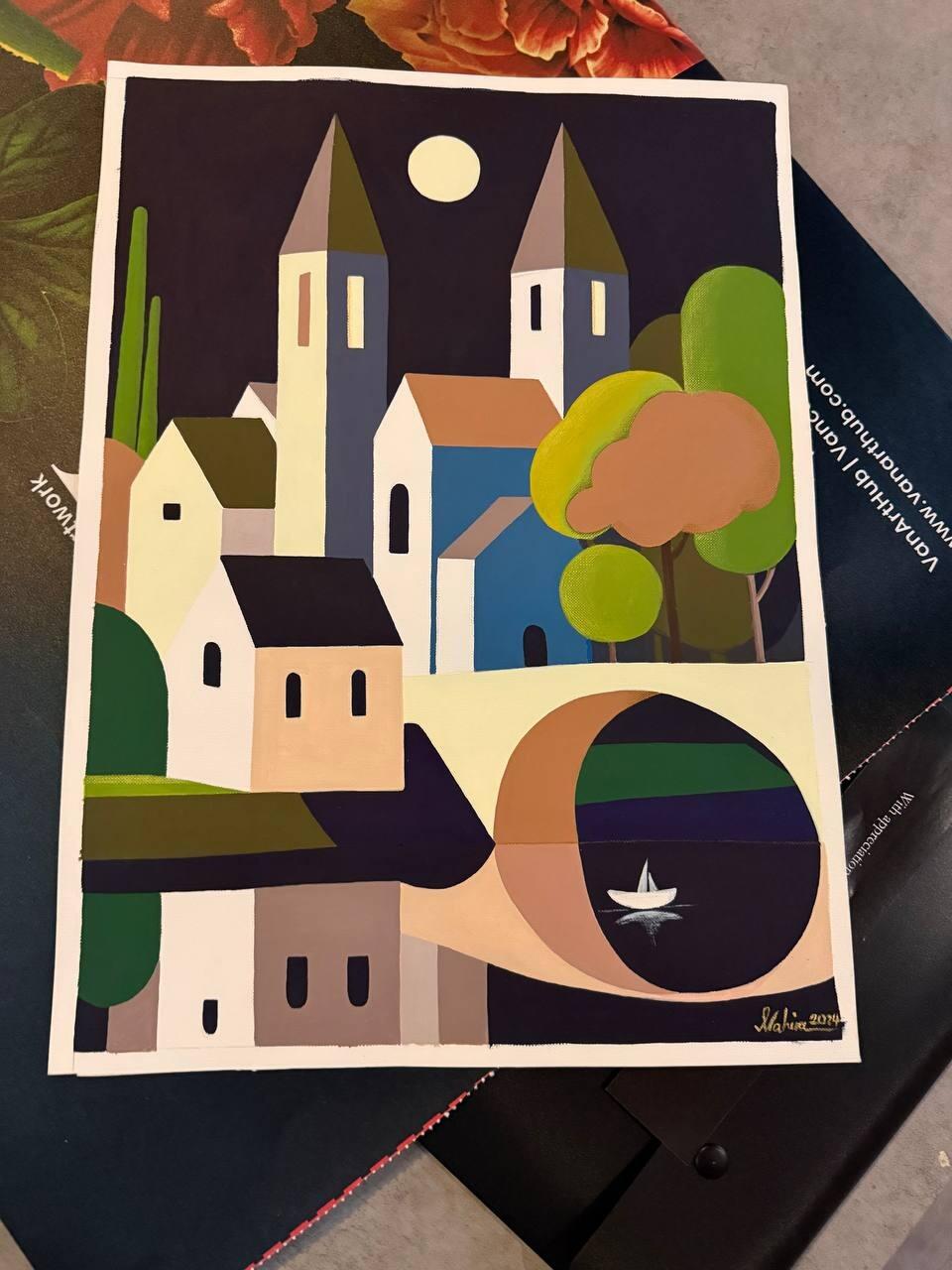
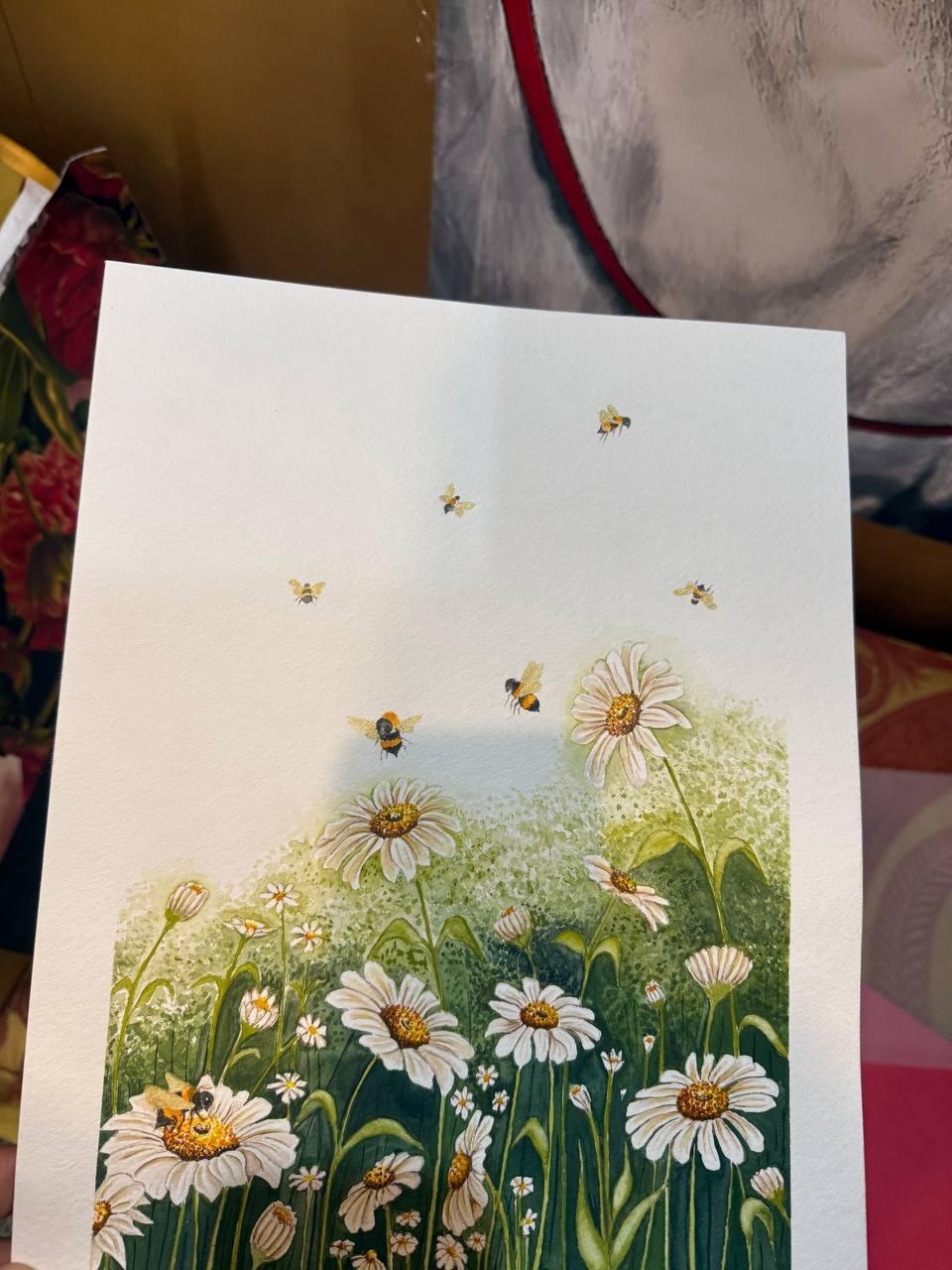
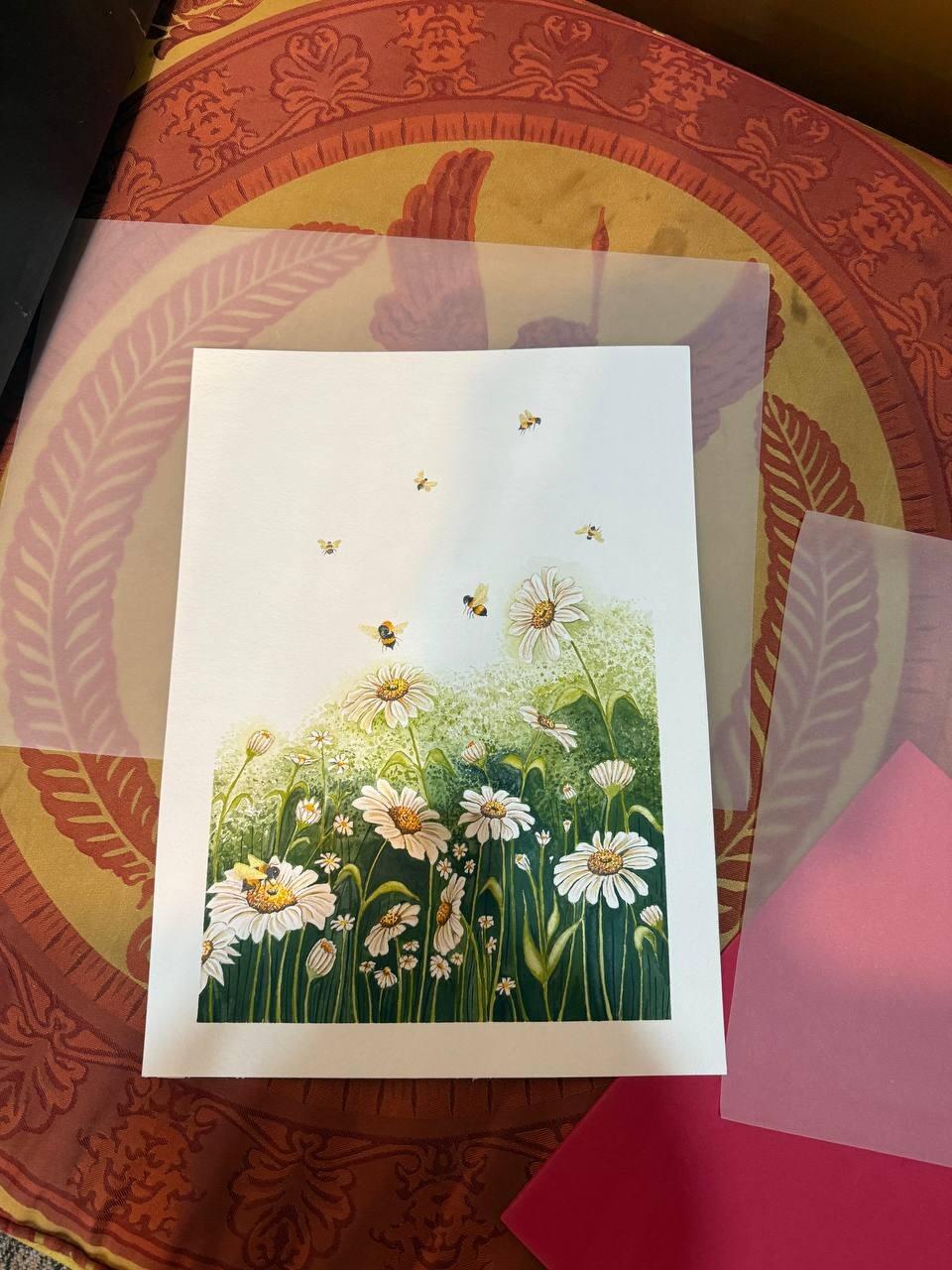
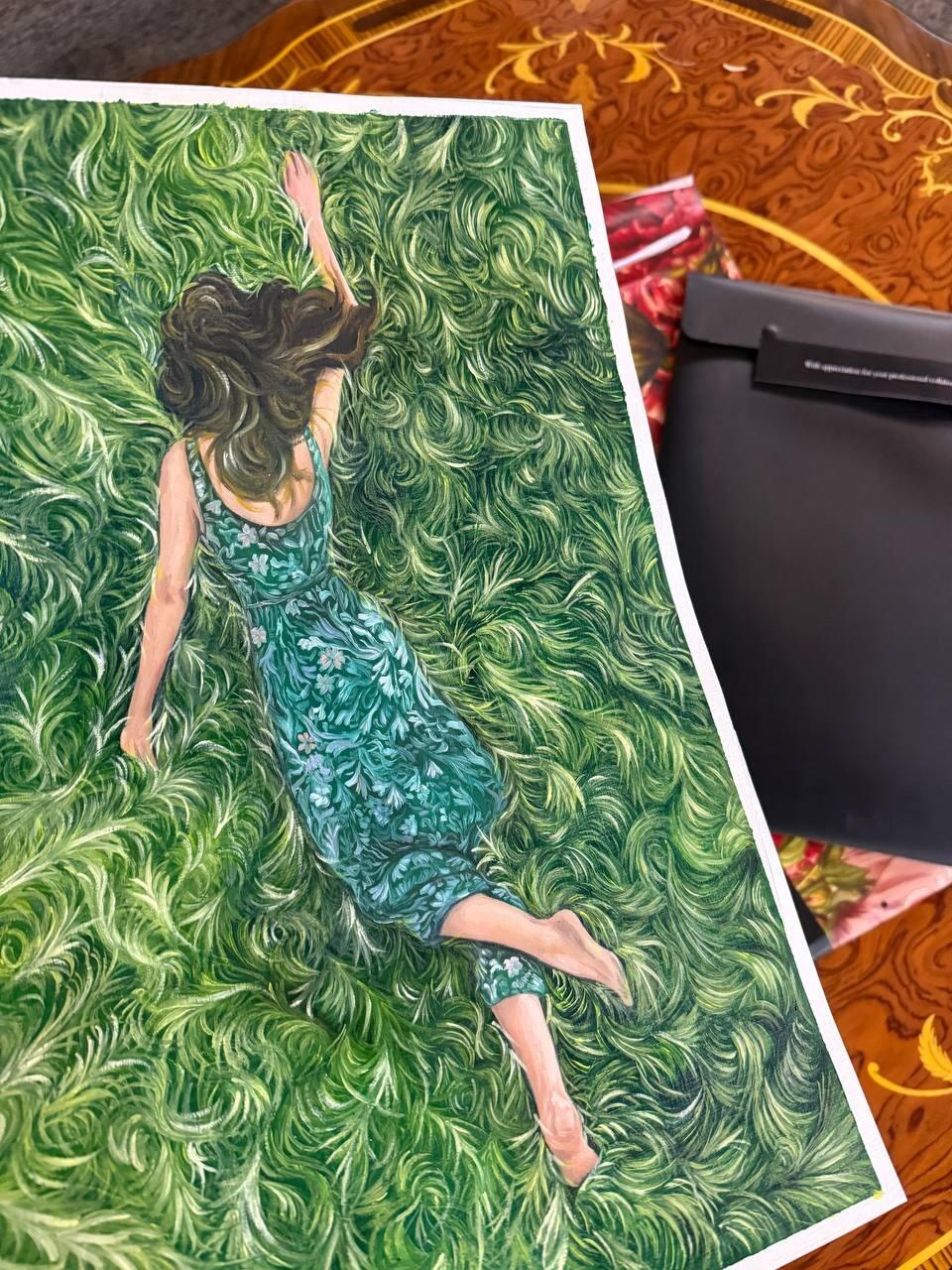
Heavy texture, gold leaf, collage, and mixed media all add both material cost and hands-on time. A smooth, flat surface and a thick, sculpted one can be the same size and still be worlds apart in hours. So two paintings of equal size can carry different prices for reasons that are about the making, not the marketing.
The hours you can see, and the years you cannot
Here is the part that trips up the "it is just paint" view. The obvious cost is the hours at the easel for this painting. The hidden cost is the years of practice that let the artist finish it well in those hours.
An experienced painter might complete a strong piece in an afternoon. That afternoon rests on a decade of failed paintings, wasted canvases, and slow learning that no one paid for at the time. When the work looks easy, that ease is the product being sold. You are not paying only for the day of work you can point to. You are paying for the skill that made a hard thing look quick.
This is why a beginner and a seasoned artist can spend the same hours on the same size and price the results very differently, and both can be fair. The seasoned one is charging for the reliability of the result, the years that make it good the first time.
The artist's market and demand
Now the part that is not about the object at all. Two artists can make paintings of the same size, medium, and quality and price them differently because of demand. An artist people are lining up to buy from can charge more, because the work sells and there is a waiting list. An artist early in a career prices lower to find collectors and build a record of sales.
This is not unfair. It is how price works for almost everything made by a specific person. Demand is a real signal. It tells you other people also want this artist's work, which is part of what you are buying into. It also connects to value over time, because rising demand is one of the things that can lift what a piece is worth later. We cover that in what makes a painting increase in value.
Demand also moves in both directions. An artist can price too high, the work does not sell, and the price comes down. So the number on a painting is partly a bet the artist is making about their own market, and the market answers back over time.
Gallery and platform costs
The last piece is the cost of selling. When a painting hangs in a gallery, the gallery takes a share, often a large one, to cover its rent, staff, and the work of finding buyers. That share is built into the price you see, so a gallery price and a direct-from-studio price for similar work can differ a lot.
Selling online has its own costs, packing, insured shipping, the platform's fees, returns, but they are usually lower than a physical gallery's overhead. This is part of why buying direct or online can mean more of the price reaches the artist and less goes to a building. It is worth knowing where the money goes when you compare two prices that look far apart.
Putting it together
So the price on an original is materials (small), plus size and medium (real and rising with scale), plus the hours you see and the years you do not (the largest hidden part), plus demand for that specific artist, plus the cost of selling the work. No single one of these is the answer. The object in front of you carries all of them at once.
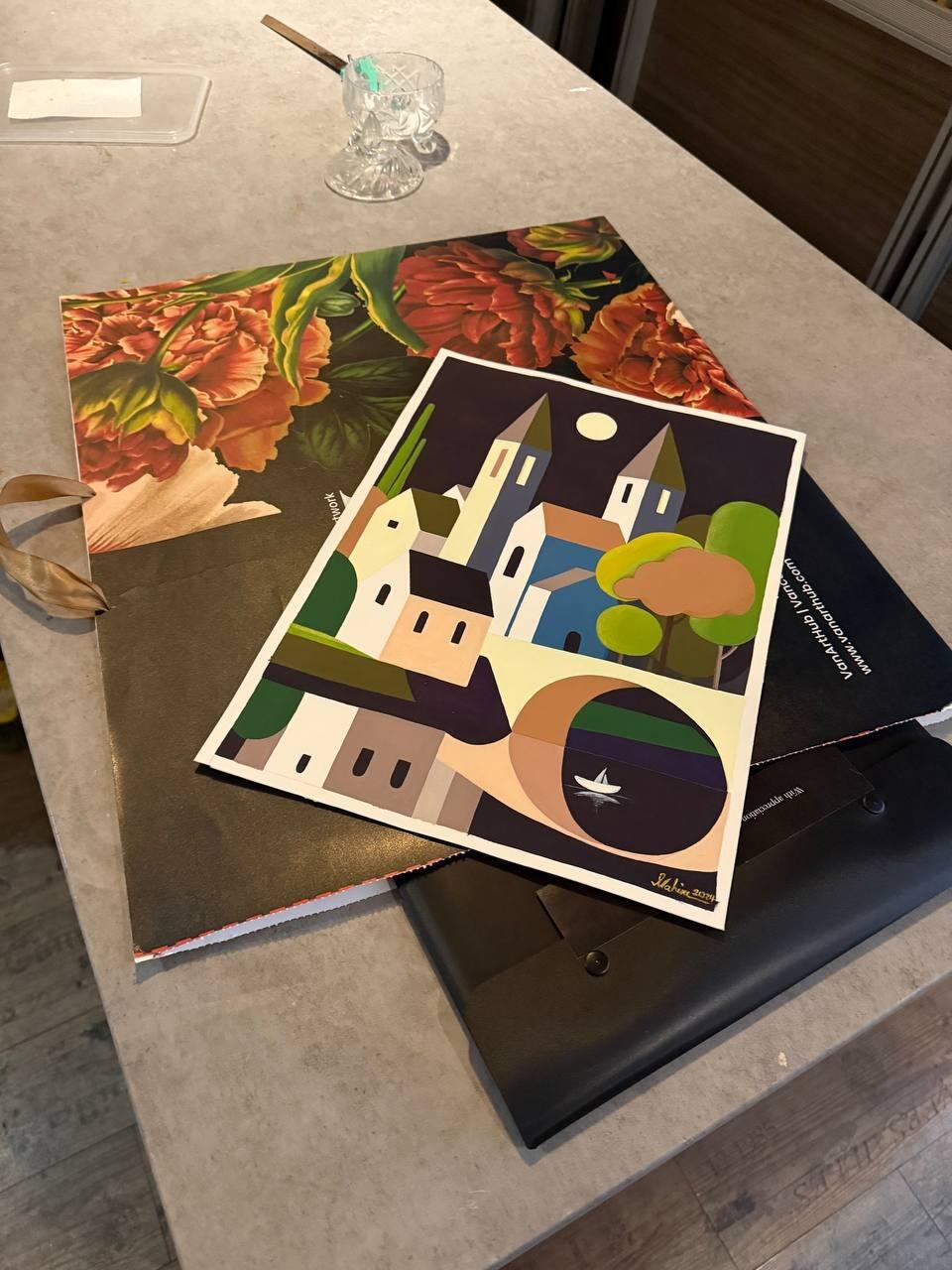
The "just paint and canvas" line misses everything above the canvas: the time, the skill, the demand, and the fact that this exact object exists only once. A print of a painting can be made again and again, which is why it costs little. An original cannot, which is most of the point.
The short version
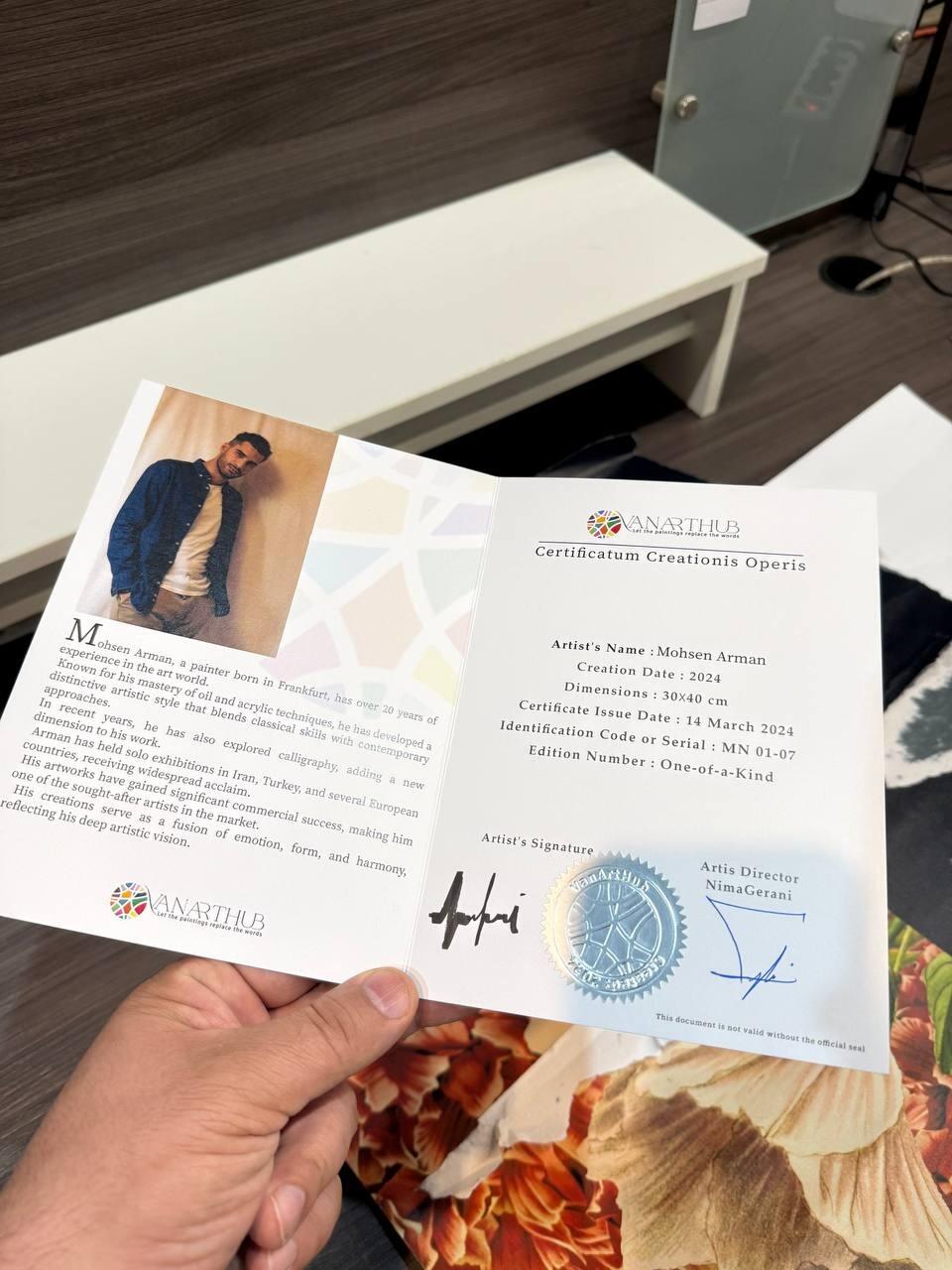
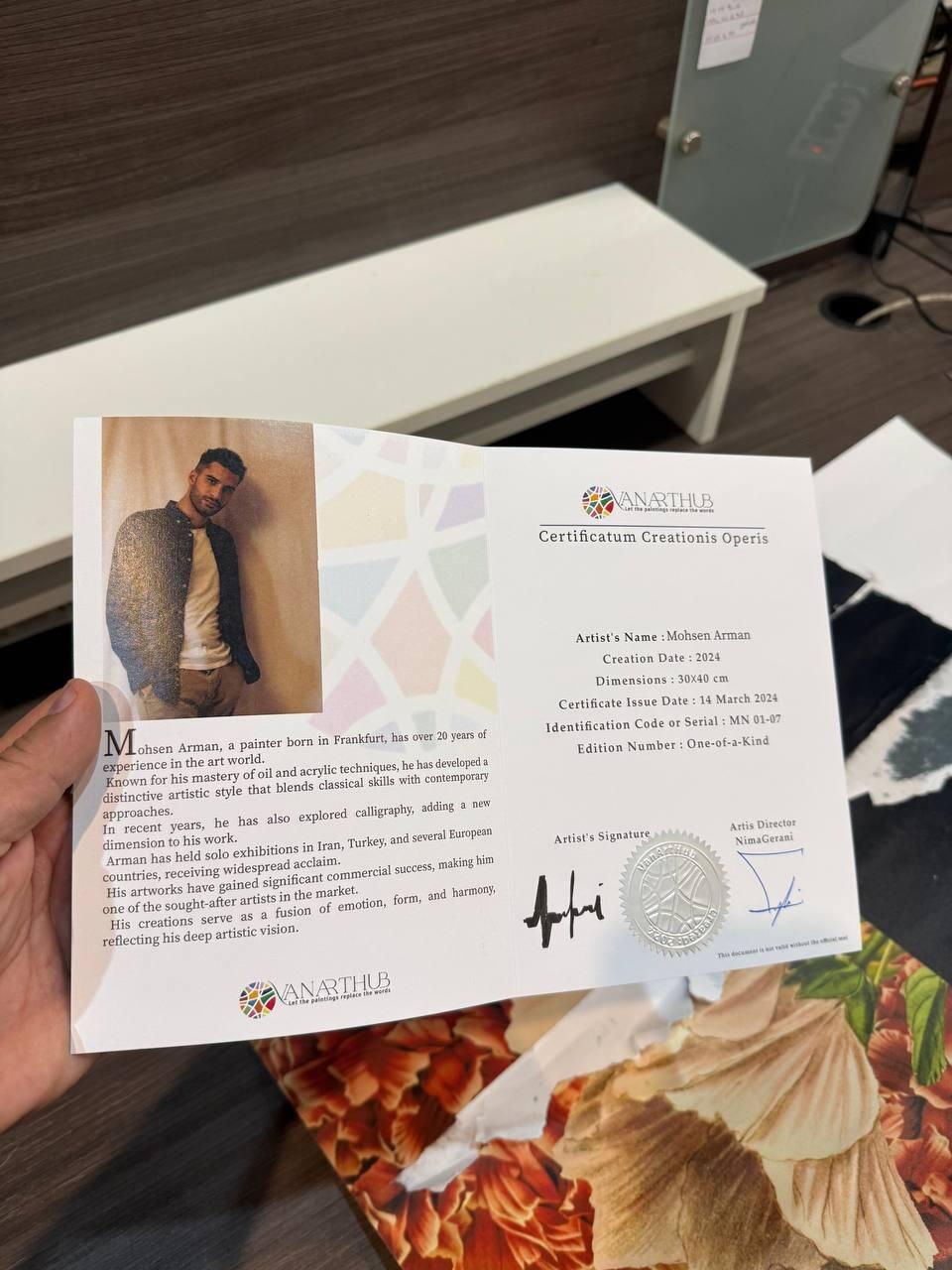
Artists price a painting from materials, size, medium, the hours to make it, the years of skill behind those hours, demand for their work, and the cost of selling it. Materials are the smallest part, which is why "just paint and canvas" does not hold up. Size raises price on a curve because area and risk grow fast. Demand can move two equal paintings to very different fair prices. Every piece we sell is an original that exists only once, signed by the artist, and it comes with a Certificate of Authenticity and a 14-day trial so you can decide in your own home whether the price matches what you feel when it is on your wall, with a full refund and free return shipping if it is not.