What Makes a Painting Increase in Value? An Honest Guide
UpdatedYes, a painting can grow in value over time, but nothing about that is promised. Some pieces rise, some hold steady, and some fall. VanArtHub is an online gallery that sells original, signed, one-of-a-kind paintings to collectors in Canada and the USA, and the honest advice we give every buyer is the same: buy a painting first because you want to live with it. If it appreciates later, treat that as a bonus, not the plan. This guide explains the real reasons a painting can become more valuable, in plain terms, so you can judge any piece with clear eyes.

The short, honest answer
Art is not a savings account. The value of a single painting depends on the artist, the object itself, and how many people want it later. Those things can move in your favor or against you. The global art market grew by 4 percent in 2025 to about 59.6 billion US dollars, according to the Art Basel and UBS Global Art Market Report 2026, but that same report notes the market was still 9 percent below its 2023 level. So even the whole market goes up and down. One painting can behave very differently from the average. The buyers who stay happy are the ones who loved the piece on the wall from day one.
Provenance and documentation
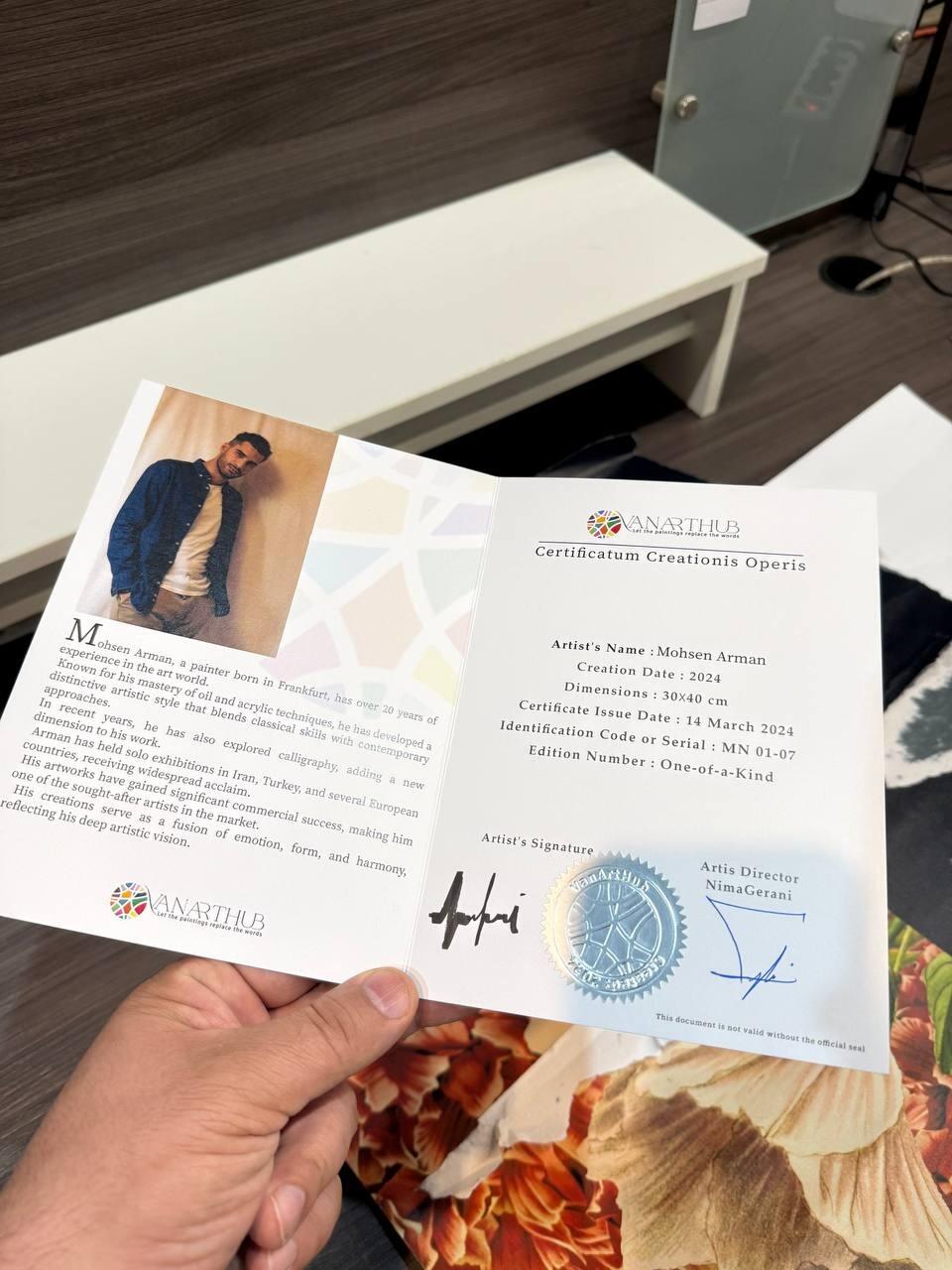
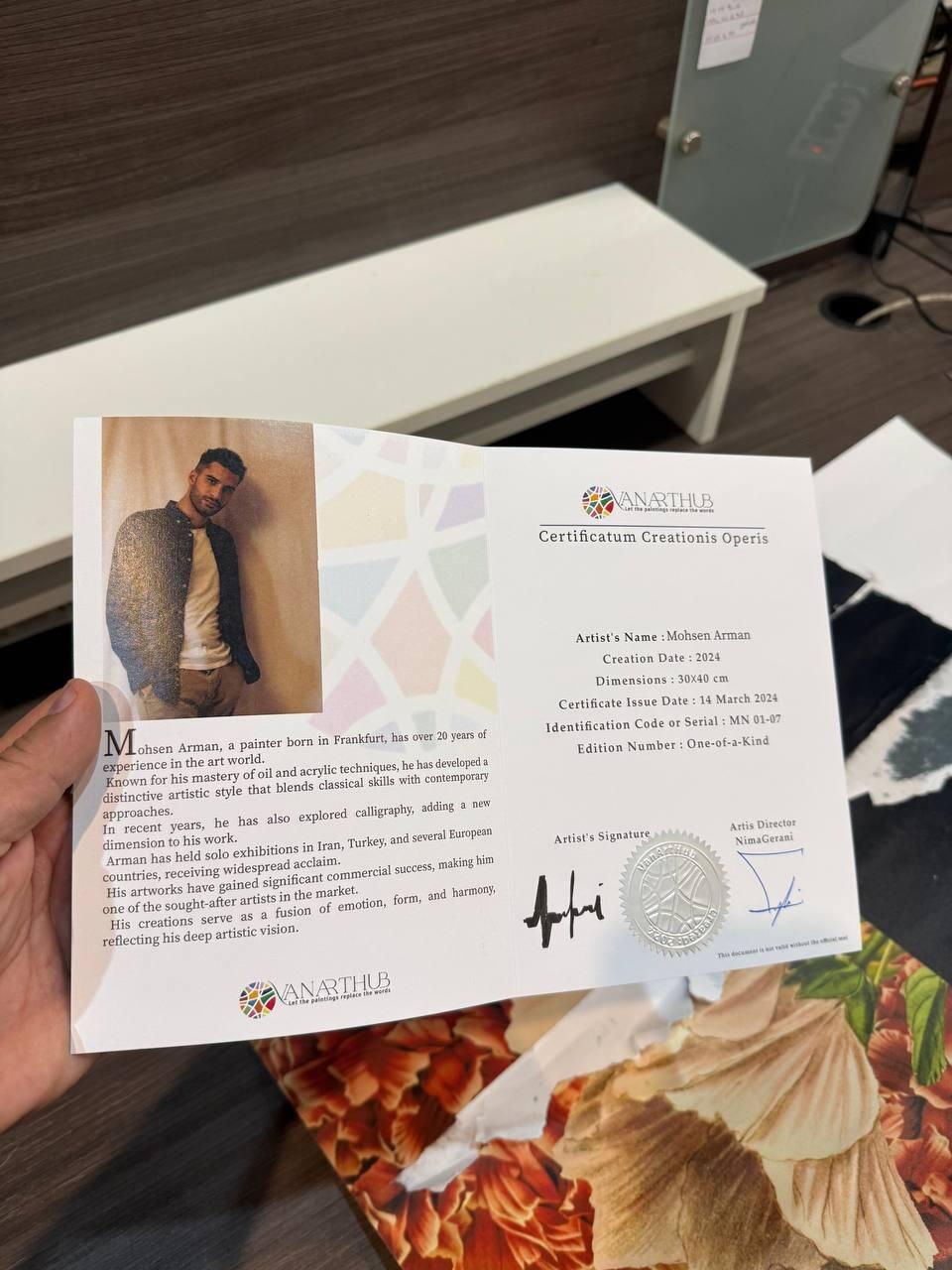
Provenance means the record of who owned a work and where it came from. A clear, honest paper trail is one of the strongest things that supports value, because it proves the piece is real and lawfully yours. The International Foundation for Art Research (IFAR) spent decades researching authenticity, ownership, and provenance, and its work shows why buyers pay a premium for art with a documented history and pay less, or nothing, for art they cannot verify. A Certificate of Authenticity is the starting point of that record. It states the artist, the title, the medium, the size, and the year. Every VanArtHub painting ships with one. Keep it with your purchase receipt in a safe place, because that small folder is part of what the piece is worth.
The artist's career
A painting tends to follow the artist behind it. When an artist shows in more galleries, sells steadily, and builds a longer record over years, demand for their earlier work can rise with them. This is slow and never guaranteed. Most artists do not become household names, and that is fine. What you can do as a buyer is look for signs of a real, working practice: a signature on the front, a consistent body of work, and a gallery that stands behind the piece. You are backing a person, not a stock ticker. If you like the work and the artist keeps working, you are in a good position.
Rarity: why an original is different
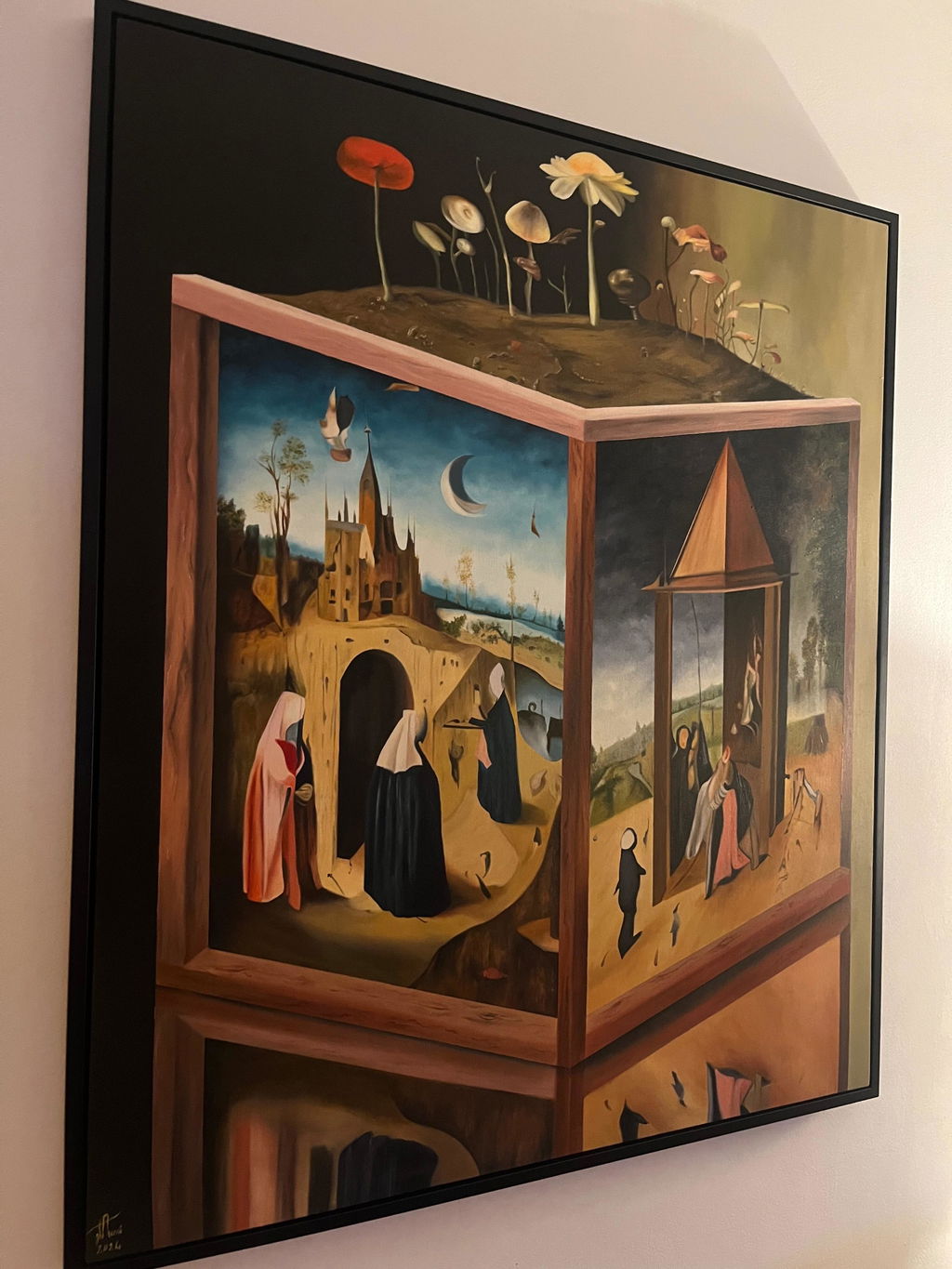
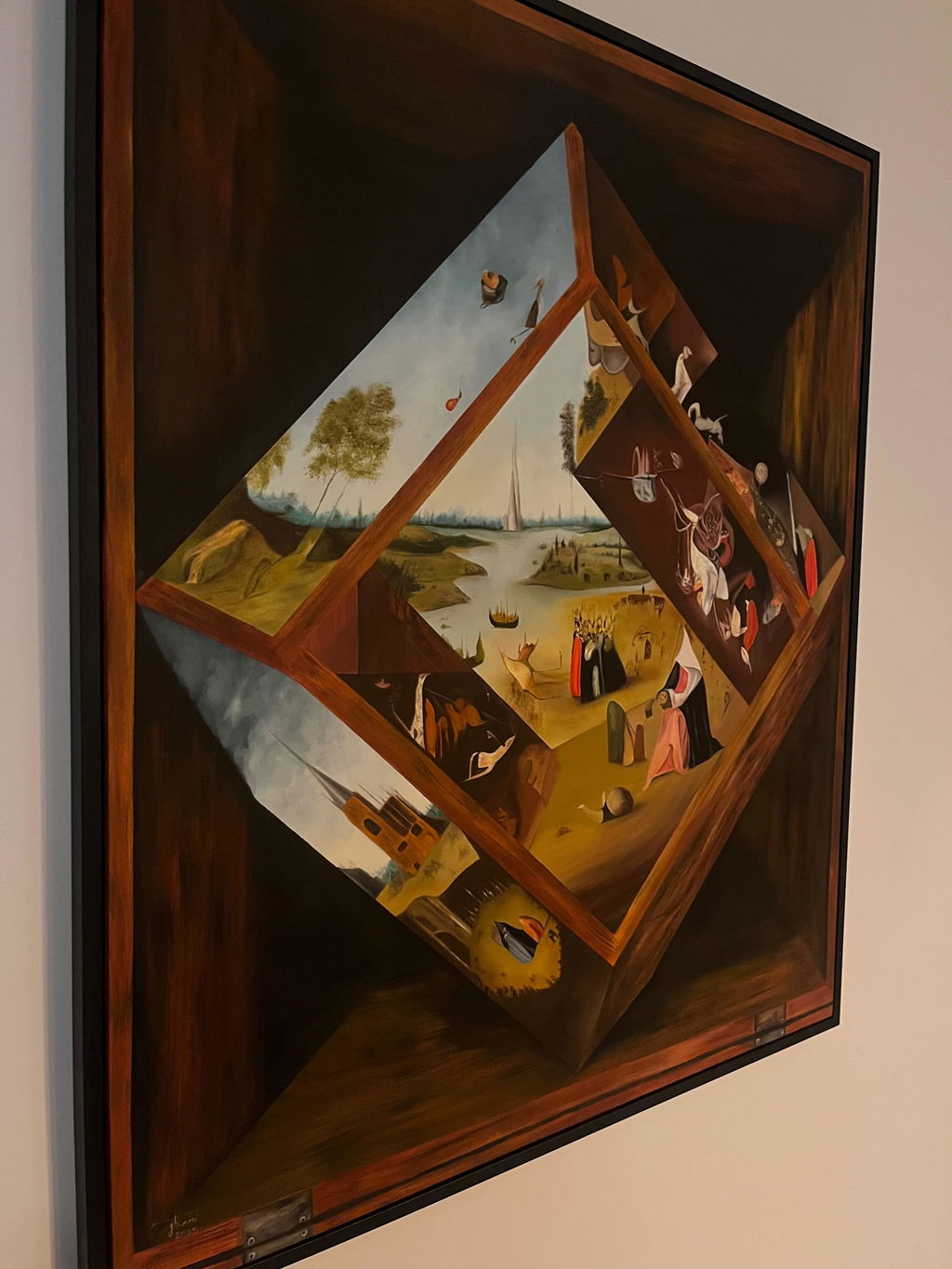
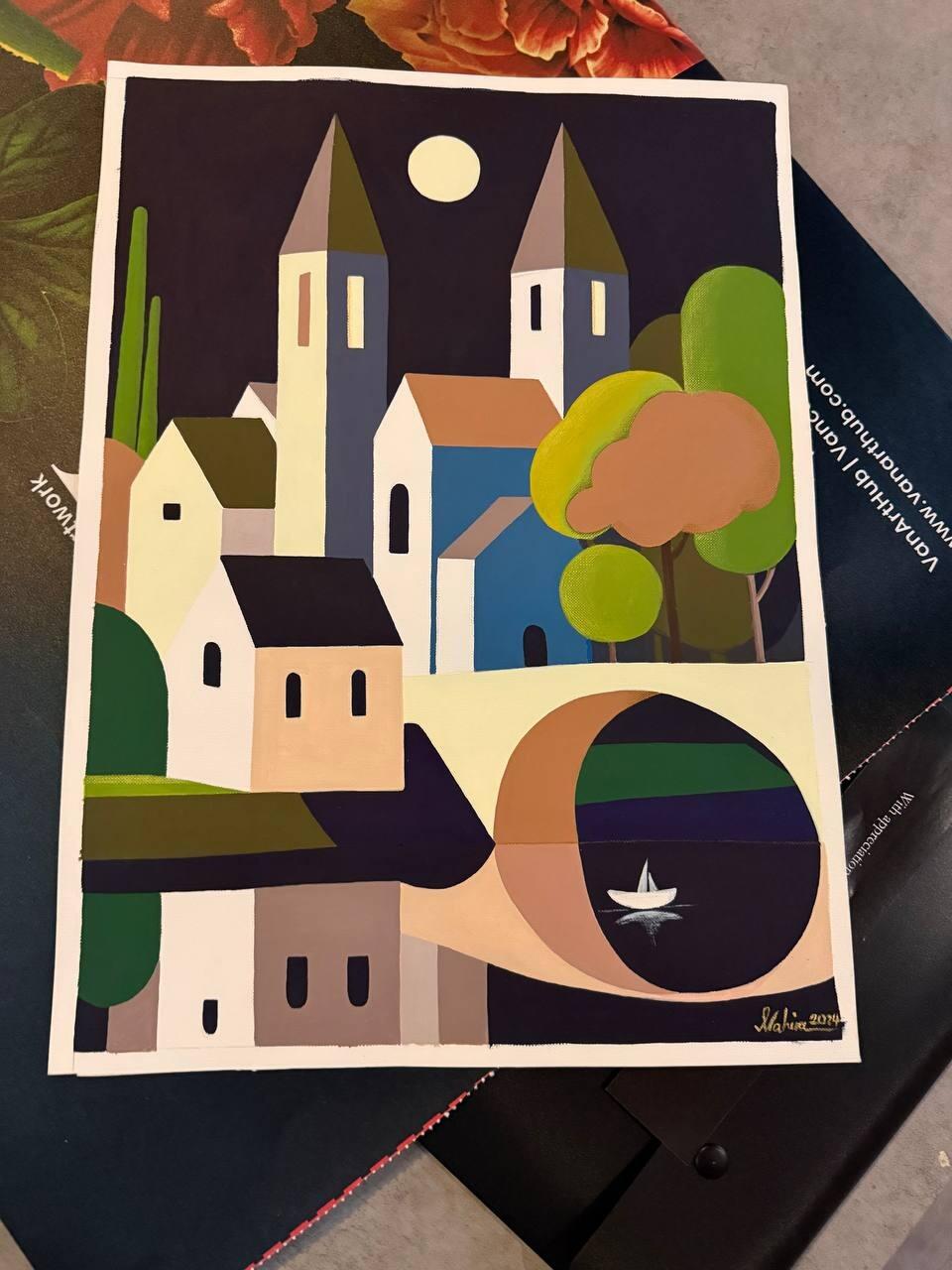
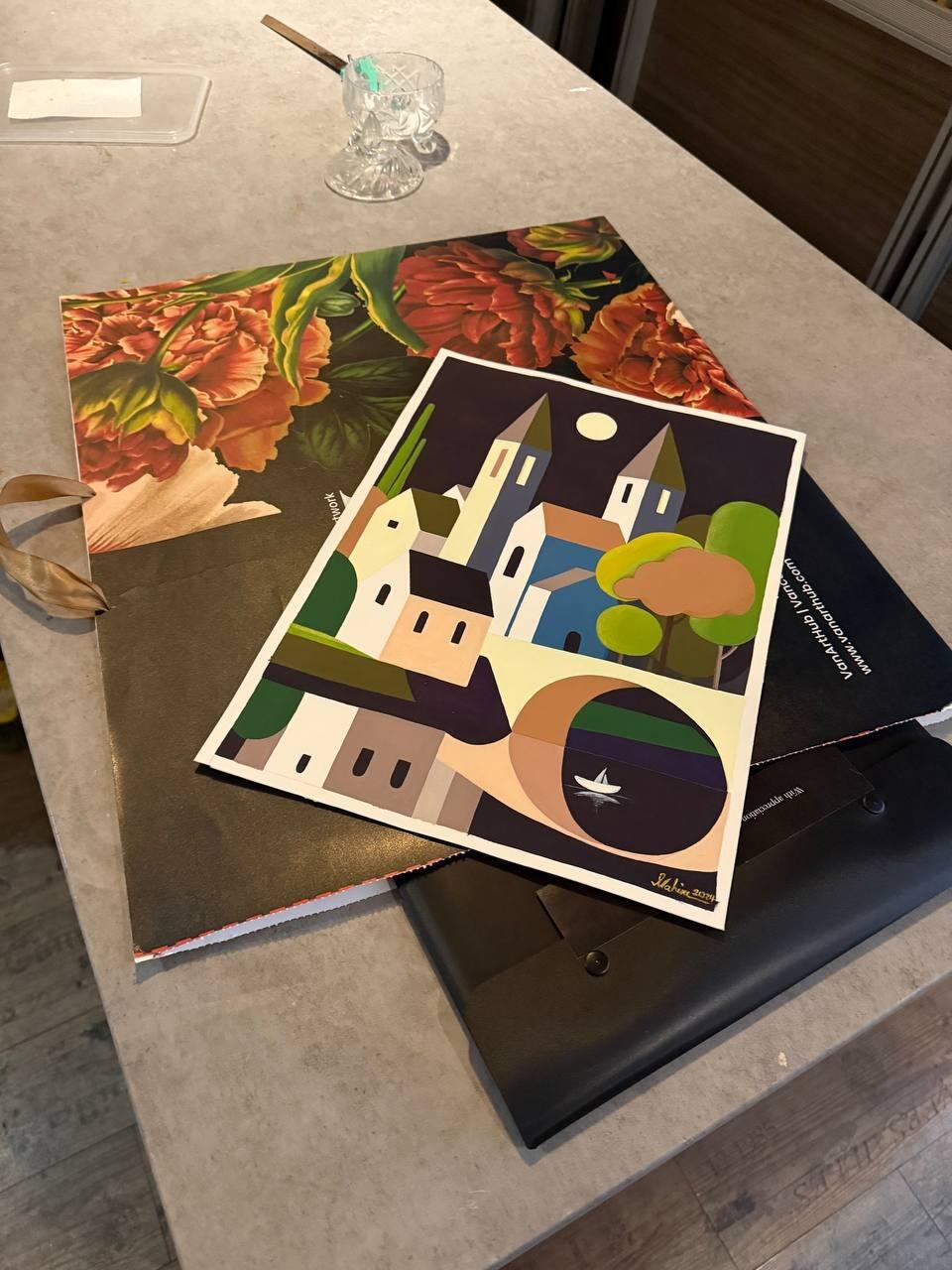
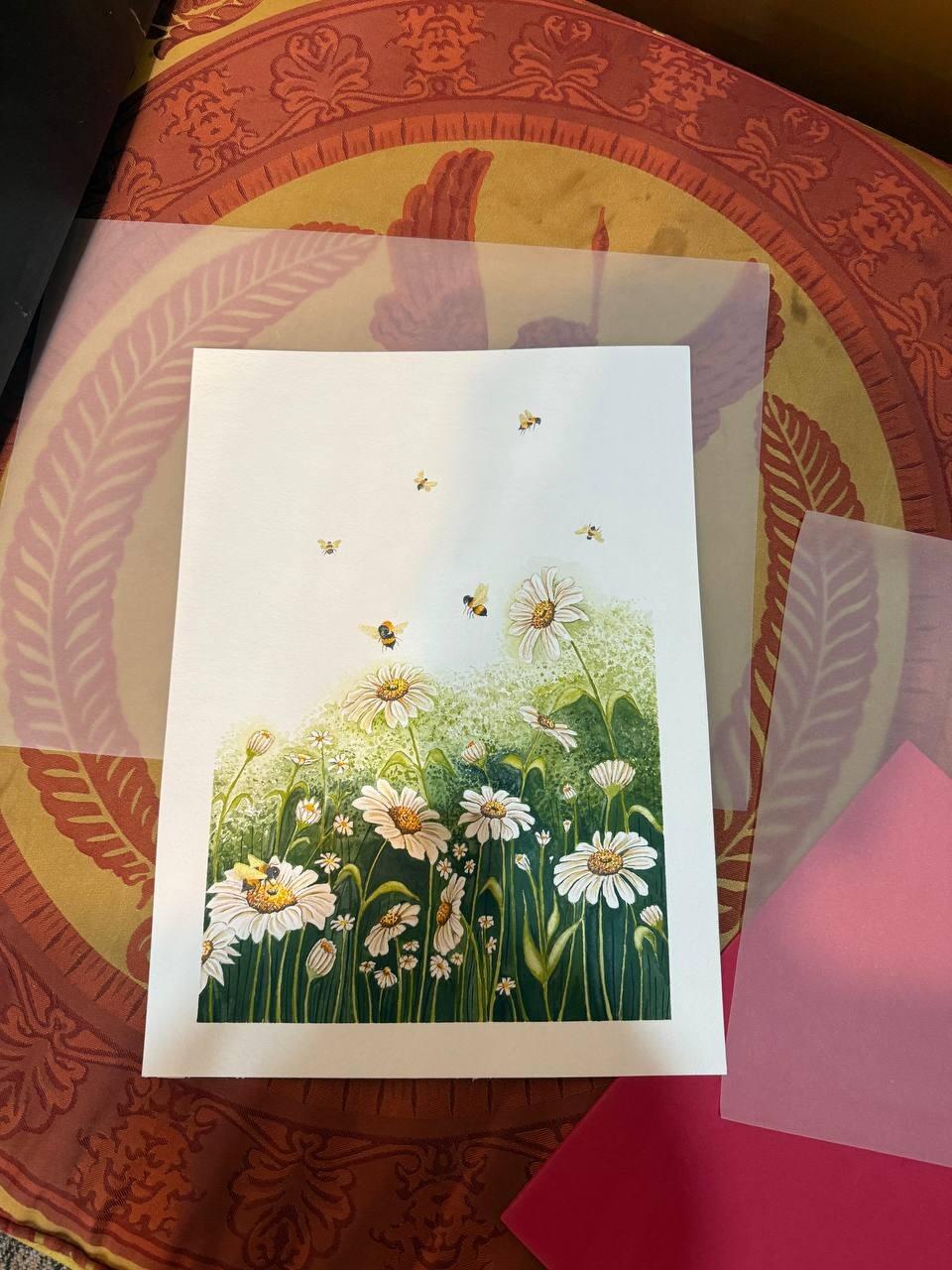
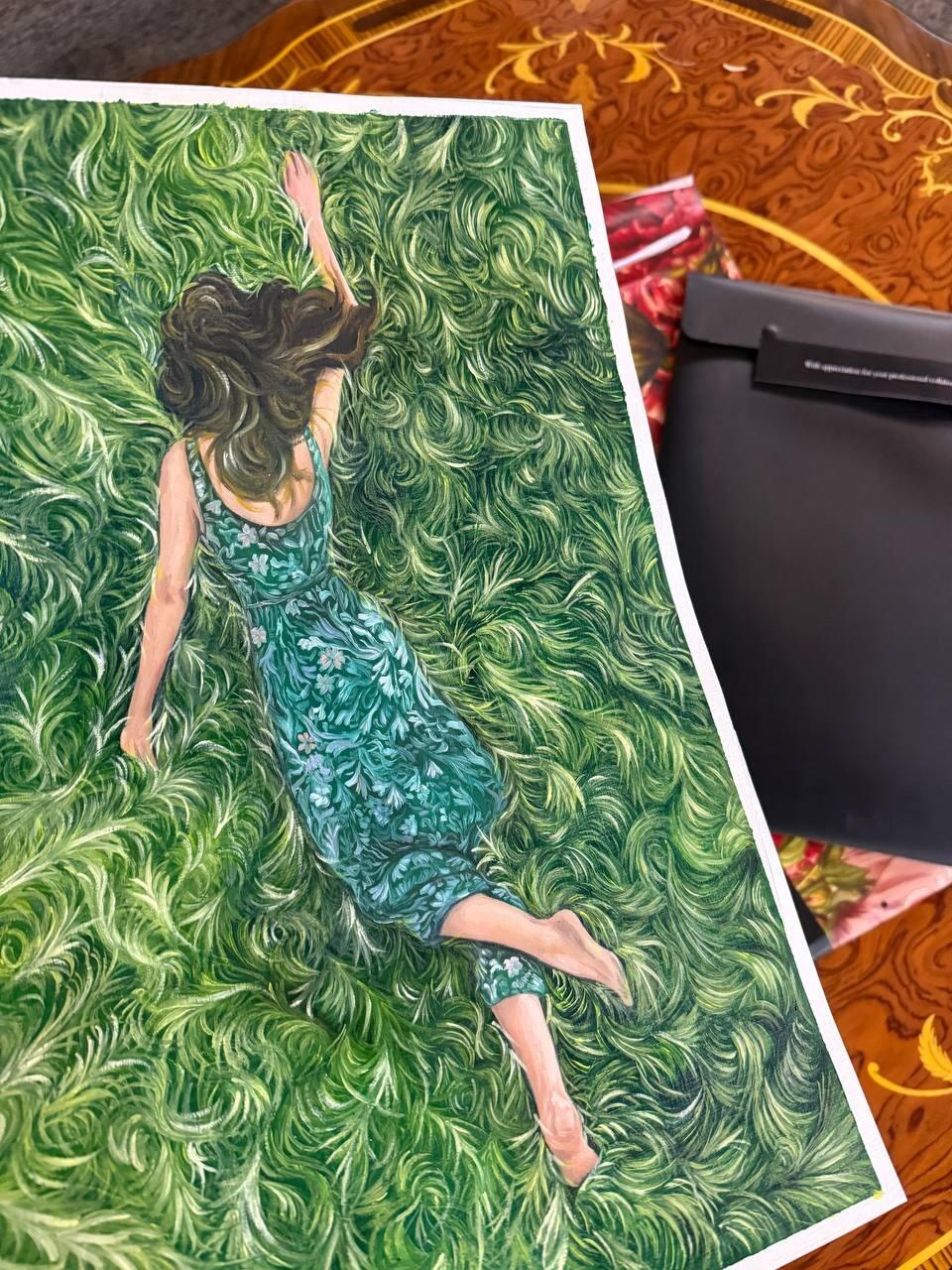
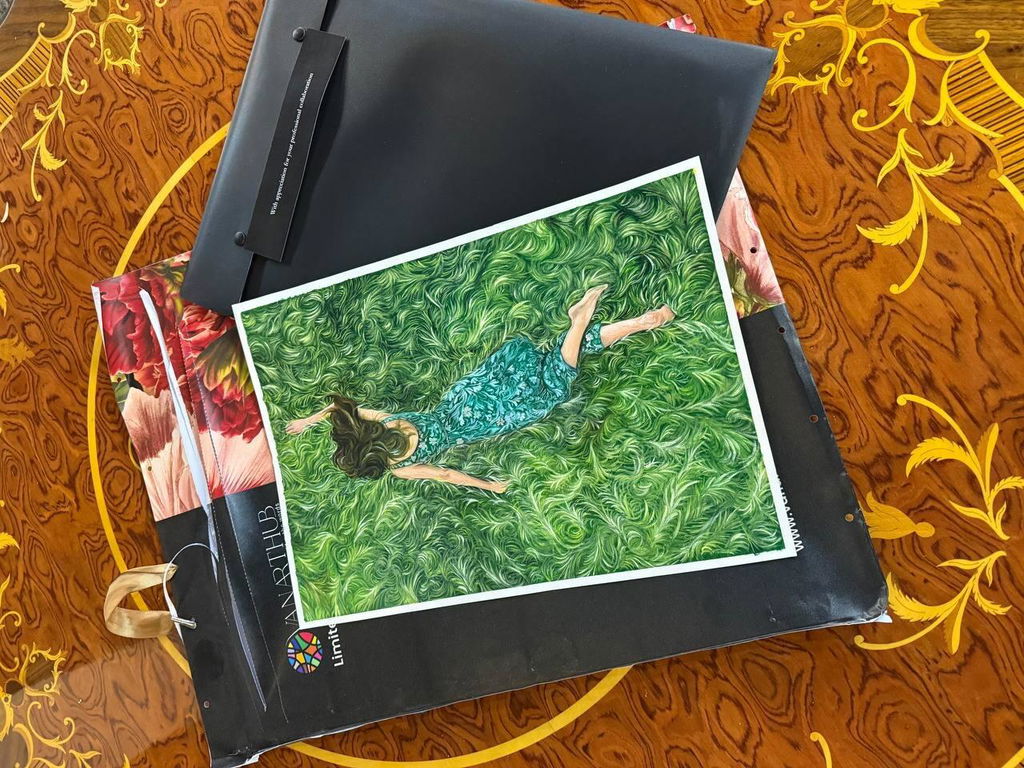
An original painting is one object that nobody else owns a copy of. A print can be run again in a new edition. A poster can be printed by the thousand. A one-of-a-kind original cannot be reprinted, ever. That is the whole reason people pay more for an original than for a copy. Rarity is built into the object itself. It does not depend on the market having a good year. When you buy from our full collection of original artworks, you are buying the only one that exists. That scarcity is the most honest value driver on this list, because it is a plain fact about the piece and not a prediction.
Condition and care
A painting in fresh, undamaged condition is worth more than the same painting with cracks, fading, tears, or old repairs. Condition is the one value driver you fully control after you buy. The American Institute for Conservation, the main body of professional conservators in the United States, publishes free guidance on caring for paintings and warns that they are fragile and need the right environment. Keep a painting out of direct sunlight, away from heat sources and damp bathrooms or kitchens, and in a room where temperature and humidity stay fairly steady. If a valuable piece is ever damaged, do not try home fixes. A trained conservator can often help, and a bad repair lowers value more than the original damage.
Materials and medium
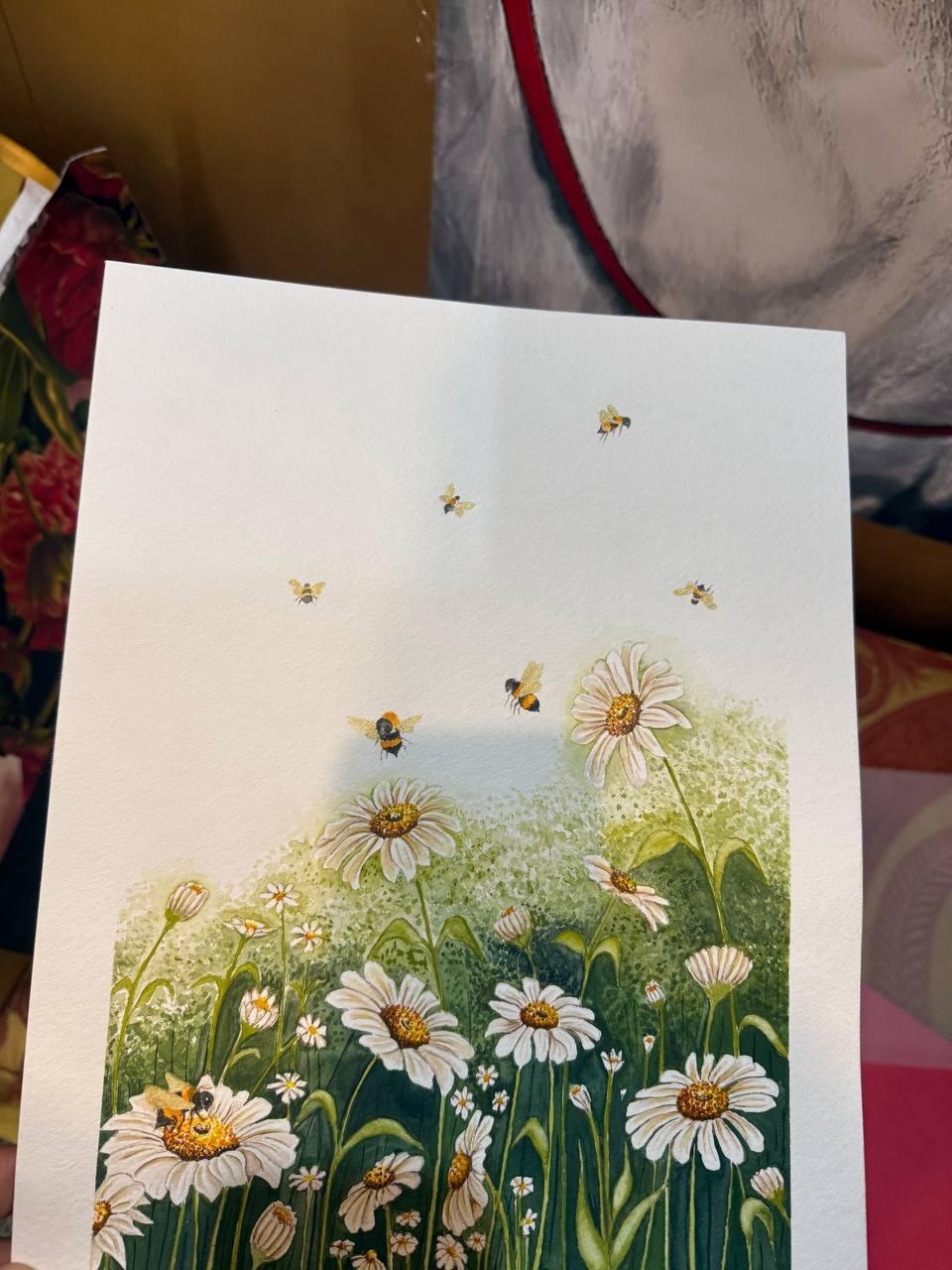
What a painting is made of affects how long it lasts and how well it holds value. Archival materials are the ones made to resist fading and breakdown over decades. Artist-grade oil and acrylic paints on a properly primed canvas, with lightfast pigments, age far better than cheap craft supplies. A piece built to last is a piece that can still look right in thirty years, and condition over time is part of value. When you read a listing, the medium and support matter. A signed oil or acrylic on canvas is a durable object. That durability is quiet, but it protects whatever the piece is worth.
Demand: the part nobody controls
In the end, a painting is worth what a willing buyer will pay for it. Taste changes. A style that is popular now may be less wanted in ten years, or more. Demand is the reason value can fall as well as rise, and it is the one factor no gallery and no artist can promise. This is exactly why we tell buyers to choose a piece they will still enjoy even if its market price never moves. If you buy for love of the work, a soft market year cannot take away what you got. If you buy only to flip it, you are betting on strangers' future taste, which is a hard bet. If price matters to you, our higher-value original paintings are a place to start, but the same honest rule applies.
Key takeaways
- A painting can rise in value, but it is never guaranteed. Value can fall too.
- The best reason to buy any painting is that you want to live with it.
- Provenance and a Certificate of Authenticity prove a piece is real and support its value.
- Rarity is the most solid driver: a one-of-a-kind original can never be reprinted.
- You control condition. Good care and archival materials protect value over years.
Frequently asked questions
Do original paintings increase in value?
Sometimes, but not always. Some original paintings rise in value, some stay flat, and some fall. Value depends on the artist's record, the rarity of the piece, its condition, and how many people want it later. Treat any increase as a possible bonus, not a certain outcome.
Is original art a good investment?
Original art can hold or grow in value, but it is not a reliable investment the way stocks or bonds are. Prices depend on taste, which changes, and a single painting can move very differently from the market average. Buy art mainly for enjoyment. If you want a pure investment, art is a poor first choice.
What makes a painting valuable?
Six things: a clear ownership history with documentation, the artist's growing career, rarity, good condition, archival materials, and demand from buyers. An original that is well documented, well made, and well cared for has the strongest case. Rarity matters most, because an original can never be reprinted.
Does a Certificate of Authenticity affect value?
Yes. A Certificate of Authenticity proves the painting is a genuine original by a named artist. It records the title, medium, size, and year, and it starts the paper trail that buyers later want to see. A piece you cannot verify is worth far less. Every VanArtHub painting comes with one.
How do I protect a painting's value?
Keep it out of direct sunlight and away from heat, damp, and big swings in temperature or humidity. Store the Certificate of Authenticity and receipt together. Do not attempt home repairs on damage. If a valued piece is harmed, use a trained conservator, since a bad repair lowers value more than the damage itself.
Should I buy art as an investment?
We do not recommend it as your main reason. Buy a painting because you want to see it every day. If it appreciates, good. If it does not, you still own something you love. Buying only to resell means betting on future taste, and that bet often does not pay off.
Why is an original worth more than a print?
An original painting is the only one that exists. A print or poster can be reproduced again and again, so no single copy is rare. That scarcity is why collectors pay more for originals. It is a plain fact about the object, not a guess about the market.
Does the artist's fame change the price?
Yes, over time. As an artist shows more, sells steadily, and builds a longer record, demand for their earlier work can rise. This is gradual and never certain. Most artists do not become famous, so buy work you like from a real, working practice rather than chasing a name.
Can a painting lose value?
Yes. Damage, poor storage, a soft market, or a change in taste can all lower what a painting will sell for. This is the honest risk with any art. It is the main reason we tell buyers to choose a piece they will enjoy regardless of price.
Does condition really matter that much?
It matters a lot. The same painting is worth more clean and undamaged than it is with fading, cracks, or old repairs. Condition is the value driver you control after purchase. Good hanging, stable room conditions, and careful handling protect the piece for decades.
How can I be sure a painting is authentic before I buy?
Buy from a gallery that documents its work and stands behind it. Look for a signature, a Certificate of Authenticity, and a clear description of the medium and materials. If you have questions about how we verify and back our pieces, see our buy with confidence page.
Is affordable original art still worth collecting?
Yes. Value is not only about resale price. An affordable original gives you a rare, one-of-a-kind object made by hand, with proper documentation. Many collectors start here and build from there. The joy of living with the piece is real value on its own.
Sources
- Art Basel and UBS, The Art Basel and UBS Global Art Market Report 2026, 2026
- International Foundation for Art Research (IFAR), profile of its authentication and provenance work, Artquest, 2026
- American Institute for Conservation, Caring for Your Treasures: Paintings, 2026
Data checked July 2026. If something looks out of date, tell us and we will update it.
About VanArtHub
VanArtHub is an online gallery that sells original, signed, one-of-a-kind paintings to collectors in Canada and the USA. Every piece is a genuine original, comes with a Certificate of Authenticity, and is backed by us. We would rather you buy a painting you love than one you hope to flip, because that is the buyer who stays happy for years. If you are ready to find a piece that is truly the only one of its kind, browse our full collection of original artworks.
Related guides: What original Canadian paintings cost · Original Canadian art for sale · Canadian abstract paintings