The True Cost of Cheap Wall Decor Is Buying It Twice
Updated By VanArtHub Curatorial TeamShare
Cheap wall decor has one cost printed on the tag and a second cost that only shows up later: you will buy it again. And again. The mass-produced canvas print, the framed poster, the trend piece from a big-box aisle all share the same quiet flaw. They are not made to be kept. They are made to fill a wall until the wall gets refilled. We sell original paintings, so we have an interest here, and we will argue it openly: the true cost of cheap decor is the replacement cycle itself.
The replacement cycle, described honestly
Nobody throws out a mass-produced print because it stops working. It never worked in that sense. It gets replaced because the trend it belonged to passed, because a move made it feel wrong in the new room, or because it never meant anything and something else caught your eye. Then the cycle restarts: another purchase, another few years, another replacement.
Notice what drives the cycle. It is not wear. It is indifference. A factory print of a generic scene has no maker you can name, no story attached to your own life, and ten thousand identical siblings. There is no reason to keep it, so it does not get kept. We have written a fuller comparison in our guide to original art versus fast decor, but the short version fits in one line: objects without meaning get replaced, and replacement is the whole business model.
Where all that decor ends up
We promised no invented statistics, so here is a real one. The US Environmental Protection Agency's figures on durable goods show that Americans generated 12.1 million tons of furniture and furnishings waste in 2018. Of that, 80.1 percent went straight to landfill and just 0.3 percent was recycled. Furnishings are, by the EPA's own numbers, one of the least recycled things a household owns.
Wall decor is a small slice of that stream, and we will not pretend to know its exact share. We do not need to. A glued frame around a printed board has no repair path and no recycling market. When it goes, it goes to landfill, and the replacement arrives in fresh packaging.
What an original does differently
A painting steps out of the cycle for two reasons, one material and one human.
The material reason: artist materials are built for time. The Canadian Conservation Institute, Canada's national conservation body, documents oil painting as a technique that expanded across Europe in the 15th century; canvases from that era are still hanging in museums. A damaged painting can be repaired by a conservator. A damaged print is garbage.
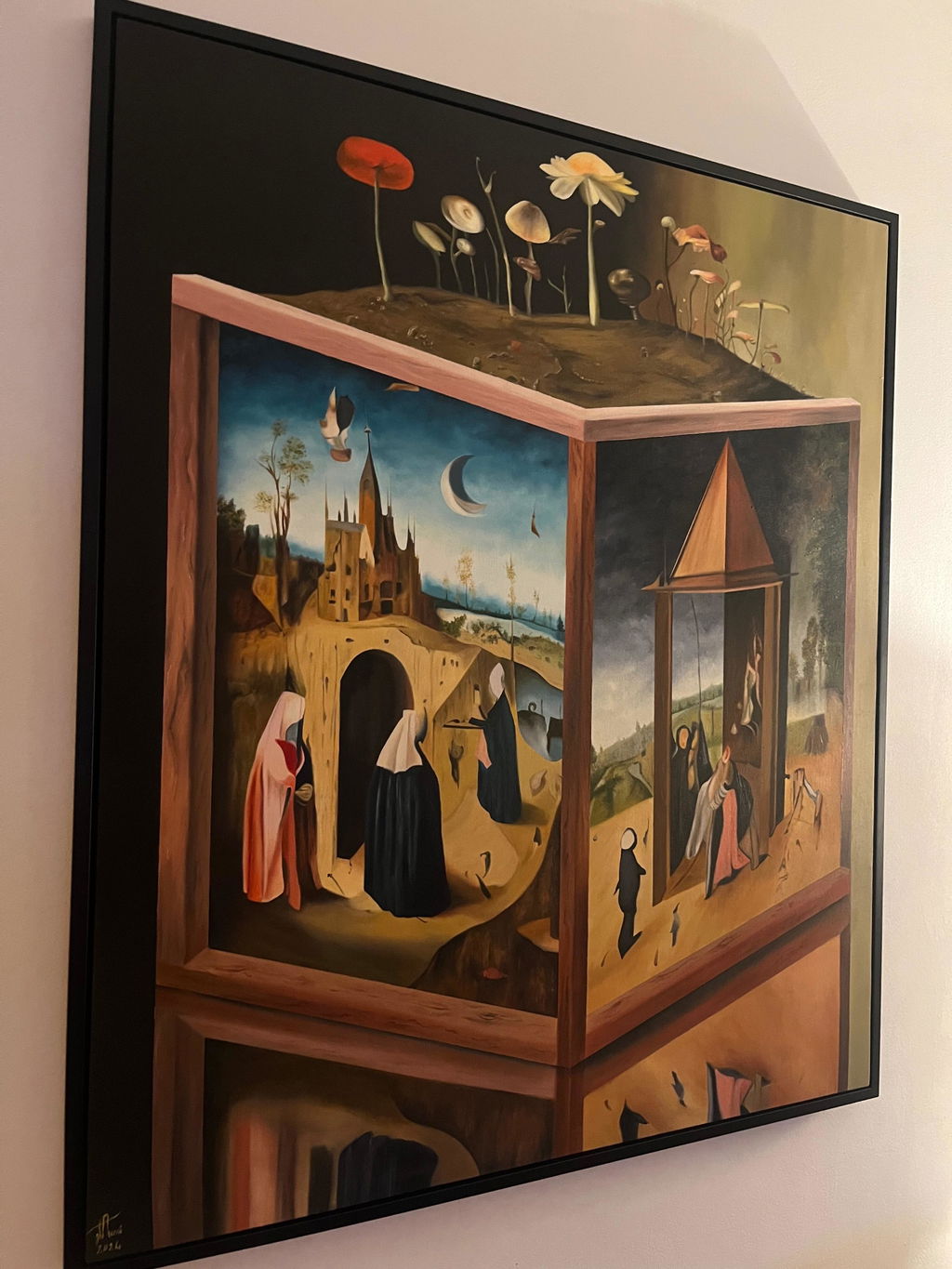
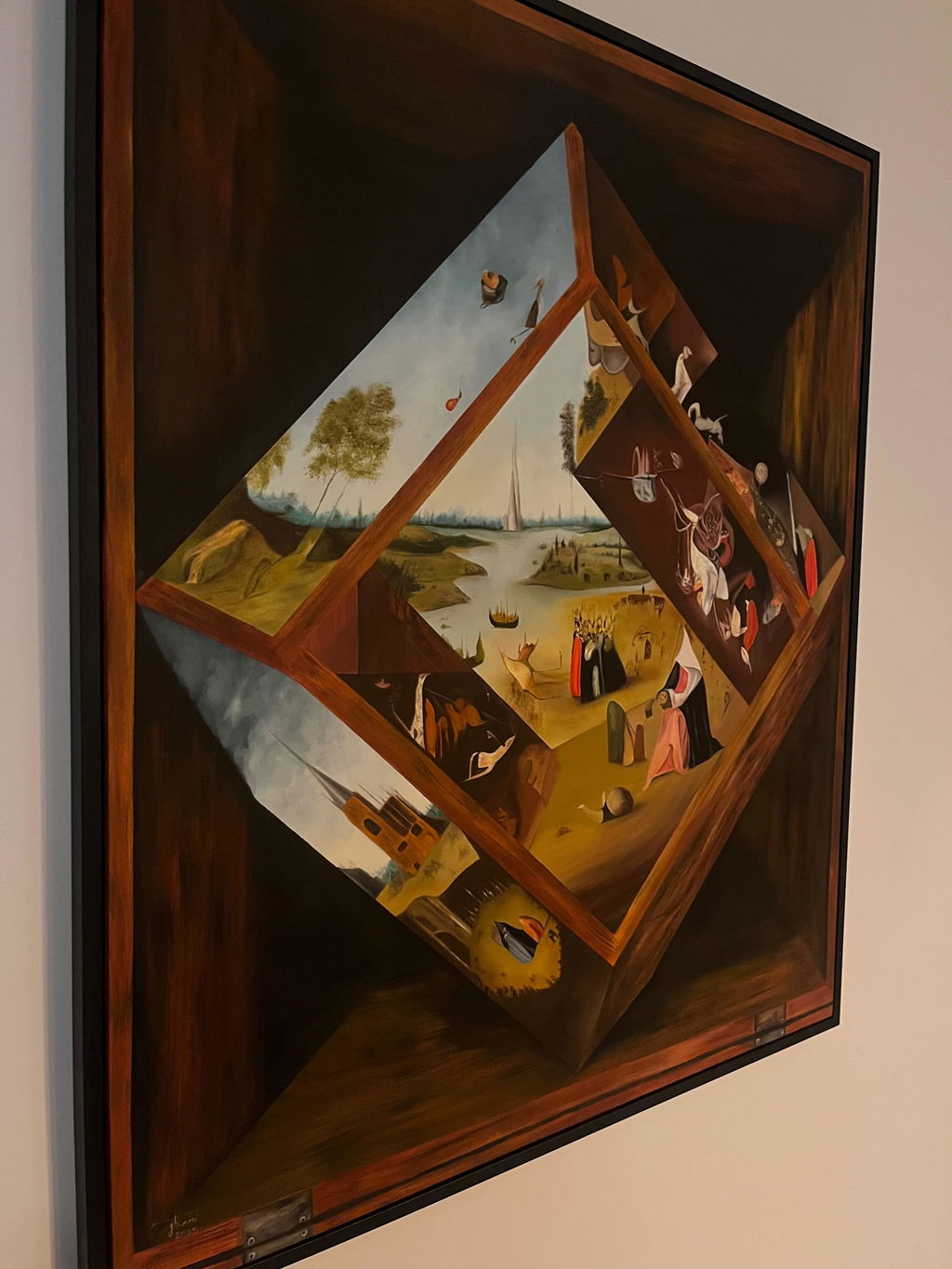
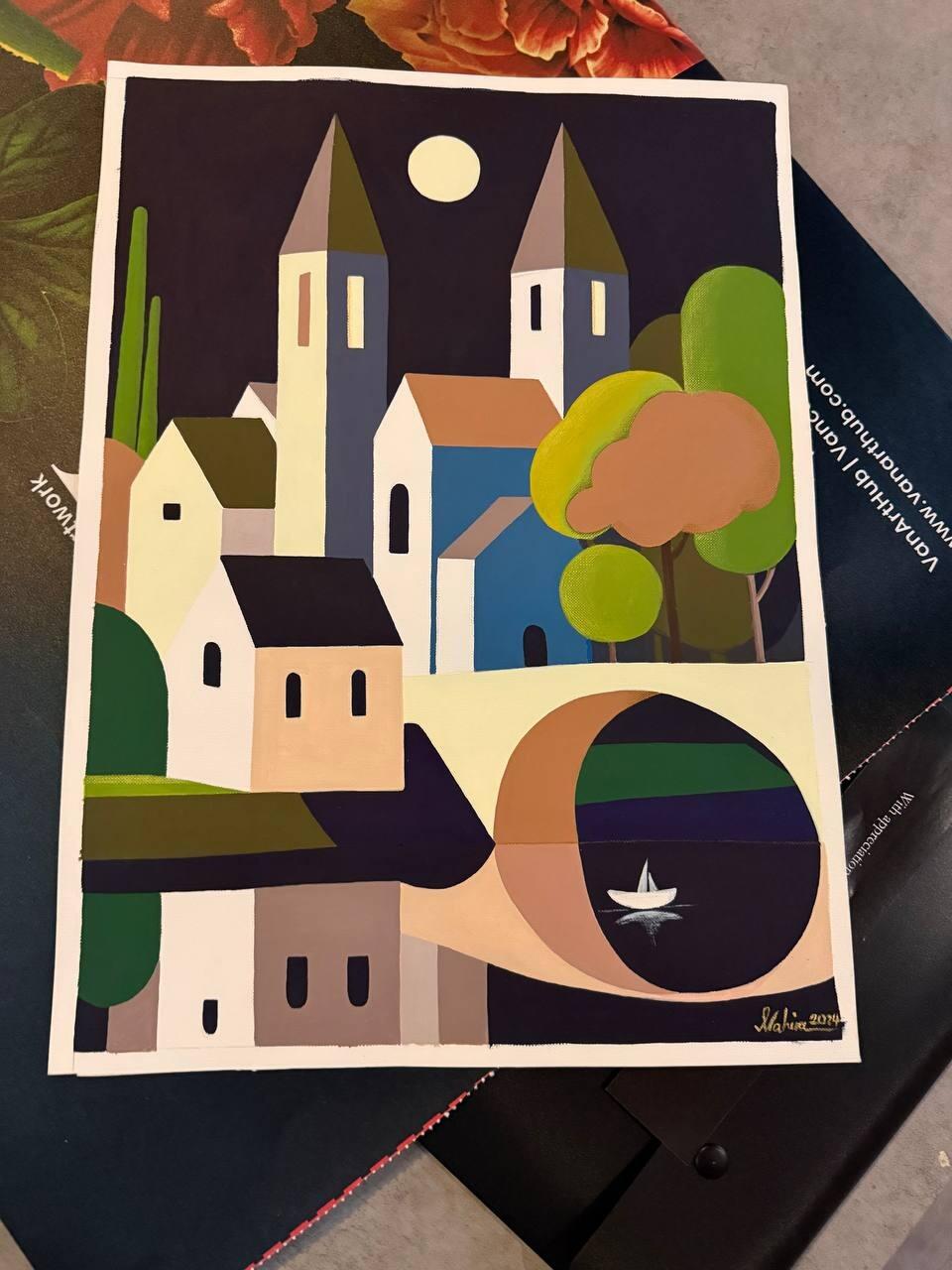
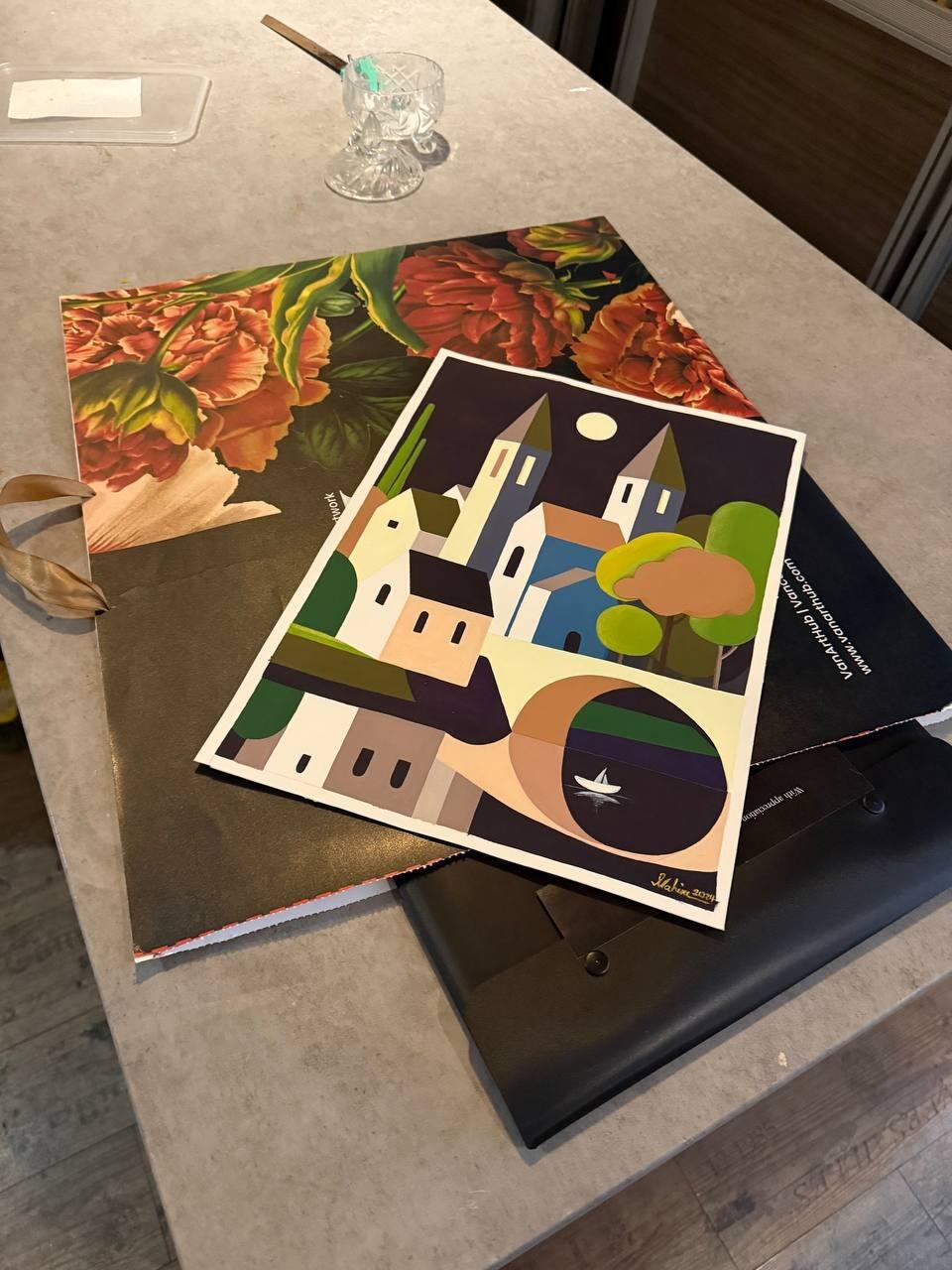
The human reason matters more, and the CCI states it in a way we find genuinely moving for a government document: a painting's survival depends on the degree to which it is valued, because an object of value is cared for, and its care is entrusted to future generations. An original, signed work by a living artist, chosen by you for your own wall, is exactly the kind of object that gets valued. It moves house with you. It gets argued over in wills. It does not get replaced by a seasonal refresh, because it was never part of a season.
The honest comparison, without invented numbers
We are not going to claim a print lasts exactly so many years or that an original saves you a precise dollar figure over a decade. Anyone quoting those numbers is guessing. The comparison that holds up is qualitative, and it is lopsided enough that it does not need decoration.
| Mass-produced decor | Original painting | |
|---|---|---|
| What it is | One of thousands of identical copies | One-of-a-kind, signed by the artist |
| Why it leaves the wall | Trend passes, interest fades | Rarely leaves; kept, moved, handed on |
| If damaged | Replaced | Repairable by a conservator |
| End of life | Landfill (80.1% of US furnishings waste in 2018) | Resold, traded back, or inherited |
| If your taste changes | Buy again | VanArtHub Lifetime Trade-Back for store credit |
One row deserves expansion. Our Lifetime Trade-Back means any painting bought from us can come back, in good condition, at any time, for store credit toward another work. The painting finds a second home instead of a bin, and you are never stuck with a choice your taste outgrew. It is our answer to the replacement cycle: circulation instead of disposal, and part of why we think original art is the more sustainable way to fill a wall.
Where a print is still the right call
Credit where due: none of this means every wall needs an original. If the budget is tight and the wall is a rental hallway you pass twice a day, a print you like beats an empty wall, and we have said so before in our guide to original art versus prints. Our argument is narrower and firmer: for the walls you actually live with, buying one meaningful original beats buying forgettable decor on repeat. Our originals start at about $531, every one ships free and fully insured to Canada and the USA, and the 14-day trial means you can test that argument in your own living room at no risk. Start small with our originals under $700 or browse the full fine art collection.
Key Takeaways
- Mass decor is replaced because of trends and indifference, not wear; the replacement cycle is the business model, and its cost compounds with every round.
- The US EPA reports 12.1 million tons of furniture and furnishings waste generated in 2018, with 80.1 percent landfilled and 0.3 percent recycled.
- Paintings endure for a material reason (repairable, time-tested media) and a human one: valued objects get cared for and handed on, says the Canadian Conservation Institute.
- VanArtHub's Lifetime Trade-Back lets any painting come back for store credit, so a change in taste means circulation, not landfill.
- Originals start at about $531 with a 14-day trial, so leaving the replacement cycle costs less than most people assume.
Frequently Asked Questions
Why is cheap wall decor so cheap?
Because it is printed or manufactured in volume, not made once by a person. The economics are the economics of any mass-produced furnishing: low unit cost, low price, and a design lifespan tied to trends rather than to the object itself.
How long does mass-produced decor actually last?
We will not give you an average, because we have not seen an honest one. What we can say from watching walls for years is that mass decor is usually replaced when the trend passes or the household changes, not because the object wore out.
What happens to wall decor when it is thrown away?
It joins the furnishings waste stream. The US EPA reports that of the 12.1 million tons of furniture and furnishings generated in 2018, 80.1 percent went to landfill and only 0.3 percent was recycled. Framed mass decor has no meaningful recycling path.
Is an original painting really a better buy than a print?
For a low-visibility hallway on a tight budget, a good print can be the right call, and we say so plainly. For a wall you look at every day, an original is a one-of-a-kind object that tends to stay, because things people value get kept.
Can a painting actually last for decades?
Yes, with basic care. The Canadian Conservation Institute notes that works made with stable materials have survived for centuries, and that the biggest factor in a painting's survival is simply whether it is valued and cared for.
What makes a painting last so much longer than mass decor?
Two things. Materially, artist paints on canvas are built to endure and can be repaired. Psychologically, an original is kept, moved, and handed on rather than replaced, so it never enters the replacement cycle at all.
What if I get tired of an original painting?
That is what our Lifetime Trade-Back is for. Return any VanArtHub painting in good condition, at any time, for store credit toward a different work. The painting goes on to another home instead of a bin.
Do I need a big budget to leave the replacement cycle?
No. Our original paintings start at about $531, which sits inside the price range of a lot of mass-produced framed decor. Price is not the barrier most people assume it is.
How do I make sure an original is right before committing?
Use the 14-day trial. Every VanArtHub painting ships free and fully insured to Canada and the USA, and you have 14 days to live with it. If it is not right, send it back for a full refund and we pay the return shipping.
How should I care for an original so it lasts?
Keep it out of direct sunlight, away from big swings in humidity, and handle it by the frame edges. The Canadian Conservation Institute lists light, humidity, and physical forces among the main agents of deterioration; a painting spared those threats ages slowly.
Sources
- US EPA: Durable Goods, Product-Specific Data (furniture and furnishings)
- Canadian Conservation Institute: Caring for Paintings
- Canadian Conservation Institute: Agents of Deterioration
Data sourced August 2026. If you spot something out of date, let us know and we will update the guide.
About VanArtHub
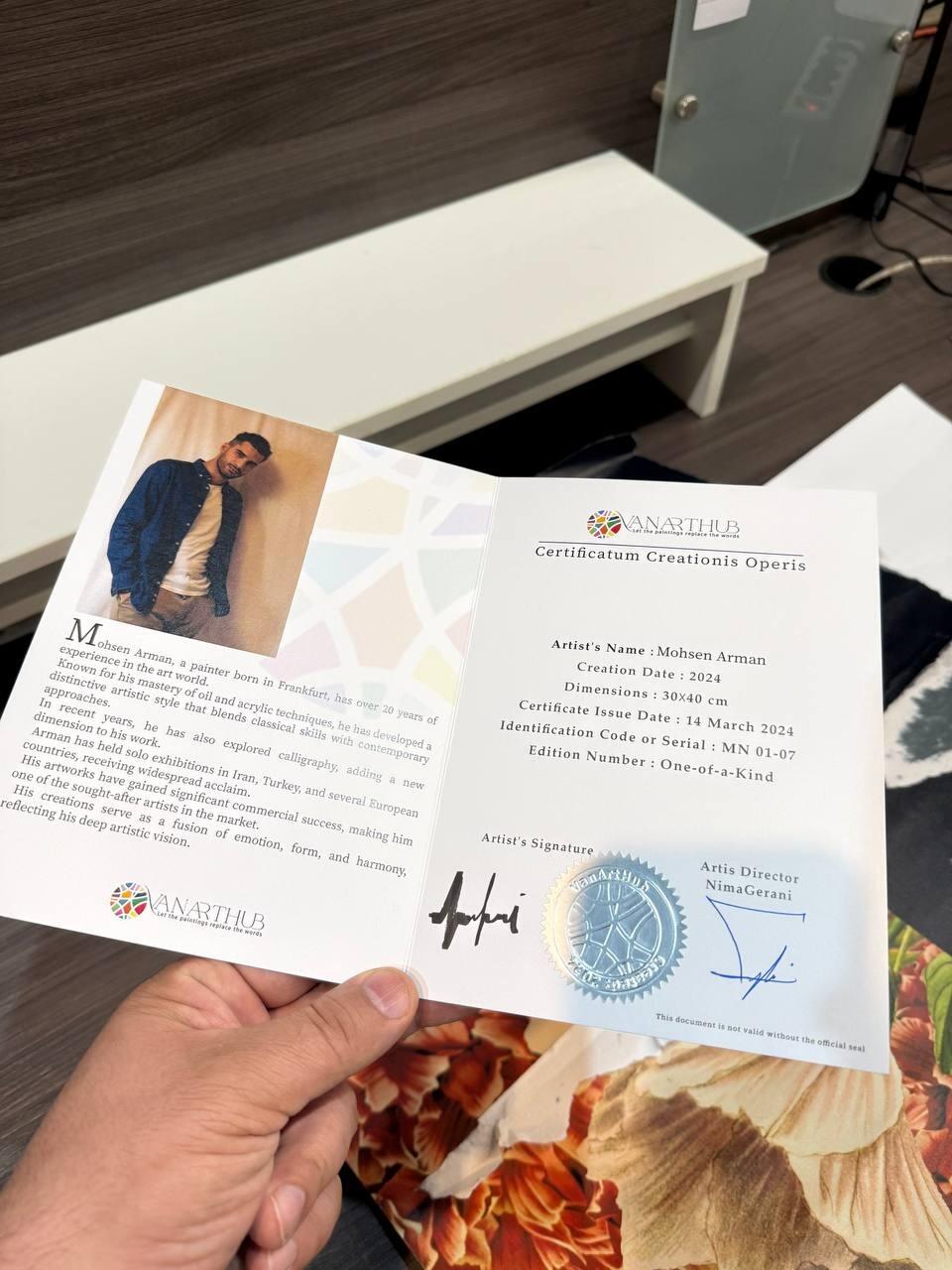
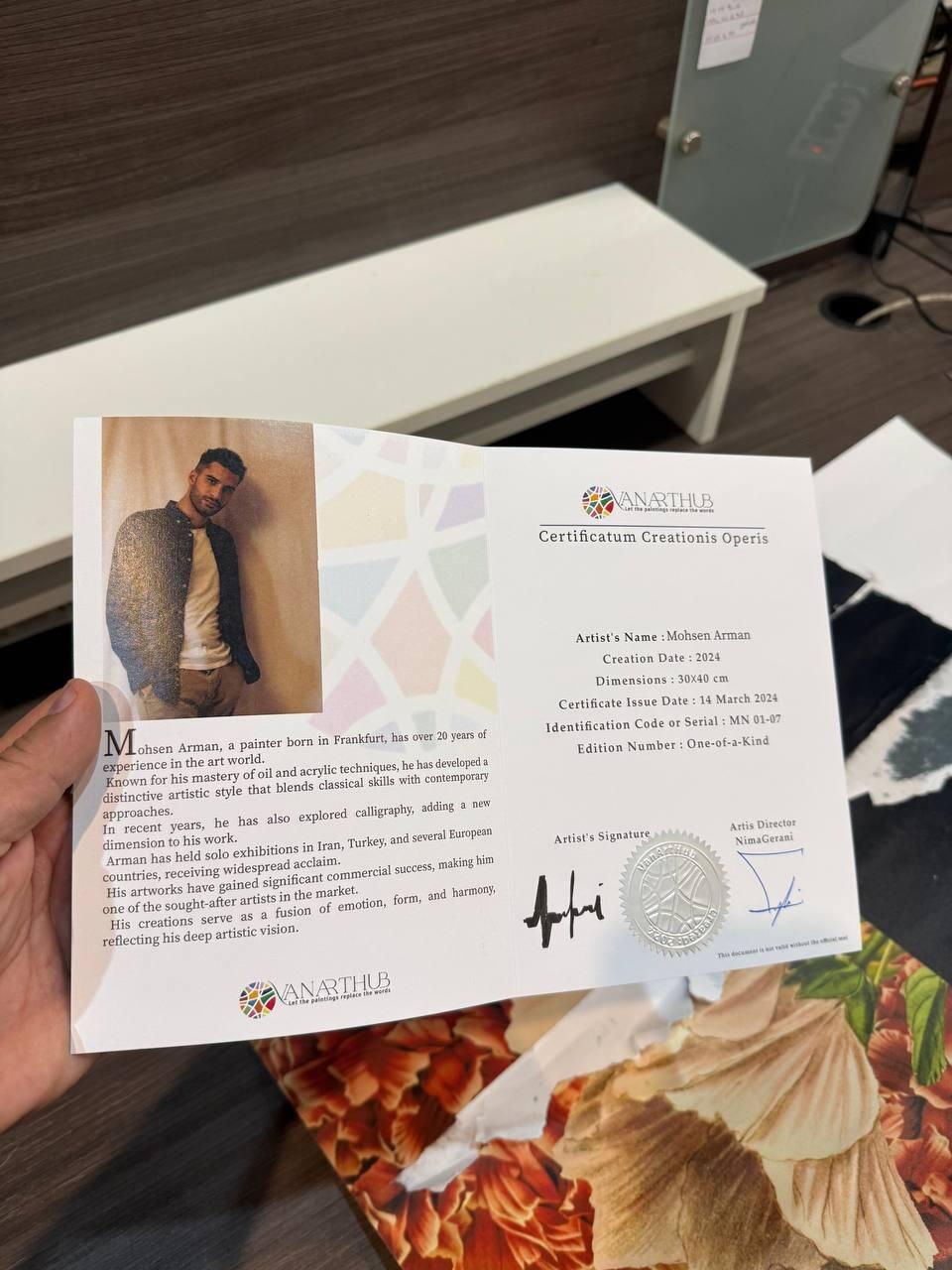
VanArtHub is a Vancouver gallery selling original, signed paintings direct from the artist, each with a Certificate of Authenticity. Every piece ships free and fully insured to Canada and the USA with a 14-day trial, and our Lifetime Trade-Back keeps good art in circulation for as long as you collect. Browse the full painting collection.