What Paint Is Actually Made Of: A Collector's Guide
Updated By VanArtHub Curatorial TeamShare
Every painting you will ever buy is made of two things: pigment, the ground material that gives the colour, and a binder, the glue that holds that colour onto the canvas. That is the whole recipe. Yet most collectors can tell you more about the frame than about what is actually sitting on the surface of the work. We think that is worth fixing, because the ingredients decide how a painting ages, what it is worth caring for, and, for some buyers, whether they want it in the house at all.
This guide walks through where pigments and binders come from: minerals, plants, animals, and the lab. No chemistry degree required.
Paint is a two-part recipe
Start with the binder, because the binder names the medium. The Canadian Conservation Institute describes oil paint as pigment dispersed in a drying oil, most often linseed oil pressed from flax, though poppy, walnut, and safflower oils have all been used. Egg tempera binds pigment with egg yolk. Casein paint uses milk protein. Watercolour uses gum arabic, a sap collected from acacia trees. Acrylic paint uses a synthetic polymer emulsion, and by the CCI's account acrylic emulsion paints only became widely available to artists in the mid-1950s, which makes acrylic the newest serious medium by several centuries.
The pigment is the same powder across all of them. Grind an iron oxide earth into linseed oil and you have an oil colour. Grind it into gum arabic and you have a watercolour. The binder changes the handling and the sheen. The pigment carries the colour and most of the permanence.
Mineral, plant, animal, lab: where colour comes from
Mineral pigments are the oldest and, on the whole, the toughest. Winsor & Newton's history of pigments notes that early humans painted with yellow earth, red earth, and white chalk, plus a carbon black collected from soot. Those earths are coloured by iron oxides, and they still anchor palettes today as yellow ochre, red ochre, and the siennas and umbers. The same history records the first fully synthetic colour, Prussian blue, made by accident in 1704, and the arrival of affordable French ultramarine in 1828, which ended lapis lazuli's run as the most expensive pigment in the world.
Plant colour is the fragile branch of the family. Most historical bright dyes were plant extracts turned into so-called lake pigments, and the CCI's lightfastness table puts most of them in the highest sensitivity category. They fade. That is why the reds in some older paintings have gone quiet while the earth tones around them look untouched.
Animal colour is the branch most buyers have never been told about, and it deserves its own section.
The animal ingredients nobody mentions in the product photo
The clearest example is bone black. Golden Artist Colors states that its Bone Black pigment is made from carbonized cattle bones, and it publishes the list of products containing it, including Jenkins Green and several of its Neutral Grays. Ivory black is the same story: cattle bone, not ivory, despite the name.
Then there is carmine, the deep red extracted from the dried bodies of cochineal insects. Harvard's Museums of Science and Culture tell the fuller story: a tiny cactus-dwelling insect, harvested for thousands of years by Indigenous peoples in Mexico, that after the Spanish invasion became a global commodity and coloured the red coats of English soldiers and the capes of the Catholic clergy. A remarkable history. Also, unambiguously, an animal product.
The quieter cases live in the supports and mediums rather than the colours. Traditional canvas is sized with rabbit-skin glue, which Golden describes as refined rabbit collagen. Many watercolour papers are sized with animal glues. Ox gall, bile from cattle, is a traditional wetting agent in watercolour. Williamsburg oil colours contain small amounts of beeswax as a stabilizer, by the maker's own account. Golden's Just Paint journal lays these out honestly and names the synthetic alternatives: carbon black and Mars black in place of bone black, a synthetic ox gall in its QoR watercolours, and acrylic sizings in place of hide glue. The alternatives are close, the maker admits, but not always identical; the synthetic blacks run slightly cooler than bone black, and no acrylic tightens a canvas exactly the way rabbit-skin glue does.
| Medium | Binder | Origin |
|---|---|---|
| Oil paint | Linseed oil (also poppy, walnut, safflower) | Plant, pressed from flax seed |
| Acrylic paint | Acrylic polymer emulsion | Synthetic |
| Watercolour | Gum arabic, often with ox gall added | Plant sap; ox gall is animal |
| Egg tempera | Egg yolk | Animal |
| Casein | Milk protein | Animal |
Why any of this matters when you buy art
Three reasons, in rising order of how often buyers raise them with us.
First, permanence. Ingredients are the best early signal of how a painting will age. Iron oxide earths are rated stable; insect and plant lakes are rated fragile. You cannot read a pigment list off a finished canvas, but keeping any original out of direct sunlight protects the fragile colours and costs nothing. Our guide to eco-friendly and natural art materials goes deeper on what the durable materials actually are.
Second, values. Some collectors do not want insect-derived reds or bone-derived blacks on their wall, and that is a legitimate reason to ask questions before buying. We keep detailed pages on animal-derived pigments and their plant-based counterparts, and a full vegan art hub for buyers who want to go through the whole subject properly.
Third, honesty. We will not claim our paintings are vegan or free of any particular ingredient, because we have not audited every tube our artists use, and a gallery that claims otherwise is guessing. What we offer instead is simple: ask us, and we will put the materials question directly to the artist before you commit. Between that and the 14-day trial, you never have to buy on faith.
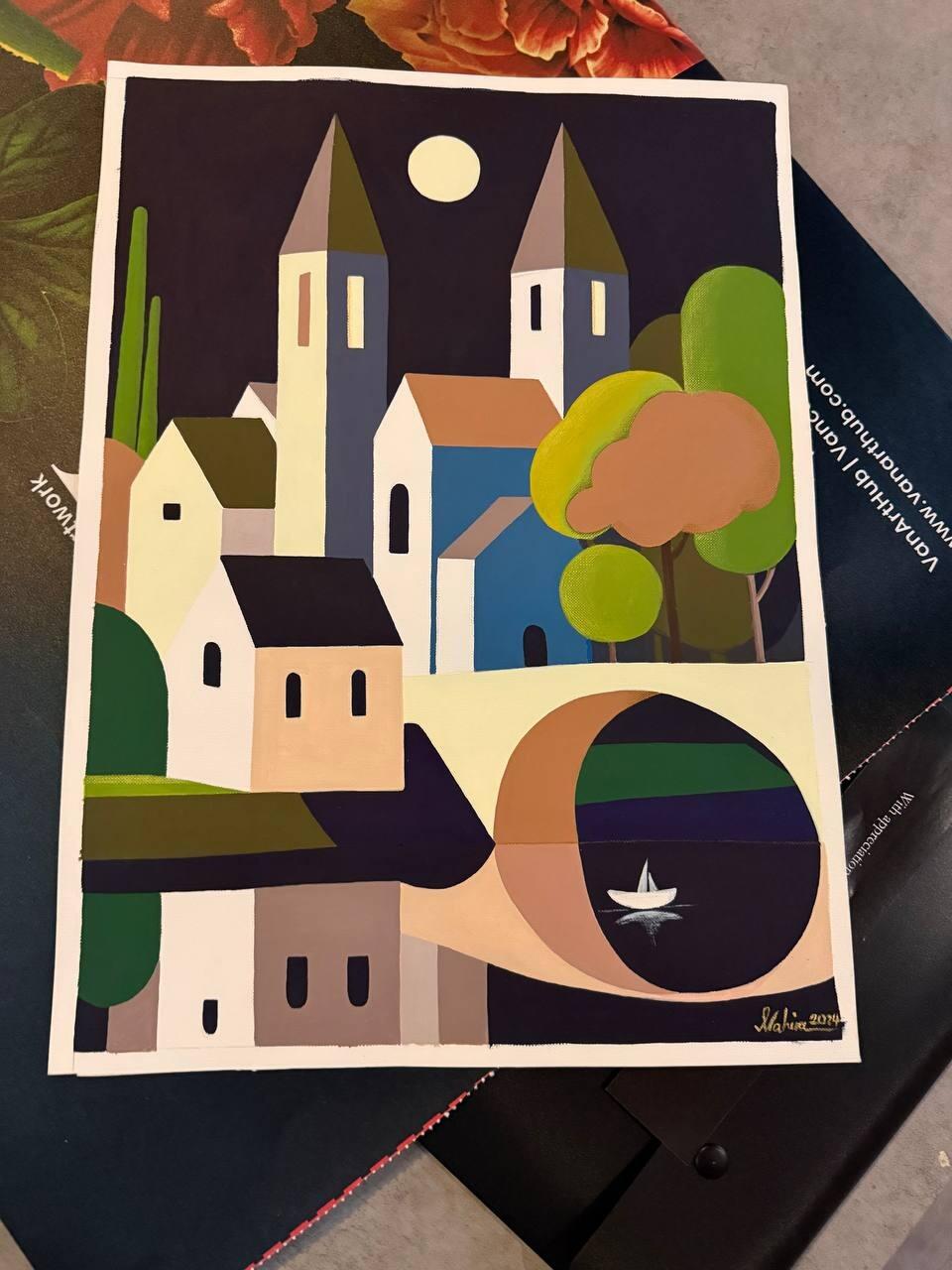
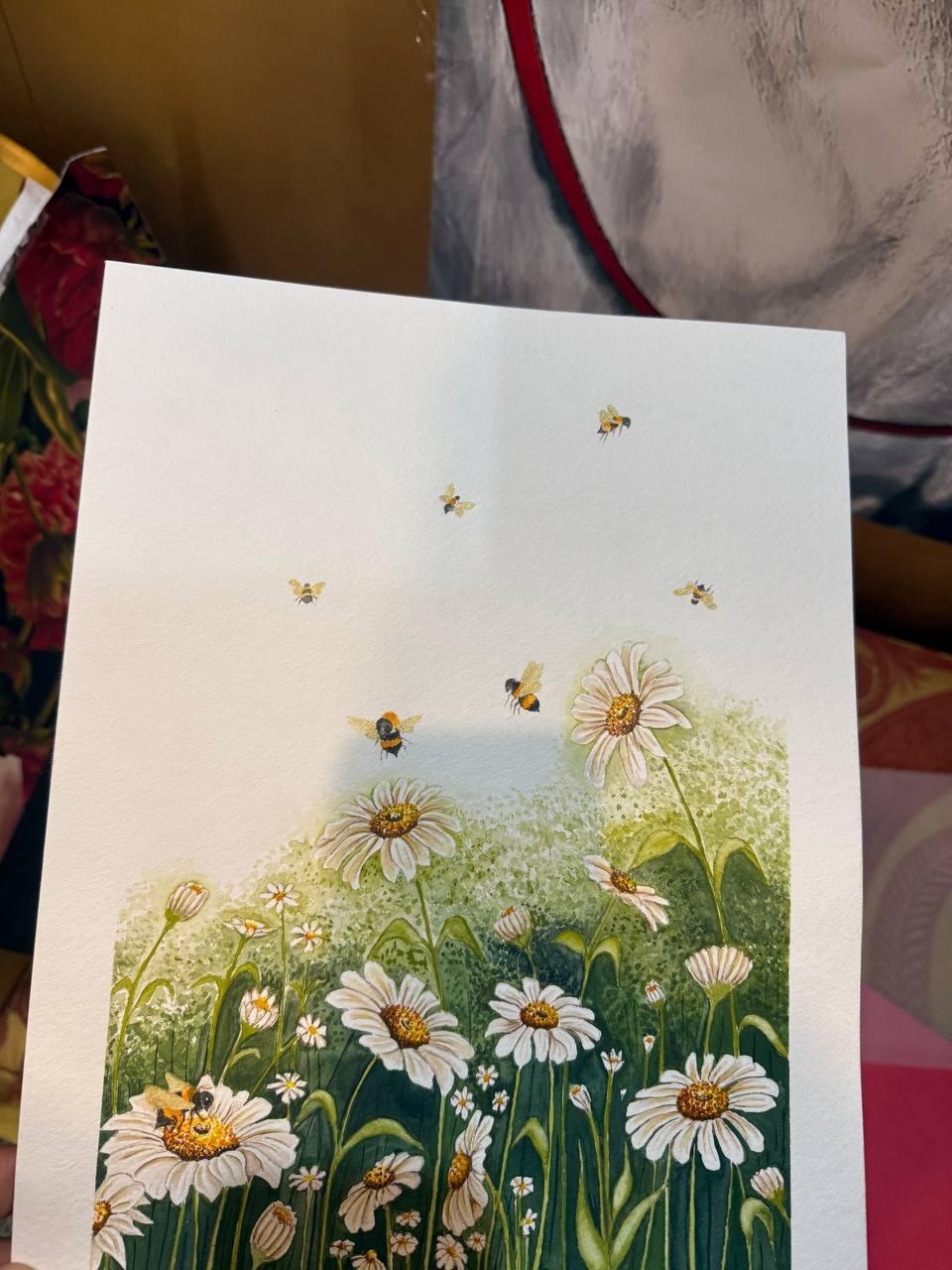
Browse the results of all this chemistry in our original oil paintings and acrylic paintings collections. Every piece is a one-of-a-kind original, signed by the artist.
Key Takeaways
- All paint is pigment plus binder: the binder names the medium (oil, acrylic, watercolour), while the pigment carries the colour and most of the permanence.
- Pigments come from four places: minerals such as iron oxide earths, plants, animals, and synthetic chemistry, which began with Prussian blue in 1704.
- Animal ingredients hide in plain sight: bone black from cattle bones, carmine from cochineal insects, ox gall in watercolour, rabbit-skin glue in traditional canvas.
- Mineral earth pigments are rated highly stable against light; insect and plant lake colours are among the fastest to fade, so keep originals out of direct sun.
- We have not audited our artists' materials and will not pretend we have. Ask us, and we will put the ingredients question to the artist before you buy.
Frequently Asked Questions
What is a pigment?
A pigment is the finely ground colour material in paint. It can come from minerals such as iron oxide earths, from plants, from animals such as the cochineal insect, or from a chemistry lab. The pigment gives the colour; it does not hold the paint together.
What is a binder in paint?
The binder is the glue that carries the pigment and fixes it to the canvas. Linseed oil is the binder in oil paint, a synthetic polymer emulsion is the binder in acrylics, and gum arabic, a tree sap, is the usual binder in watercolour.
Is bone black really made from animal bones?
Yes. Golden Artist Colors states plainly that its Bone Black pigment is made from carbonized cattle bones, and lists the products that contain it, including Jenkins Green and several Neutral Grays. Ivory black is the same pigment family, made from bone, not ivory.
Is acrylic paint vegan?
Mostly, but not automatically. The acrylic binder itself is synthetic, and by Golden's own account only Bone Black and the blends containing it are animal-derived among its acrylic colours. A given tube is only vegan if its specific pigment is too, so check the pigment number.
Which pigments fade fastest in daylight?
Insect-derived lake colours such as carmine made from cochineal are among the most light-sensitive pigments, according to the Canadian Conservation Institute, along with most historical plant dyes. Mineral pigments such as the iron oxide earths sit at the stable end of the scale.
Do oil paints contain animal ingredients?
The oil itself does not. Linseed oil is pressed from flax seed, a plant. Animal content enters through specific pigments such as bone black, through beeswax that some makers add as a stabilizer, and through rabbit-skin glue in traditional canvas preparation.
What is ox gall and why is it in watercolour?
Ox gall is bile from cattle, used for generations as a wetting agent that helps watercolour flow evenly. It is one of the least visible animal ingredients in art. Golden states that its QoR watercolour line uses a synthetic substitute instead.
What is rabbit-skin glue?
It is a traditional canvas sizing made from refined rabbit collagen, brushed onto raw canvas to seal and tighten it before painting. Modern acrylic gesso and acrylic sizings are synthetic alternatives, though Golden notes no synthetic tightens canvas in quite the same way.
Do VanArtHub paintings contain animal-derived materials?
We do not know for every piece, and we will not pretend otherwise. We have not audited our artists' tubes and canvases. What we will do is ask. If materials matter to you, tell us before you buy and we will put the question directly to the artist.
Does knowing the ingredients change how I should care for a painting?
A little, yes. If a work leans on earth pigments it is naturally resistant to fading; if it uses delicate lake colours, keep it out of direct sun. Either way the safe habits are the same: steady humidity, no direct sunlight, and careful handling.
Sources
- Canadian Conservation Institute: Caring for Paintings
- Golden Artist Colors: Animal Ingredients and Animal Testing
- Just Paint (Golden Artist Colors): Vegan and Animal-Free Paints and Art Materials
- Winsor & Newton: History of Pigments
- Harvard Museums of Science & Culture: Cochineal, How Mexico Made the World See Red
Data sourced August 2026. If you spot something out of date, let us know and we will update the guide.
About VanArtHub
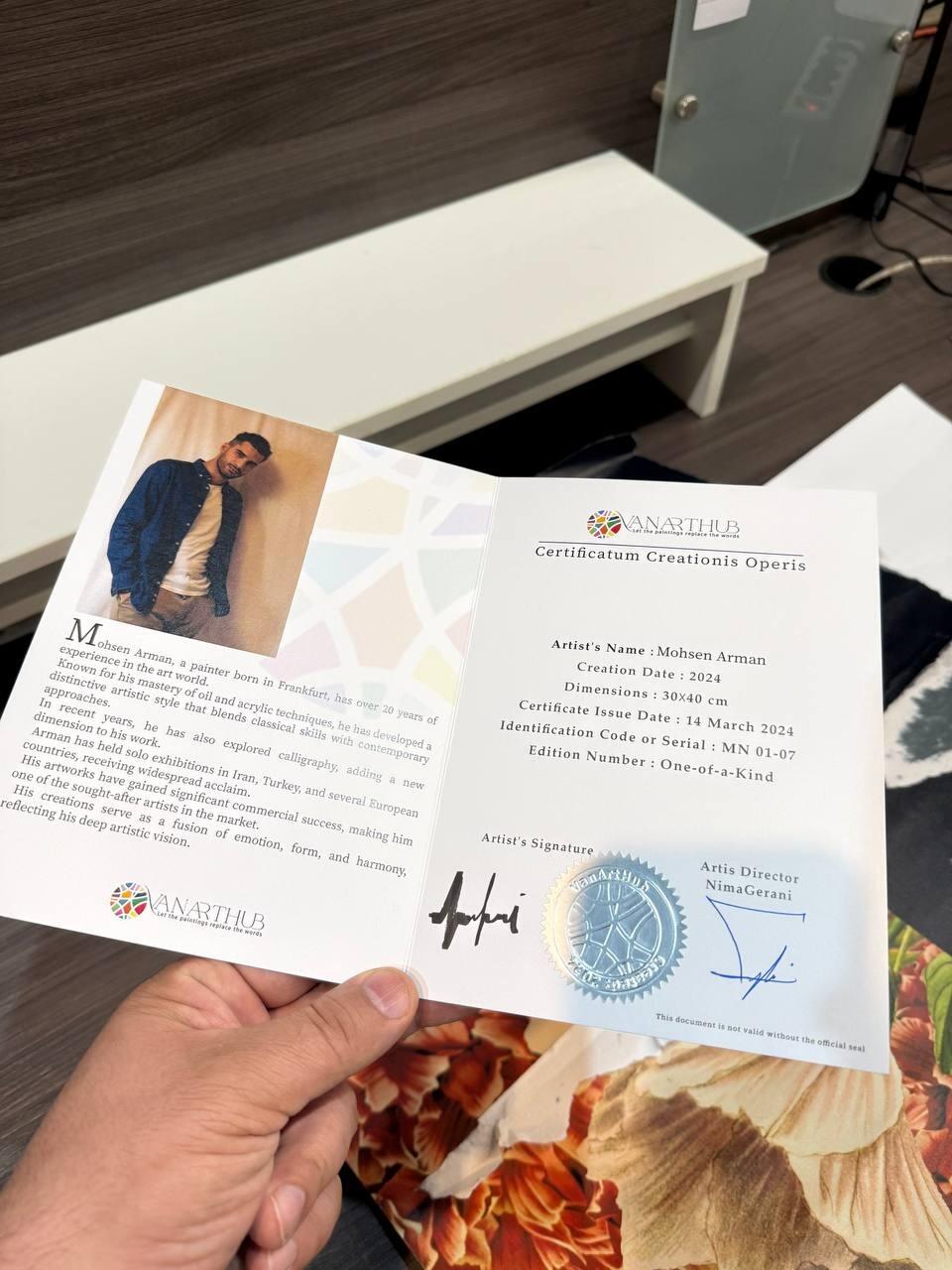
VanArtHub is a Vancouver gallery selling original, signed paintings, never prints or reproductions, with a Certificate of Authenticity accompanying every piece. Shipping is free and fully insured to Canada and the USA, and every work comes with a 14-day trial: live with it, and if it is not right, send it back for a full refund. Start with our fine art paintings collection.