Insuring Original Art Shipped From Canada to the USA
Updated By VanArtHub Curatorial TeamShare
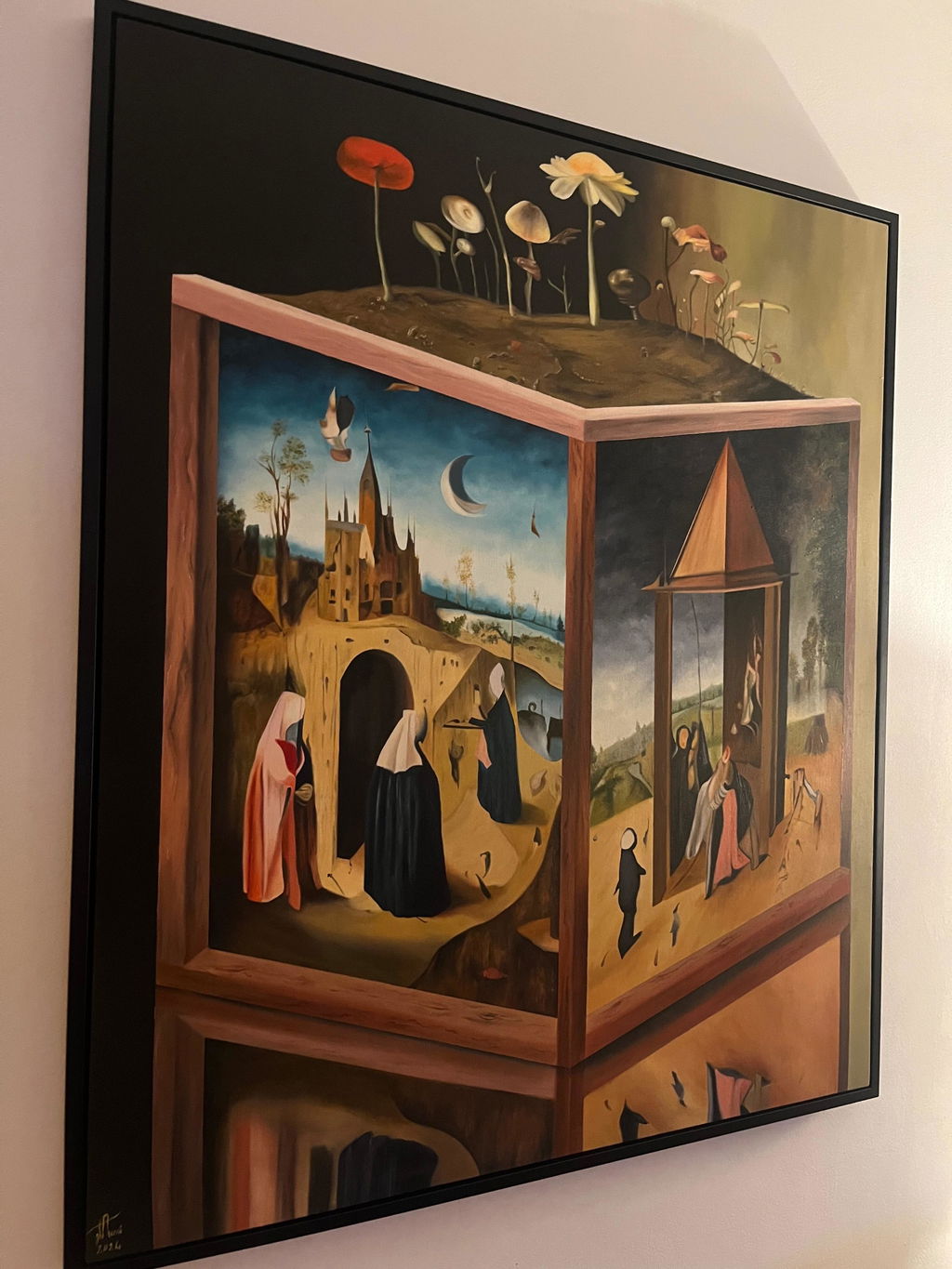
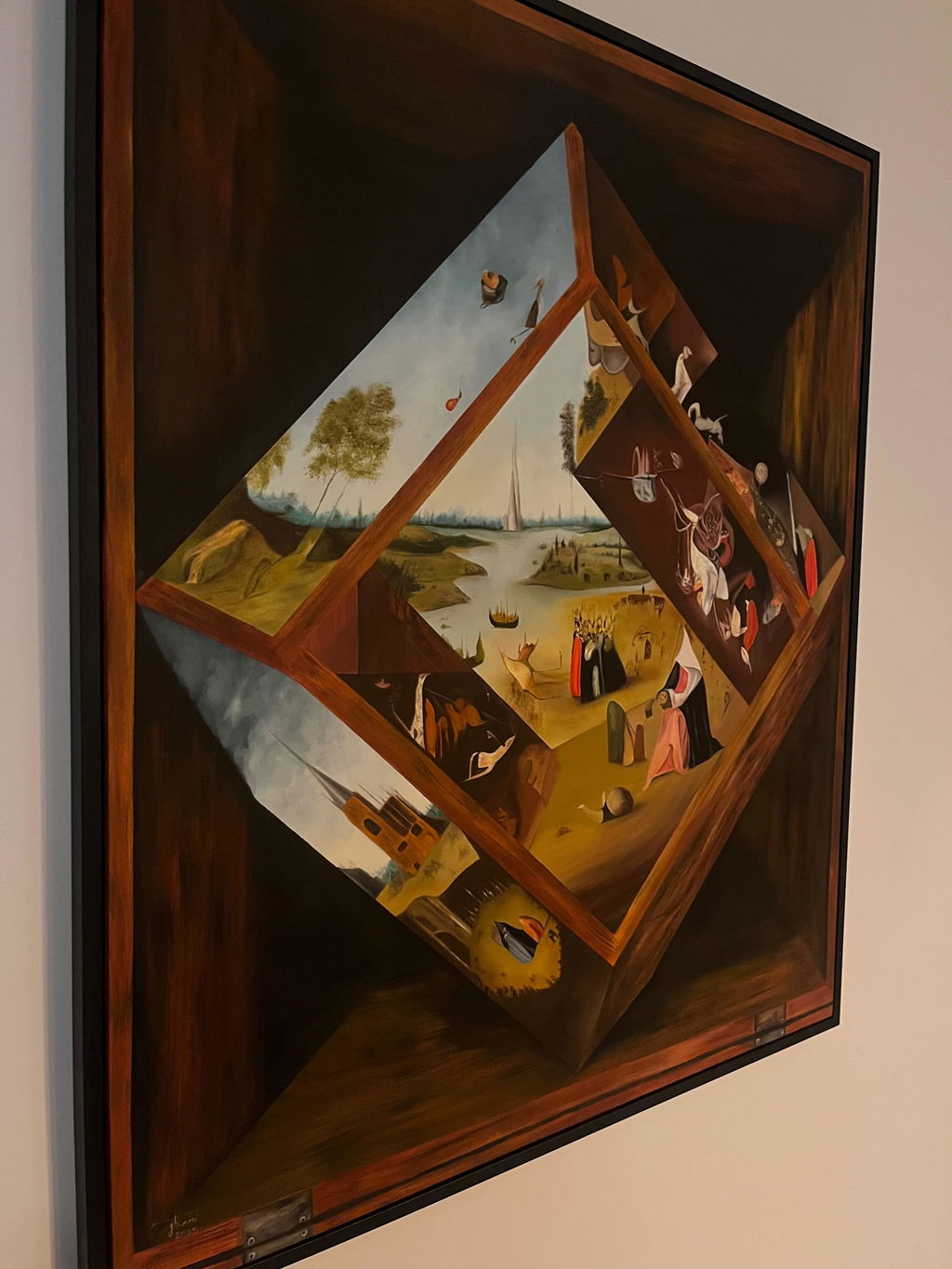
You found a painting you love, and it is a real original. There is only one. So the moment you click buy, a fair question shows up. What protects your money if the box is damaged between a studio in Canada and your wall in the United States?
We ship across that border often, and this is the question buyers ask us the most. Below is how the insurance actually works, in plain terms, and why an original is handled differently from a poster or a print.
What "fully insured shipping" really covers
When we say a shipment is fully insured, we mean the full sale value of the piece is protected while it is in transit. If the painting is lost or arrives damaged in a way that cannot be repaired, you are refunded or the situation is made right. You do not pay a separate fee for this. It is part of how every piece leaves us.
Insurance in shipping is tied to something called the declared value. That is the dollar figure written on the shipment. If a claim is ever needed, that number is the ceiling for what can be paid back. This is why the declared value has to match the real price you paid. A piece sent with a low or "generic" declared value would only pay back that low number, which would leave you short. We declare the true value, every time.
One thing to know up front. Insurance protects against transit accidents. It does not cover a change of heart. If the piece arrives in perfect shape and you simply decide it is not for you, that is a different path, and we cover that too through our trial, which we explain below.
How declared value works, and why it matters
Think of declared value as the promise on paper. Two identical looking boxes can carry very different protection depending on the number declared inside the system. A box marked at $50 pays back $50 if it is crushed, even if a $900 painting was inside.
For originals this is not a small detail. Each piece is unique, so there is no way to "just send another one." The declared value is the only way to turn a physical loss back into money you can use. We set it to the actual sale price, so the protection lines up with what the piece is worth to you.
If you want the full picture of how a cross-border shipment moves, including customs and timing, we wrote a separate guide on shipping original art from Canada to the USA. This post stays focused on the insurance and packing side.
What happens if a piece is damaged in transit
First, this is rare when a piece is packed properly. Most damage stories trace back to a thin box, not a rough courier. Still, accidents happen, so here is the process we follow.
When your piece arrives, open it and look it over before you hang it. Check the corners, the paint surface, and the frame if there is one. If something looks wrong, take photos right away, keep the box and all the packing, and contact us. Do not throw the packaging out, because a claim often needs to see how the piece was packed and where the impact landed.
From there we handle the claim with the carrier. You are not left to argue with a shipping company on your own. Because the piece was sent with its full declared value, the resolution is based on the real price, not a token amount. Depending on the damage, that means a repair by a conservator, or a refund if the work cannot be restored to its original state.
The key habit on your end is speed. Report damage quickly and hold onto everything. A clear set of photos taken the day it arrives makes the whole process simple.
Why professional packing is half the protection
Insurance pays you back after something goes wrong. Good packing stops it from going wrong in the first place. We treat packing as the real defense, and insurance as the backup.
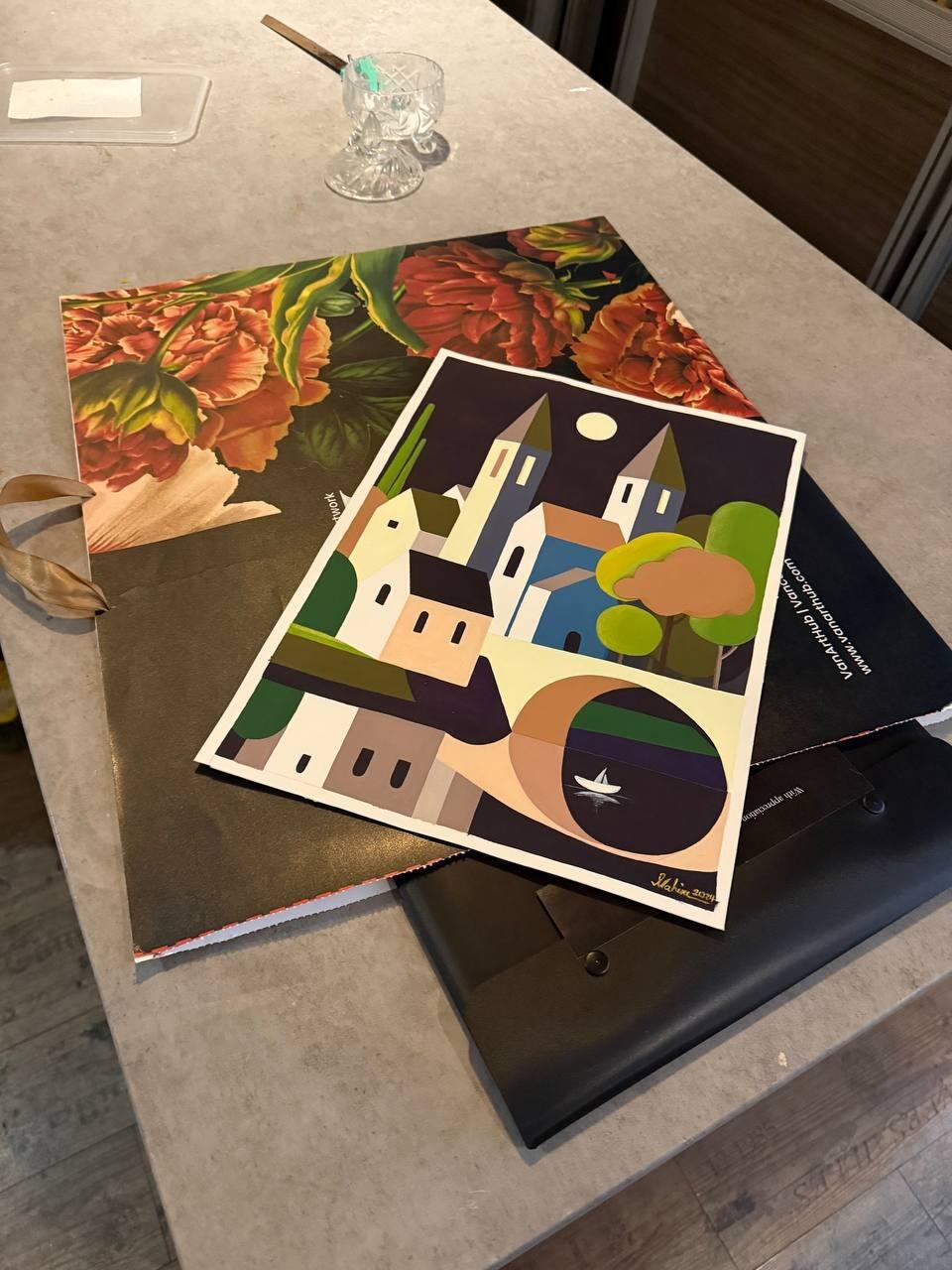
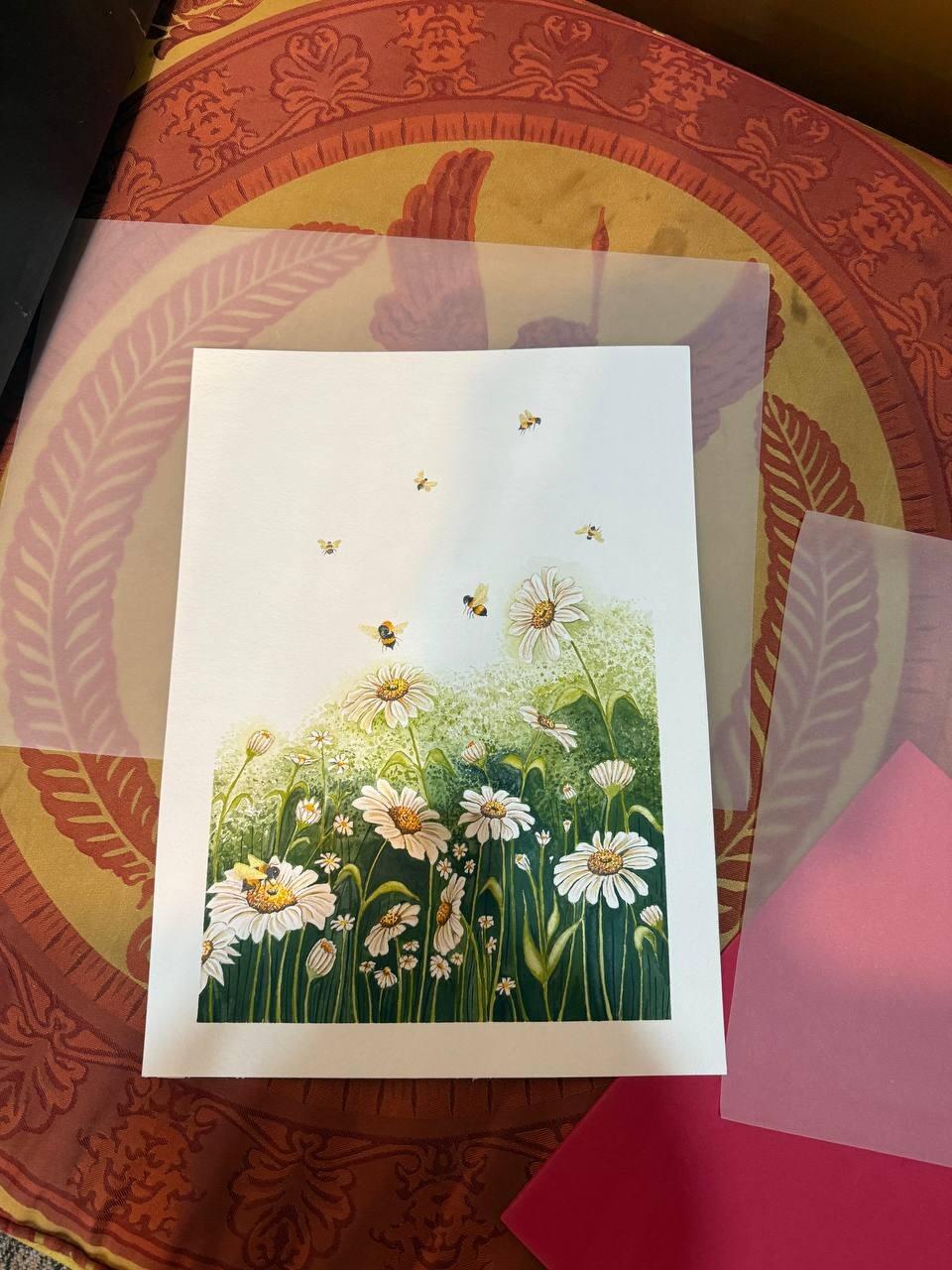
For a painting on canvas, the surface is the delicate part. Pressure on the front can leave a mark in the paint, and a hard knock on a corner can dent a stretcher bar. So a piece needs a rigid outer box, foam or corner blocks that hold it away from the walls of the box, and a face that nothing presses against. For works on paper or under glass, the sheet gets a flat rigid backing so it cannot bend, and the glass is taped or protected so a crack cannot travel across the surface.
Temperature and handling matter too. A well built box lets the piece take a normal bump without the shock reaching the art. That is the whole goal. The box is meant to fail before the painting does.
How buying an original differs from shipping a poster
Here is the difference that changes everything. A poster is a copy. If it creases in the mail, you order another one and forget about it. The value sits in the file, not the sheet, so the risk is low and the packing can be light.
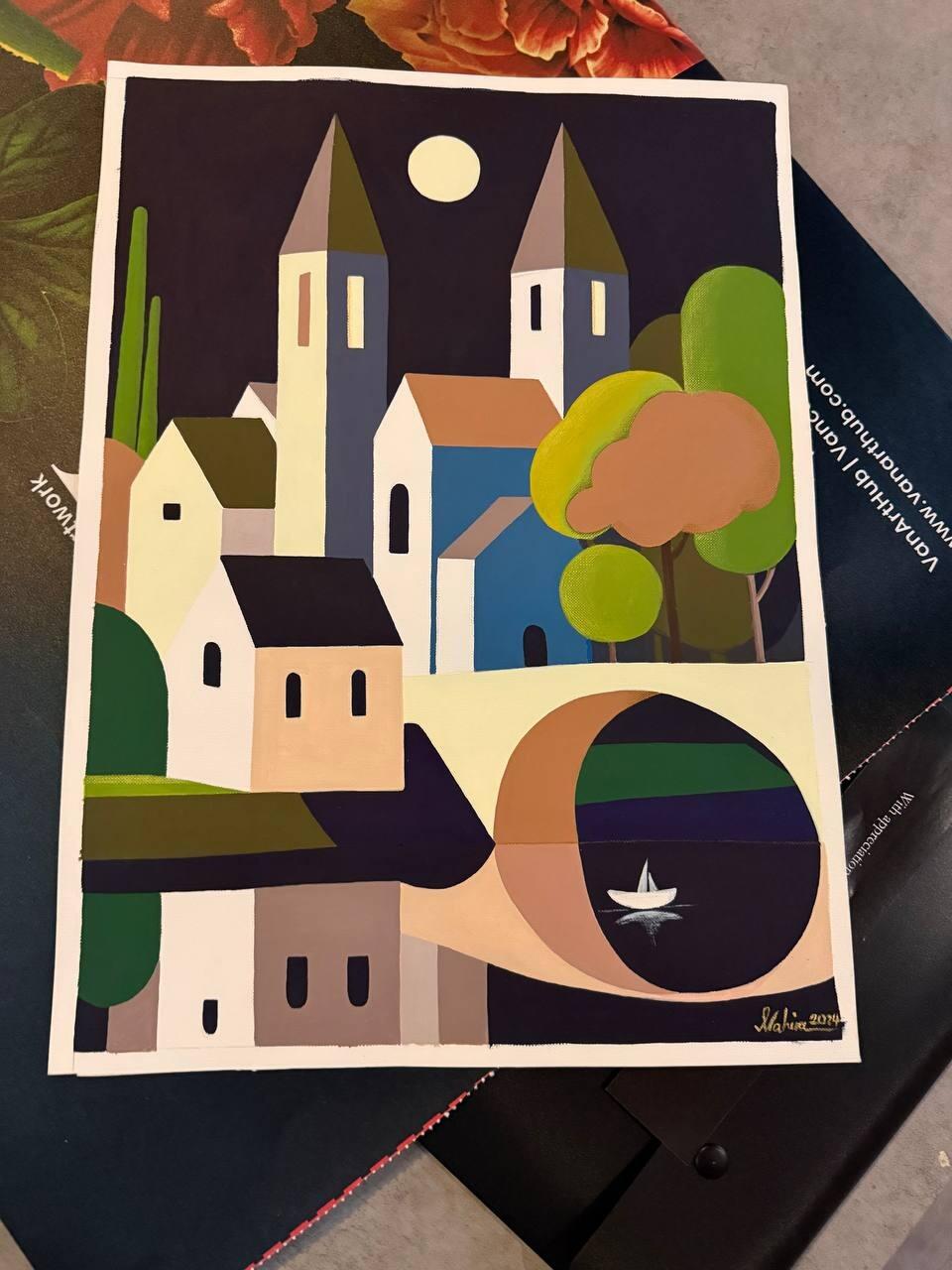
An original has no backup file. The value lives in that exact physical object, in the real paint and the artist's own hand. If you want to understand why that gap is so wide, our piece on the difference between an original, a print, a reproduction, and a giclee breaks it down. The short version is that an original carries all of its worth in one fragile thing, so it deserves stronger packing and honest insurance, not the light treatment a printed copy gets.
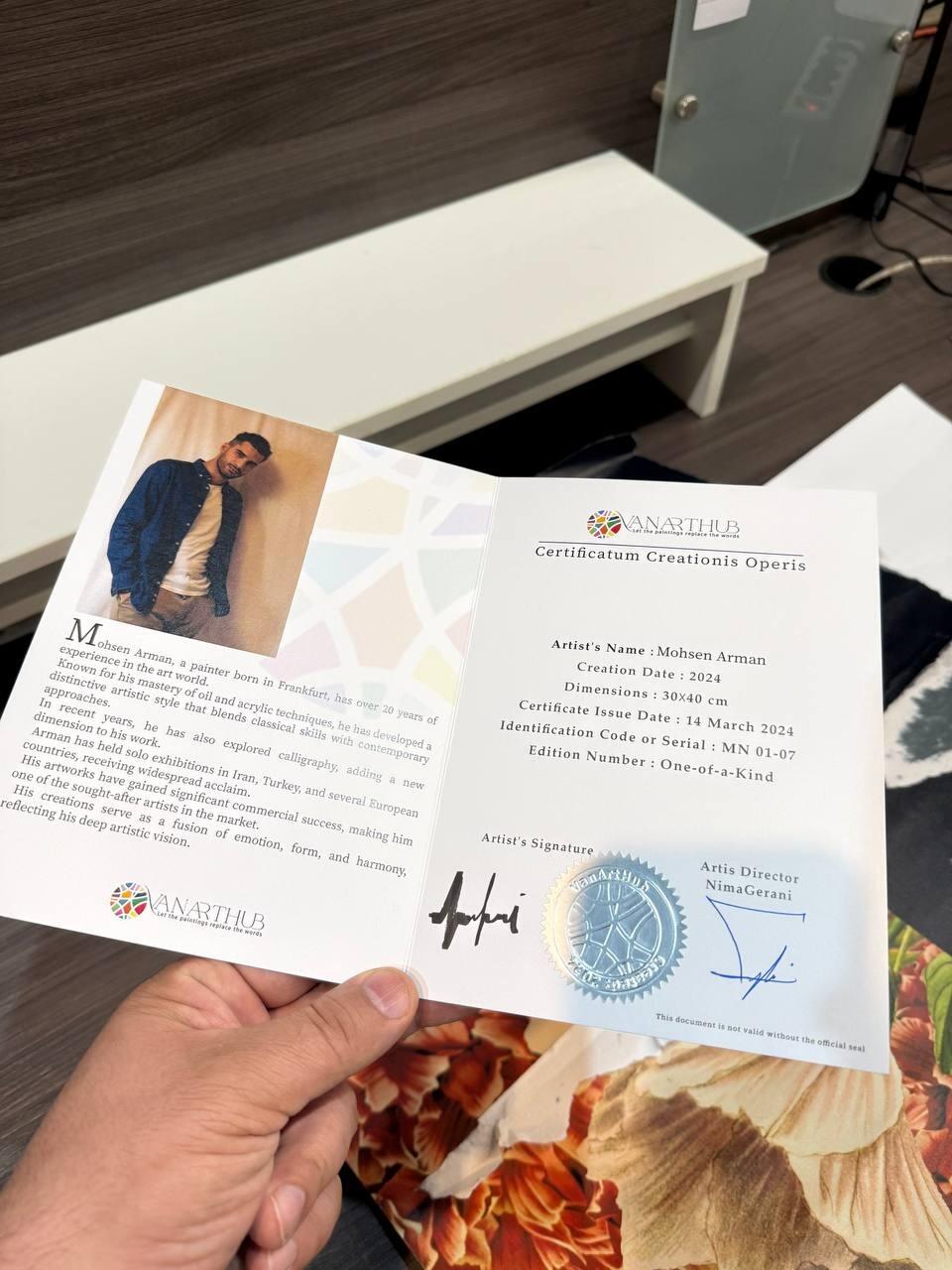
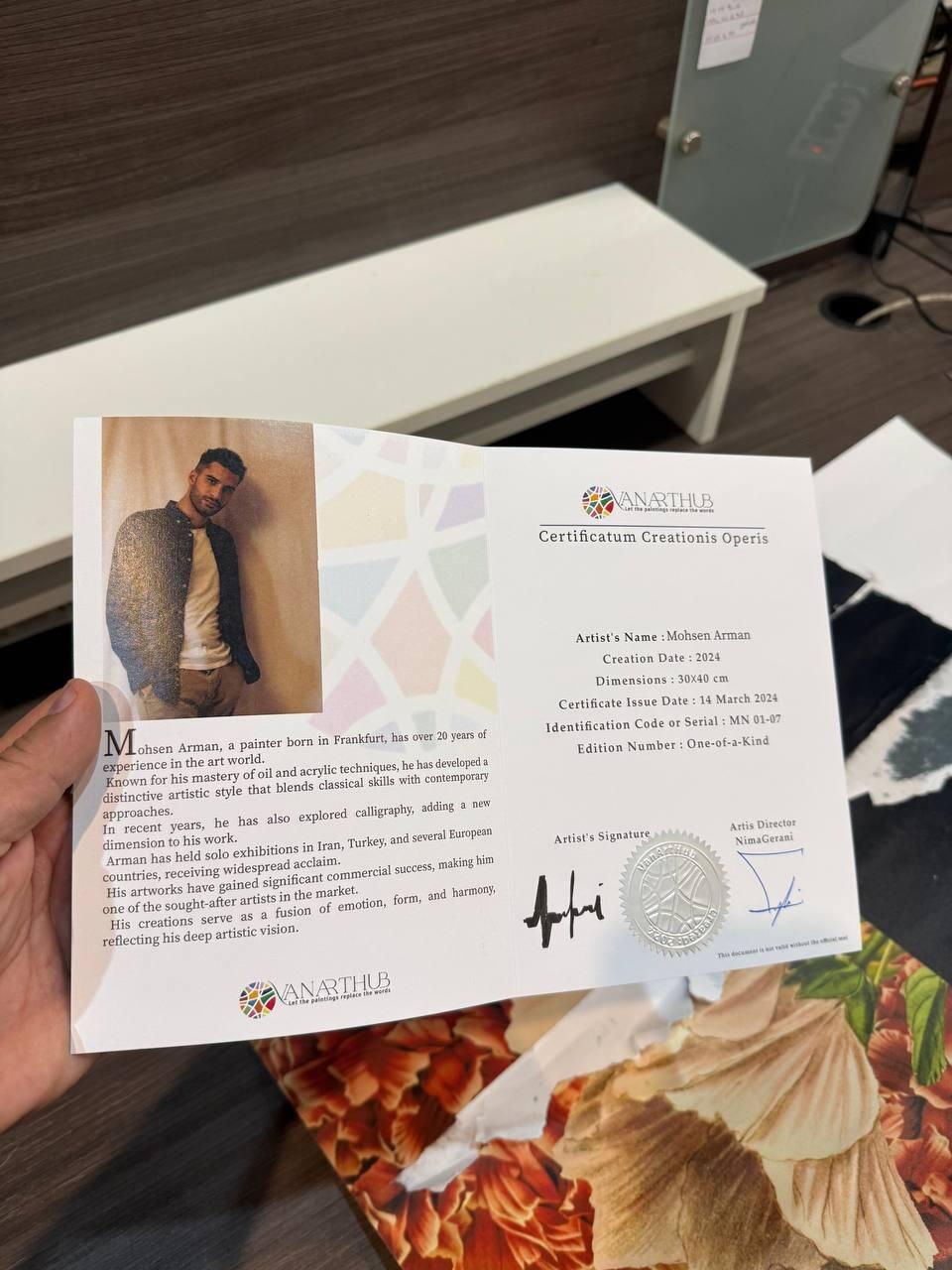
This is also why the Certificate of Authenticity that ships with each piece matters for protection, not just pride. It records exactly what the work is. If you want the detail on that, see our guide on what a Certificate of Authenticity is for art.
What we do on every cross-border shipment
To keep it concrete, here is our standard practice for a piece traveling from Vancouver to a home in the United States. Every piece ships fully insured at its real sale value, at no extra cost to you. Shipping to the USA usually takes 5 to 10 business days, and within Canada it is 3 to 7 business days. Each piece is packed for real transit, not just wrapped, so the box takes the hits instead of the art.
You also get a 14 day trial. If the piece arrives safely and you decide it is not right for the room, you can return it within 14 days for a full refund, and we pay the return shipping. That covers the "changed my mind" case, which insurance does not. Between the insurance for transit and the trial for taste, both kinds of risk are handled.
The short version
Fully insured shipping means the full sale value of your original is protected while it travels. The declared value has to match what you paid, or a claim would only pay back a token amount, so we always declare the real price. If a piece arrives damaged, photograph it, keep all the packing, and contact us fast, and we handle the claim so the outcome is based on the real value. Good packing does most of the work by making the box fail before the art does. Because an original has no backup copy, unlike a poster, it earns stronger packing and honest insurance. Every VanArtHub piece ships fully insured at no extra cost, arrives in 5 to 10 business days to the USA, and carries a 14 day trial with free returns for the times insurance does not apply.
Shipping insurance covers the piece until it reaches your wall. After that, protecting it is a separate step. See our guide on how to insure an original painting at home for scheduled versus blanket coverage and what to keep on file.
Frequently Asked Questions
Does insured shipping cost extra when buying original art?
No. Every VanArtHub piece ships fully insured at its real sale value at no extra cost to you. Shipping to the USA usually takes 5 to 10 business days and within Canada 3 to 7 business days.
What should I do if my painting arrives damaged?
Open and inspect the piece before hanging it. If you see damage, take clear photos right away, keep the box and all packing materials, and contact us. Do not discard the packaging, since a claim often needs to see how the piece was packed and where the impact landed.
Why is declared value important for shipping an original painting?
Declared value is the figure a claim is paid against. If it is set low, a damaged piece would only pay back that low amount even if the painting was worth far more. We declare the true sale price so the protection matches what you paid, which matters because an original is one of a kind and cannot simply be reprinted.
Does insurance cover a change of mind, not just damage?
No. Insurance protects against transit accidents, such as loss or damage in shipping. It does not cover simply deciding the piece is not right for you. That case is handled separately through the 14 day trial, which lets you return an undamaged piece for a full refund with return shipping covered.
Why does an original need stronger packing than a poster?
A poster is a copy, so if it is damaged in the mail you can order another one and the value is not lost. An original has no backup file. The value lives in that one physical object, so it needs a rigid outer box, foam or corner blocks that keep it away from the box walls, and nothing pressing on the painted surface.
How does VanArtHub handle a damage claim with the carrier?
VanArtHub handles the claim directly with the carrier rather than leaving you to argue with a shipping company on your own. Because the piece was shipped at its full declared value, the resolution is based on the real price you paid, and depending on the damage that means either a repair by a conservator or a refund.
When the box arrives: see receiving a painting shipped from Canada for unpacking, letting a canvas adjust to your home, and checking its condition.