What Is a Certificate of Authenticity for Art? A Buyer's Guide
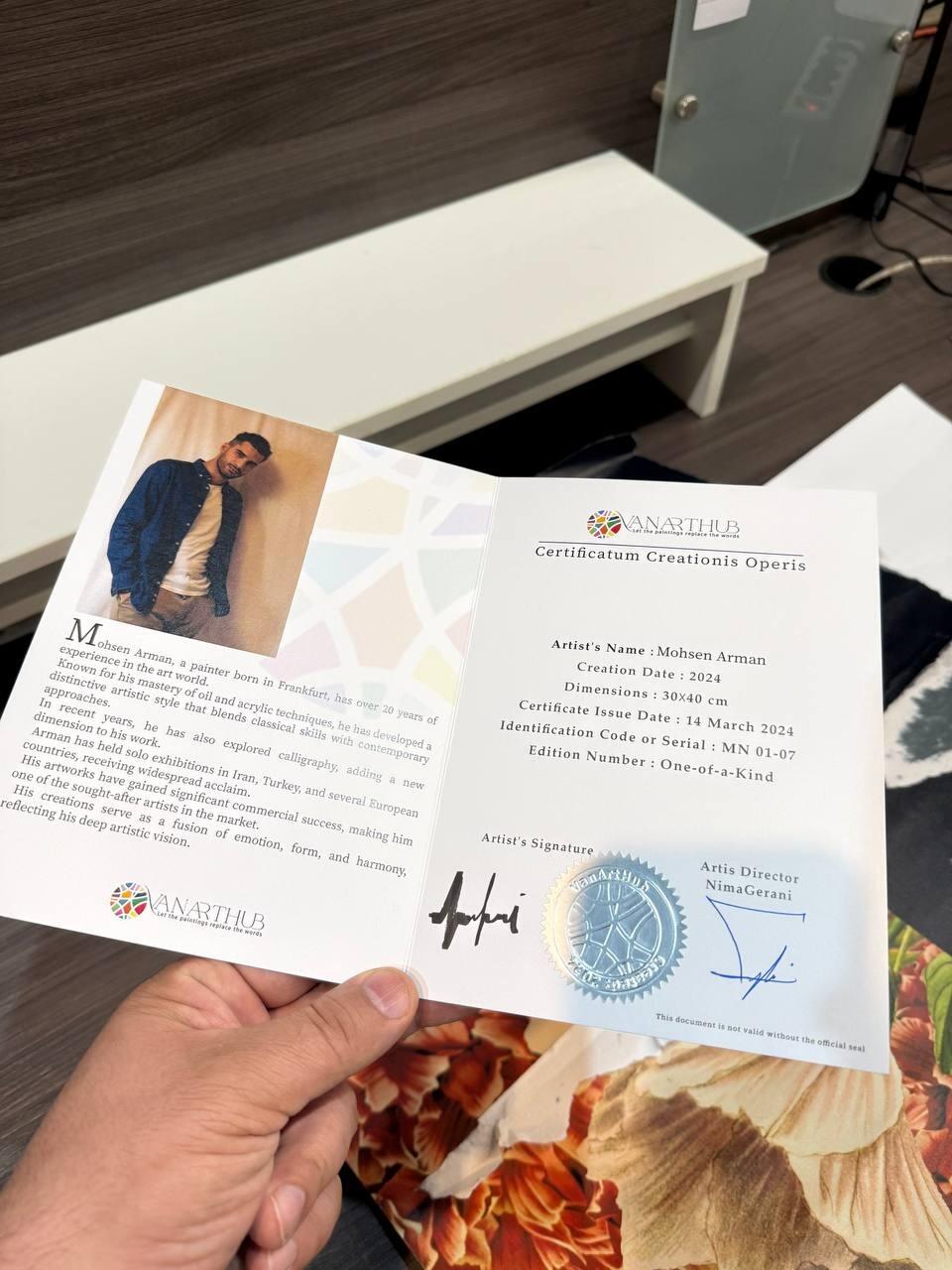
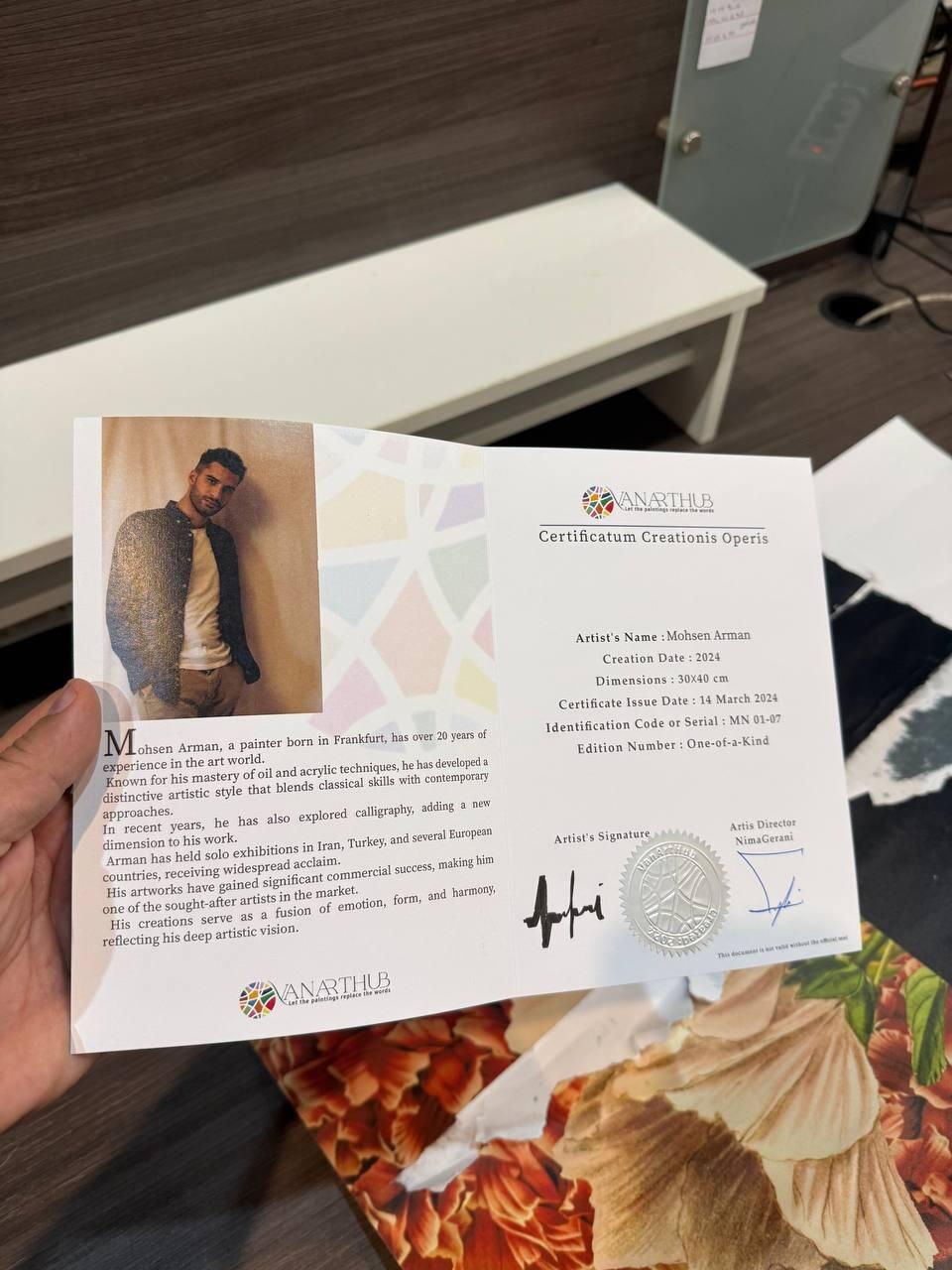
UpdatedA Certificate of Authenticity, often shortened to COA, is a signed document that records exactly what a painting is and confirms that it is genuine. It states the title, the artist, the medium, the size, and the year, and it links the work back to the person who made it. That record is what supports the painting's provenance, its history of ownership, and it is one of the first things a serious buyer or an insurer asks to see. At VanArtHub, an online gallery that sells original signed paintings to collectors in Canada and the USA, every piece ships with one.

What a Certificate of Authenticity actually is
Think of the COA as the identity paper for a painting. It does not make the art valuable on its own. What it does is tie one specific object to one specific artist and moment in time, in writing, so that anyone who owns the work later can prove what it is. The International Foundation for Art Research, a non-profit that studies authenticity and ownership, calls the ownership history of a work of art, its provenance, "of fundamental importance," and treats documentation as a real step in checking a work before you buy it (see IFAR Provenance Guide relaunch, 2017). A COA is the starting point of that paper record.
The question we get most often is whether a COA is a legal contract. It is not. It is a statement of fact from the artist or the gallery. Its strength comes from who signed it and how closely that person is connected to the work. A certificate from the artist who painted the piece carries real weight. A certificate printed by a random reseller with no link to the artist carries almost none.
What a proper COA must include
A weak certificate is vague. A good one is specific enough that you could match the paper to the painting years later, even if the two were separated. Based on gallery practice and on guidance from sources like Contemporary Art Issue, here is what a strong certificate records.
- The title of the work, or a catalog code if the piece is untitled.
- The full name of the artist.
- The medium, for example oil on canvas or acrylic on wood panel, described in real terms rather than one vague word.
- The exact dimensions, given in both centimeters and inches, and framed size if it applies.
- The year the work was made.
- Edition status. For an original, this says one of a kind. For a print, it gives the edition number.
- A handwritten signature from the artist or the gallery, not a printed one.
- Provenance details and contact information for whoever issued it, so the record can be checked.
Contemporary Art Issue also recommends attaching a high-resolution photo of the whole work, so the certificate and the painting can be matched again if they ever get separated (How to Create a Certificate of Authenticity). We think that is good advice for any collector keeping records.
Why it matters for provenance, insurance, and resale
Three practical reasons, and none of them is decoration. The first is provenance. Every time a painting changes hands, the COA travels with it and becomes the anchor of its ownership history. IFAR frames provenance research as part of the due diligence a careful buyer does before acquiring a work. A clear certificate makes that history easy to follow instead of a guess.
The second is insurance. If you insure a painting and later need to file a claim, the insurer wants proof of what the piece is and who made it. A certificate with the title, artist, medium, size, and year gives them that in one page. Without it, you are trying to describe a lost object from memory.
The third is resale. When you sell a painting, the next buyer runs the same checks you did. A painting with a signed certificate and a clean record is simpler to sell and holds its value better than the same painting with no paperwork. In our experience at VanArtHub, buyers relax the moment they see the documentation is in order. If you want to see how we handle this before you buy, we lay it out on our buy with confidence page.
Red flags of a weak or fake certificate
Not every certificate is worth the paper. Some are made to make a fake look real. Wikipedia's entry on the subject notes that on some online auction sites "most of these COAs have been produced by fraudulent sellers to encourage buyers to buy fake items," and that such certificates "are worthless and have no traceability" (Certificate of authenticity, Wikipedia). Here are the warning signs we tell buyers to watch for.
- No link to the artist. The certificate never names the person who made the work, or names them but shows no connection to them.
- No specifics. It says "original painting" but leaves out the title, size, medium, or year.
- A printed or stamped signature instead of a real handwritten one.
- Issued by an unrelated third party with no contact details you can check.
- The details on the paper do not match the painting in front of you.
Wikipedia puts it plainly: a certificate is "of no value unless it contains full contact details of the issuer." If you cannot trace it back to a real person or gallery, treat it as if it were not there.
How to store your certificate
Once you own the painting, keep the certificate safe and keep it findable. Store it flat, away from damp and direct sun, in a folder or a plastic sleeve with the rest of the artwork's records. Take a clear photo of it and save that photo in the same place you keep your insurance documents. If the work ever moves, the paper should move with it. A painting and its certificate are worth more together than apart, and a certificate you cannot find when an insurer or a buyer asks does you no good.
People do lose them. If that happens, contact the gallery or artist who issued it. A real issuer keeps records and can usually confirm the work and reissue documentation. That is one more reason to buy from a seller you can actually reach later, which is part of why we tell buyers to check who stands behind a piece before they pay.
Key takeaways
- A Certificate of Authenticity is a signed record that ties one painting to one artist and confirms it is genuine.
- A strong COA lists the title, artist, medium, exact dimensions, year, edition status, a handwritten signature, and issuer contact details.
- It supports provenance, makes insurance claims possible, and helps resale value hold.
- Warning signs are no artist link, no specifics, a printed signature, and an unreachable third-party issuer.
- Store the certificate flat and safe, photograph it, and keep it with the painting.
Frequently asked questions
What should a Certificate of Authenticity include?
It should include the title of the work, the full name of the artist, the medium, the exact dimensions, the year it was made, edition status, a handwritten signature, and contact details for whoever issued it. Those fields let anyone match the paper to the painting later. A photo of the work is a useful extra.
Is a COA proof that a painting is real?
It is strong supporting evidence, not final proof on its own. Its value depends on who signed it. A certificate from the artist who made the work, or from a gallery that can be contacted and checked, means a lot. A certificate from an unknown third party with no traceable details means very little.
Can a Certificate of Authenticity be faked?
Yes. Fake certificates exist, and they are often used to make a fake painting look genuine. This is why the issuer matters more than the paper itself. If the certificate has no link to the artist, no specific details about the work, or no way to contact the issuer, treat it with caution.
Do I need the COA to resell a painting?
You are not legally required to have one, but selling is easier and the price holds better with it. The next buyer runs the same checks you did. A signed certificate and a clean ownership record answer their questions fast, so the sale moves quicker and with fewer doubts.
What if I lose the certificate?
Contact the gallery or artist who issued it. A real issuer keeps records of the works they sold and can usually confirm the piece and reissue documentation. This is one reason to buy from a seller you can reach again, not an anonymous listing.
Does every VanArtHub painting come with one?
Yes. Every original we sell ships with a signed Certificate of Authenticity that records the title, the artist, the medium, and the dimensions. You can browse the full gallery of original artworks and every piece includes it.
Is a COA the same thing as provenance?
No, but they work together. Provenance is the full history of who has owned the work over time. The certificate is the anchor document at the start of that history. IFAR treats a work's ownership history as fundamentally important, and a clear certificate makes that history simple to follow.
Who should sign the certificate?
The artist is best, since they made the work. A gallery that sold the piece and can be contacted is also valid. What matters is that the signer has a real connection to the painting and can be reached to confirm it. A signature from an unrelated party adds nothing.
Does a certificate need a photo of the painting?
It is not required, but it helps. A high-resolution photo of the whole work lets you match the certificate to the painting if the two ever get separated. Contemporary Art Issue recommends it, and we think it is smart record-keeping for any collector.
Do prints and originals get different certificates?
The fields are similar, but the edition line differs. An original says one of a kind. A print states the edition number, for example 12 of 50. Since VanArtHub sells original one-of-a-kind paintings, our certificates record the work as an original, not part of an edition.
Will a certificate raise the value of my painting?
Not by itself. The certificate does not add value the way a frame or a signature by a famous name might. What it does is protect the value the painting already has by making its identity and history easy to prove. A genuine painting with clean paperwork is easier to insure and sell than the same painting with none.
How do I keep the certificate safe over the years?
Store it flat, out of damp and direct sunlight, in a sleeve or folder with your other artwork records. Photograph it and save the photo with your insurance papers. Keep it with the painting so the two never drift apart. You can read more about how we document each piece on our about page.
Sources
- International Foundation for Art Research (IFAR), Provenance Guide relaunched and expanded, 2017
- Certificate of authenticity, Wikipedia, 2026
- Contemporary Art Issue, How to Create a Certificate of Authenticity, 2026
Data checked July 2026. If something looks out of date, tell us and we will update it.
About VanArtHub
VanArtHub is an online gallery that sells original, signed, one-of-a-kind paintings to collectors in Canada and the USA. Every piece ships with a Certificate of Authenticity that records the title, the artist, the medium, and the dimensions, so your painting arrives with its identity documented from day one. Browse the full collection of original artworks and find a piece you can own with the paperwork done right.
Related guides: Signed original Canadian paintings · Vancouver artists and their studios · How original Canadian art is priced · What cracks in an older painting mean for its condition · Choosing a frame colour once your painting arrives