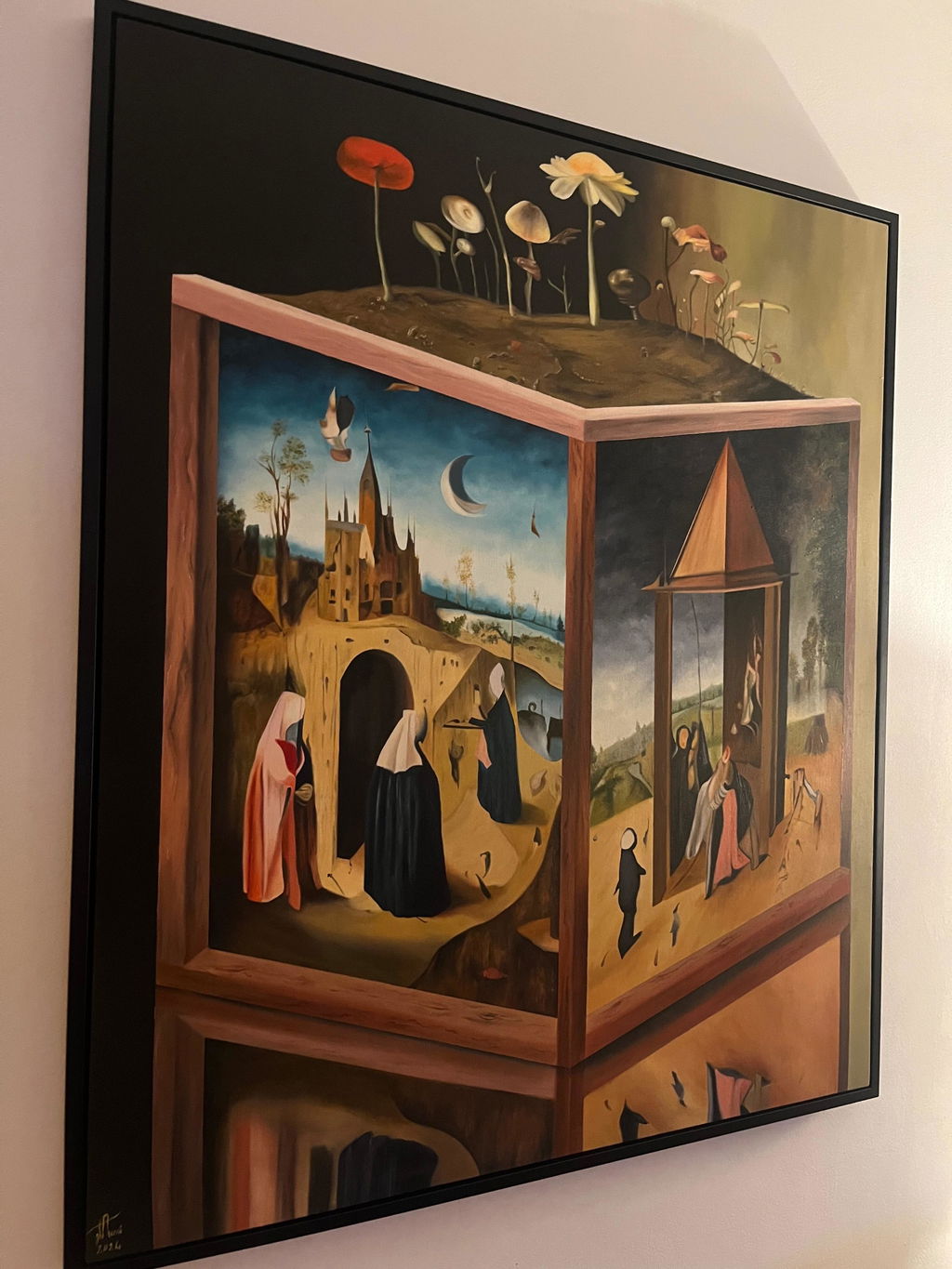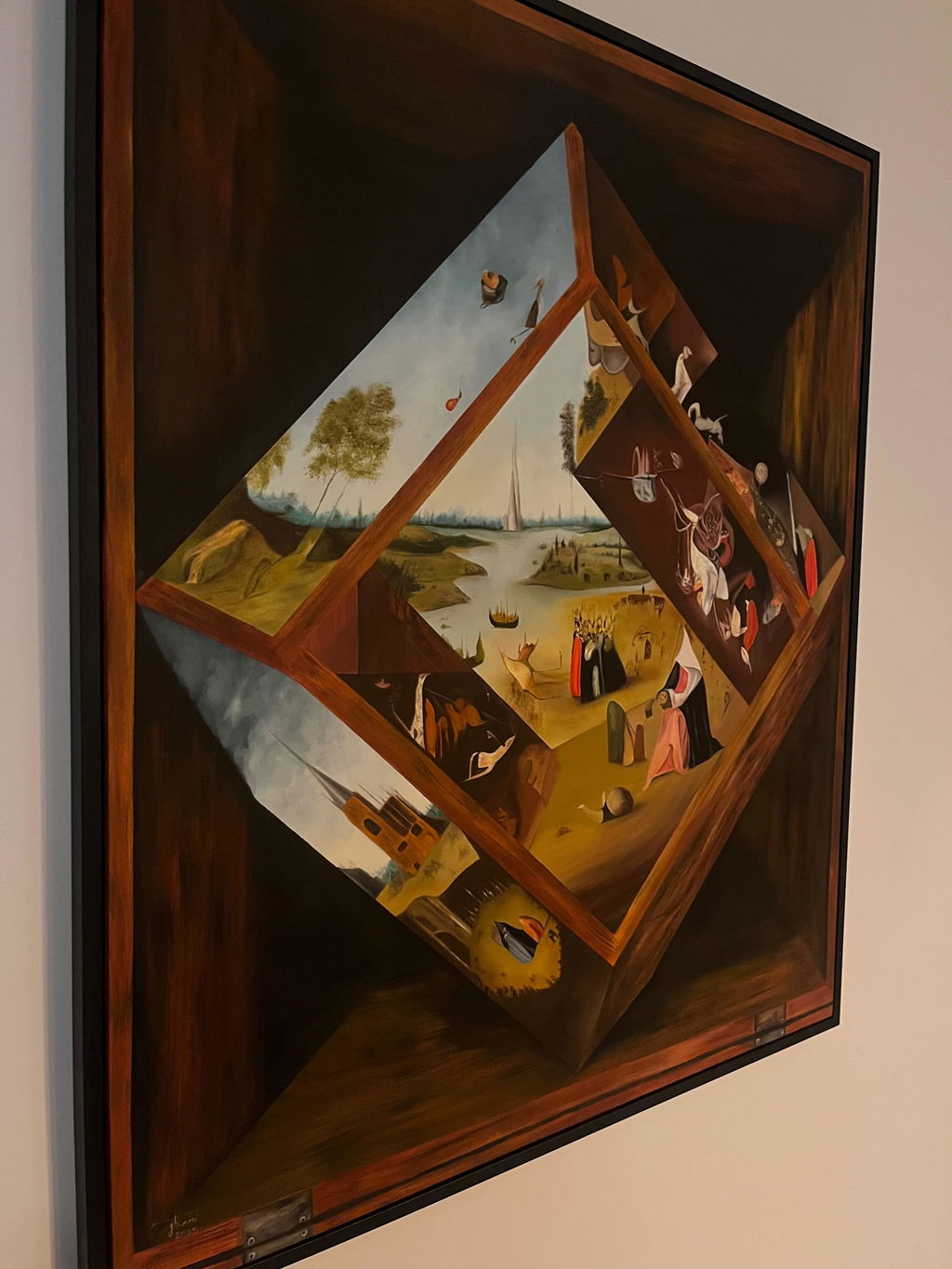
How Artists Name a Painting, and Why the Title Matters
Updated By VanArtHub Curatorial TeamShare
A painting arrives at the gallery finished, photographed, and priced, and then somebody has to write the line underneath it. That line is often harder for the artist than the last week of painting was. We have watched people who spent two months on a canvas change its title four times in a fortnight.
The title is the last decision and it feels like the wrong kind of work
Painting is physical. You mix, you look, you scrape back, you look again. Naming uses a completely different part of the brain, and it arrives when the artist is already finished with the piece emotionally.
Some artists title everything as they go and never revisit it. Some leave finished canvases against a studio wall for weeks with nothing written on the back, waiting for the titles to arrive. The second group tends to produce better titles and later deadlines.
There is a practical reason the title comes last. A painting changes while it is being made. A work that began as a study of a harbour can end up being about grey light, and an early title would describe a painting that no longer exists.
The range, from a plain description to a door left open
Titles sit on a line, and where an artist sits on it tells you how they want you to look.
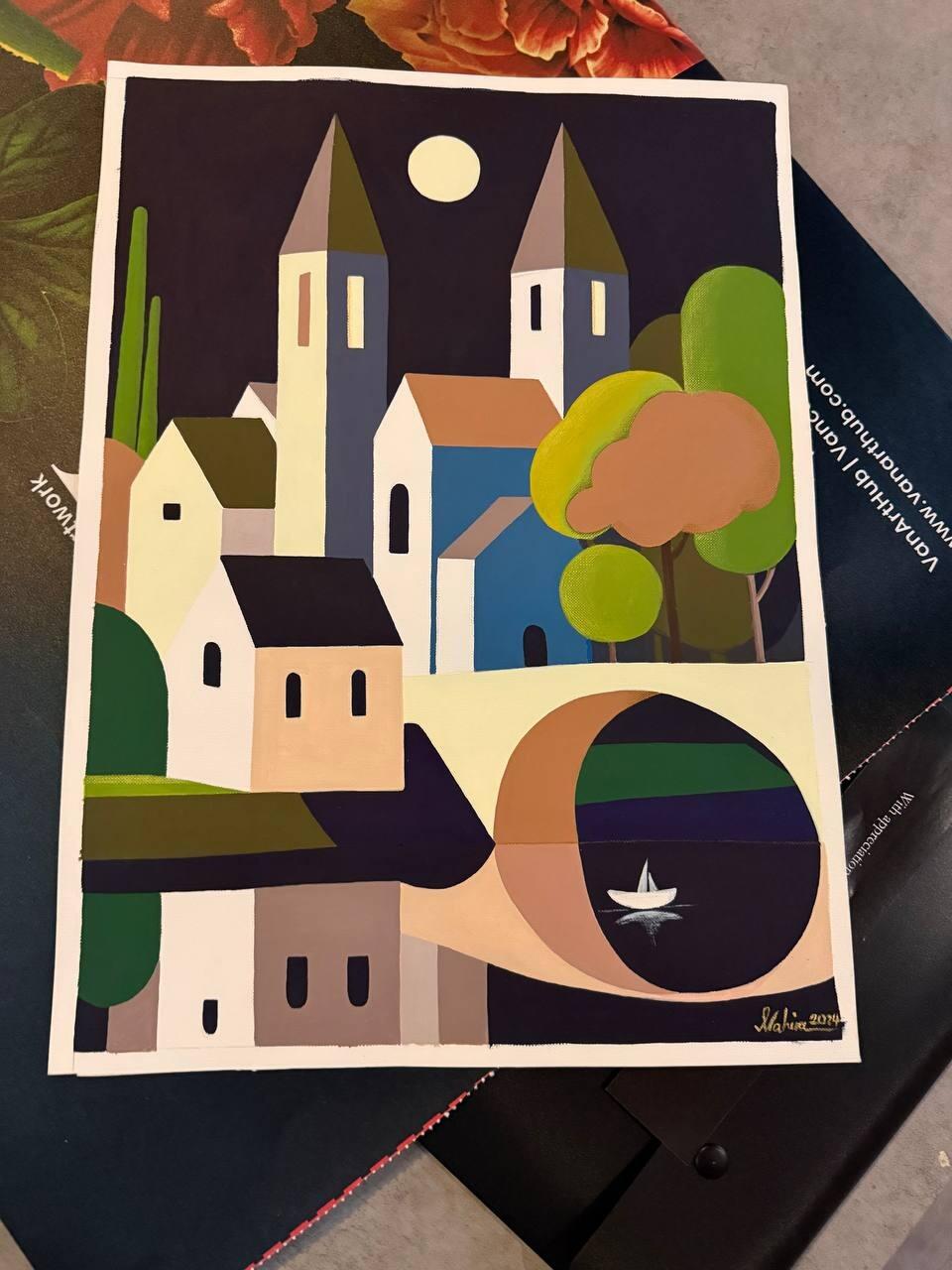
At the descriptive end, the title names what is there. A place, a time of day, a season, a sitter's name. It does very little beyond helping you find the painting again. Landscape painters use this end most, partly because the subject is already specific.
In the middle, a title names something in the picture and tilts your reading of it. Calling a coastal painting by the name of the beach is descriptive. Calling it by the hour or the weather moves your attention from the place to the light.
At the open end you get a phrase that appears nowhere in the image, reading as a thought the artist was having rather than a label. People either love these or find them pretentious, and both reactions are reasonable.
| Approach | What it looks like | What it does |
|---|---|---|
| Descriptive | Names the place, subject, season, or sitter | Helps you locate the work and confirms what you are looking at |
| Descriptive with a tilt | Names the light, the weather, or the hour rather than the place | Moves your attention from the subject to the quality of the painting |
| Associative | A phrase, a fragment, a word from outside the subject | Adds a second layer the image alone does not carry |
| Numbered or serial | A series name with a number after it | Signals that the work belongs to a body of work rather than standing alone |
| Untitled | No title at all, sometimes with a number for identification | Refuses to guide the reading and hands the whole job to the viewer |
Untitled is a decision, and it takes nerve
Buyers often assume an untitled painting means the artist could not think of anything. In our experience it is almost always a deliberate refusal to influence how you read the work.
It is harder than it sounds, because a title is a gift to the viewer. It gives them a way in and a way to talk about the piece with someone else. Withholding that asks more of the person looking.
Our honest position: untitled works are harder to sell online. A search box needs words, and so does a person telling a friend about a painting. Artists should be free to leave work untitled and it costs them something real. We say both to the artists we work with.
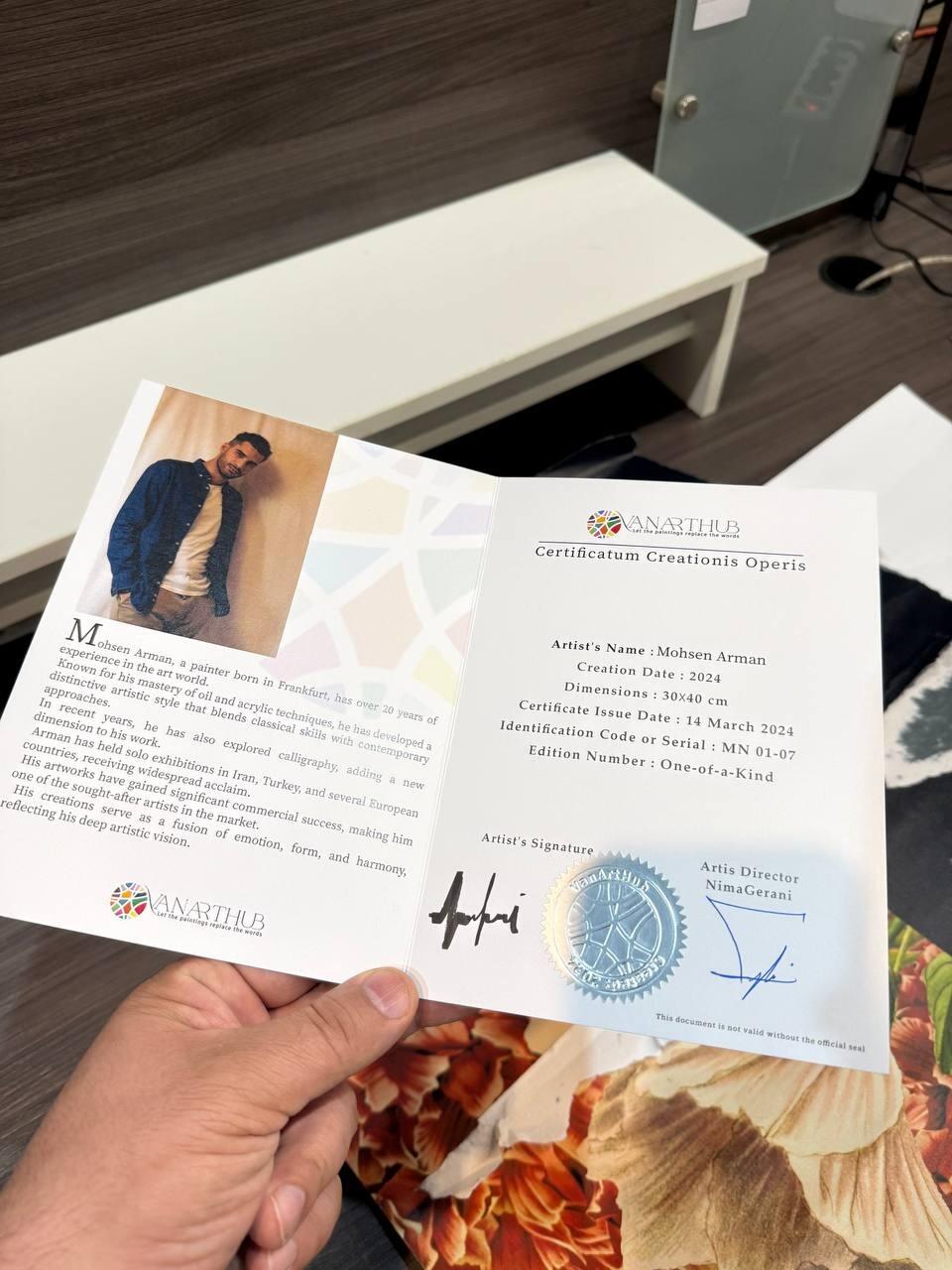
Where the artist has left a work untitled, we record it that way on the Certificate of Authenticity and we do not invent something to make the listing easier. That would be us writing the artist's decision for them.
What a title does to the person looking at the painting
A title changes what you see, and you can test that on yourself in about ten seconds.
Look at an abstract full of blue and grey. Now imagine it named after a coastline. You will find a horizon in it, and once you have found it you cannot unfind it. Name the same painting after a piece of music and the blue becomes something else.
A title is the one part of the work that operates through language, so it can plant an idea that paint cannot. That is why some artists agonise over it and some avoid the responsibility entirely.
Where we come down: a good title opens something. A weak title either repeats what your eyes already told you, or it works so hard to be poetic that you end up thinking about the artist instead of the painting. The second failure is more common than the first and it is more damaging.
The title is also a permanent record
Here is the part artists think about least. The title is one of the fields that identifies the object for the rest of its life.
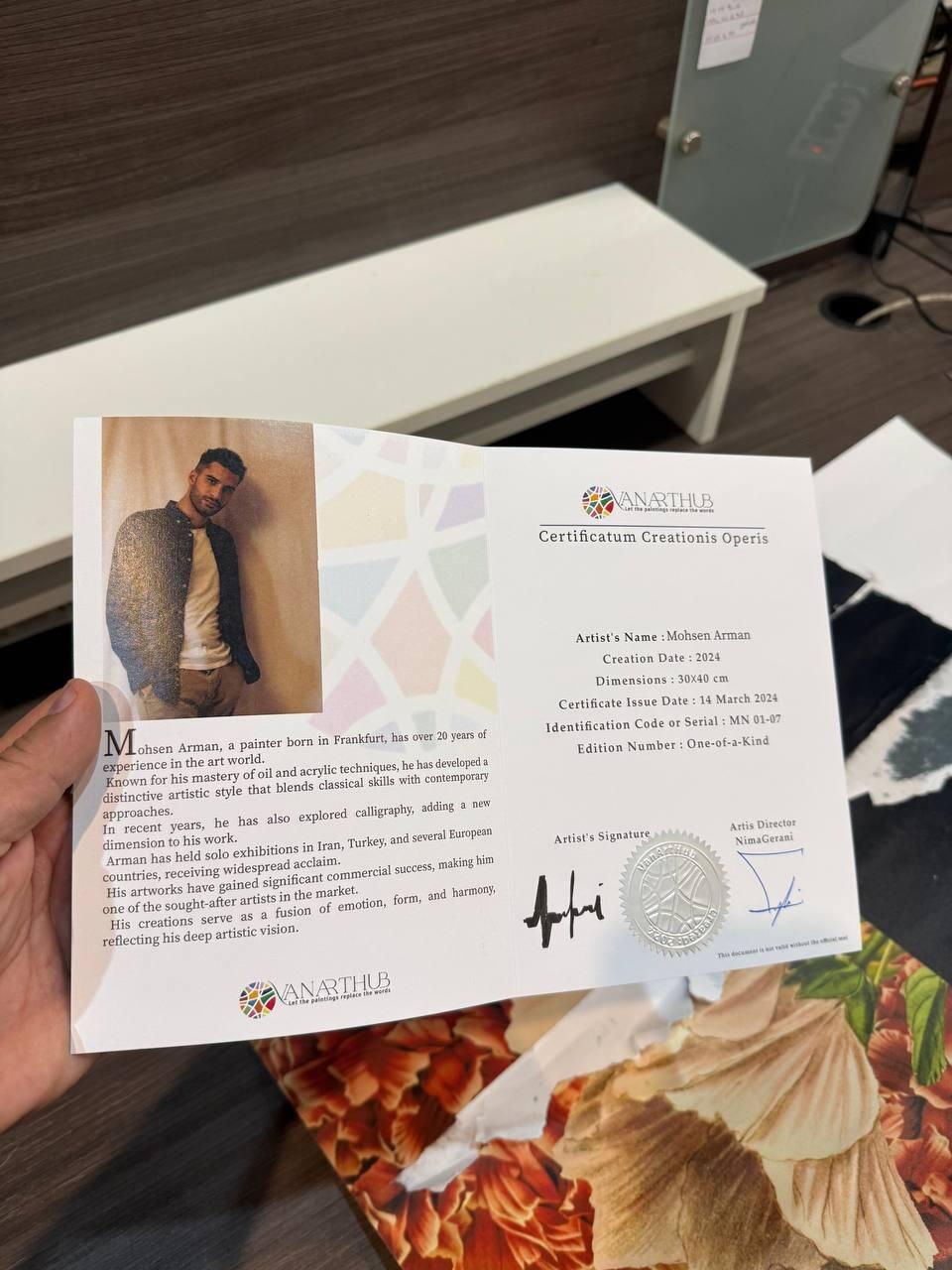
Every original we sell ships with a Certificate of Authenticity recording the artist, title, year, medium, and dimensions of that specific piece. An insurer uses the title to schedule it, an appraiser searches for it, and a future owner uses it to establish the work's history. Change it later and you have two records for one painting.
So we ask artists to confirm the title once and treat it as fixed. When a piece arrives with a working title on the back and a different one in the email, we go back and ask which is correct rather than choosing.
Practical advice for artists: write the final title on the back of the work, along with your name, the year, and the medium, in a form that will last. A painting that outlives everyone who knew its name is very hard to place.
How we handle titles when we list a work
We do not change an artist's title. Not to make it shorter, not to fit a layout, and not because a different phrase would perform better in a search result. The title is part of the work.
We add a description underneath in our own voice, saying what the painting is made of, what size it is, and what we notice standing in front of it. The title belongs to the artist and the description belongs to us, and a buyer should be able to tell which is which.
Where a title is in another language, we use the artist's own English version, and where there is none we ask for one. A translated title is a new title, and that decision belongs to the artist.
What we would tell an artist who is stuck
Write down the thing you would say if a friend asked what the painting was about, in one plain sentence. The title is almost always hiding inside that sentence, usually as three or four words in the middle of it. This works more often than any other method we have seen.
Avoid a title that explains. If it tells the viewer what to feel, the painting has been given a caption and the viewer a script. Avoid very long titles too, because nobody will remember or type them.
And do not spend three weeks on it. A plain honest title on a hanging painting beats a perfect title on a canvas facing the studio wall.
The limit of all this: everything above is what we have noticed working with the artists we represent, over conversations in a studio and over email. It is a pattern rather than a rule, and plenty of good painters do the exact opposite of what we have described and their titles are excellent.
Key Takeaways
- Titles run from plain description to a phrase that appears nowhere in the image. Where an artist sits tells you how they want you to look.
- An untitled work is a decision to refuse to guide your reading, rather than an artist running out of ideas.
- A title changes what you see. Name an abstract after a coastline and you will find a horizon in it.
- Untitled work is harder to sell online, because searches and conversations both need words.
- The title is a permanent field on the Certificate of Authenticity, used by insurers and appraisers.
- We never change an artist's title. The description underneath it is ours and the title is theirs.
Frequently Asked Questions
Why do so many paintings have strange or abstract titles?
Because a title can add a layer the image alone does not carry. A phrase that appears nowhere in the picture gives you a second way into it, working through language rather than paint. Some viewers find this generous and others find it pretentious, and both reactions are fair.
Does untitled mean the artist could not think of a name?
Almost never. Leaving a work untitled is a deliberate refusal to steer how you read it, and it is harder than titling, because a title is a gift that gives the viewer a way in. An artist who withholds that is asking you to do more of the work yourself.
Can I rename a painting I own?
You can call it whatever you like at home, and we would ask you not to change the record. The title on the Certificate of Authenticity is what an insurer, an appraiser, or a future owner will use to identify that specific piece. Two names for one painting creates a real problem later.
Do you ever change an artist's title to help it sell?
No. The title is part of the work and it belongs to the artist. We write our own description underneath it, saying what the piece is made of and what we notice standing in front of it, and a buyer should always be able to tell which words are ours and which are the artist's.
Does the title affect what a painting is worth?
Not directly, and it affects how easily the work is found and discussed. Untitled pieces are harder to sell online because search boxes need words and people telling a friend about a painting need a name for it. That is a practical cost rather than a judgement on the choice.
When does an artist usually decide the title?
Most often at the end, and some artists leave finished canvases against a studio wall for weeks with nothing written on the back. A painting changes while it is made, so a title chosen at the start often describes a work that no longer exists by the time it is finished.
What makes a bad title?
One that repeats what your eyes already told you, or one that works so hard at being poetic that you end up thinking about the artist instead of the painting. The second is more common and more damaging. A title that instructs you how to feel turns the painting into a caption.
About VanArtHub
VanArtHub is an online gallery in Vancouver selling original, signed, one-of-a-kind paintings by independent artists. No prints and no reproductions. Every piece ships with a Certificate of Authenticity, free fully insured delivery to Canada and the USA, and a 14-day trial so you can decide at home. See work by artist across our abstract paintings and landscapes, or read what a Certificate of Authenticity actually proves. Our full policy lives on the Buy with Confidence page.