What a Certificate of Authenticity Actually Proves
Updated By VanArtHub Curatorial TeamShare
A Certificate of Authenticity sounds like a promise about money. It is not. It is a record of facts about the painting, and knowing exactly what those facts are, and what they leave out, saves you from expecting the wrong thing.
We send a certificate with every original that leaves our Vancouver studio, so this is a question we answer often. Here is the honest version.
What a certificate actually records
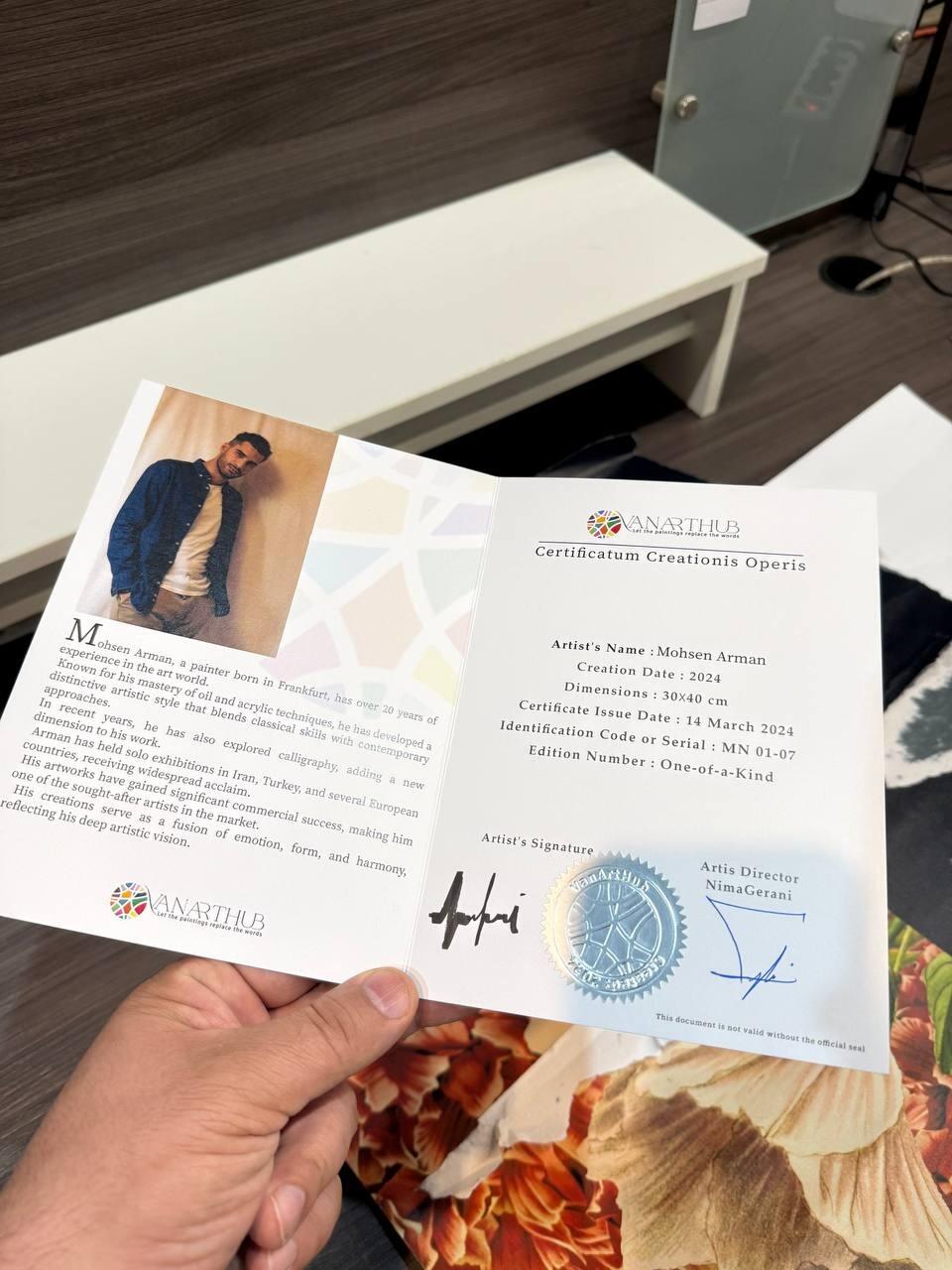
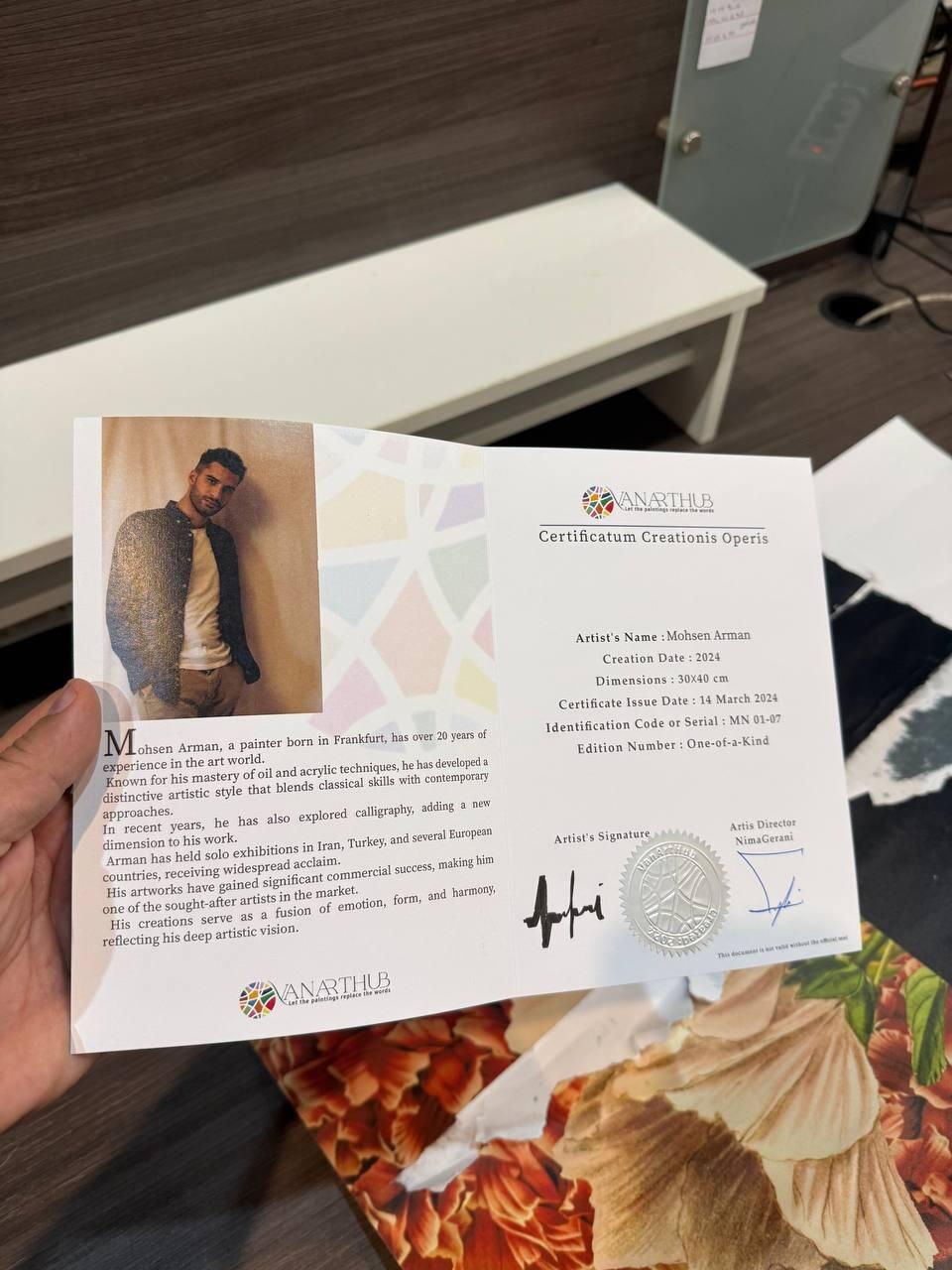
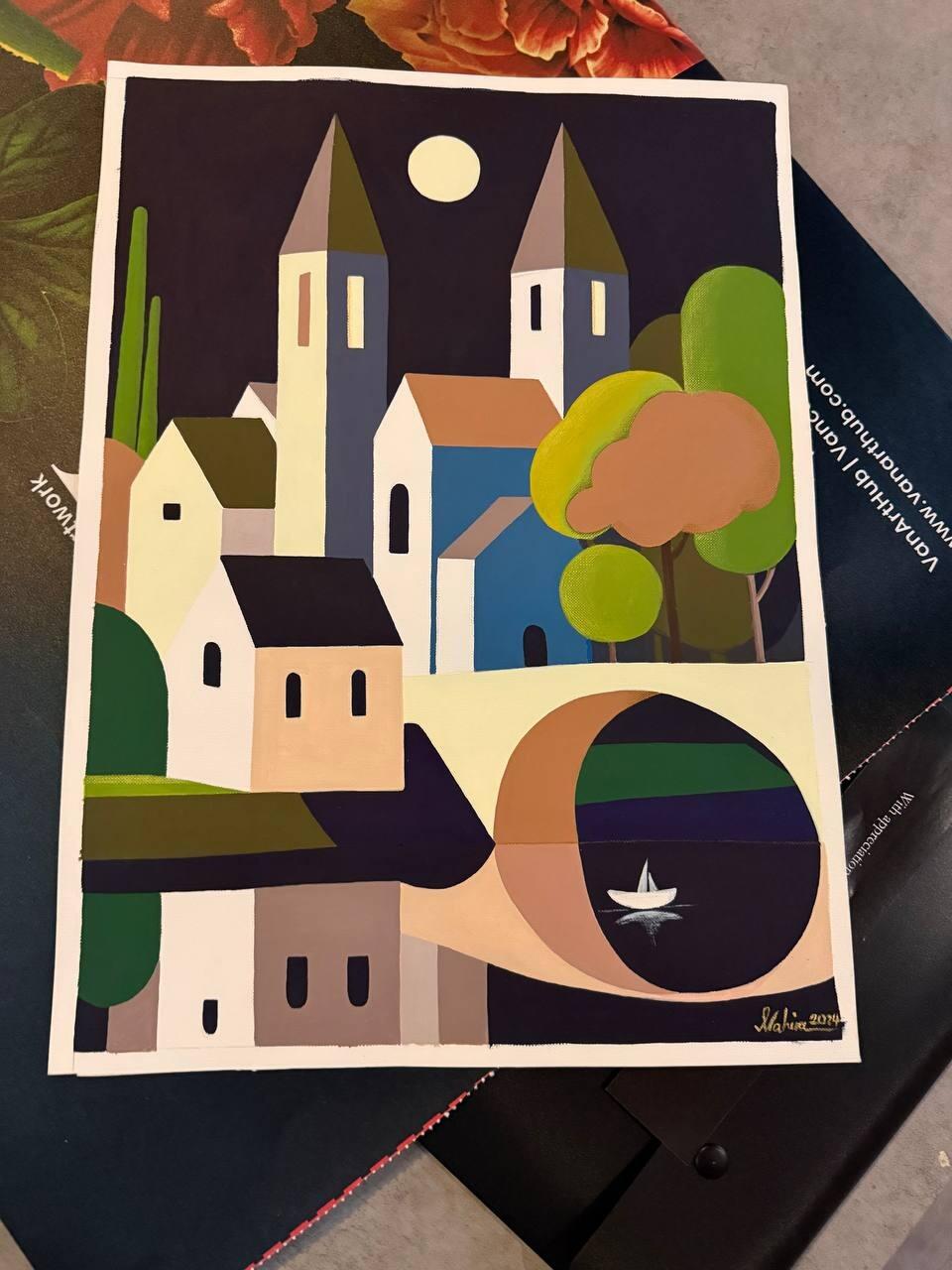
A Certificate of Authenticity is a signed document that ties one specific painting to the person who made it. At its core it confirms the work is an original, one-of-a-kind piece by that artist, not a print, a copy, or a reproduction. It records the details that identify the object, so there is never a question about which painting the paper belongs to.
A good certificate lists these things:
- The artist and their signature or authorization.
- The title of the work.
- The medium, for example oil on stretched canvas or acrylic on wood panel.
- The size, in both centimetres and inches.
- The date the work was completed.
- A statement that it is an original signed by the artist.
Read together, those lines describe one object and one object only. That is the whole job of the certificate: to say "this exact painting, by this exact artist, is real and original."
Why those facts matter later: provenance and resale
Provenance is the paper trail of who made a work and who has owned it. It is the single most useful thing a certificate gives you, and it only pays off years down the road.
If you ever sell, gift, insure, or donate the painting, the first question anyone serious will ask is "how do we know it is what you say it is." The certificate answers that in one page. It links the canvas on your wall back to the studio it came from. Without it, you are asking a future buyer or an insurer to take your word, and that word is worth less than a signed document. A clean provenance chain, certificate plus your purchase record, makes resale simpler and makes an appraiser's job faster.
This is also why the certificate is worth keeping with the painting for its whole life, not filed away and forgotten. The paper is part of what you own.
What a certificate does not do
Here is the part most people get wrong, and we would rather say it plainly than let you assume otherwise.
A certificate is not a valuation. It does not tell you what the painting is worth. It does not name a price, and the price you paid is not printed on it as some official "value." A valuation is a separate document, done by an appraiser, and it can change from year to year.
A certificate is not a guarantee of future value. It says nothing about whether the work will hold its price, rise, or fall. Original art can grow in value as an artist's reputation grows, but that is never promised, and no honest gallery will tell you otherwise. The certificate proves the painting is authentic. It says nothing about the market.
The table below sorts it out.
| A certificate proves | A certificate does NOT prove |
|---|---|
| The artist who made it | What the work is worth today |
| Title, medium, size, and date | What it will be worth later |
| That it is an original, not a print | That it will rise in value |
| A starting point for provenance | A replacement for an appraisal or insurance |
What to keep with your certificate
The certificate is strongest when it travels with a small folder of related paper. Keep these together, ideally a digital scan and a physical copy:
- The certificate itself, unmarked and undamaged.
- Your original receipt or invoice, which shows what you paid and when. This is what an appraiser and an insurer actually use for value.
- A photo of the painting, front and the signature, and of the back if the artist noted anything there.
- Any note from the artist about the work or its care.
Together these are the difference between "I think I bought this around 2023" and a documented history you can hand to anyone. Store the digital copies somewhere you will still have them in ten years.
Key takeaways
- A Certificate of Authenticity records the artist, title, medium, size, and date, and confirms the work is an original.
- Its real value is provenance: it proves what the painting is, which helps with resale, insurance, and donation later.
- It is not a valuation and not a promise about future price. Those are separate things.
- Keep it with your receipt and a photo, as one folder, for the life of the painting.
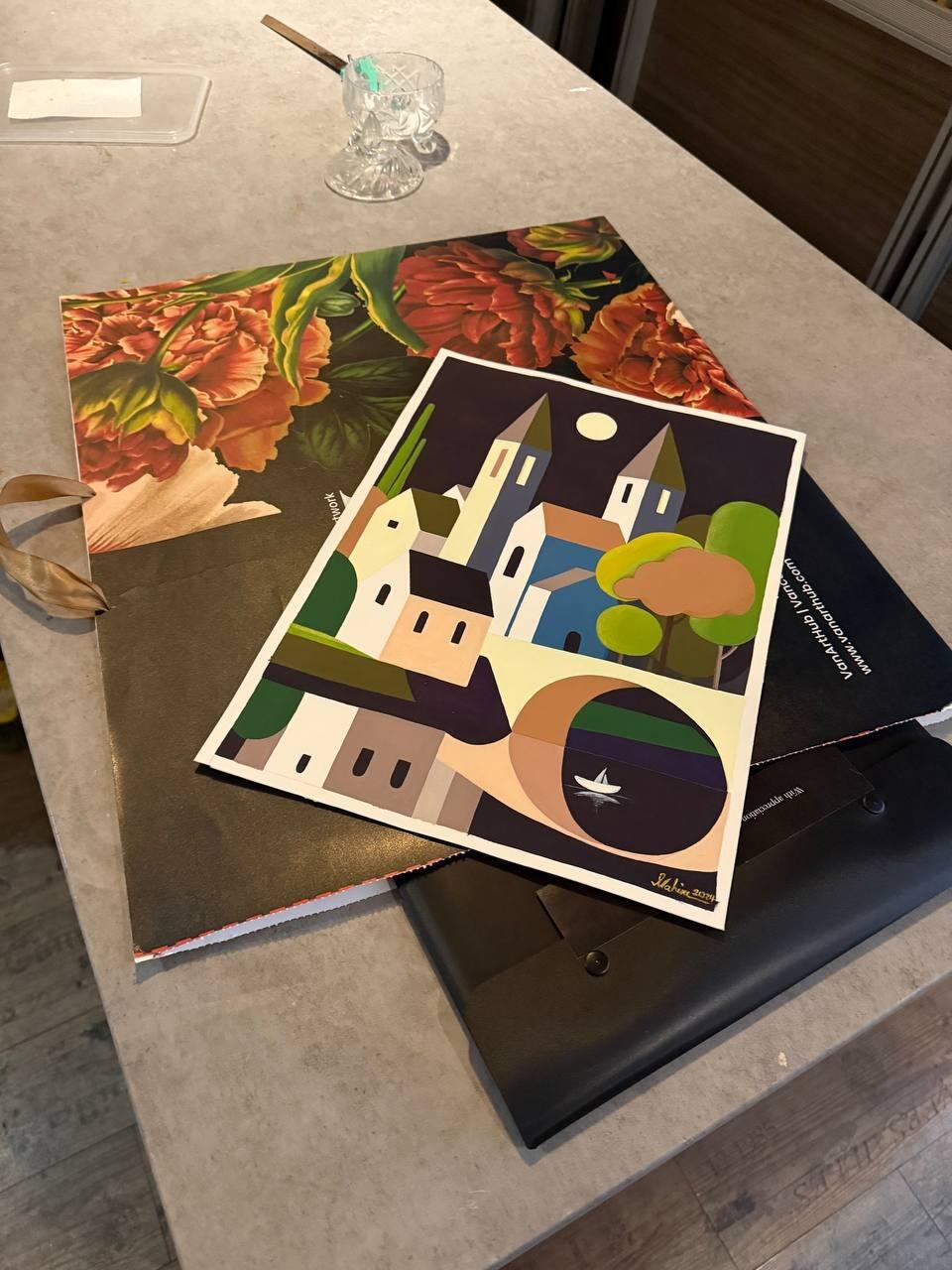
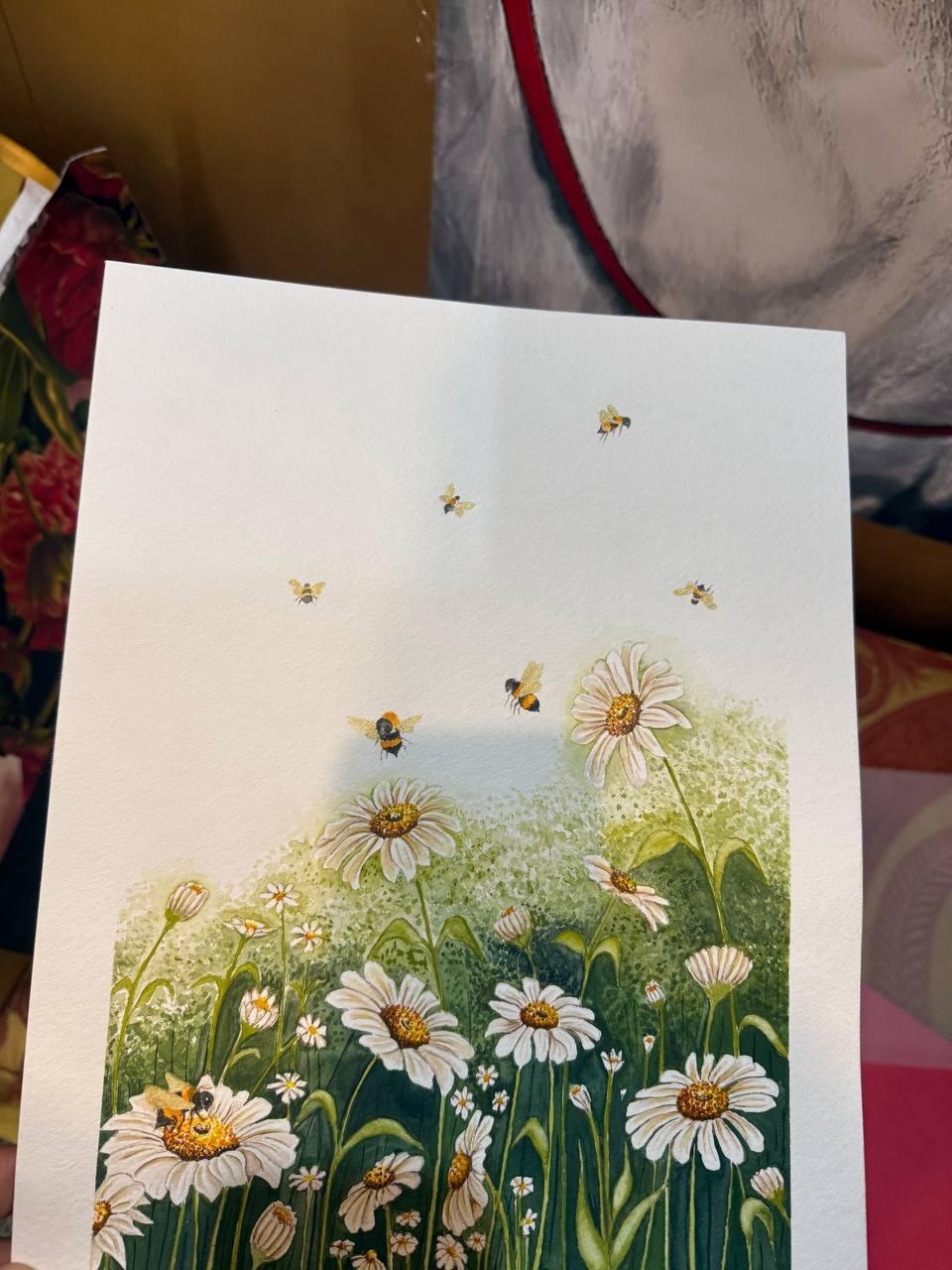
Every original from VanArtHub arrives with a Certificate of Authenticity, signed and specific to that piece, because the paperwork is part of what you are buying. If you want to see how the certificate fits alongside our free insured shipping and our 14-day trial, read our buy with confidence page. To think about art as something you hold for the long term, our guide to original Canadian art as an investment is honest about both the upside and the limits. When you are ready to look, browse our fine art collection of original signed paintings.
Frequently asked questions
Does a Certificate of Authenticity tell me what my painting is worth?
No. A certificate proves the painting is an original by a named artist and records its title, medium, size, and date. It does not state a value. For a dollar figure you need a separate appraisal or your purchase receipt, which is what insurers and appraisers actually use to set value.
Will a certificate guarantee my art goes up in value?
No. A certificate confirms authenticity, nothing more. Original art can grow in value as an artist's reputation grows, but that is never guaranteed, and no honest gallery will promise it. The certificate protects the fact that the work is real and original, which is a separate matter from the market.
What should I keep with my certificate?
Keep the certificate, your original receipt or invoice, and a photo of the painting and its signature together as one folder, both on paper and as a scan. The receipt shows what you paid, the photo records condition, and the certificate proves authenticity. Together they form a clean history you can hand to a buyer, appraiser, or insurer.
Does every VanArtHub painting come with a certificate?
Yes. Every original we ship from our Vancouver studio arrives with a signed Certificate of Authenticity specific to that piece, listing the artist, title, medium, size, and date. It ships alongside the painting with our free, fully insured delivery, Canada 3 to 7 business days and the USA 5 to 10.