Why Every Sold Painting Stays on Our Site for Good
Updated By VanArtHub Curatorial TeamShare
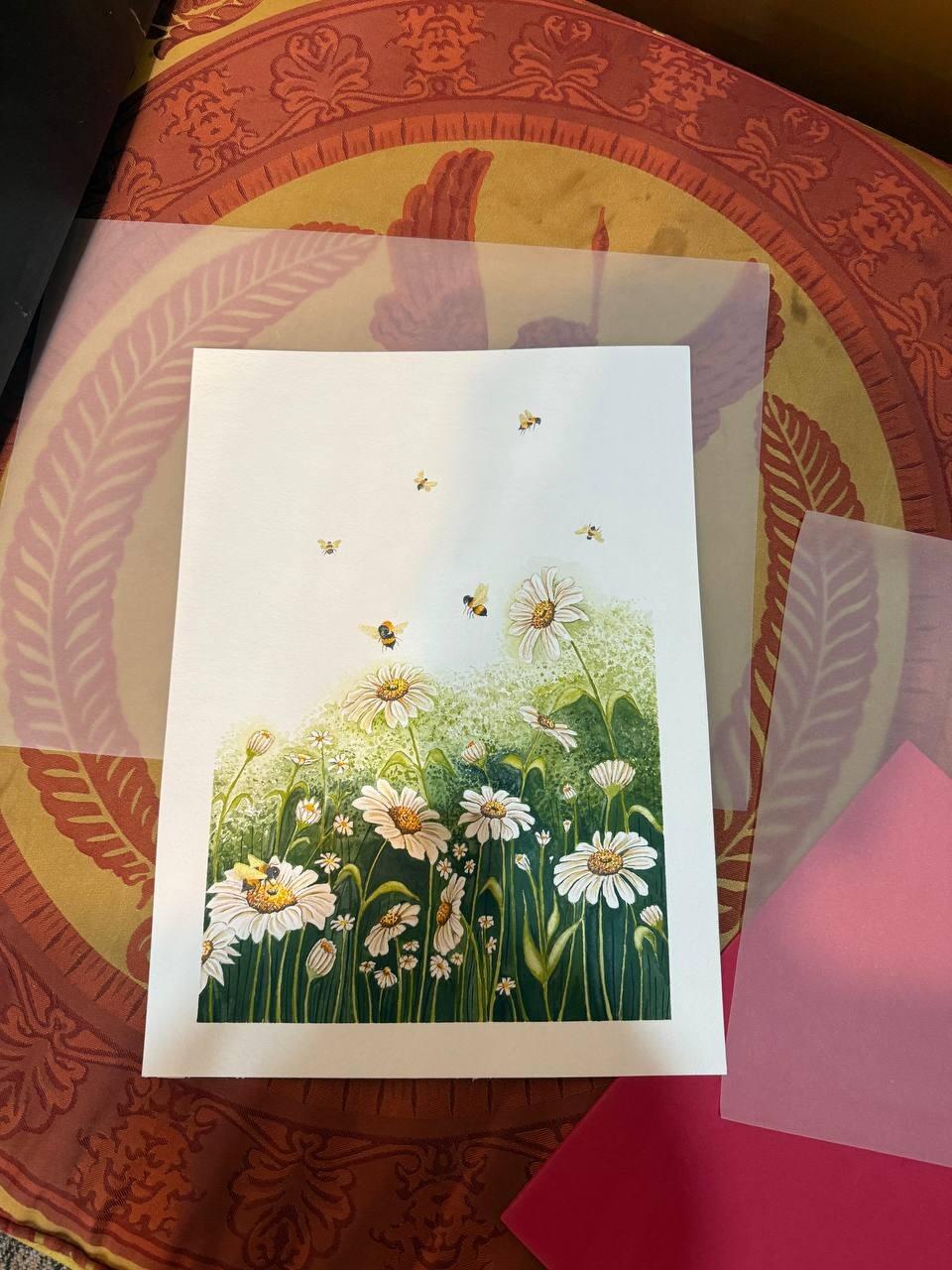
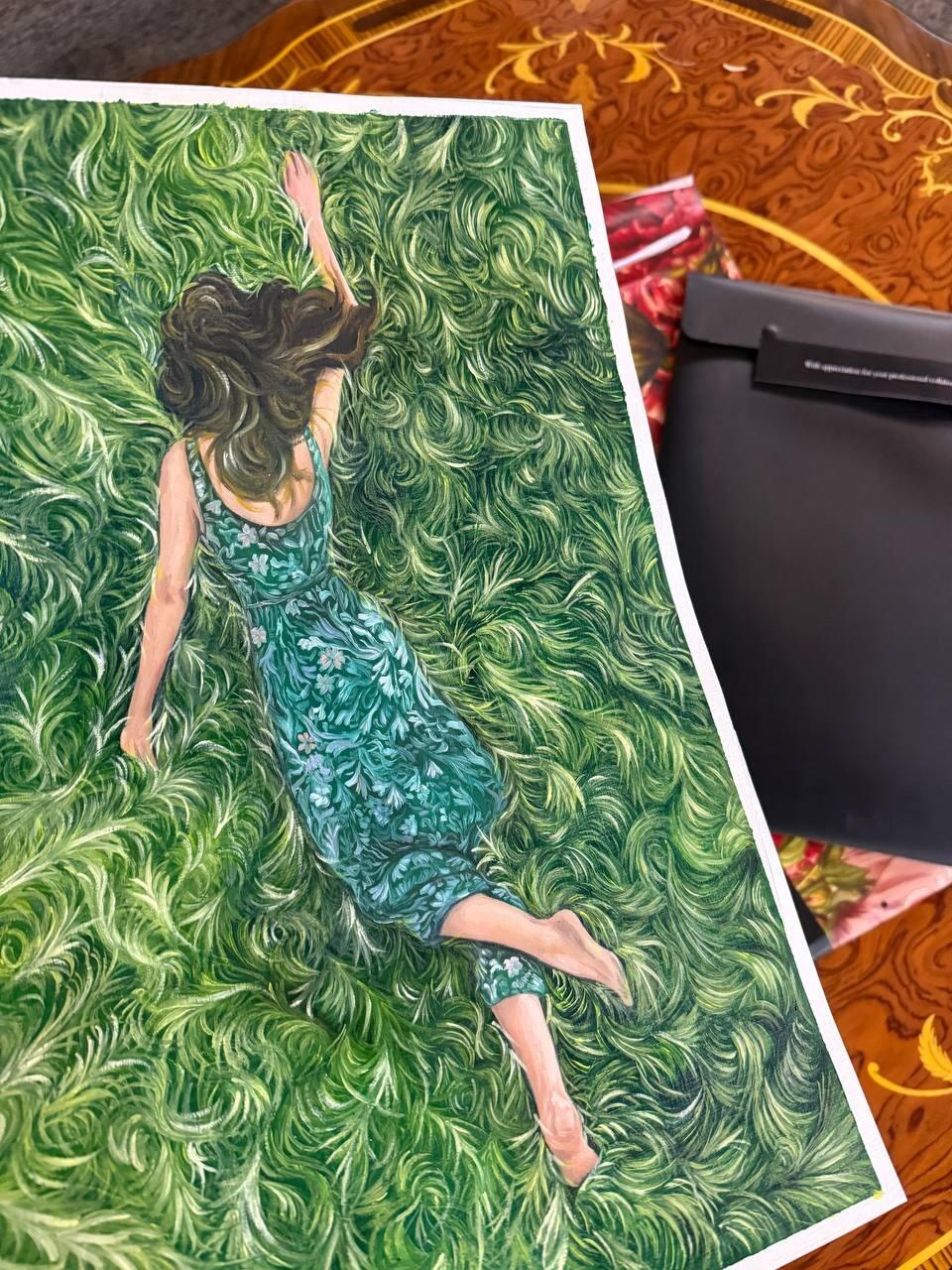
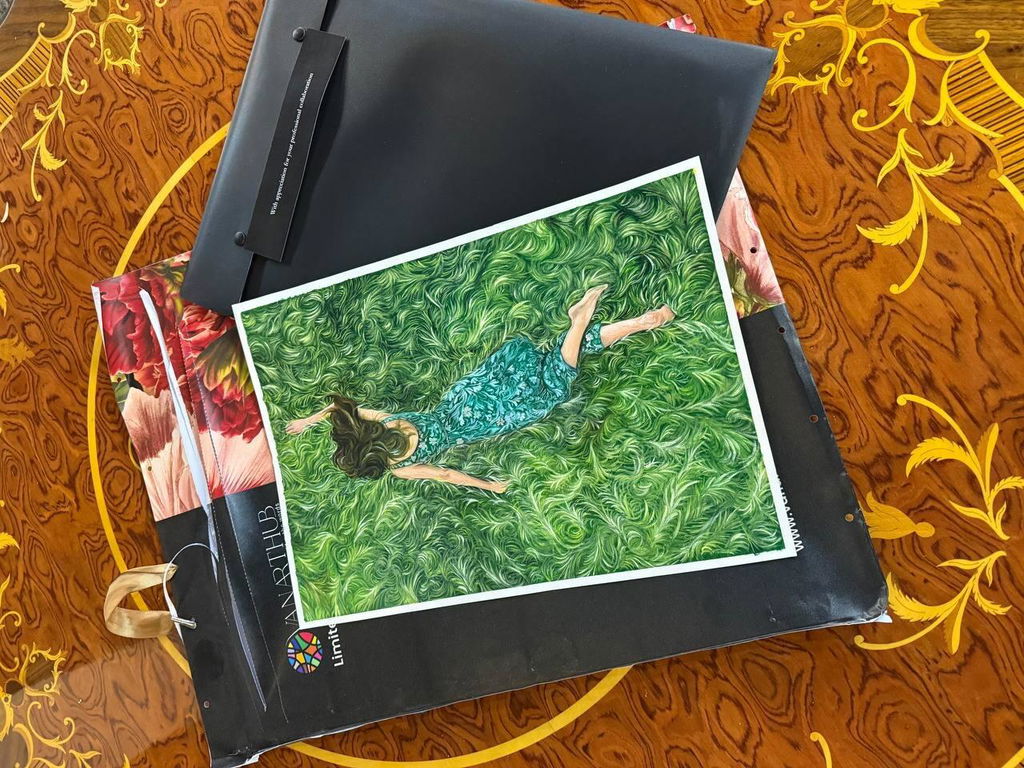
Sold paintings stay on our site forever. Every original that leaves our gallery keeps its page, marked sold, with its images, dimensions, medium, and the artist's name intact. Visitors sometimes ask why we keep pages for work nobody can buy, and the question is fair: most stores delete what they cannot sell. We think that habit is wrong for art, and this post explains the three reasons we treat a sold painting's page as a permanent record rather than an expired listing.
Reason one: the page is the start of a provenance record
Provenance is the documented history of an artwork: who made it, when, and where it has been. For centuries that history lived in dealers' ledgers and auction catalogues. The Getty Research Institute's Getty Provenance Index exists precisely because those records matter: it opens up art provenance data drawn from millions of archival records, including the stock books of dealers like Goupil & Cie (Paris, 1846 to 1919) and M. Knoedler & Co. (New York, 1872 to 1970). Researchers use those old ledgers today to establish what a painting is and where it has been.
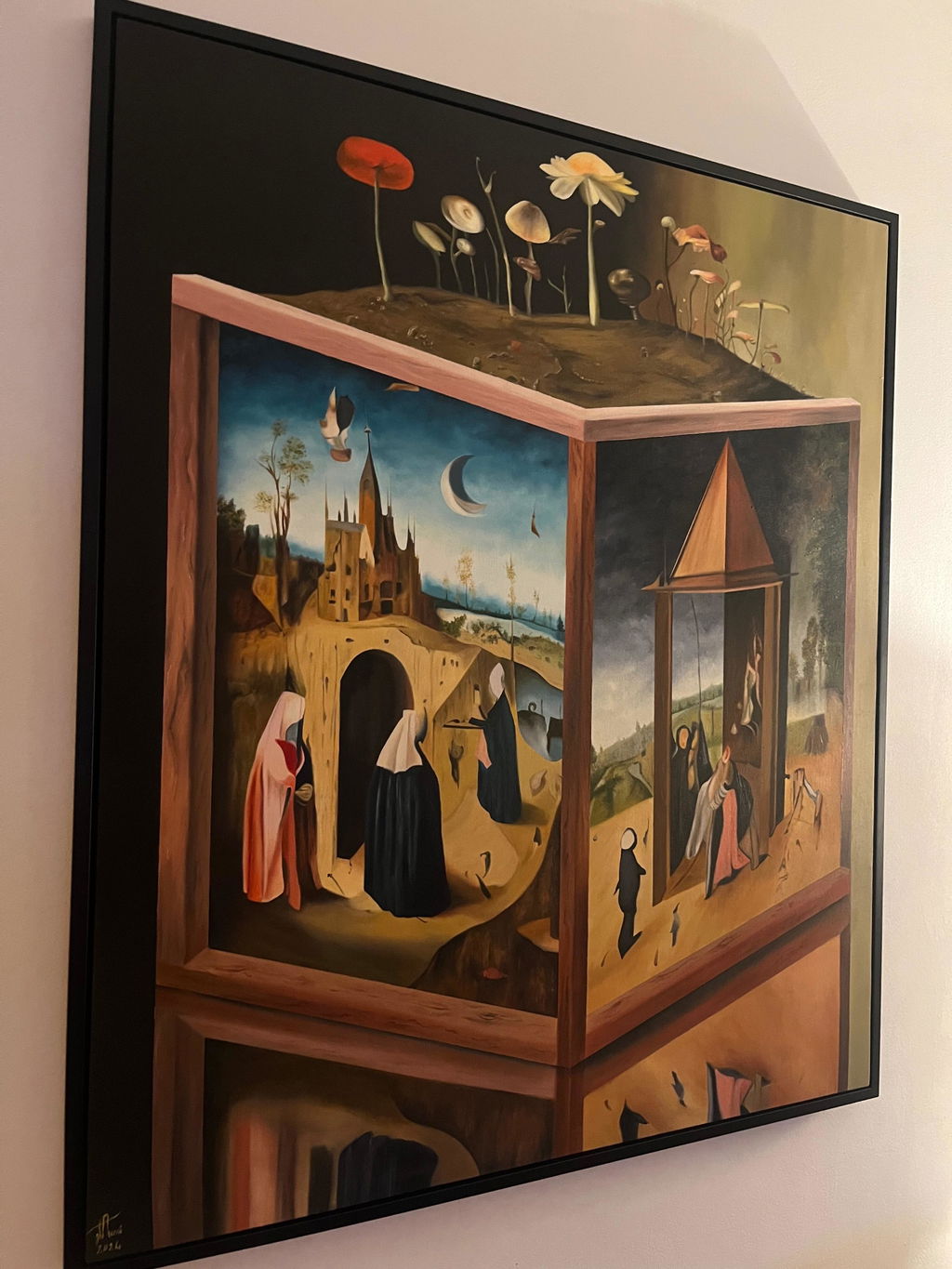
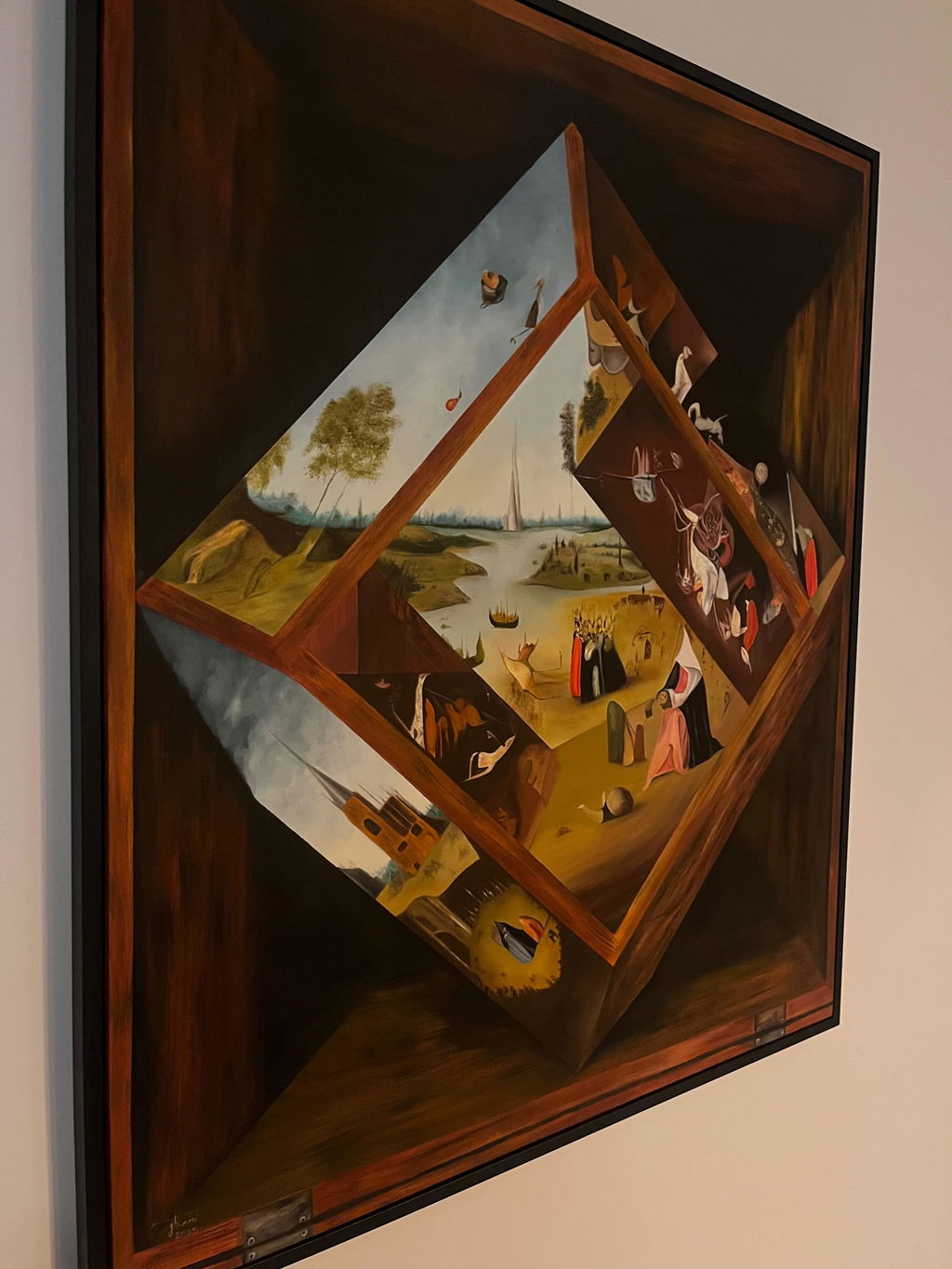
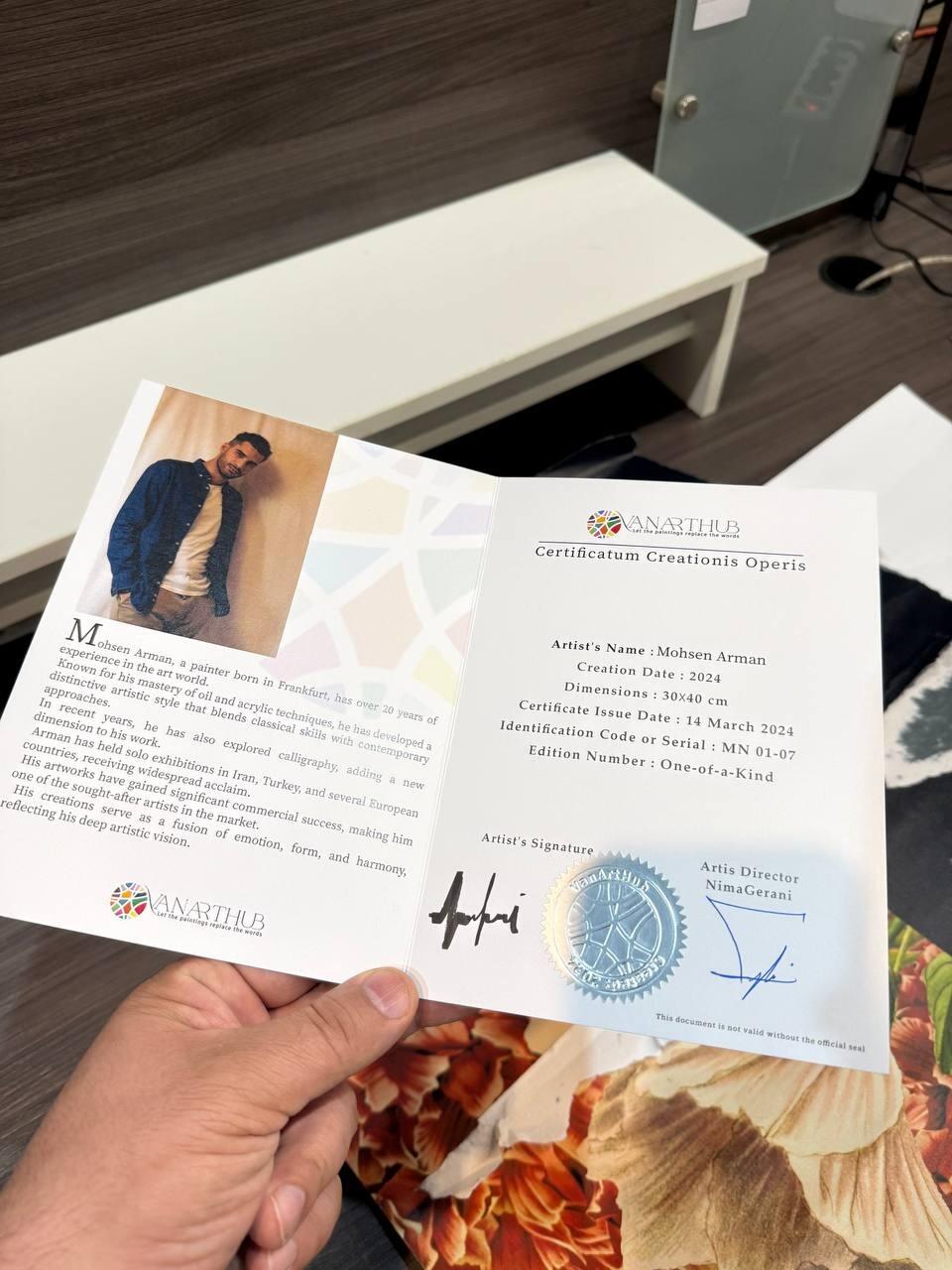
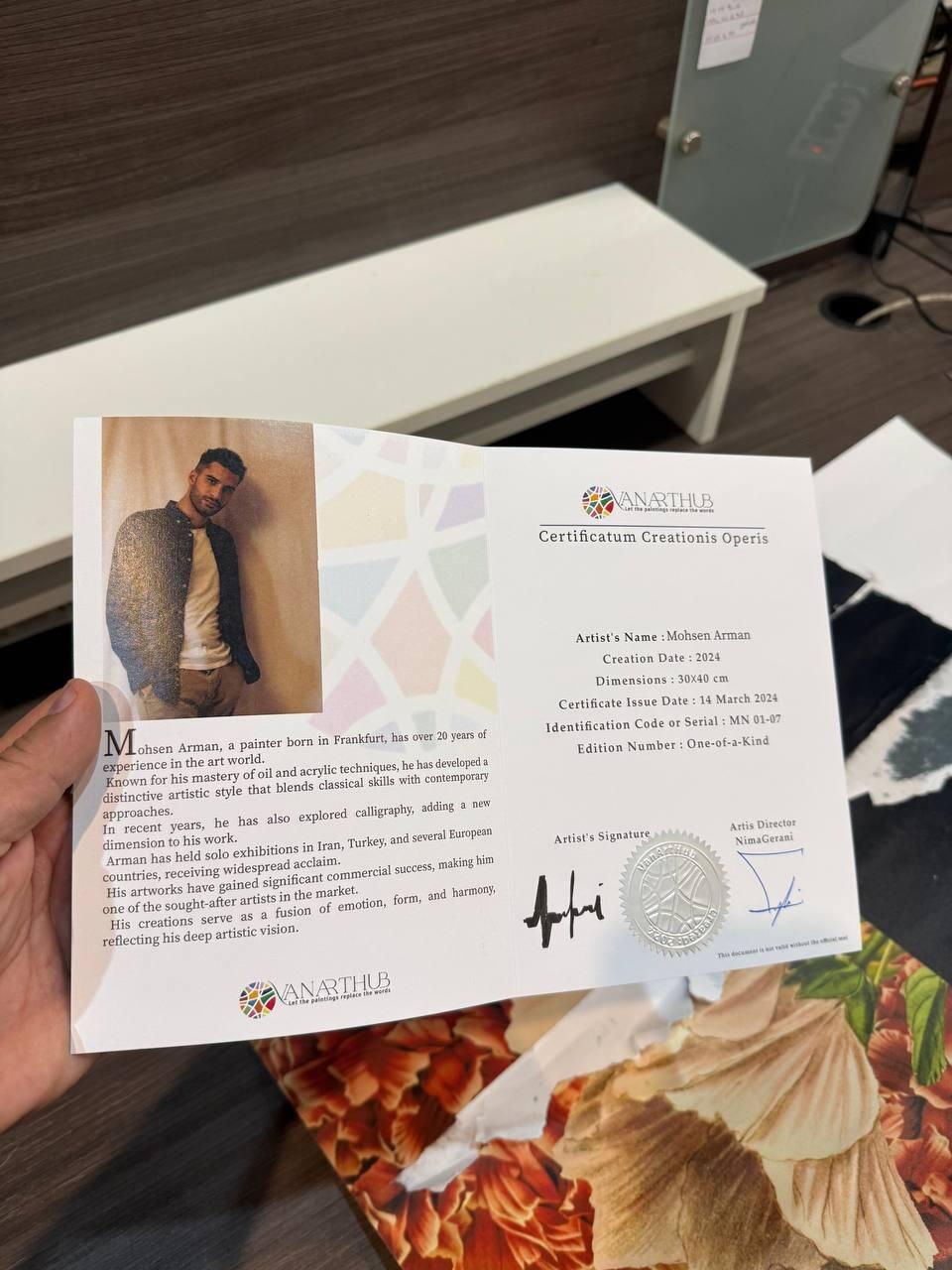
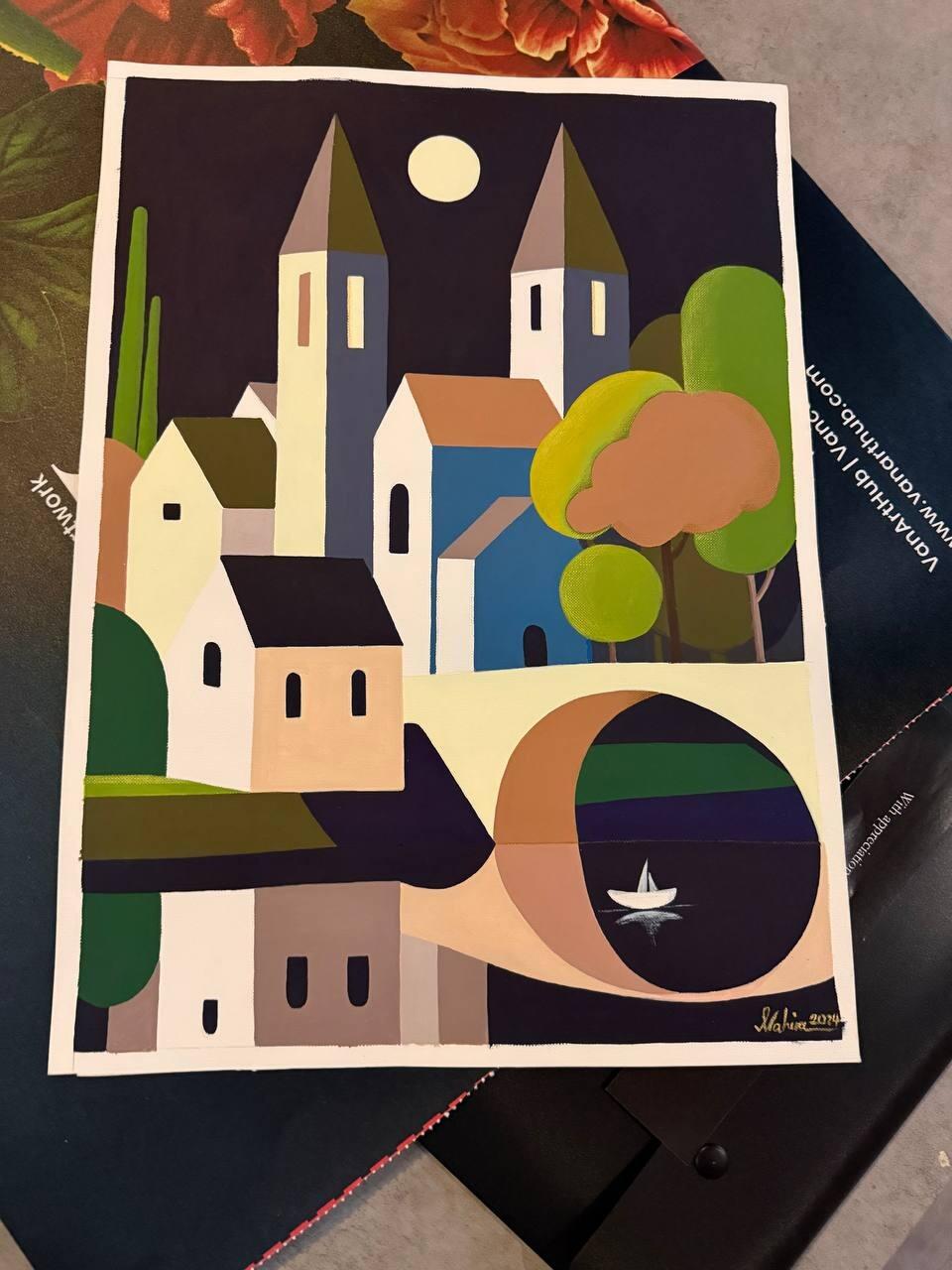
A gallery's product page is the modern version of the dealer's stock book. It records the work's title, maker, year, medium, exact dimensions, and its sale through our gallery, with photographs. Delete the page and that first link in the chain disappears. Keep it, and any future owner, appraiser, or researcher can point to a stable public record of the painting's origin. Since every piece we sell is a one-of-a-kind original with a Certificate of Authenticity, the page and the certificate back each other up: one is in your hands, the other is public.
Reason two: a sold work is part of the artist's public history
An artist's reputation is built on the work they have actually made and sold. Current stock is a snapshot; the sold record is the career. When we delete sold pieces, we amputate the most persuasive part of an artist's record: the paintings collectors already chose. A visitor considering a living Vancouver artist can scroll that artist's past works on our site and see the arc, the subjects they return to, how the practice has developed. That serves the artist long after the sale, which is part of what buying directly from living artists should mean.
It also serves you, the collector. The value of an original is tied to the artist's continuing career. A gallery that erases each sold work keeps that career invisible. We would rather show it. This is the same logic behind treating a painting as a long-term object in the first place, the subject of our art as an heirloom guide.
Reason three: future owners will need what the page holds
Paintings outlive transactions. The Canadian Conservation Institute notes in its guidance on caring for paintings that it is unusual for a canvas painting older than fifty years not to have had some restoration work. Whoever performs that work decades from now will want to know the medium, the support, and the date, exactly the facts a sold page preserves. The Smithsonian American Art Museum likewise advises owners to keep a file on each artwork, including photographs of the front and back. Our sold pages are, in effect, the start of that file, maintained publicly so it cannot be lost in a move.
This matters most at handover moments: an inheritance, a gift, a resale. An heir who finds a signed canvas in 2046 can search the title or artist and land on the original record, with photographs to compare against the object in their hands. Our guides to buying second-hand art and how long a painting lasts both lean on this idea: art changes hands, and records are what keep those handovers clean. Keeping originals documented and in circulation is also a quiet piece of what we mean by sustainable art.
What stays, and what never appears
Here is exactly what a sold painting's page keeps, and the line we hold on privacy.
| Stays on the page | Never on the page |
|---|---|
| Title, artist, and year of the work | The buyer's name or any buyer details |
| Medium, support, and exact dimensions | Where the painting now hangs |
| Photographs of the work | Claims about the painting's later resale value |
| Sold status, clearly marked | Any wording that pressures or misleads |
| The artist's other and current work |
One honest limit: a page on our site records the first sale, not the painting's whole future. If the work changes hands privately later, that chapter is the owner's to document. The page gives every later chapter a fixed starting point, which is more than most objects in a home ever get.
Key Takeaways
- Every painting sold on VanArtHub keeps its page permanently, marked sold, with images and full details intact.
- A sold page works like a dealer's stock book entry, the same class of record the Getty Provenance Index preserves from historic galleries.
- Sold works are the strongest part of a living artist's public record, so deleting them serves nobody.
- Future owners, heirs, and conservators need the medium, dimensions, and date a sold page holds.
- Buyer names, locations, and the price paid never appear; the record is about the painting, not the person.
Frequently Asked Questions
Why do sold paintings stay on the VanArtHub site?
Because each page is a permanent record of a one-of-a-kind object: the start of its provenance, part of the artist's public history, and a reference for future owners. We mark the work sold and keep everything else intact rather than deleting it like an expired listing.
What is provenance?
Provenance is the documented ownership history of an artwork, beginning with the artist and the first sale. Institutions like the Getty maintain entire databases of historic dealer records because provenance is how a work's identity and history are established. A stable sale record is its first building block.
Can I buy a painting that is marked sold?
No. Every work we sell is an original, so once it sells it is gone for good; there is no reprint and no second edition. If a sold piece is close to what you wanted, browse the artist's available work or ask us, and we can tell you what is coming from their studio.
What information stays on a sold painting's page?
The title, artist, year, medium, dimensions, and photographs, plus a clear sold marking. In short, everything that describes the painting itself. Nothing about the buyer is ever shown: no name, no location, no personal details of any kind.
Does keeping sold pages online help the artist?
Yes, directly. Sold work is the most convincing evidence of an artist's career, showing what collectors actually chose over time. A visitor can see a Vancouver artist's full arc rather than only the current inventory, which supports the artist's reputation long after each sale.
How does a sold page help a future owner or heir?
It gives them a searchable public record to match against the object: photographs, dimensions, medium, and date. An heir or second-hand buyer can confirm what the painting is and where it started, and a conservator gets the material facts that restoration work eventually requires.
What should I keep with a painting I bought from you?
The Certificate of Authenticity, first and always, plus your own photographs of the front and back, which the Smithsonian recommends for any collection file. The sold page backs these up publicly, but the certificate in your hands is the document that travels with the work.
Will you remove a sold page if the owner asks?
The page shows the painting, never the owner, so there is normally nothing personal to remove. If you own a work we sold and something on its page concerns you, ask us and we will talk it through honestly. Our default, though, is permanence, because the record is the point.
Is a product page really a provenance document?
It is the first entry, not the whole file. Formal provenance can grow to include exhibitions, appraisals, and later sales. But historic dealer stock books, which are exactly this kind of first-sale record, are precisely what provenance researchers rely on today, and a permanent page plays that role for a modern work.
Sources
- Getty Research Institute: Getty Provenance Index
- Canadian Conservation Institute: Caring for paintings
- Smithsonian American Art Museum: How to Care for Your Collections
Data sourced August 2026. If you spot something out of date, let us know and we will update the guide.
About VanArtHub
VanArtHub is a Vancouver gallery selling original, signed paintings, never prints, each with a Certificate of Authenticity and free, fully insured shipping to Canada and the USA. Every purchase begins with a 14-day trial. See what is available now in our fine art paintings collection.