Donating Original Art in Canada: What the Receipt Is Worth
Updated By VanArtHub Curatorial TeamShare
Someone asks us this a few times a year, usually in a slightly hopeful voice. If I buy a painting and donate it to a charity, can I get a receipt for more than I paid? The Canada Revenue Agency wrote a rule specifically to answer that, and the answer is no. Here is what a donation receipt for a work of art is actually worth, and when donating makes sense anyway.
The rule that catches almost everybody
The CRA calls it the deemed fair market value rule, and it applies to gifts of property rather than cash.
Under that rule, the receipt must be issued for the lesser of the fair market value of the property and its cost to the donor, if the donor acquired the property less than three years before making the gift. The same limit applies for up to ten years where one of the main reasons for acquiring the property was to gift it to a qualified donee.
The CRA publishes a worked example on that page. A person buys a work of art for $300. Six months later they donate it, with an appraisal valuing it at $1,000. The receipt must be issued for $300, the cost to the donor, because that is the lesser of the two figures and the work was acquired within three years.
Read that example again if you are considering buying art in order to donate it. The appraisal does not help.
| Situation | Receipt amount |
|---|---|
| Bought $300, appraised $1,000, donated 6 months later | $300, the lesser figure |
| Acquired less than 3 years before the gift | Lesser of fair market value and cost to donor |
| Acquired to gift it, less than 10 years before | Lesser of fair market value and cost to donor |
| Certified cultural property | Treated under a different regime. Ask a professional. |
What that means for a buyer, plainly
Buying a painting now and donating it soon does not produce a receipt above what you paid. Whatever the piece is appraised at, and however much the value may have risen, the three year window caps the receipt at your cost.
So any arrangement presented to you as a way to buy art cheaply and receive a much larger receipt should be treated with real caution. The CRA wrote this rule because those arrangements existed. We are a gallery and we sell paintings, and we would still rather you knew this before you spent money than after.
Donating a work you have owned for many years is a different situation, since the three year window has passed. What the receipt says then depends on fair market value, which brings us to appraisals.
Appraisals and what the receipt has to say
The charity issues the receipt, and the charity is responsible for getting the amount right. That means someone has to establish a value.
The CRA's guidance on receipts states that an appraisal is recommended for items valued at $1,000 or more. Below that figure, the charity may be comfortable determining the value itself. Above it, they will usually want an independent appraisal, and many will refuse the gift without one.
A receipt for a non-cash gift also has to carry more information than a cash receipt. It must include a brief description of the property and the name and address of the appraiser where the property was appraised. So the appraiser's details end up on the document, which is one reason charities want a qualified person doing the work.
An appraisal costs money. On a modest piece, the appraisal fee can be a meaningful share of what the receipt is worth to you. That is a real consideration and nobody mentions it in the brochures.
Certified cultural property is a separate track
There is a distinct regime for objects certified as cultural property, which is handled through a certification process rather than the ordinary donation rules, and it works differently.
We are not going to explain it here, because we have not verified the detail and this is exactly the kind of subject where a confident half-explanation does damage. If someone has told you a work may qualify as certified cultural property, that is a conversation for a tax professional and for the institution receiving the gift, not for a gallery blog.
What we can say is that the ordinary rules described above are the ones that apply to a normal donation of a contemporary painting to a normal registered charity. That covers almost everyone who asks us.
The paperwork we can actually help with
Here is where a gallery is genuinely useful, and it is a smaller role than people assume.
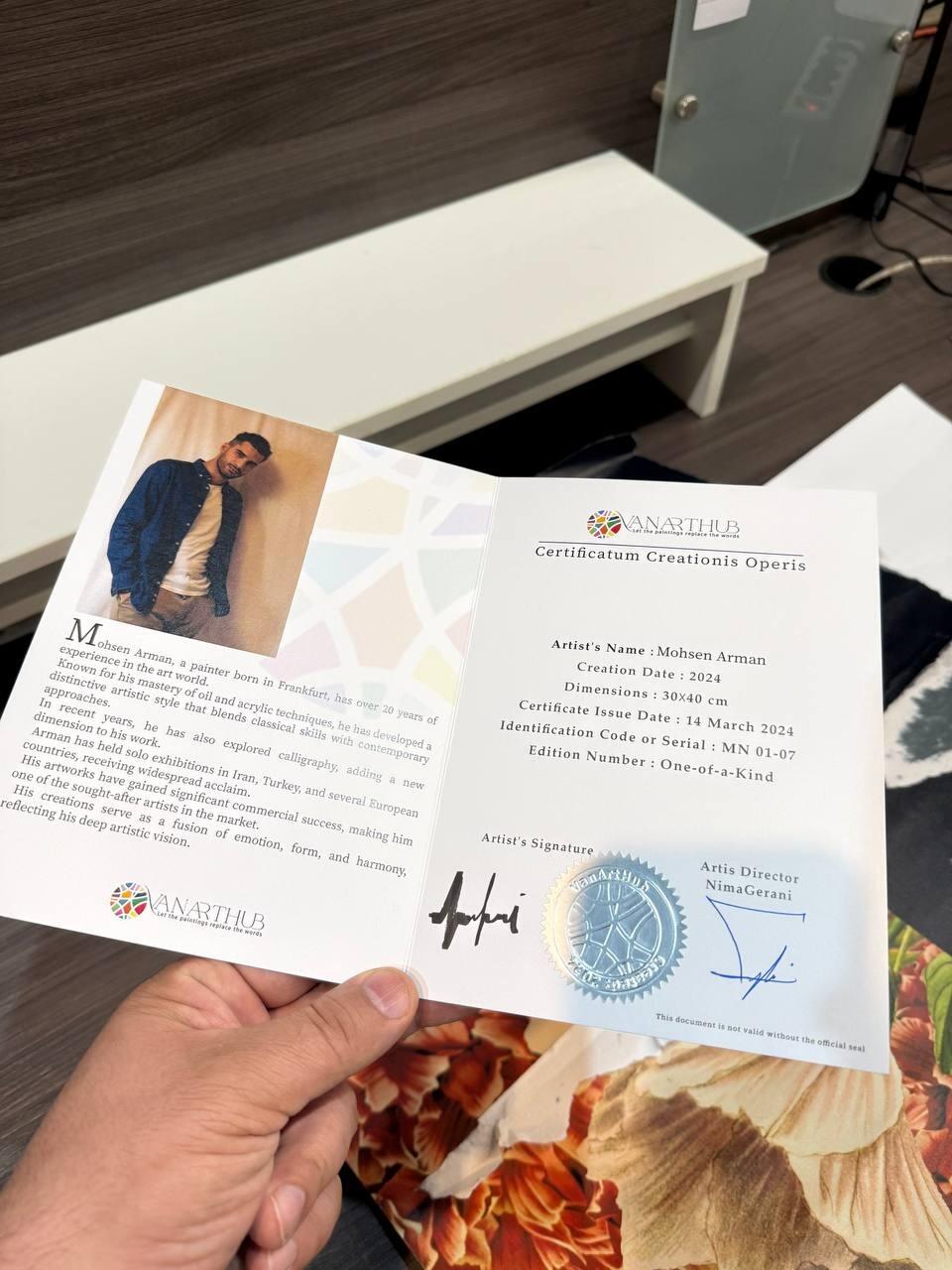
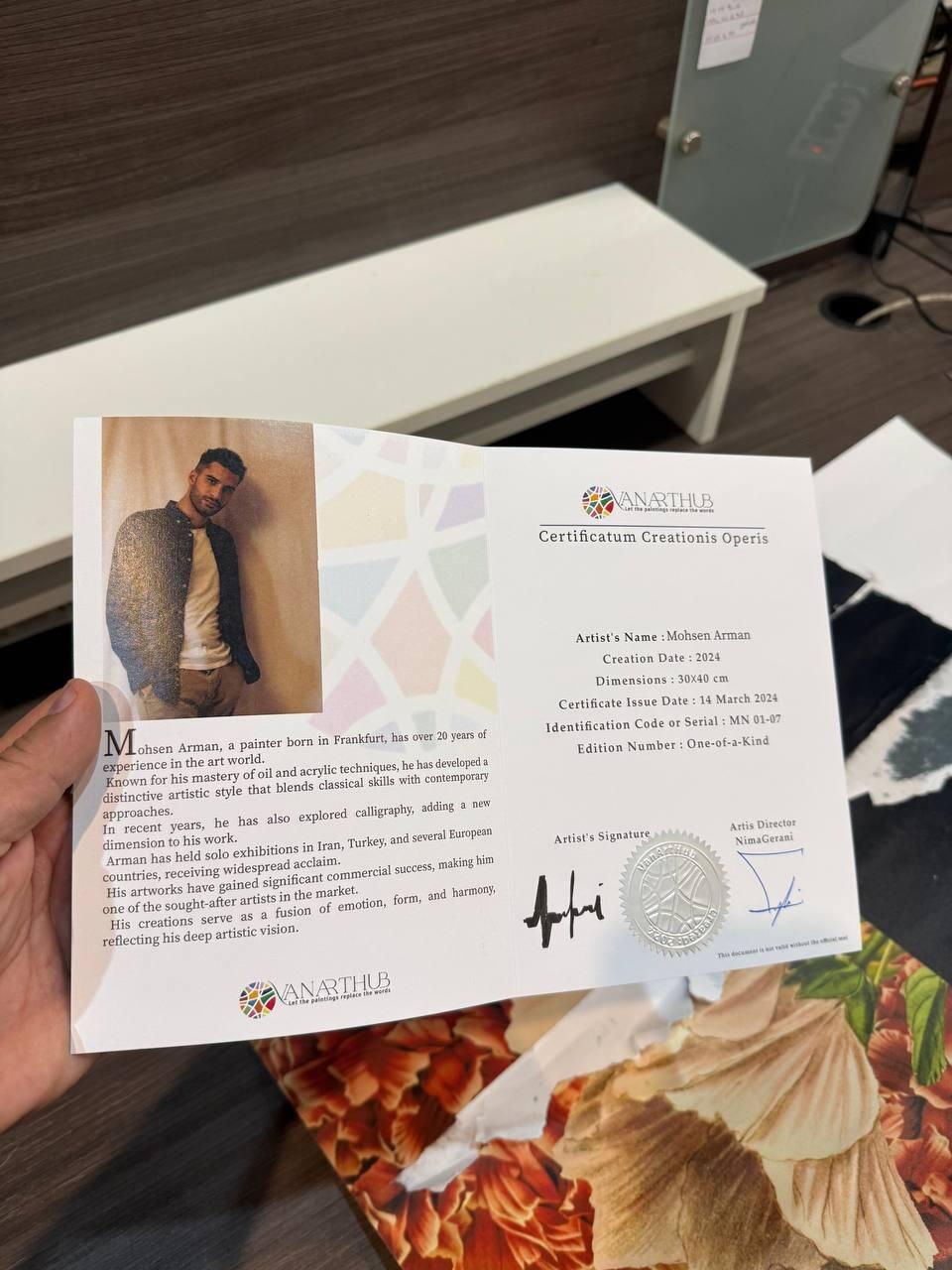
Every original we sell ships with a Certificate of Authenticity recording the artist, title, year, medium, and dimensions of that specific piece, signed by us as the gallery that sold it. Keep it. An appraiser will want it, the charity will want to see it, and reconstructing that information years later is unpleasant.
Keep your purchase invoice too, in the same folder. Under the rule above, your cost to acquire the work is one of the two numbers that determines the receipt, so being able to prove what you paid matters. We can reissue an invoice for a past purchase if you ask us.
What we do not do is appraise work for donation purposes. We sold it, so our opinion of its value is not independent, and a charity should not accept it as one. That is an appraiser's job and it should be someone with no stake in the transaction.
When donating a painting is actually a good idea
Strip out the tax arithmetic and there are still good reasons to do it.
A hospital, a community organisation, or a school gets a real original on a wall where hundreds of people see it, and a living artist gets their work into public view. A piece you have owned for fifteen years and have no room for is doing nothing in a closet.
Talk to the receiving organisation early. Charities are not obliged to accept a gift of property, and many decline art because they have nowhere to hang it, no way to insure it, and no budget to look after it. Arriving with a painting and an expectation is a way to have an awkward conversation.
And if the real goal is helping the organisation, ask whether they would rather have the cash. Sometimes the honest answer is yes, and a cash gift avoids the appraisal, the valuation question, and the deemed fair market value rule entirely.
Please confirm this with your own accountant
We need to say this clearly. VanArtHub is an art gallery in Vancouver. We are not tax advisors, we are not accountants, and nothing on this page is tax advice for your situation.
Everything above comes from the two Canada Revenue Agency pages linked below, and we have deliberately not gone beyond what those pages say. We have stated no credit rate, percentage, or provincial figure.
Before you donate anything, talk to your own accountant or tax professional, and talk to the charity about what they can and cannot issue. If a plan only works because of a tax outcome, get that outcome confirmed in writing by someone qualified before the painting leaves your house.
Key Takeaways
- Buying a painting now and donating it soon does not generate a receipt above what you paid.
- The CRA's deemed fair market value rule caps the receipt at the lesser of fair market value and your cost, for gifts of property acquired less than three years before donating.
- The same cap can extend to ten years where a main purpose of acquiring the work was to gift it.
- The CRA's own example: bought for $300, appraised at $1,000, donated six months later, receipt must be $300.
- An appraisal is recommended for items valued at $1,000 or more, and the appraiser's name and address go on the receipt.
- We do not appraise work we sold. Ask an independent appraiser, and confirm everything with your own accountant.
Frequently Asked Questions
Can I donate a painting and get a receipt for more than I paid?
Not if you acquired it less than three years before donating. The Canada Revenue Agency's deemed fair market value rule requires the receipt to be for the lesser of fair market value and your cost. The CRA's own example caps a $1,000 appraisal at the $300 purchase price.
How long do I have to own art before donating it?
The deemed fair market value rule applies to property acquired less than three years before the gift, and for up to ten years where one of the main purposes of acquiring it was to gift it to a qualified donee. Ask your accountant how that applies to your specific piece.
Do I need an appraisal to donate a painting?
The CRA recommends an appraisal for items valued at $1,000 or more. Below that a charity may set the value itself. Many charities will not accept a work above that threshold without an independent appraisal, since they are the ones responsible for the receipt amount.
What has to appear on a receipt for donated art?
A receipt for a non-cash gift must include a brief description of the property, and the name and address of the appraiser where the property was appraised. That is on top of the information any donation receipt carries. The charity issues it, not the gallery.
Will you appraise a painting I bought from you?
No. We sold it, so our valuation is not independent and a charity should not rely on it. Use a qualified independent appraiser with no stake in the transaction. We will happily supply the Certificate of Authenticity and reissue your original purchase invoice.
What is certified cultural property?
It is a separate regime for objects certified through a formal process, and it is treated differently from an ordinary donation. We have not verified the detail so we will not explain it here. If someone has raised it about your piece, speak to a tax professional and to the receiving institution.
Will a charity accept any painting?
No, and many decline. A charity has to hang it, insure it, and look after it, and plenty have no space or budget for that. Ask before you decide. Some will tell you honestly that a cash gift of the same value would help them far more.
What paperwork should I keep from the day I buy?
The Certificate of Authenticity and the purchase invoice, together, in the same place. Your cost is one of the two numbers that determines the receipt under the deemed fair market value rule, so proof of what you paid matters. We can reissue an invoice for a past purchase.
Is this page tax advice?
No. VanArtHub is an art gallery in Vancouver and we are not accountants or tax advisors. Everything here comes from the two Canada Revenue Agency pages listed in our sources. Confirm your own situation with a qualified tax professional before you donate anything.
What does the Certificate of Authenticity cover?
It records the artist, title, year, medium, and dimensions of your specific piece, signed by us as the gallery that sold it. Every original we ship carries one. It is the document you will want if you ever insure, donate, or resell the work.
Are these prints or original paintings?
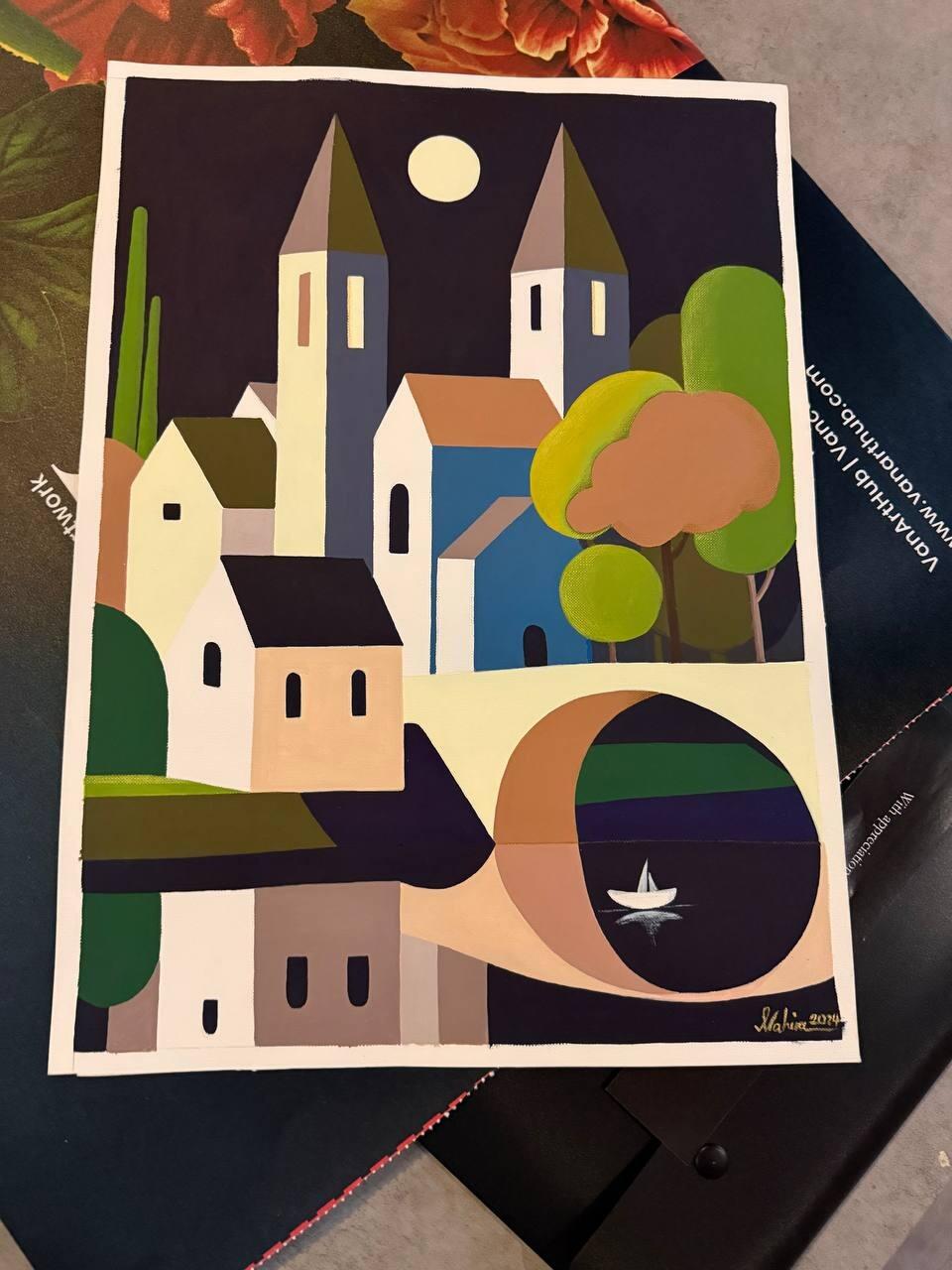
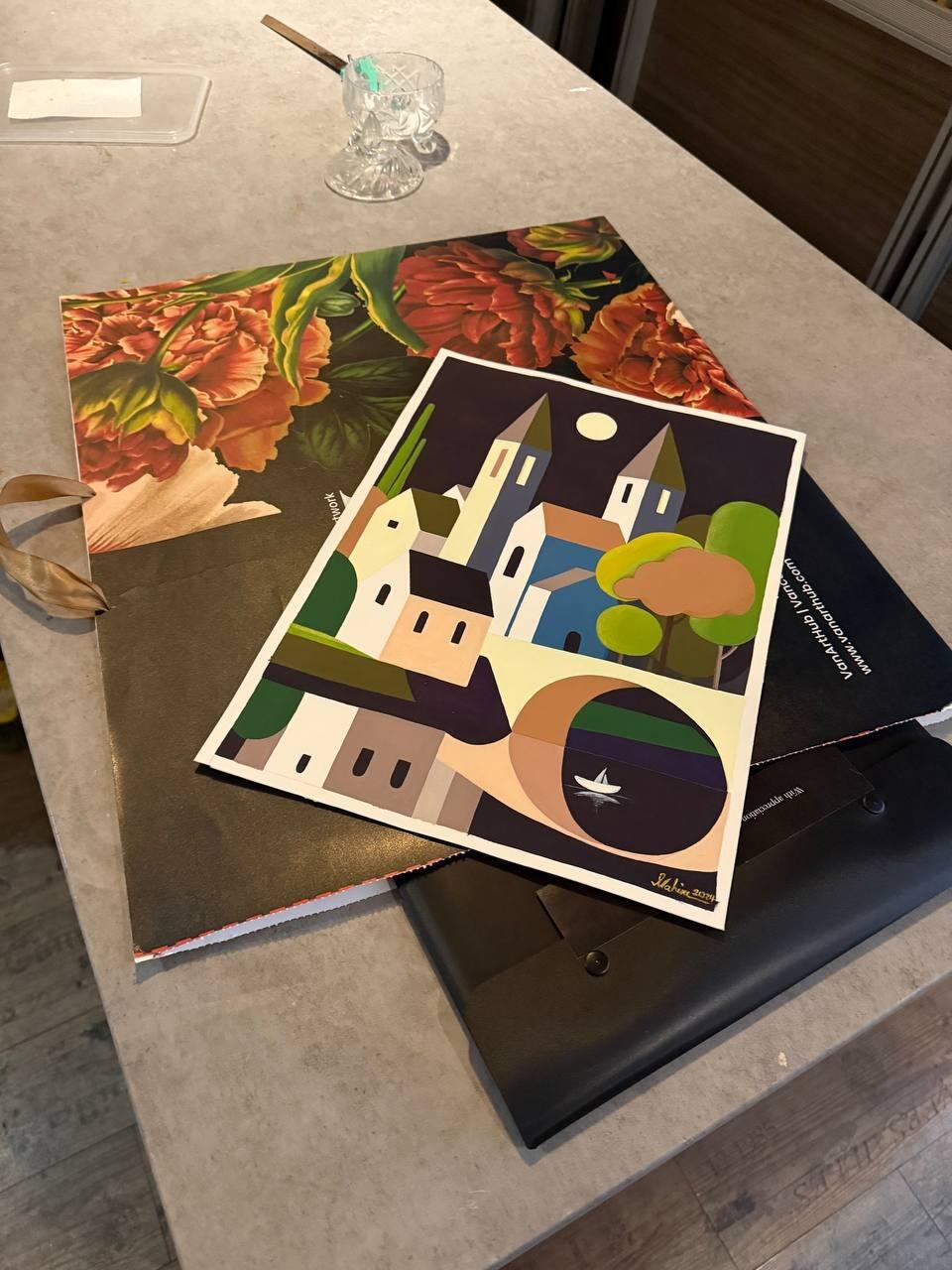
Originals only. Every piece on the site is a one-of-a-kind work, signed by the artist, and once it sells nobody can buy that exact painting again. We do not sell prints, giclees, or reproductions of any kind.
Sources
- Canada Revenue Agency, Deemed fair market value rule
- Canada Revenue Agency, Issuing complete and accurate donation receipts
Sources checked 1 September 2026. If you spot something out of date, tell us and we will update the guide.
About VanArtHub
VanArtHub is an online gallery in Vancouver selling original, signed, one-of-a-kind paintings by independent artists. No prints and no reproductions. Every piece ships with a Certificate of Authenticity, free fully insured delivery to Canada and the USA, and a 14-day trial so you can decide at home. Browse available originals, read what a Certificate of Authenticity actually proves, or see our guide to insuring an original painting. Our full policy lives on the Buy with Confidence page.