Buying a Second Work From the Same Artist
Updated By VanArtHub Curatorial TeamShare
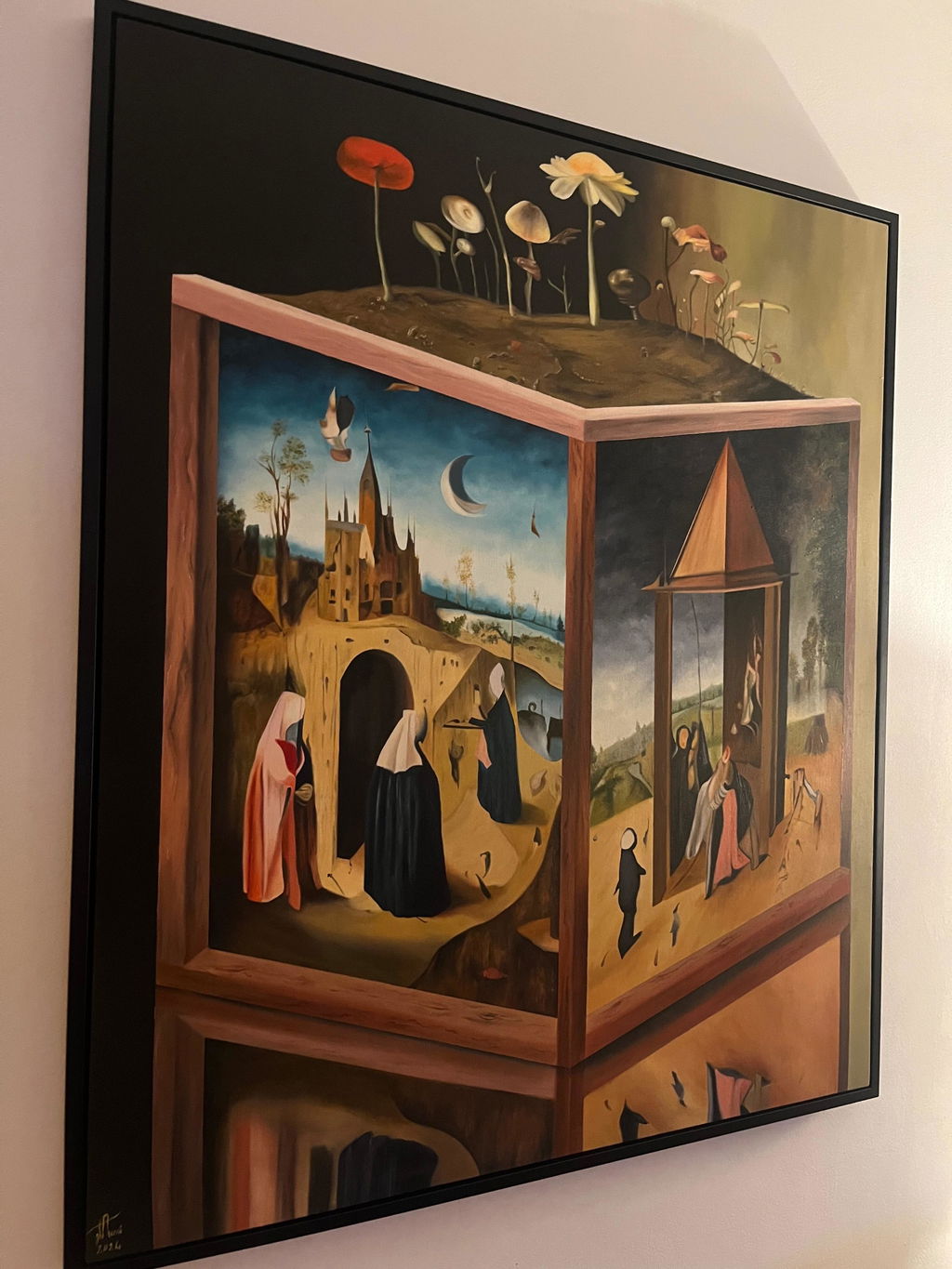
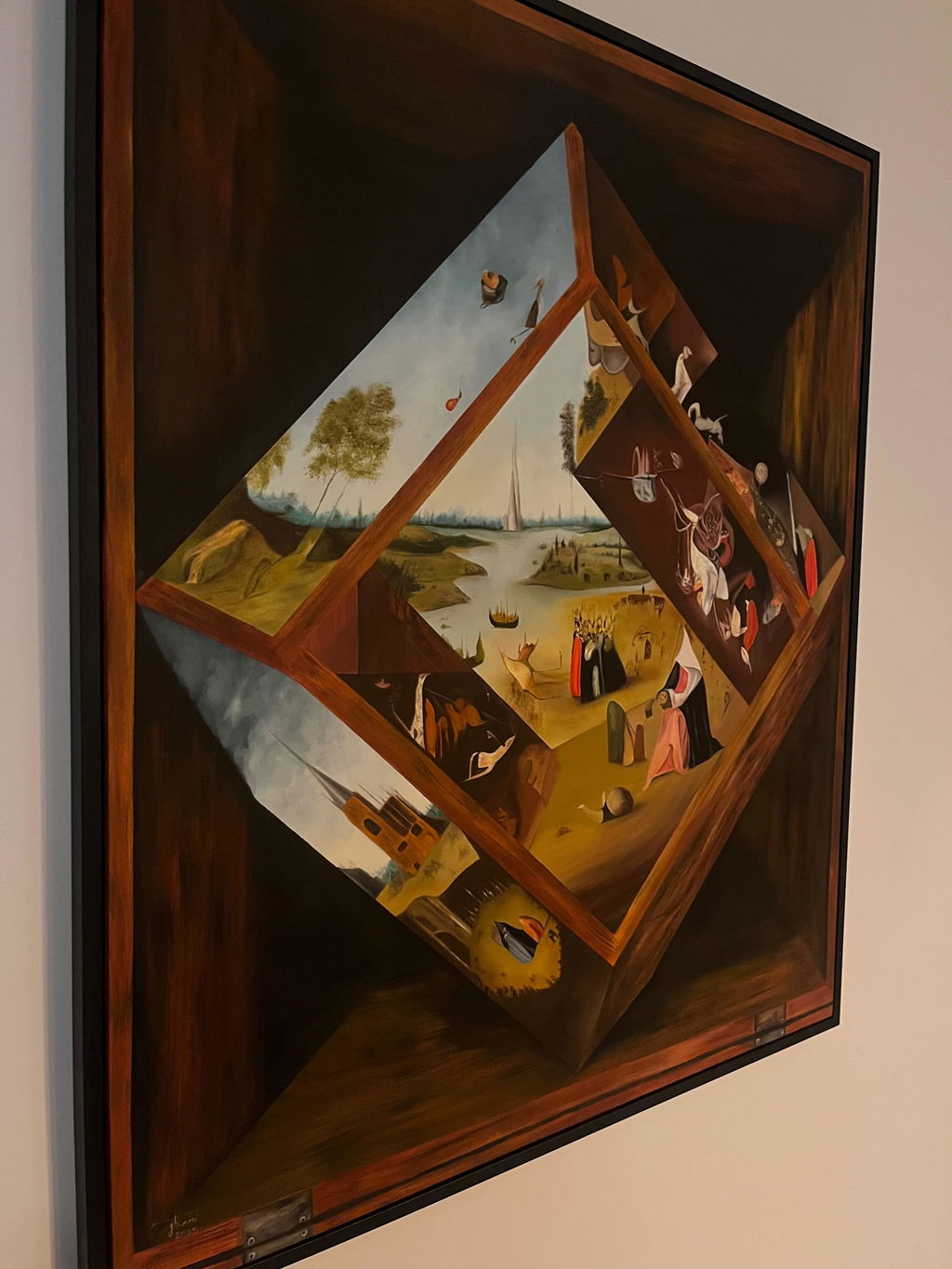
You bought a painting eight months ago. You still like it, maybe more than you did at the start, and now you are looking at another piece by the same person. That second purchase behaves very differently from the first. It is the point where a set of individual purchases starts turning into something with a shape, and it is also where people make the one mistake we see most often.
What actually changes on the second purchase
The first time you buy from an artist, you are buying an image you responded to. You may know nothing about the person and it does not matter much.
The second time, you have lived with their work. You know how it behaves at seven in the morning and under a lamp at ten at night. You have noticed which parts of it you keep going back to. That is real information and it is worth more than any amount of reading about an artist.
You also now have something to place the new piece against. Two works by one artist in one home talk to each other, whether or not you hang them in the same room. Visitors will compare them. You will compare them. So the question shifts from do I like this to how does this sit next to what I already own.
The mistake: buying the same painting twice
Here is the pattern. Someone buys a piece they love, comes back, and asks for another one like it. Same palette, same subject, similar composition. It arrives, they hang the two together, and within a few months one of them has quietly become the lesser version of the other.
Two very similar works in one home cancel each other out. Neither gets looked at properly, because the eye treats them as one thing. And you have spent the money for a second painting and received about a quarter of the additional pleasure.
We will say this plainly to buyers and it sometimes annoys them. If you ask us for another one like the first, we will show you the near-match and then we will show you two pieces that are clearly by the same hand and clearly different, and we will tell you which we think you will still be happy with in five years.
The exception is a deliberate pair or set, made as a pair, hung as a pair, with the relationship intended by the artist. That is a different object and it works.
What to look for instead
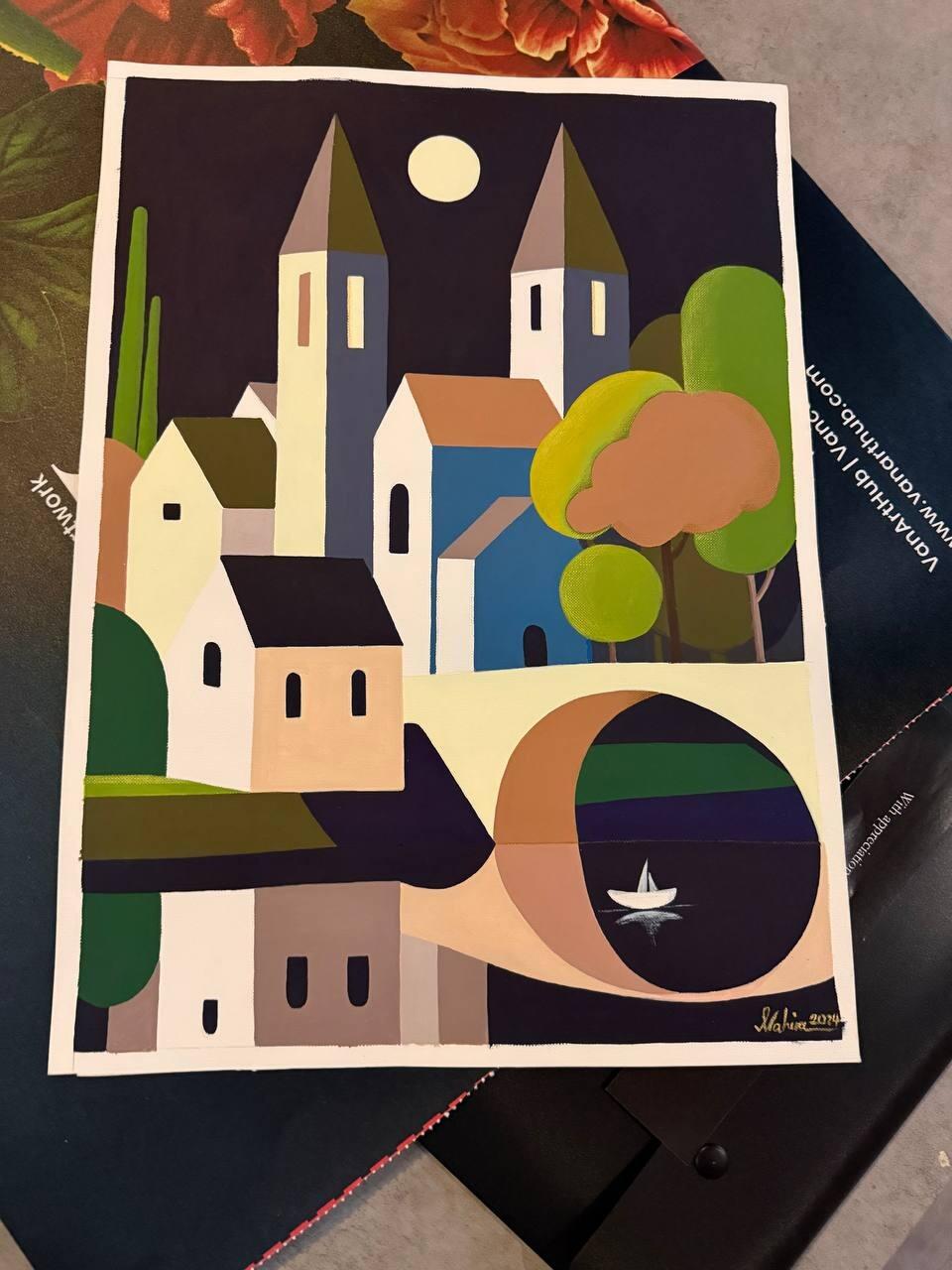
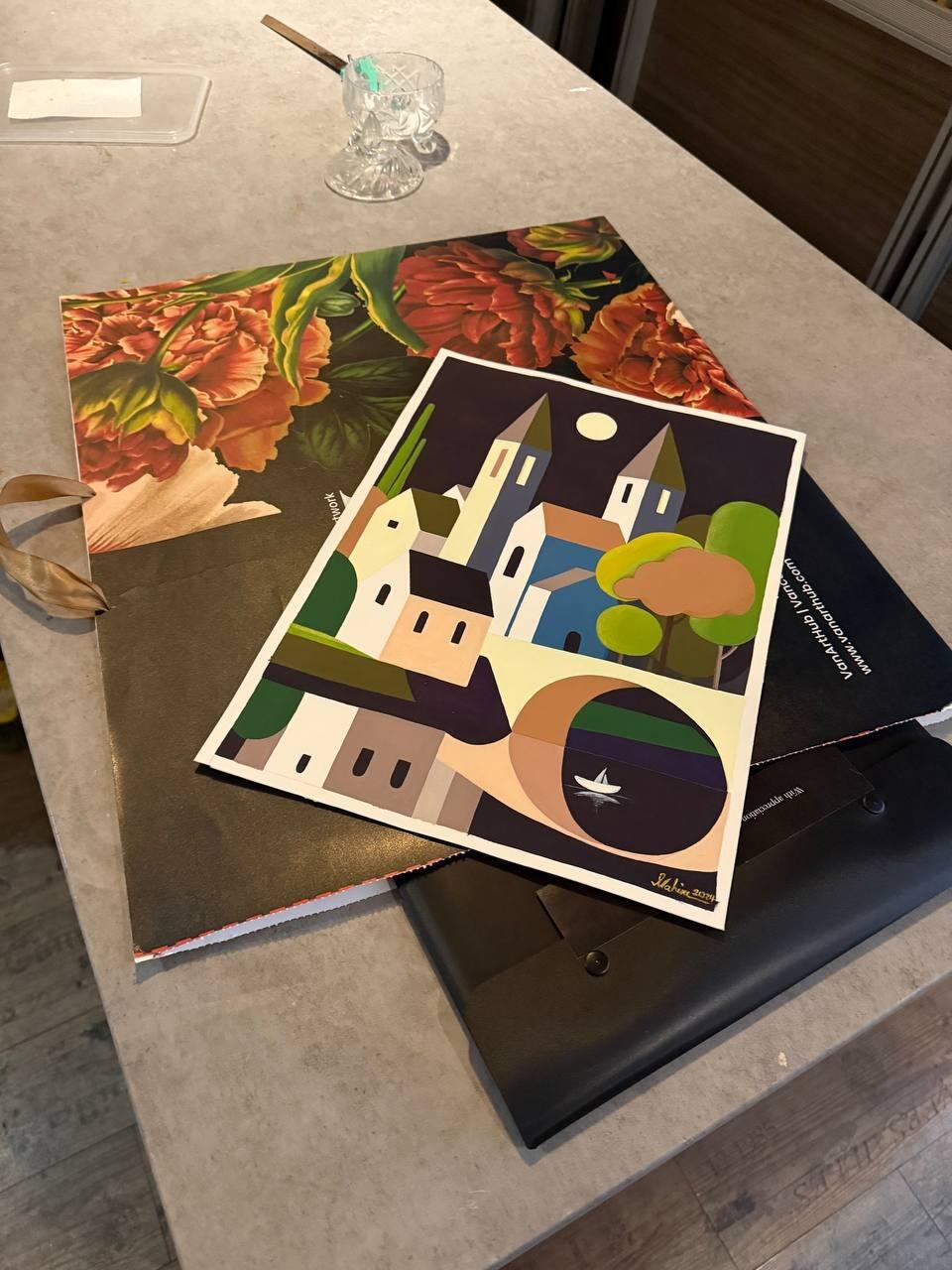
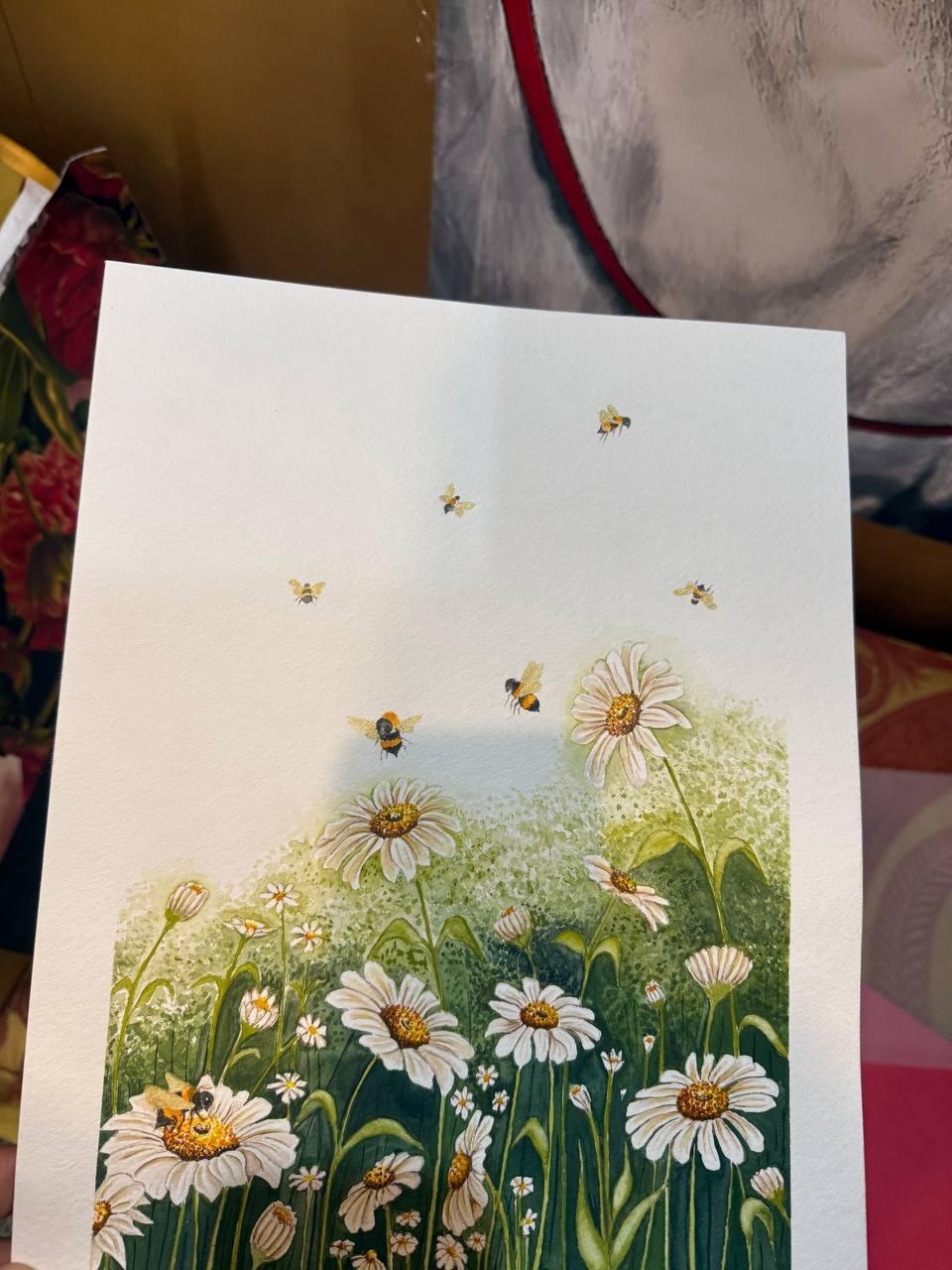
Look for the same hand doing something else. A different scale, a different subject, a different time in the artist's working life. Those pieces reinforce each other. Standing in front of both, you learn something about how the artist thinks, which a matched pair cannot teach you.
Scale is the easiest lever. If your first piece is small, look for something large. If your first is a big statement wall piece, a smaller intimate work by the same person in a hallway or a study is a very good second purchase. Browse large wall art and see what happens next to what you already own.
Subject is the second lever. An artist who paints both landscape and portrait gives you an obvious pairing that is not repetitive. Medium is the third: an oil and a work on paper by the same person read completely differently on a wall.
| If your first piece is | Look for | Avoid |
|---|---|---|
| Small | A large statement work | Another small one in the same palette |
| A large wall piece | An intimate small work for a hall or study | A second large piece for the same room |
| A landscape | A portrait or an abstract by the same hand | The same view in a different season |
| Quiet and muted | Something with a stronger colour decision | A near match one shade off |
| Recent work | An earlier piece, if any is available | The next one out of the studio, sight unseen |
Hanging two works by one artist
Our default advice is to separate them. Put them in different rooms, or on different walls in the same room where you cannot take both in at once. Each piece then gets its own attention, and the connection between them is something you notice as you move through the house rather than something announced at the door.
If you do want them together, the pairing has to be deliberate. Same eye level, generous space between them, and enough difference in scale or subject that they are obviously two statements rather than one repeated. Two pieces of very similar size hung symmetrically read as decoration. That may be exactly what you want in a corridor, and it is a real choice with a real cost.
Light both properly, and light them the same way. A pair where one is well lit and one sits in shadow makes the shadowed one look like a mistake. Our page on hanging and lighting covers the practical side.
Asking the artist question directly
Once you own two pieces by someone, it is reasonable to ask us more about them, and we will tell you.
What we can usually say: what they are working on now, whether the direction you like is one they are still pursuing or one they have moved past, how many pieces they typically make in a year, and whether anything comparable is coming. We have their phone number, so these are answerable questions rather than speculation.
What we will not do is tell you a painting is going to be worth more later. Nobody can know that, and a gallery saying it to encourage a second purchase is a gallery you should be careful with. Buy the second piece because you want to live with it.
One thing worth doing at this stage is putting both pieces on your insurance properly. Two originals is the point where a standard contents policy limit starts to matter. Our guide on insuring an original painting covers what to ask your broker.
The honest limits on our side
We cannot promise you will be able to buy a third. Every piece is one of a kind, our artists are independent, and some of them stop making work in a particular direction without warning. If you love a specific vein of someone's output and there is a piece available now, we would take it now rather than wait for a better one. That advice cuts in favour of a sale and we would still give it.
We also cannot hold work indefinitely. We will hold a piece for a genuine decision, for a reasonable period, and we will say what reasonable means at the time. Open-ended holds are unfair to the artist and to other buyers.
And if the second piece is wrong when it arrives, send it back. Fourteen days, we pay the return shipping, no argument. A second purchase from an artist you already trust is exactly the situation where people talk themselves into keeping something that is not right. Do not do that. Nothing about buying once obliges you to buy again.
You can also see what has already sold by an artist in our sold archive, which is a better guide to their range than anything we could write about them.
Key Takeaways
- The second purchase is judged against the first, by you and by everyone who visits. Choose with that in mind.
- Do not buy a near-match of what you already own. Two similar works cancel each other out on a wall.
- Change the scale, the subject, or the medium. Same hand, different problem.
- Hang two works by one artist in different rooms by default, so each gets its own attention.
- Ask us what the artist is working on now. We can answer that. We cannot tell you what a piece will be worth later.
- Two originals is the point to review your insurance limits properly.
Frequently Asked Questions
Should I buy a second painting by an artist I already own?
If you still enjoy the first one months later, that is the strongest possible signal. Buy a piece that is recognisably by the same hand but different in scale, subject, or medium. A near-match of what you own is the one version we would talk you out of.
Why not buy a matching pair?
Because two very similar works in one home read as a single decorative unit and neither gets properly looked at. You pay for a second painting and get a fraction of the extra pleasure. A pair conceived and made as a pair by the artist is a different case and works fine.
Should the two pieces hang together or apart?
Apart, by default. Different rooms, or walls where you cannot see both at once, so each holds its own attention. If you hang them together, keep the same eye level, leave generous space, and make sure they differ enough in scale or subject to read as two statements.
Can you tell me what an artist is working on now?
Usually, yes. We represent the artists directly, so we can ask whether the direction you like is one they are still pursuing, roughly how much work they produce in a year, and whether anything comparable is coming. We will tell you when the answer is that we do not know.
Will buying more work by one artist increase its value?
We will not make that claim, and be careful with any gallery that does. Nobody can predict what a living artist's work will be worth later. Buy the second piece because you want to live with it every day, which is the only return you can count on.
Can you hold a piece while I decide?
For a genuine decision and a reasonable period, yes, and we will tell you what that period is when we agree it. Open-ended holds are unfair to the artist, whose work is off the market, and to other buyers looking at the same piece.
What if the second piece is wrong when it arrives?
Send it back. You have 14 days from delivery, we send a prepaid insured label, and we refund in full. A second purchase is exactly where people talk themselves into keeping something that does not work, because they already trust the artist. Do not.
Should I insure the second piece separately?
Talk to your broker once you own two originals. Standard household contents policies often carry a per-item limit and a total limit for fine art, and two pieces is commonly where people cross it. Keep both Certificates of Authenticity with your policy documents.
How can I see the full range of an artist's work?
Look at their available pieces and then look at the sold archive, which stays online permanently. Sold work shows you the range and the direction over time far better than a written biography. Ask us if you want to know about a specific period.
What is the Lifetime Trade-Back?
If your taste or your space changes years from now, return the painting in good condition at any time and we issue store credit toward another original. It is credit rather than cash, and we would rather say that plainly than dress it up.
What does the Certificate of Authenticity cover?
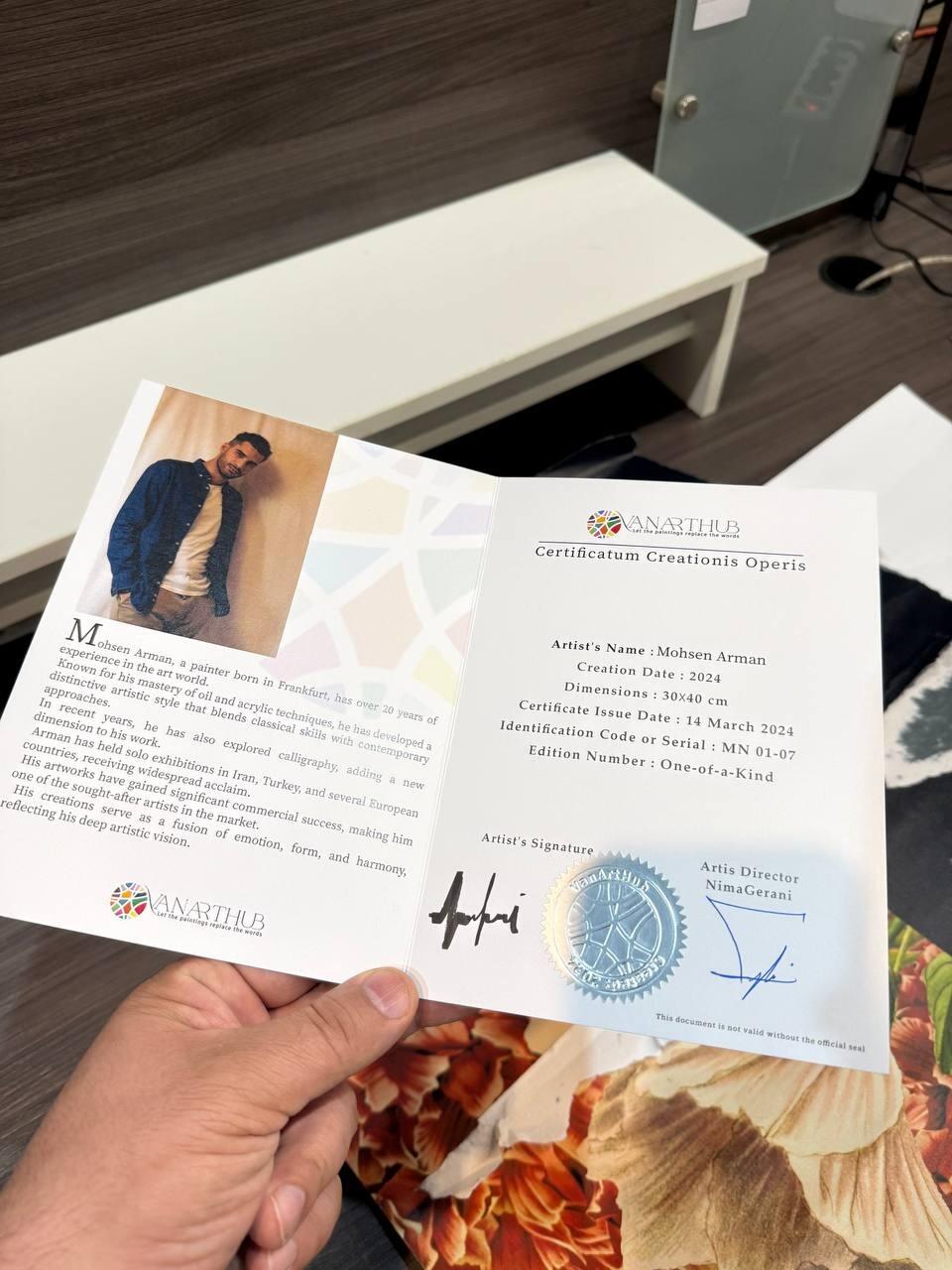
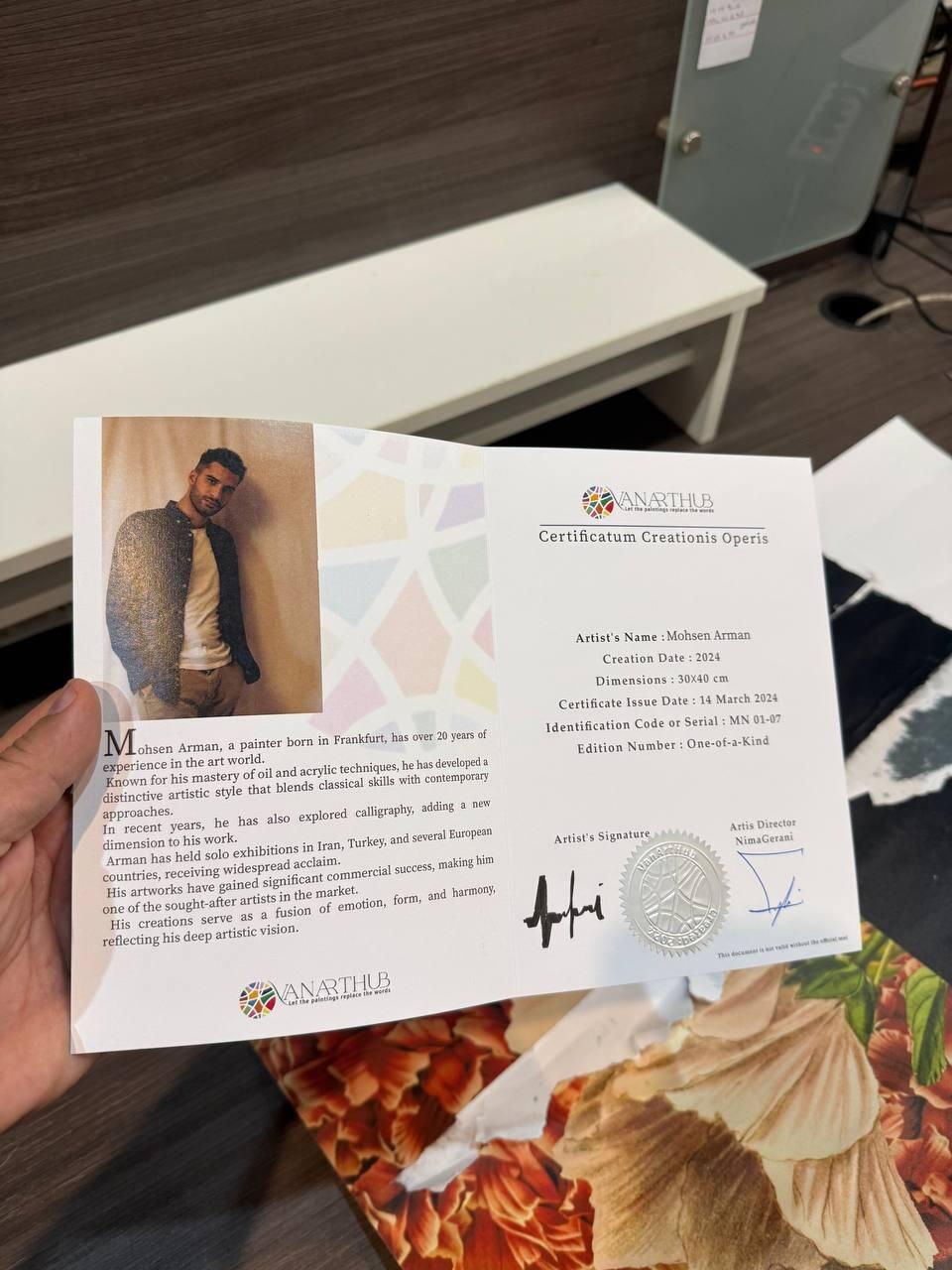
It records the artist, title, year, medium, and dimensions of your specific piece, signed by us as the gallery that sold it. Every original we ship carries one. It is the document you will want if you ever insure, donate, or resell the work.
About VanArtHub
VanArtHub is an online gallery in Vancouver selling original, signed, one-of-a-kind paintings by independent artists. No prints and no reproductions. Every piece ships with a Certificate of Authenticity, free fully insured delivery to Canada and the USA, and a 14-day trial so you can decide at home. Browse all available originals, look through the sold archive to see an artist's range, or read why we offer a 14-day trial. Our full policy lives on the Buy with Confidence page.