Original vs Print vs Reproduction vs Giclee: The Real Difference
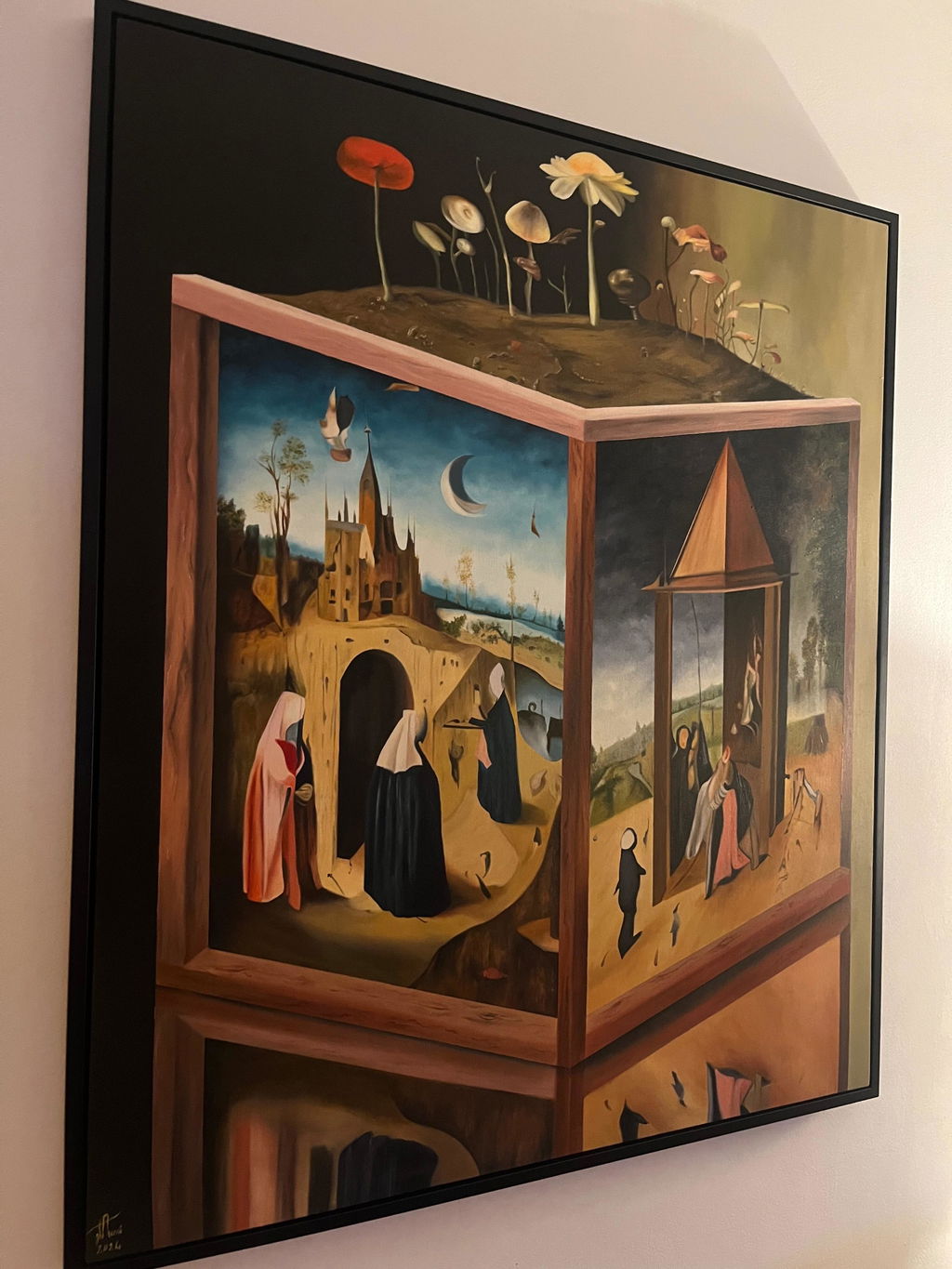
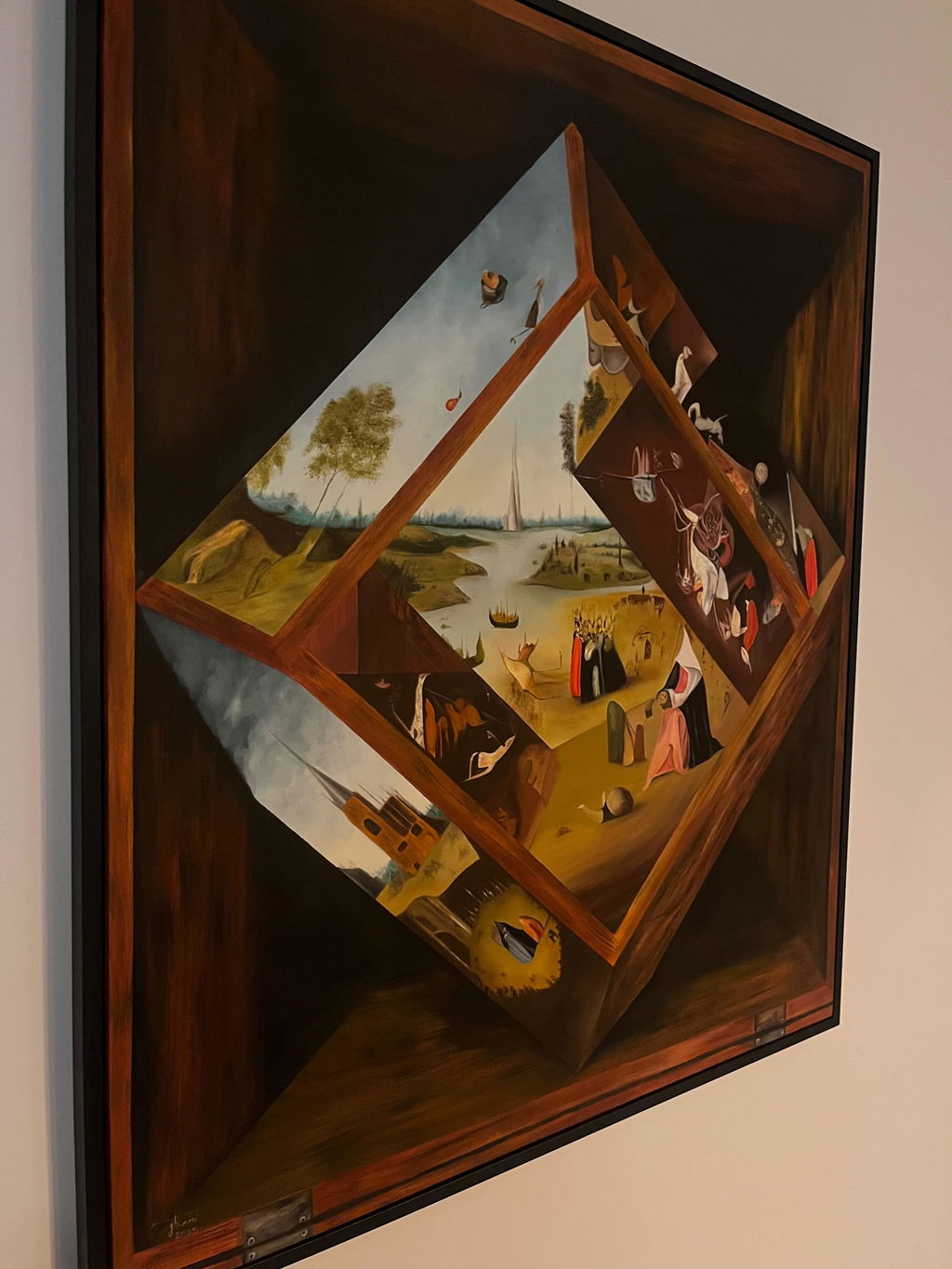
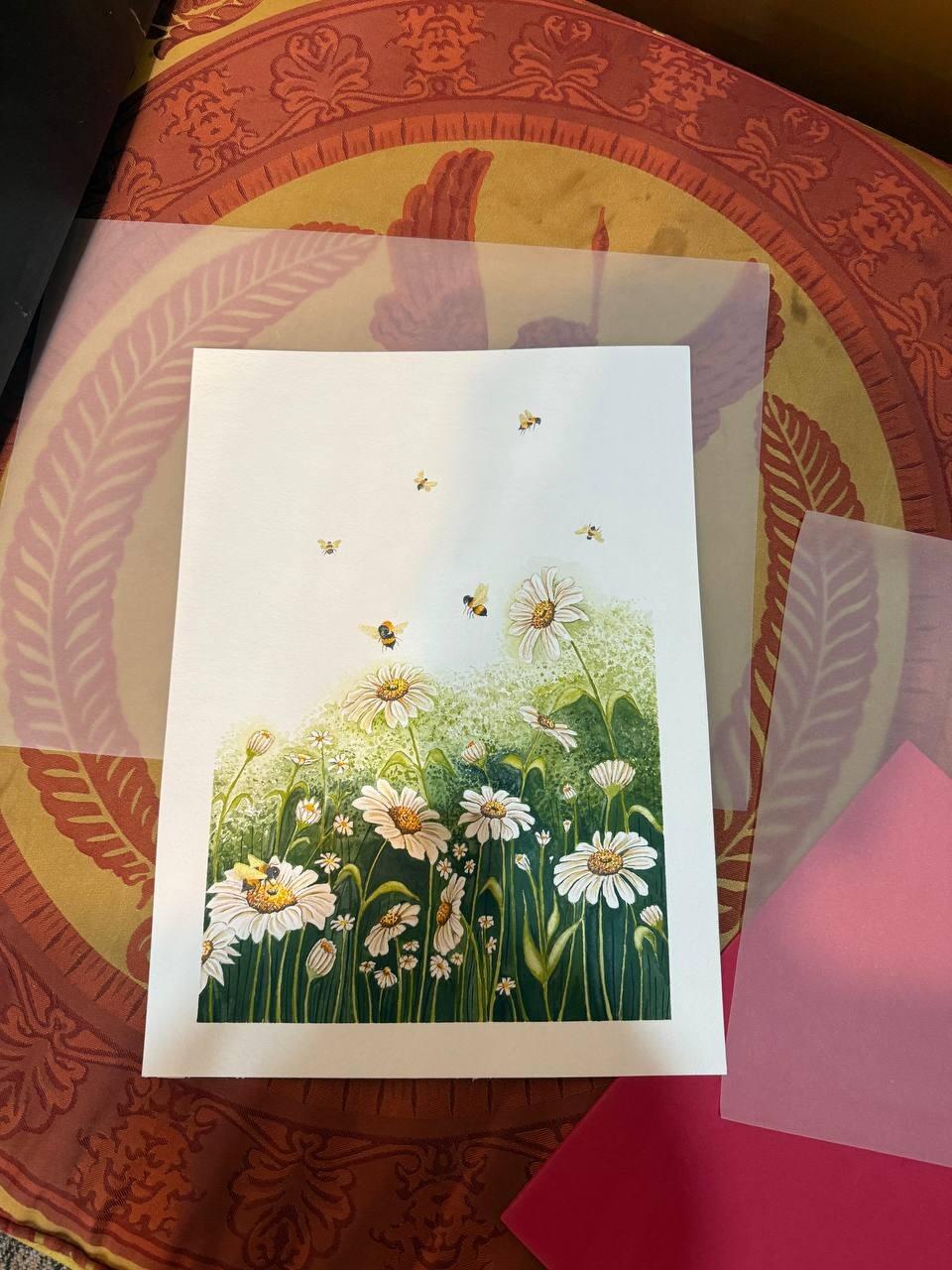
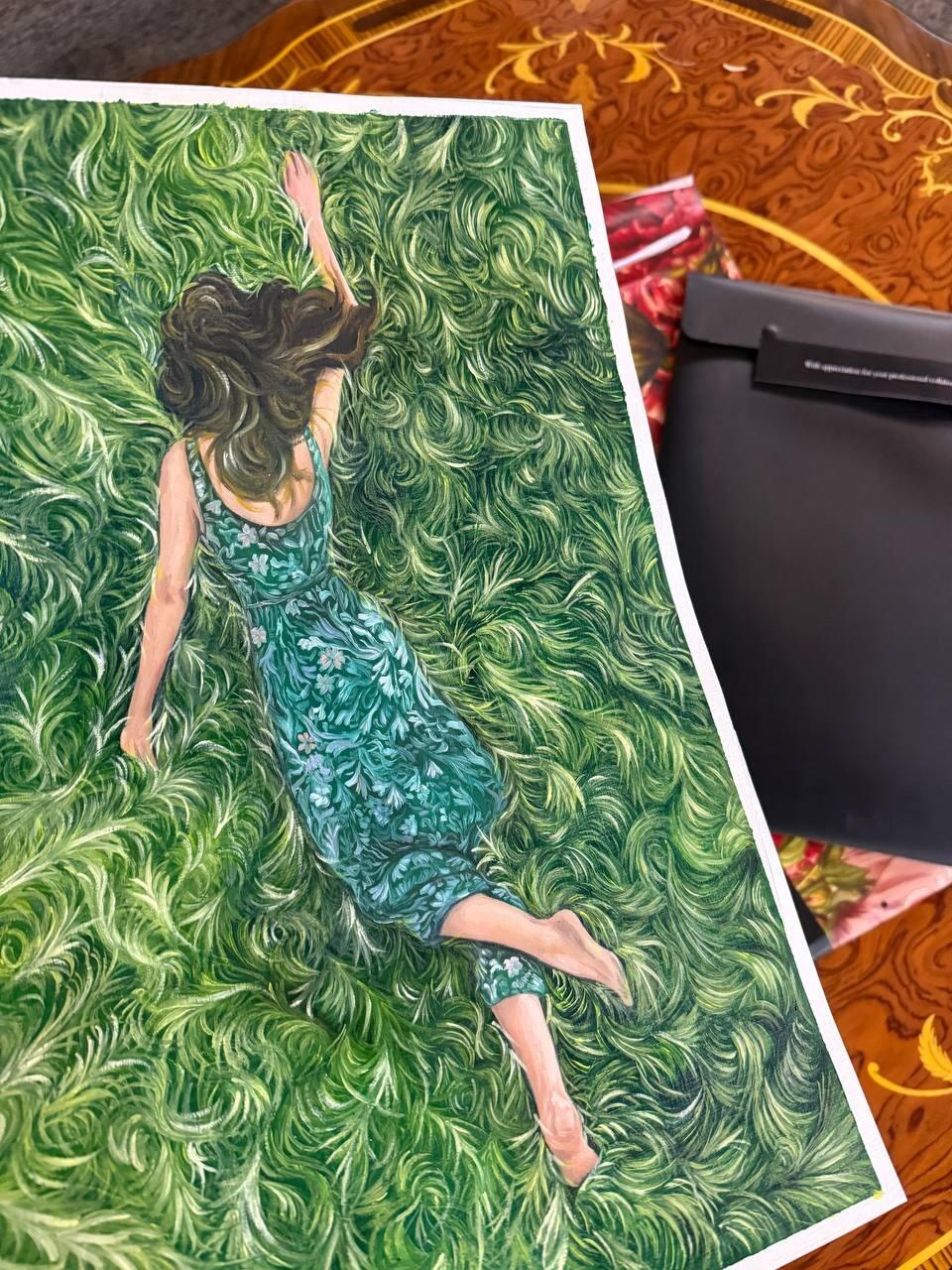
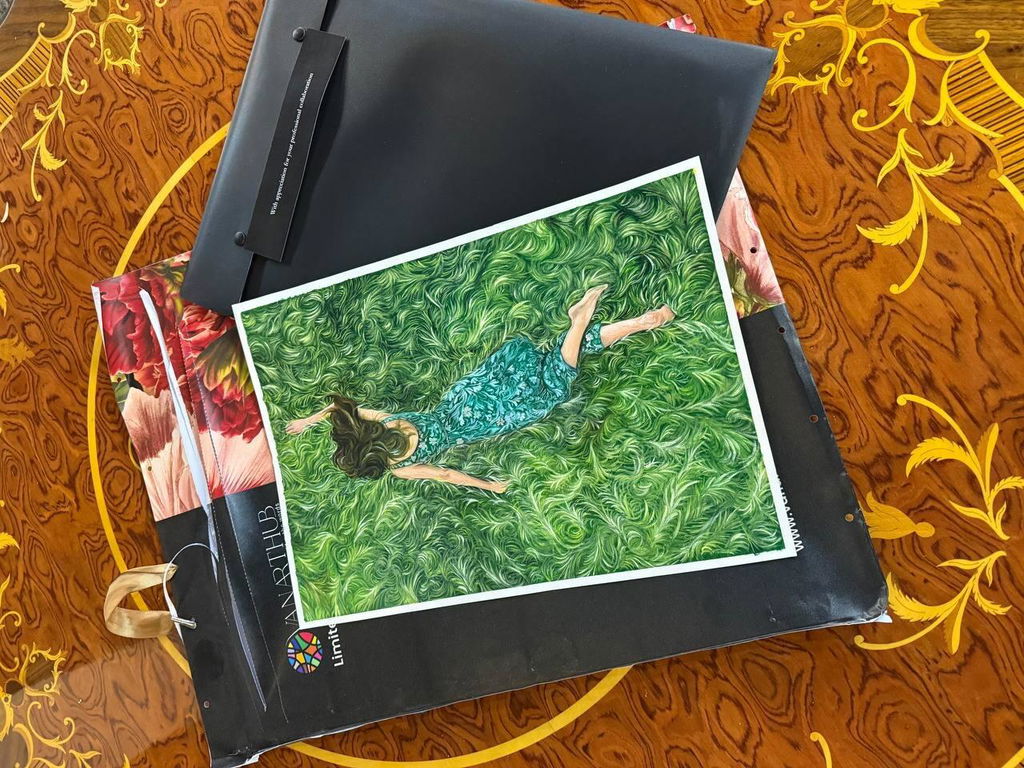
UpdatedAn original painting is the single physical object the artist made with their own hands. A print, a reproduction, or a giclée is a copy of that object. A giclée is simply a high quality inkjet reproduction, printed by a machine, not painted by a person. At VanArtHub we sell only originals, so this question comes up in almost every buyer email we answer, and the honest answer is short. When you buy an original, you own the one thing that exists. When you buy a print, you own one of many machine made copies. Both can look nice on a wall. Only one is the artwork itself.

We are an online gallery that sells original, signed, one of a kind paintings to collectors in Canada and the USA. Every piece ships with a Certificate of Authenticity. We are not a print shop and we do not sell posters. So this guide is written from the side of the table where the paintings are real, and we will be plain about what each term means and what you are actually paying for.
The short version, in one table
Here is the whole comparison on one screen. Read this first, then read the sections below if you want the reasons behind each row.
| Question | Original painting | Open-edition print | Limited-edition print | Giclée |
|---|---|---|---|---|
| What is it | The one physical object the artist made | A copy of an artwork, printed with no fixed limit | A copy printed in a fixed, numbered run | A high quality inkjet copy, usually of a painting or photo |
| How many exist | One | Often thousands, no set cap | A set number, for example 1 of 50 | As many as the artist chooses to print |
| Made by hand | Yes, painted by the artist | No, printed by a machine | No, printed by a machine | No, sprayed by an inkjet printer |
| Typical price level | Highest, because it is unique | Lowest, often the price of a poster | Low to medium, higher for small runs | Low to medium, sold as fine art but still a copy |
| Does value hold | Best chance, tied to the artist and the single object | Rarely, supply is not limited | Sometimes, if the artist is collected and the run is small | Rarely as a copy, though the paper and ink can last |
What "original" really means
An original is the artwork itself, not a picture of the artwork. The Art Institute of Chicago explains it well in its own visitor FAQ. A painting made by the artist is original, and even a work made from an original matrix, like a woodblock or an etching plate, counts as original because the artist created that matrix. The museum also gives a useful example. Monet painted the same haystacks many times, and each canvas is its own original, because each one is a separate object he actually painted.
This is the part buyers sometimes miss. Original does not mean the first idea. It means the physical thing the artist made. Two paintings of the same flowers by the same artist are two originals. A photo of one of those paintings, printed on paper, is not.
What a print is, and what an edition means
Tate, the UK national art museum, defines a print in plain words. It is "an impression made by any method involving transfer from one surface to another." In other words, ink moves from a plate, screen, or digital file onto paper. The artist may or may not touch the paper at all.
The word "edition" tells you how many copies exist. Tate describes an edition as "a series of identical impressions or prints made from the same printing surface." Since the late nineteenth century, artists have limited these runs. Tate notes modern print editions are usually capped at somewhere between 2 and 1000 or more, and each print is numbered, so you see marks like 1/25 or 2/25 written by hand.
An open edition has no cap. The publisher can print as many as sell. That keeps the price low and it also means the supply can grow forever, which is why open prints almost never gain value. A limited edition has a fixed number. Fewer copies can mean more demand, but only if people actually want that artist's work. A number on a print does not create value by itself. The artist has to be someone collectors are looking for.
What a giclée actually is
A giclée is a high quality inkjet print. That is the whole definition. The word was coined around 1991 by a printmaker named Jack Duganne, from the French word "gicleur," which means nozzle. It sounds fancy because it is French and because the paper and inks used are good, archival quality that resists fading. But the process is a printer spraying ink onto paper or canvas. No brush touches it.
Galleries sometimes sell giclées as "fine art prints," and that is fair as long as everyone is clear on what it is. A giclée is a reproduction. It reproduces something. If a giclée is a copy of a painting, the painting is the original, and the giclée is a copy of that original, even a very good one. We say this plainly because some sellers use the French name to blur the line.
How to tell the difference in person
You can usually spot an original in a few seconds once you know what to look for. Here is what we check when a piece comes into our hands.
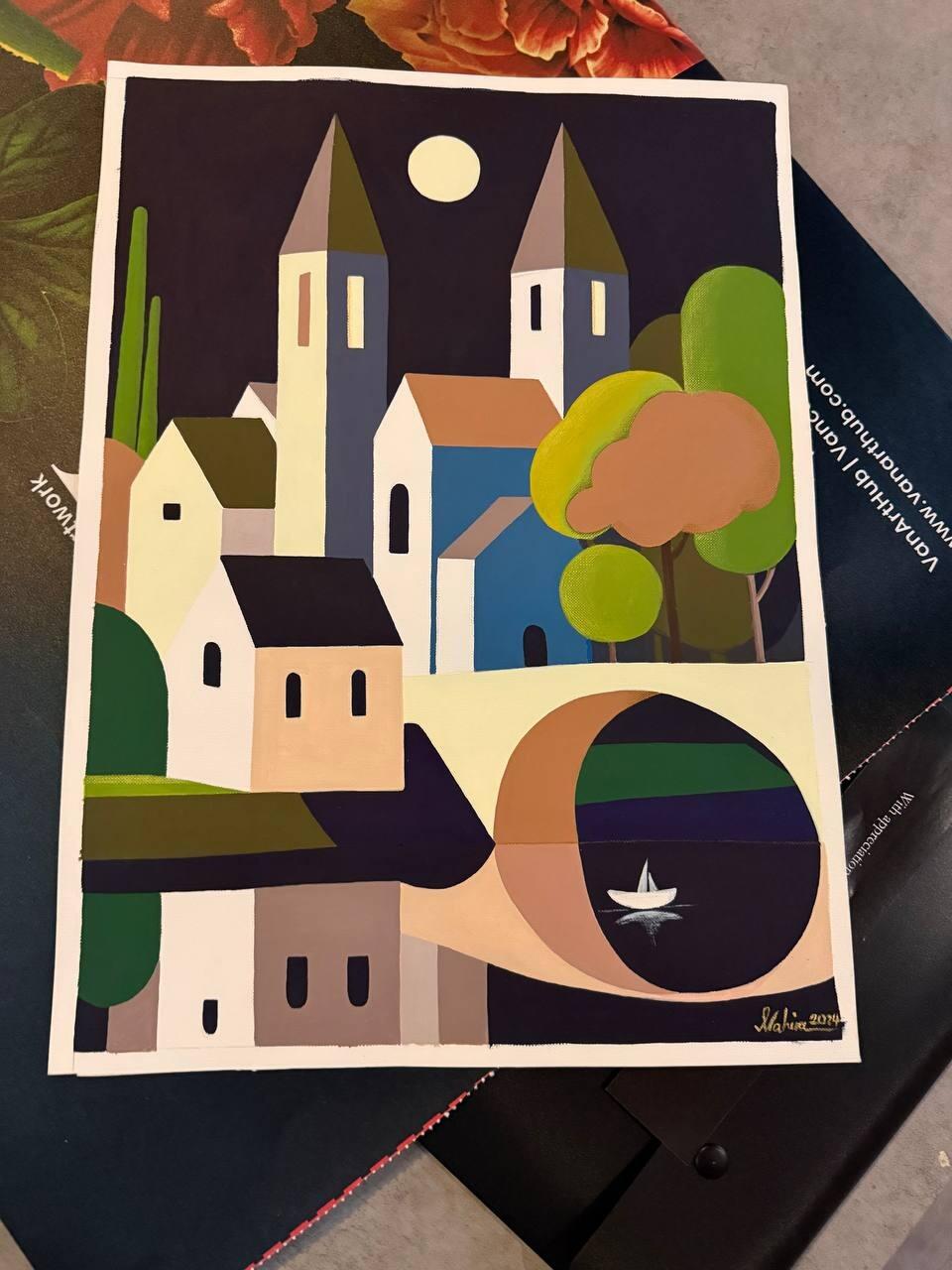
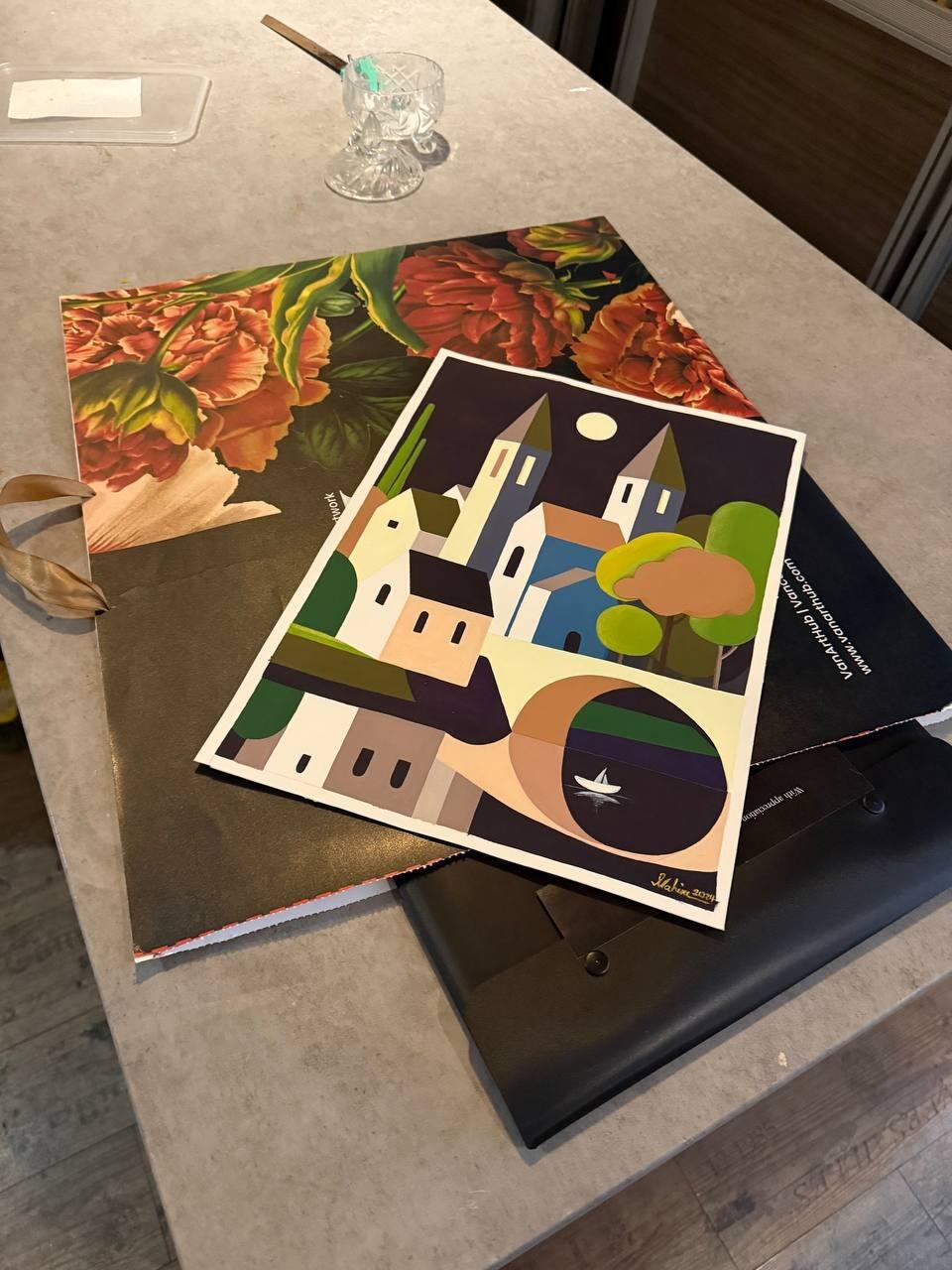
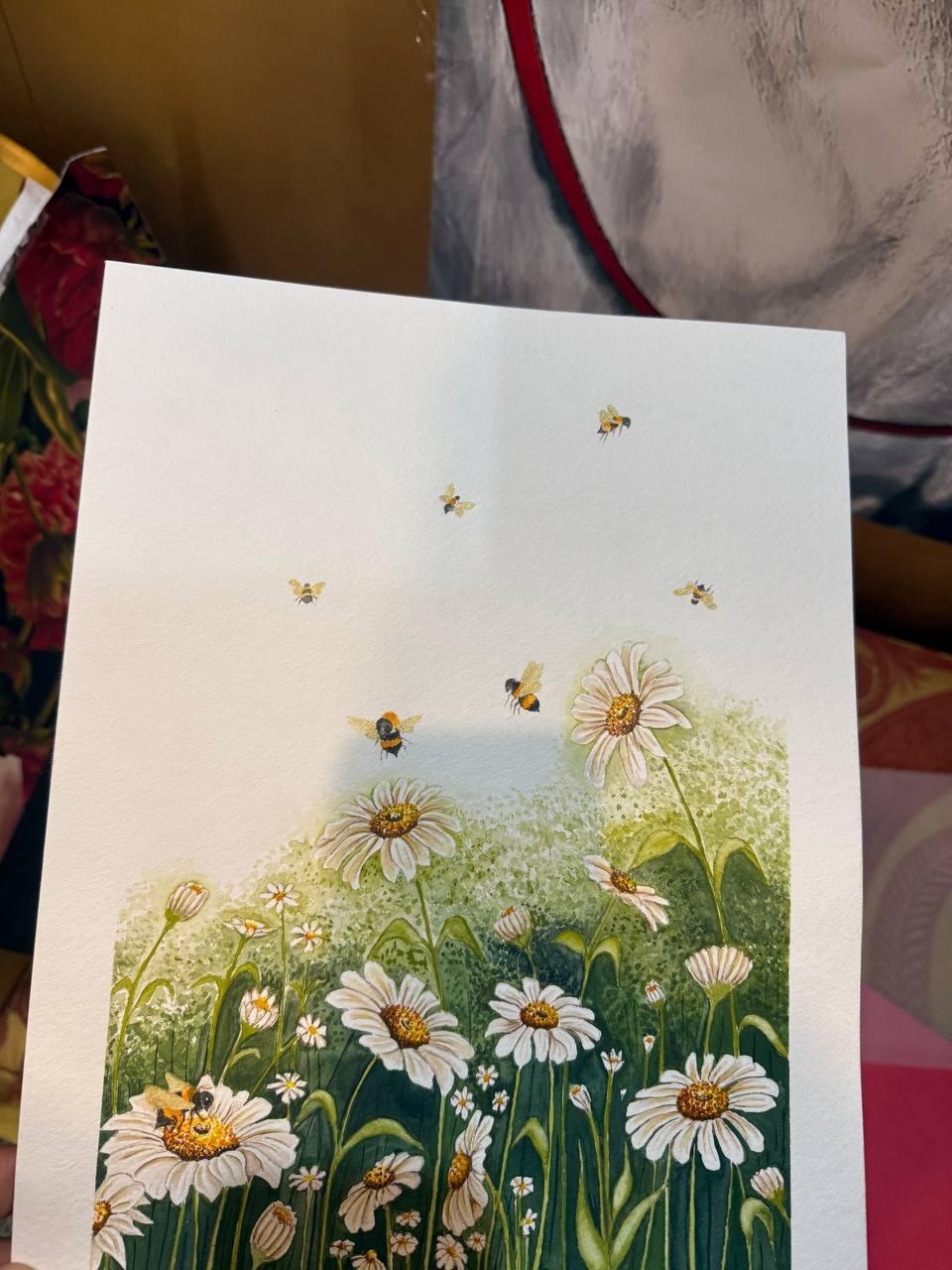
- Look at the surface at an angle. A real painting has raised texture. You can see brush strokes, ridges of paint, and small changes in height where the artist layered color. A print is flat. Under a magnifier a print often shows a pattern of tiny ink dots, which paint never has.
- Turn it over. On a stretched canvas the back tells a story. You may see the raw canvas, staples, the artist's notes, a title, or a date. A print mounted on board or thin canvas usually looks uniform and machine finished on the back.
- Check the signature. On an original the signature is painted or drawn into the surface, so it sits in the paint. On a print the signature is often printed as part of the image, though some artists sign prints by hand in pencil in the margin.
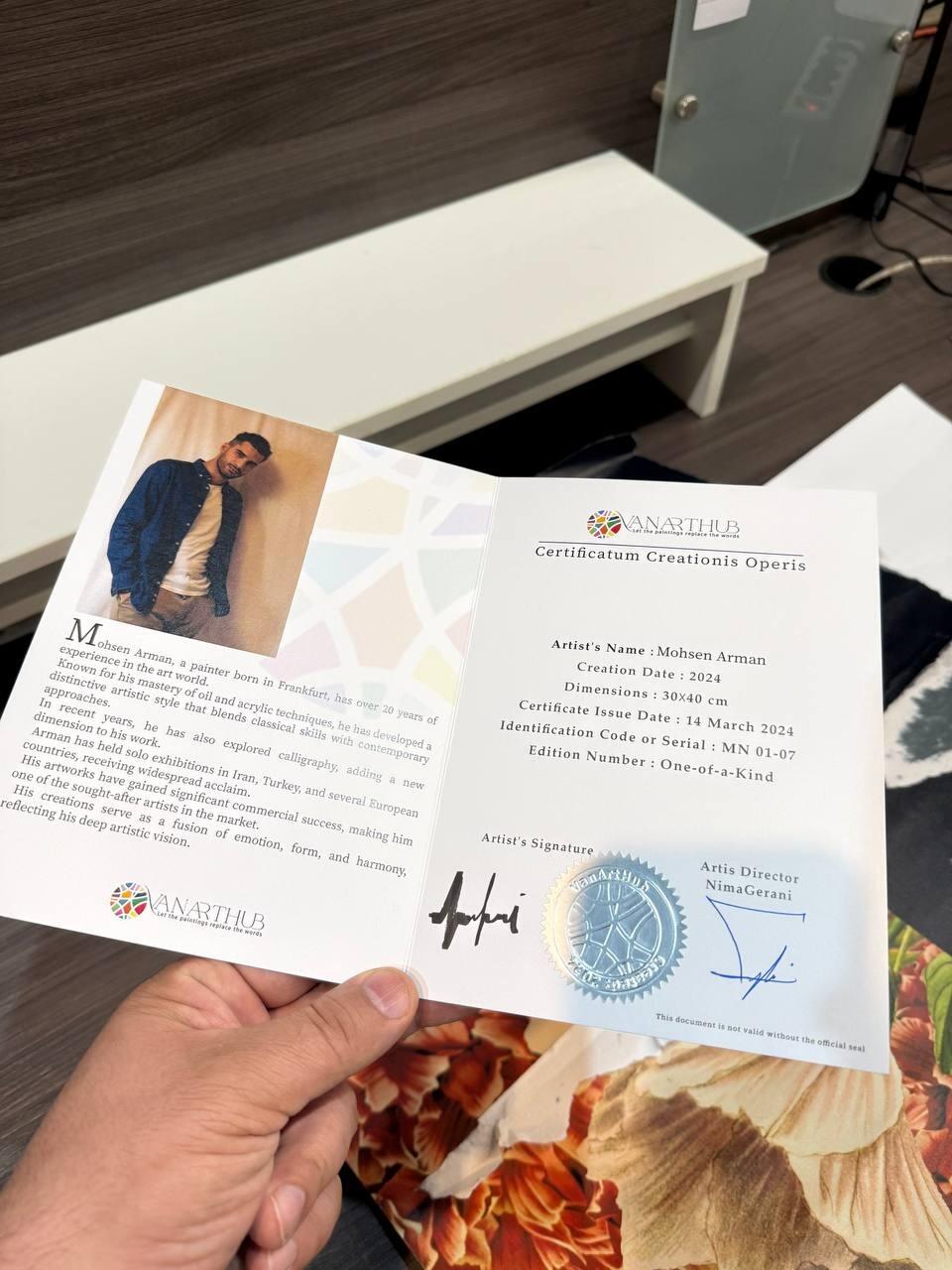
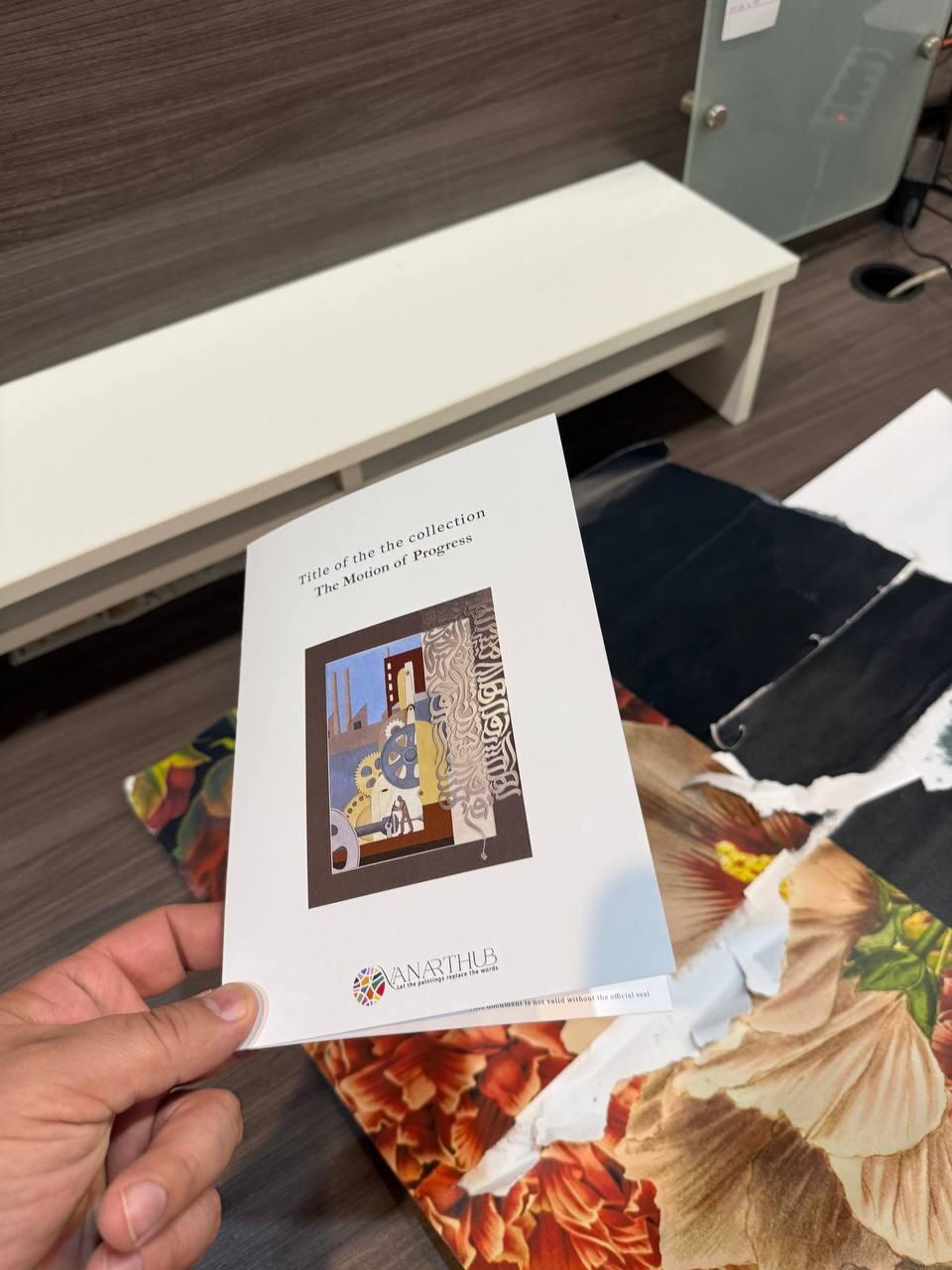
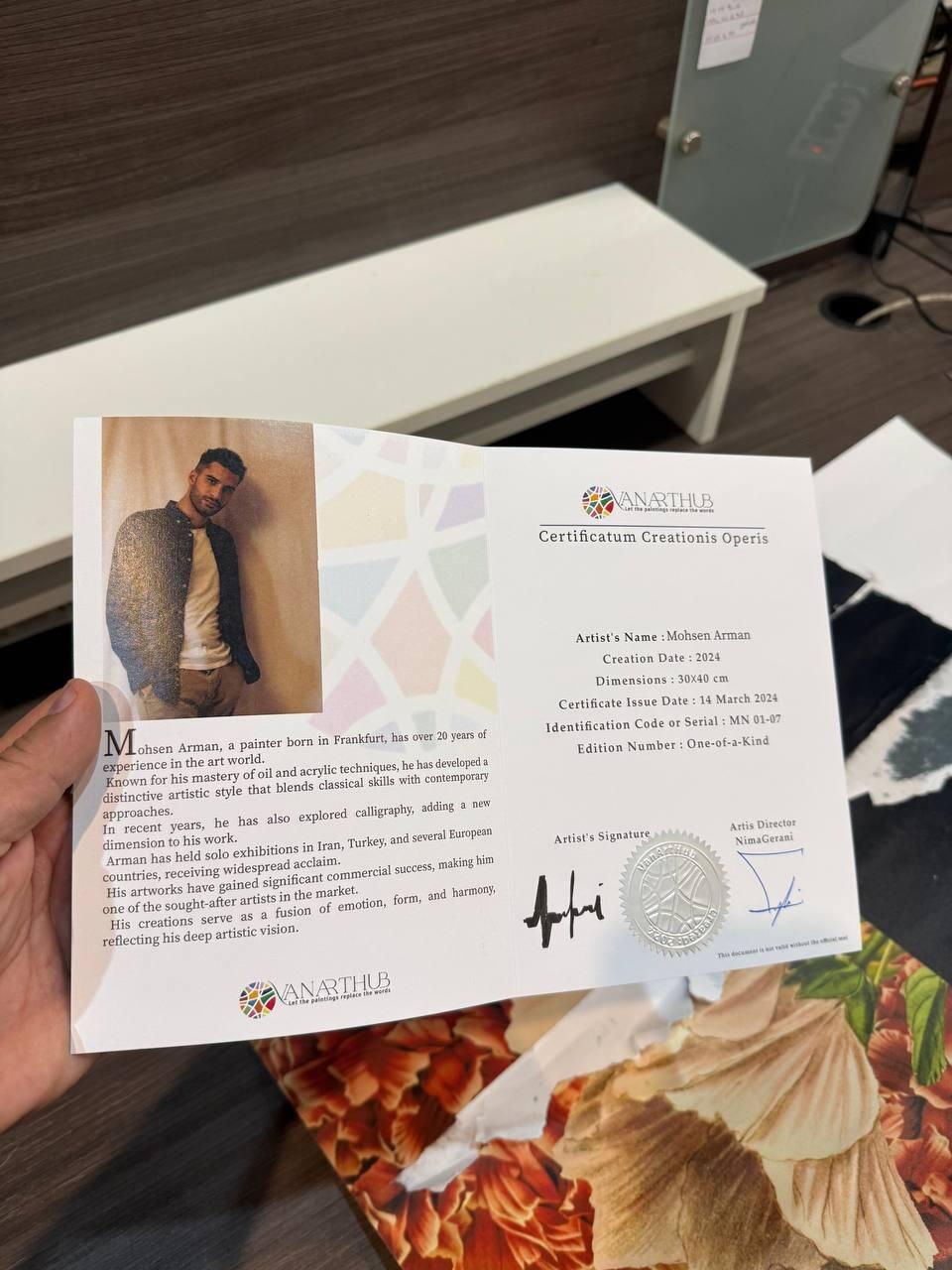
- Ask for paper. A real gallery gives you a Certificate of Authenticity with the artist name, the title, the size, the medium, and the date. If a seller cannot produce one, treat the piece with caution.
The paper matters more than people expect. The International Foundation for Art Research, a New York nonprofit that studies authenticity and ownership, puts it directly: "The ownership history of a work of art, its provenance, is of fundamental importance for all those involved in the collecting, exhibiting, and study of art." A clear record of who made a piece and who owned it is what separates a real original from a hopeful guess. That record is a large part of what you pay for when you buy an original, and it is why we ship one with every painting. If you want to see how we document each piece, read our buy with confidence page.
So which should you buy
If you want the actual artwork, the thing the artist made, buy an original. It is the only version that is truly yours and the only one with a real chance to hold or grow in value. If you just want a nice image on the wall and the budget is tight, an open-edition print or a giclée is an honest choice, as long as the seller calls it what it is. Trouble starts only when a copy is sold at the price of an original. We wrote a fuller walkthrough of the buying steps in our how to buy original art guide, and you can browse the real thing across our full collection of original artworks.
Key takeaways
- An original is the single object the artist made. A print, reproduction, or giclée is a copy of it.
- A giclée is just a high quality inkjet print. The French name does not make it an original.
- An open edition has no limit and rarely holds value. A limited edition is capped and numbered, and can hold value only if the artist is collected.
- You can spot an original by its raised brush texture, the back of the canvas, a hand signature, and a Certificate of Authenticity.
- VanArtHub sells only originals, each with a Certificate of Authenticity, shipping to Canada and the USA.
Frequently asked questions
Is a giclée an original?
No. A giclée is a reproduction, which means a copy. It is a high quality inkjet print, usually of a painting or a photo. The original is the object being copied. A giclée can look excellent and use archival inks, but a machine sprayed it, so it is not the artwork itself.
Is a signed print worth anything?
Sometimes, but usually far less than an original. A hand signature can add a little value, mostly on small limited editions by artists collectors already want. A signed open-edition print, printed with no limit, holds very little value because the supply is not capped. The signature alone does not make a print rare.
How can I tell a print from a painting?
Look at the surface at an angle. A painting has raised texture and visible brush strokes. A print is flat, and under a magnifier it often shows tiny ink dots. Then check the back of the canvas and ask for a Certificate of Authenticity. An original comes with a clear record of who made it.
Are limited edition prints a good investment?
Only in narrow cases. A limited edition can rise in value if the artist is already collected and the run is small, for example 1 of 25. Most limited editions do not gain value, because being numbered is not the same as being wanted. An original by the same artist has a better chance, since only one exists.
Does VanArtHub sell prints?
No. We sell only original, signed, one of a kind paintings, and each one ships with a Certificate of Authenticity. We do not sell posters, open editions, or giclées. Every piece on the site is the single physical object the artist painted.
What is the difference between a reproduction and a giclée?
A giclée is one type of reproduction. Reproduction is the general word for any copy of an artwork. Giclée is the specific word for a copy made on a high quality inkjet printer with archival inks. So every giclée is a reproduction, but not every reproduction is a giclée.
Why does an original cost so much more than a print?
Because only one exists and a person made it by hand. A print can be run again and again, so its supply is large and its price is low. An original cannot be reprinted. You are paying for the single object, the artist's time and skill, and the record of authenticity that comes with it.
What is a Certificate of Authenticity and why does it matter?
It is a signed document that lists the artist, the title, the size, the medium, and the date of the painting. It ties the object to its maker. The International Foundation for Art Research treats ownership history as central to how art is valued, so a clear certificate protects both your money and any future resale.
Can a print ever be called original art?
Yes, in one case. When the artist creates the printing surface itself, like an etched plate or a screen, and pulls the prints as the finished artwork, that is an original print. The Art Institute of Chicago notes a work made from the original matrix still counts as original. A photo of a painting, reprinted later, does not.
Do open edition and limited edition prints look different?
Not usually. The image can look the same. The difference is the number produced. An open edition has no cap and is printed as long as it sells. A limited edition stops at a set number and each copy is numbered by hand, for example 12/50. The paper and ink can be identical.
How do I know a seller's "original" is really original?
Ask three things. Ask for a Certificate of Authenticity with the artist's name and the piece details. Ask to see the surface texture and the back of the canvas in clear photos. Ask about the artist and their record. A real gallery answers all three without hesitation. If a seller avoids these, walk away.
Does an original always increase in value?
No, and we will not promise that. Value depends on the artist, demand, and condition over time. What an original gives you that a print cannot is the single real object, with a clear record of who made it. That is the honest reason people pay more, not a guarantee of profit.
Sources
- Tate, "Print" art term glossary, 2026
- Tate, "Edition" art term glossary, 2026
- The Art Institute of Chicago, "Museum FAQs: Are the Artworks Real?", 2026
- Wikipedia, "Giclée" (definition and origin of the term), 2026
- International Foundation for Art Research (IFAR), Provenance Guide, 2026
Data checked July 2026. If something looks out of date, tell us and we will update it.
About VanArtHub
VanArtHub is an online gallery that sells original, signed, one of a kind paintings to collectors in Canada and the USA. Every piece is the single object the artist painted, and every piece ships with a Certificate of Authenticity, so you always know exactly what you own. We do not sell prints, posters, or giclées. If you would like to see real originals, painted by hand and ready to hang, browse our full collection of original artworks and find the one that belongs on your wall.