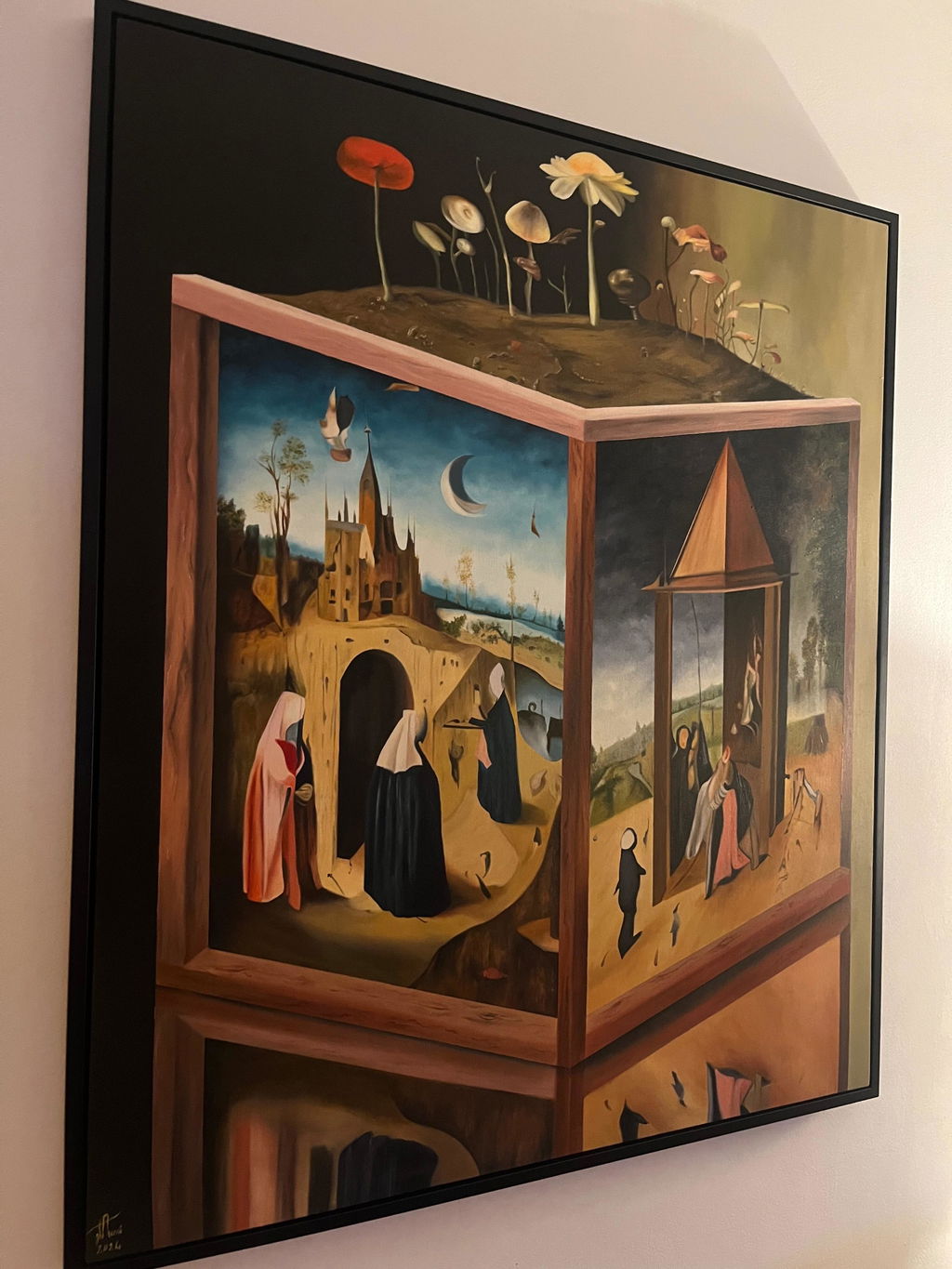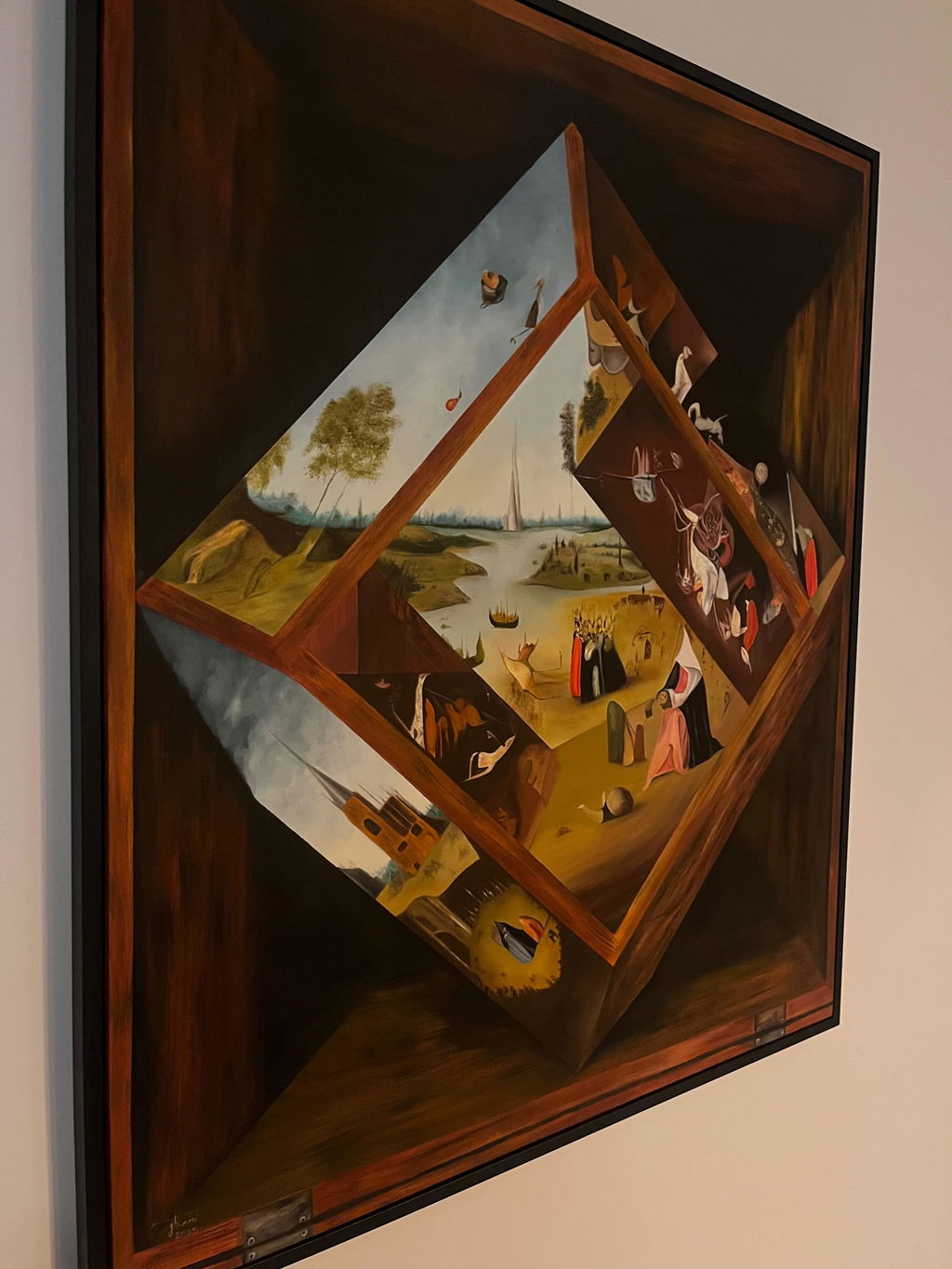
How to Resell an Original Painting
UpdatedSelling an original painting is not like selling a used sofa. There is no fixed depreciation curve, no blue-book value, and the buyer pool is small and specific. If you own an original and you are ready to part with it, here is how the process actually works, what it costs, and what to do differently if the piece came from VanArtHub.

Start with what you actually have
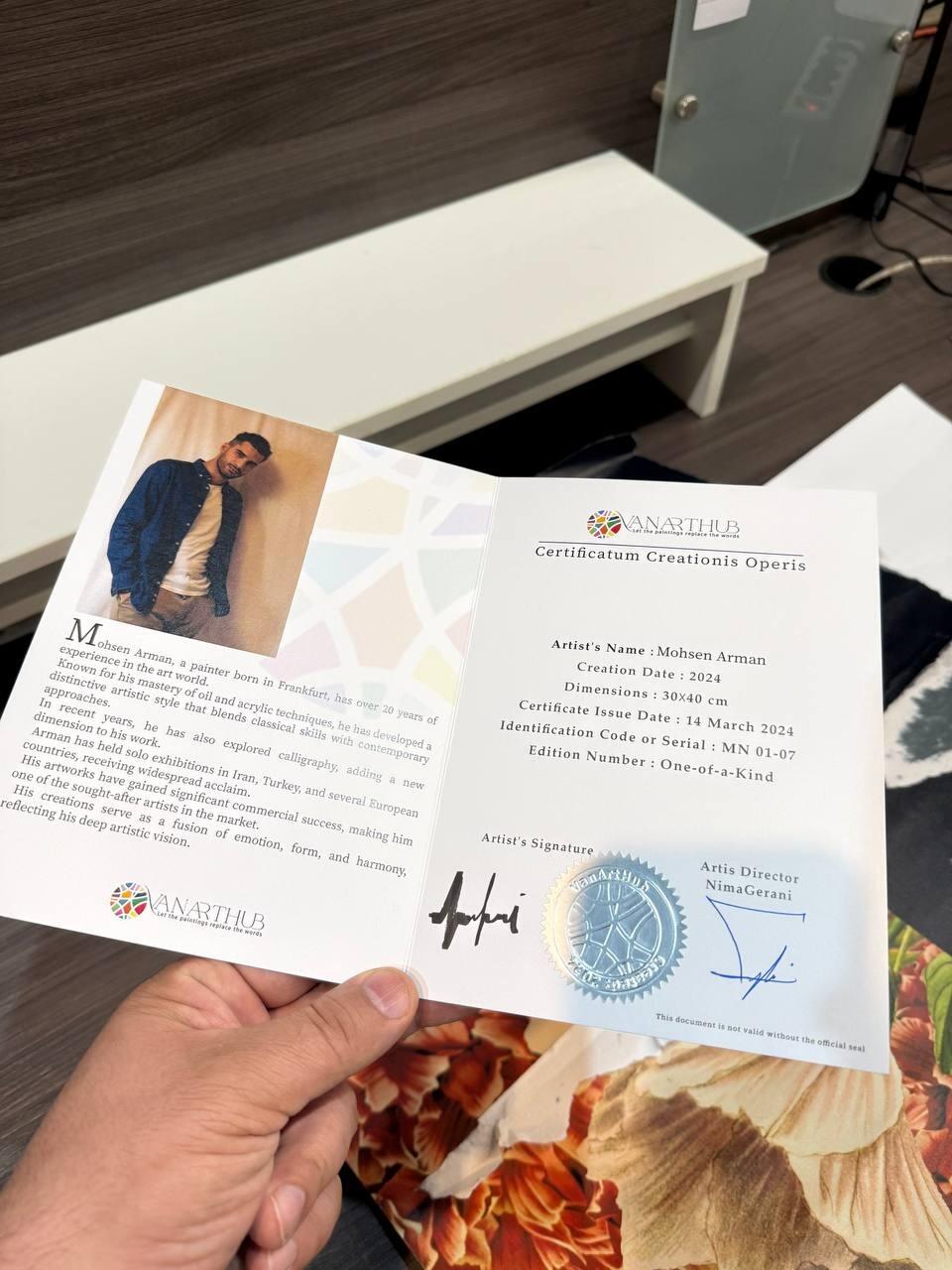
Before you contact anyone, gather what proves the painting is what you say it is. A serious buyer, dealer, or auction house will ask for this before they ask for photos of the frame:
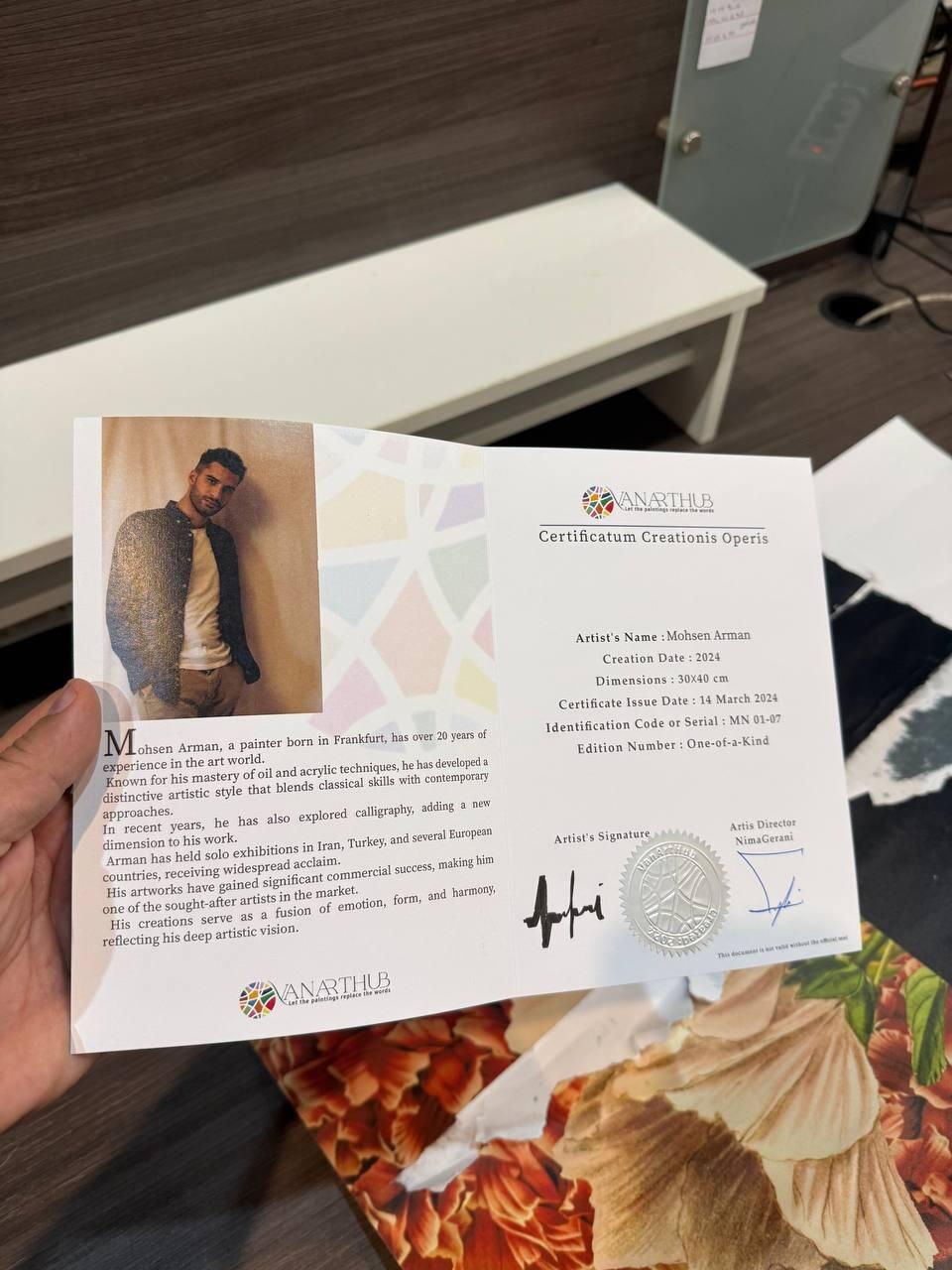
- The Certificate of Authenticity, if one was issued at the time of purchase
- The original bill of sale or receipt
- Any correspondence with the gallery or artist
- A record of previous owners, if the piece changed hands before you
This is the painting's provenance, and it does more work than most sellers expect. Reputable auction houses and dealers routinely decline to handle a work when the ownership history is incomplete or undocumented, since gaps in provenance can leave the title in dispute. A painting with a clean paper trail sells faster and for a number closer to what it is actually worth. A painting with none of this still sells, but slower, and usually for less, because the buyer is taking on the job of verifying it themselves.
If you do not have a Certificate of Authenticity, we have written a full breakdown of what a Certificate of Authenticity is and what it should include, worth reading before you go any further.
The three real paths to a sale
Almost every original painting gets resold one of three ways. None of them is universally better. The right one depends on the piece, the artist, and how much time you want to spend.
1. Through a gallery or dealer
If you bought the piece from a gallery, that gallery is usually your first call, especially if the artist is still represented there. A gallery invested in the artist's career has a reason to keep the market for that artist's work healthy, and an existing relationship with collectors who might want it. The trade-off: galleries generally prefer fresh inventory, so an older piece may only be accepted on consignment, with the gallery taking a commission once it sells, rather than bought outright.
If the original gallery is not interested, you can approach any other gallery that represents the artist, or a dealer who specializes in the style or period.
2. Through an auction house
Auction gives a painting wider exposure than a single dealer's client list, and the price is set by open bidding rather than one buyer's opinion. Seller's commission at fine art auctions typically runs 5 to 10 percent of the hammer price, though this is negotiable and can drop close to zero for a piece the house wants badly enough to compete for. The buyer separately pays a premium on top, which does not come out of your side of the sale.
Most major houses offer a free preliminary estimate before you commit to consigning. Take it. It costs nothing and tells you whether the piece is worth the time an auction process takes, which is usually weeks to months from consignment to payment.
3. Direct, online resale
For a lower-value or contemporary piece, listing it yourself on a reputable online marketplace or through your own network is often the simplest option. You keep the full sale price minus whatever platform fee applies, but you also do all the work: photography, description, negotiation, and shipping. This path rewards a piece with strong documentation and clear photos, because you have no dealer's reputation standing behind the listing, only your own.
Selling back to the artist or the original seller
This is worth its own section because it is the option most sellers do not think to try first, and it is also where VanArtHub's collectors have an advantage the open market does not offer.
If you bought your piece from VanArtHub, you do not need to go through a dealer, an auction house, or a private listing at all. Every original we sell is covered by our Lifetime Trade-Back program: bring the piece back at any point and trade it in for store credit toward a new one. There is no commission, no waiting for a buyer, and no need to prove provenance to a stranger, since we already have the record of the sale. It is the most direct version of "selling back to the original seller" that exists, built specifically because we know collections change over time.
If your painting came from somewhere else, the same instinct still applies: contact the gallery or artist you bought from before you go anywhere else. Some artists buy back earlier work directly, particularly if they are still building their market and want to control which pieces are in circulation. It rarely hurts to ask, and it is usually the fastest route to an answer, even when the answer is no.
Condition, and being honest about it
A painting in original, undamaged condition holds its value better than one that has been restored, and restoration itself needs to be disclosed, not discovered by the buyer later. Cracking varnish, past cleaning, a repaired tear, or a relined canvas are not automatically dealbreakers, but hiding them is. Any dealer or auction specialist worth working with will examine the piece closely enough to notice, and an undisclosed repair found after a sale is the fastest way to lose a buyer's trust and, in some cases, unwind the transaction. Describe the condition plainly, include close-up photos of any flaws, and let the price reflect reality. Buyers pay more for honesty than for a piece that looks perfect in photos and is not.
What it actually costs to sell
| Path | Typical seller cost | Timeline |
|---|---|---|
| Gallery consignment | Commission varies by gallery, commonly 40 to 50 percent | Weeks to months, until a buyer is found |
| Auction house | 5 to 10 percent seller's commission on fine art lots, often negotiable | Weeks to months from consignment to payment |
| Direct online resale | Platform listing fee, if any, no commission | Days to months, depends entirely on you finding a buyer |
| VanArtHub Lifetime Trade-Back | No commission, store credit only | Immediate, once the piece is received and verified |
These commission ranges reflect published figures from auction industry sources and are not a quote for any specific sale. Always confirm current terms directly with the gallery, house, or platform before consigning.
A note on artist resale royalties
In most of the United States and Canada, the seller keeps the full proceeds of a private resale, and the original artist has no legal claim to a share. California is the one exception collectors sometimes ask about: the California Resale Royalty Act, passed in 1977, was meant to give artists 5 percent of the resale price on qualifying sales. A 2018 federal appeals court ruling found the Act preempted by the Copyright Act, so today it only applies to a narrow window of resales from 1977 to 1978. In practice, this means no state currently enforces an active artist resale royalty on private art sales.
Key Takeaways
- Gather the Certificate of Authenticity, receipt, and any provenance before contacting a buyer. Documentation moves the price more than almost anything else you control.
- Galleries, auction houses, and direct online resale each trade speed for cost differently. There is no universally cheapest option.
- If you bought from VanArtHub, the Lifetime Trade-Back program skips the entire process: no commission, no buyer search, straight to store credit.
- Disclose condition and any restoration honestly. It protects the sale and your reputation as a seller.
Frequently Asked Questions
Can I sell an original painting without a Certificate of Authenticity?
Yes, but expect it to take longer and sell for less. Without a certificate or documented provenance, a buyer or dealer has to independently verify the piece, which adds time and risk they will usually price into their offer.
How long does it take to sell a painting through an auction house?
From the initial consignment agreement to receiving payment, most auction sales take several weeks to a few months, depending on the house's sale calendar and how the lot is marketed.
Do I have to sell back to the gallery I bought from?
No, unless your original purchase agreement specifically included a resale clause, which is uncommon outside of certain trade or commission arrangements. You are free to sell through any channel, but the original seller is often worth contacting first since they already know the piece.
What if the painting has a crack or a repaired tear?
Disclose it. Condition issues lower value, but an undisclosed repair discovered later damages trust and can undo a sale entirely. Photograph the flaw clearly and describe it in plain language in any listing.
Is reselling an original painting the same as reselling a print?
No. An original is one of a kind, so its resale depends on the specific object's condition and documentation. A print's value depends on edition size and the print run, an entirely different set of factors.
Does VanArtHub buy back paintings it did not sell?
No. The Lifetime Trade-Back program applies to pieces purchased from VanArtHub, since it relies on the sale record and Certificate of Authenticity we issued at the time.
What documents should I keep in case I sell later?
Keep the Certificate of Authenticity, the original receipt or bill of sale, and any correspondence about the piece's history in one place from the day you buy it. Reassembling this years later is far harder than filing it once.
Will an auction house take any painting on consignment?
No. Most houses evaluate a piece first, usually through a free preliminary estimate, and decline works they don't think will sell well through their specific sale category or buyer base.
Do I get paid immediately after an auction sells my painting?
No. Auction houses typically hold payment for a settlement period after the sale, often 30 to 45 days, to allow for the buyer's payment to clear.
Sources
- Wikipedia, California Resale Royalty Act
- Gray's Auctioneers, Understanding Auction Fees
- Artsy, How to Resell Art (Without Hurting Anyone's Feelings)
- Artwork Archive, What Is the Importance of Provenance in Artwork?
Data sourced August 2026. If you spot something out of date, let us know and we will update the guide.
About VanArtHub
VanArtHub sells original, signed paintings direct from the artist, never prints, shipping fully insured to Canada and the United States. Every piece arrives with a Certificate of Authenticity, the exact document this guide recommends keeping for the day you decide to sell. If that day comes for a piece you bought from us, read more about the Lifetime Trade-Back program before you look anywhere else. Browse our current collection of one-of-a-kind originals.