How to Tell If a Painting Is Valuable Enough to Appraise
UpdatedMost paintings people ask us about are not valuable in a market sense, and that is fine, since most people are not trying to sell them. But if you are wondering whether the piece over your sofa is worth paying an appraiser to look at, there are real signs to check first, before you spend $150 to $500 an hour finding out.

The honest starting point
A formal appraisal costs money and takes an appraiser's time, so it makes sense to look for signs a piece is worth that investment before booking one. None of the signs below prove a painting is valuable on their own. Together, they tell you whether an appraisal is likely to pay for itself, or whether you already know the answer without spending anything.
This guide is about the appraisal-readiness question, not the buying decision. If you are choosing a piece to purchase and want to understand what makes art hold or gain value over time, we cover that separately in What Makes a Painting Increase in Value. This guide is for a piece you already own.
Signature and attribution
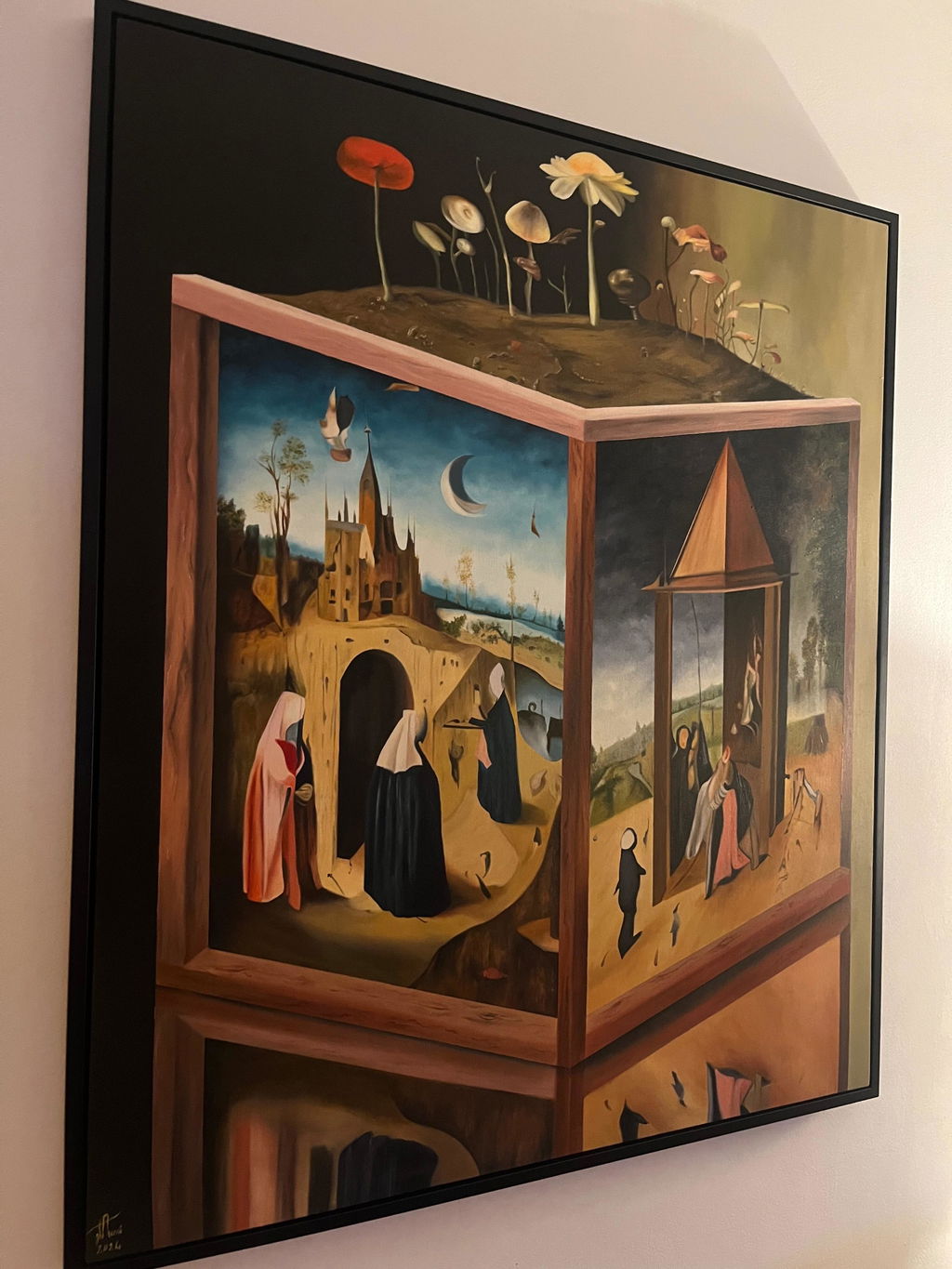
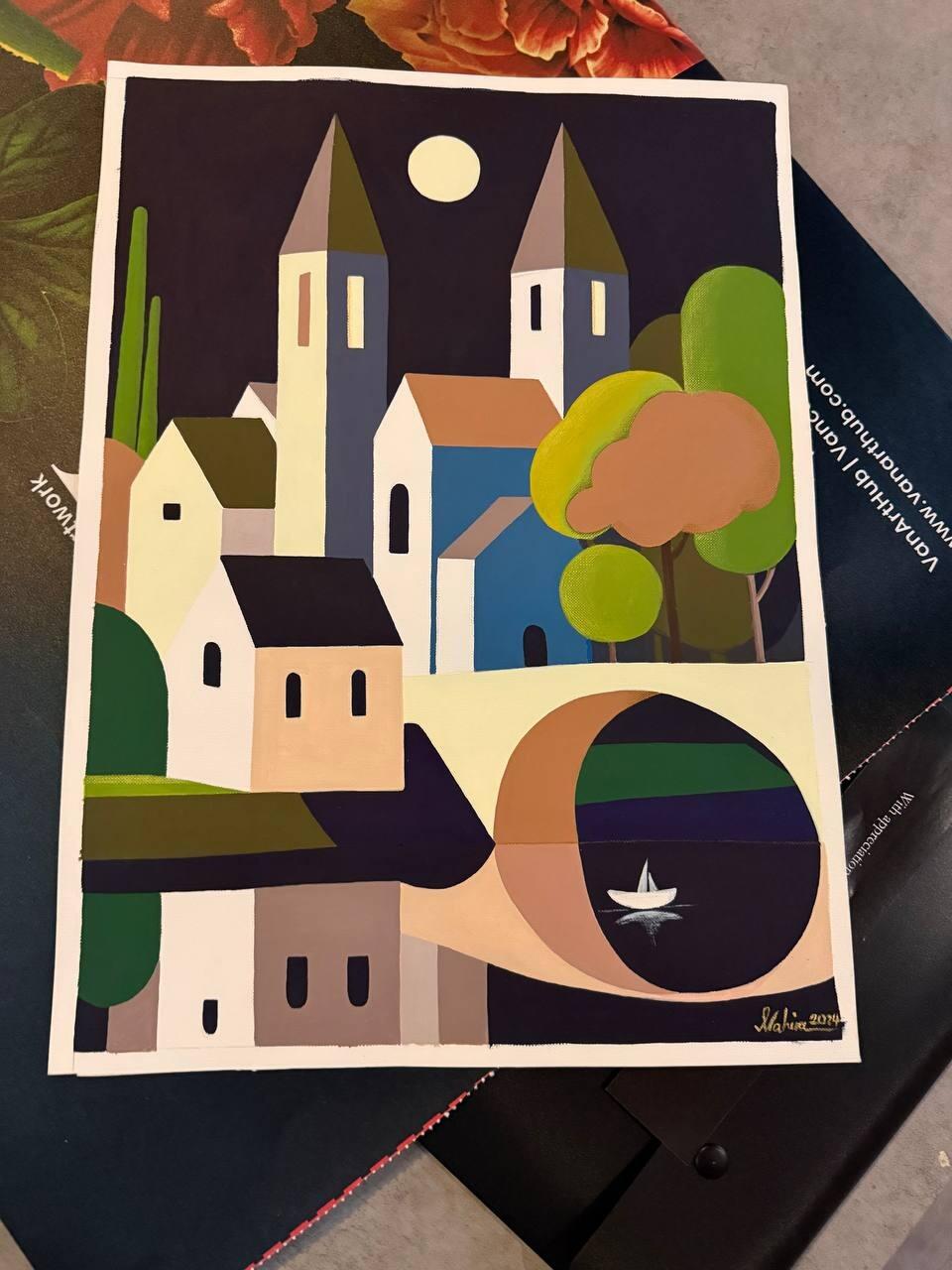
Start by looking closely at the front and back of the canvas for a signature, initials, or any inscription. A signed work is generally easier to research and often commands more at sale than an unsigned one, since the signature is one of the first things an authenticator checks. But absence of a signature does not mean absence of value: many respected artists left work unsigned, and specialists can sometimes attribute a piece to an artist through brushwork and materials alone. If you find a signature you do not recognize, a reverse image search and a look through auction records for that name is a free first step before paying anyone.
Provenance: who owned it before you
Provenance is the documented ownership history of a piece: who bought it, from where, and when it changed hands after that. A well-documented chain, especially one that includes a respected collector, a gallery, or an exhibition, supports both authenticity and value. If the painting was inherited, ask family members what they remember: where it came from, roughly when it was acquired, and whether any paperwork survived. Even a rough memory is a starting point an appraiser can work with.
Condition
Look for craquelure (the fine network of cracks that develops in aged paint and varnish), tears, water stains, or signs the canvas has been relined or restretched. None of these automatically disqualify a piece from being valuable. Age itself often produces some craquelure. What matters more is whether the damage is stable or actively worsening, and whether any past restoration was done well or poorly. A heavily overpainted or crudely restored piece is harder to value and often worth less than an untouched painting in only fair condition.
Materials and technique
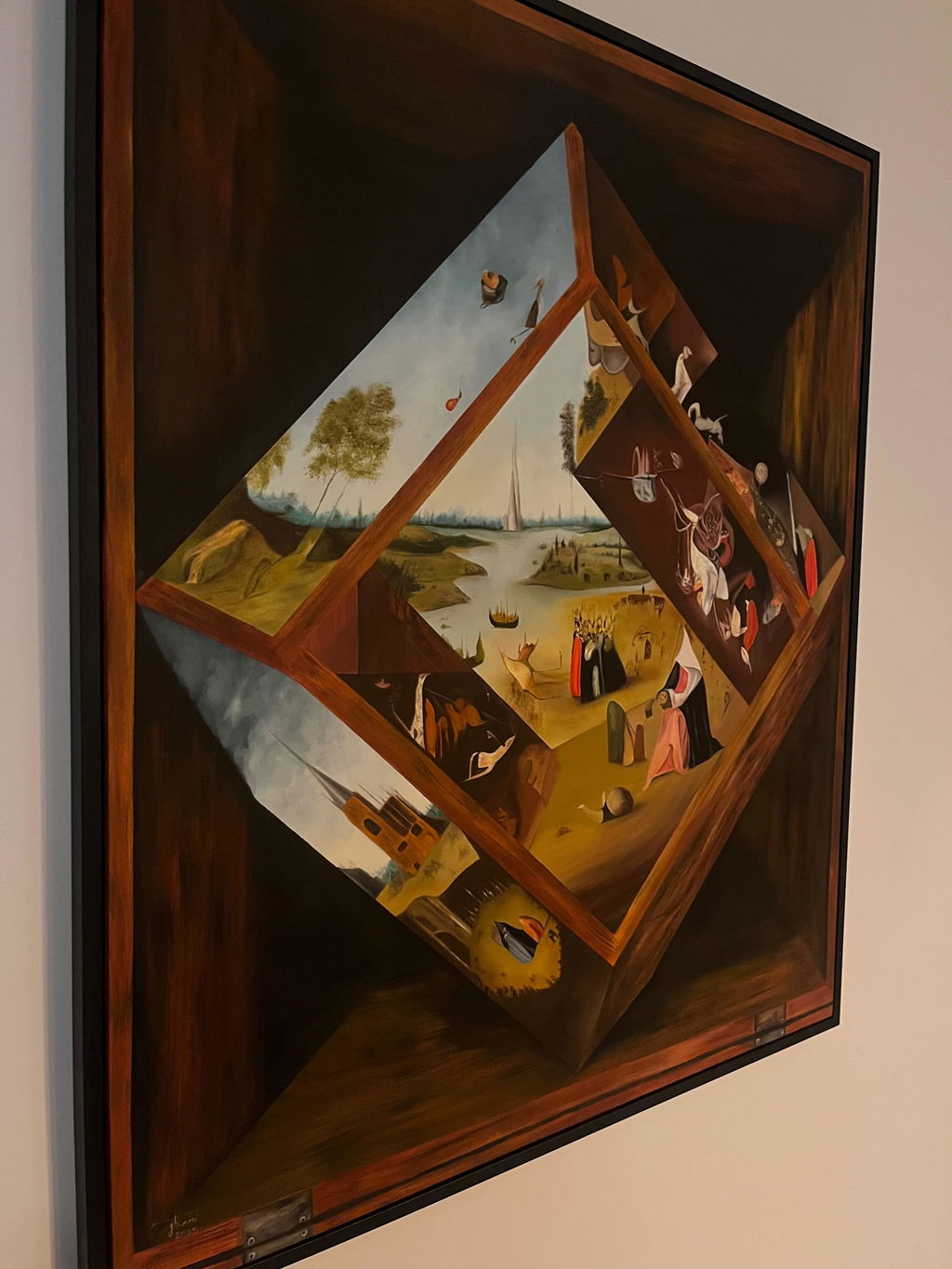
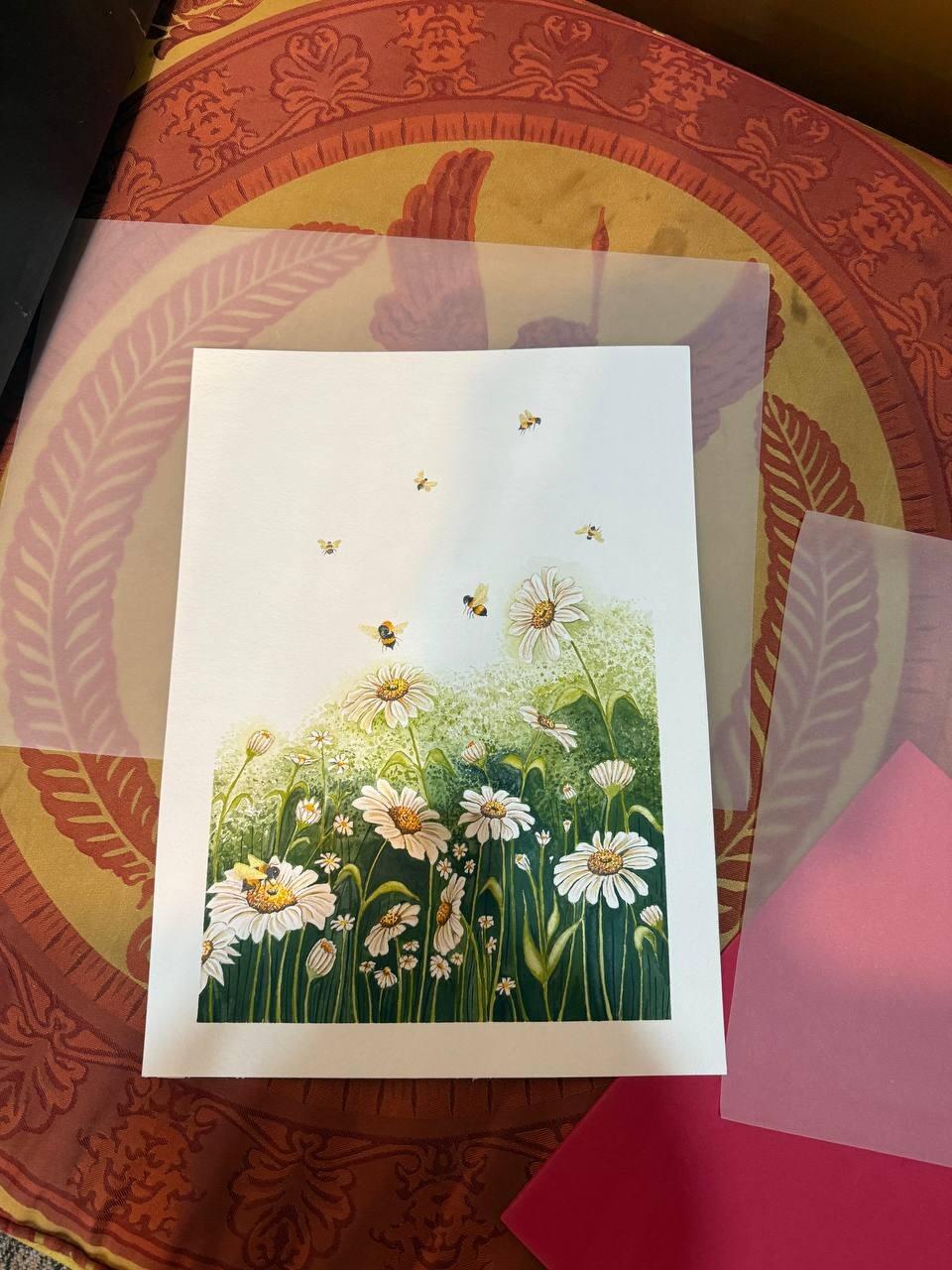
The support (canvas, panel, board) and the type of paint used can help date a piece and place it within an artist's body of work. Oil on canvas has a different aging profile than acrylic or watercolour, and specific materials sometimes went out of common use at a known point, which narrows down when a piece could have been made. This kind of material analysis is exactly the work conservation science departments like the Getty Conservation Institute's Science Department specialize in, using non-destructive testing to identify pigments and materials without damaging the artwork. You do not need lab equipment to notice the basics: a stretched canvas versus a panel, visible brushwork versus a flat, printed-looking surface (a sign it may not be an original painting at all).
What none of this tells you
These signs tell you whether a formal appraisal is worth booking. They do not tell you a dollar figure. Only a qualified, independent appraiser, someone with no financial interest in buying the piece from you, can put a number on it, and even then that number depends on the purpose: an insurance replacement value is calculated differently than a fair-market resale estimate. If you decide to go ahead, look for an appraiser who follows the Uniform Standards of Professional Appraisal Practice in the United States, or who is certified through the Canadian chapter of the International Society of Appraisers if you are in Canada.
Key Takeaways
- A signature, documented provenance, stable condition, and identifiable materials are the four things worth checking before paying for an appraisal.
- None of these signs alone proves value. They tell you whether an appraisal is likely worth its cost, not what the piece is worth.
- An unsigned or damaged painting can still be valuable. A signed, pristine one is not automatically so.
- If you decide to proceed, use an independent appraiser with no stake in buying the piece, following USPAP standards in the US or ISA Canada credentials in Canada.
Frequently Asked Questions
Does an unsigned painting have no value?
No. Many respected artists left individual works unsigned, and specialists can sometimes attribute an unsigned piece through brushwork, materials, and documented history. Signed work is simply easier and cheaper to research.
What is the difference between telling if a painting is valuable and getting it appraised?
Checking the signs in this guide is a free, informal first pass you can do yourself. A formal appraisal is a paid, documented professional opinion, usually required for insurance, estate, or legal purposes. See our full comparison in Art Appraisal vs. Art Valuation.
Can I find out what a painting is worth for free?
You can do a reverse image search, check auction databases for the artist's name, and compare condition and materials against similar known works. This gives you a rough sense of whether professional appraisal is worth the cost, but it is not a substitute for one.
Does cracking (craquelure) mean a painting is old and valuable?
Not necessarily. Craquelure is a normal sign of aging in oil paint and varnish, and it can appear on paintings of moderate age as well as genuinely old ones. It supports an age estimate, but age alone does not determine value.
Should I clean a painting before having it appraised?
No. Cleaning or attempting to repair a painting yourself before appraisal can reduce its value if done incorrectly, and it removes information a conservator or appraiser might have read from the surface. Leave it as found until a professional has seen it.
How do I find a qualified appraiser?
In the United States, look for an appraiser who follows Uniform Standards of Professional Appraisal Practice (USPAP). In Canada, the International Society of Appraisers has a Canadian chapter that certifies members. Choose someone with no financial interest in purchasing the piece from you.
Is a painting more valuable if it has a Certificate of Authenticity?
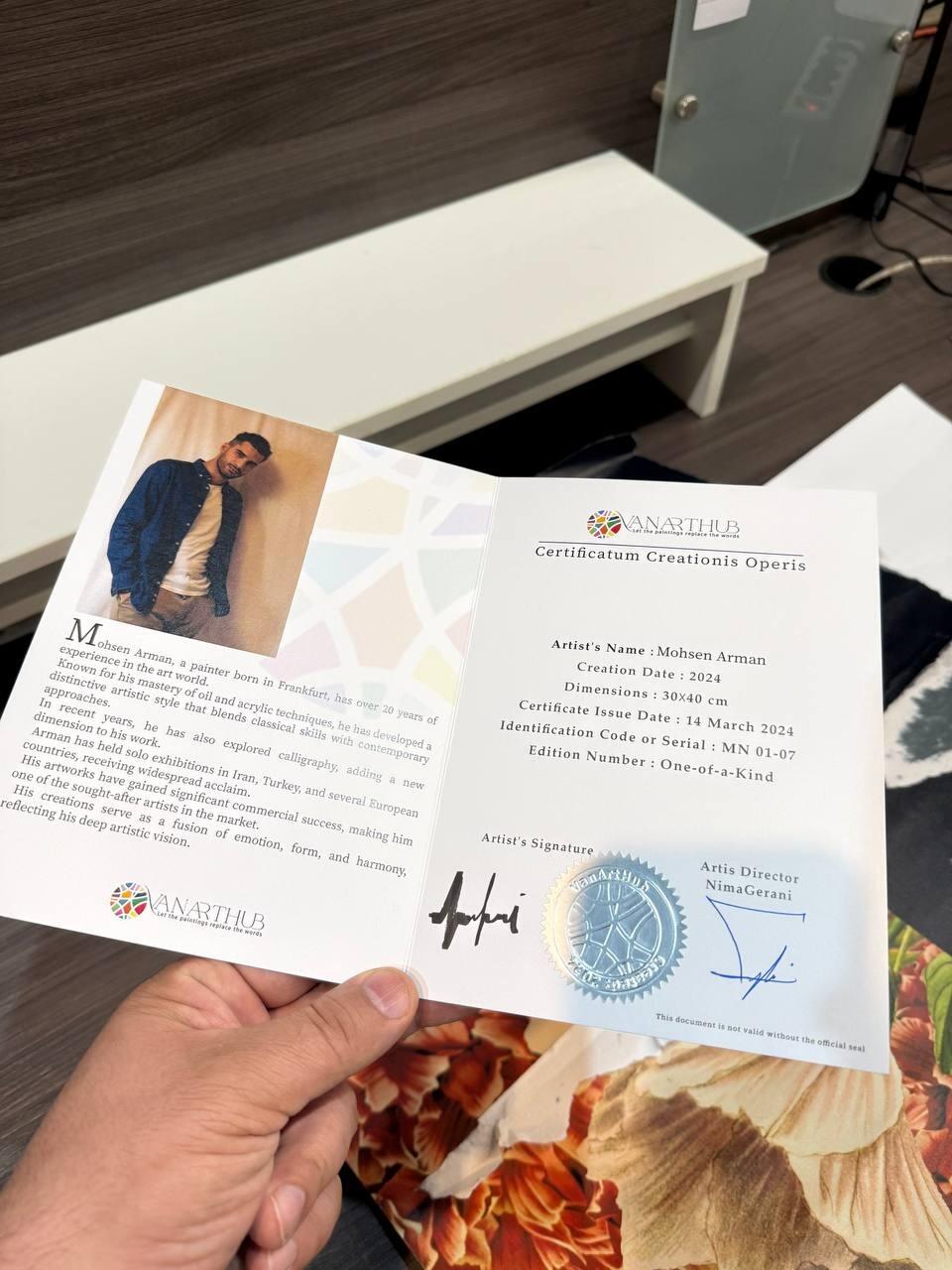
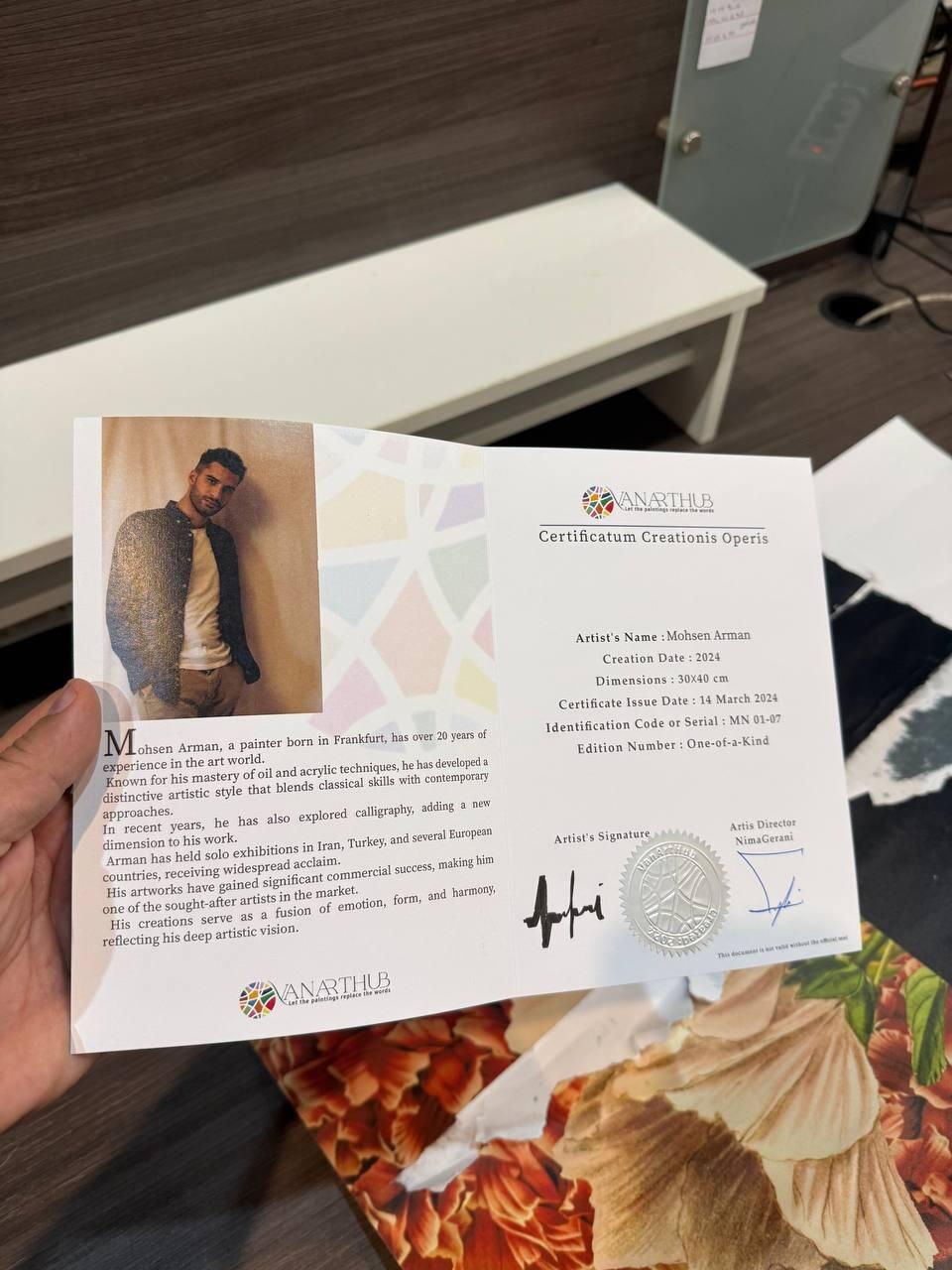
A Certificate of Authenticity supports value by documenting the artist, medium, and dimensions, but it works best alongside real provenance and, where relevant, technical verification. See What Is a Certificate of Authenticity for Art for what a certificate does and does not prove.
Sources
- Getty Conservation Institute, Science Department, Materials Characterization
- Gray's Auctioneers, Signs Your Painting May Be Worth Over $1,000
- Dawsons Auctioneers, How Can You Tell if a Painting Is Valuable?
Data sourced August 2026. If you spot something out of date, let us know and we will update the guide.
About VanArtHub
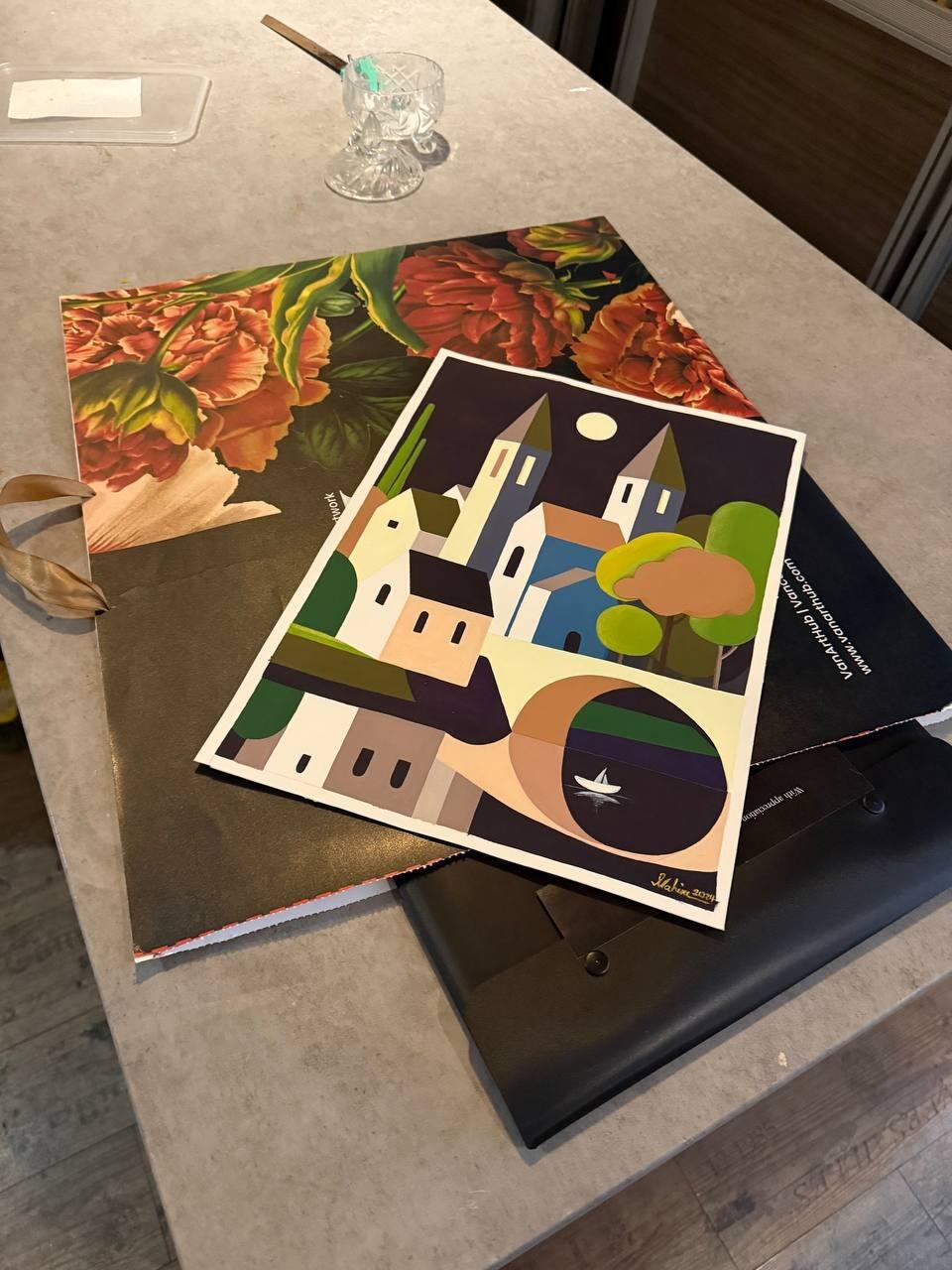
VanArtHub sells original, signed paintings direct from the artist, shipping fully insured to Canada and the United States. Every piece leaves our studio with a Certificate of Authenticity and a documented provenance from day one, the exact record this guide describes appraisers looking for. Browse our current collection of one-of-a-kind originals, each already carrying the paperwork a future appraisal would need.