Patina: How Oil Paintings Change Over Decades
Updated By VanArtHub Curatorial TeamShare
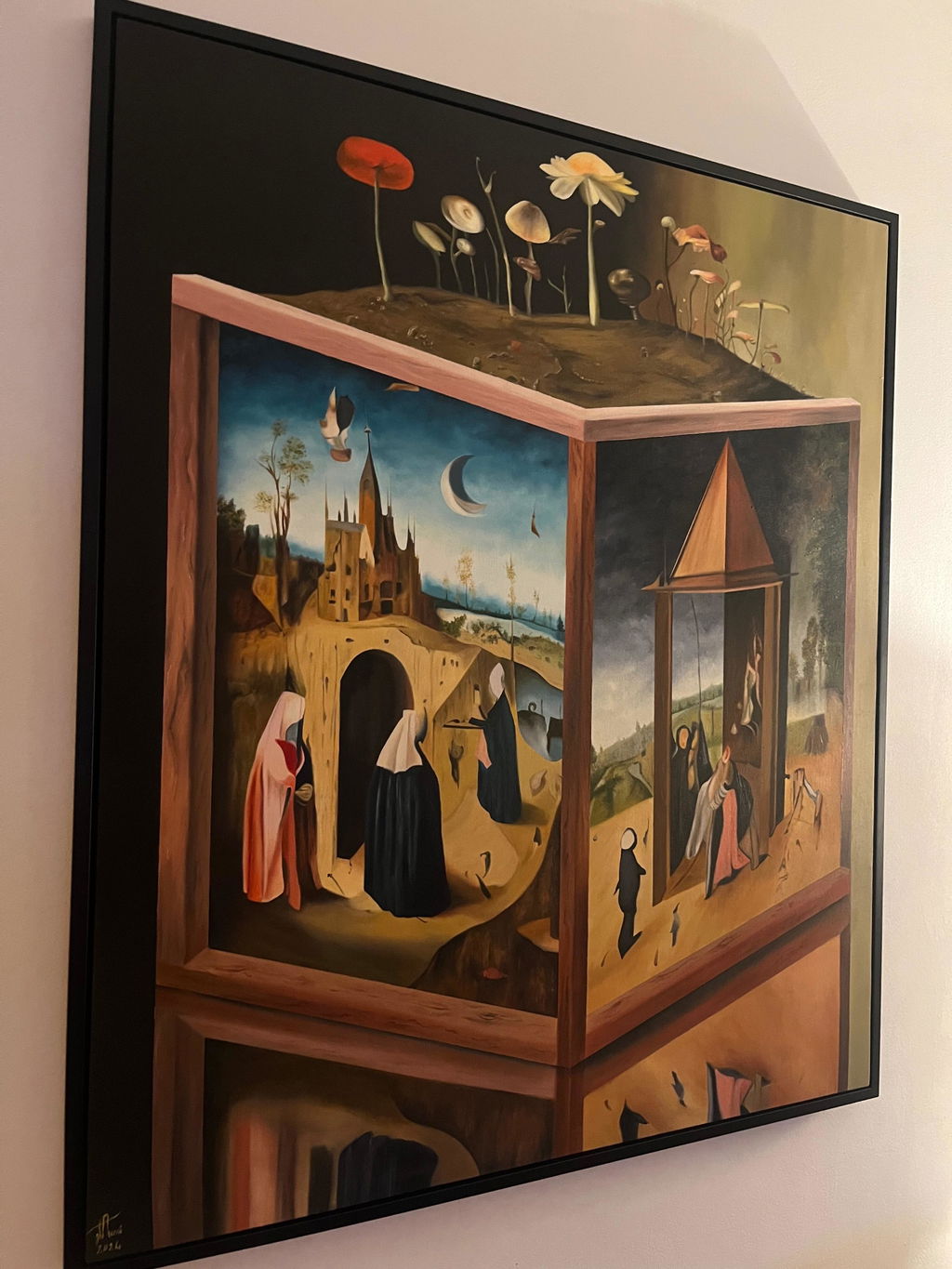
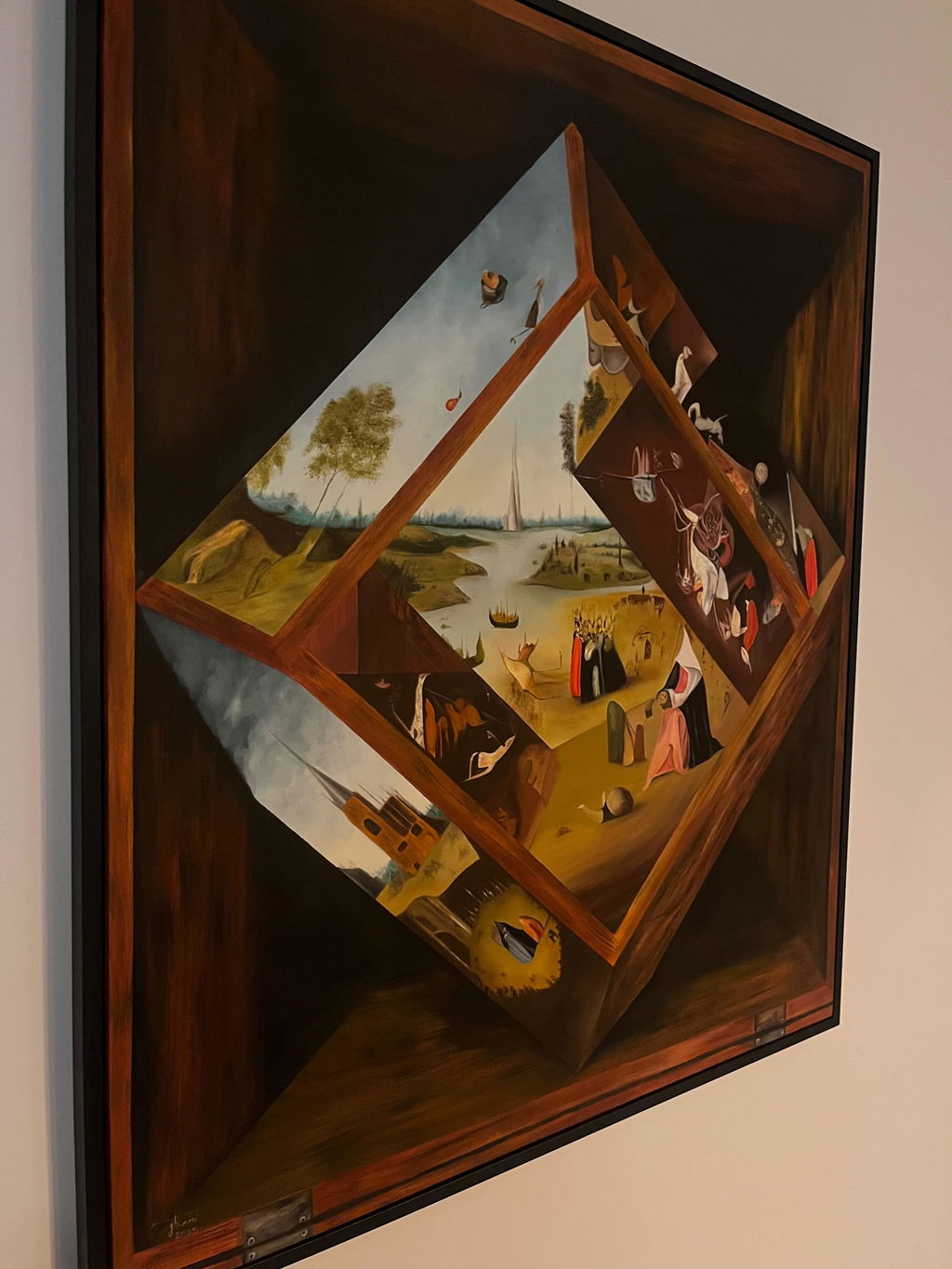
A poster looks the same in year one and year twenty, until it fades. An oil painting is different. It keeps changing slowly for decades, and much of that change is not damage at all. It is the piece settling into itself.
The word collectors use for this is patina. It is one of the quiet reasons original oils feel the way they do, and it is also a source of worry for new buyers who cannot tell normal aging from a real problem. Here is what patina is, why some of it is welcome, and how to keep the good aging while slowing the bad.
What patina actually is
Patina is the gentle change an oil painting goes through as it ages. It is not one single thing. It is the sum of several slow processes happening across the surface over many years.
Oil paint dries by a slow chemical process, not just by water leaving like watercolor or acrylic. That process continues, in a small way, for a very long time after the piece feels dry to the touch. As the oil ages, the film can warm slightly in tone and the whole surface tends to settle into a more unified, softer look. Add the natural warming of the varnish layer on top, and you get that calm, mellow quality people associate with older paintings.
If you want the wider picture of how oil behaves compared to other mediums, our guide on oil versus acrylic versus mixed media explains why oil in particular ages this way, while acrylic stays much more stable and flexible over time.
How oils warm and mellow with age
The most common change is a gentle warming. Over decades, an oil painting often shifts a little toward warmer, softer tones. The bright, cold newness of a fresh canvas gives way to something calmer. Whites relax. Sharp contrasts soften a touch. The surface reads as more unified and settled.
Part of this comes from the paint film itself, and part comes from the varnish. Traditional varnishes warm as they age, adding a light golden cast across the whole piece. On old master paintings, this warmth is a big part of why they feel the way they do. It is not a defect. It is the look of time.
Because the change is slow and even, you usually do not notice it day to day. It is the difference you would see if you set a photo of the painting from year one next to the real thing at year thirty. The mood is warmer and quieter, even though nothing went wrong.
Why some of this aging is desirable
Here is the part that surprises new collectors. A lot of patina is welcome. It is part of what makes an original feel like an object with a history, not a fresh print off a machine.
A gentle, even patina signals age and authenticity. It gives the surface depth and a settled character that a brand new piece does not have yet. This is one reason collectors value originals over copies. An original is a real physical object that lives and changes over time, and that slow life is part of its appeal. A print never gains this. It only fades.
Aging done right can also support value over the long run, because a well kept older original with honest character carries a sense of provenance and time. We cover the broader drivers in our piece on what makes a painting increase in value. The takeaway for patina is simple. Natural, even aging on a well cared for piece is part of its character, not a strike against it.
Natural aging versus real damage
This is the line every collector needs to see clearly. Natural aging is fine and often good. Damage is a problem that needs attention. The two look different once you know what to watch for.
Natural aging is even and gentle. It spreads across the whole surface. A soft, overall warming. A slightly mellower, more unified look. Nothing is lifting, flaking, or blooming in one spot. The paint is intact. The surface is stable.
Damage is local and abrupt. Watch for cracks in the paint that lift at the edges, flaking or loss where paint has come away from the canvas, a cloudy white haze in one area (often called bloom), a dent or a tear in the canvas, or a sticky or weeping surface. Fine, even hairline cracking that appears as an old oil naturally shrinks and settles, called craquelure, can be normal on very old works, but sudden lifting, flaking, or a haze in one patch is not. Those are signs to slow down and, if the piece is valuable, to speak with a conservator.
A quick rule. Even and gradual across the whole piece is aging. Sudden and local in one spot is damage.
How varnish and care slow unwanted change
The good news is that you can keep the pleasant aging while slowing the harmful kind, and the main tool is varnish. A varnish is a clear protective layer applied over the finished paint. It does two jobs. It gives the surface an even finish, and it takes the wear so the paint does not have to.
Varnish absorbs the dirt, the light, and the surface grime that a painting collects over years. Because it sits on top of the paint, a conservator can clean it or, when needed, remove and replace it without touching the original paint underneath. So the sacrificial layer ages and gets renewed, while the artist's actual work stays protected. That is a large part of how old paintings survive for a century or more.
Your own care matters just as much. Keep an oil out of direct sunlight, since light is one of the fastest ways to force unwanted change. Avoid big swings in temperature and humidity, because canvas expands and contracts with moisture and that stress can lead to cracking over time. Keep it away from heat sources, kitchens with heavy grease, and damp walls. Dust the frame gently, and never wipe the paint surface with a wet cloth or a household cleaner. If a real cleaning is needed, that is a job for a conservator, not a kitchen sponge.
What this means when you buy an original oil
When you buy an original oil, you are buying something that will quietly change over your lifetime and beyond. That is a feature, not a warning. A well kept oil warms and settles into a richer version of itself, and with a varnish layer and sensible care, the harmful changes are held off for a very long time.
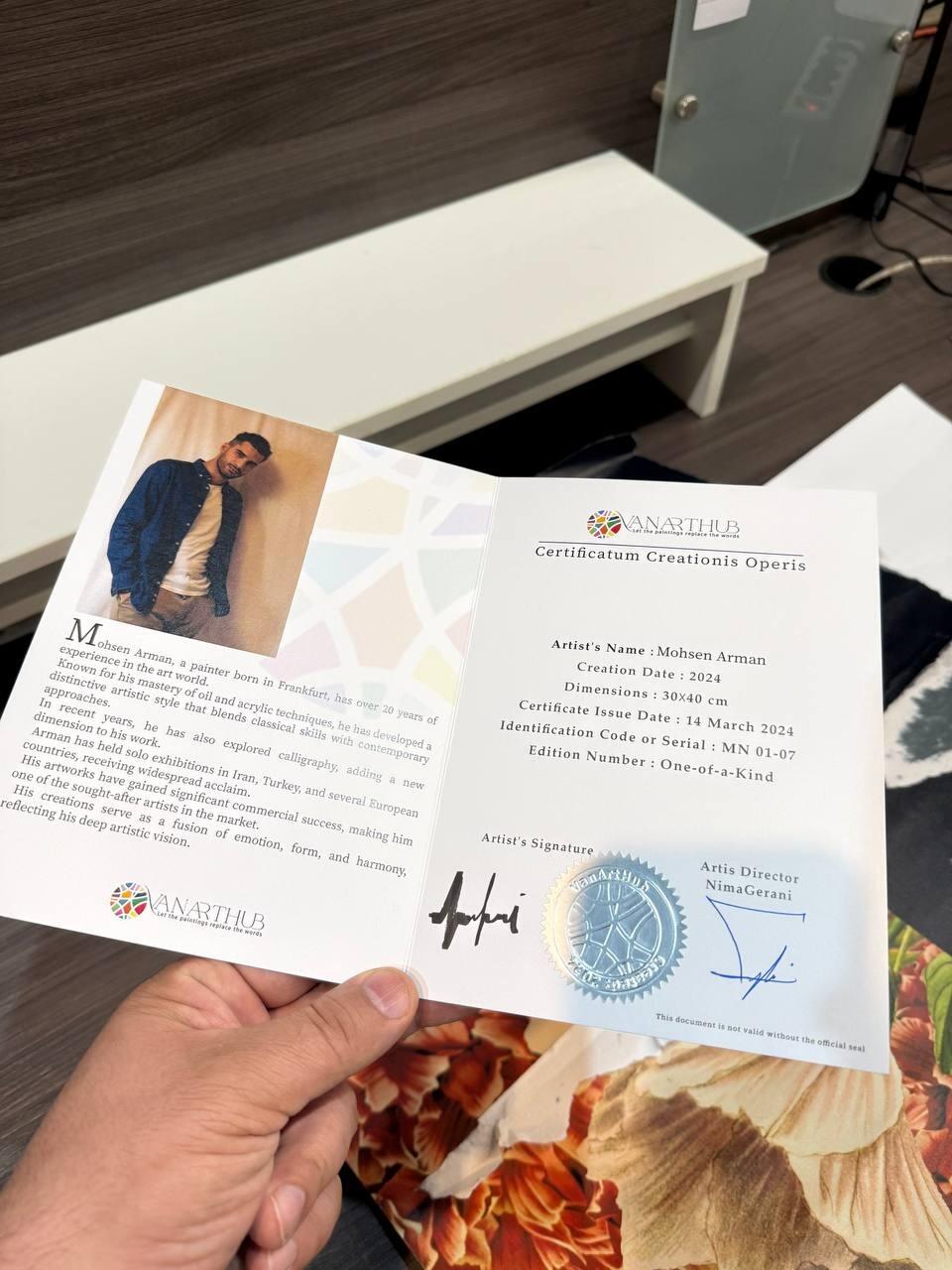
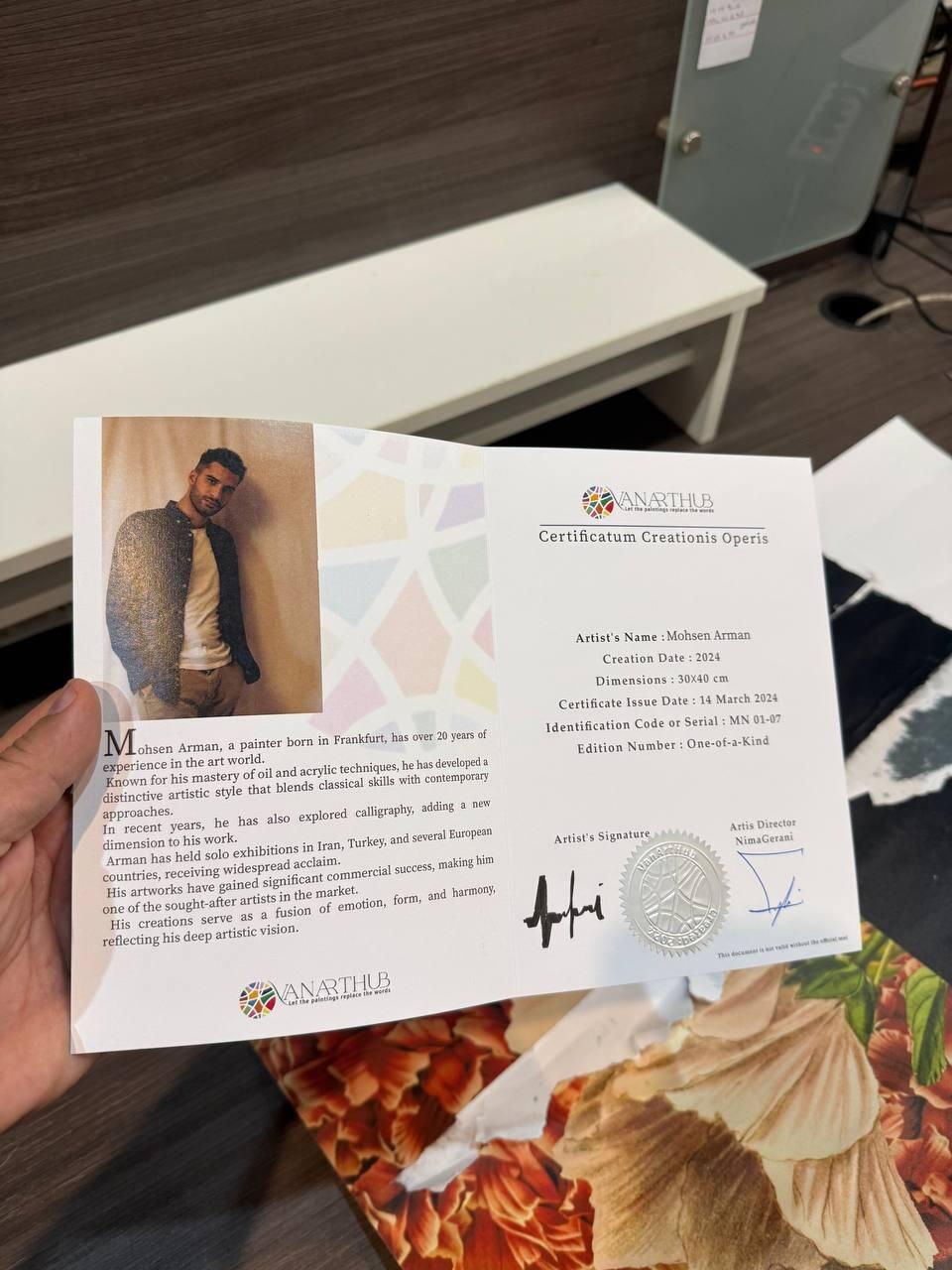
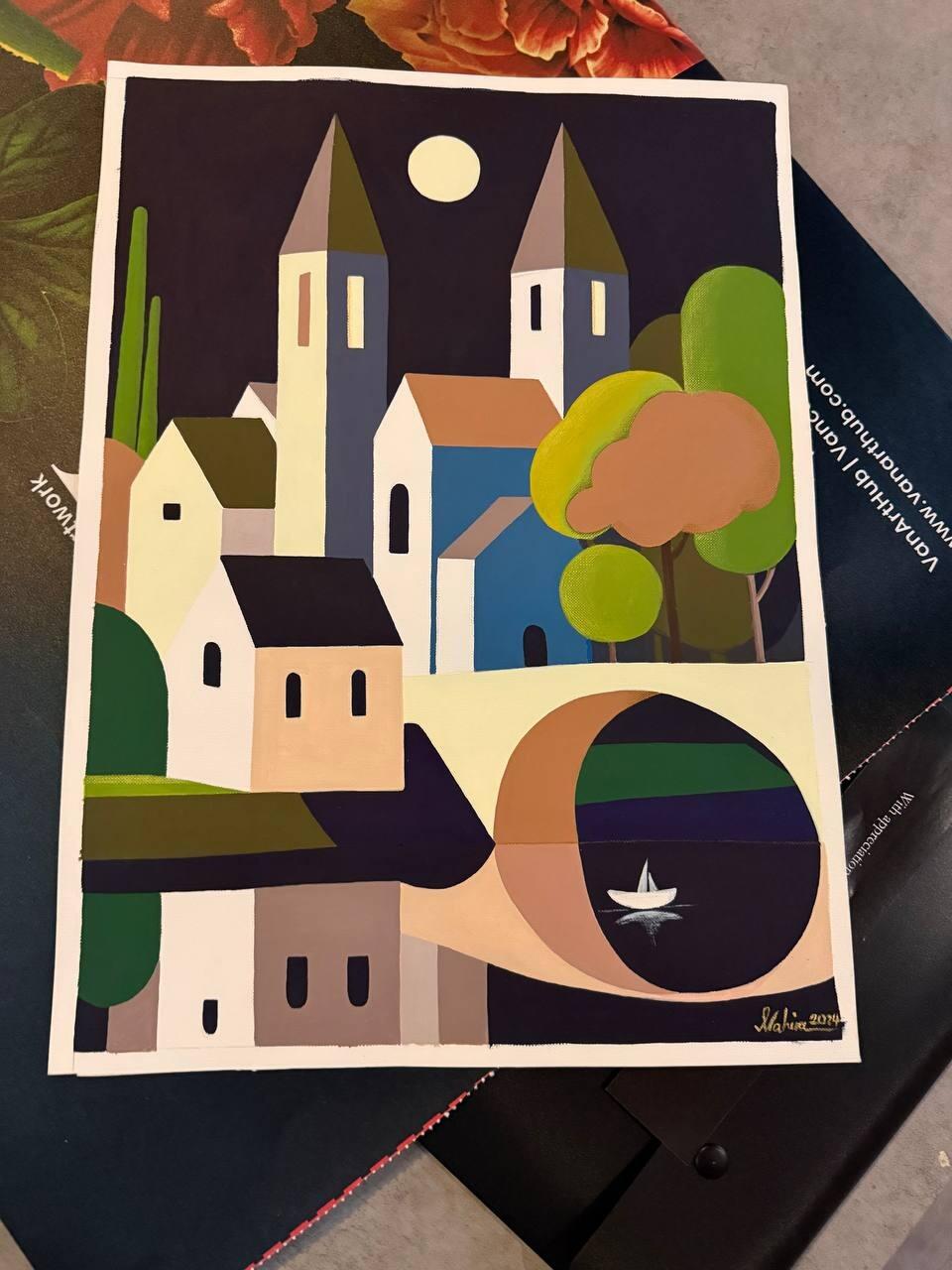
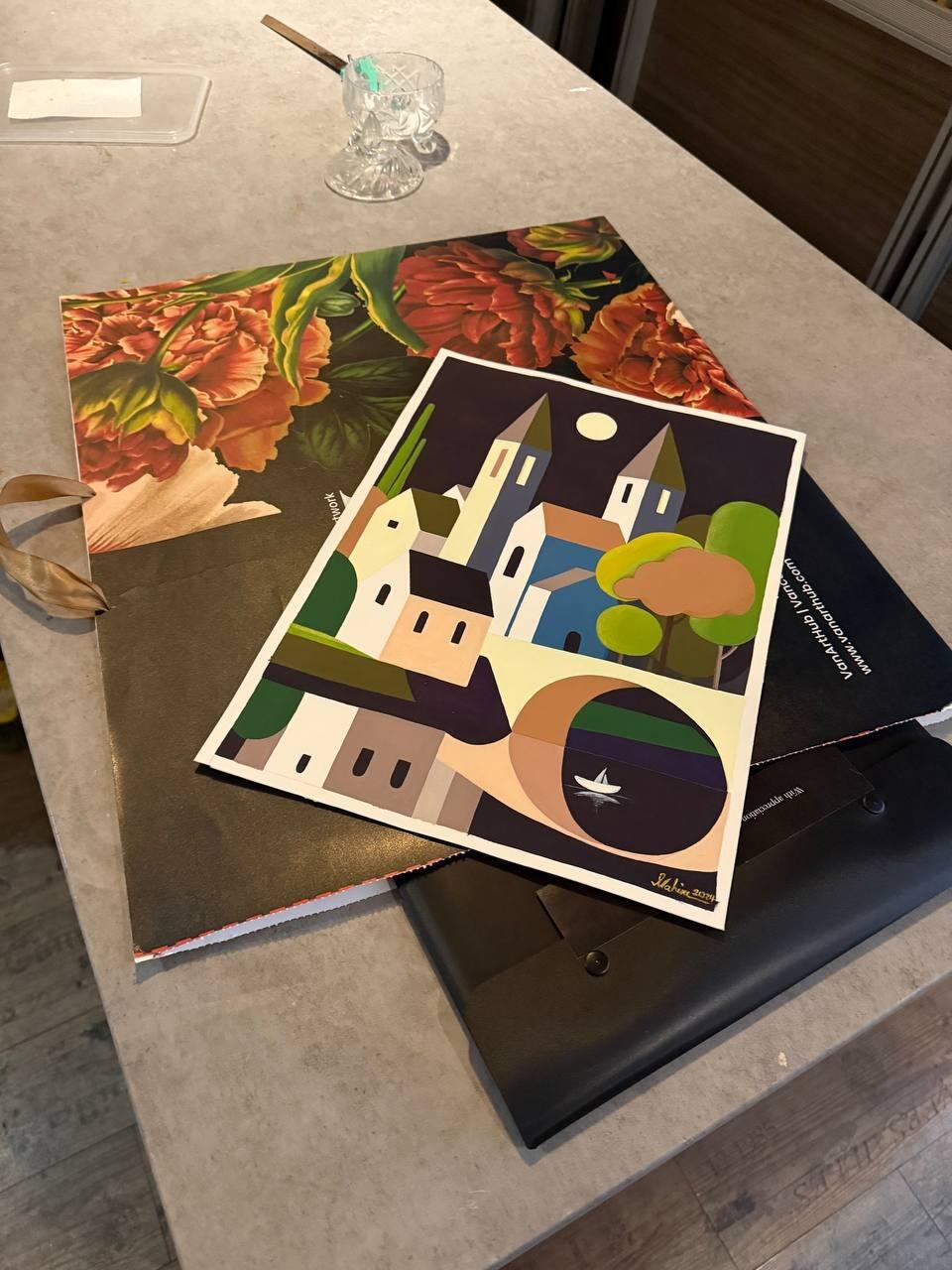
Every piece we sell is an original oil, acrylic, or mixed media work, one of a kind, and it ships with a Certificate of Authenticity that records exactly what it is. If you keep it out of strong sun, away from damp and heat, and let a professional handle any real cleaning, the piece can age the good way for generations. And if you want to live with a new oil for a while before you commit, our 14 day trial lets you see it on your own wall, in your own light, with a full refund and free return shipping if it is not right.
The short version
Patina is the slow, gentle change an oil painting goes through over decades as the paint film and the varnish warm and settle. Much of this aging is welcome, because an even, soft warming gives an original depth, character, and a sense of history that a print can never gain. The key skill is telling natural aging from damage. Natural aging is even and gradual across the whole surface, while damage is sudden and local, like lifting cracks, flaking paint, a haze in one spot, or a tear. Varnish protects the piece by taking the wear itself and can be cleaned or renewed without touching the paint, and sensible care, meaning no direct sun, stable humidity, and no household cleaners, slows the harmful changes. Every VanArtHub oil is an original with a Certificate of Authenticity and a 14 day trial, so you can see how it lives on your wall before you keep it.