Oil vs Acrylic vs Mixed Media: How to Tell Them Apart
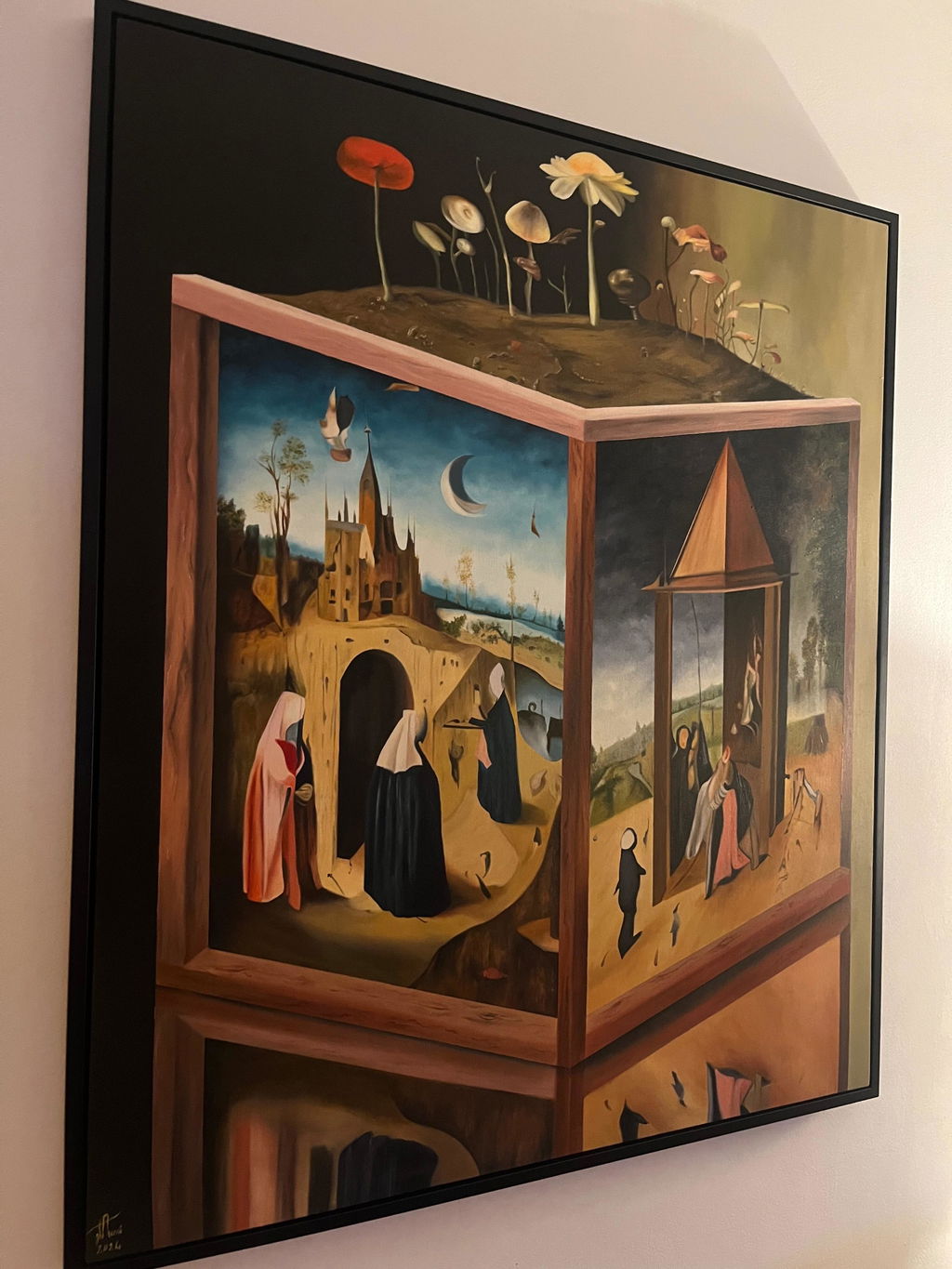
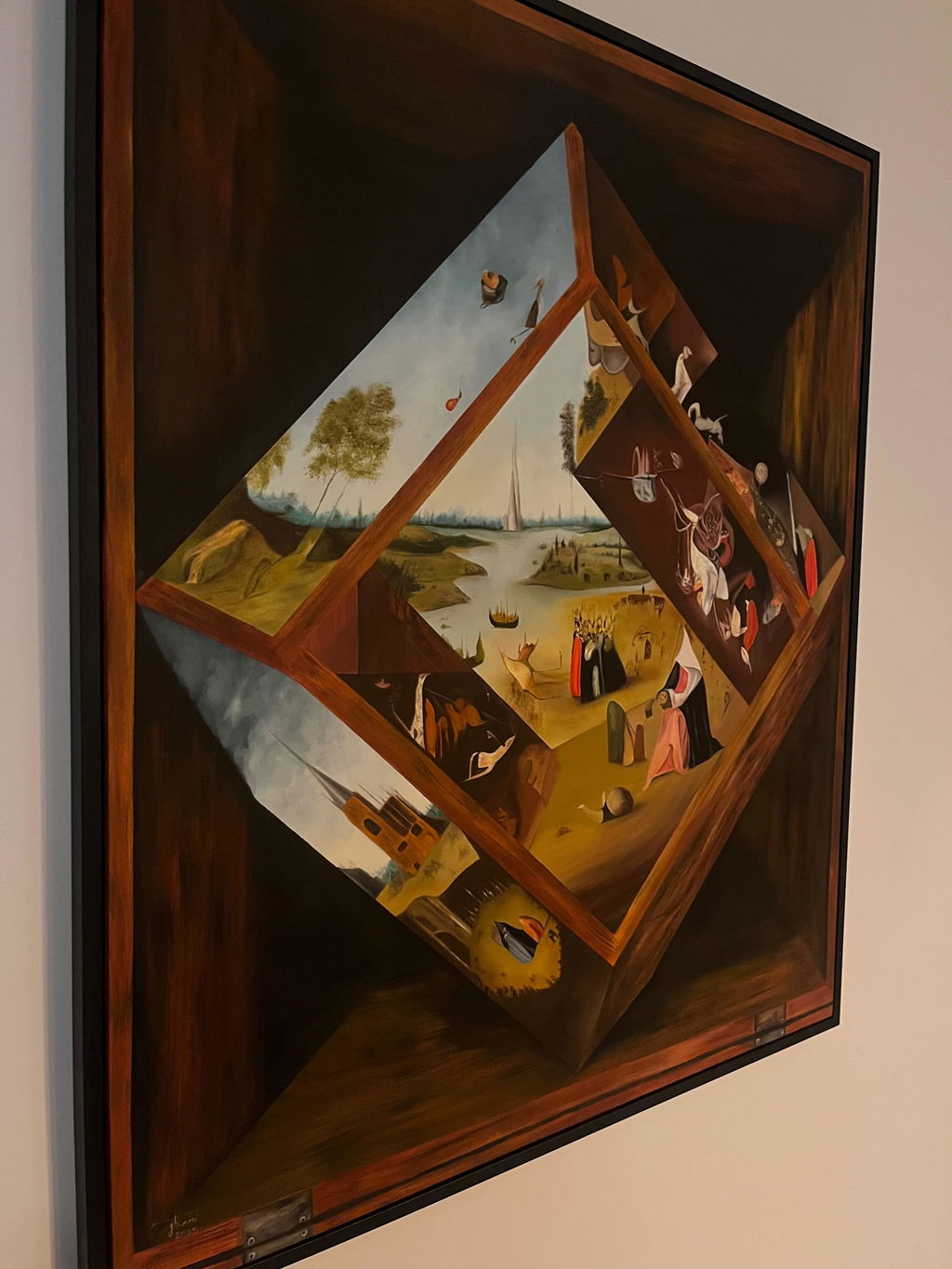
UpdatedOil, acrylic, and mixed media are the three types of paintings most buyers ask us about, and they are easy to tell apart once you know what to look for. Oil paint dries slowly, blends soft, and shows deep, rich color. Acrylic paint dries fast, holds crisp edges, and reads bright. Mixed media means the artist used more than one material in the same piece, so you see different textures side by side. VanArtHub is an online gallery. We sell original, signed, one-of-a-kind paintings to collectors in Canada and the USA, and every piece ships with a Certificate of Authenticity. This guide explains how each medium looks, how it ages, and which one fits your room, so you can choose with confidence.

The short answer, medium by medium
Oil paint uses pigment mixed with a drying oil, usually linseed. It stays wet for days, so the artist can blend one color into the next with no hard line. That is why oil portraits and skies look so smooth. Acrylic paint uses pigment held in a plastic-like polymer. It dries in minutes by losing water, so the artist can layer fast and keep sharp edges. Mixed media is not a single paint. It is a piece where the artist combined materials, for example acrylic with colored pencil, ink, collage paper, or pastel. You will see more than one surface in the same work.
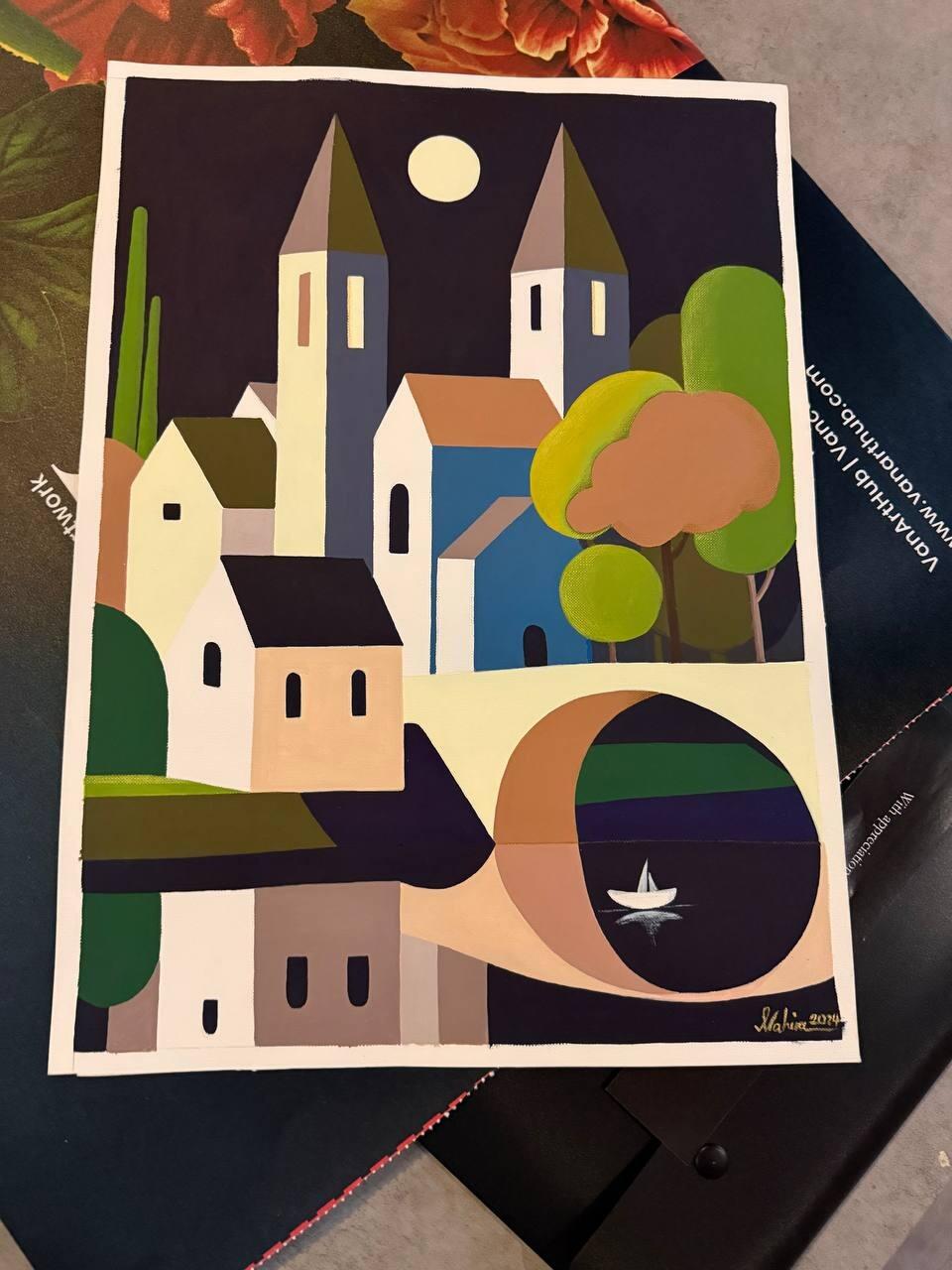
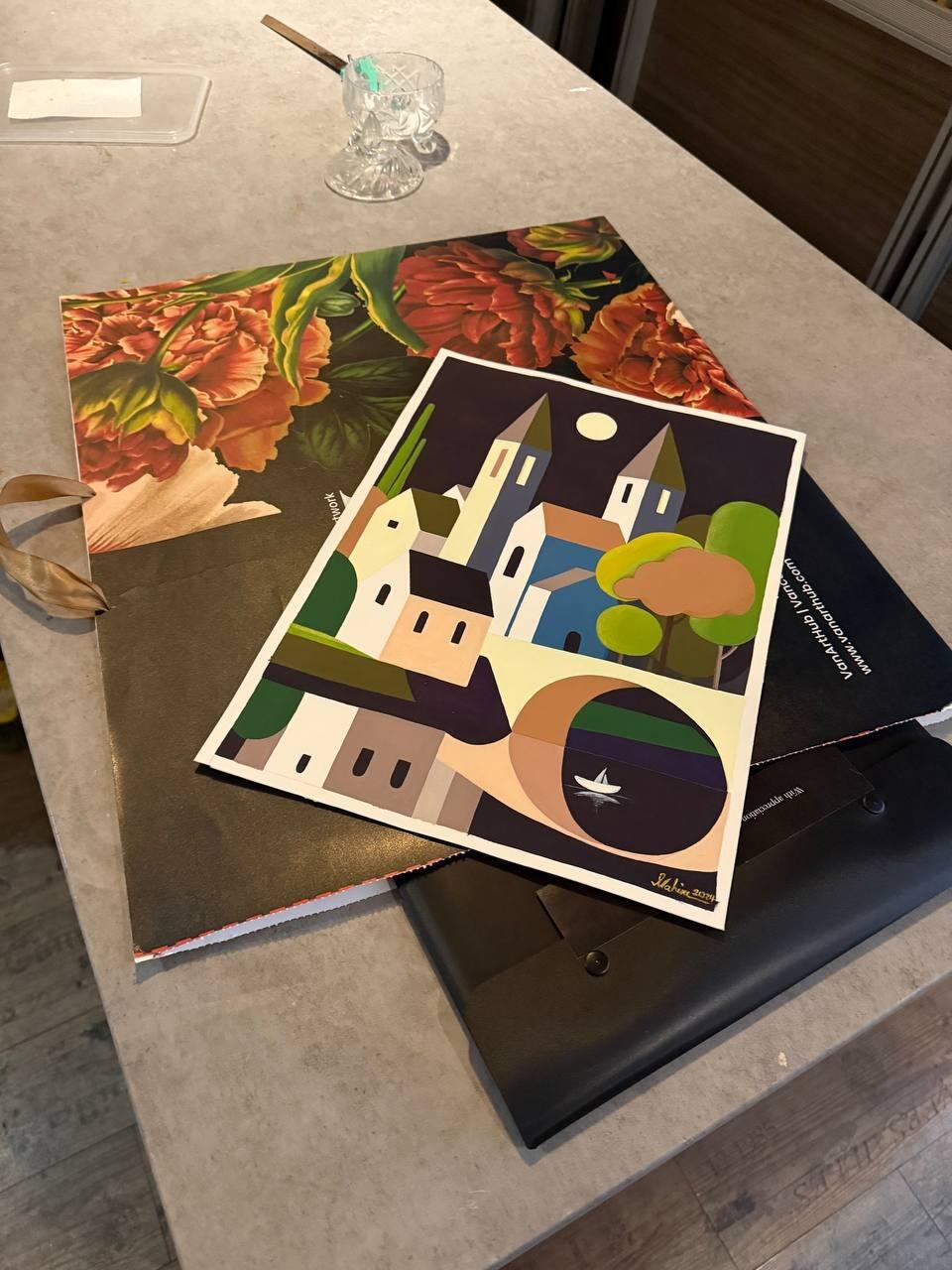
None of these is "better" in a general sense. They are different tools. A soft, glowing landscape often wants oil. A bold, graphic, high-contrast piece often wants acrylic. A layered, textured, experimental work often ends up as mixed media. In our gallery, all three are made to last when you care for them properly.
Compare the three at a glance
| What you care about | Oil | Acrylic | Mixed media |
|---|---|---|---|
| Drying time | Slow. Dry to the touch after about 48 hours, and it keeps curing for months. | Fast. Thin films can feel dry in under 30 minutes. | Depends on the materials used. The slowest layer sets the pace. |
| Surface look and texture | Often glossy. Can show visible brush strokes or knife ridges. Smooth blends with no hard line. | Can look flatter, more matte, sometimes a little plastic-like. Holds crisp, sharp edges. | Mixed. You see different materials meeting in one piece, so texture changes across the surface. |
| How colors read | Deep and rich. Colors blend into each other softly. | Bright and clean. Colors stay separate and bold. | Varies by material. A colored pencil area reads finer than a painted area. |
| How it ages | Can yellow slowly over decades. More likely to crack if kept too dry. | Yellows very slowly. More flexible, so it cracks less. Soft film can attract dust. | Ages as well as its weakest material, so care matters most here. |
| Room or climate that suits it | Steady, moderate rooms. Avoid very dry air below about 35% humidity. | More forgiving in humid or changing rooms. Keep it dusted. | A stable, moderate room, out of direct sun and away from damp. |
How to tell them apart just by looking
You do not need lab tools. You need a few minutes and good light. Start with the surface shine and the edges of the brush marks.
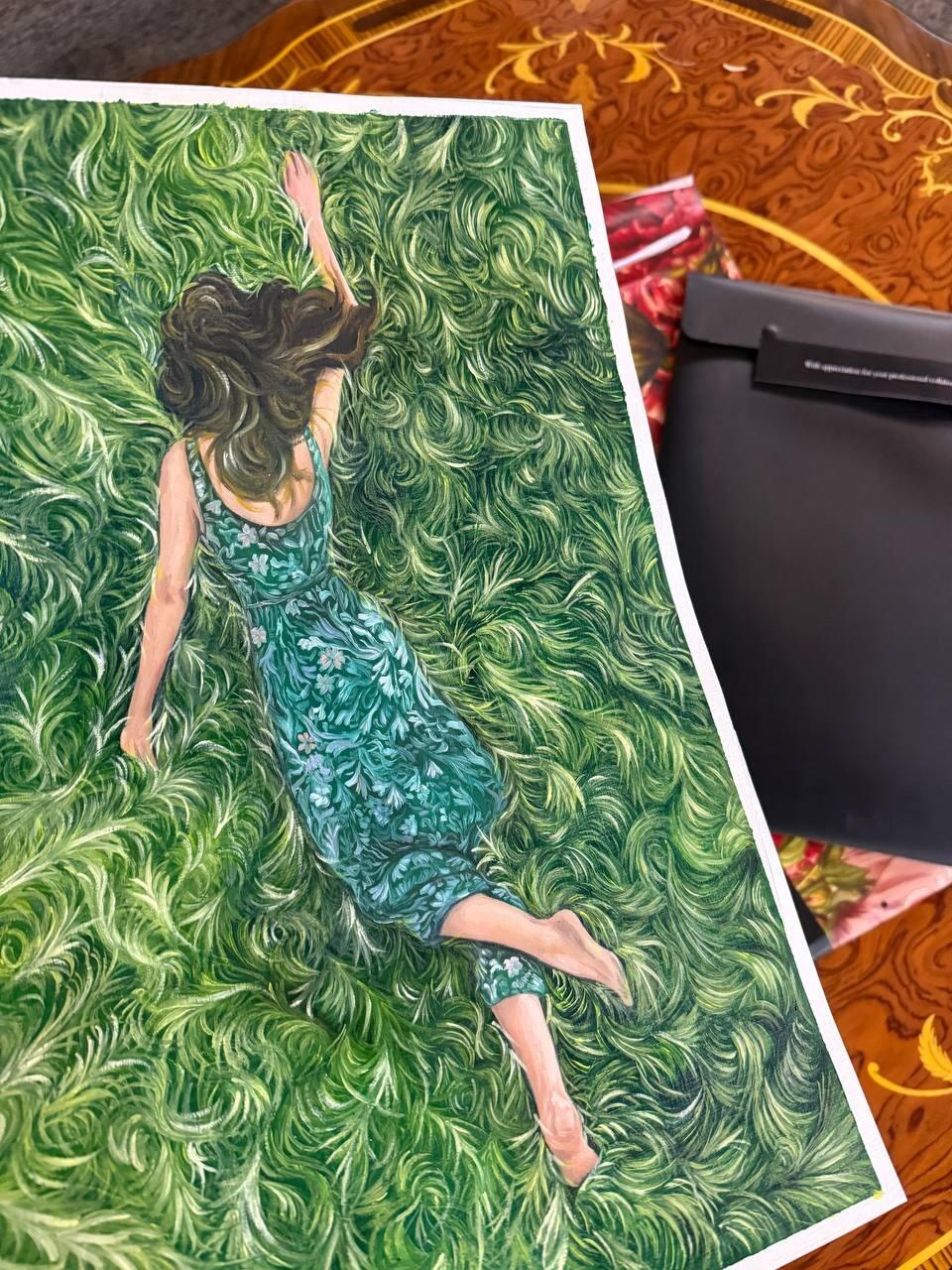
Oil paint usually stays glossy, and the color looks like it sits in soft layers. Where two colors meet, the change is gradual, with no sharp line. If you see raised ridges from a brush or a palette knife, and the paint looks thick and buttery, that points to oil. The Smithsonian Museum Conservation Institute notes that oil films dry through oxygen reacting with the binder, which is why oil takes so long to set and why the surface can hold that deep, worked look (Smithsonian Museum Conservation Institute, Caring for Acrylic Paintings).
Acrylic paint often looks flatter and more even. The edges between colors can be very crisp, almost like they were cut, because the paint dried before it could blend. Some acrylic surfaces have a slight matte or plastic-like feel. Golden Artist Colors explains that acrylic dries as water leaves the film and the polymer particles press together, which happens in minutes for thin layers (Golden Artist Colors, Drying Technical Notes). That fast set is what gives acrylic its clean edges.
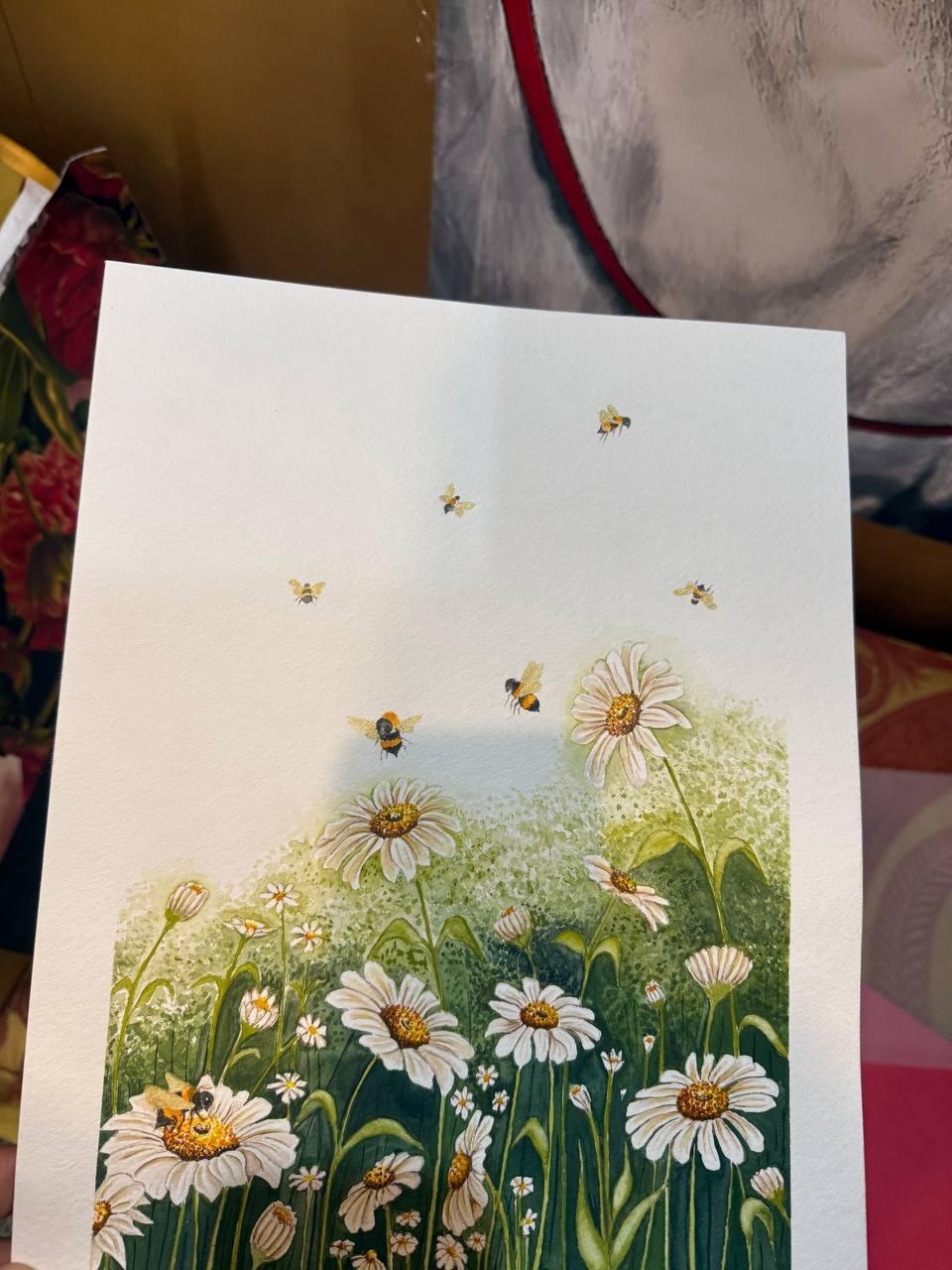
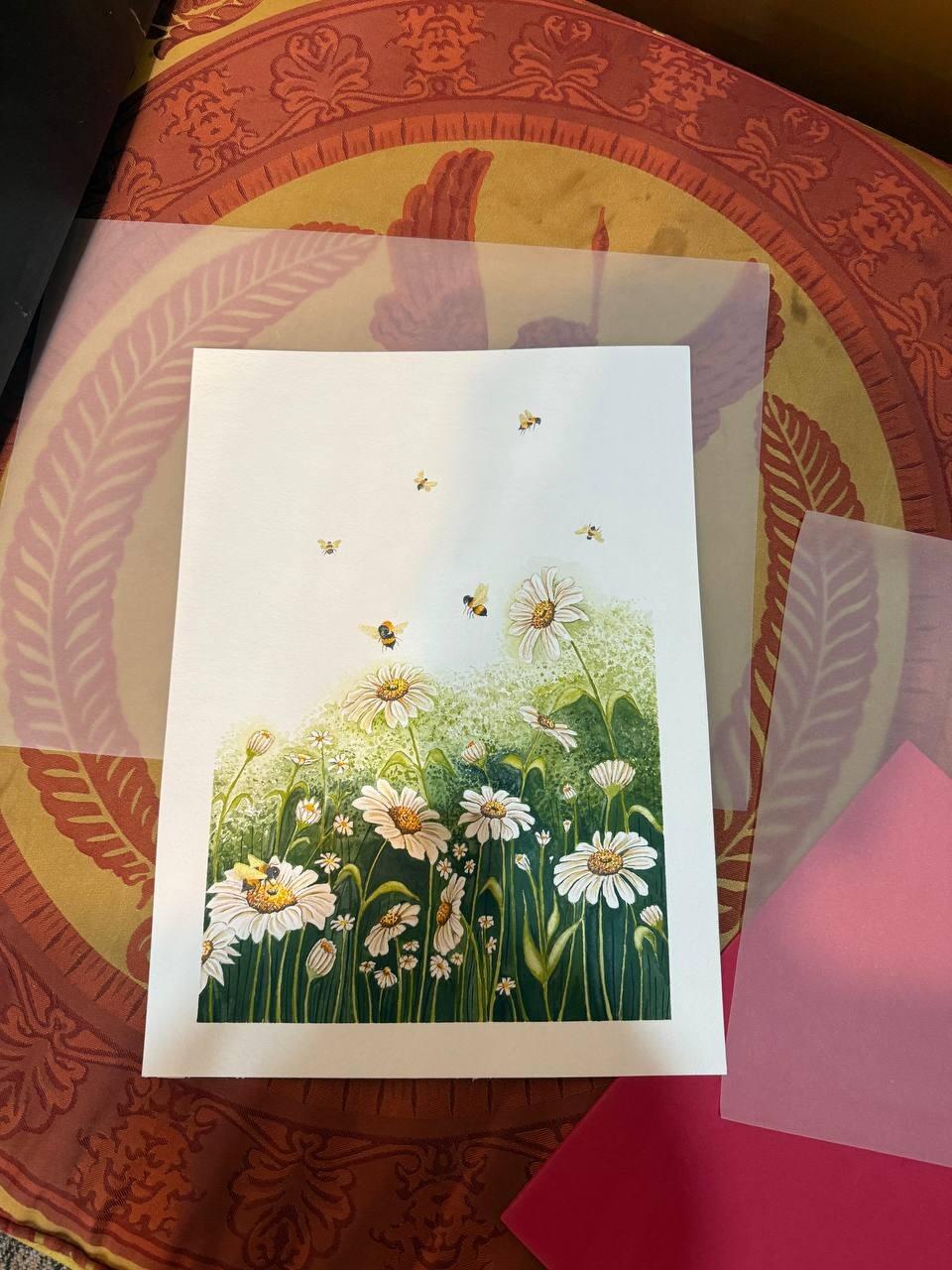
Mixed media is the easiest to spot once you know the trick. Look for more than one material in the same piece. You might see fine pencil lines over a painted background, a strip of collage paper, ink, or pastel dust. If parts of the surface clearly were not made with the same tool, it is mixed media. Many of our colored pencil works and layered pieces fall into this group.
How each one ages, from the conservation record
This is where buyers worry most, and the honest answer is that all three last well with normal care. The differences are real but small for a piece hanging in a home.
Oil has the longest track record. Oil paintings have survived for 500 years. The trade-off is that oil yellows slowly over decades and can grow brittle, especially in very dry air. The Getty Conservation Institute runs a long research program on how modern and traditional paints age, which is why we lean on conservation science here rather than opinion (Getty Conservation Institute, Modern Paints project).
Acrylic is newer, with about 50 to 70 years of proven history. It yellows far less than oil and stays more flexible, so it resists cracking better indoors. The one weak point is that the acrylic film is softer, so its surface can hold dust and dirt more easily, as the Smithsonian conservators point out. A gentle dusting fixes that. Golden's own conservators write that most acrylic paintings made since acrylic was introduced are holding up well, and that acrylics look likely to prove very long lived (Just Paint by Golden, Aspects of Longevity of Oil and Acrylic Artist Paints).
For any medium, the color lasts only as long as the pigments are lightfast. That is why we care about the ASTM standard. ASTM International rates lightfastness from I to V, where I is excellent and II is very good. Ratings I and II conform to the standard and are the ones used in artist-quality paint. Ratings III and higher fade too much and are not considered permanent (Just Paint by Golden, ASTM Lightfastness Testing for Oil Paints). Good archival work uses lightfast pigments no matter the medium.
Which medium suits your room, in our experience
After years of shipping paintings across Canada and the USA, here is the room advice we actually give buyers. Treat it as our first-hand experience, not a hard rule.
If your room runs humid, for example a bathroom-adjacent hallway, a basement, or a home near the coast, acrylic tends to be more forgiving. It stays flexible and does not mind small swings in the air as much as oil does. Just keep it dusted, because the softer surface can collect dust over time.
If your home gets very dry in winter, which happens a lot with forced-air heating, be a little careful with oil. Very dry air, roughly below 35% humidity, is when oil is most likely to grow brittle. A simple room humidifier solves this. Oil still looks stunning in a steady living room or dining room with moderate air.
Mixed media likes a calm, moderate room out of direct sun. Because it combines materials, you protect it by protecting the most delicate part. Keep it away from damp walls and strong afternoon light, and it will hold up for a lifetime. Before you pick any piece, ask where it will hang and what light that wall gets in the afternoon. Most buyers who regret a purchase skipped those two questions.
What VanArtHub actually sells
Our gallery leans toward oil, but all three mediums are well represented. As of July 2026, our collection is about 46% oil, 27% acrylic, and 24% colored pencil, with the rest in other and mixed approaches. Every piece is original and signed, and every piece is made to be archival when you care for it properly. You can browse our oil paintings for that soft, deep, glossy look, or our acrylic paintings for bold color and crisp edges. If you want to compare across every medium in one place, start with all artworks and filter from there.
Key takeaways
- Oil dries slow, blends soft, and shows deep color. Acrylic dries fast, holds crisp edges, and reads bright. Mixed media combines materials in one piece.
- Tell them apart by looking: oil stays glossy with soft blends and visible brush or knife texture, acrylic looks flatter with sharp edges, mixed media shows different materials meeting.
- Oil has a 500-year record but can yellow and crack in dry air. Acrylic yellows less and cracks less, but its softer surface collects dust.
- Humid room: acrylic is more forgiving. Very dry room: watch oil, or add a humidifier. Mixed media: keep it in a steady, moderate space out of direct sun.
- Any medium lasts when the pigments are lightfast to ASTM ratings I or II and the piece gets normal care.
Frequently asked questions
Is oil or acrylic better for a painting?
Neither is better in general. They are different tools for different looks. Oil is better for soft blends, deep color, and a glossy finish. Acrylic is better for bright color, crisp edges, and a piece that resists cracking. Choose by the look you want and the room it will hang in, not by a ranking.
How can I tell if a painting is oil or acrylic?
Look at the surface in good light. Oil usually stays glossy, with soft color changes and no hard line where colors meet. It often shows thick brush or knife texture. Acrylic tends to look flatter and more matte, with sharp, clean edges between colors. If you still cannot tell, ask the gallery. We list the medium on every piece.
Which lasts longer, oil or acrylic?
Both last for generations with proper care. Oil has the longest proven record, over 500 years, but it can yellow and grow brittle in dry air. Acrylic has about 50 to 70 years of history, yellows much less, and stays more flexible, so it cracks less. Golden's conservators expect acrylic paintings to prove very long lived.
Is acrylic paint good quality?
Yes. Artist-grade acrylic is a serious, archival medium, not a beginner-only paint. It uses lightfast pigments, resists cracking, and yellows slowly. The main care point is that its softer film can collect dust, so a gentle dusting now and then keeps it looking fresh.
Does oil paint crack?
It can, mostly when the air is too dry. Oil films grow brittle below about 35% humidity, and that is when cracks are most likely to form. In a steady, moderate room the risk is low. A small room humidifier in winter is the simplest fix if your home runs dry.
Which is better for a humid room?
In our experience, acrylic handles humid rooms better. It stays flexible and does not mind small swings in the air as much as oil does. Keep any painting off a damp wall and away from direct steam. In a very humid space, watch for dust building up on the acrylic surface and dust it gently.
What is mixed media, and is it lower quality?
Mixed media means the artist used more than one material in the same piece, for example acrylic with colored pencil, ink, or collage. It is not lower quality. It is a deliberate choice for texture and depth. It lasts as well as its most delicate material, so it just needs a calm, moderate room and care.
Why does oil paint look glossier than acrylic?
Oil dries by oxygen reacting slowly with its oil binder, which leaves a rich, glossy film that can hold soft blends and thick texture. Acrylic dries as water leaves the film in minutes, which often gives a flatter, more matte surface. That difference in how they dry is the main reason they look different.
Do I need special framing or glass for these paintings?
Oil and acrylic paintings are usually framed without glass, since the paint surface is meant to be seen directly. Works on paper, including many colored pencil and mixed media pieces, are often framed under glass to protect the surface. We can advise on the right approach for the specific piece you choose.
How do I clean and care for each medium?
For all three, keep the piece out of direct sun, away from damp walls, and in a room with steady, moderate air. Dust gently with a soft, dry brush. Acrylic needs a little more attention to dust because its surface is softer. Never use household cleaners or water on a painting. If it needs real cleaning, ask a conservator.
Are all VanArtHub paintings archival?
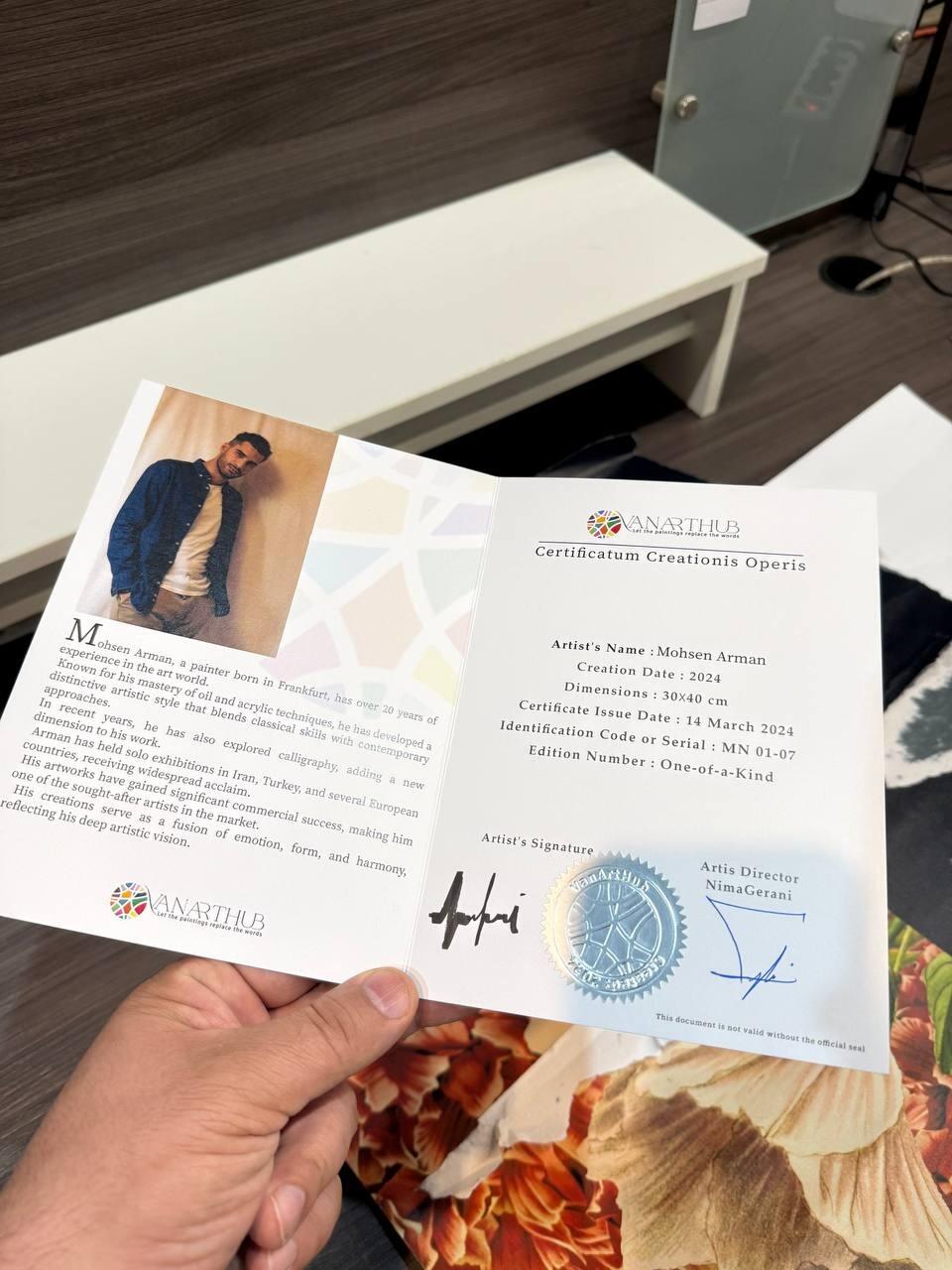
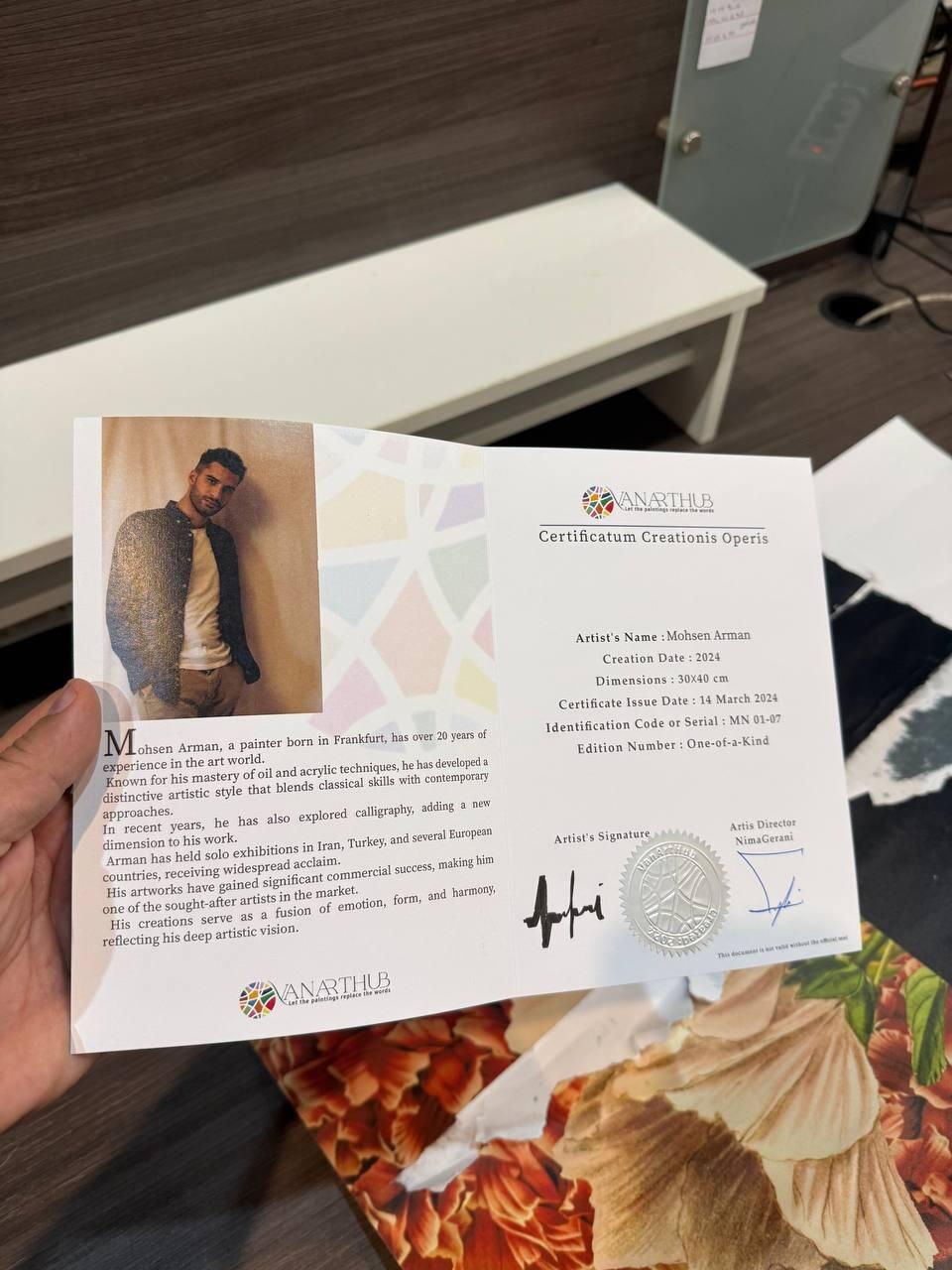
Yes. Every piece we sell is made to be archival when you care for it properly, whatever the medium. Our collection is about 46% oil, 27% acrylic, and 24% colored pencil as of July 2026. Each painting is original, signed, and ships with a Certificate of Authenticity.
Can I ask which medium a specific piece is before buying?
Of course. The medium is listed on every product page, and you can message us any time if you want more detail about how a piece was made or how to care for it. We would rather answer your questions before you buy than have you guess.
Sources
- Smithsonian Museum Conservation Institute, Caring for Acrylic Paintings, 2026
- Golden Artist Colors, Drying Technical Notes, 2026
- Just Paint by Golden, Aspects of Longevity of Oil and Acrylic Artist Paints, 2026
- Just Paint by Golden, ASTM Lightfastness Testing for Oil Paints (ASTM International ratings I to V), 2026
- Getty Conservation Institute, Modern Paints research project, 2026
Data checked July 2026. If something looks out of date, tell us and we will update it.
About VanArtHub
VanArtHub is an online gallery that sells original, signed, one-of-a-kind paintings to collectors in Canada and the USA. Every piece ships with a Certificate of Authenticity, and every piece is made to last when you care for it properly. Whether you want the soft glow of oil, the bold edges of acrylic, or the layered texture of mixed media, you can compare them all in one place. Browse our full collection of original artworks and find the piece that fits your wall and your light.