Egg Yolk and Milk: The Animal Paints of the Old Masters
Updated By VanArtHub Curatorial TeamShare
Egg tempera, the paint of the old masters, is bound with egg yolk. Casein, its humbler cousin, is bound with milk protein. For centuries before oil paint took over European painting, the binder came from the farm, and if you have ever admired the crisp lines of an early Renaissance panel you have admired what an egg can do. Here is how these two animal-based binders worked, why oil displaced them, and where their animal ingredients story touches the art you buy today.
Egg tempera: pigment bound in yolk
The Tate glossary defines tempera as the technique of painting with pigments bound in a water-soluble emulsion, such as water and egg yolk, or an oil-in-water emulsion such as oil and a whole egg. Britannica is more specific about the classic recipe: true tempera is made by mixture with the yolk of fresh eggs, though manuscript illuminators often used egg white and some easel painters added the whole egg.
The yolk does real work. Tempera dries to a hard film, and, as Tate notes, it was traditionally applied to a rigid support such as a wood panel. Some tempera paints use gum or glue instead of egg, but the yolk version is the one that carried European painting for centuries.
The takeover by oil
Tempera did not fall out of fashion overnight. Britannica records that it remained Europe's main painting medium until the Renaissance, when oil painting was already challenging its primacy. The transition was messy and practical: Botticelli and some of his contemporaries apparently added oil to the tempera emulsion or glazed over tempera in oil colour. Britannica ties the rise of oil to improvements in refining linseed oil and the availability of volatile solvents after 1400.
Our reading of why oil won: blending. A tempera stroke sets fast and stays put, which produces that precise, linear look. Oil stays open, fuses tones, and lets a painter model flesh in soft gradients. Once painters saw what oil could do, tempera slowly lost its place. Worth noticing: the winner was a plant binder, linseed oil pressed from flax, replacing an animal one.
Casein: the milk paint
The other farmhouse binder deserves more fame than it has. Britannica describes casein painting as painting executed with colours ground in a solution of casein, a phosphoprotein of milk, and notes the material has served as an adhesive and binder for more than eight centuries, originally as homemade curd from soured skim milk.
Casein has a clear personality. It dries fast and matte, becomes water resistant to a considerable degree once dry, takes bristle brushes and moderate impasto, and, in Britannica's blunt phrasing, cannot fuse tones the way oil paint can. It is also too brittle for canvas, so it must be applied to rigid boards or panels. Illustrators and muralists leaned on it in the late 19th and early 20th centuries, and it is still sold ready-made in tubes. Finished casein works were often varnished to resemble oils, or glazed over with oil colours.
Four binders, side by side
| Binder | Source | Working character | Usual support |
|---|---|---|---|
| Egg tempera | Egg yolk (animal) | Sets fast, hard film, crisp linear handling | Rigid wood panel |
| Casein | Milk protein (animal) | Fast drying, matte, water resistant when dry, brittle | Rigid board or panel |
| Oil | Linseed oil from flax (plant) | Stays open, fuses tones, slow gradual drying | Canvas or panel |
| Acrylic | Synthetic polymer | Fast drying, water thinned, the modern default | Canvas, panel, or paper |
The animal ingredients around the paint
The binder was never the only animal product on a medieval or Renaissance easel. Under the paint sat gesso, and traditional gesso is bound with rabbit-skin glue, which Golden's Just Paint journal describes as refined rabbit collagen. The same glue sized the canvas once painters moved to fabric. The modern equivalents, acrylic gesso and acrylic sizing, are synthetic, which is one of the quieter ways painting has changed since the old masters.
If this thread interests you, our guide to vegan canvas and gesso explains how modern supports avoid animal glue entirely, and animal ingredients in art history tells the longer story from egg and milk to insect reds, both inside our vegan art hub. Most of the work in our own gallery is painted in acrylic or oil on canvas; you can see where the oil tradition went in our oil paintings collection.
Key Takeaways
- Egg tempera binds pigment with egg yolk; Tate and Britannica both record it as Europe's standard medium before oil.
- Britannica ties oil's takeover to the Renaissance, with painters like Botticelli mixing oil into tempera during the transition.
- Casein paint is bound with milk protein, dries fast and matte, and is too brittle for canvas, per Britannica.
- Both old binders demanded rigid panels; flexible canvas painting belongs to the oil era.
- Traditional gesso adds another animal ingredient, rabbit-skin glue, which modern acrylic gesso replaces with synthetic polymer.
Frequently Asked Questions
What is egg tempera made of?
Egg tempera is pigment bound in a water-soluble emulsion, most often water and egg yolk. Britannica notes that true tempera is made with the yolk of fresh eggs, and the Tate glossary adds that some tempera uses an oil and whole egg emulsion, or gum or glue as the binder instead.
Does egg tempera use the whole egg?
Usually just the yolk. Britannica records that true tempera is made with fresh egg yolk, that manuscript illuminators often used egg white, and that some easel painters added the whole egg. The Tate glossary likewise lists both water and egg yolk emulsions and oil and whole egg emulsions.
When did oil paint replace tempera?
Gradually, around the Renaissance. Britannica states tempera was Europe's main painting medium until then, and that oil was already challenging its primacy as painters like Botticelli added oil to the tempera emulsion or glazed over it in oil. Improved linseed oil refining and solvents available after 1400 pushed the change along.
What is casein paint?
Casein paint is made of colours ground in a solution of casein, which Britannica identifies as a phosphoprotein of milk. It dries quickly to a matte finish and becomes considerably water resistant once dry. In its oldest form it was homemade curd from soured skim milk; today it is sold refined, and in tubes.
How long has casein been used?
More than eight centuries, according to Britannica, first as a traditional adhesive and binder made from milk curd. As an easel and mural painting medium it had a notable run in the late 19th and early 20th centuries, and ready-made casein paints are still manufactured today.
Why did old masters paint on wood panels?
Because their binders demanded it. The Tate glossary notes tempera dries to a hard film and was traditionally applied to a rigid support such as a wood panel. Britannica says the same of casein: it is too brittle for canvas and must go on rigid boards or panels. Flexible canvas belongs to the oil era.
Is oil paint animal-based?
The binder is not: linseed oil is pressed from flax seed, a plant. But an oil painting is not automatically animal-free. Golden states that all of its Williamsburg oil colours contain small amounts of beeswax as a stabilizer, and animal-derived pigments such as bone black appear in many oil ranges.
What was traditional gesso made of?
Traditional gesso, the white ground layer under tempera and early oil paintings, was bound with rabbit-skin glue, which Golden describes as refined rabbit collagen. The same glue sized the canvas itself. Modern acrylic gesso and acrylic sizing do the same jobs with synthetic polymers instead.
Can you still buy tempera or casein paint today?
Yes. Britannica notes that casein paints are now sold ready-made in tubes, and egg tempera survives as a studio practice, with painters mixing it fresh from yolk and pigment. Both remain minority mediums in 2026, kept alive by painters who want their particular crisp, matte character.
Sources
- Tate: Art Term, Tempera
- Encyclopaedia Britannica: Tempera Painting
- Encyclopaedia Britannica: Casein Painting
- Just Paint (Golden): Vegan and Animal-Free Paints and Art Materials
Data sourced August 2026. If you spot something out of date, let us know and we will update the guide.
About VanArtHub
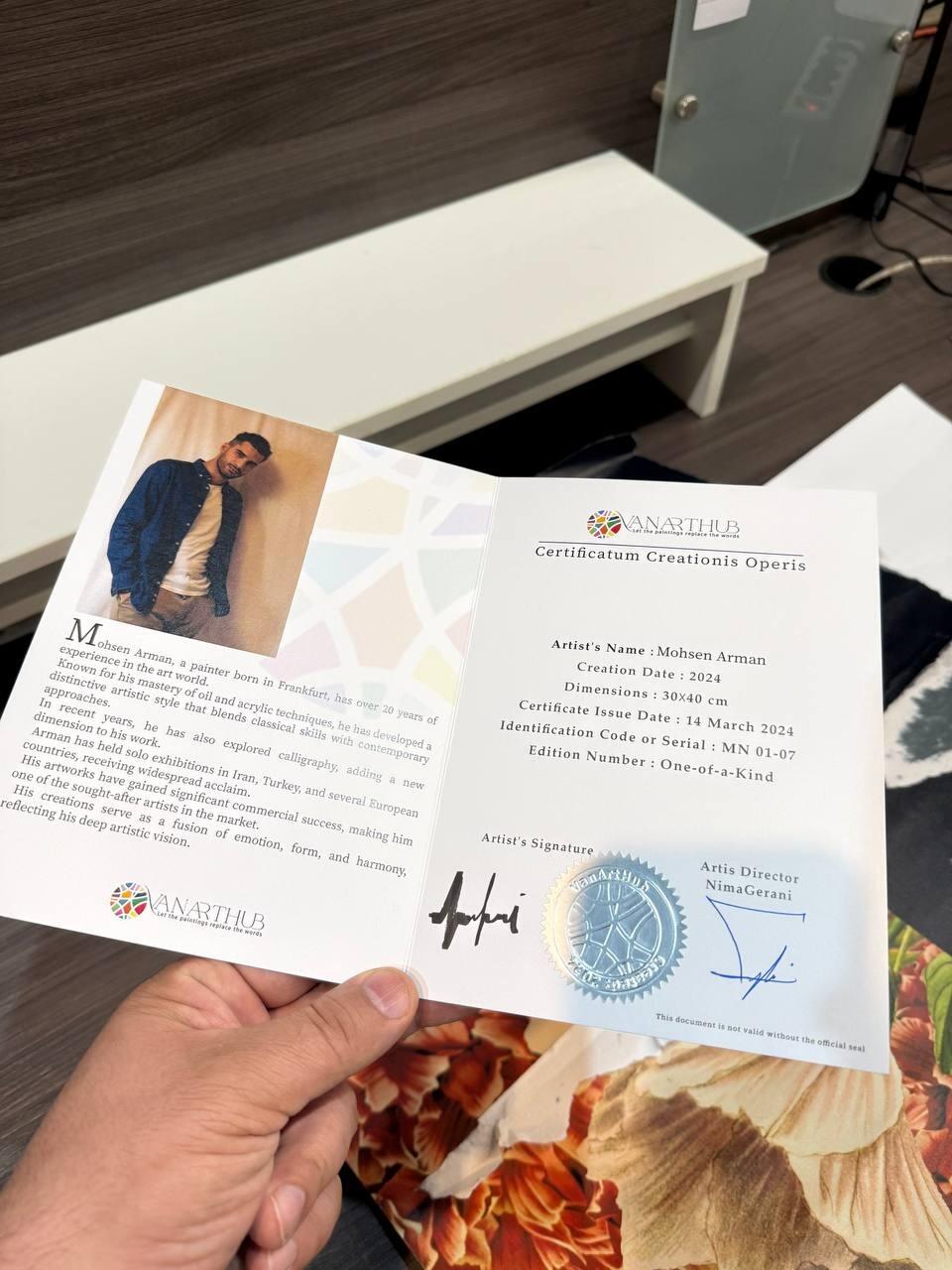
VanArtHub is a Vancouver gallery selling original signed paintings, never prints, each with a Certificate of Authenticity. Every piece ships free and fully insured to Canada and the USA, with a 14-day trial to live with the work first. See what today's painters do with the medium that replaced the egg in our fine art paintings collection.