Paper or Canvas for Your First Original?
Updated By VanArtHub Curatorial TeamShare
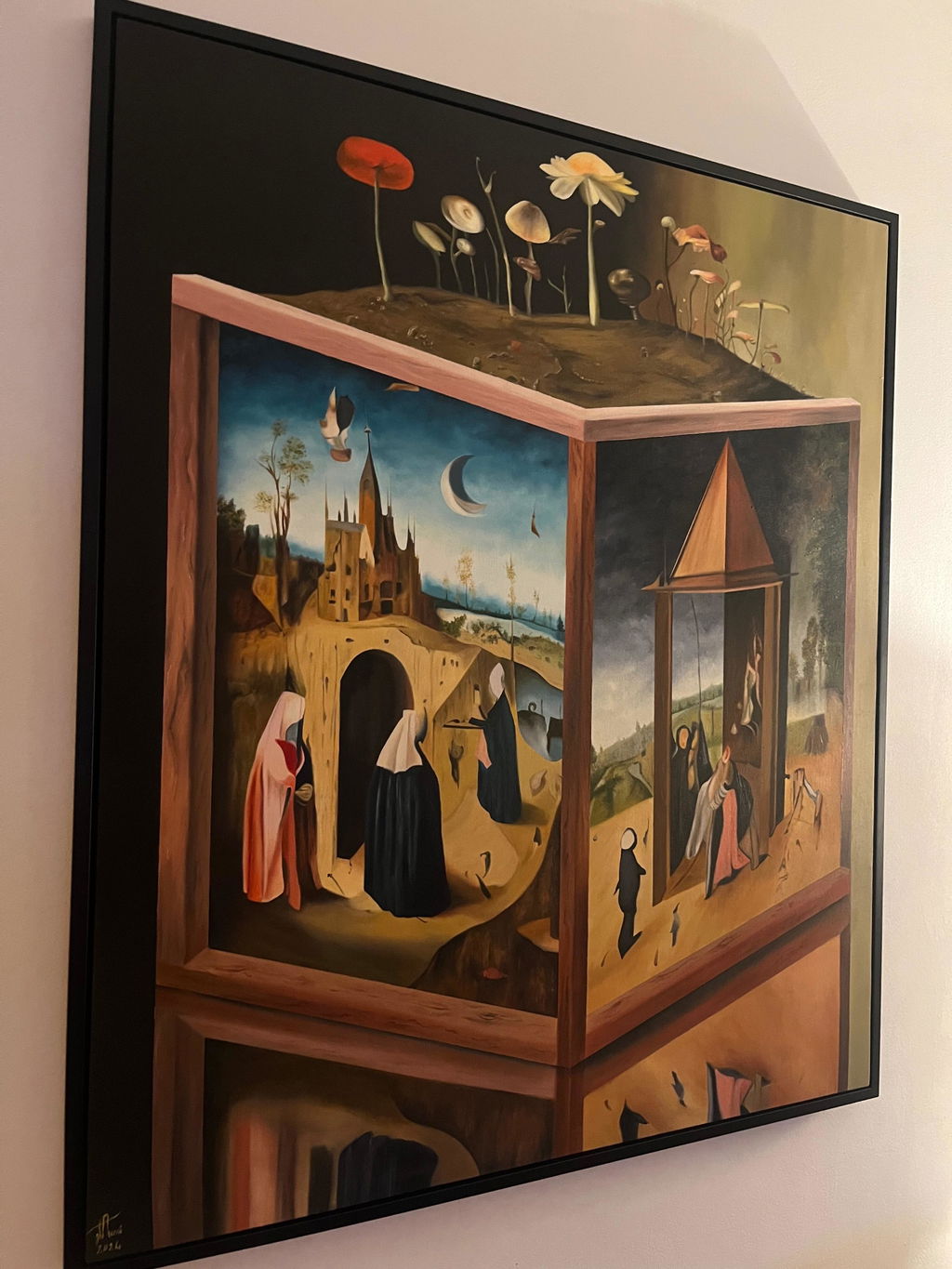
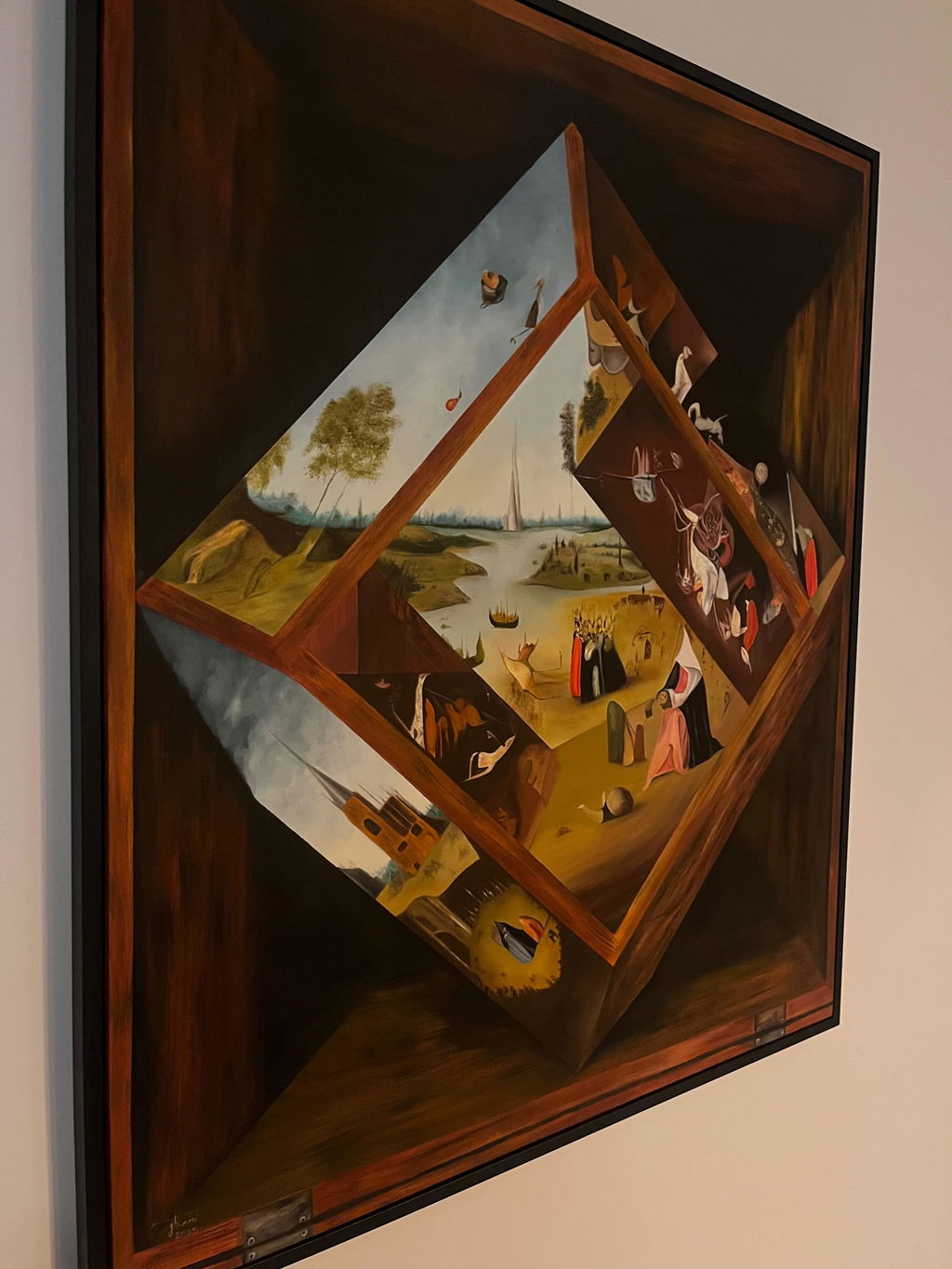
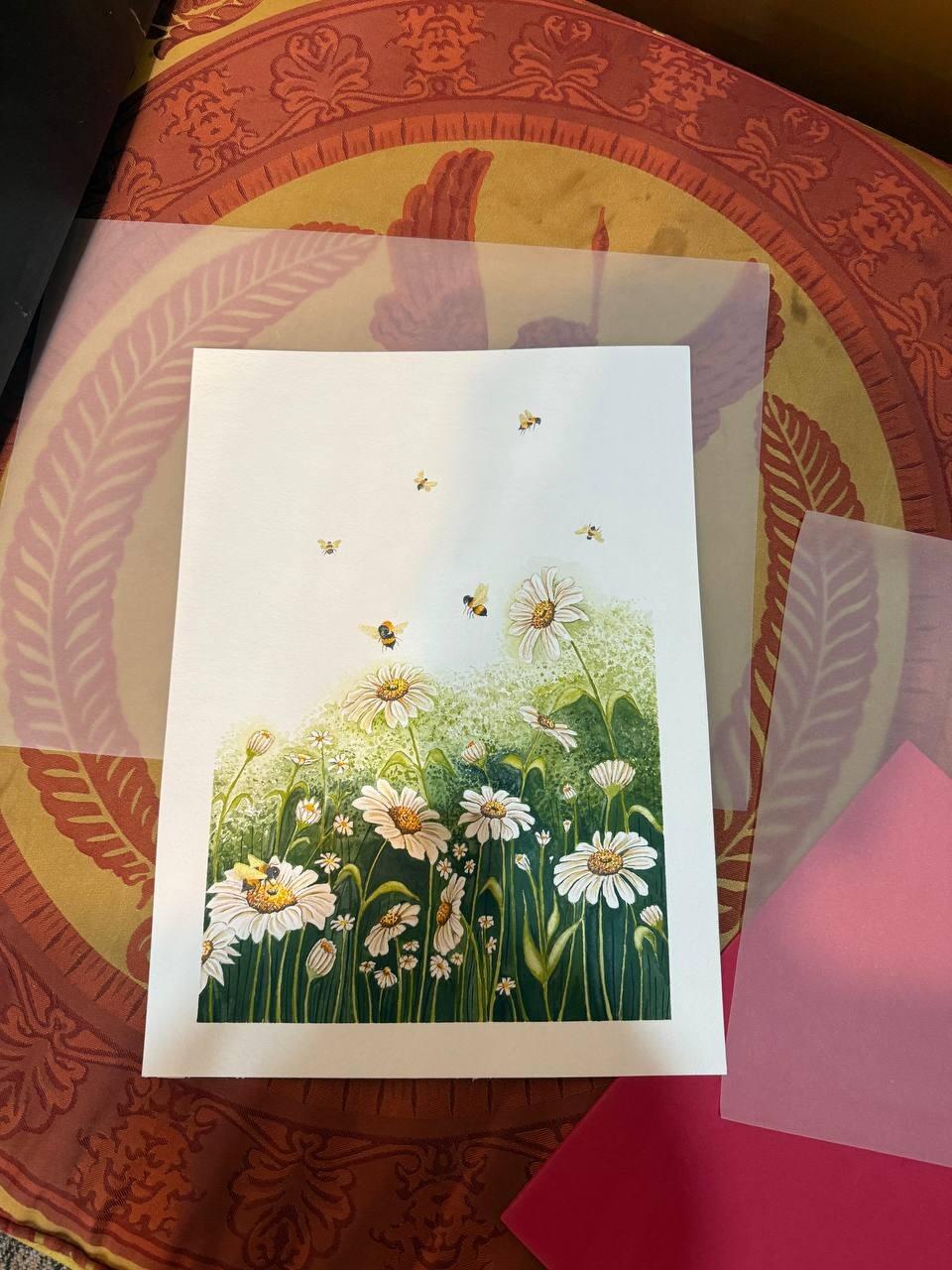
Two paintings, same artist, same wall, same money. One is on stretched canvas and hangs bare. The other is on paper and needs a frame with glass over it before it can go anywhere. Buyers almost always assume canvas is the serious option and paper is the practice run. That assumption costs people good paintings.
Why paper got a reputation it does not deserve
Paper carries an old association with sketches and studies, so people read a work on paper as something the artist made on the way to a real painting. Plenty of artists reinforce this by pricing paper work lower.
The pricing gap is real, and it usually comes from three plain facts. Paper costs less than a stretched canvas. A work on paper is often smaller. And the artist can produce more of them in the same number of studio hours. None of those facts say anything about whether the painting in front of you is any good.
We sell finished, signed, one-of-a-kind works on paper and artboard alongside canvas, and we price them by what they are, not by their support. Some of the strongest drawing in our inventory is on paper, because pencil, ink, and coloured pencil simply behave better there than they do on woven cloth.
What each support actually does to the picture
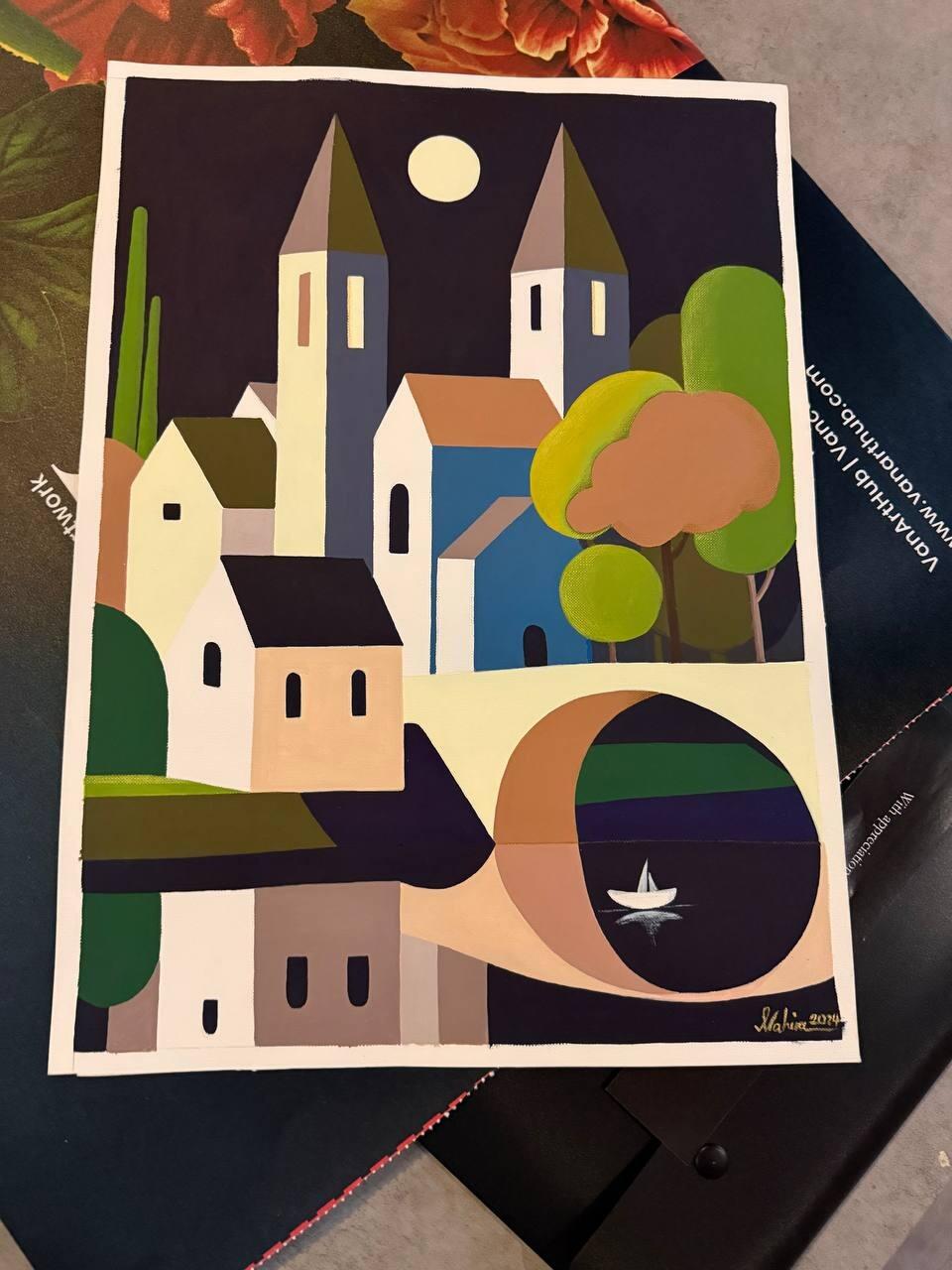
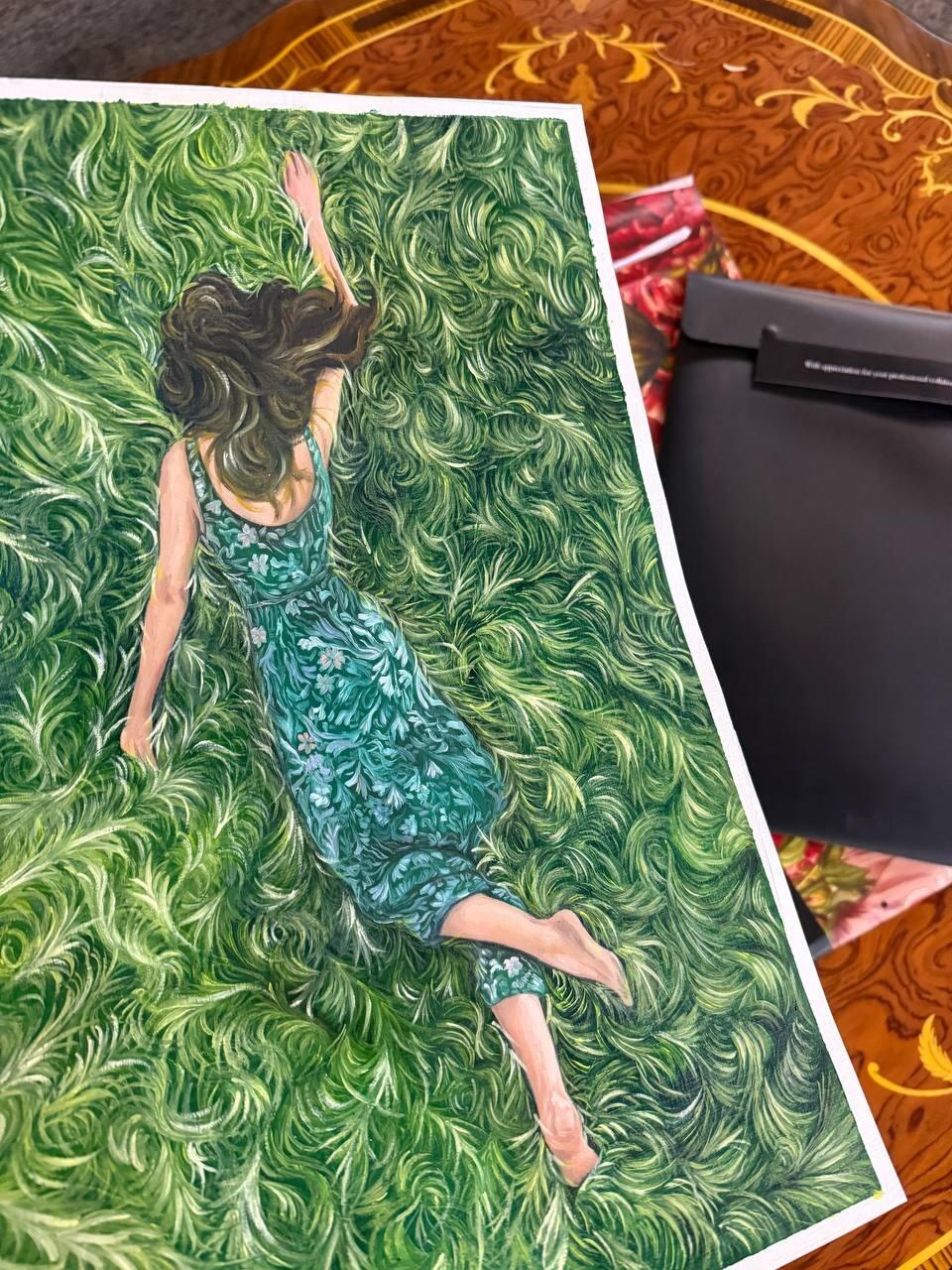
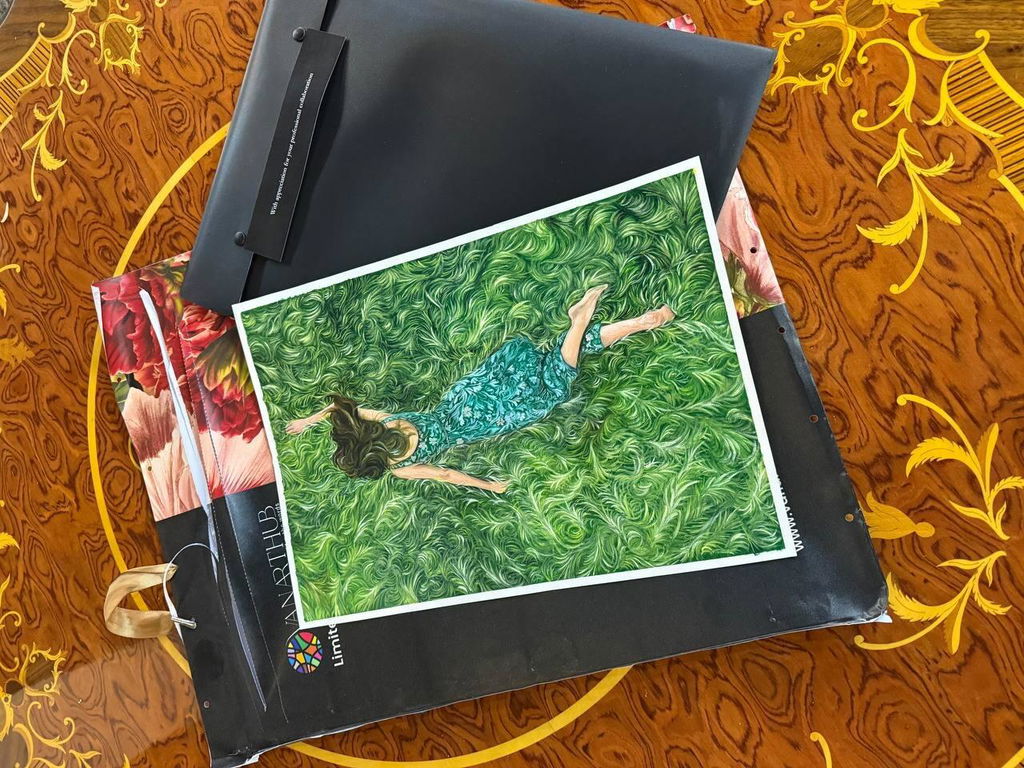
Canvas has a woven texture. Even a fine, smooth canvas has a visible grid at close range, and heavier weaves show through the paint clearly. That texture becomes part of the image. It suits loose brushwork, thick paint, and large gestures, and it fights against very small detail.
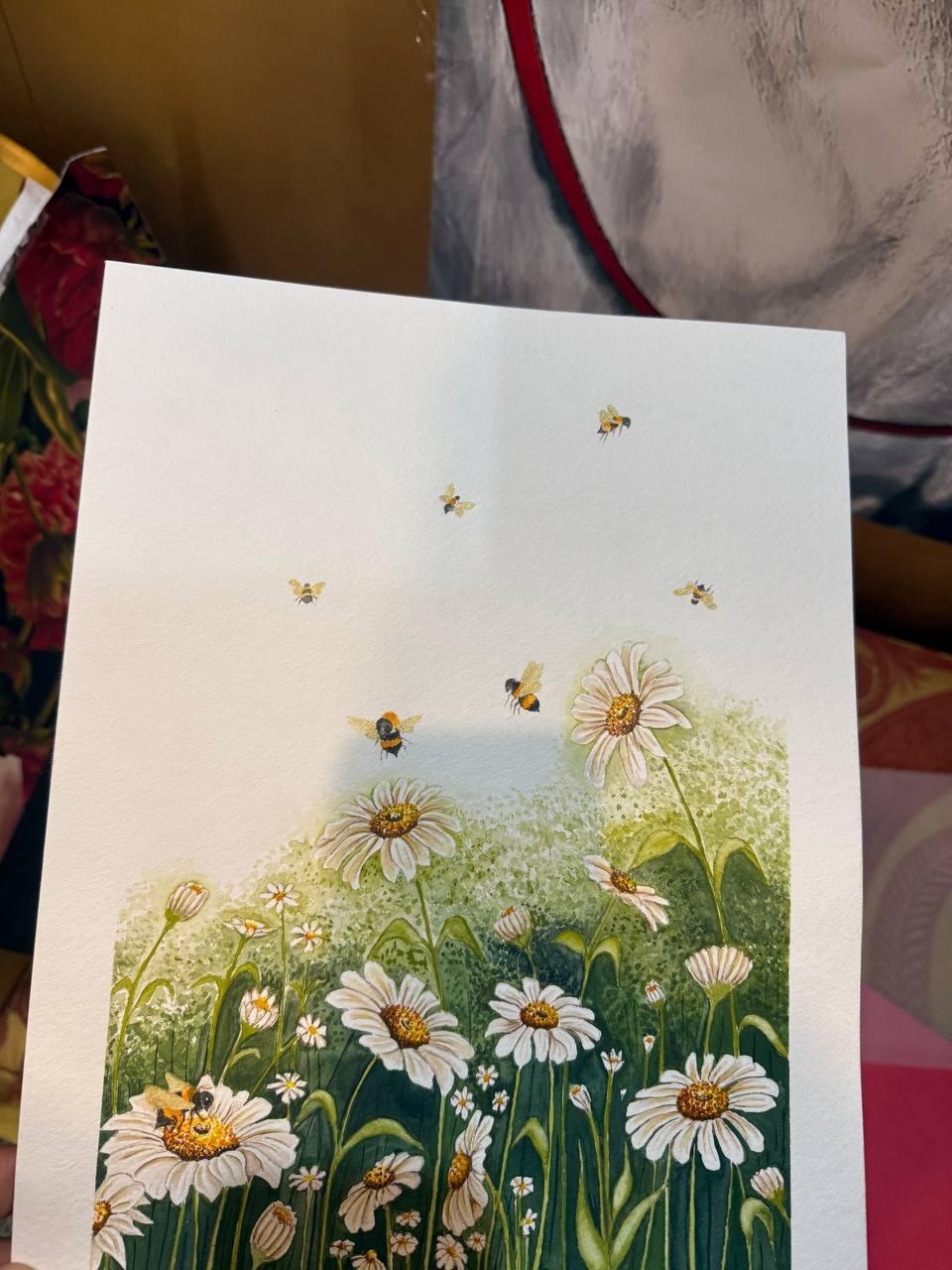
Paper and artboard are smooth or lightly textured, so a fine line stays a fine line. A graphite drawing on artboard can hold detail at a scale that would simply disappear into the weave of a canvas. Coloured pencil, ink, watercolour, and gouache all depend on that smoothness.
So the support is a decision the artist made about the picture, before the first mark. If you are drawn to a work with very fine detail in it, you are probably drawn to a work on paper, whether or not you knew that when you clicked on it.
| Question | Work on paper or artboard | Work on stretched canvas |
|---|---|---|
| Needs a frame? | Yes, with glazing and a spacer | No, it can hang bare |
| Extra cost after purchase | Framing, which can be significant | Optional float frame only |
| Suits fine detail | Yes | Less so, the weave interferes |
| Suits thick paint and big gestures | Less so | Yes |
| Typical size range | Smaller | Small through very large |
| Weight on the wall | Light until glass is added | Moderate to heavy |
| Ships in | A flat rigid package | A boxed crate for larger sizes |
The cost nobody mentions until after you have paid
Here is the practical trap. A work on paper almost always needs to be framed behind glass or acrylic before it goes on a wall, and that framing is a separate purchase. Custom framing on a mid-sized work on paper is not a small number. For a smaller piece the frame can approach or pass what the artwork cost.
A stretched canvas has no such requirement. It arrives ready to hang, with the painted edges finished, and many buyers never frame it at all. If they do, a simple float frame is the usual choice and it is optional.
So compare the total. A canvas at one price and a paper work at a lower price can land in the same place once the frame is added. Ask us for a framing estimate before you decide, not after. We can quote it as part of the conversation and you can see the real figure. Our custom framing page explains what goes into it.
Which one survives your house better
People assume paper is fragile and canvas is tough. It is closer to the opposite in a normal home.
A framed work on paper sits behind glazing, inside a sealed package, protected from dust, cooking grease, fingers, and the daily swing in humidity. That is a very good place for an artwork to live. A bare canvas is exposed on both sides. It can be punched through from behind by a broom handle, it collects airborne grease in a kitchen-adjacent room, and it responds directly to every humidity change in the house.
The real fragility of paper is different. Paper is more sensitive to water, and if it gets damp it cockles and stains in ways that are difficult to reverse. It also shows light damage more visibly, because paper itself can yellow while the image fades. So keep a framed work on paper off a wall that gets direct sun, and keep it away from bathrooms and basements.
Both supports want the same conditions. Stable humidity, moderate light, no exterior wall if you can avoid it. Our guide to humidity and storing a canvas covers the numbers.
What we would tell a first-time buyer to do
Buy the picture you cannot stop looking at. That is the honest answer and everything else is secondary.
If two pieces genuinely tie, we would take the canvas for a first purchase, for one reason only: it hangs the day it arrives. A first original that sits in its packaging for four months while you research framers is a bad first experience. We have watched that happen and it takes the pleasure out of the whole thing.
That said, if the work you love is on paper, buy it and budget for the frame at the same time. Do not buy a canvas you like less because it is easier. Liking it less is the only mistake that does not fix itself.
One more piece of advice that applies to both. Go bigger than feels comfortable. The single most common regret we hear from buyers is about scale, never about support. A small work on a large wall looks like an apology. Browse large wall art before you settle on something modest.
Where we are honest about our own limits
We do not frame every work on paper before it ships, and we will not pretend that is ideal. Framing is a matter of taste and room, and a frame we picked may be one you would replace immediately, which wastes your money and our time. So most works on paper ship unframed and flat, protected between rigid boards.
If you would rather have it arrive finished, tell us before you buy. We work with a Vancouver framer and we can quote it. It adds time to your delivery, usually a matter of weeks rather than days, and the shipping cost changes because glass in a box is a different problem to solve.
If you want a piece hanging this week and you do not want a second decision to make, buy a canvas. That is not us steering you toward a bigger sale. Half our works on paper cost less than half our canvases.
Key Takeaways
- Paper is a deliberate choice by the artist, made for fine detail and flat colour, before the first mark went down.
- A canvas hangs the day it arrives. A work on paper needs a frame with glazing first, and that is a separate cost.
- On a smaller work on paper, custom framing can approach what the artwork itself cost. Get the quote before you buy.
- A framed work behind glass is better protected in a normal home than a bare canvas exposed on both sides.
- Paper's real weakness is water and sunlight, not handling. Keep it off sunny walls and out of bathrooms.
- For a genuine tie between two pieces, we would take the canvas first, only because it hangs immediately.
Frequently Asked Questions
Is a painting on paper worth less than one on canvas?
Not automatically. Works on paper often cost less because the material is cheaper, the piece is usually smaller, and the artist can make more of them in the same studio time. None of that measures the quality of the picture. Judge the work, then check what framing will add.
Does a work on paper have to go behind glass?
In almost every case, yes. Paper needs a rigid frame package with glazing to keep dust, grease, and humidity swings away from the surface. The framing must include a spacer or a mat so the glazing never touches the artwork itself, which is the one rule no framer should break.
What is artboard, and is it the same as paper?
Artboard is a rigid panel with a paper or prepared surface bonded to a stiff core. It handles like paper for the artist and like a panel for you, so it does not cockle or need mounting. It still wants a frame with glazing for the same reasons paper does.
How much does framing a work on paper cost?
It depends on size, moulding, and whether you choose glass or acrylic, so we quote each piece rather than publish a figure. On smaller works the frame can approach the price of the artwork. Ask us for the estimate before you commit and you will not be surprised later.
Which lasts longer, paper or canvas?
Both last for generations in stable conditions. A framed work on paper is arguably better protected day to day, because the glazing keeps dirt and humidity swings off the surface. Canvas is more exposed but more forgiving of a knock. Light and water are the real enemies of both.
Can I hang an unframed work on paper?
We would not. Pinning or taping paper to a wall exposes it to dust and cooking residue, leaves marks at the fixing points, and lets the sheet cockle as humidity moves. If the budget is tight, a simple ready-made frame with a mat is much better than nothing.
Are the paintings on paper you sell originals?
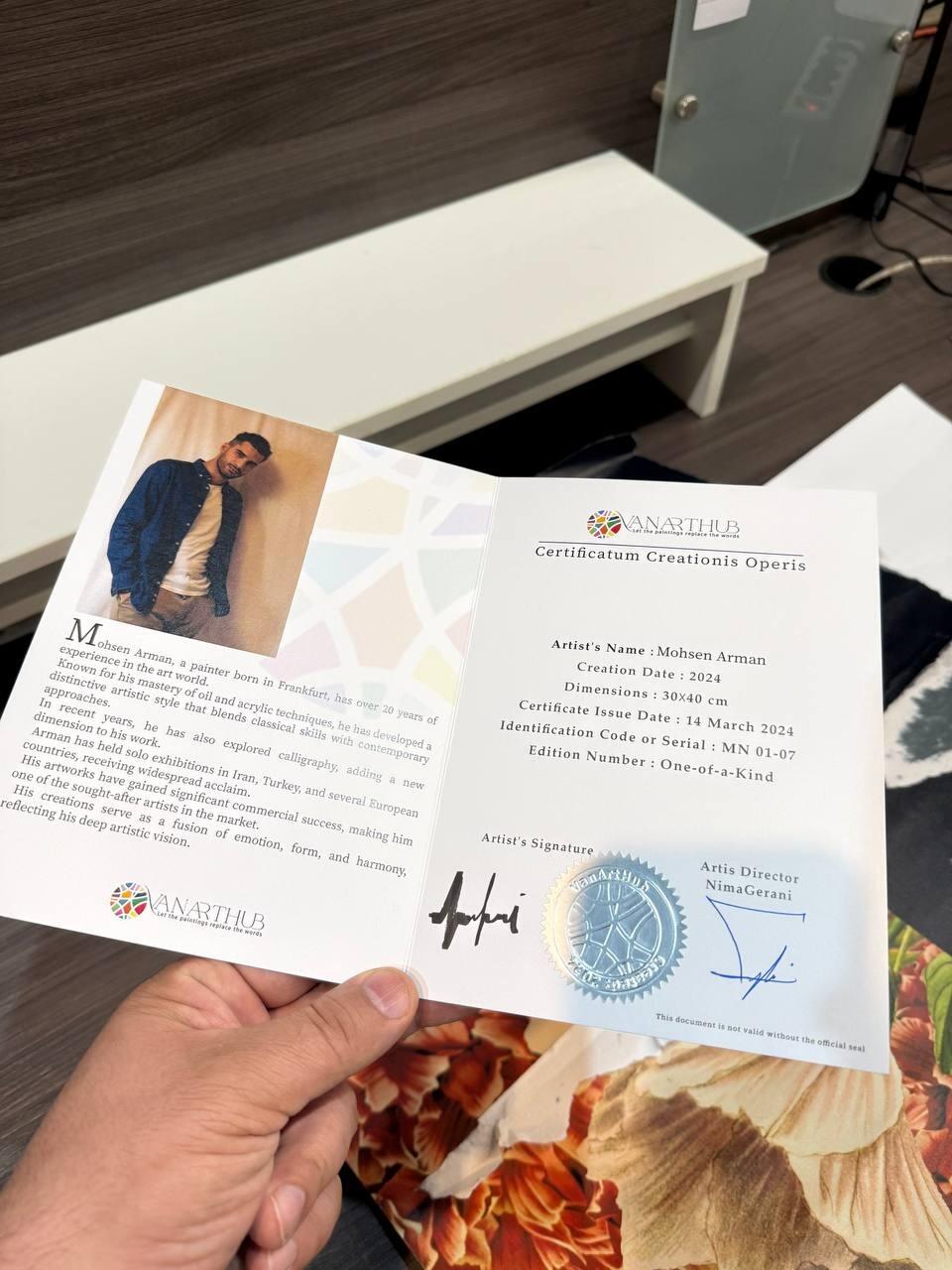
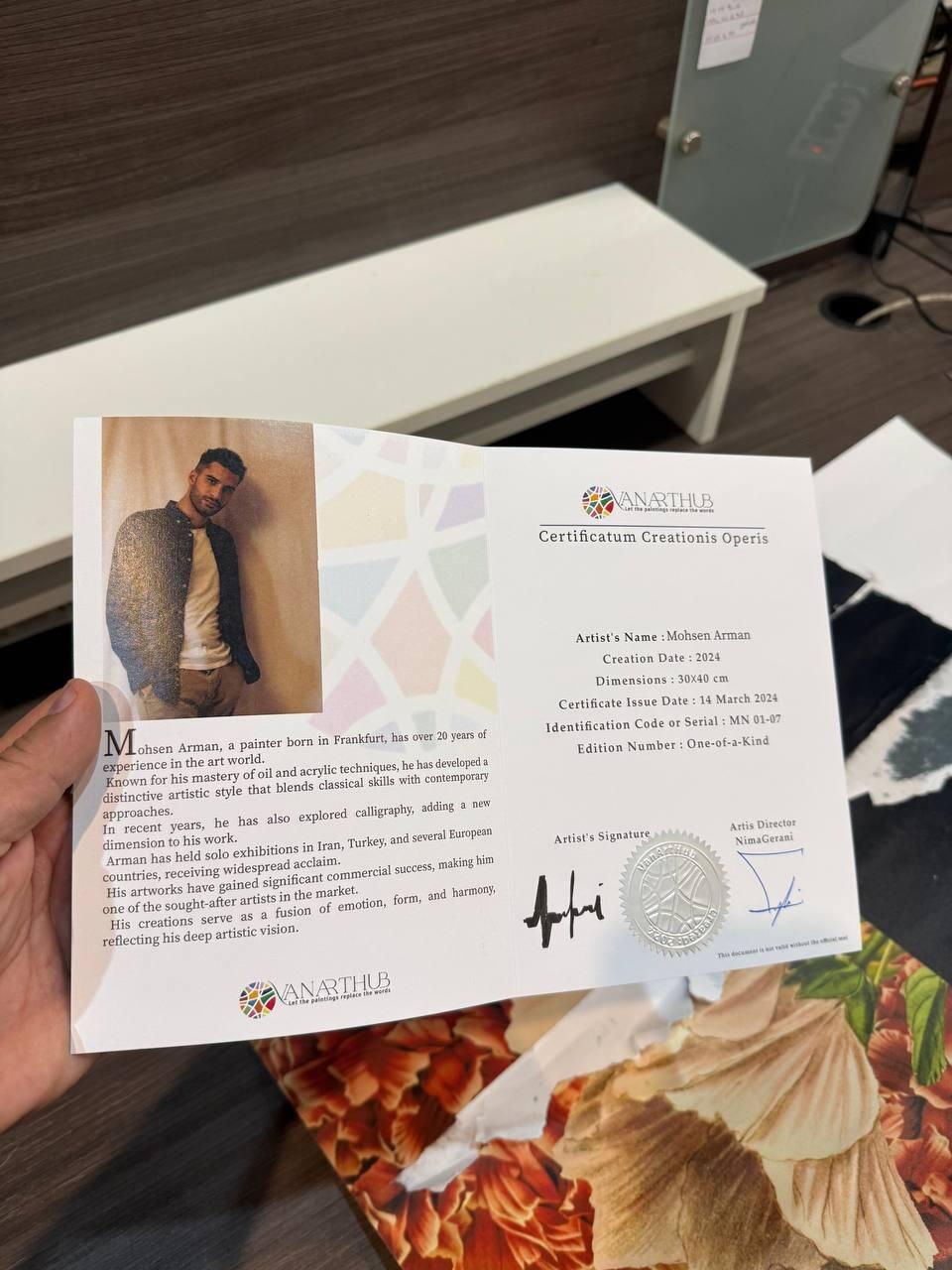
Yes. Every work on the site is a one-of-a-kind original, signed by the artist, whether the support is paper, artboard, panel, or canvas. We do not sell prints, giclees, or reproductions in any format, so a work on paper here is never a copy of a canvas.
Does a work on paper ship differently?
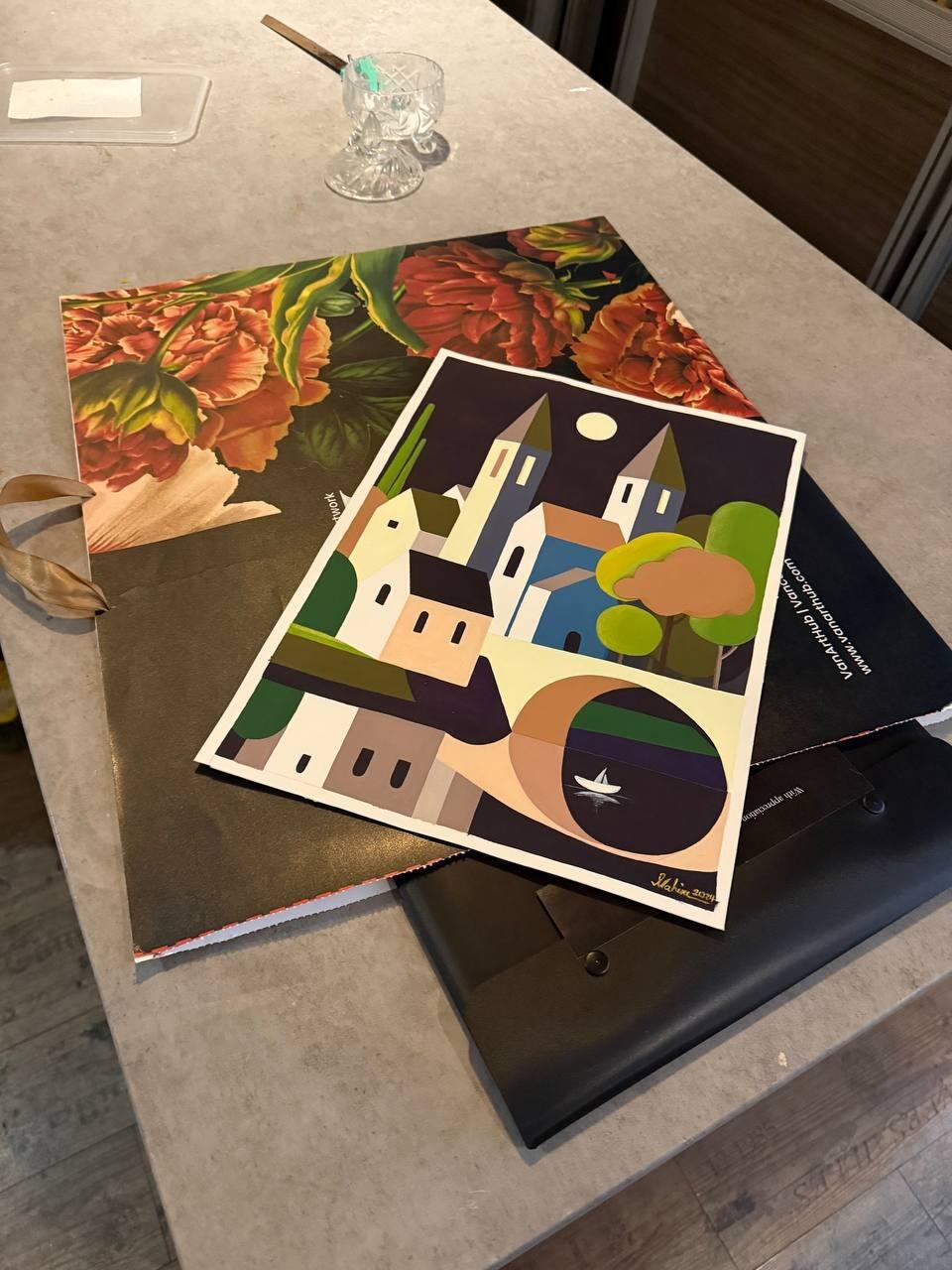
Yes. Unframed works on paper travel flat between rigid boards in a slim protective package rather than rolled or boxed. Shipping is still free and fully insured, 3 to 7 business days in Canada and 5 to 10 to the USA. If we frame it first, the package and the timeline both change.
Should my first original be big or small?
Bigger than you think. Scale regret is the complaint we hear most from first-time buyers, and support regret is one we have never heard. Measure your wall, then look at pieces that fill roughly two thirds of the space above the furniture below them.
How long do I have to return a painting?
Fourteen days from delivery. Hang it, live with it, see it in morning and evening light. If it is not right, tell us within those 14 days and we send a prepaid insured return label and refund you in full once it is back. We pay the return shipping.
What is the Lifetime Trade-Back?
If your taste or your space changes years from now, return the painting in good condition at any time and we issue store credit toward another original. It is credit rather than cash, and we would rather say that plainly than dress it up.
About VanArtHub
VanArtHub is an online gallery in Vancouver selling original, signed, one-of-a-kind paintings by independent artists. No prints and no reproductions. Every piece ships with a Certificate of Authenticity, free fully insured delivery to Canada and the USA, and a 14-day trial so you can decide at home. Browse every available original, look at work under $1,000, or read how to buy original art before you decide. Our full policy lives on the Buy with Confidence page.