The Quiet Rise of the Synthetic Brush in Serious Studios
Updated By VanArtHub Curatorial TeamShare
The synthetic brush spent decades as the one you bought when sable was out of reach. That has changed. In 2026 the same companies that built their names on animal hair sell synthetic fibres inside their professional lines and describe their performance in the same breath as sable and hog. We see what our artists actually paint with, and the shift is visible there too. Here is how the synthetic brush went from cheap substitute to serious tool, with every performance claim below taken from the makers' own published guides.
What natural hair actually offers
To respect the synthetic story you first have to respect what it was chasing. In its guide to watercolour brush hair, Winsor and Newton describes kolinsky sable hair as conical, springy, and covered in tiny scales, which lets a brush soak up a lot of colour and keep a perfect point. Its best sable brushes, the Series 7, are handmade from the tip of the tail of the Siberian kolinsky. Squirrel hair, the same guide notes, holds a great deal of water for large washes but does not point as well as sable. And for oils, the company's brush selection guide credits hog bristle with natural stiffness and tips that split into flags, so the brush holds more paint and delivers it evenly.
Those are real properties, refined over centuries. They are also, every one of them, properties of animal hair: the kolinsky is a Siberian weasel, and squirrel and hog need no explanation.
The long apprenticeship of the synthetic
Early synthetic brushes earned their budget reputation honestly. The ones we handled years ago splayed, lost their point, and pushed paint around rather than releasing it. The fibre technology that fixed this arrived quietly, in taper and texture work on nylon and polyester filaments, sold under names like taklon. There was no single dramatic breakthrough year that we can point to from a source we trust, so we will not invent one. What can be documented is the end state: where the fibres sit in makers' catalogues today.
How the makers rank them now
Winsor and Newton, a company with every commercial reason to protect its sable heritage, now states its synthetic brushes perform at a professional level, with soft synthetics suited to watercolour that often have an excellent point and can carry colour very well. For heavier media, its acrylic brush guide is blunter still: stiff synthetics are excellent for both oils and acrylics, offering great control and durability. The company positions whole ranges accordingly, from the Professional Watercolour Synthetic Sable to the synthetic Galeria line, and sells a sable-synthetic blend, Sceptre Gold II, that it describes as performance close to sable at a price close to synthetic.
Read that catalogue placement carefully, because it is the real news. When a maker files a synthetic under professional rather than student, it is staking its name on the fibre.
| Fibre | Comes from | Known for | Animal-free |
|---|---|---|---|
| Kolinsky sable | Tail hair of the kolinsky, a Siberian weasel | Perfect point, high colour holding | No |
| Squirrel | Squirrel hair | Large soft washes, weaker point | No |
| Hog bristle | Hog hair | Stiffness and flagged tips for oils | No |
| Synthetic (taklon and similar) | Nylon or polyester filament | Point, control, durability across media | Yes |
Why painters switch, beyond price
Price still matters, and synthetics still win on it. But the painters we talk to name other reasons first. Some want animal-free tools as a matter of principle; our guides to vegan brushes and why artists choose vegan materials dig into that decision properly. Some paint acrylics all day and want the durability the maker promises for stiff synthetics. Some simply value consistency: filament is manufactured, so this year's brush matches last year's in a way a tail hair never can.
Our own view: the synthetic brush is now a genuine choice rather than a compromise. A painter who stays with sable in 2026 is choosing a feel, and a painter who goes synthetic is not giving anything up.
What this means for the art on your wall
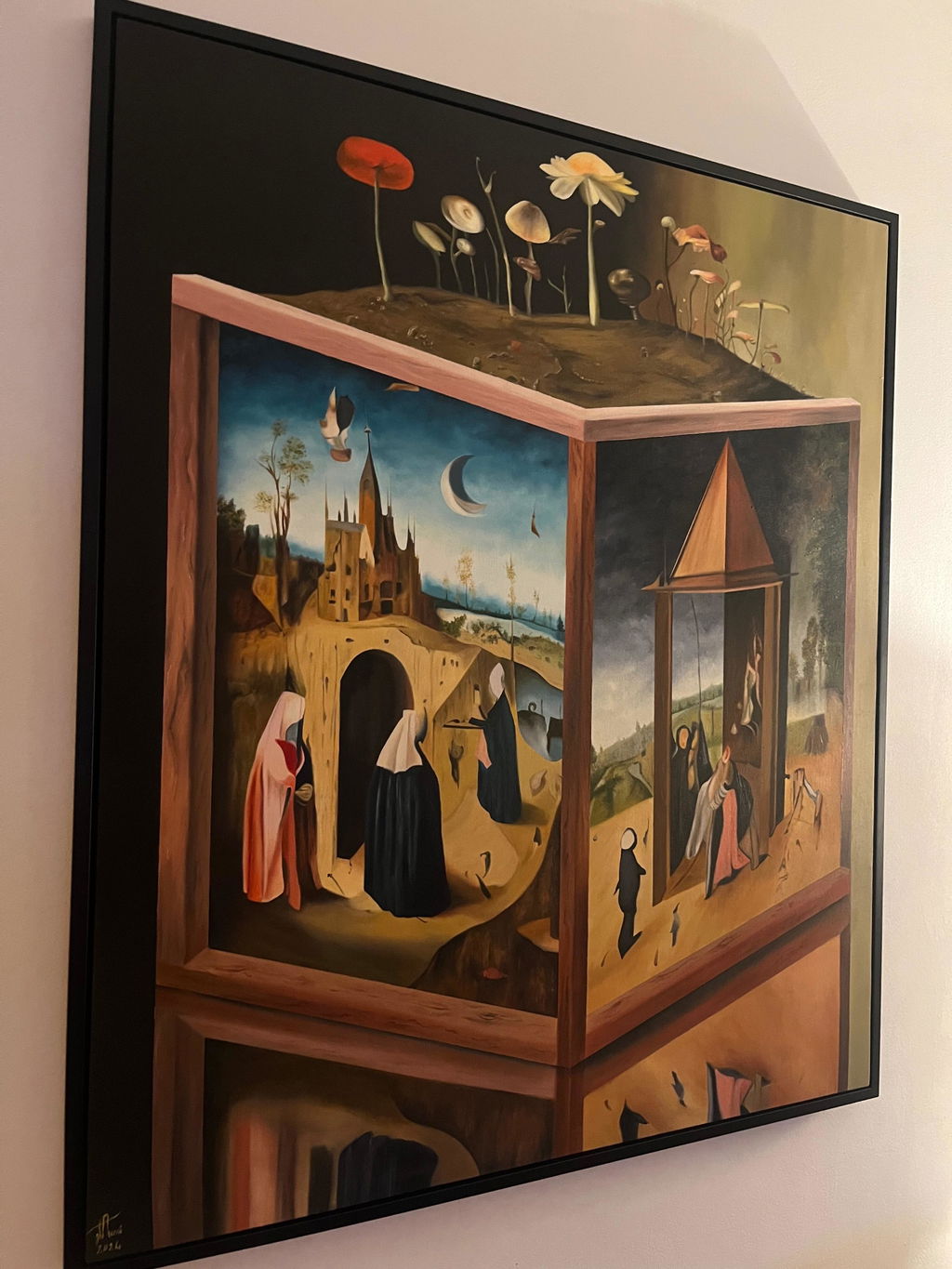
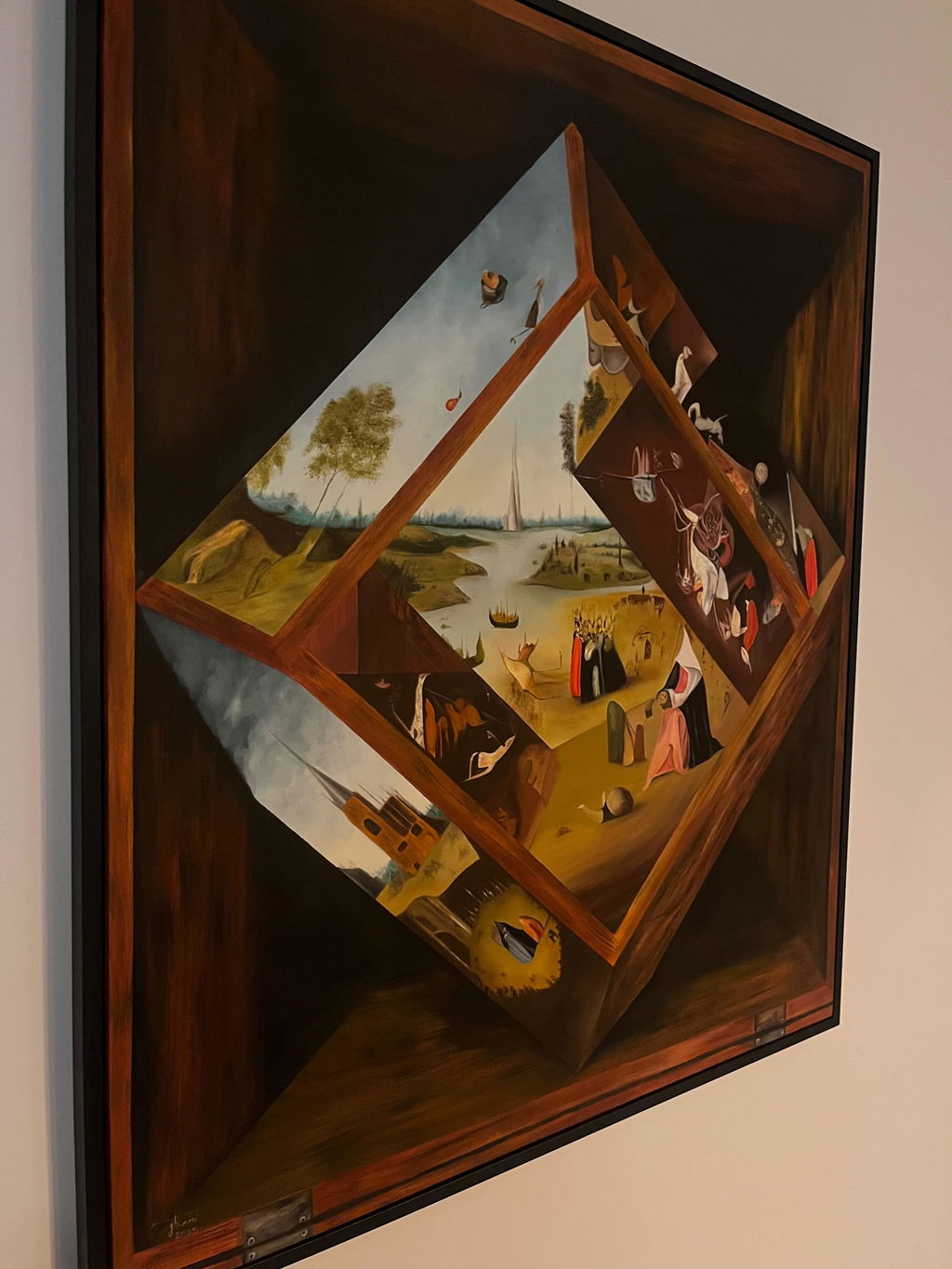
Strictly speaking, nothing from the brush ends up in the painting; the hair stays in the ferrule. But collecting is rarely strict. If an artist's process matters to you, brush choice belongs in the same conversation as pigments and gesso, and our vegan art hub maps that whole territory. If you would rather see brushwork than read about it, our watch art being made collection pairs finished paintings with video of the artist's hand, synthetic or sable, mid-stroke.
Key Takeaways
- Sable, squirrel, and hog brushes are all animal hair; kolinsky sable comes from a Siberian weasel.
- Winsor and Newton states its synthetic brushes perform at a professional level, with an excellent point and strong colour carrying.
- For oils and acrylics, the same maker calls stiff synthetics excellent, citing control and durability.
- Synthetic filaments are nylon or polyester, often sold as taklon, and are the animal-free option.
- Brush hair never enters the finished painting, so this is a question about the artist's process; ask if it matters to you.
Frequently Asked Questions
What are synthetic brushes made of?
Synthetic artist brushes are made of nylon or polyester filaments, often sold under the trade name taklon. The filaments are shaped to imitate the taper and spring of natural hair. Unlike sable, squirrel, or hog brushes, no animal is involved in making them.
Are synthetic brushes as good as sable?
For most working purposes, the gap has closed. Winsor and Newton, which sells both, states its synthetic brushes perform at a professional level and often have an excellent point and carry colour very well. Sable partisans still value the natural hair's colour-holding belly, and the maker still sells sable at the top of its range.
What is taklon?
Taklon is a common trade name for the synthetic polyester filament used in many artist brushes. On a label it simply signals a synthetic fibre brush rather than animal hair. Makers taper and texture the filaments so the brush points, springs, and releases paint the way natural hair does.
Which animals do natural artist brushes come from?
The classic fibres are all animal hair: kolinsky sable comes from the kolinsky, a Siberian weasel, with Winsor and Newton noting its Series 7 brushes are handmade from the tip of the tail; squirrel hair makes soft wash brushes; and hog bristle makes the stiff brushes traditional for oils.
Are synthetic brushes vegan?
Yes. Synthetic brush filaments are nylon or polyester, manufactured without animal hair. If you want certainty about every component, ask the maker about the glue and handle finish as well, but the fibre itself, the part that defines the brush, contains no animal product.
Are synthetic brushes good for oil painting?
Yes, and the biggest maker of natural hog brushes says so itself. Winsor and Newton states that stiff synthetics are excellent for both oils and acrylics, offering great control and durability. Stiff synthetic ranges now sit alongside hog bristle in professional oil painting lines.
Do professional artists use synthetic brushes?
Yes. The clearest evidence is where makers put them: Winsor and Newton sells synthetic brushes inside its professional ranges, including a Professional Watercolour Synthetic Sable line, and describes their performance as professional level. Among the artists we work with, synthetics are everyday tools, not substitutes.
Does a painting made with animal-hair brushes contain animal products?
Not from the brush. The hair stays in the brush, so brush choice is a question about the artist's process rather than the object on your wall. Buyers who follow a vegan practice usually care about both, which is fair, and the only way to know an artist's tools is to ask.
How should I clean a synthetic brush?
Rinse it before the paint dries, wash it with mild soap and lukewarm water until the water runs clear, reshape the point, and dry it flat or bristles up. Synthetics forgive more than natural hair, but dried acrylic at the base of the fibres will still ruin the shape of any brush.
Sources
- Winsor and Newton: What Type of Brush Hair Is Best for Watercolour?
- Winsor and Newton: A Guide to Oil Paint Brushes, Choosing Your Brush
- Winsor and Newton: Best Brush Hair for Acrylic Painting
- Just Paint (Golden): Vegan and Animal-Free Paints and Art Materials
Data sourced August 2026. If you spot something out of date, let us know and we will update the guide.
About VanArtHub
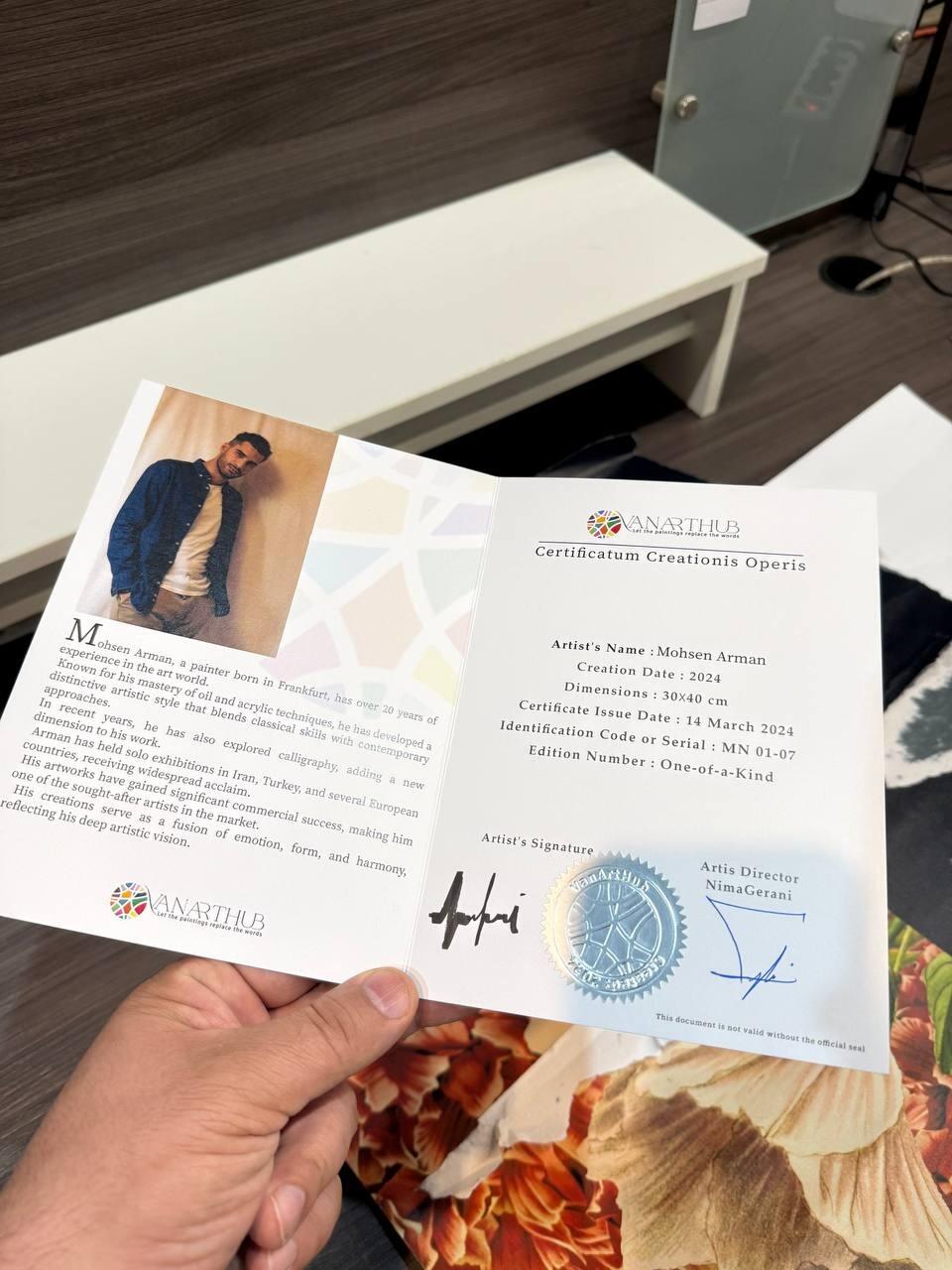
VanArtHub is a Vancouver gallery selling original signed paintings, never prints, each with a Certificate of Authenticity. Shipping is free and fully insured to Canada and the USA, and every piece comes with a 14-day trial. See the brushwork up close in our acrylic paintings collection.