Botanical Art: From Science Plates to Your Living Room
Updated By VanArtHub Curatorial TeamShare
Botanical art started as a working tool, and that working past is exactly why it still looks so good in a living room. Before photography, a careful painting of a plant was how physicians, botanists, and gardeners knew what they were looking at. The discipline that job demanded, real structure, real light, nothing invented, is the same quality that separates a serious plant painting from wallpaper today. This guide follows the thread from the science plates to the sofa wall.
Pictures with a job to do
The earliest botanical illustration existed to identify plants for medicine and cooking, a purpose the National Tropical Botanical Garden describes in its account of why botanical illustration matters. An illustrator's task was to show what a botanist's dried specimen could not: the plant alive and in the round, with the veins, hairs, flowers, fruit, and seeds picked out at magnified detail. Carl Linnaeus leaned on illustrators like Georg Dionysius Ehret to classify plants, and Pierre-Joseph Redouté was documenting garden specimens in the early 1800s. By the same institution's account, a good illustration can preserve a species on paper almost permanently, even if it later disappears in the wild.
That is a high bar for a picture. It is also why these images have outlived their original purpose. Accuracy, it turns out, ages better than decoration.
Maria Sibylla Merian and the art of looking closely
If one person stands for the crossover between plant science and plant art, it is Maria Sibylla Merian, born in 1647. The Getty, which exhibited her work alongside her daughters', notes that she had observed the metamorphosis of a silkworm by age 13, and that her published studies helped disprove the then-common belief that insects appeared by spontaneous generation.
In 1699, at 52, she sailed for Suriname with her daughter Dorothea. The result, published in 1705, was Metamorphosis insectorum Surinamensium, a volume of 60 hand-coloured plates. The Rijksmuseum credits her as one of the first artists to draw insects, and the very first to show the plants they actually lived on, and notes that she drew on the knowledge of Suriname's original inhabitants and of enslaved people to find and identify her subjects. Her plates are ecosystems, not specimens: the caterpillar, the butterfly, and the host plant on one page. That instinct, showing a plant as part of a living world rather than a cut sample, is the direct ancestor of the contemporary plant painting.
From the study to the parlour: the still life detour
Plants entered home walls by a second route. Dutch painters of the 17th century built a whole market around still lifes of flowers, fruit, and vegetables, images meant for houses rather than herbariums. A century earlier, Giuseppe Arcimboldo had gone further and assembled entire portrait heads out of fruit and vegetables. The still life tradition traded the illustrator's completeness for mood: light on a petal mattered more than an accurate seed count.
Contemporary plant painting inherits from both branches. From the scientific side, respect for how a plant is actually built. From the still life side, permission to care about atmosphere. Our guides to botanical art and vegetable and fruit still life take each branch in more depth.
| Tradition | Original purpose | What it prizes |
|---|---|---|
| Botanical illustration | Identification for medicine, cooking, and science | Accuracy, magnified detail, completeness |
| Still life painting | Art for the home | Light, arrangement, atmosphere |
| Contemporary plant painting | Living with nature indoors | Both: real structure, real mood |
What changed in contemporary plant painting
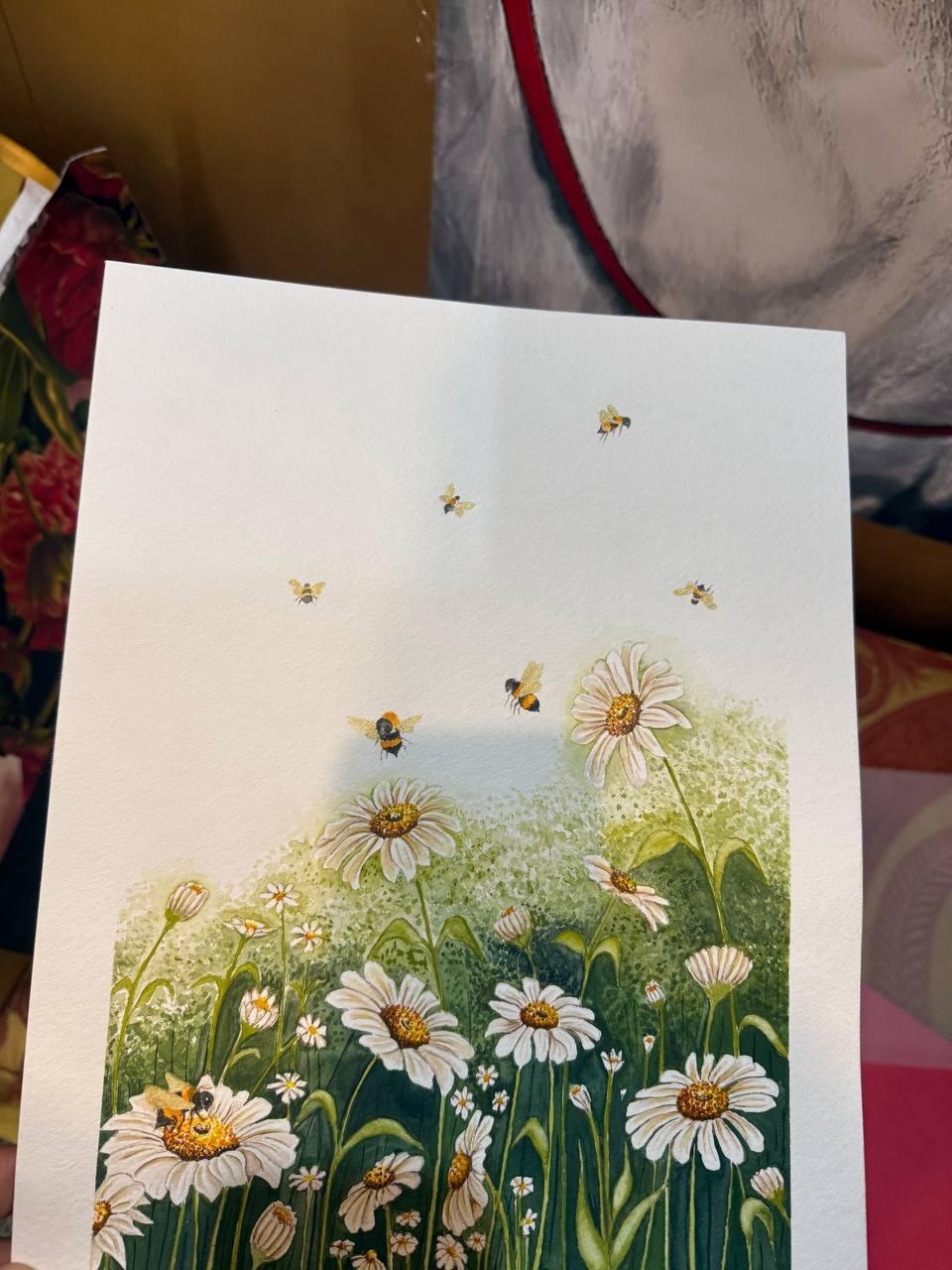
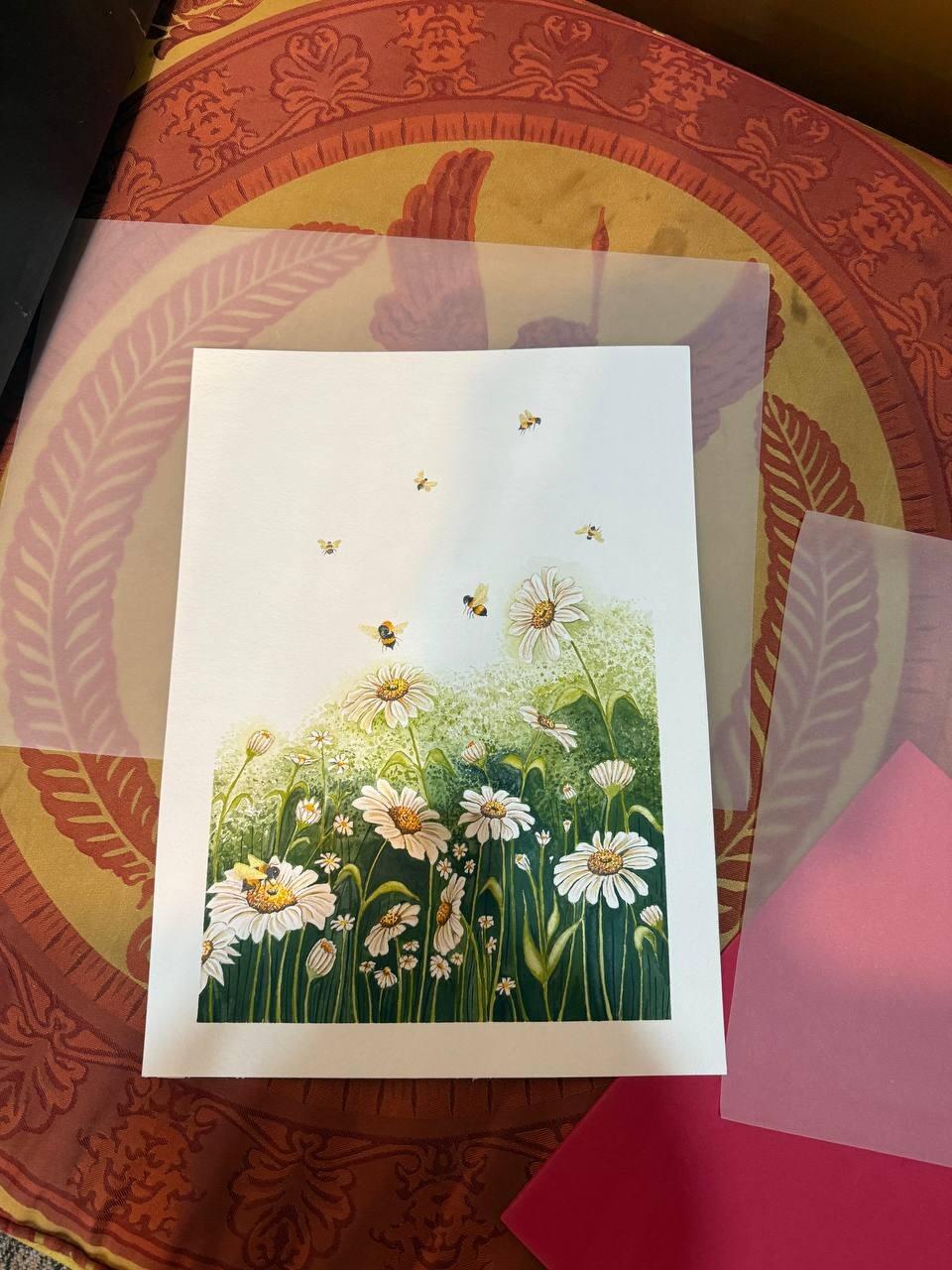
Photography took over the identification job, and that freed painters. A contemporary botanical work no longer has to show every seed; it has to make you feel the plant's presence in a room. The painters we work with tend to keep the observational habit, the accurate leaf joint, the correct way a stem bears weight, and spend their freedom on scale and colour instead. A magnolia branch at one metre wide behaves very differently on a wall than in a field guide.
We will state a preference here: plant paintings with scientific bones beat loose "leafy abstracts" for most rooms. The eye keeps finding new true details in the first kind. The second kind is used up in a week.
Living with botanical art
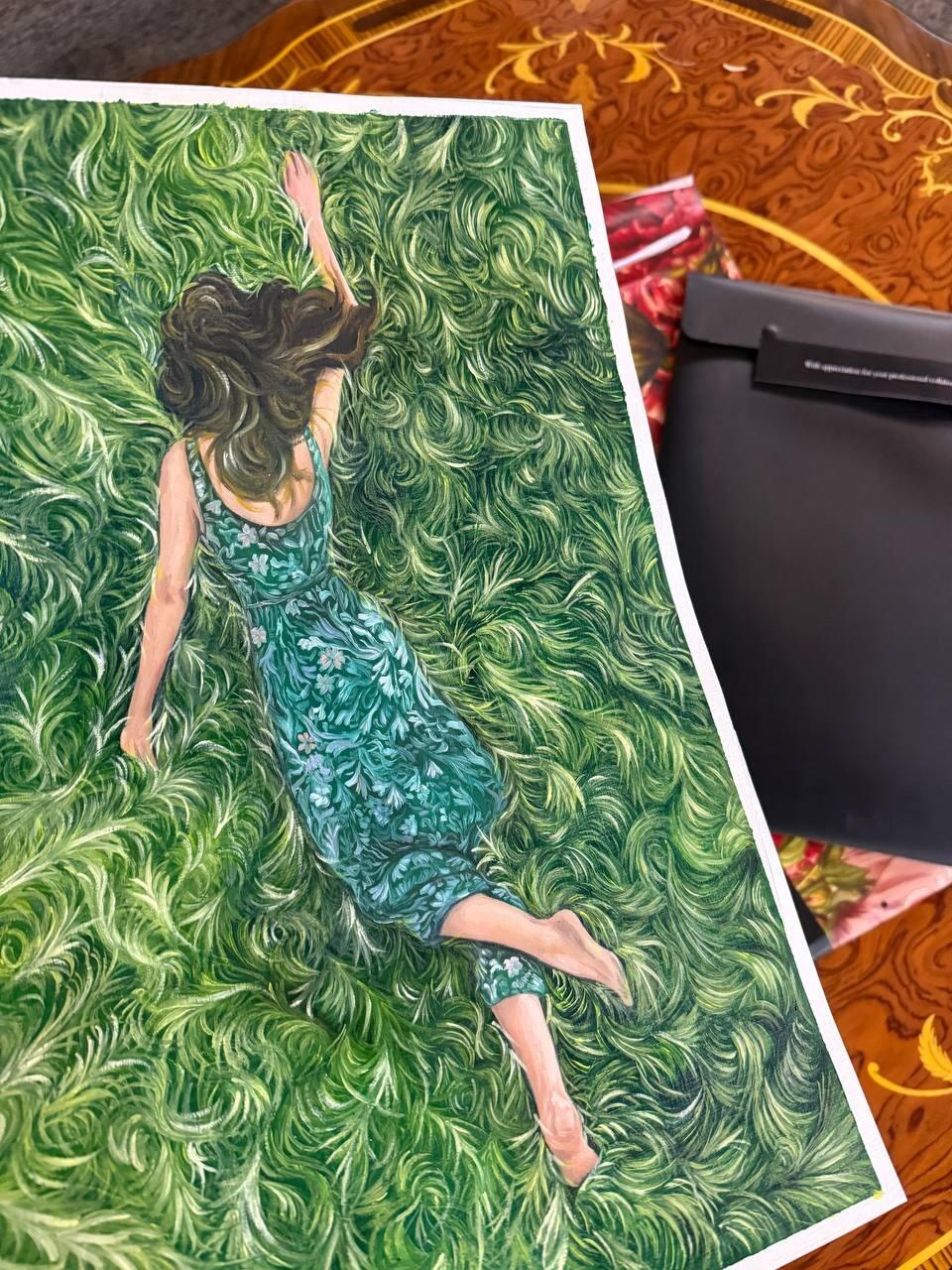
Botanical subjects are the easiest category of art to place, because plants already belong in every room of a house. Green works sit especially well where people rest: bedrooms, reading corners, dining rooms. In our own gallery the natural starting points are the nature paintings collection and the green paintings collection, and it is worth knowing that plant subjects also anchor the whole vegan side of our catalogue, mapped in the vegan art hub, since they celebrate living things without using them.
One practical note: botanical art rewards viewing distance decisions. A detailed work with fine structure belongs where people sit close, a hallway or above a desk. A large, bold plant form can hold a wall across a room. Match the detail level to how far away the viewer will stand.
Key Takeaways
- Botanical illustration began as a scientific tool for identifying plants, valued for accuracy and magnified detail rather than decoration.
- Maria Sibylla Merian's 1705 Metamorphosis insectorum Surinamensium, with 60 hand-coloured plates, was the first major work to show insects together with the plants they lived on.
- The still life tradition brought plants onto home walls, trading scientific completeness for light and atmosphere.
- Contemporary plant painting merges the two: accurate structure carried by mood, scale, and colour.
- Detailed botanical works belong where viewers sit close; large bold plant forms can hold a wall from across the room.
Frequently Asked Questions
What is botanical art?
Botanical art is art that takes plants as its subject, painted with enough observation that the plant reads as real. It spans scientific illustration made for identification, classical still life made for the home, and contemporary plant painting, which combines accurate structure with atmosphere, scale, and colour.
What is the difference between botanical illustration and botanical art?
Botanical illustration serves science: it must be accurate and complete enough to identify a species, often with magnified details of seeds, veins, and flowers. Botanical art keeps the observation but serves the viewer instead, so the artist may choose mood, cropping, and colour over completeness. The two overlap constantly in practice.
Who was Maria Sibylla Merian?
Maria Sibylla Merian (1647 to 1717) was an artist and naturalist who studied insect metamorphosis from her teens. In 1699 she travelled to Suriname with her daughter, and in 1705 published Metamorphosis insectorum Surinamensium, 60 hand-coloured plates showing insects on the plants they lived on, a first at the time.
Why did science need botanical illustrations?
Before photography, a drawing was the only way to record a living plant completely. Illustrations showed what dried specimens lost: colour, three-dimensional form, and fine diagnostic details. They supported classification work, and a published plate could preserve the appearance of a species even if it later went extinct.
Is botanical art still relevant now that we have photography?
Yes, and arguably more distinct. Photography ended the identification job, so painters now bring judgment a camera lacks: emphasizing structure, combining life stages, choosing scale. A painted plant is an interpretation, and that is the point. In a home, interpretation holds attention far longer than documentation.
Which rooms suit plant and botanical paintings?
Almost all of them, which is the category's quiet strength. Green, restful subjects work in bedrooms, dining rooms, and reading corners. Kitchens take fruit and vegetable still lifes naturally. The real decision is detail: place fine, detailed work where people stand close, and bold large forms where the viewing distance is longer.
Is botanical art a good choice for someone who is vegan?
The subject certainly is, since plant paintings celebrate living things without using them. The materials are a separate question: traditional paints and grounds can contain animal ingredients you cannot see. We make no vegan claims about our paintings, but ask us and we will put the materials question to the artist before you buy.
Do botanical paintings hold their value?
An original painting can hold or grow value with the artist's reputation, and botanical subjects have centuries of steady demand behind them. That is not a guarantee, and no honest gallery will promise you a return. Buy the plant painting you want to look at daily; treat anything beyond that as a possibility.
Where can I see original plant paintings at VanArtHub?
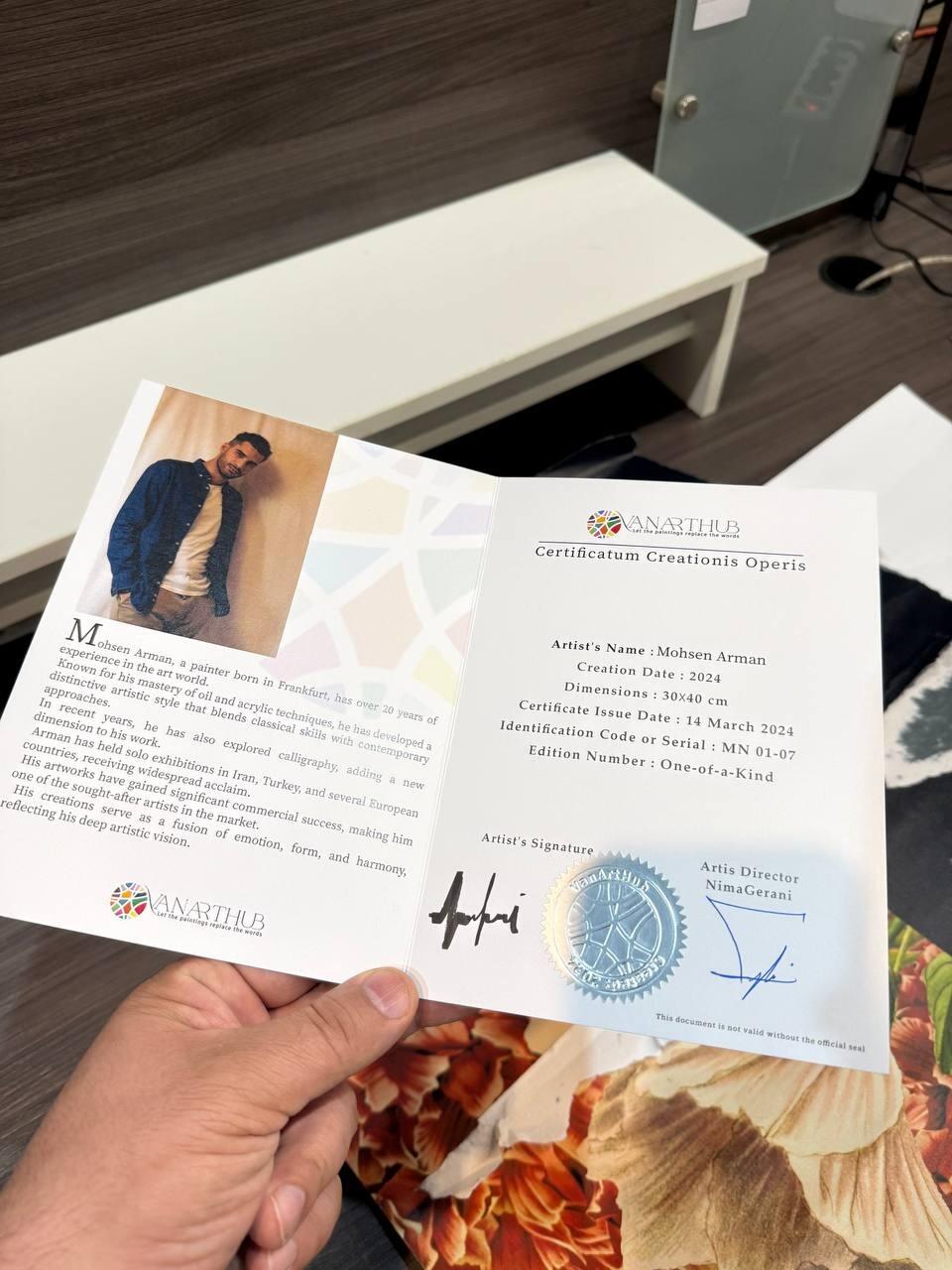
Start with our nature paintings collection and the green paintings collection, both linked in this guide. Every work there is a signed original with a Certificate of Authenticity, shipped free and insured to Canada and the USA, with a 14-day trial so you can judge it on your own wall.
Sources
- Rijksmuseum, "10 things to know about Maria Sibylla Merian's insects of Suriname"
- Getty Center, "Maria Sibylla Merian & Daughters: Women of Art and Science"
- National Tropical Botanical Garden, "The Science of Art: Why Botanical Illustration Matters"
Data sourced August 2026. If you spot something out of date, let us know and we will update the guide.
About VanArtHub
VanArtHub is a Vancouver gallery selling original, signed paintings only, no prints, each with a Certificate of Authenticity and free fully insured shipping across Canada and the USA. The 14-day trial lets you live with a work before the decision is final. The nature paintings collection is the natural place to begin.