Buying Original Art for a Canadian Home Office
Updated By VanArtHub Curatorial TeamShare
You spend hours a day in your home office, and half of that time other people are looking at the wall behind you on a video call. That wall is doing a job whether you planned it or not. A blank corner, a stack of boxes, or a cheap poster all say something, and usually not what you want. A single original painting can change the whole read of the room, for you and for everyone on the call, and it costs less than most people think.
The wall the camera sees
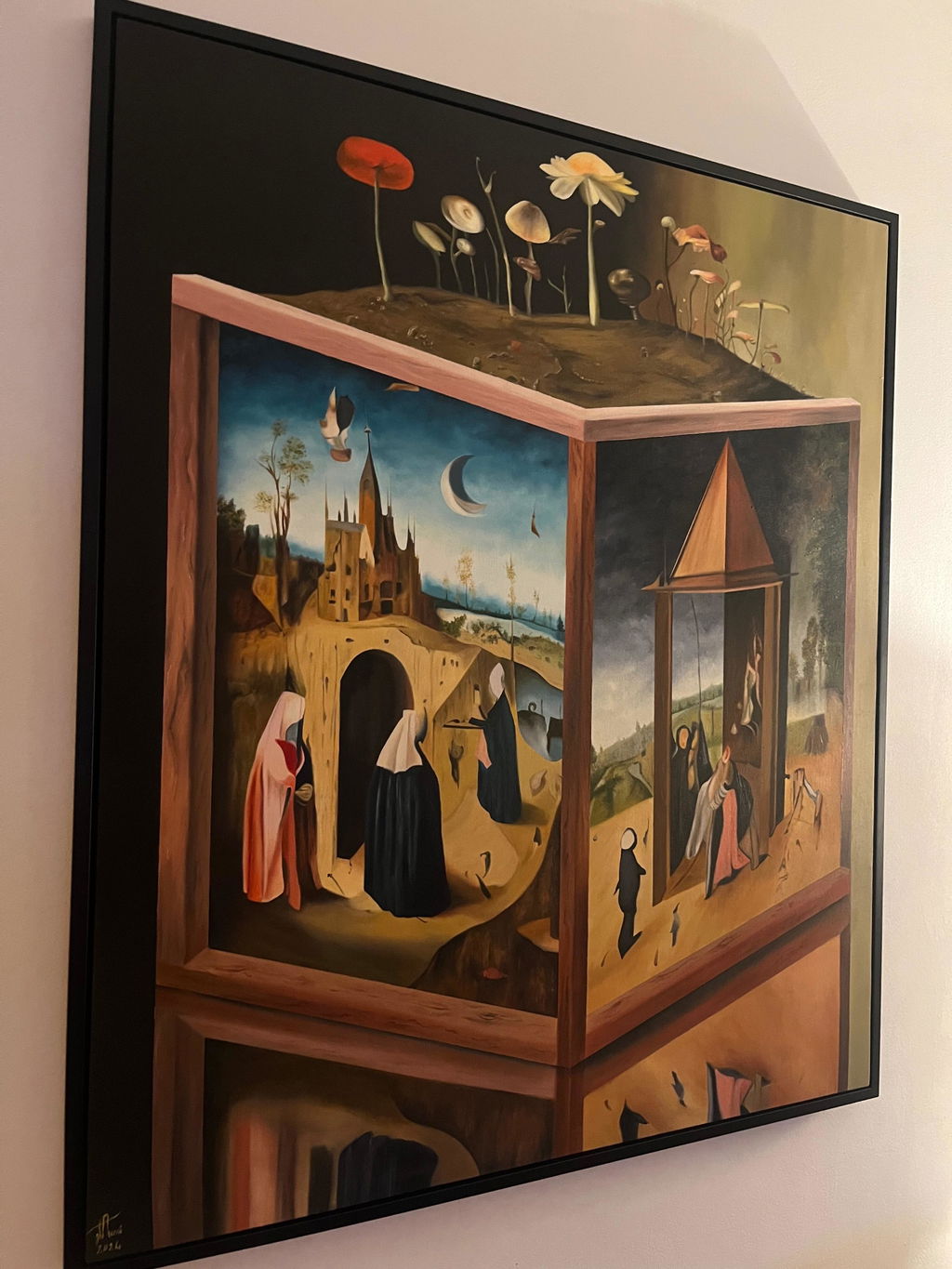
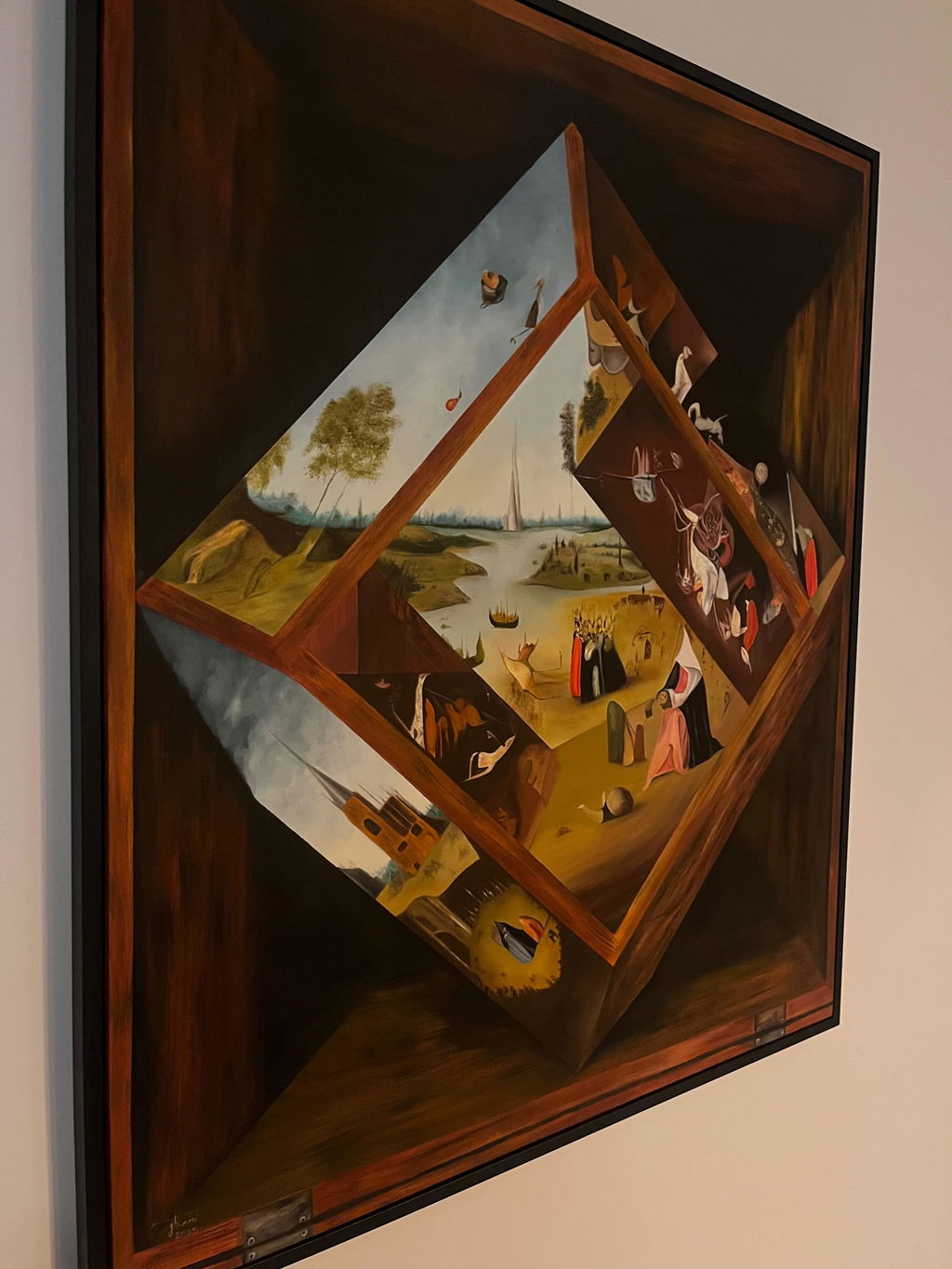
Start with the wall behind you on calls, because that is the one other people judge. The rule here is keep it simple. One clear piece behind your shoulder reads far better on camera than a busy gallery wall that competes with your face. The camera flattens everything, so a lot of small frames turn into visual noise, while a single well-placed painting gives the frame a calm focal point that sits behind you without stealing attention.
Placement matters as much as the piece. You want the painting high enough and offset enough that it frames you rather than appearing to sit on your head. Our guide on how high to hang a painting covers the right height, and for a camera you often want the centre of the piece a little higher than usual so it lands over your shoulder, not behind your neck.
Calming or energising: pick on purpose
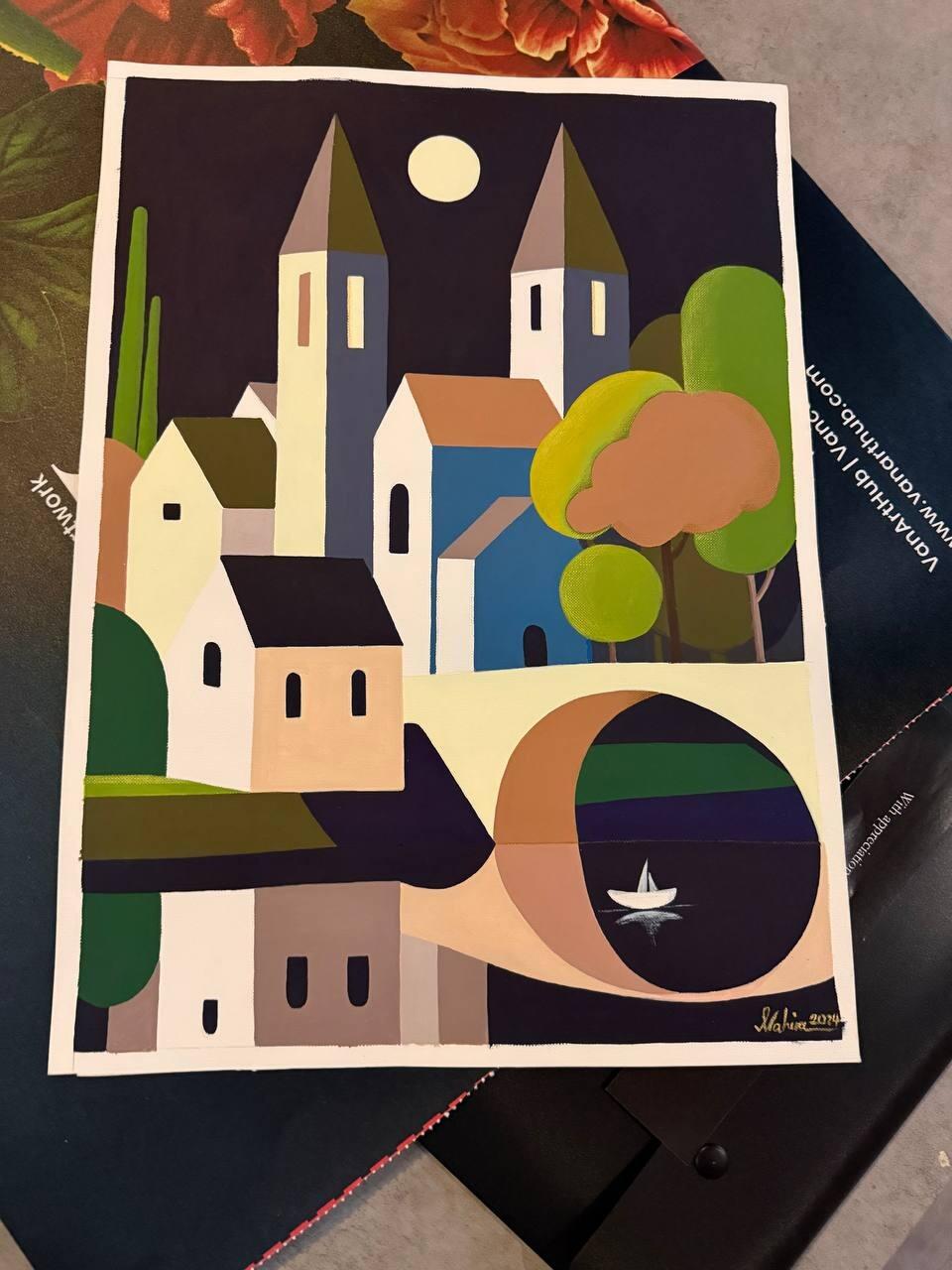
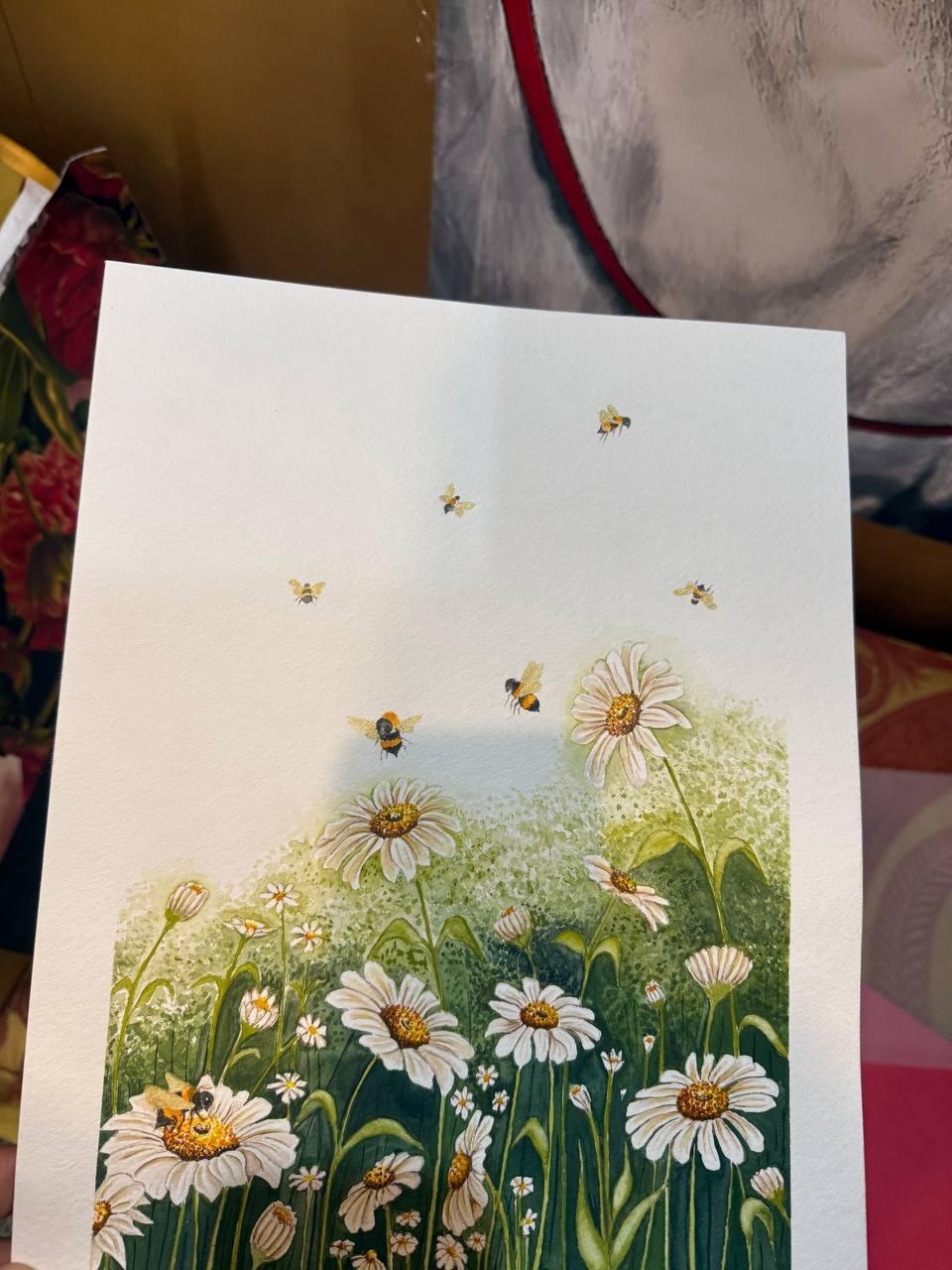
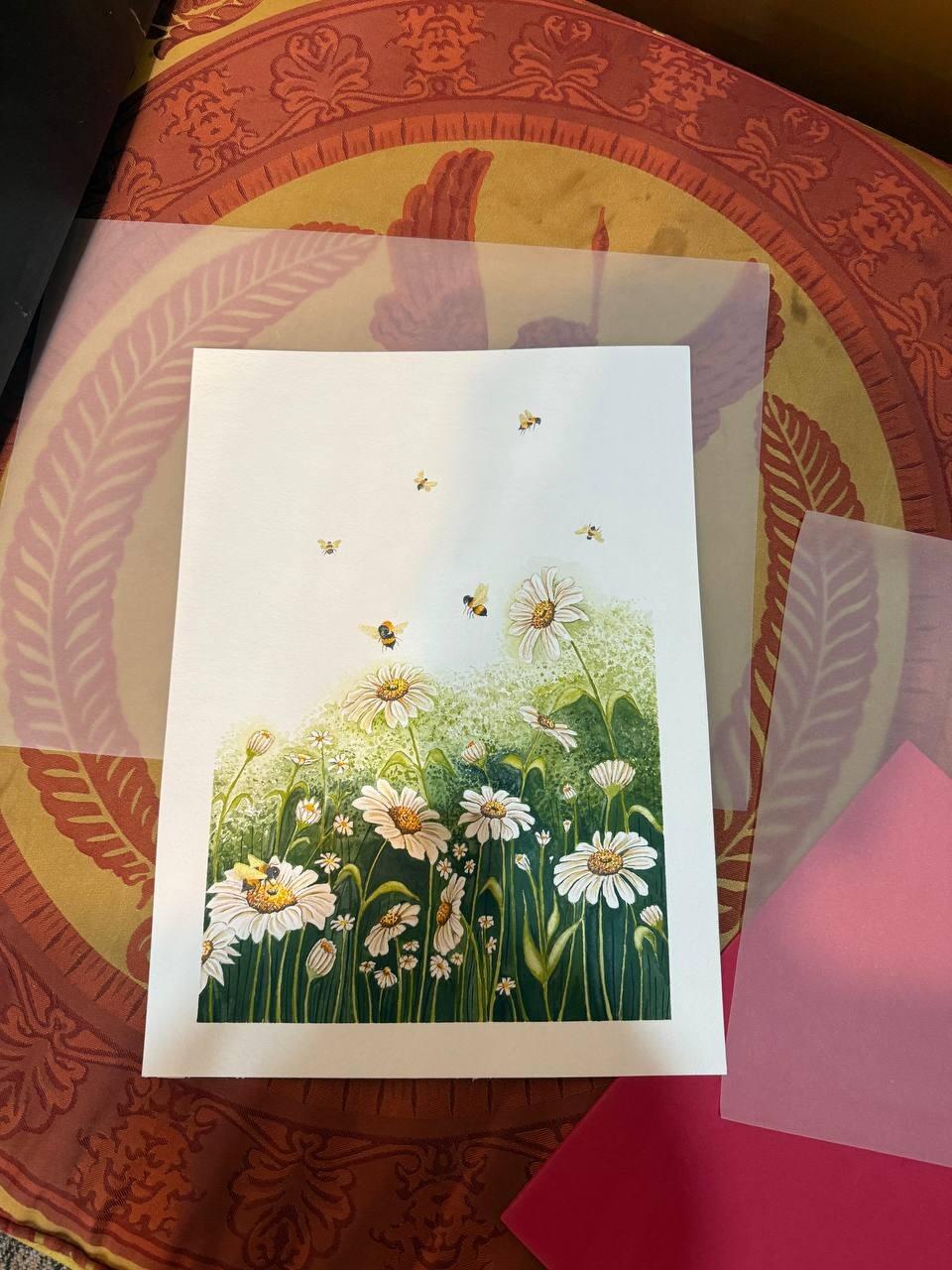
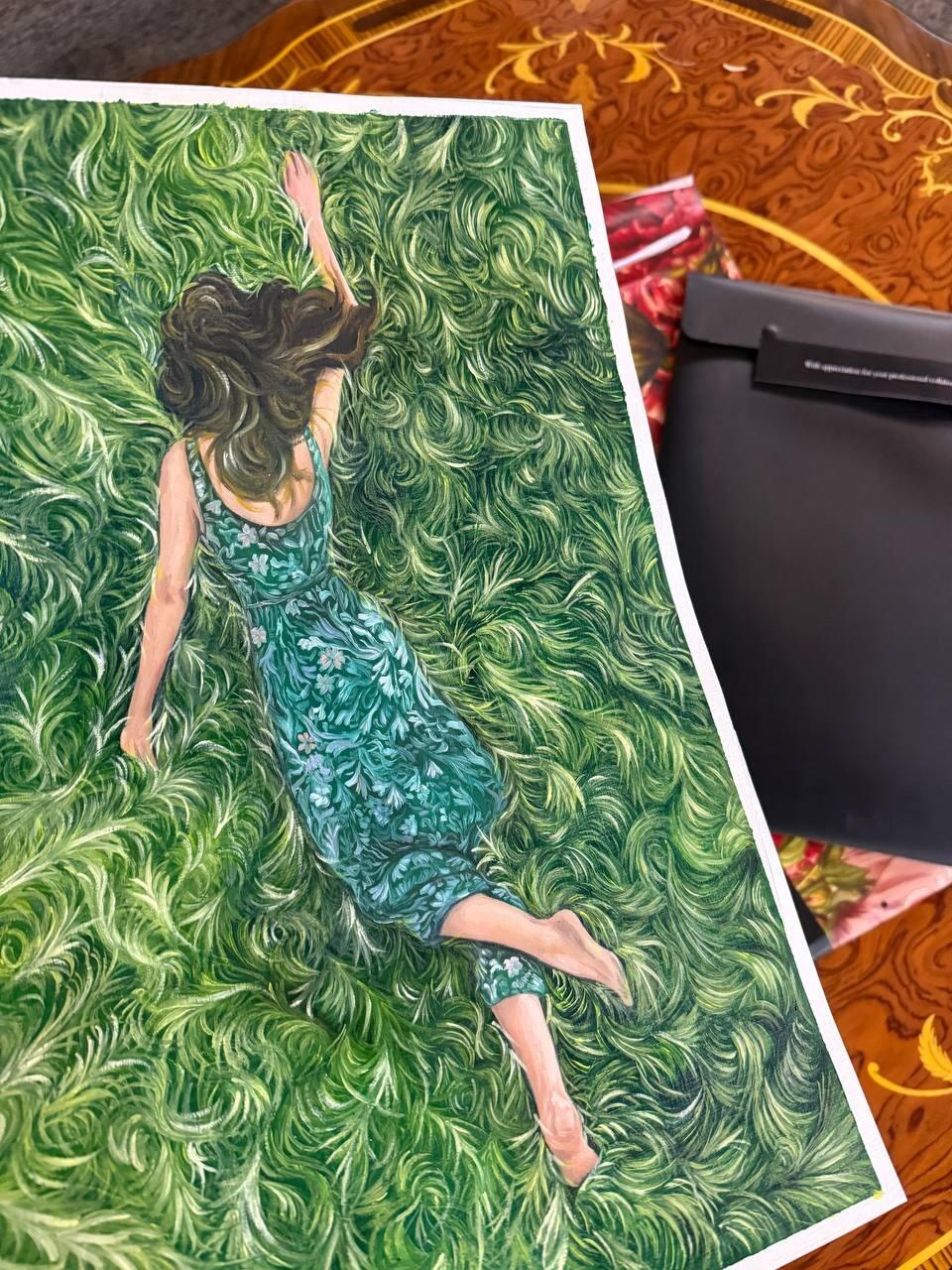
Subjects carry a mood, and a home office is a good place to choose that mood deliberately. For the wall the camera sees, calming usually wins. A quiet landscape, a soft seascape, or an abstract in muted tones reads as steady, grounded and professional. High-contrast, loud, or very busy pieces can look agitated on camera and pull focus.
The wall behind your screen, the one only you look at all day, can go the other way. Here you might want something with more energy and colour to lift you during a long stretch of work. There is no single correct answer, and the honest tradeoff is between a piece that calms a stressful job and one that energises a dull one. Choose based on how your work actually feels day to day, not on a rule.
Why an original beats a poster here
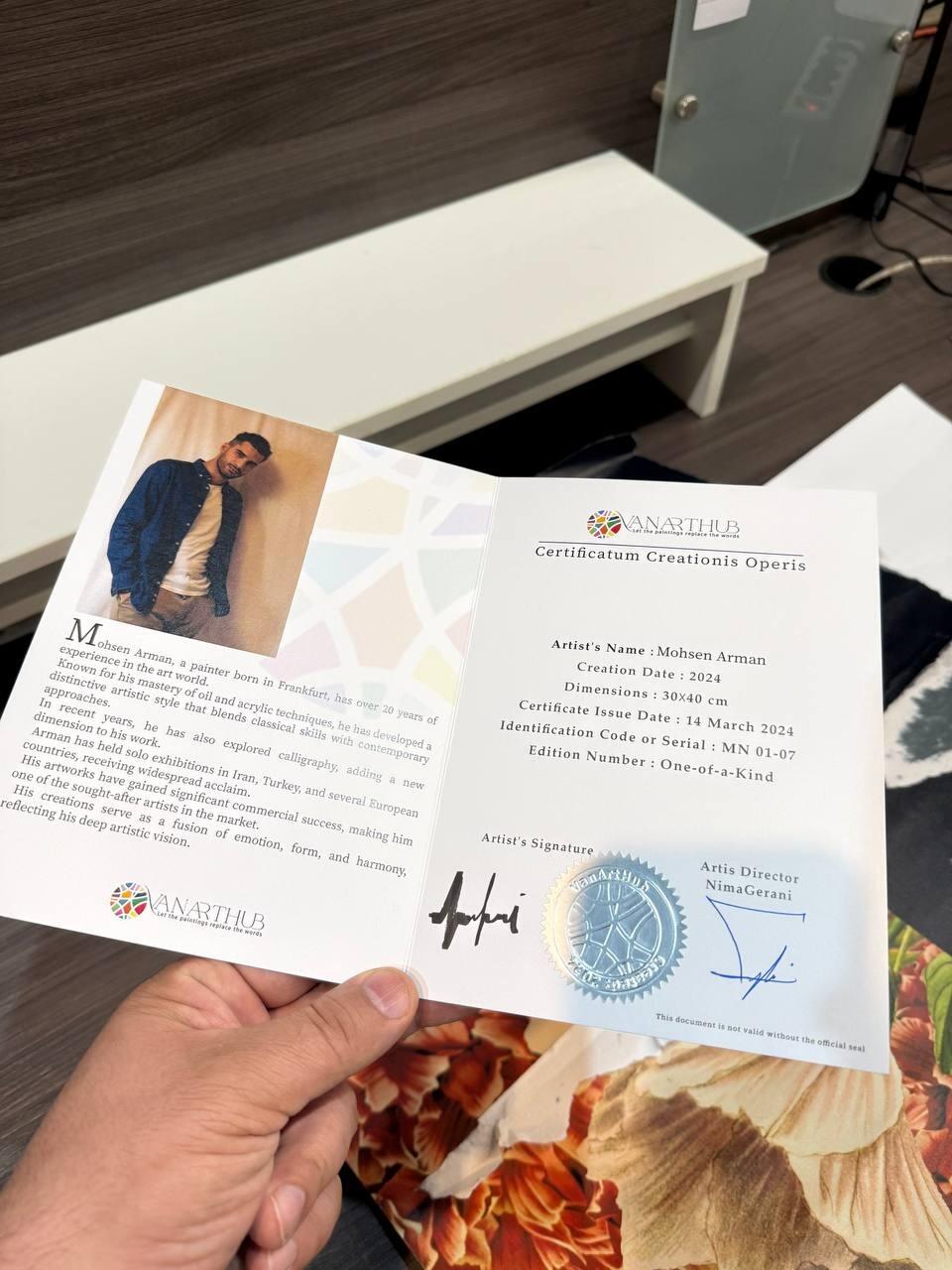
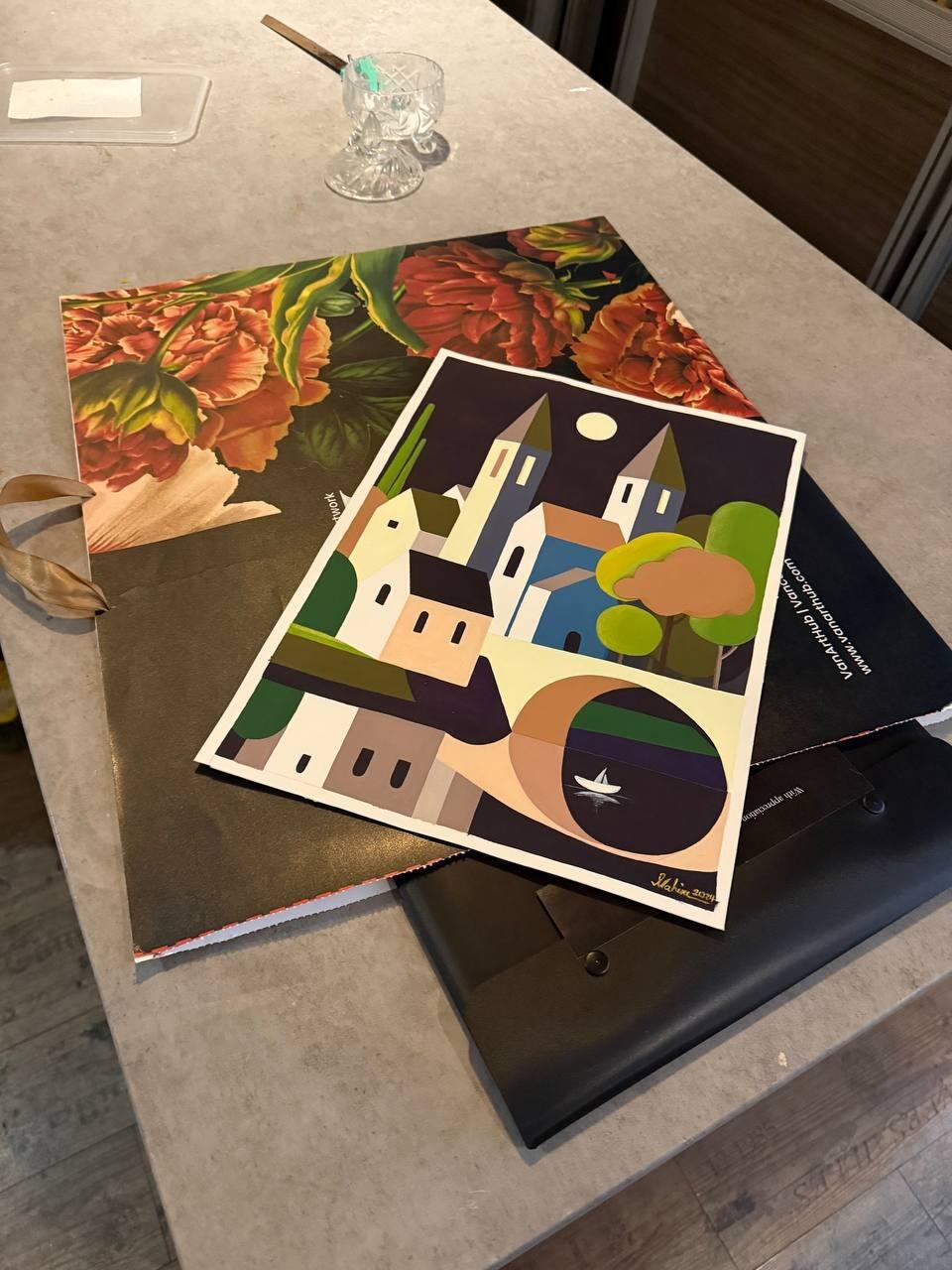
A poster or a print is fine in many rooms, but a home office is a place where the signal you send has real value, so it is worth being clear about the difference. A mass-produced print reads as temporary and generic, because it is. An original, one-of-a-kind painting reads as considered and permanent. People on a call often cannot say why one background feels more professional than another, but they feel it, and an original is usually the reason.
If you want to understand exactly what separates the two, our guide on original versus print versus reproduction versus giclee lays out the differences plainly. The short version is that an original is a single physical object made by an artist's hand, signed, and it cannot be reproduced, which is what gives it presence a print does not have.
It costs less than you think
Many people assume original art means thousands of dollars, so they never look. That is not the case. Original paintings start from about $531, and a considered small original can sit behind you on every call for years. If you are furnishing an office on a budget, the smart move is to start small and choose well rather than filling the wall with cheap prints. Our guide on starting to collect original art on a small budget walks through how to do exactly that without overspending.
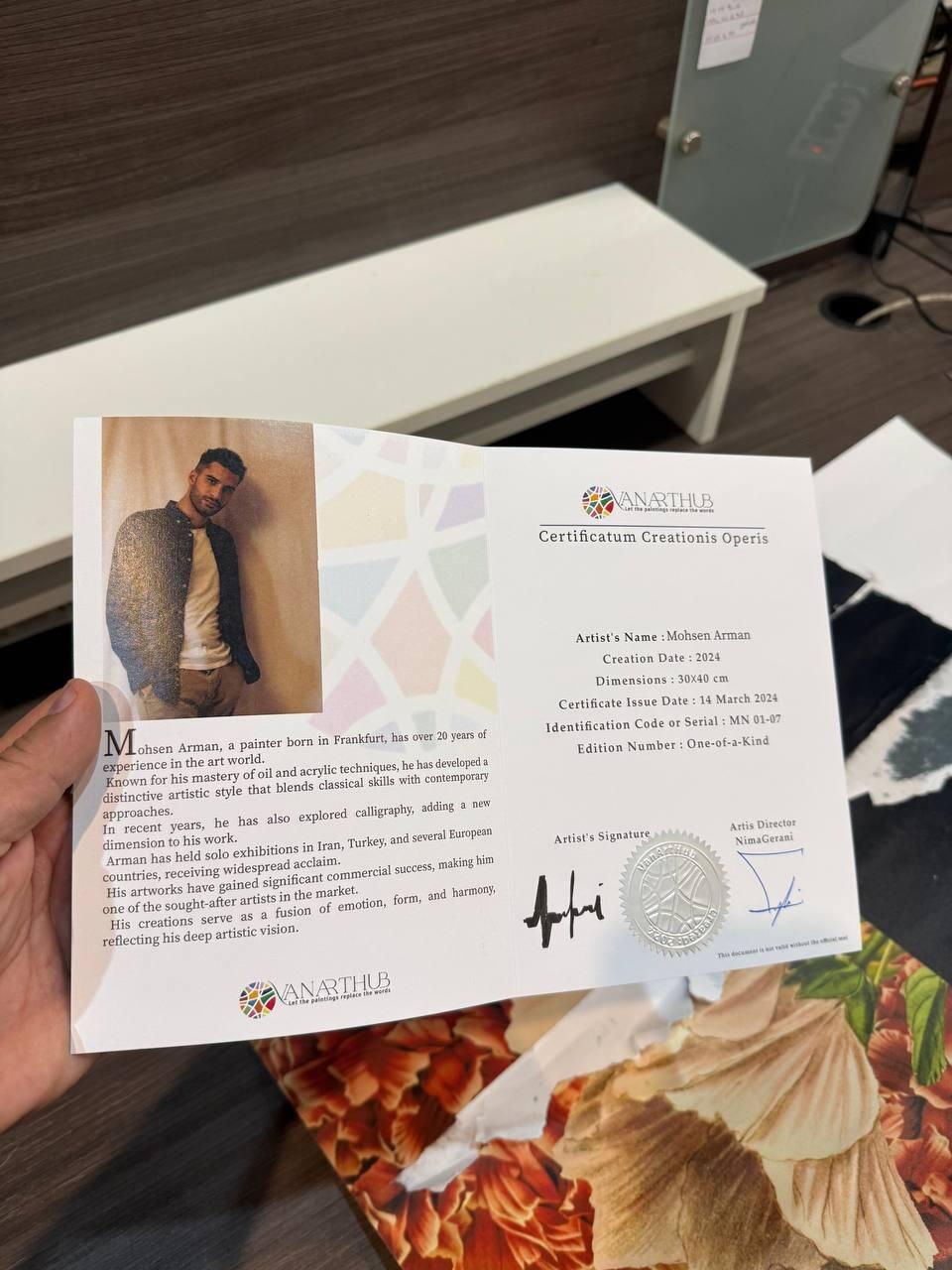
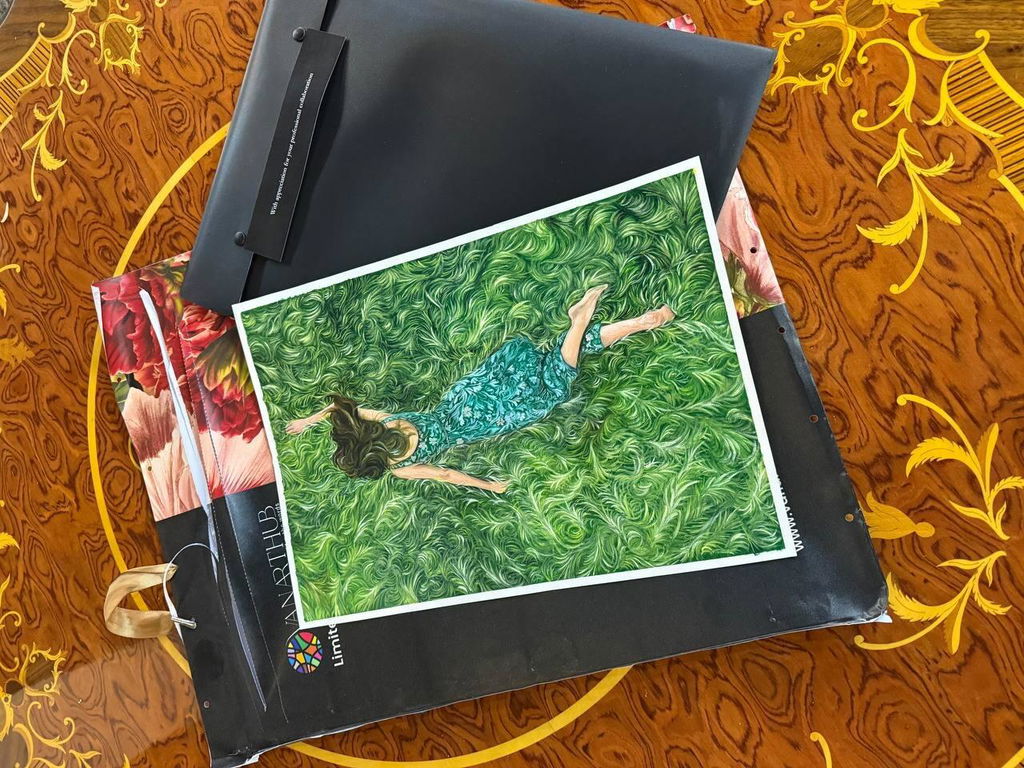
Because you cannot fully judge a piece on camera until it is on your actual wall in your actual light, every original we sell comes with a 14-day trial and free return shipping. You can hang it, jump on a call, see how it reads on video, and only then decide. Every piece ships free and fully insured, arrives with a Certificate of Authenticity, and we are based in Vancouver with a 5.0 rating on Etsy.
A careful note for business owners in Canada
If you run a business, there is one more thing worth raising, and we want to be careful with it because we are a gallery, not accountants. In Canada, original artwork bought by a business can sometimes be treated as a depreciable asset, meaning part of its cost may be claimed over time, under specific conditions set by the tax rules. Whether that applies to your situation, how it works, and what counts depends on details we are not qualified to judge.
So treat this as a prompt, not advice: ask your accountant whether original art for your business qualifies, and let them handle the figures and the rules. We are only flagging that the question exists, because a lot of small business owners never think to ask it. We will not quote percentages or make any claim about your taxes, and you should not rely on anything here as tax advice.
Size, light, and glare on camera
A few practical points make an office piece work harder. Size first: behind you on camera, one medium piece usually beats one very large piece, because a huge canvas can loom and shrink you in the frame. You want it to frame you, not swallow you. Match the size to the wall and to how far you sit from the camera, going a little smaller than you might for a purely decorative wall.
Then watch your light. Office lighting and a window can both throw glare across a painting on camera, especially if the surface is glossy. Position the piece where your key light or window does not bounce straight off it into the lens, and test on a real call. The same colour-of-light points that shape any wall apply here, since a warm or cool bulb behind you shifts both the painting and your own skin tone on video. Getting the piece, the placement and the light right together is what makes a background look considered rather than accidental.
Buy it like a working tool
The useful way to think about art in a home office is as a working tool that also happens to be beautiful. It sets the mood you work in, it shapes how clients and colleagues read you on calls, and, for a business, it may even sit on the books differently than a poster would. That is a lot of value from one considered piece on the right wall. Choose one clear original, place it well behind you, match the subject to the mood you want, and test it on a real call during the trial before you keep it.
The short version
For a home office, keep the wall the camera sees simple, one clear original in a calm, muted subject reads as professional on video. The wall only you see can carry more energy and colour. An original sends a stronger signal than a poster because it is a single, signed, one-of-a-kind object, and prices start from about $531. In Canada, original art bought for a business can sometimes be a depreciable asset, so ask your accountant. Every piece ships free and insured with a Certificate of Authenticity and a 14-day trial, so you can test it on a real call before you decide.