Original Art for the Hallway

Original paintings for hallways and entryways, tall and striking work for narrow walls, each one hand-painted, signed, and the only one of its kind.

What art works in a narrow hallway?

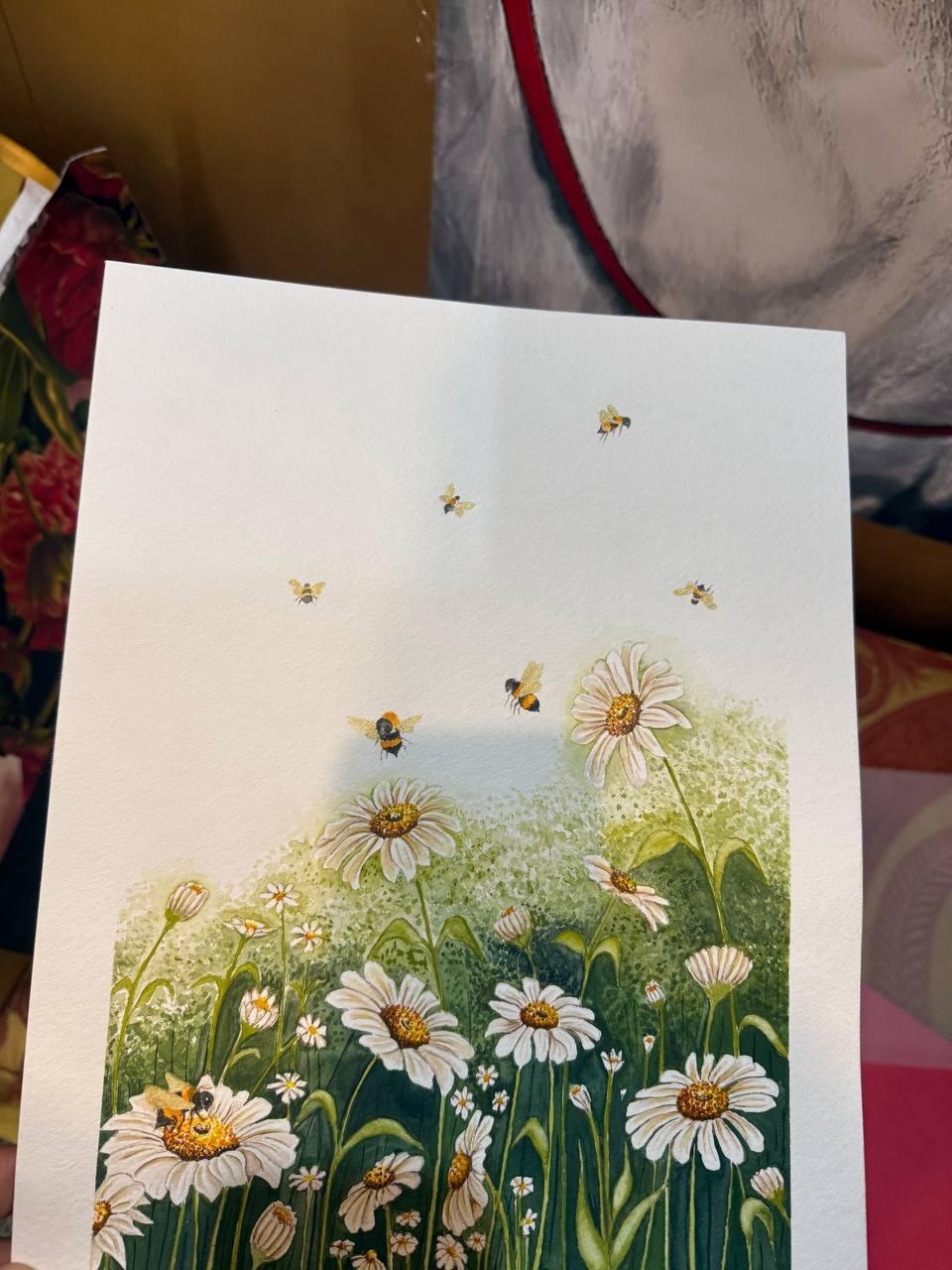
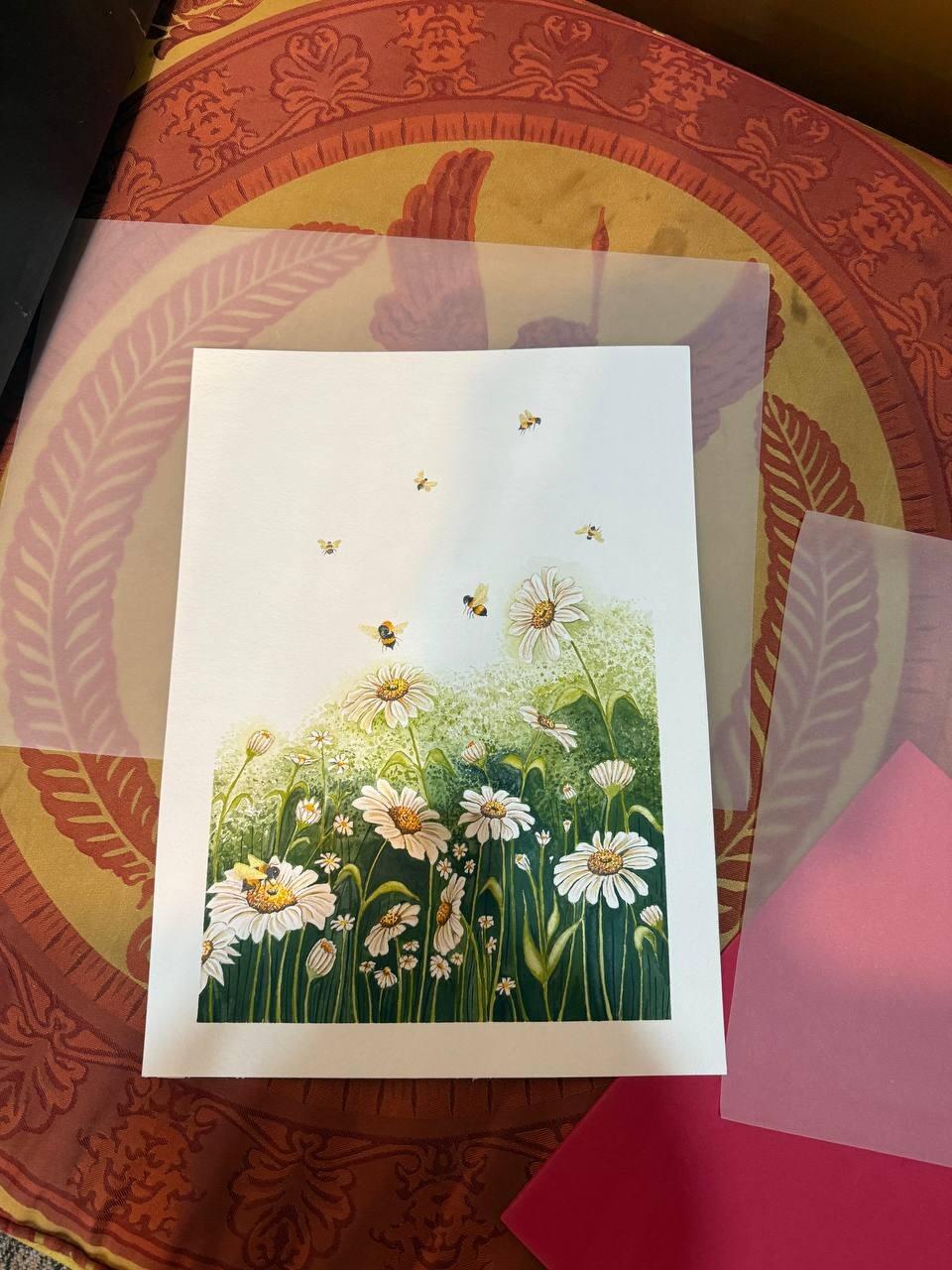
Narrow hallways call for small, detailed works, because your viewing distance is the width of the hall, often less than a metre. A large canvas built to be read from across a living room becomes an incoherent blur of texture at that range, while a small piece dense with fine work becomes a daily pleasure. This is the natural habitat of drawing media: the fine line of our ink paintings and the layered detail of coloured pencil works reward exactly the close, repeated viewing a hallway forces on you. As a rule, match the work to the distance.

Hallway widthViewing distanceRecommended art size
90 cm (35 in)Under 1 mUp to 40 cm (16 in), high detail
120 cm (47 in)About 1.2 m40 to 60 cm (16 to 24 in)
Wide hall or landing, 150 cm plus1.5 m or more60 to 90 cm (24 to 35 in)
Entryway facing the door2 m or moreOne larger work, 80 to 120 cm (31 to 47 in)
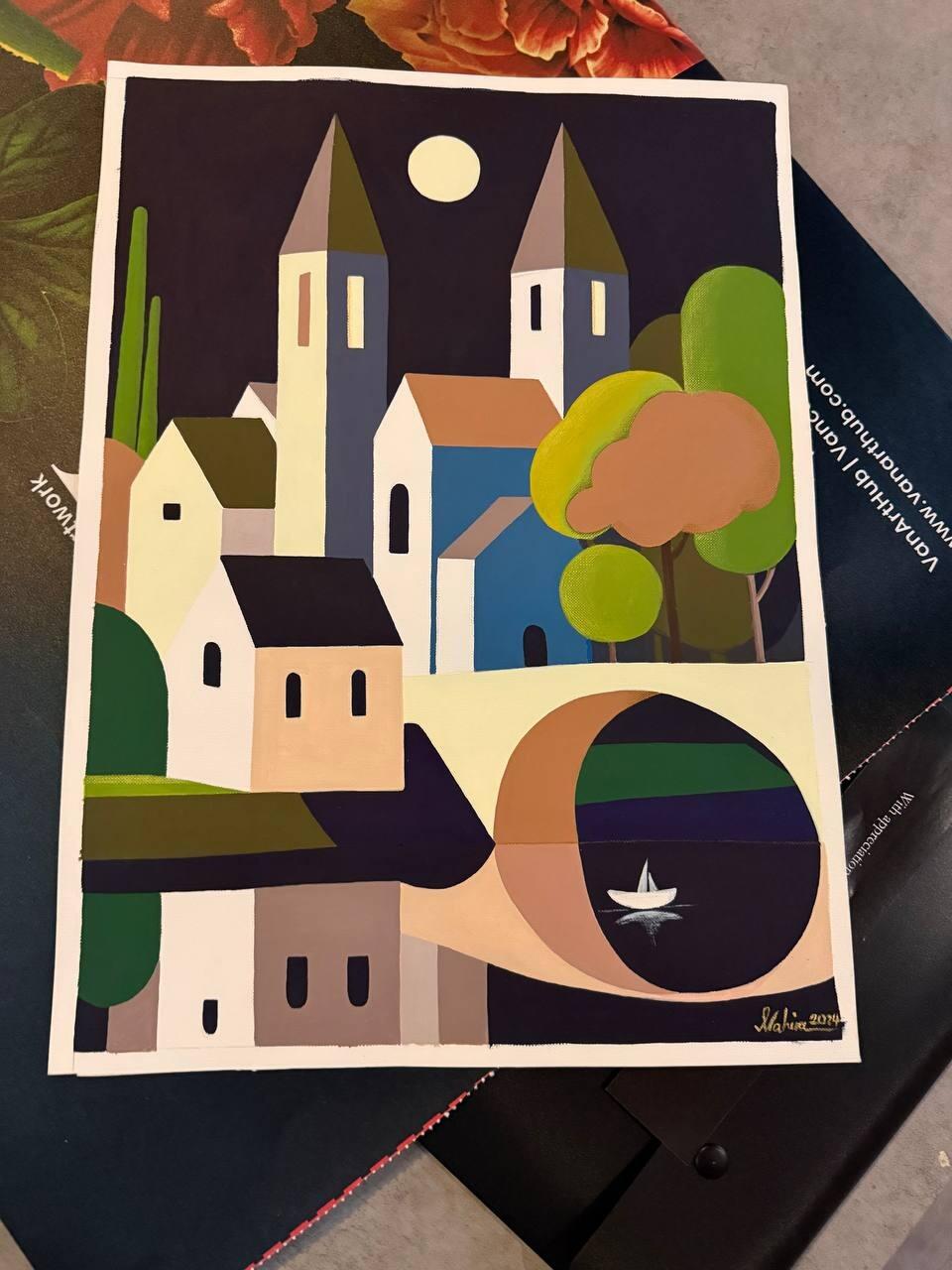
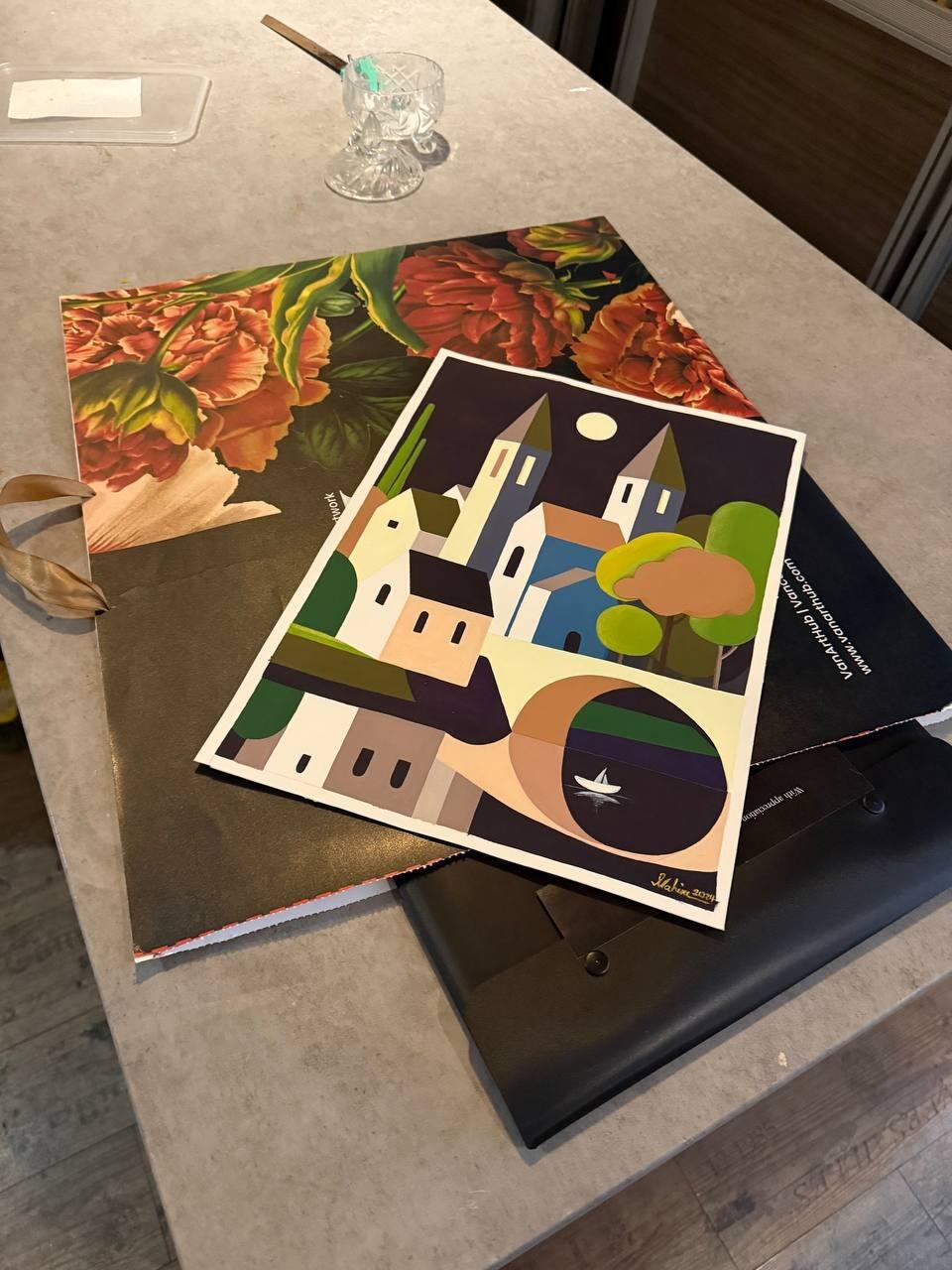
Electric Stillness: Original Acrylic on Canvas by Nahira | VanArtHub, an original painting in the Canadian Hallway & Entryway Art collection
Electric Stillness: Original Acrylic on Canvas by Nahira | VanArtHub · $542.00

How do you hang a sequence of works in a hallway?

Hang a hallway sequence at a consistent centre height of 145 cm (57 in) with even spacing of 8 to 10 cm between frames, and let the works share one connecting thread. The thread can be medium, palette, or subject: five small charcoal studies, a run of blue works, a set of figure drawings. The corridor then reads as one composed thought you walk through rather than five leftovers that had nowhere else to go. Sequences are also the budget-friendly way into original art: our small original paintings start around $72 each, and every one is hand-painted and signed, so a five-piece corridor of true originals costs less than many single large canvases.

What should entryway art say about your home?

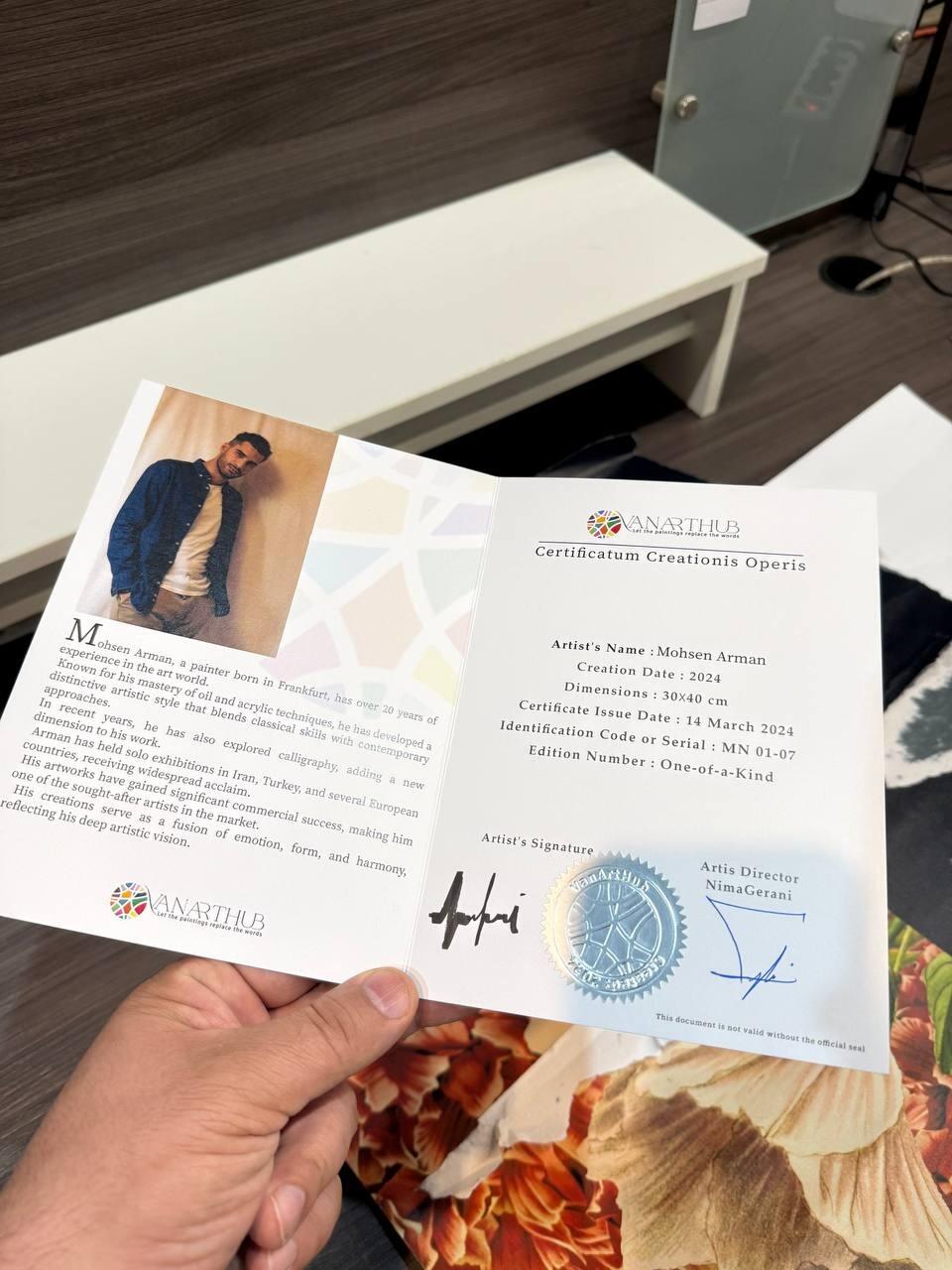
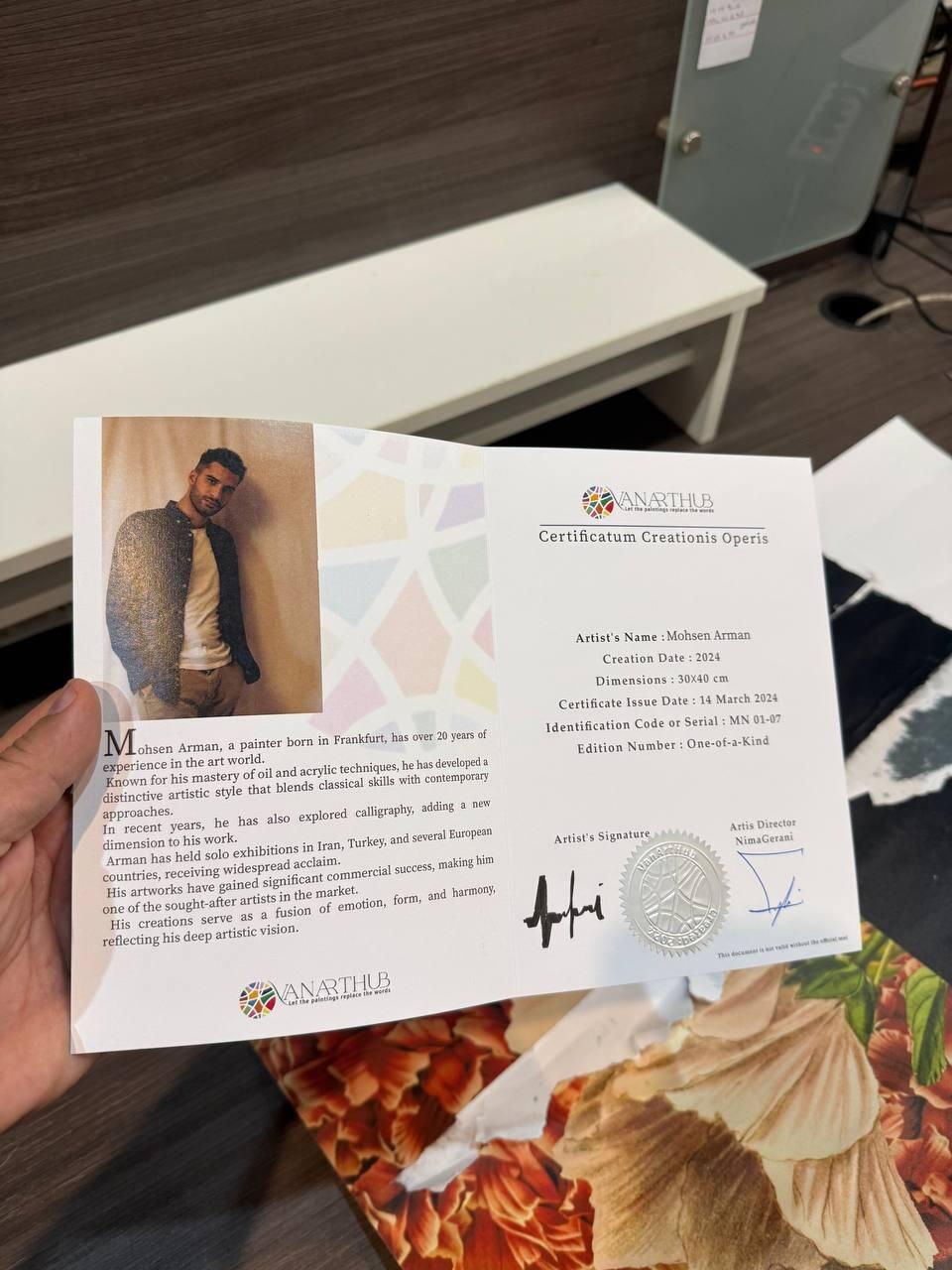
Entryway art is the first sentence of your home, so it should say something true about the people who live there, in one confident piece. Guests form their impression of a house in the first few seconds inside the door, and a single well-chosen original over the console table does more work in that moment than anything else you own. We push clients toward warmth here rather than grandeur: the entry is where coats come off, and a painting with real human feeling beats an imposing one. Whatever you choose arrives with a Certificate of Authenticity, and shipping is free and fully insured, USA orders landing in 5 to 10 business days.

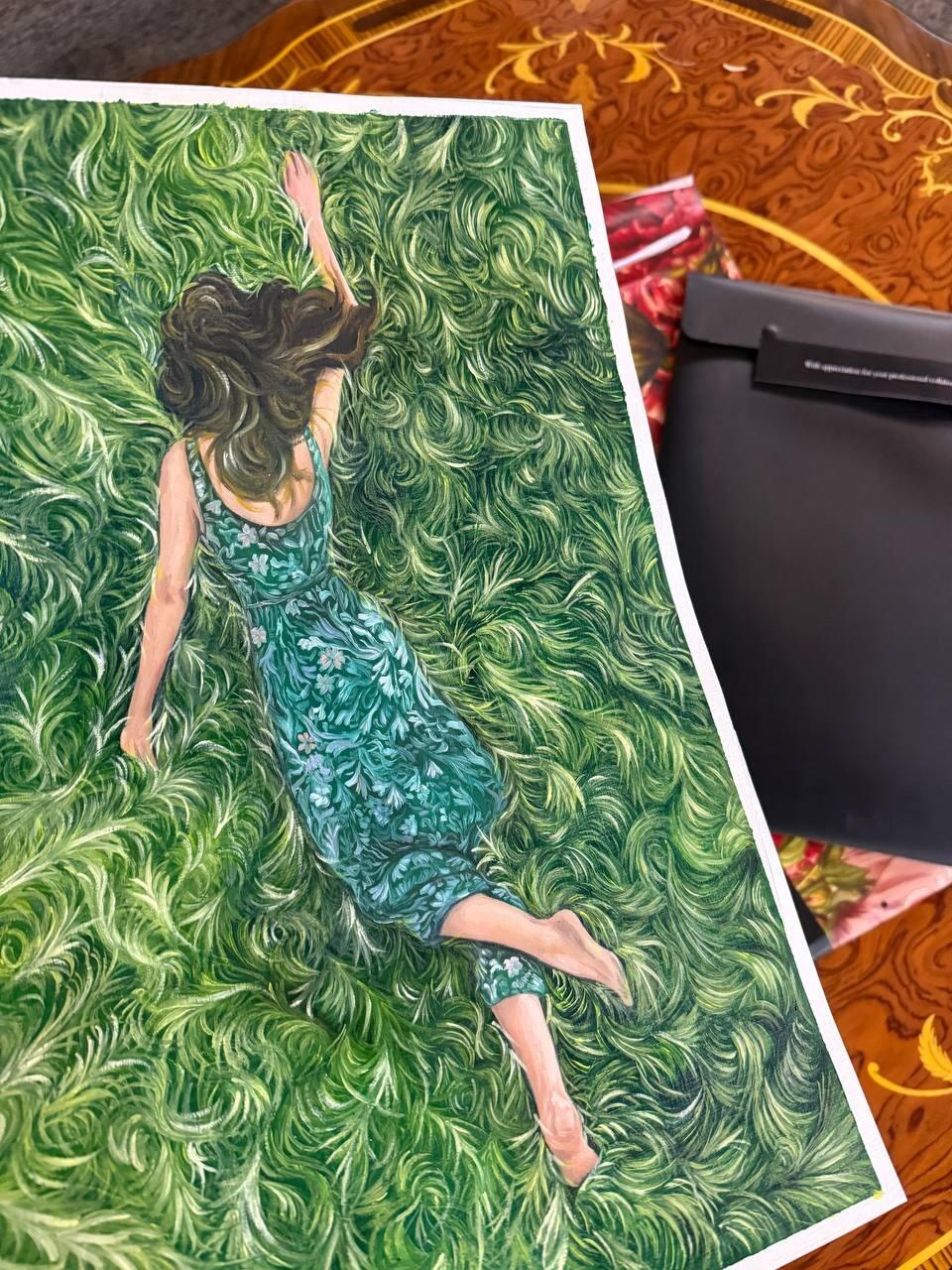
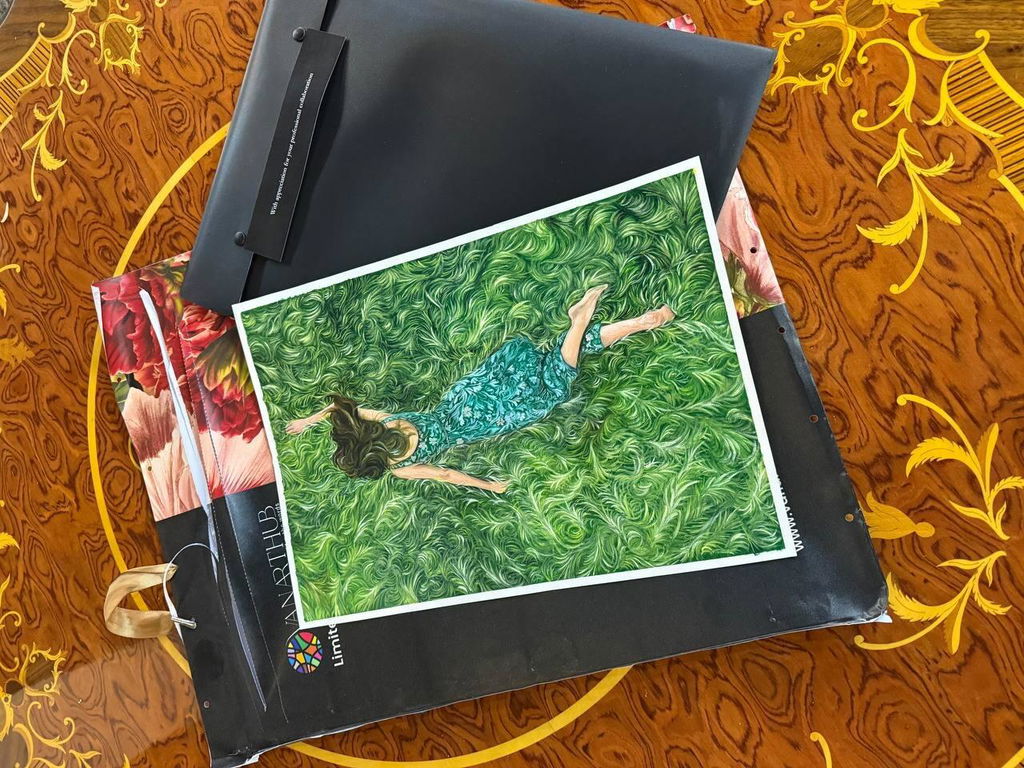
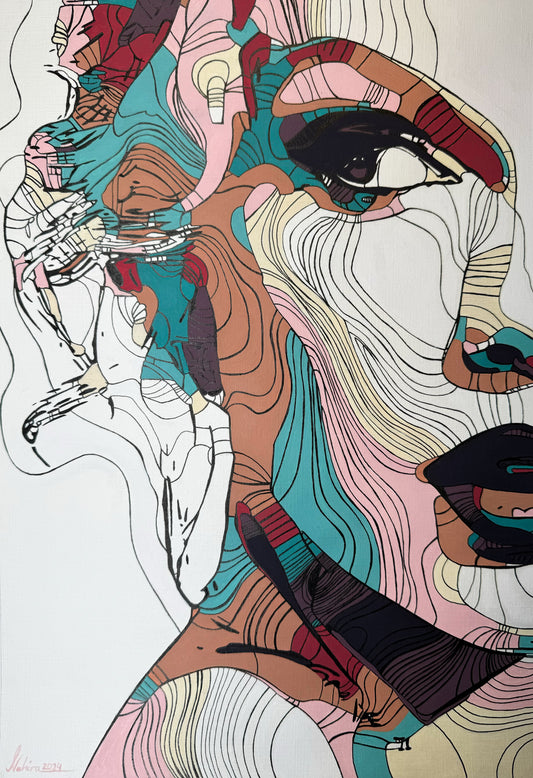
Layers of Her: Original Acrylic on Canvas by Nahira | VanArtHub, an original painting in the Canadian Hallway & Entryway Art collection
Layers of Her: Original Acrylic on Canvas by Nahira | VanArtHub · $545.00

What are the practical rules for hallway hanging?

Use two hooks per work, keep frames out of door-swing zones, and light the corridor before you hang anything good in it. Hallways are traffic: shoulders, bags, and laundry baskets brush the walls, so two-point hanging keeps frames level and secure where a single nail invites a weekly straightening ritual. And here is our honest caution, offered even though it costs us sales: a windowless, unlit hallway is a bad home for subtle work. If the corridor is dark, add simple lighting first, or choose high-contrast pieces that read in low light. Preview any arrangement on a photo of your own hall with the see art on your wall tool before committing to hooks.

Frequently asked questions

Do you have anything tall and narrow enough for a hallway wall?

Yes. The tallest pieces in this group reach about 152 cm, and widths start around 30 cm, so there are vertical canvases made for a wall you walk past rather than stand in front of. Tall and narrow also keeps the frame out of shoulder range in a tight corridor. Measure the clear run of wall between the doors first, then match the width to that number.

If I order three pieces for a hallway, do I pay shipping on each one?

No. Shipping is free and fully insured on every order, however many pieces you buy, inside Canada and to the USA. Canadian orders arrive in about 3 to 7 business days and American orders in about 5 to 10. Each canvas is boxed for its own size and weight, so pieces in one order can leave separately and land a day or two apart.

What is the least I can spend on a real original for a hallway, and is the cheap work any good?

This group starts around $80, sits near $450 in the middle, and tops out around $3,000. The inexpensive pieces are small, not lesser. We do not list a work we would refuse to hang in our own hallway, and every one is hand painted, signed, and shipped with a Certificate of Authenticity. A small original at $80 is better company than a large print at any price.

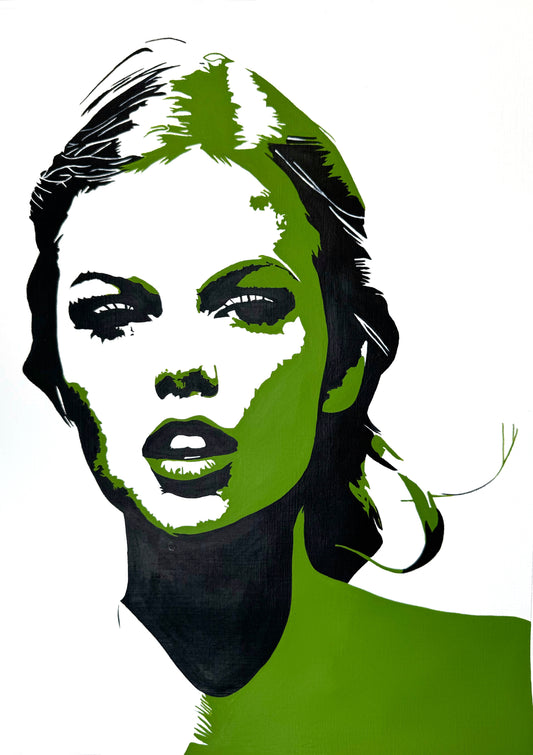
I want one strong face or figure at the end of my hallway. Whose work should I look at?

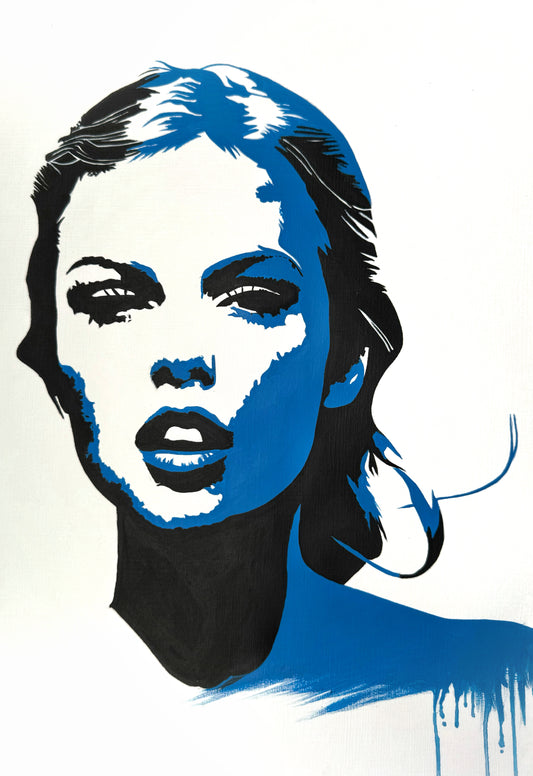
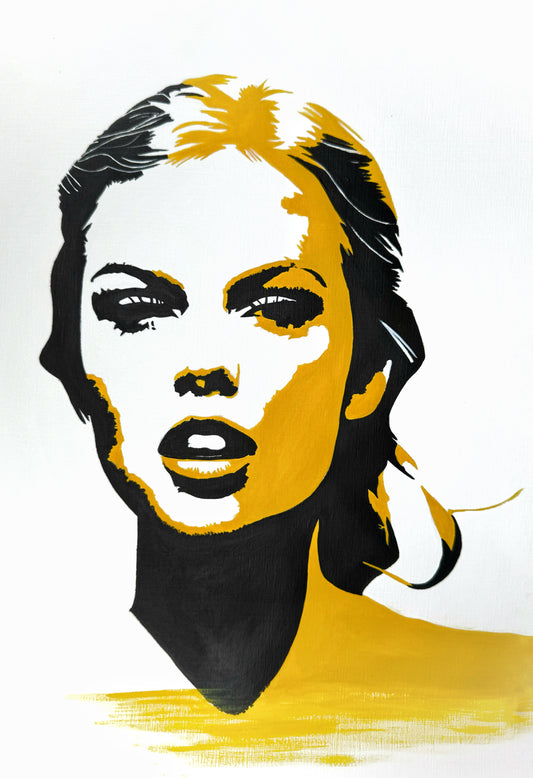
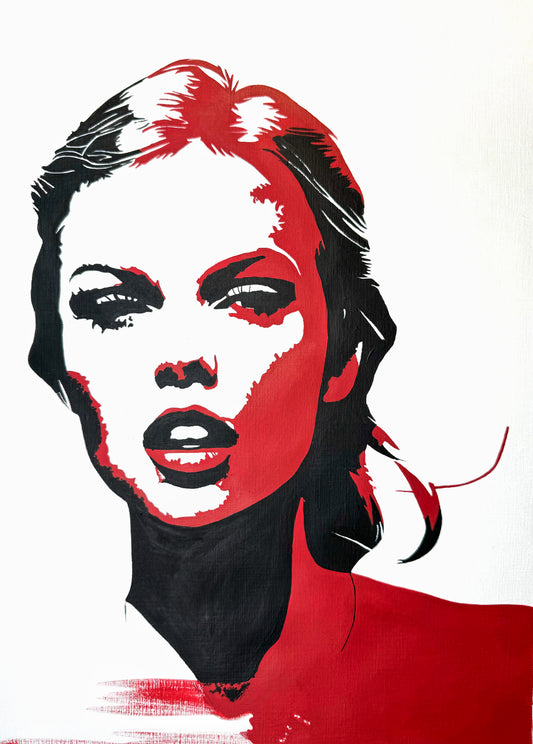
Nahira. Her acrylic canvases carry the boldest figures in this group, including Layers of Her, Solar Stare, Crimson Command, and Verdant Gaze. A single strong face at the end of a corridor gives the eye somewhere to land as you walk toward it. Amir Fazelian, Peyman Mehdizadeh, and Ziba Vishteh are the quieter choices here if you want the hallway to stay calm.

What happens if a painting arrives with a dent or a scuff on it?

Tell us right away, send photos, and we sort it out. Every shipment is fully insured, and the claim is ours to handle, not yours to chase. Keep the box and the packing material until the piece is on the wall and you are happy with it, because we may ask for photos of how it arrived. This is separate from the 14-day trial, which covers a simple change of mind.

Can I come and look at hallway pieces in person before I decide?

Yes, we do private viewings by appointment in Vancouver. Write to us with the pieces you are weighing up and we will have them out and lit when you arrive. That matters for a hallway, because corridor light is usually dimmer than photographs suggest. If you cannot travel to us, the 14-day home trial does the same job in your own light and at our cost.

What size art suits a narrow hallway?

In a hallway around 90 cm wide, choose works up to about 40 cm (16 in) across, with fine detail that rewards viewing from arm's length. Your viewing distance equals the width of the hall, so large textured canvases meant for across-the-room viewing turn into a blur there.

How many pieces should hang in a hallway?

Let the length of the wall decide: one work per 1 to 1.5 metres of corridor keeps the rhythm calm. Hang them at a shared centre height of 145 cm with even 8 to 10 cm gaps, and connect them by medium, palette, or subject so the run reads as one idea.

What height should hallway art hang at?

Centre every piece at about 145 cm (57 in) from the floor, the standard gallery eye level, and keep that line consistent down the whole corridor. In hallways people are always standing, never seated, so this height works without the compromises a sofa or headboard forces elsewhere.

What art makes a good first impression in an entryway?

One confident original above the console table, chosen for warmth rather than grandeur. The entry is the first sentence of your home, and guests read it in seconds. A piece with genuine human feeling says more about the household than an imposing formal work ever does.

How much does hallway art cost?

Small originals start around $72 with us, so a five-piece corridor sequence of hand-painted, signed works is often cheaper than one large canvas. Every piece, whatever its size, comes with a Certificate of Authenticity and free fully insured shipping across Canada and the USA.

How do I protect art in a busy hallway?

Hang each work from two hooks so it stays level and secure when shoulders and bags brush past, and keep frames out of the arc of every door. Put works on paper under glass in high-traffic corridors, since glass shrugs off the occasional touch that would mark bare paper.

When is a hallway a bad place for art?

A windowless hallway with no lighting is a poor home for subtle original work, because nobody can see it. Add simple corridor lighting first, or choose high-contrast pieces that survive dim conditions. We would rather say this plainly than sell a painting into the dark.