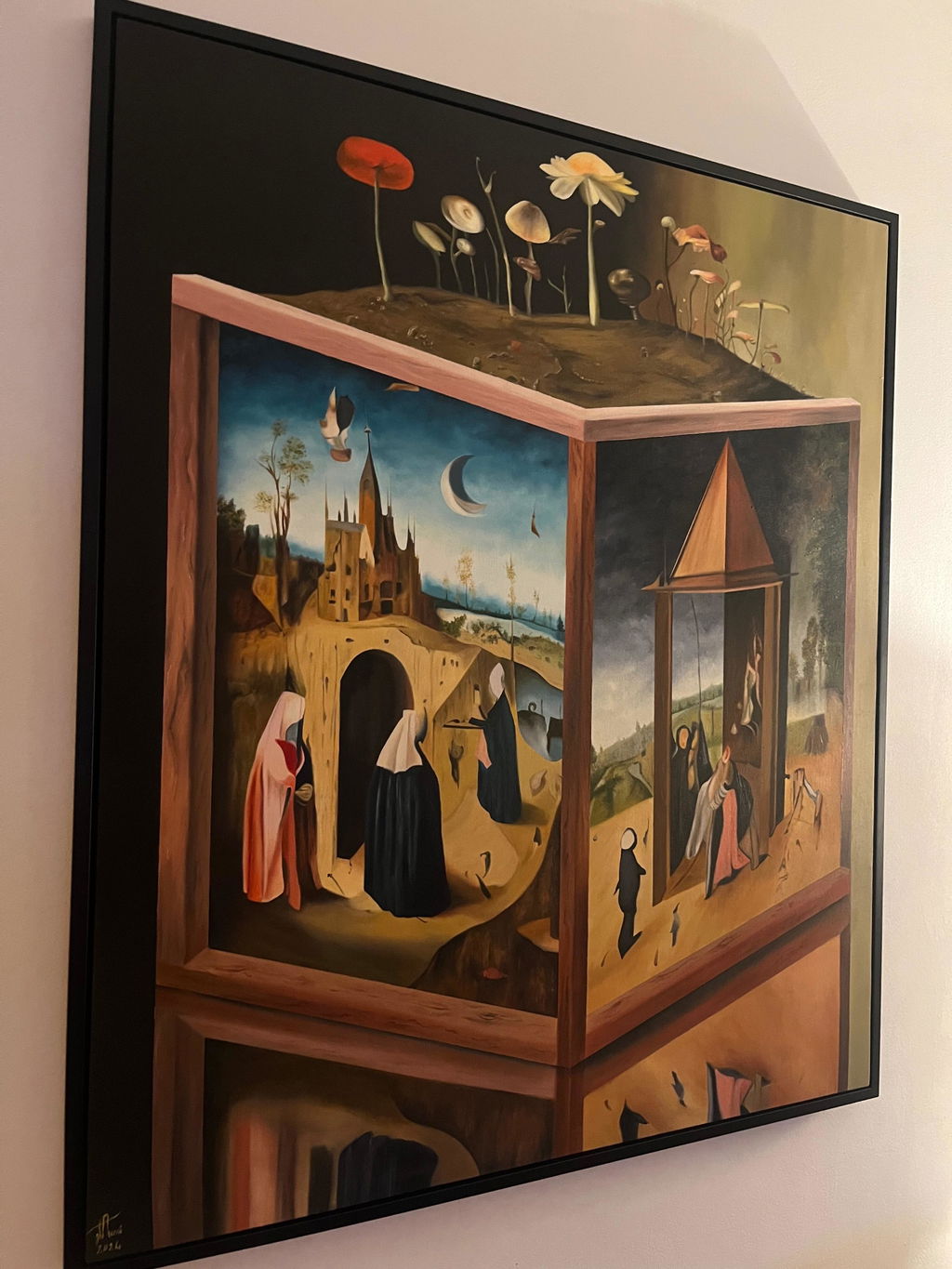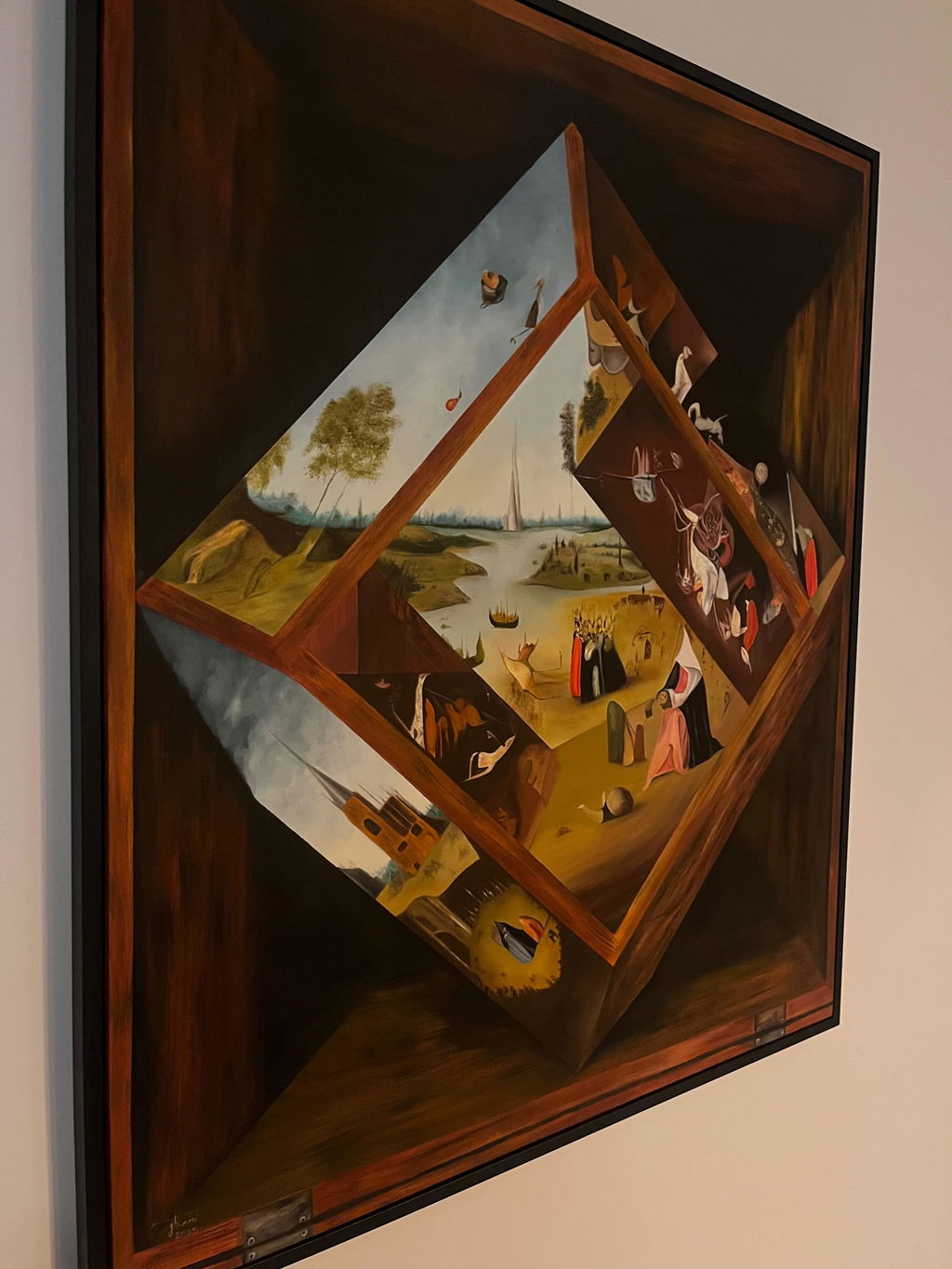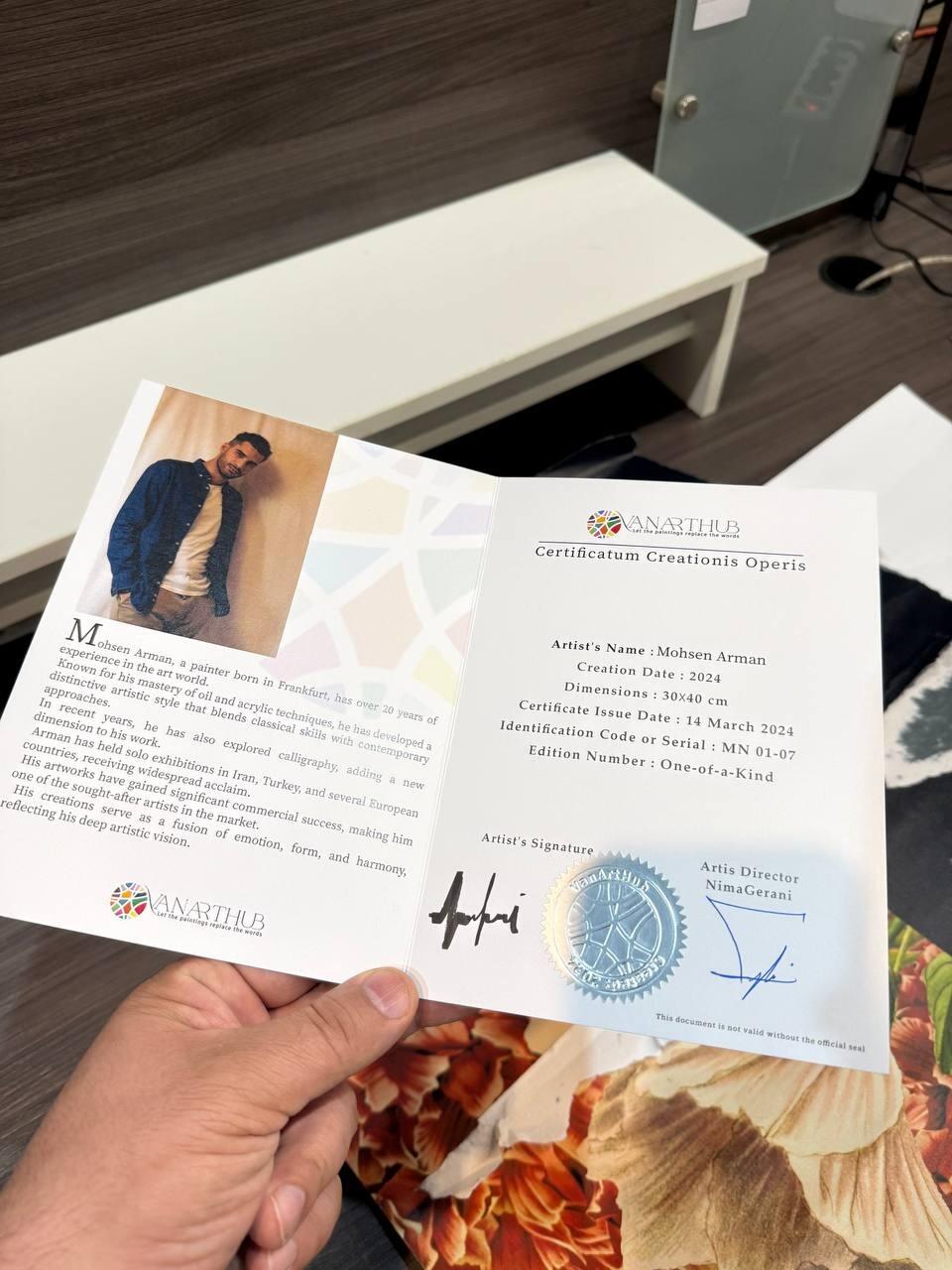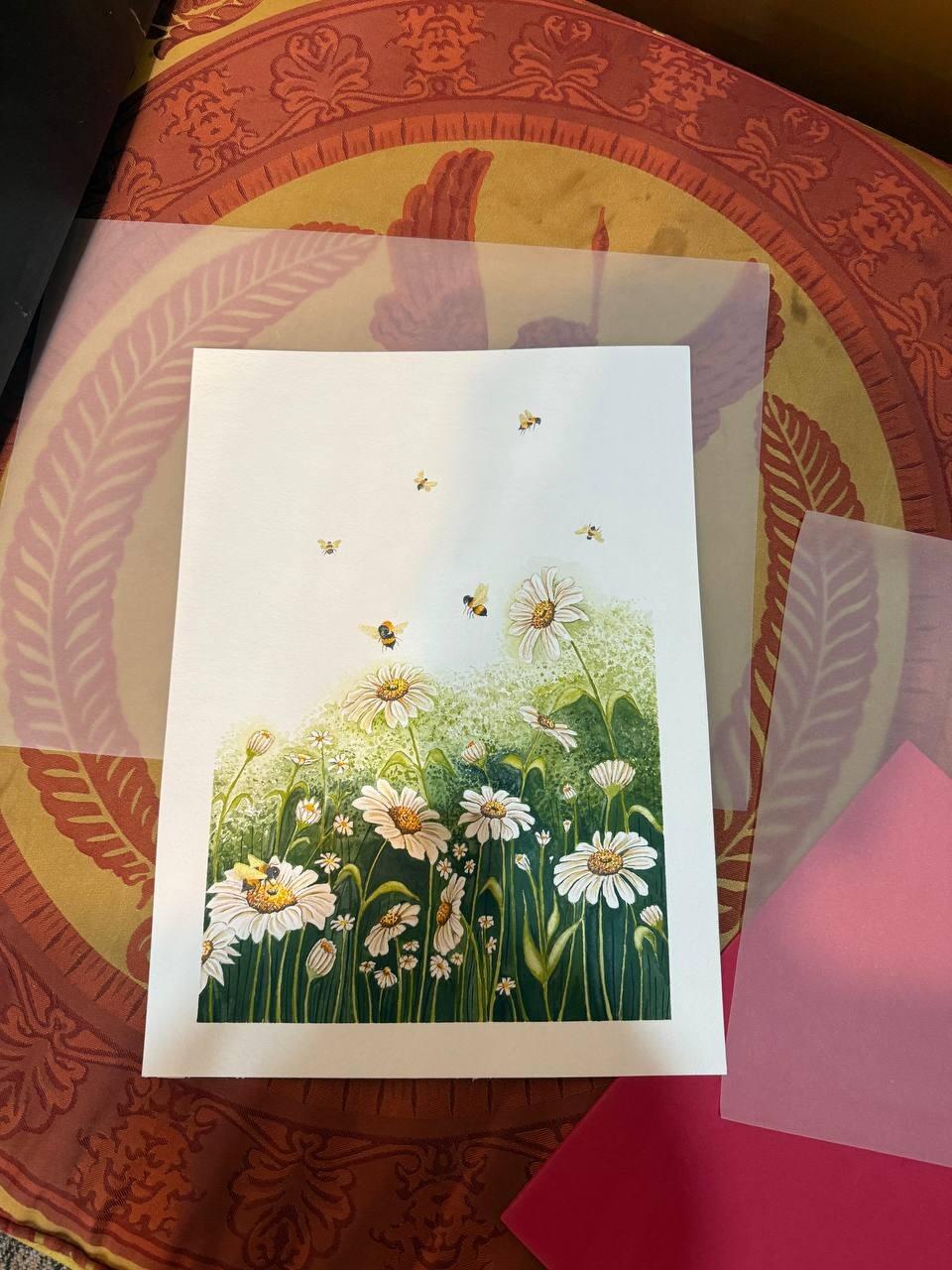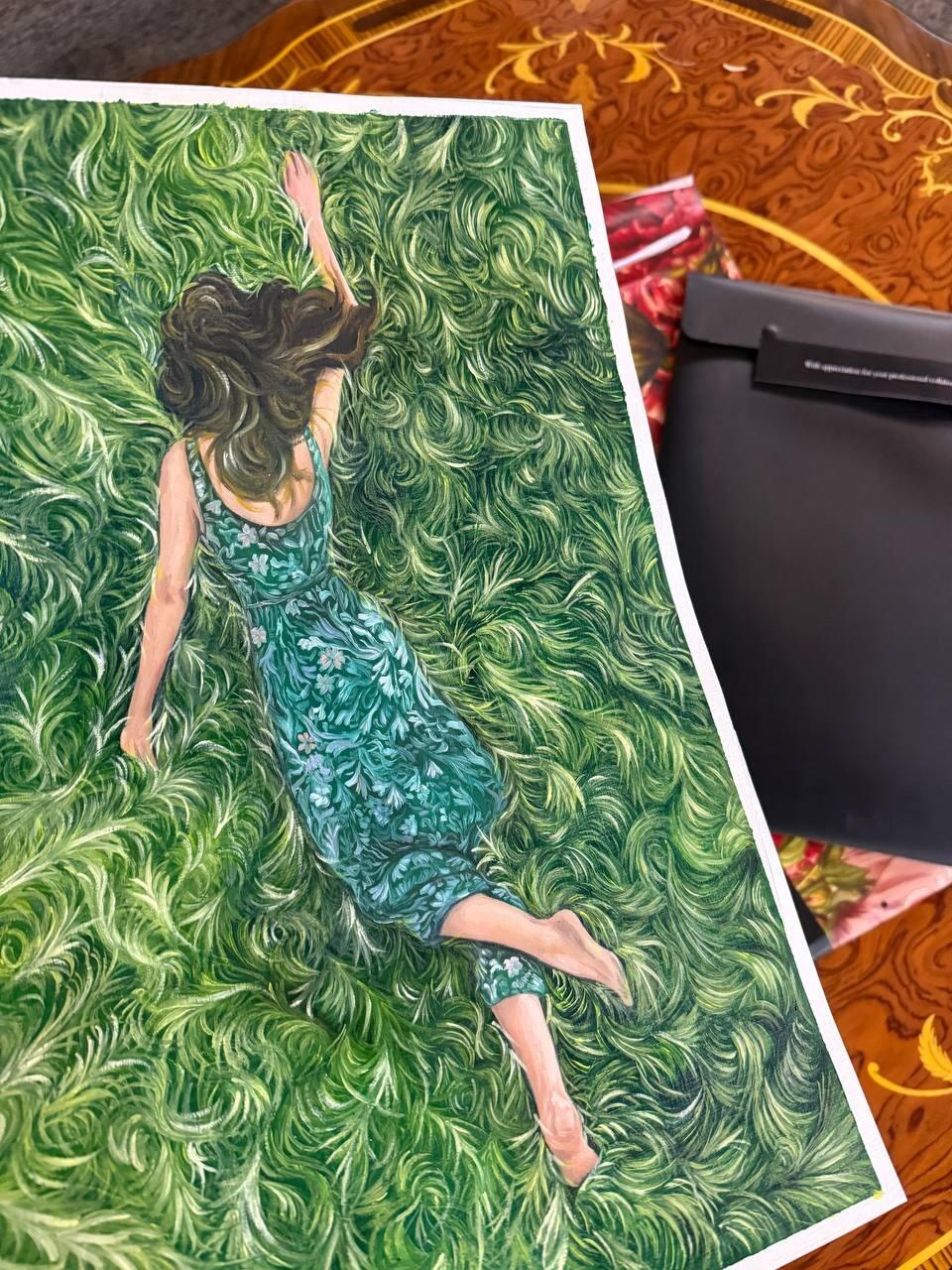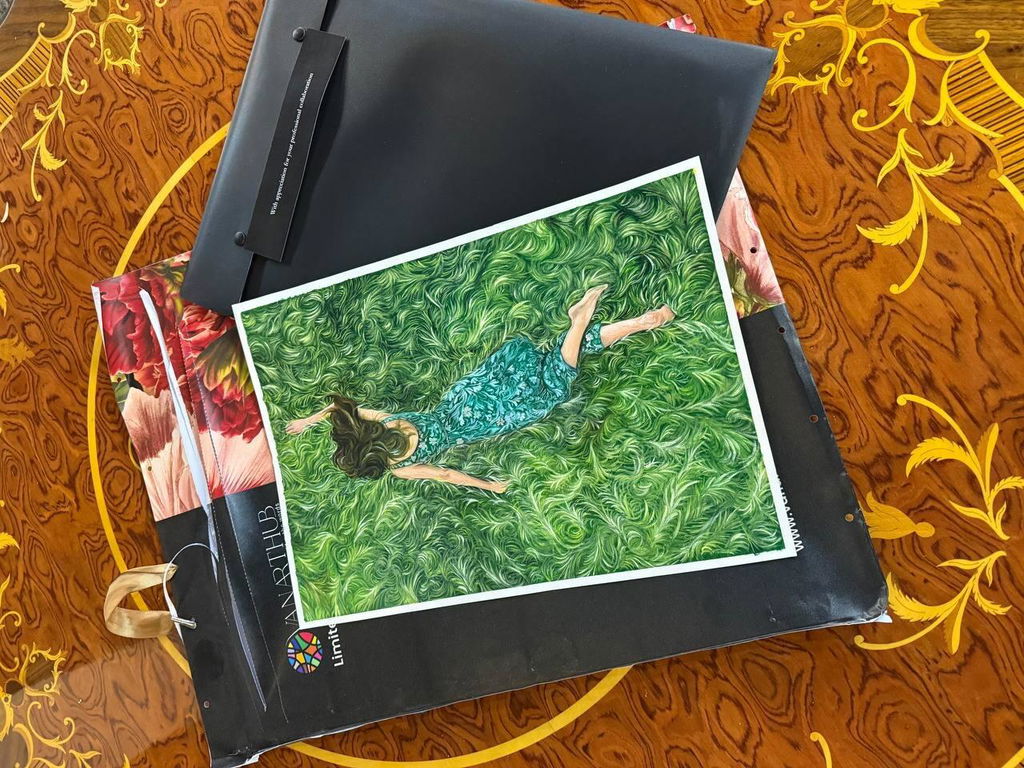
An original painting on canvas from the VanArtHub gallery at 1242 Davie Street in Vancouver.

Objects & textiles · Vancouver

Diamond Painting Framing

A diamond painting is a canvas covered in small resin pieces. We stretch it or frame it flat, with room in front so nothing presses on the surface.

10% off custom framing at our shop, 1242 Davie Street. Get your code

We frame finished diamond paintings at 1242 Davie Street. A diamond painting is a printed canvas coated with adhesive and covered by hand with small resin pieces called drills. The finished surface is raised, heavy for its size and held on by that adhesive alone. A good frame keeps the canvas flat, keeps pressure off the drills and keeps dust away from them.

Stretched on bars or framed flat

There are two ways to prepare the canvas, and the blank margin around your picture decides between them.

  • Stretched. The canvas is pulled over a wooden frame of stretcher bars and fixed at the back, like a painting. The fold has to fall in blank canvas, because drills that sit on a fold come loose. This needs a wide blank margin on all four sides. Our canvas stretching page explains the method.
  • Framed flat. The canvas lies flat on a rigid board inside a frame. The lip of the frame, or a mat (a border of card with an opening), covers the blank margin. This works with a narrow margin, and it is the usual choice when the drills run close to the edge of the canvas.

Leave the margin on the canvas when you bring it in. Once the margin has been trimmed off, the canvas can only be framed flat.

Stretching over bars is the method used for paintings on canvas. Terrifying Beauty is one from our gallery: an acrylic on canvas, 80 by 60 cm, with whales moving through a dark blue sky above a woman sitting on the floor.

Nahira: Woman in green & blue sits fearfully, gazing at whales in a starry sky. Acrylic on Canvas.
Terrifying Beauty One-of-a-kind original$1,626.00 Free insured shipping. 14-day returns. See this original

With glazing or without

Glazing means the sheet of glass or acrylic at the front of the frame. A diamond painting can be framed with it or without it, and each choice has a cost.

  • Without glazing. Light reaches the facets of the drills directly, so the sparkle is at its strongest. Dust settles on the surface, and round drills leave small gaps of open adhesive between them where dust sticks.
  • With glazing. Dust stays out and nothing can knock a drill off. We fit spacers, thin strips hidden under the lip of the frame, so the sheet sits clear of the drills and never presses on them. The frame is deeper as a result. Anti-reflective glass adds fewer reflections of its own than plain glass, and acrylic keeps a large frame lighter.

Weight and hanging

Resin drills add weight. A large diamond painting in a deep frame weighs more than a paper print of the same size, so the hanging hardware is matched to the finished weight. Our guide to hanging hardware explains the options.

Weight also rises with size on an ordinary canvas. Rising, an acrylic on canvas with a pale hand against black and grey paint, is 95 by 125 cm, and hanging hardware for a painting this large is matched to its weight.

Textured abstract painting by Ziba Vishteh: outstretched hand, somber background with red, acrylic on canvas.
Rising One-of-a-kind original$1,807.00 Free insured shipping. 14-day returns. See this original

Before you bring it in

  • Press the whole surface flat with a roller or a heavy book, so every drill is seated.
  • Fill any gaps with the spare drills from the kit, and bring the spares that are left.
  • Carry the canvas flat if you can. If it has to be rolled, roll it loosely around a wide tube with the drills facing outward. Rolled with the drills facing inward, they press against each other and can come off.
  • Tell us if you have brushed a sealer over the drills. A sealer is a clear coating some people apply at home to lock the drills in place.

What changes the cost

Size comes first. After that, the cost depends on whether the canvas is stretched or framed flat, on the depth of the moulding (the shaped wood or metal the frame is cut from), and on the glazing you choose. A frame with no glazing uses less material. We quote at the counter when we have seen the piece.

What to send from outside Vancouver

Send the height and width of the picture, the width of the blank margin on each side, and a photograph. A finished jigsaw is covered on our jigsaw puzzle framing page.

Walk in at 1242 Davie Street during opening hours. Enter your email on this page for a 10% framing code to show at the shop, and see custom framing for everything else we frame.

How it works

  1. 1

    Bring it in, or send photographs

    Walk in to 1242 Davie Street during opening hours. If you are not in Vancouver, send the dimensions and a photograph and we will work from that.

  2. 2

    We look at the actual piece

    What it is made of, what condition it is in, and where it is going to hang all change the answer. You get a straight recommendation and a price for your piece, not a rate card.

  3. 3

    It is made by hand and fitted

    Cut to the piece, using conservation materials, and finished with hanging hardware rated for the actual weight.

Common questions

Should a diamond painting be framed with glass or without?

A diamond painting can be framed with glass or without, and the choice depends on dust and sparkle. Without glazing, light reaches the drills directly and the sparkle is strongest, and dust settles on the surface. With glazing, dust stays out and no drill can be knocked off. We fit spacers so the sheet never presses on the drills.

Can a diamond painting be stretched on wooden bars like a canvas painting?

Yes, a diamond painting can be stretched on wooden bars when it has a wide blank margin on all four sides. The canvas folds around the bars in that margin. Drills that sit on a fold come loose, so a picture that runs close to the edge of the canvas is framed flat on a rigid board, with the frame covering the margin.

Do I need to seal a diamond painting before it is framed?

Sealing a diamond painting before it is framed is optional. A sealer is a clear coating brushed over the drills at home to lock them in place, and it is permanent. Some sealers reduce the sparkle. Behind glazing, dust cannot reach the surface and nothing touches the drills, so many people frame the painting unsealed. Tell us at the counter which you have done.

How should I carry a finished diamond painting to the shop?

Carry a finished diamond painting flat, between two sheets of stiff cardboard, when its size allows. If it has to be rolled, roll it loosely around a wide tube with the drills facing outward. Drills rolled facing inward press against each other and can come off. Before you leave home, press the surface flat with a roller so every drill is seated.

What happens to the blank border around a diamond painting?

The blank border around a diamond painting is hidden by the framing. On a stretched canvas it wraps around the wooden bars and is fixed at the back. In a flat frame, the lip of the frame or a mat covers it. Keep the border on the canvas until we have seen it, because trimming it removes the option of stretching.

Will drills fall off a diamond painting once it is framed?

Drills on a framed diamond painting stay in place when the canvas is kept flat and nothing presses or rubs on the surface. A rigid board or stretcher bars keep it flat, and spacers hold the glazing clear of the drills. If a drill does come off behind glazing, it drops to the bottom of the frame, and the back can be opened to put it back.

Do round and square drills need different framing?

Round and square drills are framed the same way, and round drills gain more from glazing. Square drills sit edge to edge and cover the adhesive. Round drills leave small gaps of open adhesive between them, and dust sticks in those gaps when the surface is left open to the room. A sheet of glass or acrylic in front keeps that dust out.

Where to find us

VanArtHub Gallery 1242 Davie Street
Vancouver, BC V6E 1N3
Canada
Gallery opening hours
Monday10 a.m. to 7 p.m.
Tuesday10 a.m. to 7 p.m.
Wednesday10 a.m. to 7 p.m.
Thursday10 a.m. to 7 p.m.
Friday10 a.m. to 7 p.m.
Saturday11 a.m. to 7 p.m.
Sunday11 a.m. to 6 p.m.

In-shop offer · 1242 Davie Street, Vancouver

10% off your custom framing when you show this code at our shop

We frame, stretch canvas and reframe by hand, in our own workshop inside the gallery at 1242 Davie Street. Enter your email and your code appears right here. Show it at the counter and we take 10% off the job. The code does not expire.

How the offer works

Your code appears on this page as soon as you send the form.

Not sure what yours needs?

Send the measurements, what it is made of, and a photograph. We will tell you what it actually needs, including when the answer is that it needs less than you expected.