Original Art in a Basement Suite: Light, Damp, and What Survives
Updated By VanArtHub Curatorial TeamShare
A basement suite is a real home. People live in them for years in Vancouver, and they want the walls to look like somewhere they chose. The problem is that a basement is the one room in a house where an original painting can be quietly ruined without anybody noticing until the damage is done. This is the honest version of that conversation, including the part where we tell you not to buy.
The two problems, and only one of them is obvious
Low light is the obvious one, and the easier one. A basement suite is dim, with small windows high on the wall, and people worry the painting will look dull down there.
Damp is the problem that actually matters. It works slowly, it does not announce itself, and by the time you can smell it or see it, a canvas has already been living in those conditions for months.
So most of this article is about moisture. The lighting problem has a lighting answer, and we get to it.
The numbers that decide whether a basement is safe
The Canadian Conservation Institute puts the safest relative humidity for paintings on canvas or wood at a stable 40 to 60 percent, with 50 percent as the central value that lending institutions have settled on. That is the target, and it is the same target as any other room in the house.
The number that rules out a room is the mould threshold. Relative humidity over 70 to 75 percent will encourage mould growth. That is not slow degradation you can accept. Mould on a painting is a conservation emergency and it can be permanent.
Between 60 and 70 percent the painting is under more stress than it should be, without mould yet. That is a room to fix before you hang anything.
Where the damp actually collects, which is not the middle of the room
This is the single most useful fact in this article, and most people get it wrong.
The CCI explains that high humidity levels can occur in areas cooler than the rest of the room, for example against exterior walls and near water pipes, despite good conditions in the centre of the space. Cooler air holds less moisture, so relative humidity climbs against a cold surface even when the room average looks fine.
A basement suite is built almost entirely out of cool surfaces. The wall against the foundation. The wall the plumbing runs behind, which in a suite usually serves the whole house above. The wall under a bathroom is the worst of both.
So a hygrometer sitting on your side table can read a comfortable 52 percent while the wall you were planning to hang the painting on is sitting at 68. The room is fine. The wall is not.
Put the hygrometer on the wall you actually care about, at the height the painting will hang, and leave it there for two weeks before you buy anything.
Which walls are usable, in one table
| Wall | Risk | What to do |
|---|---|---|
| Interior partition wall, away from plumbing | Lowest | Usually the right choice. Still measure first |
| Exterior wall, framed and insulated, above grade | Moderate | Measure at the wall for a full month across a season change |
| Exterior wall below grade, against the foundation | High | Avoid. This is where the cool surface sits |
| Wall with plumbing behind it, or under a bathroom | High | Avoid |
| Wall directly above a baseboard heater or beside a vent | High for a different reason | Avoid. Daily swings, not damp, are the issue here |
If the only wall large enough for the painting is one of the high-risk rows, that is your answer. Hang something you can replace there instead.
Buy the hygrometer before you buy the painting
A digital hygrometer is the cheapest useful instrument in art care. Buy two. One on the wall you have in mind, one in the middle of the room, then compare.
Read them for at least two weeks, ideally through a season change, because a Vancouver basement in September and the same basement in February are different rooms. Look at the highest reading, not the average. A wall that touches 72 percent for four days in November has told you what you need to know.
If the readings sit inside 40 to 60 percent, hang what you like. If they run high, a dehumidifier with a drain line, running continuously rather than switched on when you remember, will usually pull a suite into range. Then measure again, because a dehumidifier you have not verified is an assumption with a plug on it.
The light problem, and the surprising upside
Now the easier half. Light damage is cumulative, and the CCI is precise about it: damage is intensity in lux multiplied by exposure time, so 200 lux for 200 hours does the same damage as 100 lux for 400 hours, or 50 lux for 800 hours.
So a dim basement is genuinely good for a painting. A living room with a south window is where fading happens. The CCI notes that at average daylight levels of 30,000 lux, highly sensitive paints show observable fading within a day to two weeks, and that medium-sensitivity paints can chalk and varnishes crack within three years of ultraviolet coming through unfiltered windows. A basement suite has almost none of that.
Light the work with a dimmable ceiling fixture, aimed from a distance rather than clipped to the frame. The CCI notes that picture lamps attached to frames are rarely successful, giving uneven illumination and sometimes overheating the painting, which leads to blisters or cracks. Switch it off when you leave the room. That costs nothing and halves the exposure time.
Our practical advice: a warm LED with a high colour rendering index, on a dimmer, about a metre back.
When we tell people not to buy
We would rather lose a sale than replace a painting, so here is the line.
If the suite has flooded, even once, do not hang an original in it. Water damage to a painting is not a wipe-it-dry situation. The CCI says to contact a conservator as soon as possible, that the effects may take minutes to hours to appear, and that simple air drying is often not suitable. A wet canvas can shrink dramatically and cause the paint and ground to crack, buckle, and flake.
If the readings will not come under control, do not hang an original in it. A dehumidifier that cannot hold the room under 60 percent in a wet Vancouver winter is telling you the truth about the building.
If you can smell damp, do not hang an original in it, and deal with the building first.
And if you are renting month to month and might move twice in a year, spend the money on one good piece when you are settled. Every move is a handling risk, and handling is where most damage happens.
Plenty of basements are dry, stable, and better for a painting than the sunny apartment upstairs. Measure first instead of assuming.
What we would actually hang down there
Given a suite that measures well, we would still make a few choices differently.
Fit a sealed backing board. It buffers the day to night humidity swings around the canvas and blocks debris and punctures from behind, and in a basement that buffering earns its keep.
Hang it on the interior wall even if the exterior wall gives the better view, and leave a real gap behind the frame using small cork pads at the lower corners so air can move.
Then check behind it every few months. Take it down, look at the wall and the reverse, put it back. Five minutes, three or four times a year, and that habit catches almost everything early.
Send us a photograph of the wall and your hygrometer readings and we will tell you what we think, including if the answer is no.
Key Takeaways
- Damp is the basement risk, and it is far more dangerous to a painting than low light.
- Target a stable 40 to 60 percent relative humidity. Above 70 to 75 percent, mould becomes likely.
- High humidity pockets form against exterior walls and near water pipes, even when the room centre reads fine.
- Measure at the wall you plan to use, at hanging height, for at least two weeks before buying.
- Low light is an advantage. Damage is lux multiplied by time, so a dim room accumulates very little.
- If the suite has flooded, smells damp, or will not hold under 60 percent, do not hang an original there.
Frequently Asked Questions
Can I hang an original painting in a basement suite?
Yes, if the wall measures inside 40 to 60 percent relative humidity and stays there. The room average is not enough. Put a hygrometer on the specific wall at hanging height for at least two weeks, ideally across a season change, and look at the highest reading rather than the average.
What humidity level is dangerous for a painting?
Above 70 to 75 percent relative humidity encourages mould growth, which is the point where a basement becomes unsafe. Between 60 and 70 percent the painting is under more stress than it should be. The Canadian Conservation Institute recommends a stable 40 to 60 percent, centred on 50.
Why is my hygrometer fine but the wall still feels damp?
Because cooler surfaces raise relative humidity locally. The CCI notes that high humidity can occur against exterior walls and near water pipes even when conditions in the centre of the room are good. Move the instrument to the wall itself and read it there.
Is low light actually bad for a painting?
No, low light is good for it. Light damage is cumulative and equals intensity multiplied by time, so a dim room accumulates very little. A sunny living room does far more harm. Light the work with a dimmable ceiling fixture and switch it off when you leave the room.
Will a dehumidifier solve the problem?
Often, if it runs continuously and drains to a floor drain rather than filling a tank you empty when you remember. Then measure again to confirm it worked. The point of the hygrometer is to replace assumptions with readings.
What if my basement floods?
Do not hang an original there. If a painting does get wet, contact a paintings conservator as soon as possible. The CCI warns that effects may take minutes to hours to appear and that simple air drying is often not suitable. A wet canvas can shrink and cause paint to crack, buckle, and flake.
Does a backing board help in a damp room?
It helps with short-term swings, buffering the day to night humidity changes around the canvas. It will not save a painting from a persistently damp wall. Fix the room first, then fit the board.
Should I leave a gap between the painting and the wall?
Yes. Small cork pads at the lower corners hold the frame off the surface so air can move behind it, and in a basement that gap matters more than it does upstairs. Take the work down every few months and look at both the wall and the reverse.
How long do I have to return a painting?
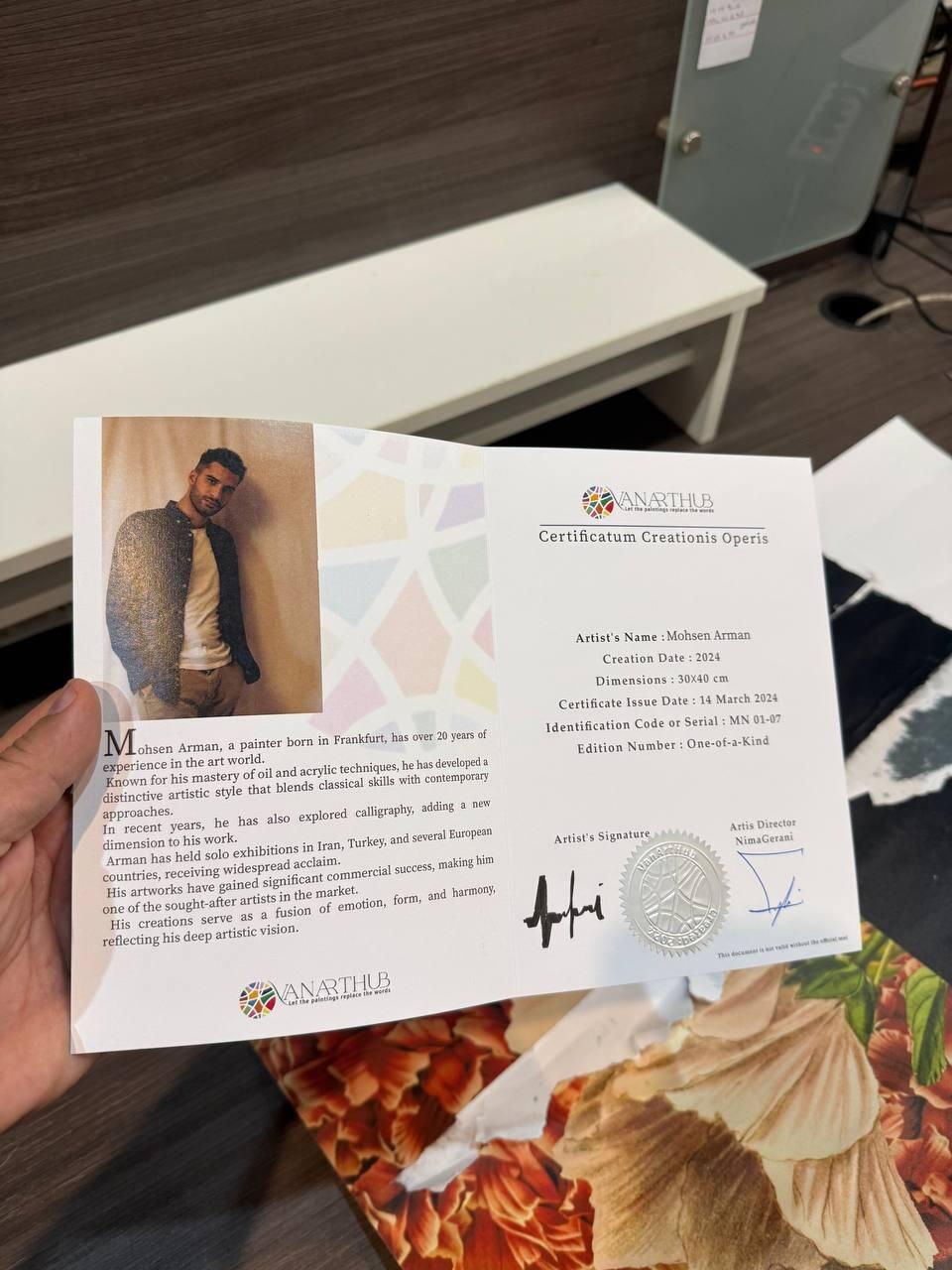
Fourteen days from delivery. Hang it, live with it, see it in morning and evening light. If it is not right, tell us within those 14 days and we send a prepaid insured return label and refund you in full once it is back. We pay the return shipping.
Sources
- Canadian Conservation Institute, Environmental Guidelines for Paintings (CCI Notes 10/4)
- Canadian Conservation Institute, Emergency Treatment of Water-damaged Paintings on Canvas (CCI Notes 10/5)
- Canadian Conservation Institute, Backing Boards for Paintings on Canvas (CCI Notes 10/10)
Sources checked 1 September 2026. If you spot something out of date, tell us and we will update the guide.
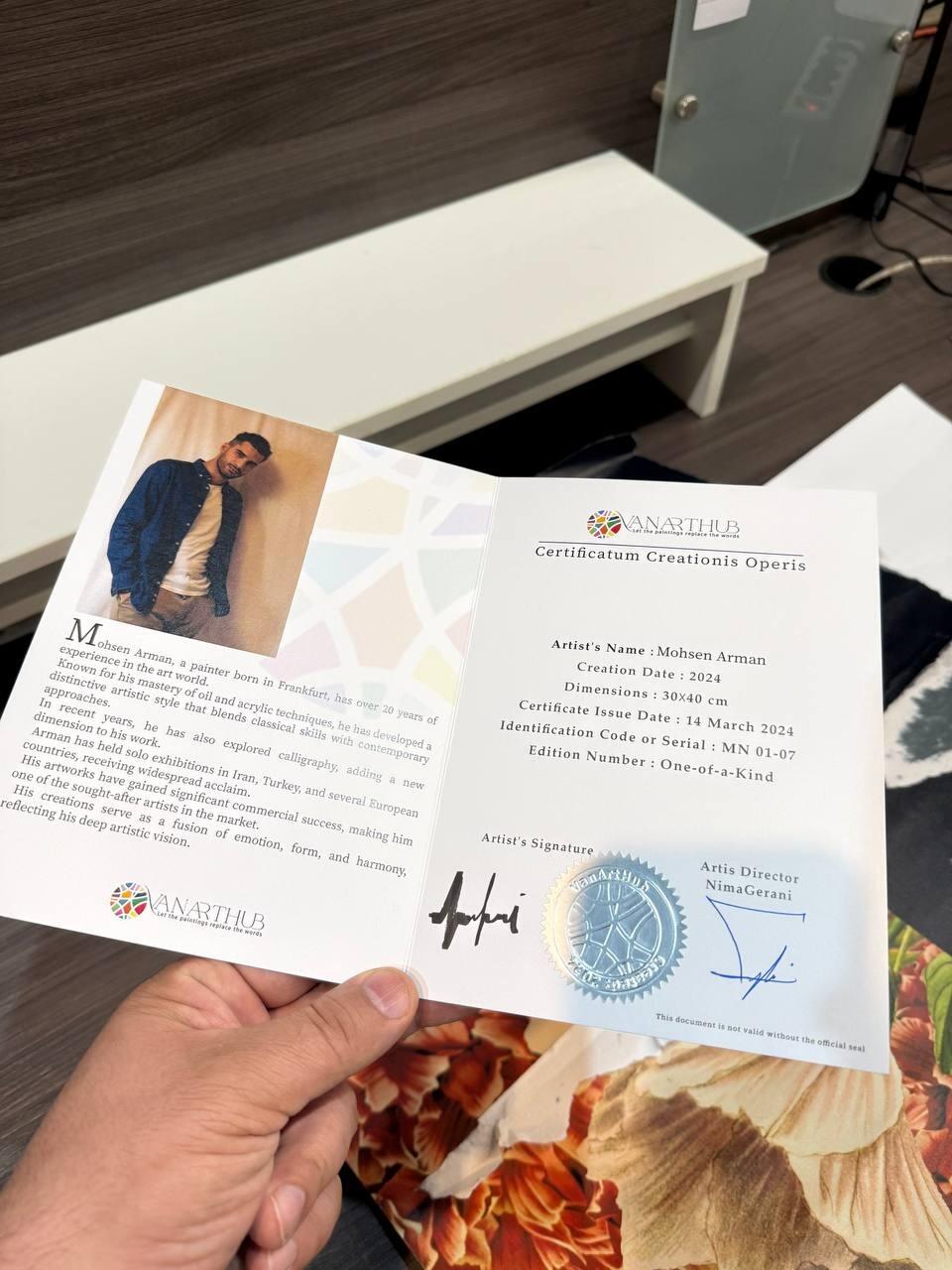
About VanArtHub
VanArtHub is an online gallery in Vancouver selling original, signed, one-of-a-kind paintings by independent artists. No prints and no reproductions. Every piece ships with a Certificate of Authenticity, free fully insured delivery to Canada and the USA, and a 14-day trial so you can decide at home. Browse all current originals, read our full guide to caring for original paintings, or see humidity, temperature, and safely storing a canvas. Our full policy lives on the Buy with Confidence page.