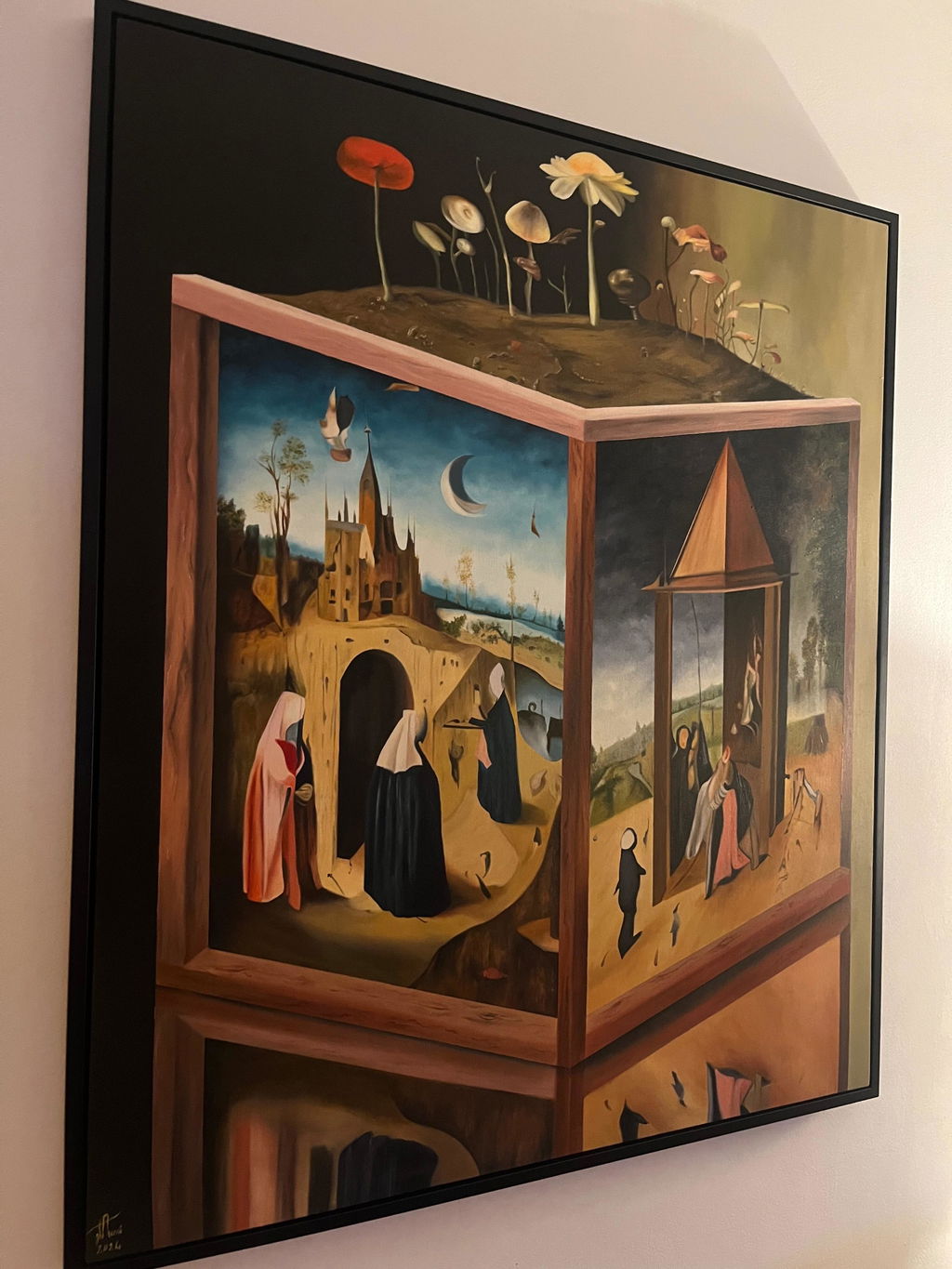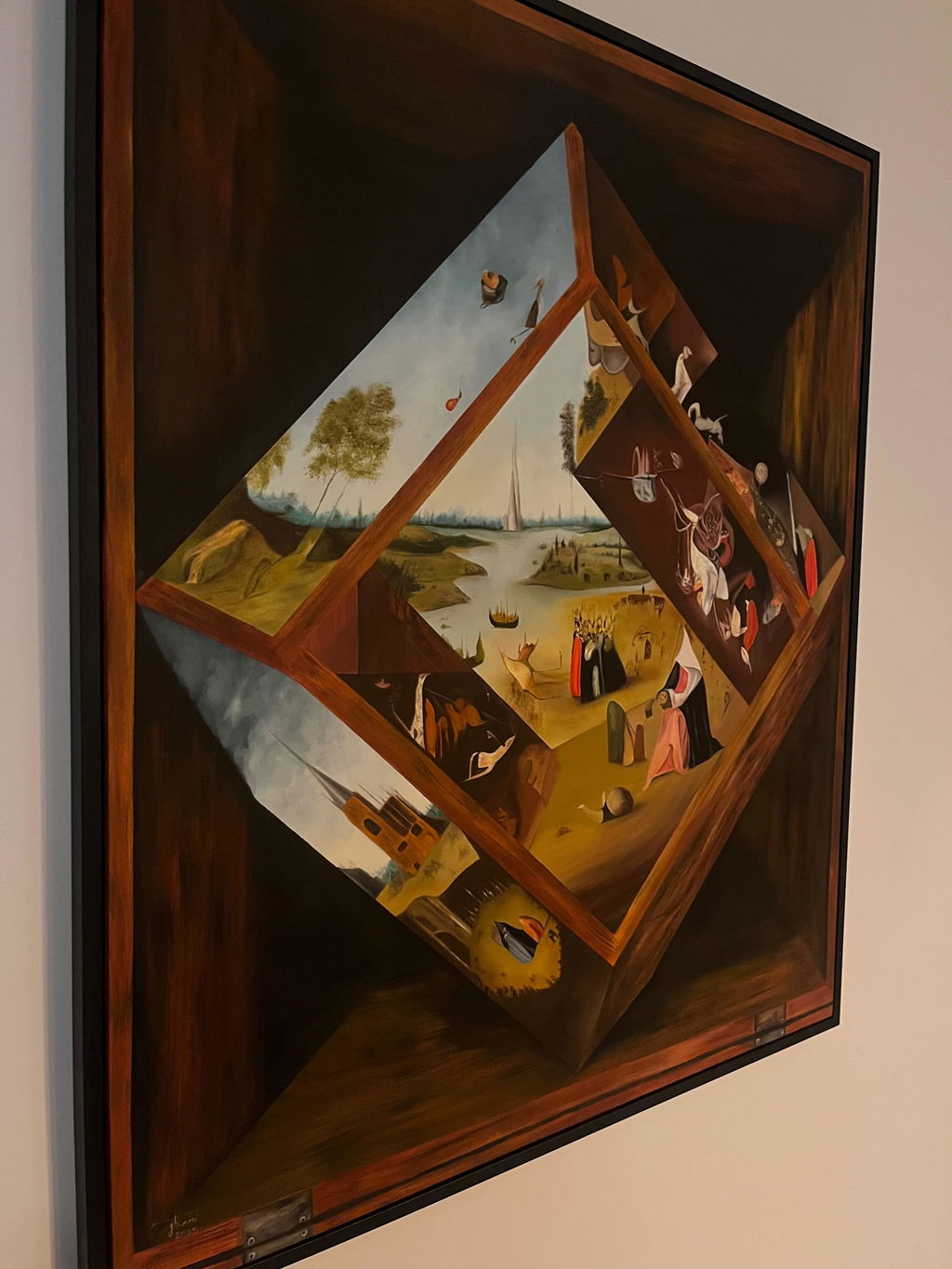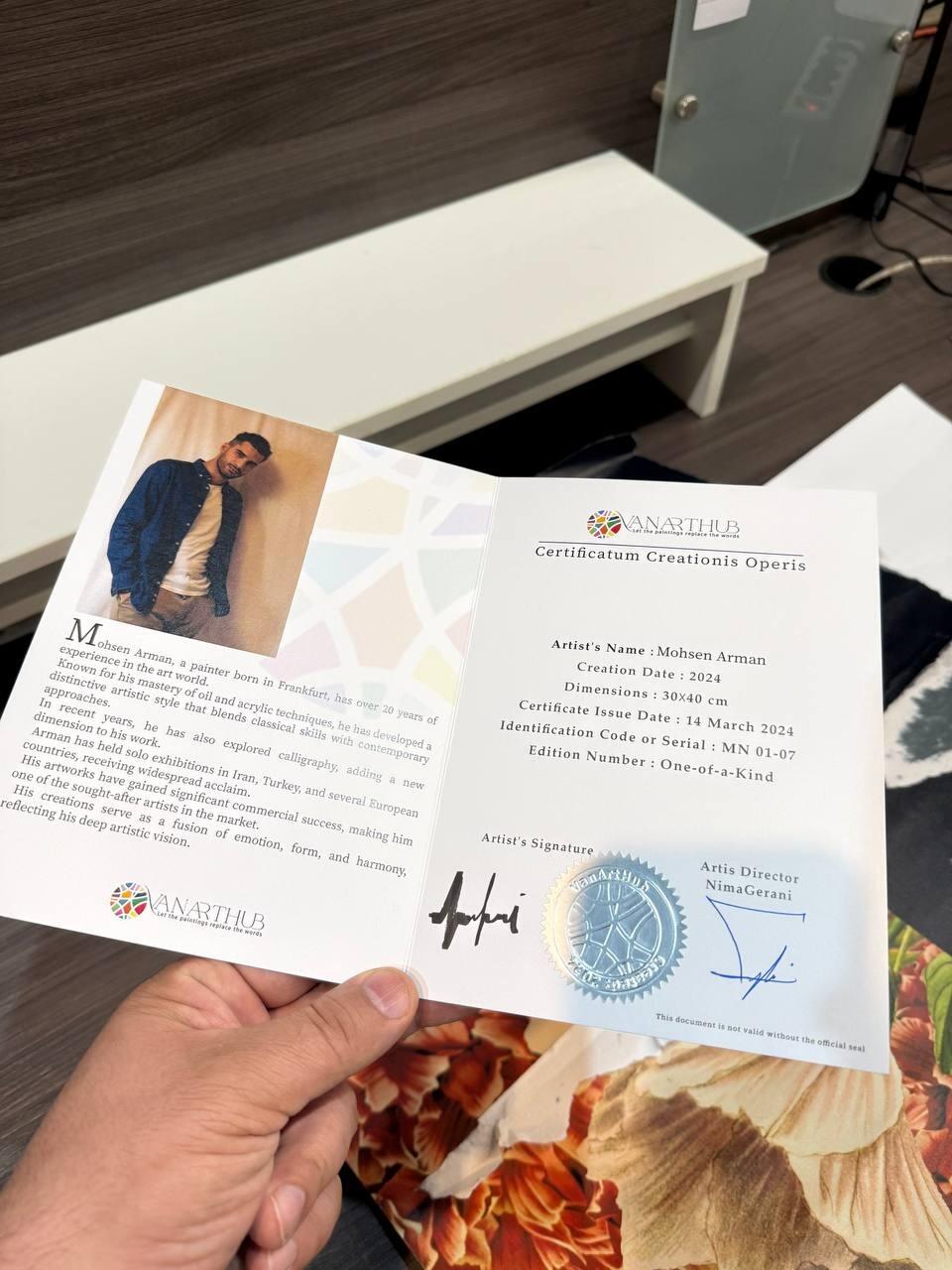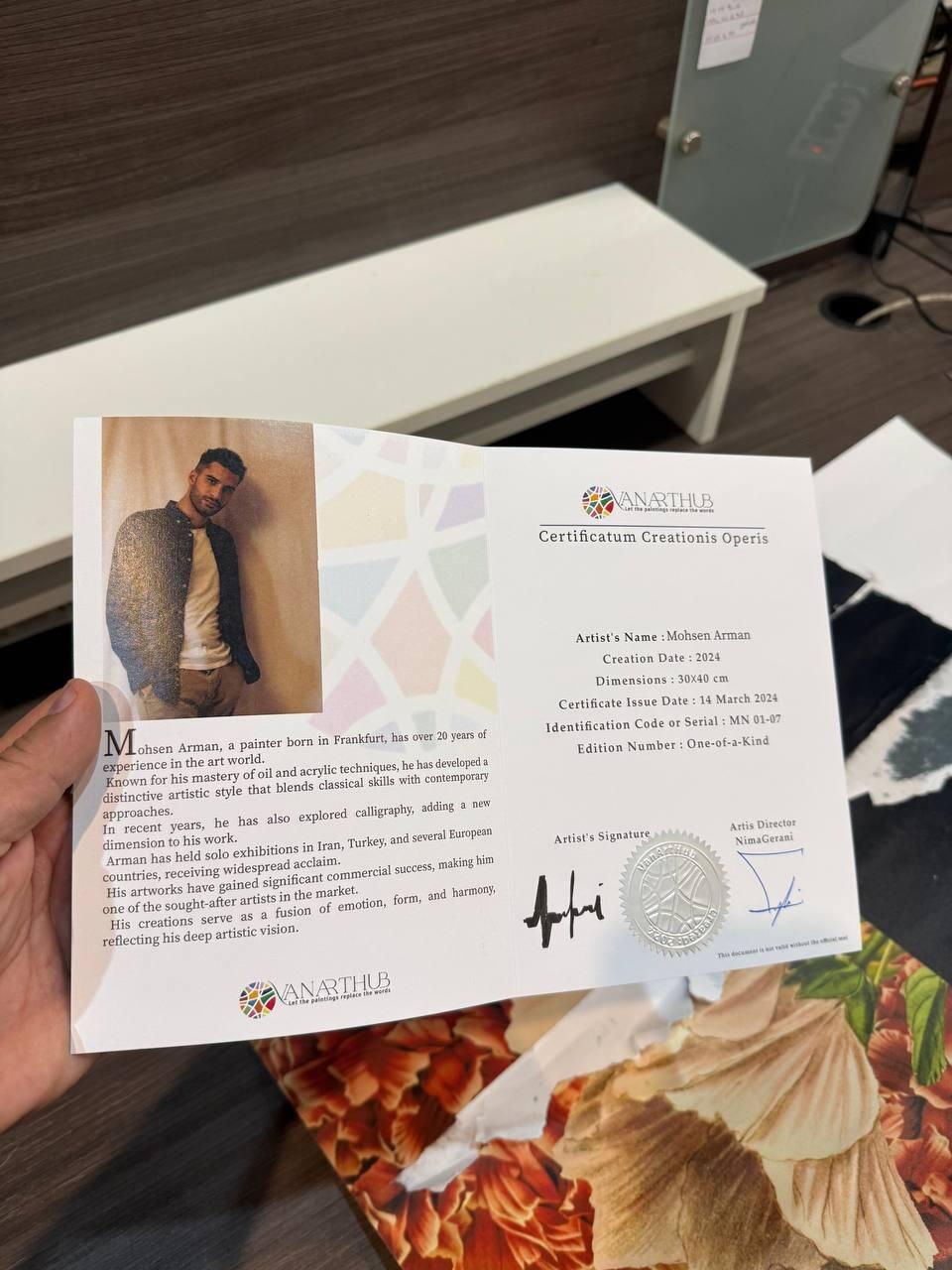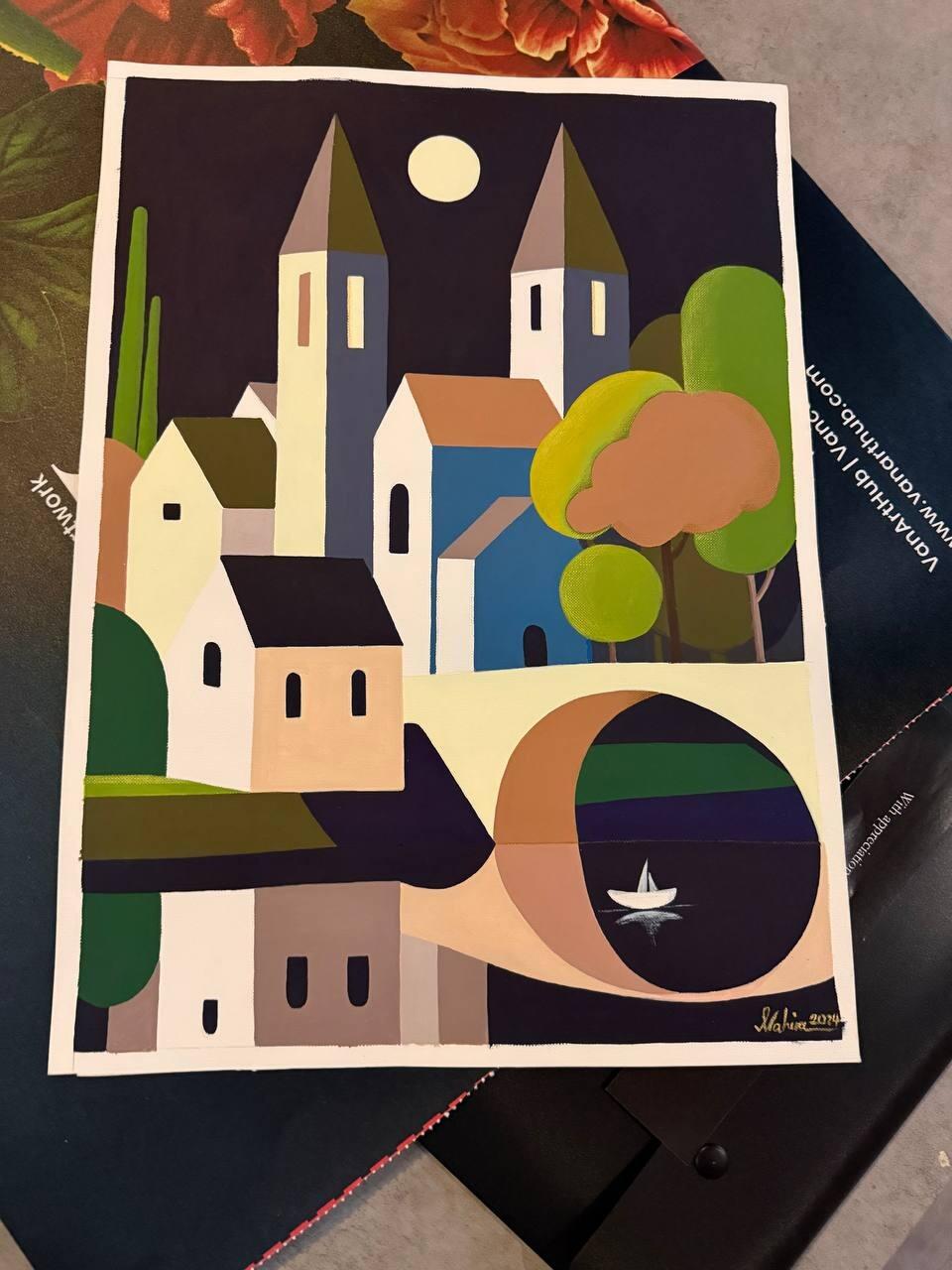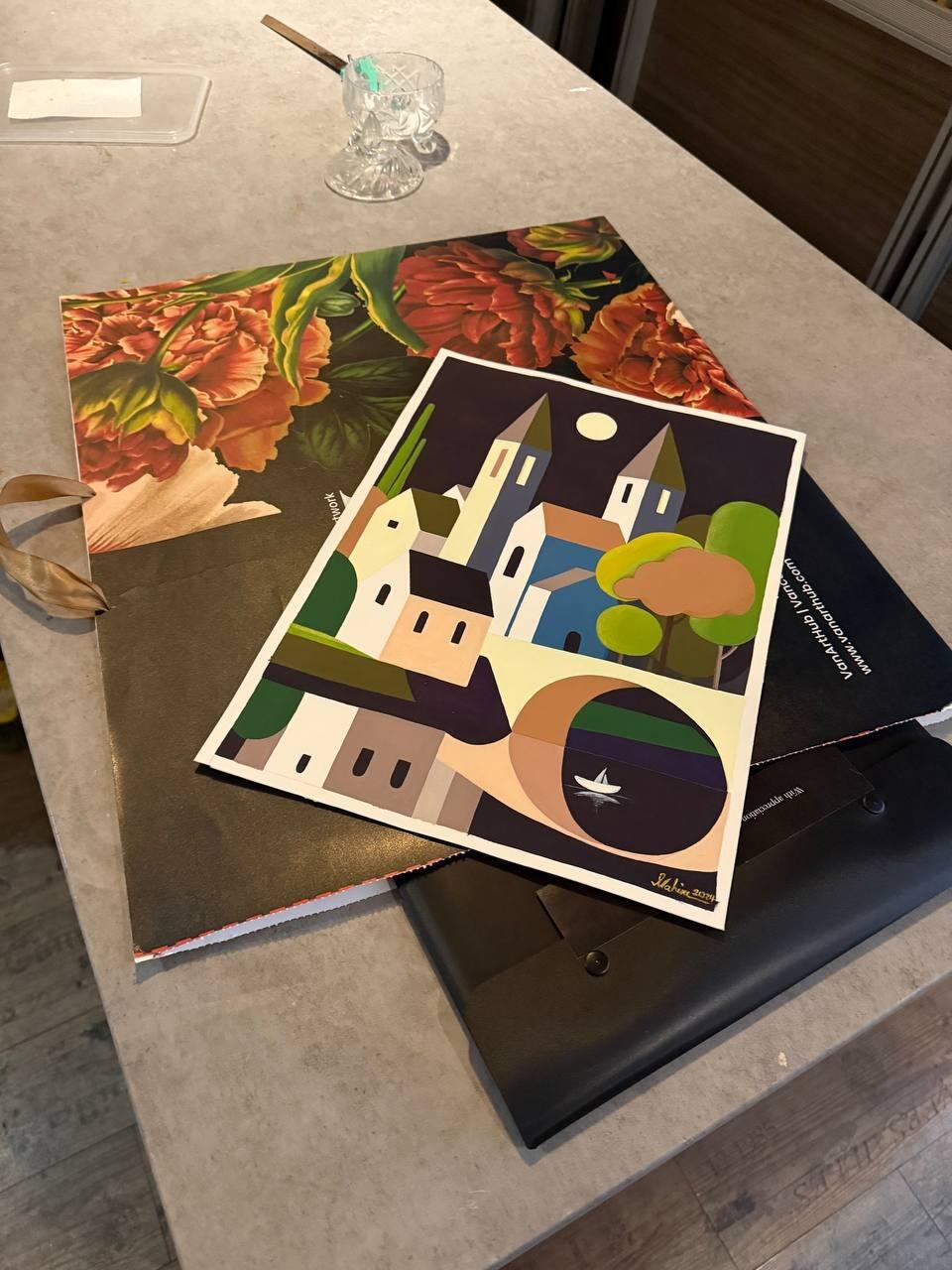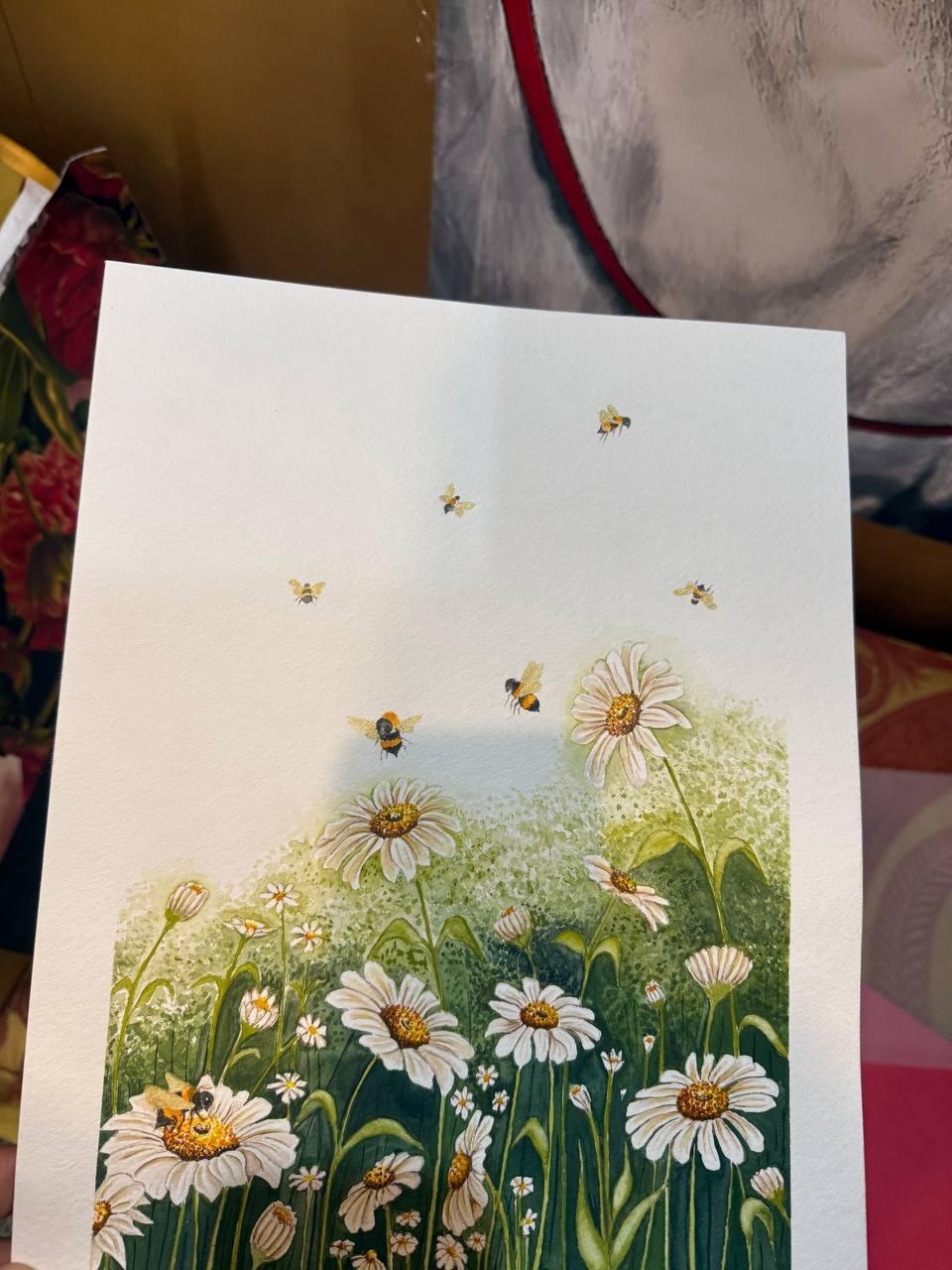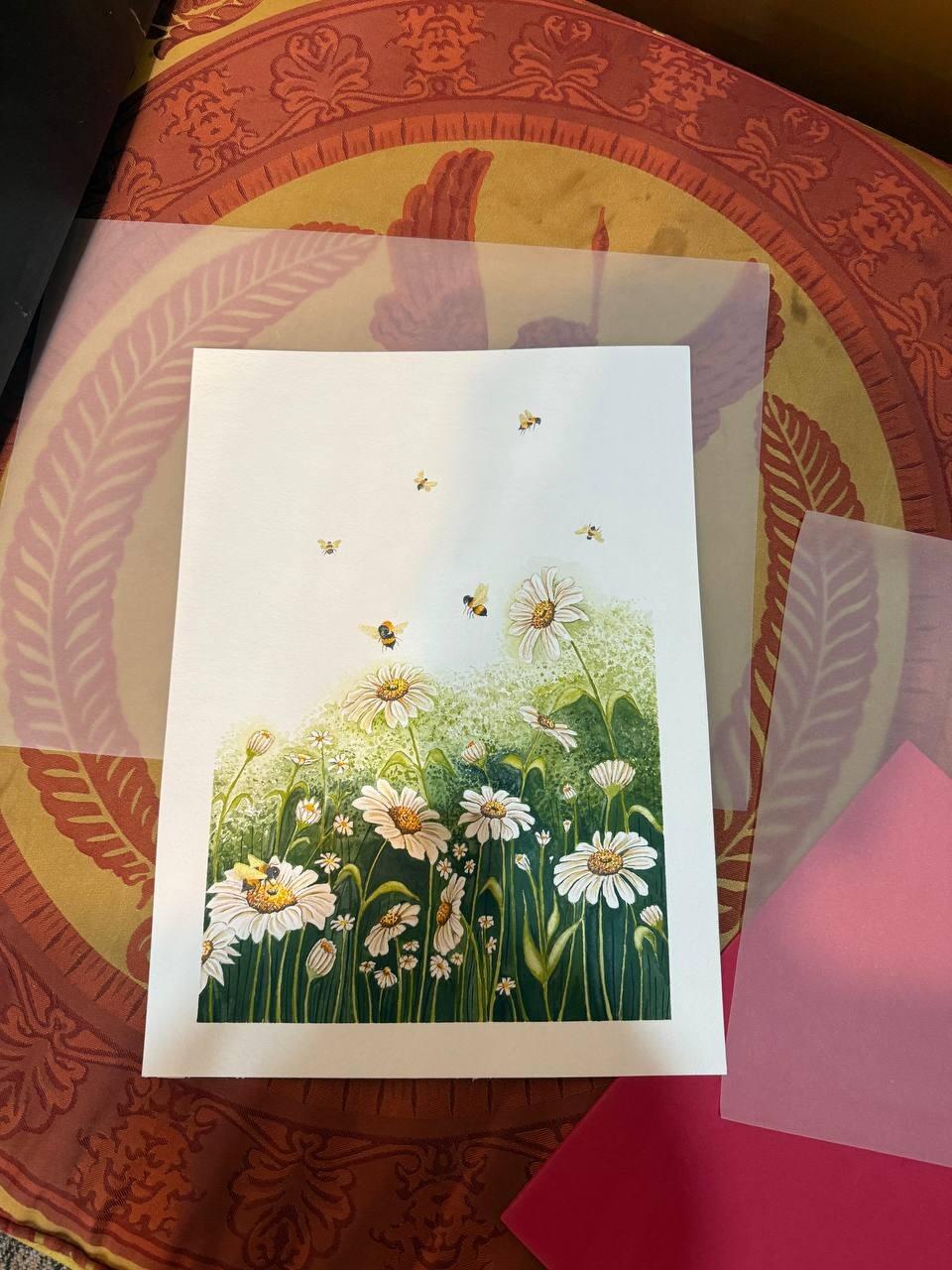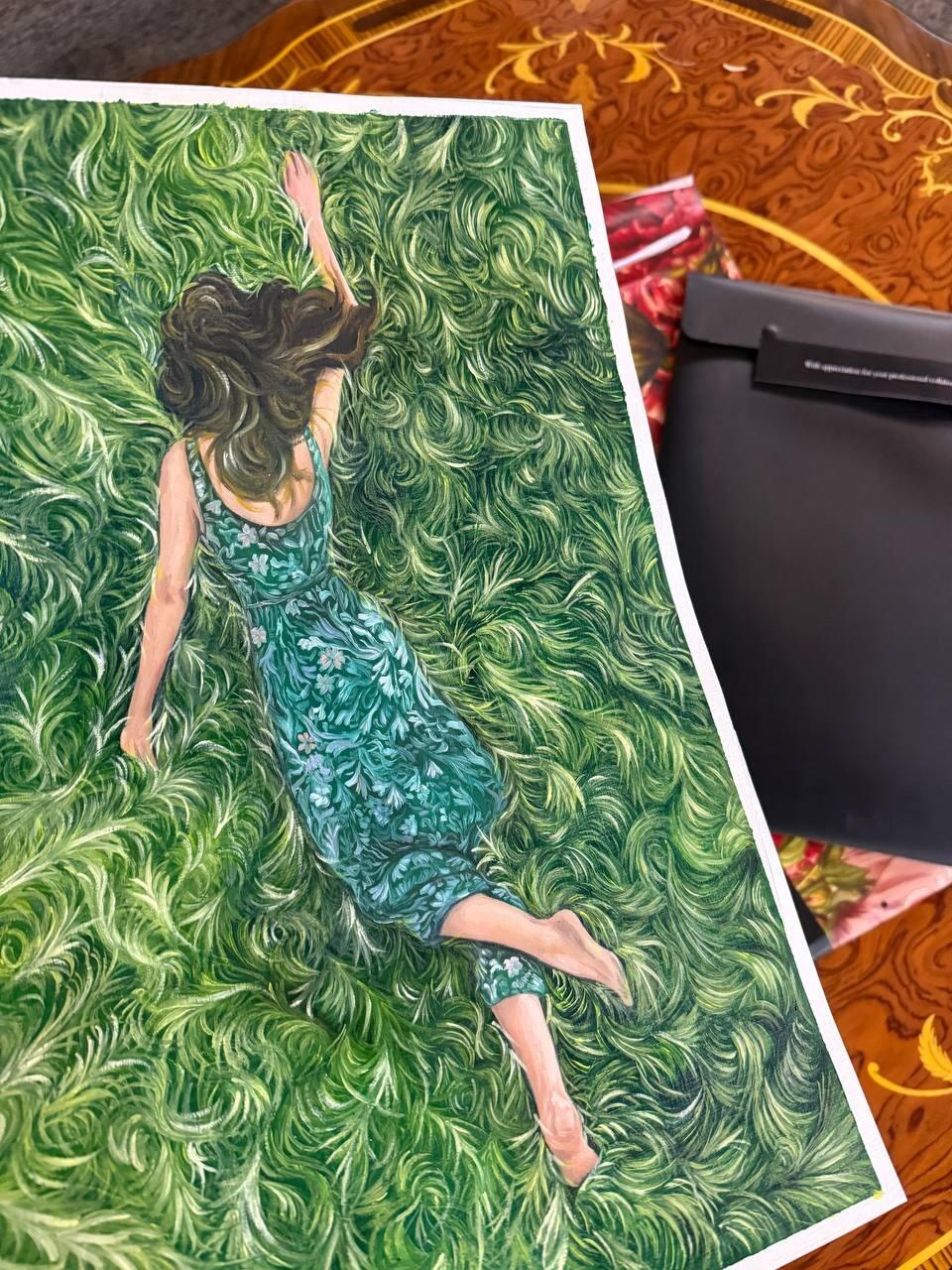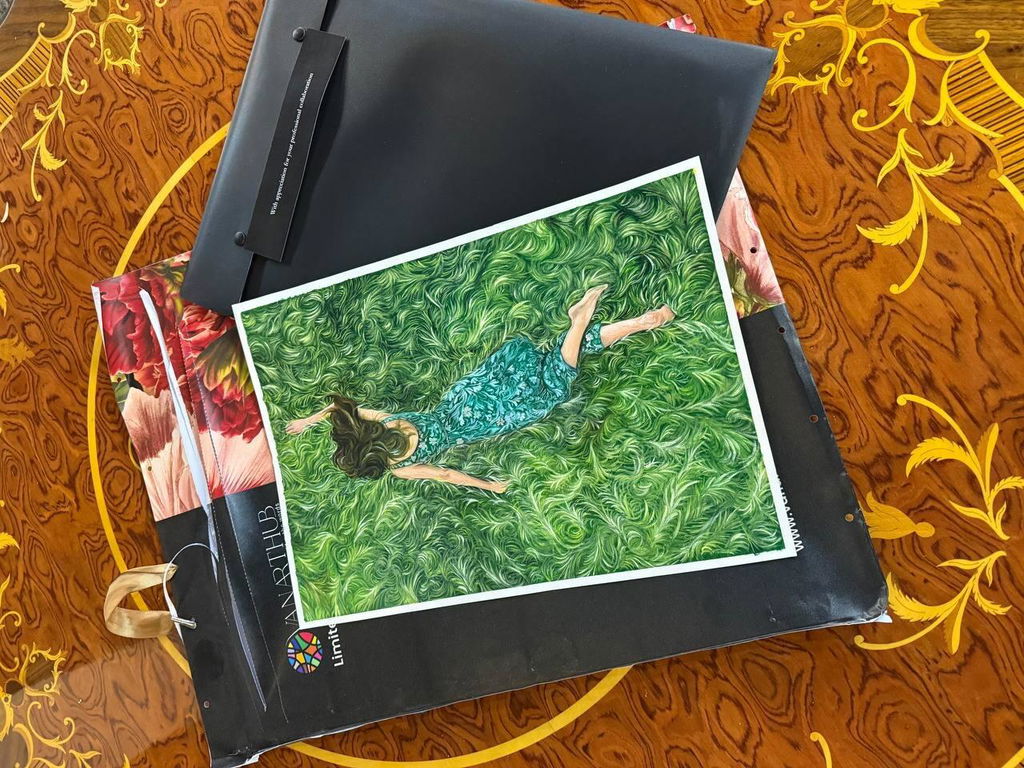
An original painting on canvas from the VanArtHub gallery at 1242 Davie Street in Vancouver.

Objects & textiles · Vancouver

Embroidery & Needlework Framing

Thread flattens against glass and the piece dies. Lacing and a spacer keep the texture that made it worth doing.

Thread has texture, and texture is the entire point of needlework. Pressed under glass it flattens and the piece reads as a printed image of itself. Framed properly, the surface keeps its relief and the light still catches the stitches.

Laced, not glued or pinned

The work is laced onto an acid-free board: thread is run back and forth across the back of the board, pulling the fabric taut evenly from all four sides. It holds the piece flat and under gentle, even tension, and it can be completely undone later. Adhesive mounting and pinning through the fabric are both common and both do permanent damage.

A spacer, always

The glazing is held off the surface with a spacer or a mat, so nothing touches the thread. In a humid room, textile in contact with glass is also where mould starts, so the air gap is doing two jobs.

Old work, and work that is not square

Hand-worked pieces are very often not square, and stretching them until they are will distort the stitching. We lace them to sit true to the work rather than true to the frame, which is usually a difference of a degree or two and is much less noticeable than a distorted design. If the piece is old or the fabric is fragile, mention it before anything is stretched.

What we need

The piece, and enough unworked fabric margin around the design to lace it. If it has already been trimmed close, bring it in as it is and we will look at the options.

floated, so it casts a shadow hidden mount, shaped to the object spacer
An object is floated a few millimetres off the backing board so it casts a shadow and reads as an object rather than as a picture of one. It is held by a mount shaped to it, which touches only where it can safely bear weight, and which can be released without leaving a mark.

How it works

  1. 1

    Bring it in, or send photographs

    Walk in to 1242 Davie Street during opening hours. If you are not in Vancouver, send the dimensions and a photograph and we will work from that.

  2. 2

    We look at the actual piece

    What it is made of, what condition it is in, and where it is going to hang all change the answer. You get a straight recommendation and a price for your piece, not a rate card.

  3. 3

    It is made by hand and fitted

    Cut to the piece, using conservation materials, and finished with hanging hardware rated for the actual weight.

Common questions

Why can't needlework be glued or pinned to a board?

Because both are permanent and both damage the fabric. We lace instead: thread is run back and forth across the back of the board, pulling the fabric taut evenly from all four sides. It holds the piece flat and can be completely undone later.

Does needlework need a mat?

It needs something holding the glazing off the surface, and a mat is the usual way. Thread pressed against glass flattens and the piece reads as a printed image of itself. In a humid room, textile touching glass is also where mould starts.

My piece is not quite square. Can you fix that?

We lace it to sit true to the work rather than true to the frame. Stretching a hand-worked piece until it is geometrically square distorts the stitching, which is far more noticeable than a degree or two of out-of-square.

How much margin does the fabric need?

Enough unworked fabric around the design to lace it, ideally several centimetres on every side. If yours has already been trimmed close to the stitching, bring it in as it is and we will look at the options rather than cutting anything further.

Can old or fragile needlework be framed?

Often, but say so before anything is stretched. Old fabric tolerates much less tension, and the approach changes. Anything already coming apart needs looking at before it is moved.

Will the colours fade?

Thread fades like anything else, and older natural dyes fade faster than modern ones. UV glazing is the main defence, and keeping the piece off a wall that gets direct sun does the rest.

Where to find us

VanArtHub Gallery 1242 Davie Street
Vancouver, BC V6E 1N3
Canada
Gallery opening hours
Monday10 a.m. to 7 p.m.
Tuesday10 a.m. to 7 p.m.
Wednesday10 a.m. to 7 p.m.
Thursday10 a.m. to 7 p.m.
Friday10 a.m. to 7 p.m.
Saturday11 a.m. to 7 p.m.
Sunday11 a.m. to 6 p.m.

Not sure what yours needs?

Send the measurements, what it is made of, and a photograph. We will tell you what it actually needs, including when the answer is that it needs less than you expected.