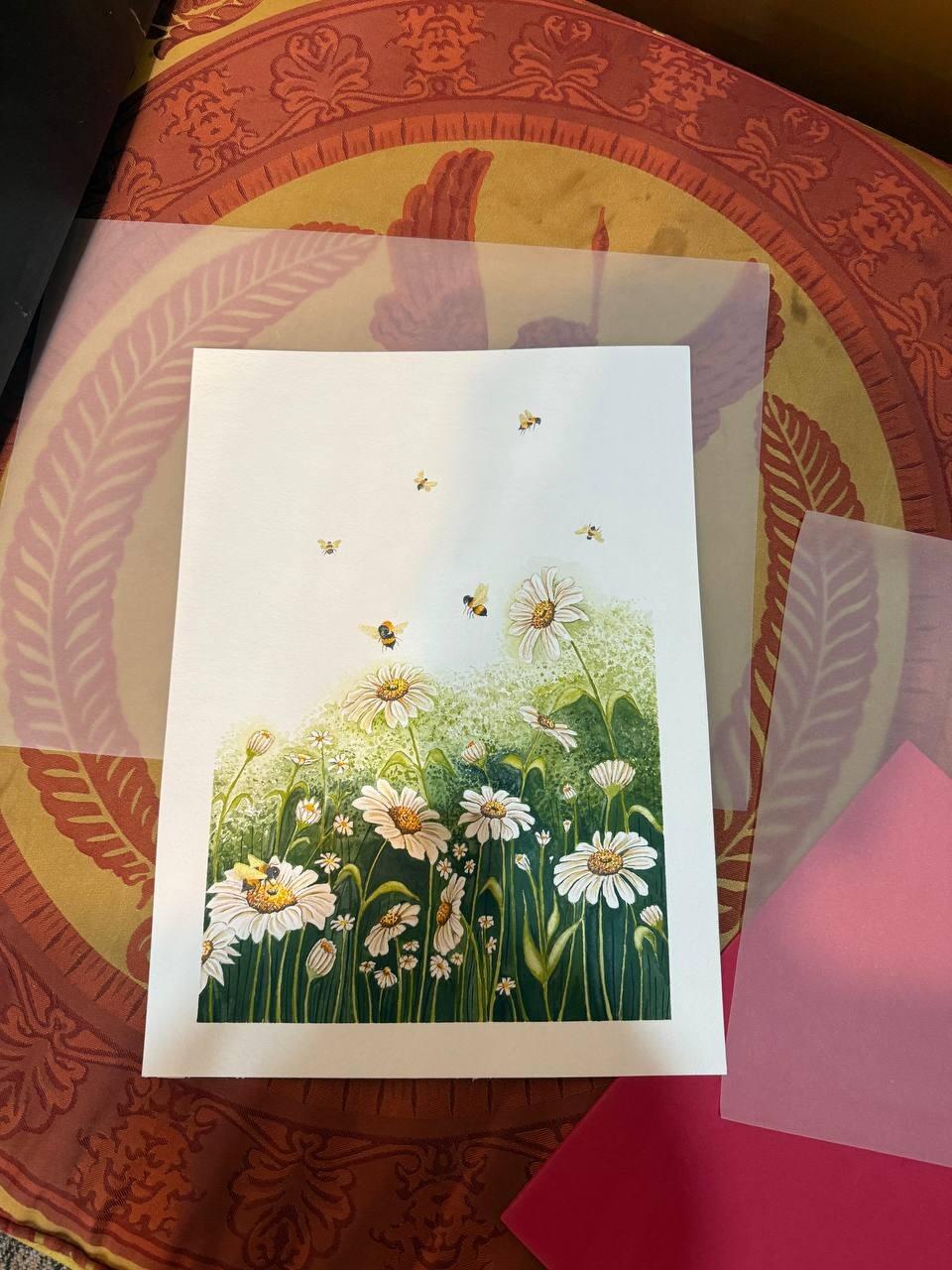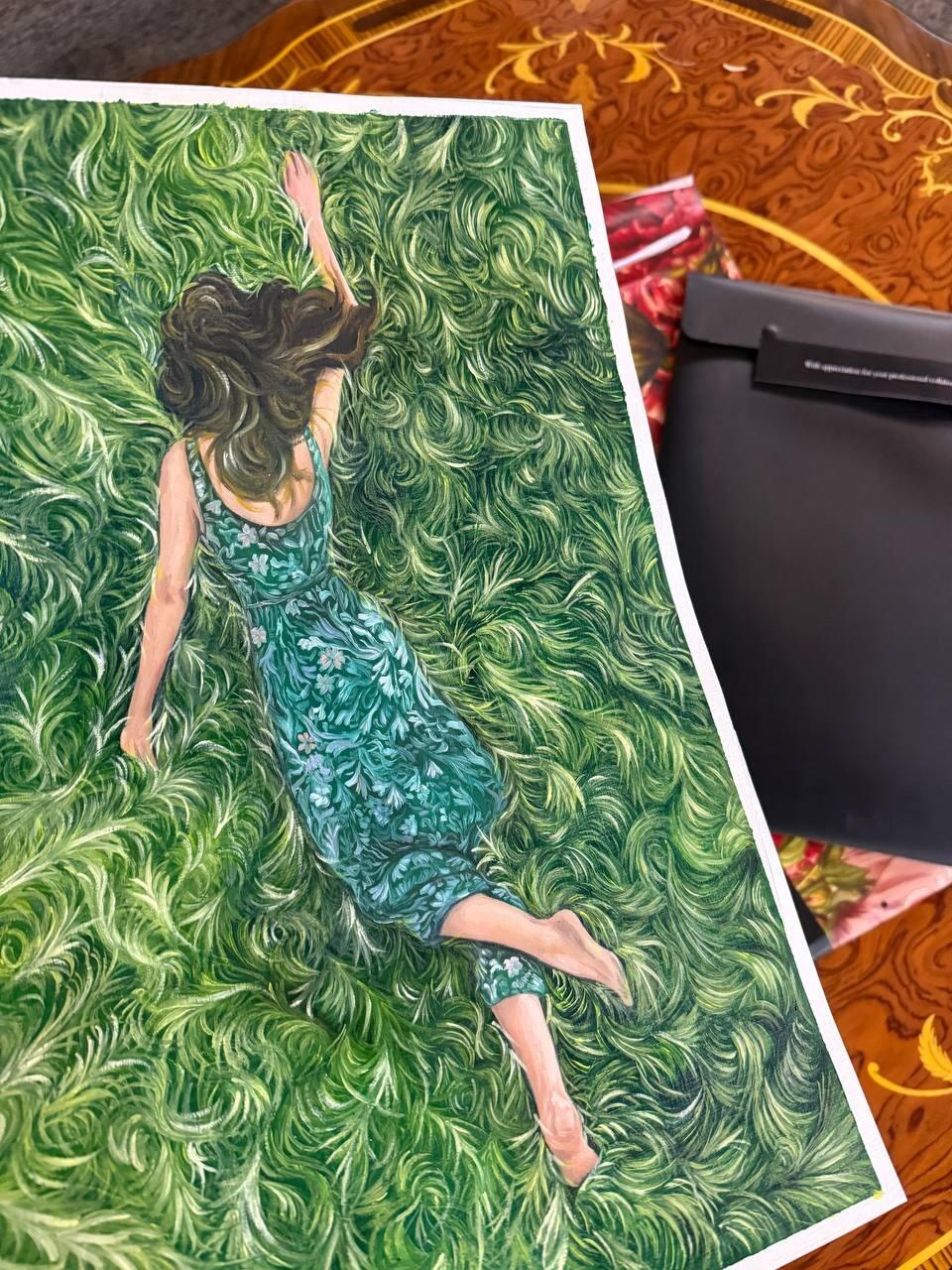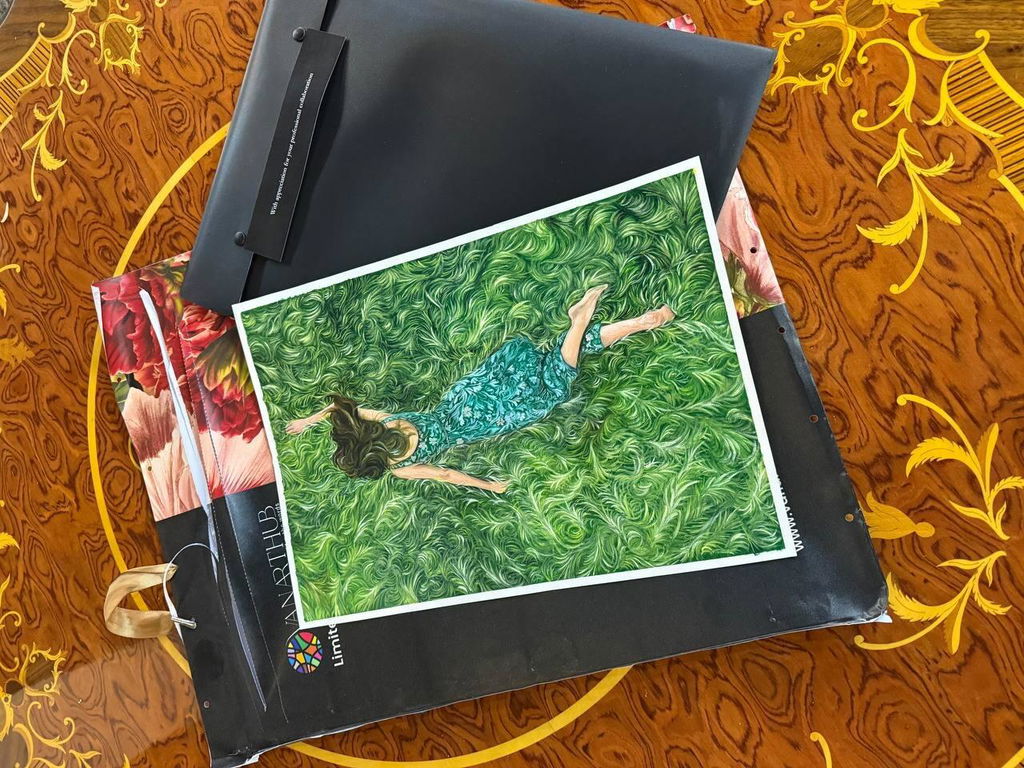
Framing a Watercolour vs Framing an Oil
Updated By VanArtHub Curatorial TeamShare
People assume framing is framing and the medium is a detail. It is the opposite. What the piece is painted on decides almost every choice, and a watercolour and an oil have essentially nothing in common once they reach the bench.
The short version
- Watercolour: glazing, a mat or spacer, hinged at the top edge only, conservation board front and back, sealed package.
- Oil on canvas: no glazing, no mat, a floater frame or no frame at all, backing board on the reverse.
Nothing carries over. Not the glazing, not the mat, not the frame type, not even the way it is fixed in place.
Why paper changes everything
Paper moves. It takes up moisture when the room is damp and gives it back when it dries, expanding and contracting a little each time, constantly, for its whole life.
Frame it so it can move and it stays flat for a century. Pin it down at four corners and the movement turns into permanent cockling, those soft waves you see in badly framed prints.
So a watercolour hangs from two small hinges at its top edge and is free everywhere else. The hinges are Japanese tissue and starch paste, or a conservation tape, both of which release with moisture so a future framer can undo them without touching the artwork.
A canvas has none of this. It is already stretched over a rigid frame, so it is not going anywhere.
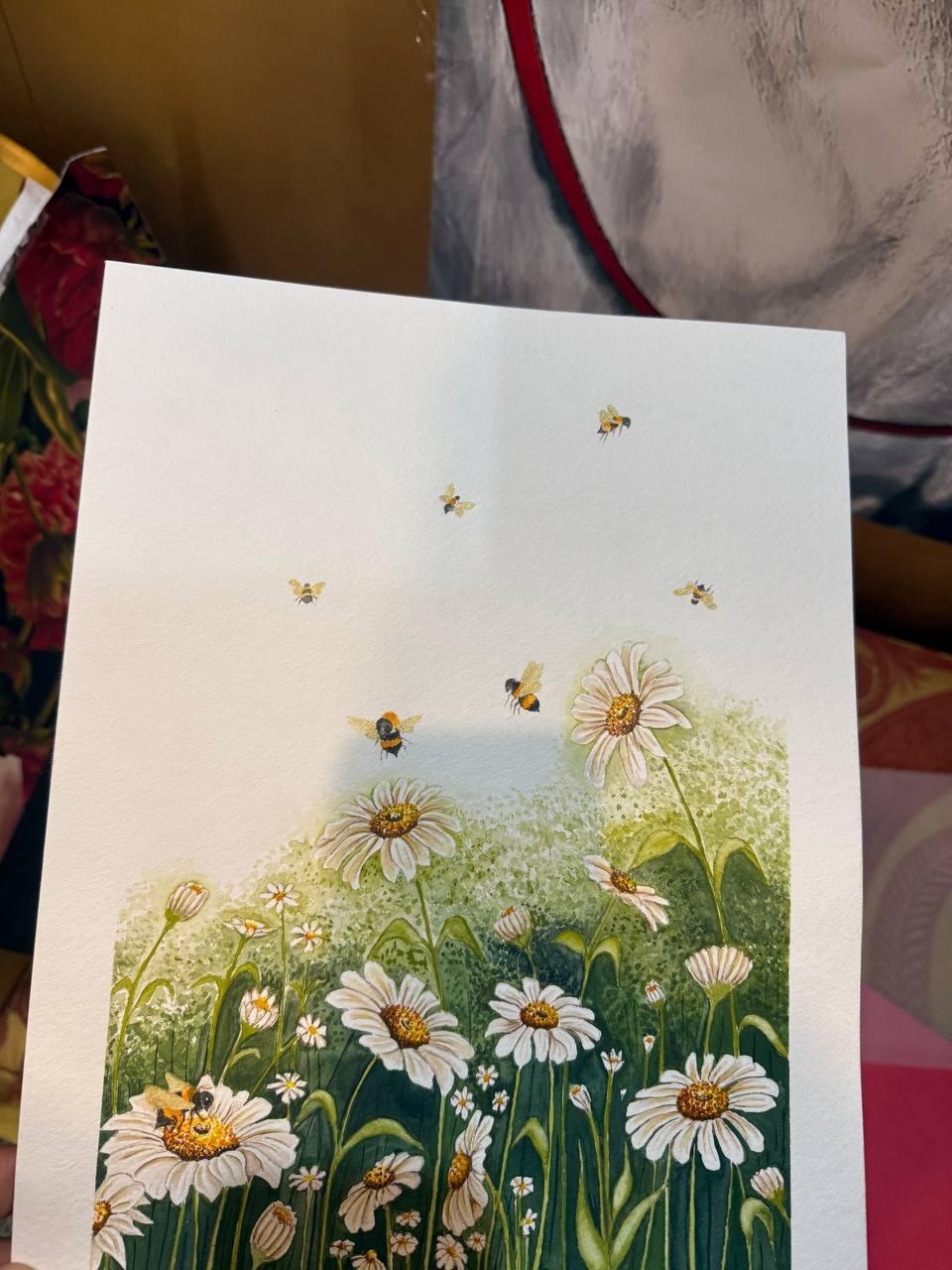
Watercolour is the most light-sensitive medium in common use
Some watercolour pigments visibly fade within a few years on a bright wall. This is not a slow, theoretical decline; it is something you can notice in the same decade.
UV-filtering glazing is not optional on a watercolour, and placement matters more than for almost anything else. If you have one wall that gets direct sun, put a canvas there and keep the watercolour somewhere calmer.
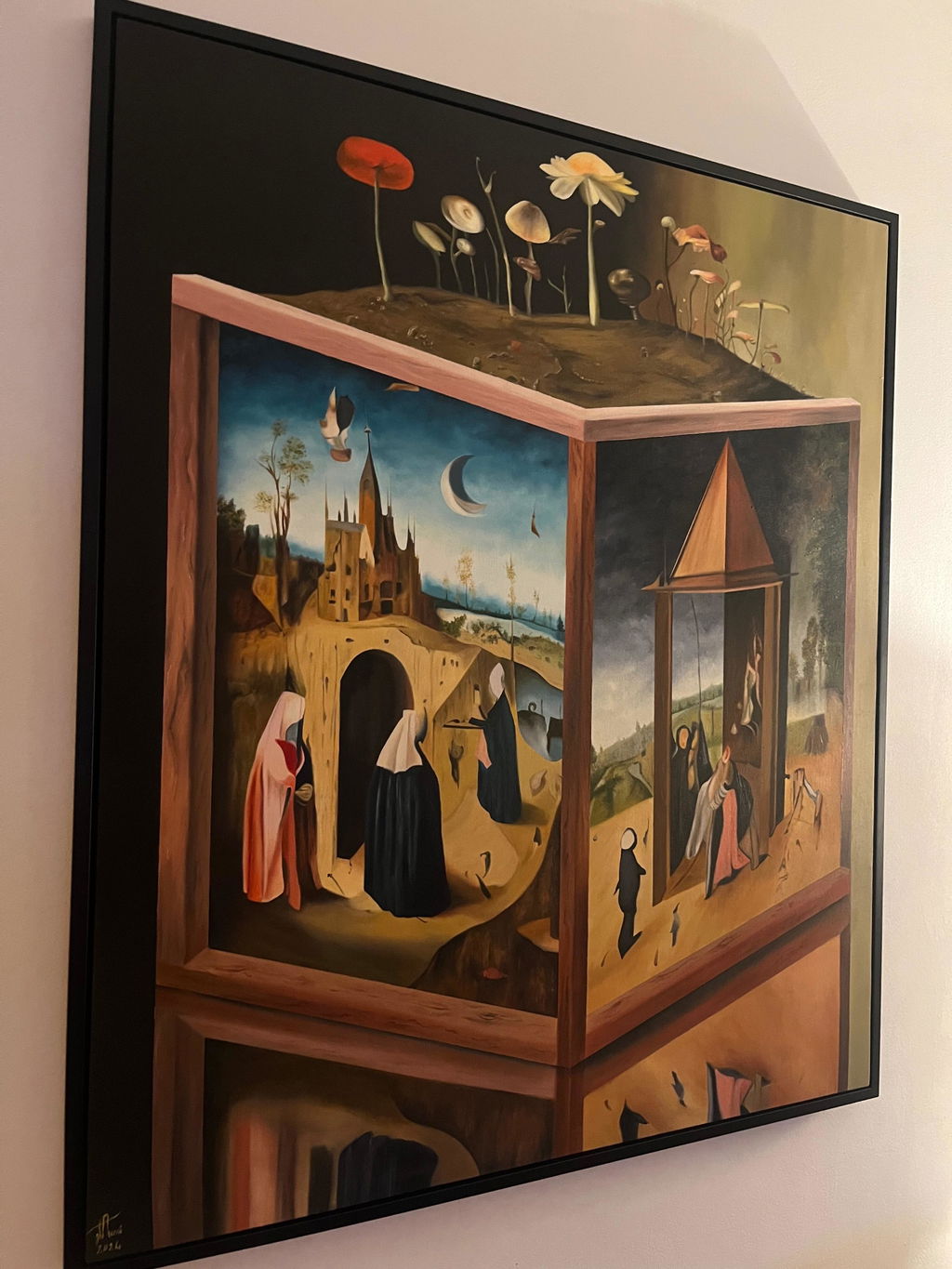
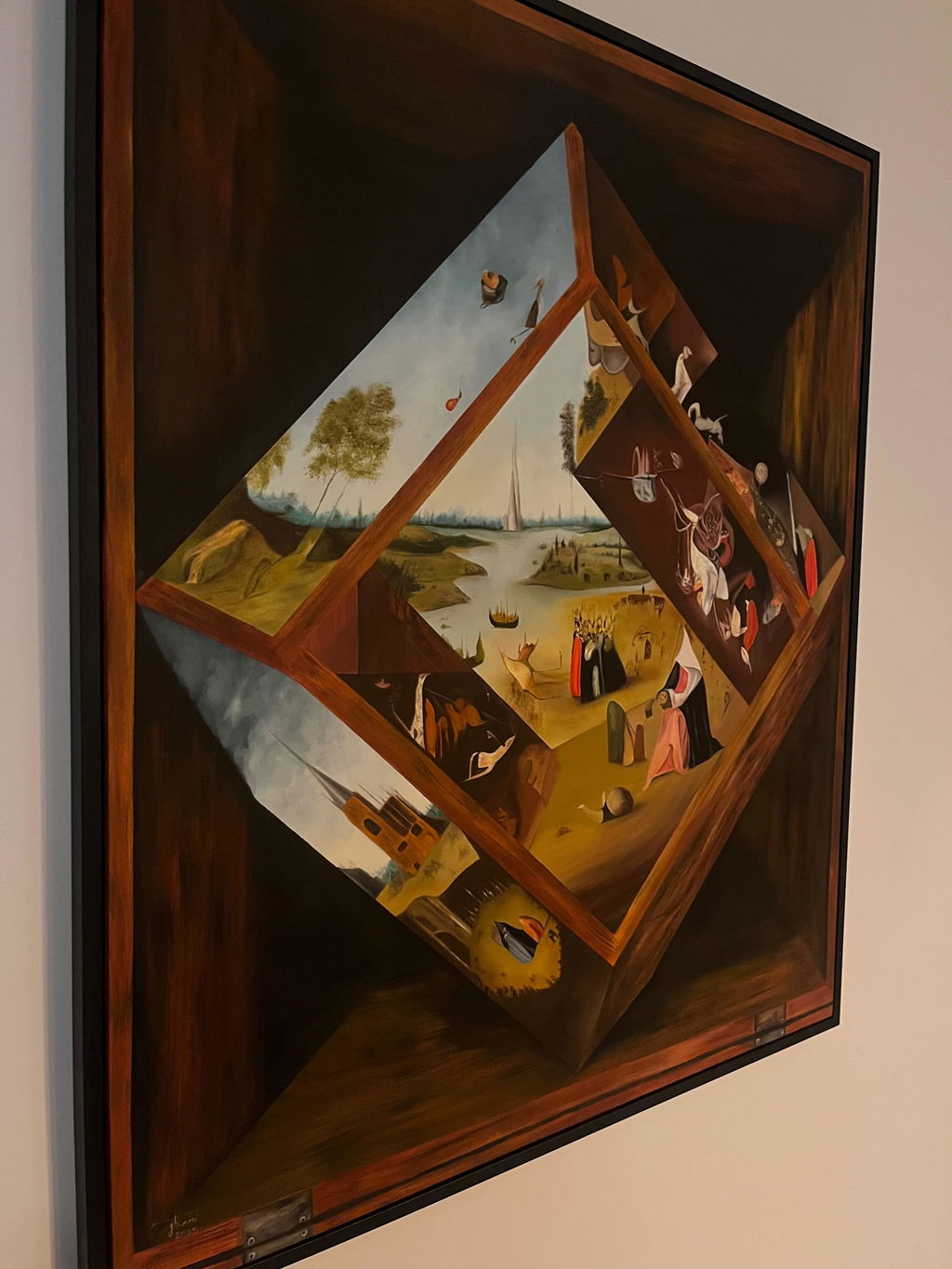
An oil is far more robust to light, though not immune. What an oil is sensitive to is heat and humidity cycling.
Nothing may touch a watercolour's surface
Either a mat holds the glazing off the work, or a spacer does. Glass resting directly on paper is a problem waiting to happen, because any moisture at all and the sheet sticks to the glass. Separating them then takes the surface with it.
Heavy watercolour paper also cockles more dramatically than thin paper, which makes correct hinging matter more, not less.
And an oil must not be sealed against glass
The opposite problem. Oil paint cures by oxidation over months and years, taking in oxygen and releasing small amounts of solvent along the way. Seal it tight against glazing and that exchange is interrupted, which can leave a haze on the inside of the glass or a surface that stays tacky.
Most oils are varnished anyway, and the varnish is already the protective layer.
Where the money goes is different too
On a watercolour, the spend is in the glazing and the board, because those decide how long the colour lasts. The moulding is the least important part.
On an oil there is no glazing and no board, so the frame is most of the cost. The useful, cheap addition is a backing board on the reverse of the stretcher, which keeps dust and insects out and cushions knocks from behind. It is the most-skipped worthwhile step in framing a canvas.
The rule that covers everything
The support decides, not the subject. Acrylic on paper is framed as a work on paper. A varnished photograph on canvas is framed as a canvas. Ask what it is painted on, not what it is painted with.
More in framing works on paper, framing oil vs acrylic, and do oil paintings need glass.
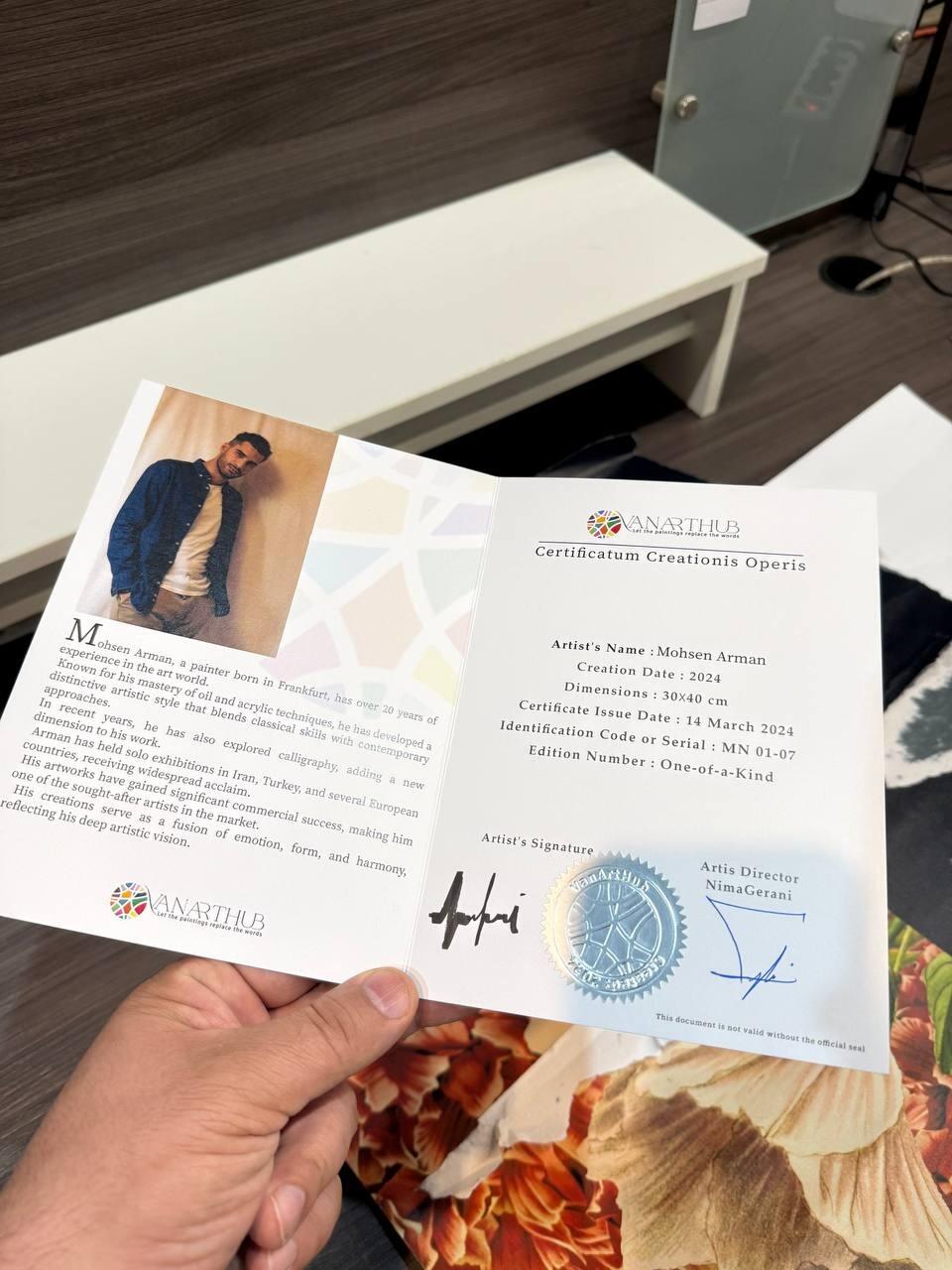
We frame both in-house, at our gallery on Davie Street in Vancouver. Every piece we sell is a signed one-of-a-kind original with a Certificate of Authenticity, free insured shipping across Canada and the USA, and a 14-day trial. Browse available originals.