Wildlife Art That Is Not Kitsch: How to Choose
Updated By VanArtHub Curatorial TeamShare
You know the painting we mean. A wide-eyed wolf howling at a full moon, or a pair of loons on a mirror-still lake, printed by the thousand and hung in every cabin and waiting room you have ever seen. That is wildlife art as decoration. There is another kind, a real animal seen by a real person, painted with attention, and it does not look anything like the poster.
What makes wildlife art turn into kitsch
Kitsch is not about the subject. A wolf can be a great painting. It becomes kitsch when the artist paints the idea of a wolf instead of the animal in front of them. The signs are consistent once you know them. The eyes are too big and too human. The pose is a greeting-card pose, front and centre, staring at you. The light is a fake golden glow with no real source. Every hair is rendered but nothing is felt.
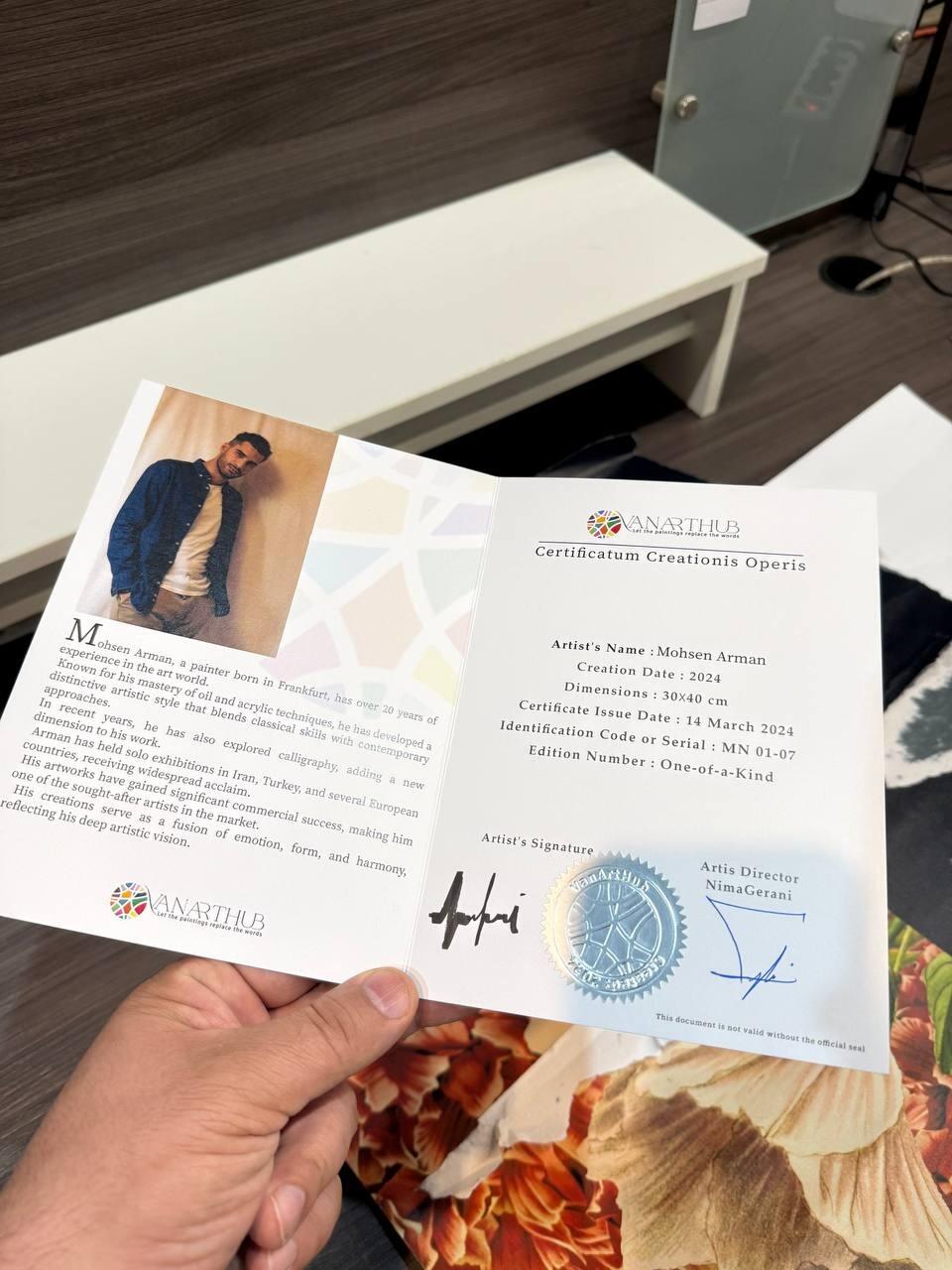
The deeper problem is that these images are made to sell in volume, not to record a moment. That is why the same fox shows up in a thousand rooms. An original painting cannot do that. When we sell a piece at VanArtHub, one person owns it and no one else in the world owns a copy, because it is an original signed painting straight from the artist, not a print run.
Look for observation over cuteness
The single best test is whether the artist actually looked. A heron that has been watched has awkward knees, a slightly hunched neck, and feathers that sit wrong in the wind. A heron that has been copied from a stock photo is perfectly symmetrical and slightly dead. Real observation shows up in the small things: mud on a paw, one ear turned back to listen, the way weight sits on a bird's feet.
Cuteness is the opposite move. It flatters the animal to flatter the buyer. Ask yourself if the animal in the painting could be doing anything except posing for you. If the answer is no, it is probably kitsch.
Restraint beats detail
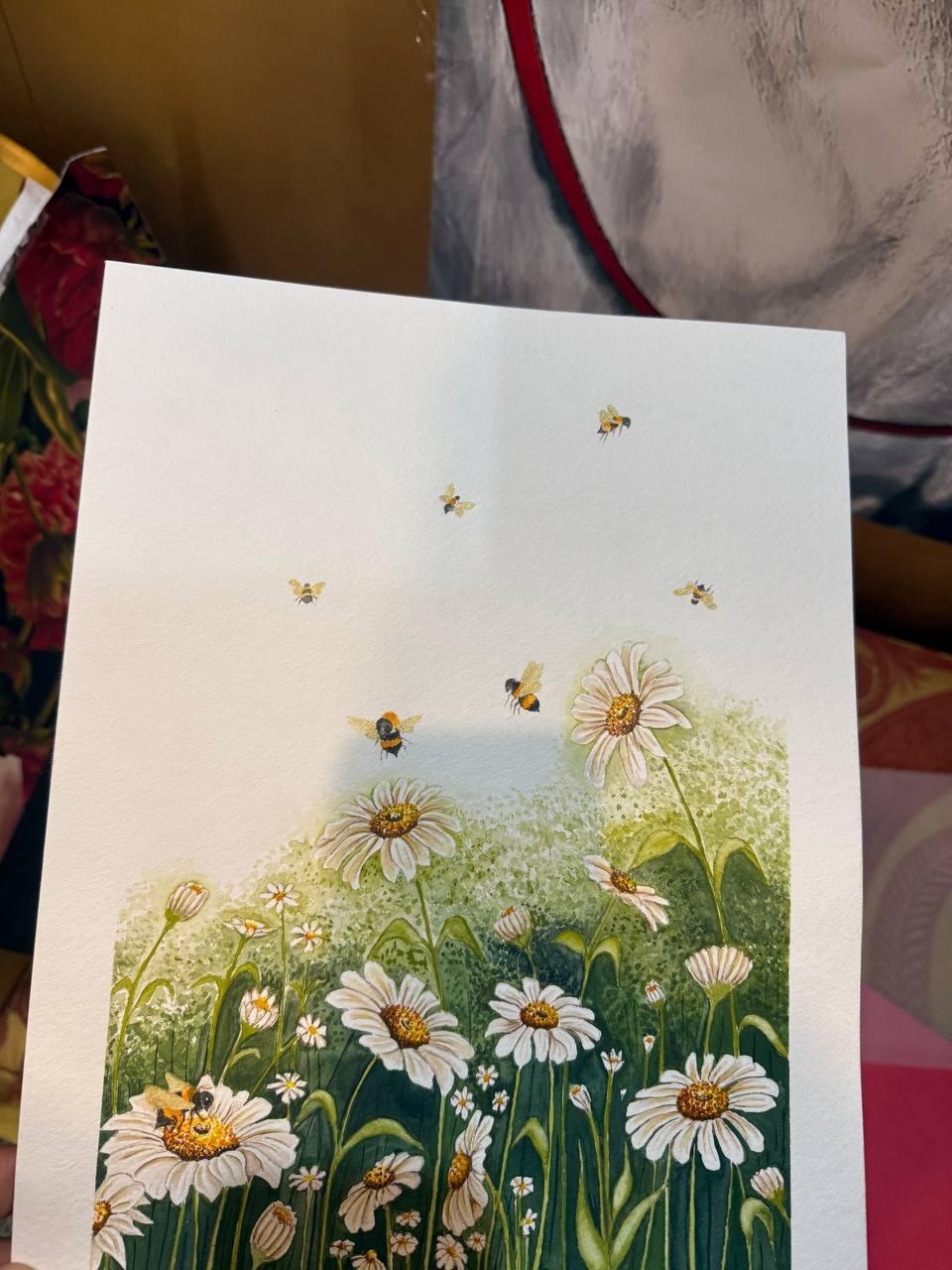
New buyers often think the most impressive wildlife painting is the one with the most fur rendered, every whisker in place. Usually the opposite is true. A confident painter leaves things out. They will suggest the far side of the animal in three brushstrokes and let your eye finish it. That takes more skill than filling in every hair, and it reads as calm rather than fussy.
Detail everywhere with no hierarchy is a common tell of work made to look like a photograph. A photograph is not the goal. If you wanted the photo, you would buy the photo.
Character is the whole point
The best animal paintings have a specific animal in them, not a species. This raccoon, cautious and a little annoyed. This old moose, tired. You should be able to describe the animal's mood in one word. That is character, and it is the thing a factory print cannot fake, because character comes from one person deciding what to notice.
Here is a quick side by side to hold in your head.
| Tasteful original | Lodge cliche |
|---|---|
| A specific animal with a mood | A generic species, front and centre |
| Real light with a source | Fake golden glow everywhere |
| Restraint, some areas left loose | Every hair rendered, no hierarchy |
| Slightly awkward, true anatomy | Perfect, symmetrical, posed |
| Signed, one of a kind | Printed by the thousand |
Where it works: hang it at eye level
A good animal painting invites you to meet the animal, so the placement should let you do that. Hang it so the centre of the piece sits roughly at eye level, about 145 to 150 cm from the floor to the middle of the work. Too high and the connection breaks, because you are looking up at an animal that should be looking back at you.
These paintings tend to reward a quieter spot over a busy gallery wall. A hallway you pass slowly, a reading corner, the wall you see from your favourite chair. Give it room to breathe and it keeps giving something back for years.
Key takeaways
- Kitsch is about how the animal is painted, not which animal it is.
- Look for real observation: true, slightly awkward anatomy over flattering cuteness.
- Restraint and loose areas signal skill. Every-hair detail often signals a copied photo.
- The best pieces show a specific animal with a mood, not a generic species.
- Hang the work at eye level, around 145 to 150 cm to centre, in a calm spot.
If you want to see the difference in person, spend a few minutes with our Canadian wildlife paintings and our wider Canadian nature art, then browse the current originals in the animal paintings collection. Every piece is an original signed painting from a Vancouver artist, shipped free and fully insured across Canada in 3 to 7 business days and to the USA in 5 to 10. Live with it for 14 days, and if it does not feel right on your wall, send it back for a full refund with return shipping on us. That is how sure we are that a painted animal you can actually meet beats a poster you scroll past.