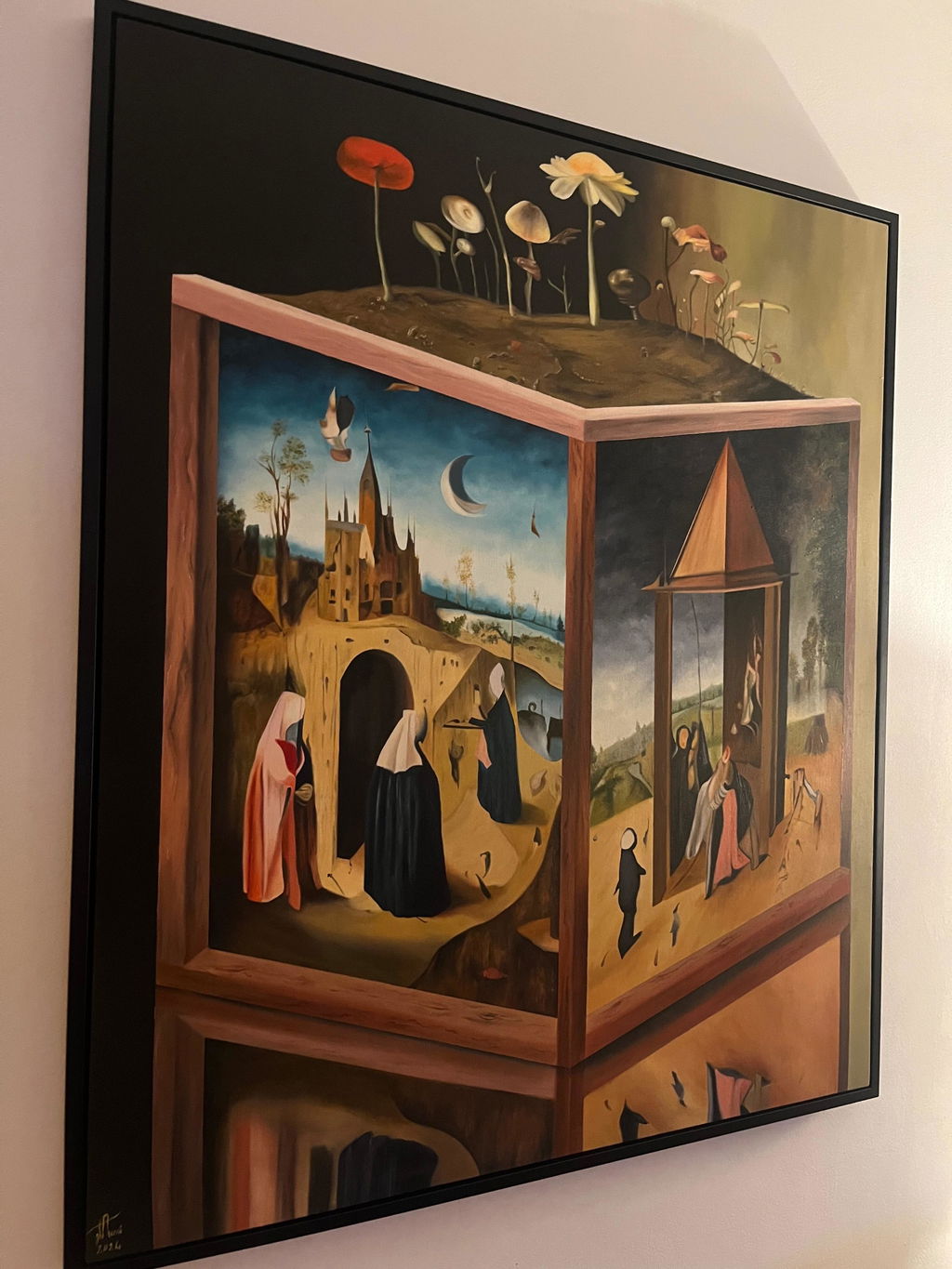
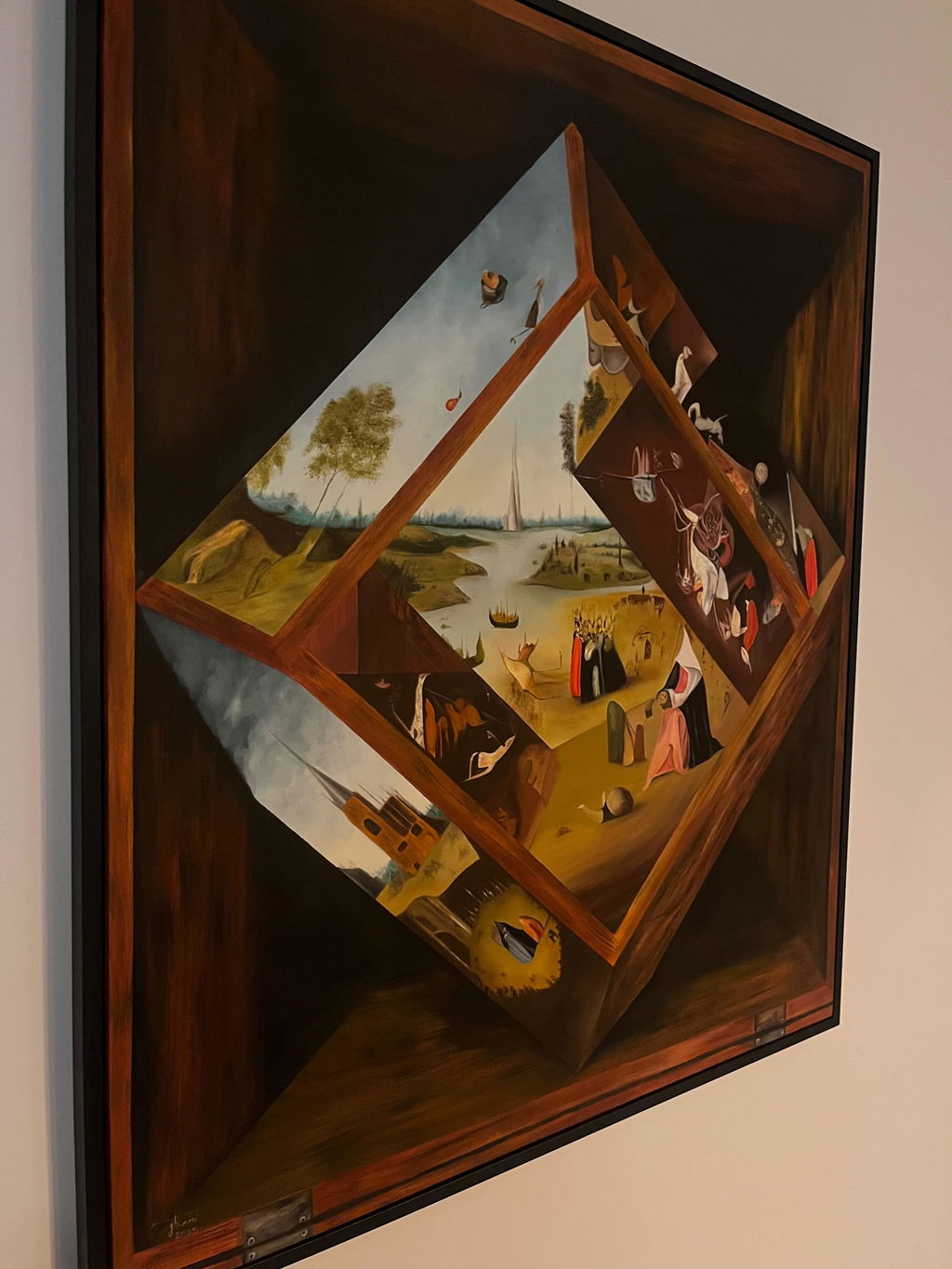
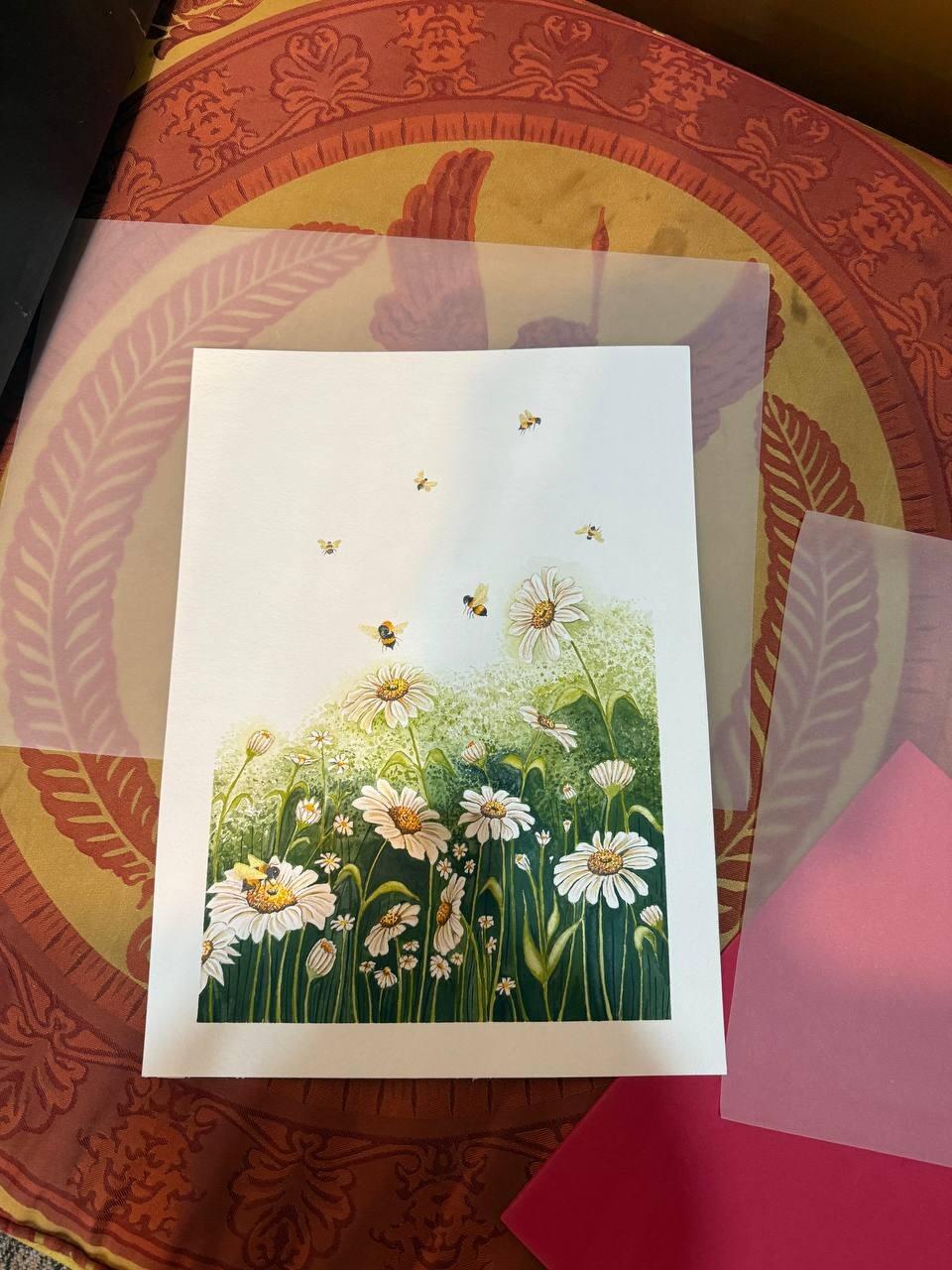
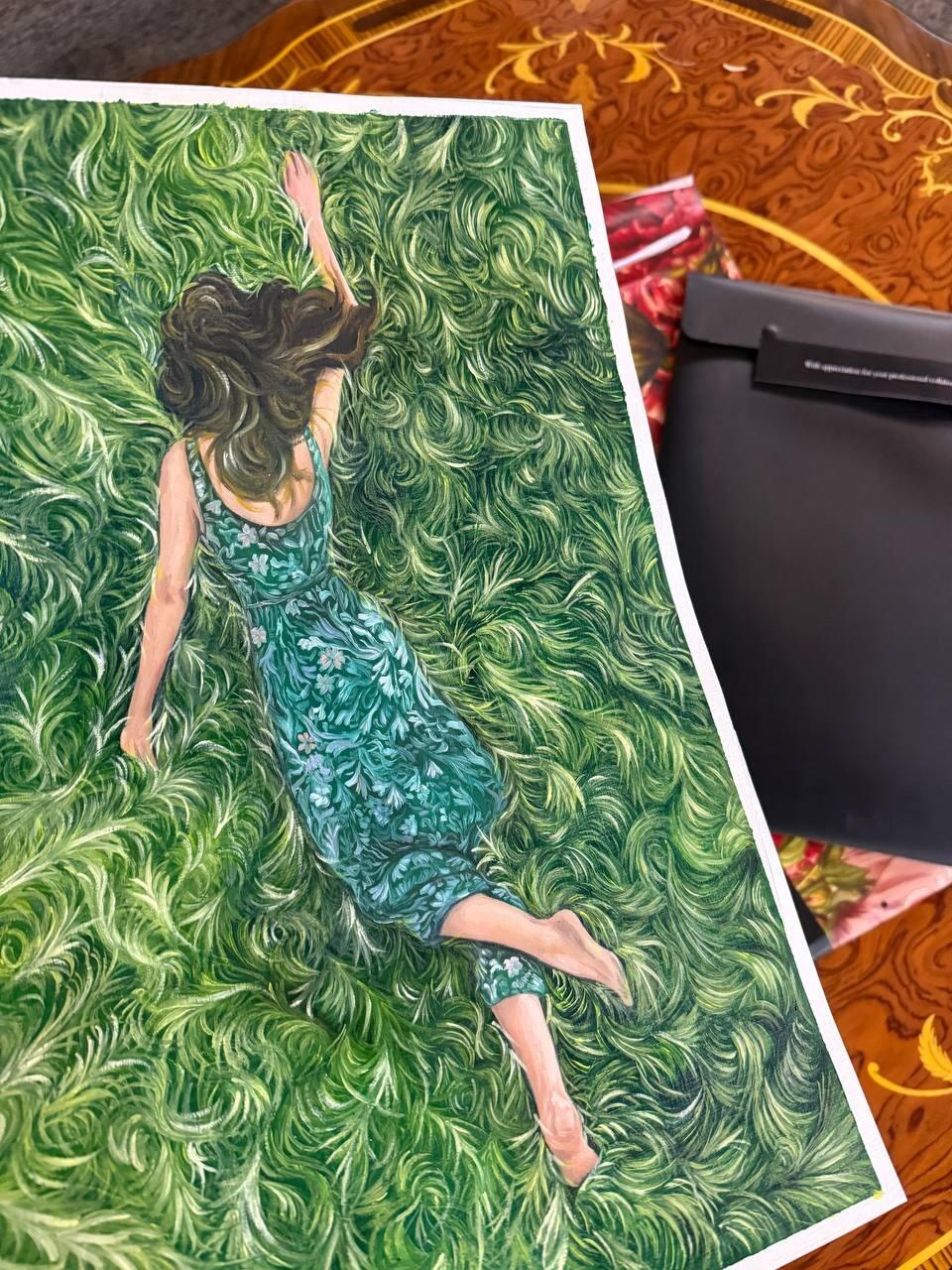
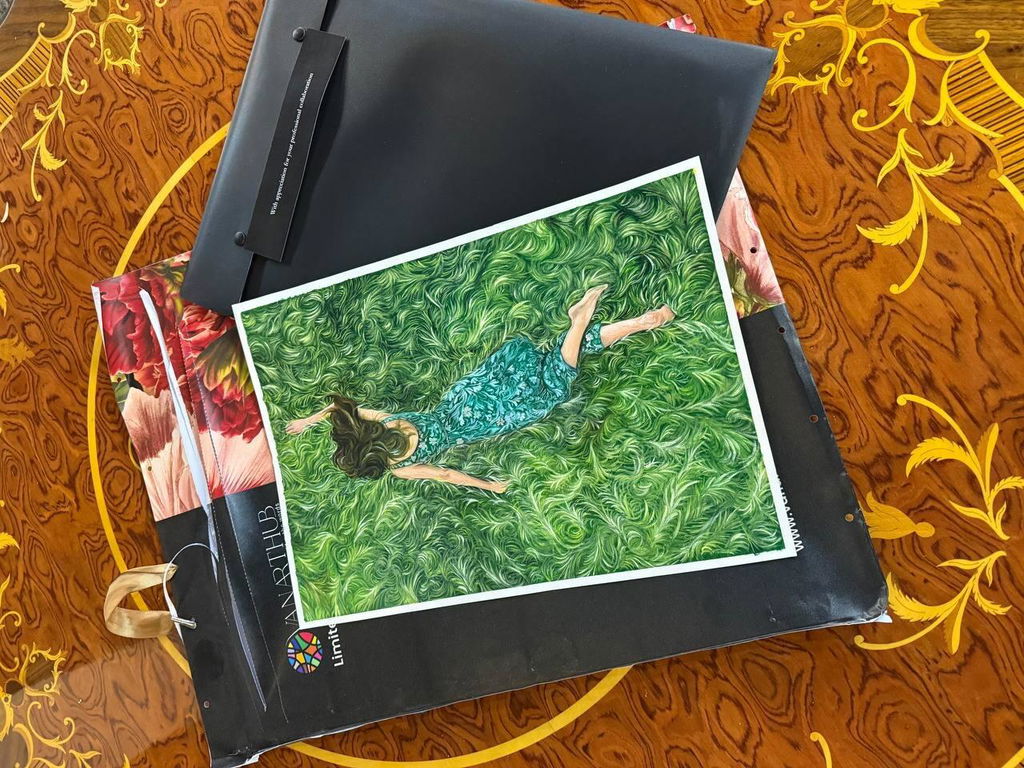
Paintings from Canada that were executed entirely by hand enter the United States free of duty, and as of September 2026 they are also exempt from the country-wide tariffs the United States places on Canadian goods. The standard rate for US tariff heading 9701 is Free. The 10 percent Section 301 tariff on products of Canada, in force since 24 July 2026, exempts informational materials, and US Customs and Border Protection lists artworks in that category.
Between February 2025 and July 2026 the United States put three different surcharges on goods from Canada, and the Supreme Court ruled that the law behind the first one does not allow tariffs. Each of the three exempted artworks. This page goes through them in date order, with the official source for each, and shows how a customs filer claims the exemption on a painting.
For the base duty rule and what happens when a box reaches the border, our guide to shipping original art from Canada to the USA is the shorter read. This page is the deeper one, on the tariff orders themselves.
Key takeaways
- A painting executed entirely by hand is classified under US heading 9701, and a painting less than 100 years old goes under subheading 9701.91.00, with a general duty rate of Free.
- Executive Order 14193 of 1 February 2025, which put an extra 25 percent duty on products of Canada, excluded items covered by 50 U.S.C. 1702(b), and that clause names artworks.
- On 20 February 2026 the Supreme Court held in Learning Resources, Inc. v. Trump that the International Emergency Economic Powers Act does not authorize the President to impose tariffs.
- The 10 percent Section 122 surcharge ran from 24 February to 24 July 2026, and artworks were exempt under heading 9903.03.11.
- The 10 percent Section 301 tariff on products of Canada took effect on 24 July 2026, and artworks are exempt under heading 9903.05.92.
Duty and a tariff surcharge are two different charges
A duty is the standard import tax for a product. It sits next to the product's code in chapters 1 to 97 of the US Harmonized Tariff Schedule, the official list of every product code and its rate. A tariff surcharge is an extra percentage added on top of that standard duty by a presidential order or a trade action. US Customs lists each surcharge under its own code in chapter 99 of the same schedule.
The two add together. The Section 301 notice of July 2026 says products subject to its extra duty "shall also be subject to the general rates of duty" in chapters 1 to 97. The Section 122 proclamation said its surcharge was to be "treated as a regular customs duty". So a buyer needs two answers for any import: the standard rate, and whether a surcharge applies. For a hand-made painting from Canada, as of September 2026, both answers are zero.
Heading 9701: the standard rate for a hand-made painting
Heading 9701 covers "paintings, drawings and pastels, executed entirely by hand", along with collages, mosaics and similar decorative plaques. The heading leaves out drawings of heading 4906 and hand-painted or hand-decorated manufactured articles. It splits by age: subheading 9701.21.00 is for paintings more than 100 years old, and 9701.91.00 is for all other paintings. Every subheading of 9701 shows Free in the general rate column.
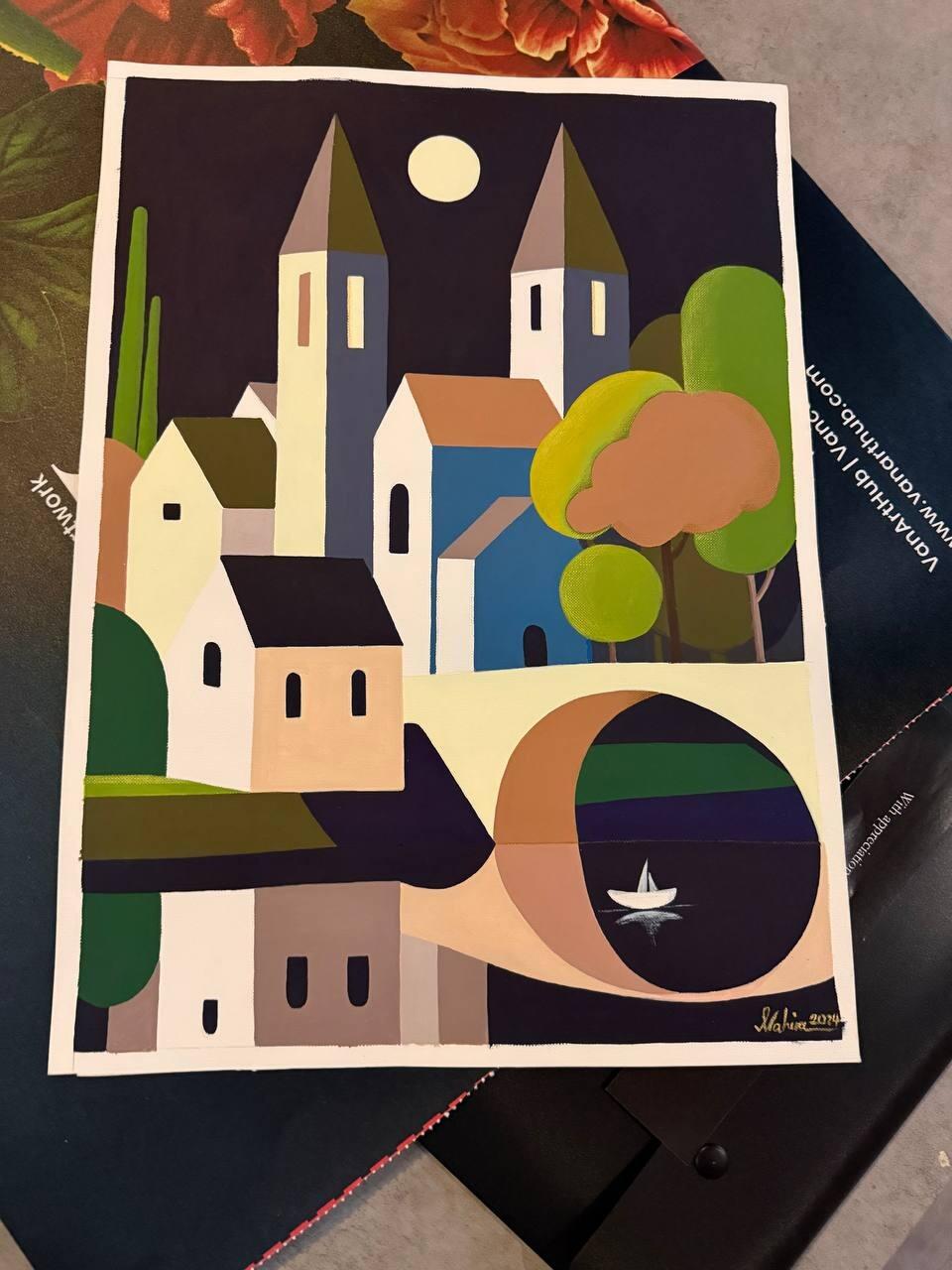
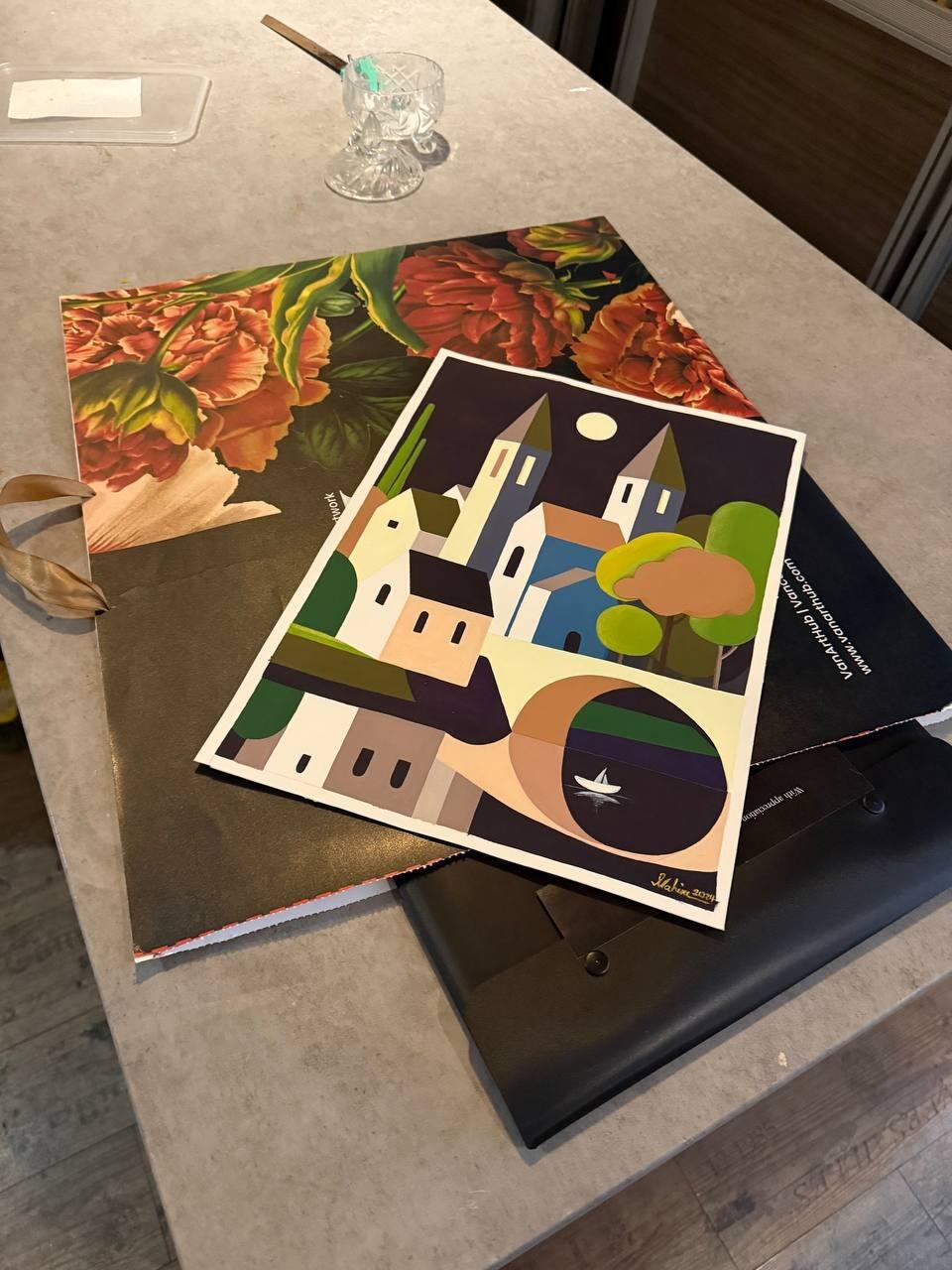
That is why the first question is always how the work was made. An oil or acrylic painted by the artist on canvas, panel or paper fits the words of heading 9701. Every piece in our contemporary Canadian art collection is a one-of-a-kind original painted by hand.
The law that protects artworks from emergency trade orders
Section 1702 of the International Emergency Economic Powers Act sets out the President's powers during a declared national emergency, and subsection (b) sets limits on them. Paragraph (3) says those powers do not include the authority to regulate or prohibit, directly or indirectly, "the importation from any country ... of any information or informational materials, including but not limited to, publications, films, posters, phonograph records, photographs, microfilms, microfiche, tapes, compact disks, CD ROMs, artworks, and news wire feeds".
US Customs applied this to specific tariff codes. Its frequently asked questions on the 2025 emergency tariffs list the headings that may qualify as informational materials, and headings 9701 through 9705 are on that list.
The exception in 1702(b) limits the powers in that one Act. The Section 122 surcharge and the Section 301 tariff rest on a different law, the Trade Act of 1974. Each of them wrote its own exemption for informational materials, with the same list of examples, artworks included.
Every tariff action on Canadian goods since 2025, and how each treated a painting
US tariff actions on products of Canada, February 2025 to September 2026, and their treatment of hand-made paintings
| Date |
Action |
Extra rate on products of Canada |
Hand-made paintings |
| 1 February 2025 |
Executive Order 14193, under the International Emergency Economic Powers Act |
25 percent |
Excluded, because the order excluded items covered by 50 U.S.C. 1702(b) |
| 1 August 2025 |
Executive Order 14325 raised the rate |
35 percent |
Still excluded; the increase applied only to articles already subject to the 25 percent duty |
| 20 February 2026 |
Supreme Court decision in Learning Resources, Inc. v. Trump, and Executive Order 14389 the same day |
The emergency duties ended |
No change for art, which was never charged |
| 24 February to 24 July 2026 |
Section 122 surcharge, Proclamation 11012 |
10 percent, with goods of Canada entered duty-free under the trade agreement exempt |
Exempt as informational materials, heading 9903.03.11 |
| From 24 July 2026 |
Section 301 action by the US Trade Representative |
10 percent, heading 9903.05.29 |
Exempt as informational materials, heading 9903.05.92 |
What the Supreme Court decided in February 2026
The case was argued on 5 November 2025 and decided on 20 February 2026. The Court's holding, in its own words, is that "IEEPA does not authorize the President to impose tariffs." On the same day, Executive Order 14389 declared that the extra duties imposed under that Act by Executive Order 14193 and other orders "shall no longer be in effect and, as soon as practicable, shall no longer be collected."
For a buyer of paintings, the ruling changed nothing in practice, because artworks had been excluded from those duties from the start. It matters for context: the tariffs that replaced them were written under other laws, and each of those laws needed its own exemption for art.
The Section 122 surcharge, February to July 2026
Section 122 of the Trade Act of 1974 lets the President impose a temporary import surcharge of up to 15 percent for up to 150 days, unless Congress extends it. Proclamation 11012, signed on 20 February 2026, set the rate at 10 percent on imports from every country from 24 February 2026. Paragraph 14 of the proclamation listed "information materials, donations, and accompanied baggage" among the exempt products. US Customs guidance put the artworks exemption under heading 9903.03.11 and applied the surcharge to goods entered through 12:01 a.m. eastern daylight time on 24 July 2026.
The Section 301 tariff from 24 July 2026
On 23 July 2026 the US Trade Representative announced tariffs on 60 economies after investigations into whether each one enforces a ban on goods made with forced labor. The notice, published on 28 July 2026, sets a 10 percent tariff on products of Canada for goods entered on or after 12:01 a.m. eastern time on 24 July 2026.
US Customs guidance from the same week gives the codes. Heading 9903.05.29 carries the 10 percent rate for Canada, "except for products described in headings 9903.05.85 to 9903.05.93". Heading 9903.05.92, inside that range, covers "articles that are informational materials, including but not limited to publications, films, posters, phonograph records, photographs, microfilms, microfiche, tapes, compact disks, CD ROMs, artworks and news wire feeds." Heading 9903.05.93 separately exempts products of Canada entered duty-free under the trade agreement between the United States, Mexico and Canada.
As of 26 September 2026, this is the latest official guidance we found. Tariff rules for Canadian goods changed more than once in 2025 and 2026, so we date every statement on this page.
The end of the $800 exemption, and what it means for a painting
For years, a shipment worth $800 or less, imported by one person on one day, could pass free of duty and tax under a simpler process known as the de minimis exemption. Executive Order 14324 suspended it for all countries from 29 August 2025. Executive Order 14388 continued that suspension on 20 February 2026 for articles not covered by 50 U.S.C. 1702(b). Then, on 24 June 2026, US Customs published a rule that suspends the exemption indefinitely for goods arriving by any route other than the postal network. The regulation text lists no category of goods that keeps the exemption. The same rule notes that a 2025 law ends the exemption permanently on 1 July 2027.
For a painting from Canada, the duty stays at zero. The change is in the process: a courier shipment now goes through an informal entry, for goods worth $2,500 or less, or a formal entry above that, and a customs processing fee and a carrier's clearance fee can apply. Our page on US customs paperwork for art from Canada explains both entry types and what they cost.
What to do if a bill shows a tariff on a painting
If a carrier bill for one of our paintings shows a 10 percent charge, or any duty, write to us with the bill before you pay it. The exemption is claimed on the customs entry with heading 9903.05.92, and an entry filed without it can be corrected. Our overview of buying original art from Canada as a US collector puts this in the order of a full purchase, and the page on paying for Canadian art in US dollars covers the costs that do apply, such as card fees and state use tax.
Frequently asked questions
What duty rate applies to subheading 9701.91.00?
Subheading 9701.91.00 of the US Harmonized Tariff Schedule carries a general duty rate of Free. The subheading covers paintings, drawings and pastels executed entirely by hand that are 100 years old or less. Older paintings fall under subheading 9701.21.00, which also shows Free. A contemporary oil or acrylic painted by hand in Canada is classified under 9701.91.00.
Did the 2025 emergency tariffs on Canada apply to paintings?
The 2025 emergency tariffs on Canada did not apply to paintings. Executive Order 14193, signed on 1 February 2025, excluded items covered by 50 U.S.C. 1702(b), and paragraph (3) of that clause names artworks among informational materials. US Customs listed headings 9701 through 9705 among the goods that may qualify for that exception.
What happened to the emergency tariffs after the Supreme Court ruling?
The emergency tariffs ended after the Supreme Court ruled on 20 February 2026, in Learning Resources, Inc. v. Trump, that the International Emergency Economic Powers Act does not authorize the President to impose tariffs. Executive Order 14389, signed the same day, said those duties would no longer be in effect and would stop being collected as soon as practicable.
Did the Section 122 import surcharge apply to artwork?
The Section 122 import surcharge did not apply to artwork. Proclamation 11012 set a 10 percent surcharge on imports from 24 February 2026, and listed information materials among the exempt products. US Customs guidance placed artworks under exemption heading 9903.03.11, and applied the surcharge only to goods entered through 12:01 a.m. eastern daylight time on 24 July 2026.
Does the 10 percent Section 301 tariff on Canadian goods apply to paintings?
The 10 percent Section 301 tariff on Canadian goods does not apply to hand-made paintings. US Customs guidance issued on 23 July 2026 exempts informational materials under heading 9903.05.92, and the text of that heading names artworks. The tariff on products of Canada itself sits under heading 9903.05.29 and took effect on 24 July 2026.
What is the difference between a duty and a tariff surcharge?
A duty is the standard import rate printed next to a product's code in chapters 1 to 97 of the US tariff schedule, and a tariff surcharge is an extra percentage added on top of it. Surcharges have their own codes in chapter 99. The Section 301 notice of July 2026 says its extra duty applies in addition to the general rates.
Which law exempts artworks from emergency trade orders?
Section 1702(b)(3) of Title 50 of the US Code exempts artworks from emergency trade orders made under the International Emergency Economic Powers Act. The clause says the President's emergency powers do not include regulating the importation of informational materials, and it lists artworks by name, along with publications, films, posters, photographs and news wire feeds.
What does the end of the $800 de minimis exemption mean for a painting?
The end of the $800 de minimis exemption means a painting shipped by courier from Canada now goes through an informal or formal customs entry, even though its duty is zero. US Customs published a rule on 24 June 2026 suspending the exemption indefinitely for goods arriving by any route other than the postal network. Processing and carrier fees can apply.
Does a painting need to qualify under the USMCA trade agreement to avoid the Section 301 tariff?
A hand-made painting does not need to qualify under the USMCA trade agreement to avoid the Section 301 tariff. Canada's tariff heading 9903.05.29 exempts products described in headings 9903.05.85 to 9903.05.93. The artworks exemption, heading 9903.05.92, sits in that range and stands apart from the trade agreement exemption, heading 9903.05.93.
Which code does a customs filer use to claim the artwork exemption from the Section 301 tariff?
A customs filer uses heading 9903.05.92 to claim the artwork exemption from the Section 301 tariff. US Customs guidance CSMS 69326983, issued on 23 July 2026, lists that heading for articles that are informational materials, artworks included. If a carrier bill for a VanArtHub painting shows a 10 percent charge, contact us with the bill before paying it.
Could the tariff rules for artwork from Canada change again?
The tariff rules for artwork from Canada could change again, since three different surcharges covered Canadian goods between February 2025 and July 2026. Each of the three exempted artworks. This page states the rules as of 26 September 2026, and US Customs published its filing guidance for both 2026 tariffs as messages on its Cargo Systems Messaging Service.
References
-
Harmonized Tariff Schedule of the United States, heading 9701. US International Trade Commission. Undated online edition. Accessed 26 September 2026. The text of heading 9701, subheadings 9701.21.00 and 9701.91.00, and the general rate of Free.
-
U.S.C. Title 50, War and National Defense, section 1702. US Government Publishing Office. 2023 edition. Accessed 26 September 2026. The exception for informational materials, including artworks, in 50 U.S.C. 1702(b)(3).
-
International Emergency Economic Powers Act (IEEPA) Frequently Asked Questions. US Customs and Border Protection. Last modified 14 April 2026. Accessed 26 September 2026. Headings 9701 through 9705 listed among goods that may qualify as informational materials.
-
Imposing Duties To Address the Flow of Illicit Drugs Across Our Northern Border (Executive Order 14193). The White House, Federal Register. Published 7 February 2025. Accessed 26 September 2026. The 25 percent duty on products of Canada and the exclusion of items covered by 50 U.S.C. 1702(b).
-
Amendment to Duties To Address the Flow of Illicit Drugs Across Our Northern Border (Executive Order 14325). The White House, Federal Register. Published 6 August 2025. Accessed 26 September 2026. The increase to 35 percent from 1 August 2025 for articles subject to the 25 percent duty.
-
Learning Resources, Inc. v. Trump, No. 24-1287. Supreme Court of the United States. Decided 20 February 2026. Accessed 26 September 2026. The argument and decision dates and the holding.
-
Ending Certain Tariff Actions (Executive Order 14389). The White House, Federal Register. Published 25 February 2026. Accessed 26 September 2026. The end of the duties imposed under Executive Order 14193.
-
Imposing a Temporary Import Surcharge To Address Fundamental International Payments Problems (Proclamation 11012). The White House, Federal Register. Published 25 February 2026. Accessed 26 September 2026. The 10 percent Section 122 surcharge, its 150-day period, the 15 percent limit and the exemption for information materials.
-
CSMS # 67844987 - Imposing Temporary Section 122 Duties. US Customs and Border Protection. Published 23 February 2026. Accessed 26 September 2026. Exemption heading 9903.03.11 for artworks and the end time of 12:01 a.m. on 24 July 2026.
-
Notice of Actions in Section 301 Investigations of Acts, Policies, and Practices of Various Economies Related to the Failure of Each Economy To Impose and Effectively Enforce a Prohibition on the Importation of Goods Produced With Forced Labor. Office of the United States Trade Representative, Federal Register. Published 28 July 2026. Accessed 26 September 2026. The 10 percent tariff on products of Canada from 24 July 2026 and the rule that it adds to the general rates.
-
CSMS # 69326983 - GUIDANCE: Section 301 Forced Labor Import Duties. US Customs and Border Protection. Published 23 July 2026. Accessed 26 September 2026. Headings 9903.05.29, 9903.05.92 and 9903.05.93.
-
Continuing the Suspension of Duty-Free De Minimis Treatment for All Countries (Executive Order 14388). The White House, Federal Register. Published 25 February 2026. Accessed 26 September 2026. The continued suspension for articles not covered by 50 U.S.C. 1702(b).
-
Indefinite Suspension of the De Minimis Exemption for Merchandise Arriving Through All Modes Other Than the International Postal Network. US Customs and Border Protection, Federal Register. Published 24 June 2026. Accessed 26 September 2026. The suspension since 29 August 2025, the June 2026 rule, the regulation text and the statutory end on 1 July 2027.
Checked 26 September 2026. If something here is out of date, write to us and we will correct it.