Buying art from a Canadian gallery online is safe when you can check three things before you pay: that the business is registered, that you are paying by a method with dispute rights, and that the painting comes with paperwork naming the artist and the work. The Province of British Columbia lets anyone search its business registry to see whether a company is active, when it was incorporated and who its directors are. A US credit card carries federal dispute rights for charges on goods that were not delivered as agreed.
We are a gallery in Vancouver, and we want you to run these checks on us. This page shows how to do each one, what a good result looks like, and what the US Federal Trade Commission and the Canadian Anti-Fraud Centre list as warning signs.
Key takeaways
- A British Columbia business search shows whether a company is active, its incorporation date, when it last filed an annual report, its registered office and the names of its directors and officers.
- OrgBook BC, a provincial lookup tool, lets you check whether a corporation is legally registered to do business in British Columbia and look up the names it trades under.
- Under the Fair Credit Billing Act, your dispute letter must reach the card issuer within 60 days after the first bill showing the error was sent to you.
- The FTC says never to buy from online sellers who insist on payment by gift card, wire transfer, payment app or cryptocurrency.
- The Canadian Anti-Fraud Centre advises buyers to know the market value of what they are buying and to be wary of sellers who create urgency.
Check that the gallery is a registered business
British Columbia keeps a public register of businesses. BC Registries and Online Services runs it, and the Province says that documents filed and registered there are public record, available for a fee set by law.
The fastest check is OrgBook BC, at orgbook.gov.bc.ca. The Province says you can use it to "check if a corporation is legally registered to do business in B.C." or to look up the "doing business as" names that registered corporations trade under. That second part matters for an online gallery, whose shop name may differ from its legal name.
For more detail, a search of the registry for a company, cooperative or society returns these items, according to the Province:
- Status, meaning whether the company is active or not active
- The date it was incorporated, registered or amalgamated in British Columbia
- When its last annual report was filed
- Any previous names
- Its registered office address and records office address
- The names of its directors and officers
Two certificates go further. A Certificate of Status confirms that a company or society is an active entity in the province. A Certificate of Good Standing confirms that an incorporated entity is up to date with its annual reports and required filings. The Province says shareholder details are not available through a search.
To run the check, ask the gallery for its legal business name, or its registration number, before you pay. Any business can answer that in one line, so it is a fair request to make.
What your credit card protects
The Fair Credit Billing Act sets a dispute process for billing errors on credit cards. The FTC lists the errors it covers, and one of them fits a painting that goes wrong in transit: charges for things you "didn't accept or weren't delivered as agreed".
The steps and time limits are fixed by law:
- Write to the card issuer at the address it gives for billing inquiries. The FTC points out that this is a separate address from the one for sending payments.
- Make sure the letter reaches the issuer within 60 days after the first bill showing the error was sent to you. The FTC suggests certified mail with a return receipt.
- The issuer must acknowledge your complaint in writing within 30 days of getting it, and resolve the dispute within 90 days.
- While it investigates, you can withhold payment on the disputed amount and related charges. You still pay the part of the bill that is not in dispute.
During the investigation the issuer may not take legal action to collect the disputed amount, and may not report you as delinquent. Complaints about the quality of an item follow a separate route with extra conditions: the FTC says the item must have cost more than $5, you must have bought it in your home state or within 100 miles of your billing address, and you must first have tried to settle it with the seller. The FTC's online shopping guidance states: "Paying by credit card best protects you and your money in case of a scam, or if something else goes wrong."
Checks to run before you pay any online gallery
Checks a US buyer can run on an online gallery in Canada, with the source of each check
| Check |
How to run it |
What a good result looks like |
| Is the business registered? |
Search OrgBook BC or the BC business registry by legal name or number |
Status is active, and the name matches the invoice |
| How are you asked to pay? |
Look at the checkout |
A credit card is accepted. The FTC warns against sellers who insist on gift cards, wire transfers, payment apps or cryptocurrency |
| Is the price believable? |
Compare with similar work by the same artist |
The Canadian Anti-Fraud Centre advises knowing the market value and distrusting offers far below it |
| What do other buyers say? |
Read reviews on several sites, and search the name with "complaint" or "scam" |
The FTC advises checking several sources and warns that some ratings are fake |
| What paperwork comes with the work? |
Ask before buying |
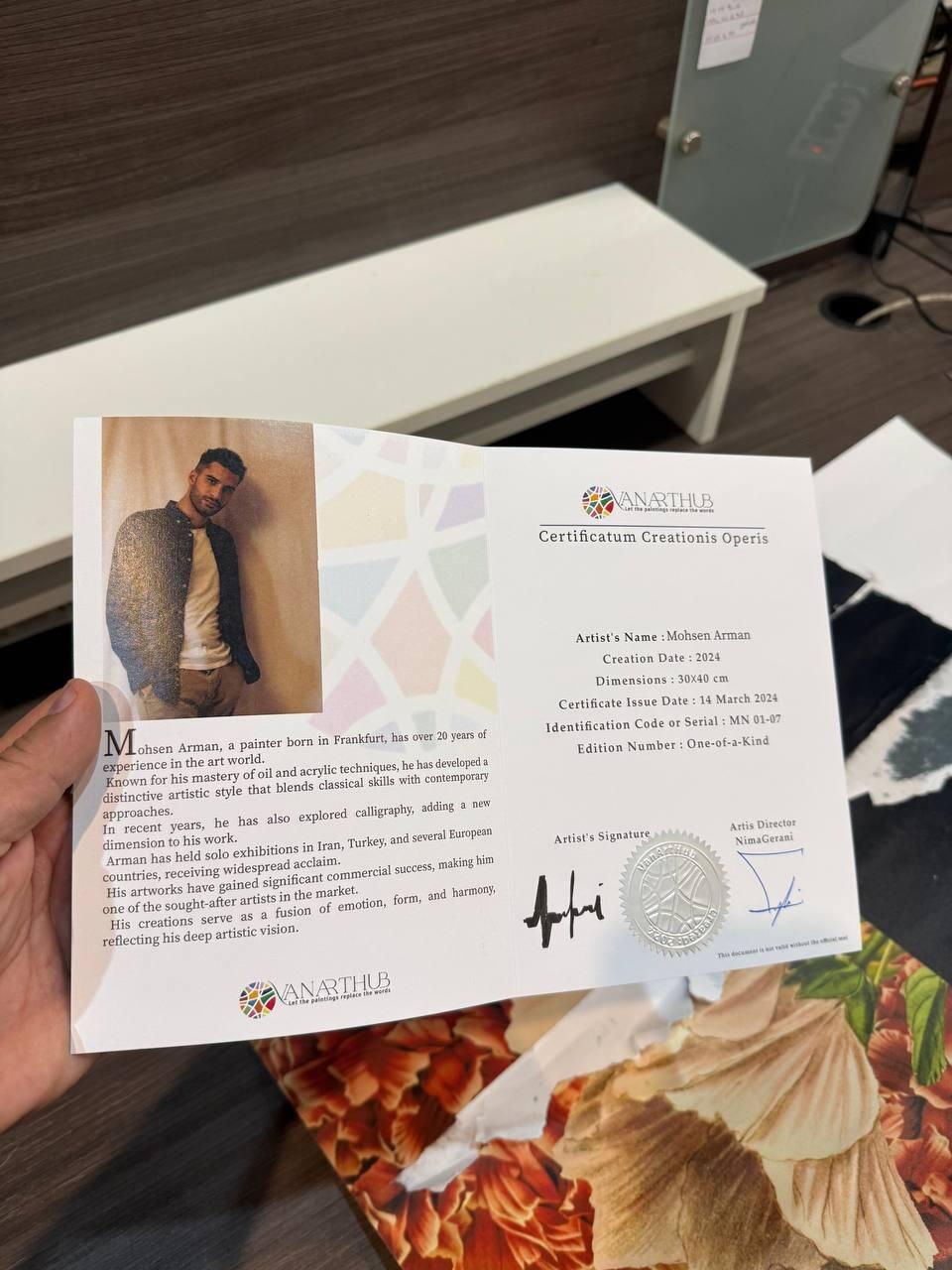
A certificate naming the artist, title, medium, size and year |
Warning signs listed by the fraud agencies
The FTC names four signs of a scam. Scammers pretend to be from an organization you know. They say there is a problem or a prize. They pressure you to act immediately. They tell you to pay in a specific way, often by cryptocurrency, wire transfer, payment app or gift card. The FTC's advice on that last point is direct: "Never pay someone who insists that you can only pay" by those methods.
The Canadian Anti-Fraud Centre gives quick tips for buying online: know the market value of the product, do not trust offers far below or far above that value, be wary of sellers who use urgency, and search online to see whether anyone has already reported the seller. The Centre says fraudsters reach buyers through classified ads, resale sites, website pop-ups and fake company websites. In an alert dated 27 April 2022, it reported more than $21.1 million in losses in 2021 from frauds tied to buying or selling goods or services online.
Reading reviews with care
The FTC advises reading customer reviews from "a wide variety of review and retailer sites, search engines, app stores, and social media platforms", looking at who wrote each review and the reviewer's history, and not relying on star ratings alone, since some are fake or misleading. It also suggests searching the company name with the words "complaint" or "scam".
Apply that to us. Our Etsy shop, VanarthubCA, shows a shop rating of 5.0 out of 5, and buyers' comments on our own site are collected on our customer reviews page. Read both, then search our name the way the FTC suggests.
The paperwork an original should come with
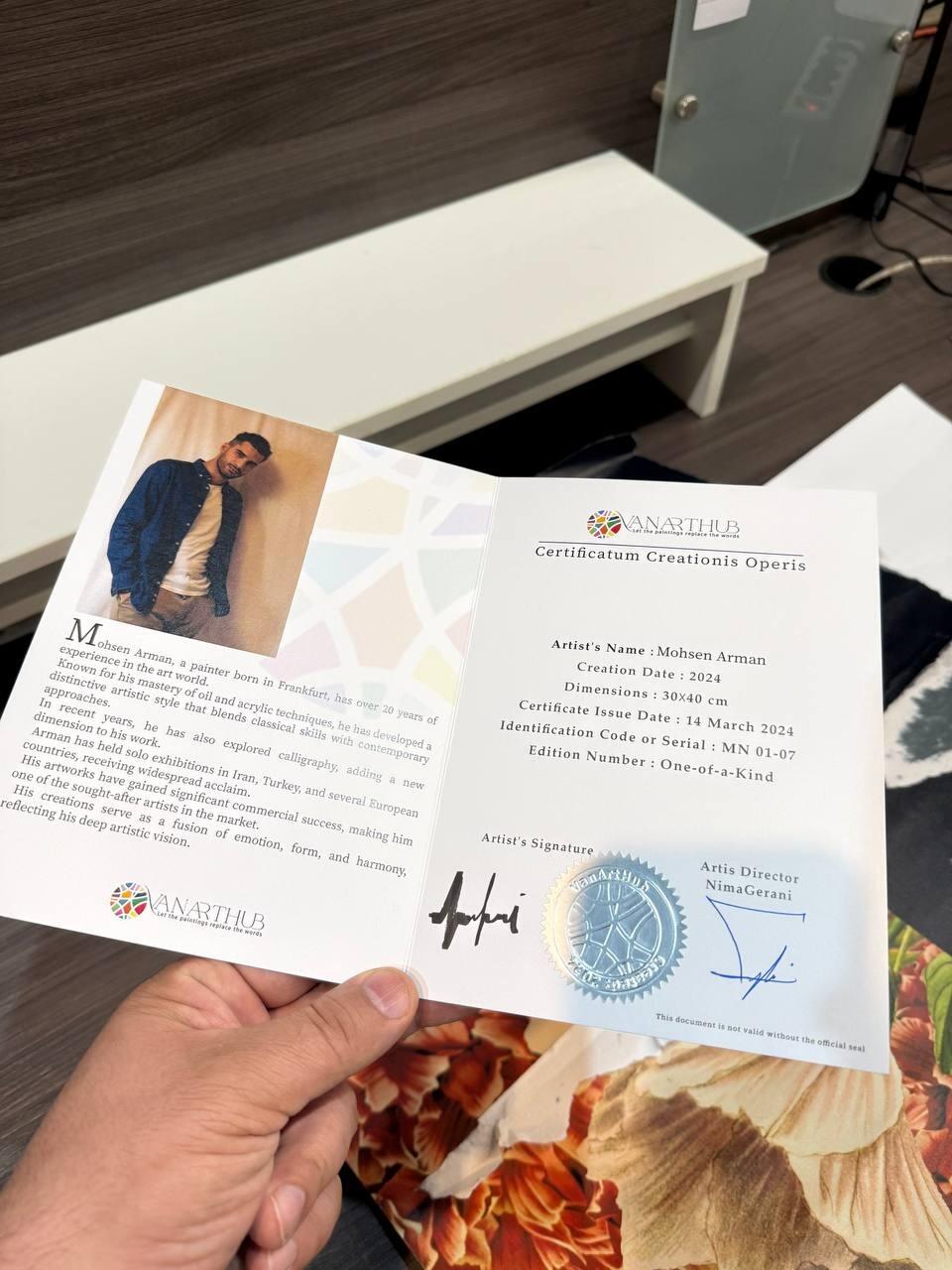
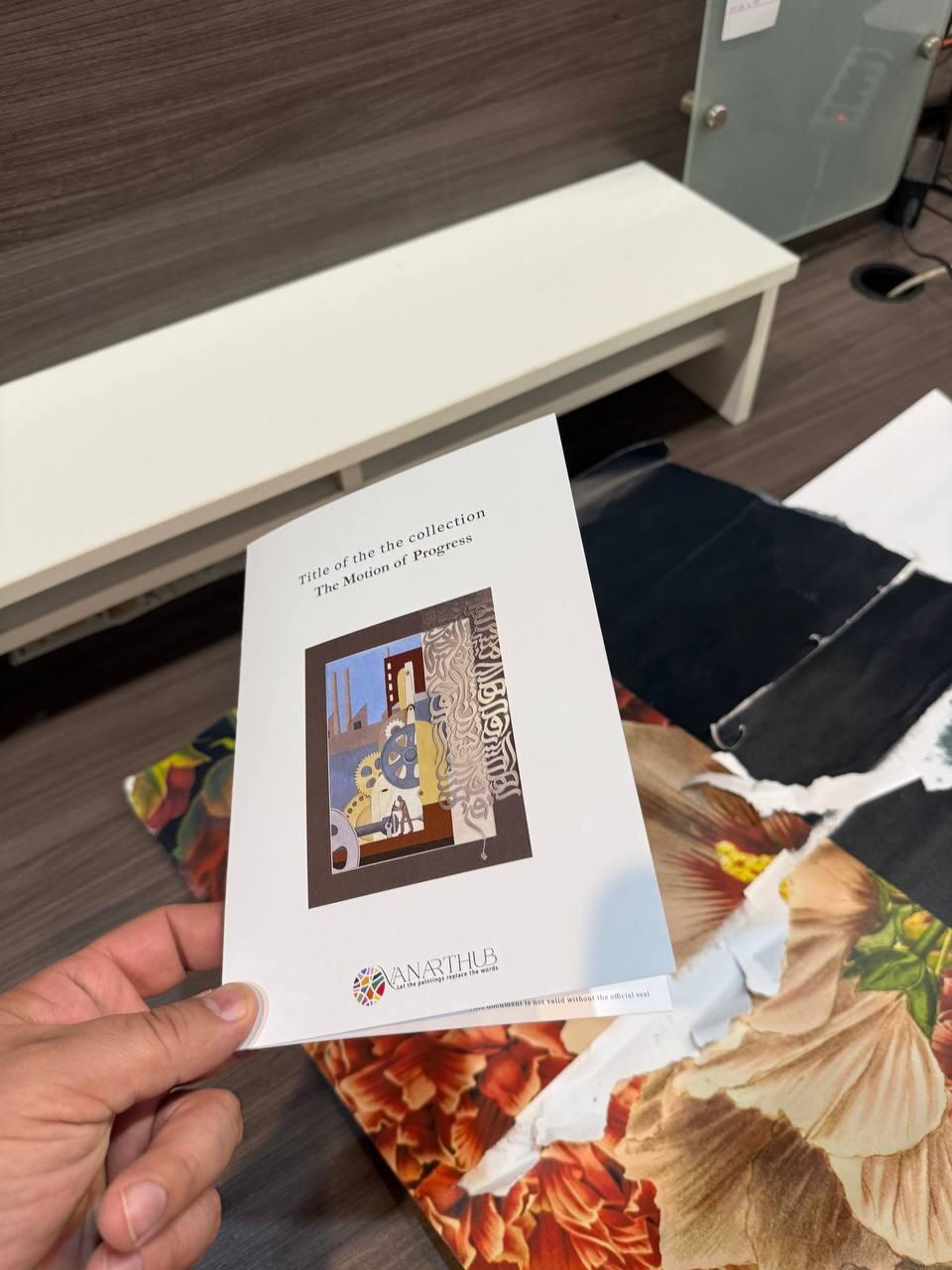
An original painting should come with a document that ties it to its maker. Every painting we sell ships with a Certificate of Authenticity that names the artist, the title, the medium, the exact size and the year, and confirms that the piece is an original. Our guide to what a Certificate of Authenticity for art should contain covers what to look for on any certificate, from any seller.
The painting also crosses the border with a commercial invoice, which records the sale for US Customs. Our page on US customs paperwork for art from Canada explains what that invoice says.
How we answer these checks
We sell from Vancouver, and every painting ships from our studio, free and fully insured, to addresses in Canada and the USA. You pay at our store's checkout, and US buyers are charged in US dollars. If the painting is wrong for your room, you have 14 days to send it back, as set out on our Buy with Confidence page. When the box arrives, our page on receiving a painting shipped from Canada tells you what to photograph and check that day.
For the full order of a purchase, from choosing a painting to hanging it, see our guide to buying original art from Canada as a US collector.
Frequently asked questions
How can I check that a Canadian gallery is a registered business?
A buyer can check that a gallery in British Columbia is a registered business by searching OrgBook BC or the provincial business registry by legal name or registration number. The Province of British Columbia says OrgBook BC shows whether a corporation is legally registered to do business in the province, along with the names it trades under.
What does a British Columbia business search show?
A British Columbia business search shows a company's status as active or not active, its incorporation date, when its last annual report was filed, any previous names, its registered and records office addresses, and the names of its directors and officers. The Province of British Columbia says shareholder details are not included in the results.
What is a Certificate of Good Standing in British Columbia?
A Certificate of Good Standing in British Columbia is an official document confirming that an incorporated entity registered in the province is up to date with its annual reports and required filings. The Province issues it through BC Registries for a fee. A separate Certificate of Status confirms only that a company or society is active.
How long do I have to dispute a credit card charge for a painting that never arrived?
A buyer has 60 days to dispute a credit card charge for a painting that never arrived, counted from the date the first bill showing the charge was sent. The FTC says the dispute letter must reach the card issuer at its billing inquiries address within that time, under the Fair Credit Billing Act.
What happens while a card issuer investigates a disputed charge?
A card issuer investigating a disputed charge must acknowledge the complaint in writing within 30 days and resolve it within 90 days, according to the FTC. During the investigation you can withhold payment on the disputed amount, and the issuer may not take legal action to collect it or report you as delinquent.
Which payment methods should I refuse from an online art seller?
A buyer should refuse an online art seller who insists on payment by gift card, wire transfer through a service such as Western Union or MoneyGram, payment app or cryptocurrency. The FTC's online shopping guidance says scammers often ask for these methods because they make it hard to get your money back, and that paying by credit card protects you best.
What warning signs does the Canadian Anti-Fraud Centre list for buying online?
The Canadian Anti-Fraud Centre lists these warning signs for buying online: offers far below or far above market value, and sellers who use urgency to rush a sale. The Centre advises searching online to see whether others have reported a seller, and says fraudsters use classified ads, resale sites, pop-ups and fake company websites.
How should I read online reviews of a gallery?
Online reviews of a gallery are best read across several sites, with attention to who wrote each review. The FTC advises checking review sites, search engines, app stores and social media, and warns against relying on star ratings alone because some are fake. The FTC also suggests searching the gallery's name with the words complaint or scam.
What should a Certificate of Authenticity for a painting include?
A Certificate of Authenticity for a painting should name the artist, the title, the medium, the size and the year, and confirm the work is an original. Every VanArtHub painting ships with a certificate that covers each of these points. Our separate guide on certificates of authenticity explains what to look for on a certificate from any seller.
What are the four signs of a scam listed by the FTC?
The FTC lists four signs of a scam: the scammer pretends to be from an organization you know, says there is a problem or a prize, pressures you to act immediately, and tells you to pay in a specific way. Payment requests by cryptocurrency, wire transfer, payment app or gift card fall under the fourth sign.
Where can a US buyer report an online shopping scam?
A US buyer can report an online shopping scam to the FTC at ReportFraud.ftc.gov. The FTC's guidance on credit cards also says to report problems to the Consumer Financial Protection Bureau if disputes with the seller and the card issuer do not resolve them. Contact your card issuer first, so the 60-day dispute period is not missed.
References
-
Request business or organization records. Province of British Columbia. Last updated 27 May 2026. Accessed 26 September 2026. OrgBook BC, the contents of a business search, Certificates of Status and Good Standing, and fees for public records.
-
Using Credit Cards and Disputing Charges. Federal Trade Commission. Published May 2022. Accessed 26 September 2026. The Fair Credit Billing Act dispute process, its time limits, the rights during an investigation, and the conditions for quality complaints.
-
Online Shopping. Federal Trade Commission. Published May 2023. Accessed 26 September 2026. Reading reviews, paying by credit card, and payment methods to refuse.
-
How To Avoid a Scam. Federal Trade Commission. Published July 2023. Accessed 26 September 2026. The four signs of a scam and reporting at ReportFraud.ftc.gov.
-
Merchandise. Canadian Anti-Fraud Centre. Date modified 16 January 2026. Accessed 26 September 2026. Quick tips for buying online, the channels fraudsters use, and 2021 reported losses of more than $21.1 million.
Checked 26 September 2026. If something here is out of date, write to us and we will correct it.