Common areas

Corridor & Wayfinding Art

Art that helps residents find their way.

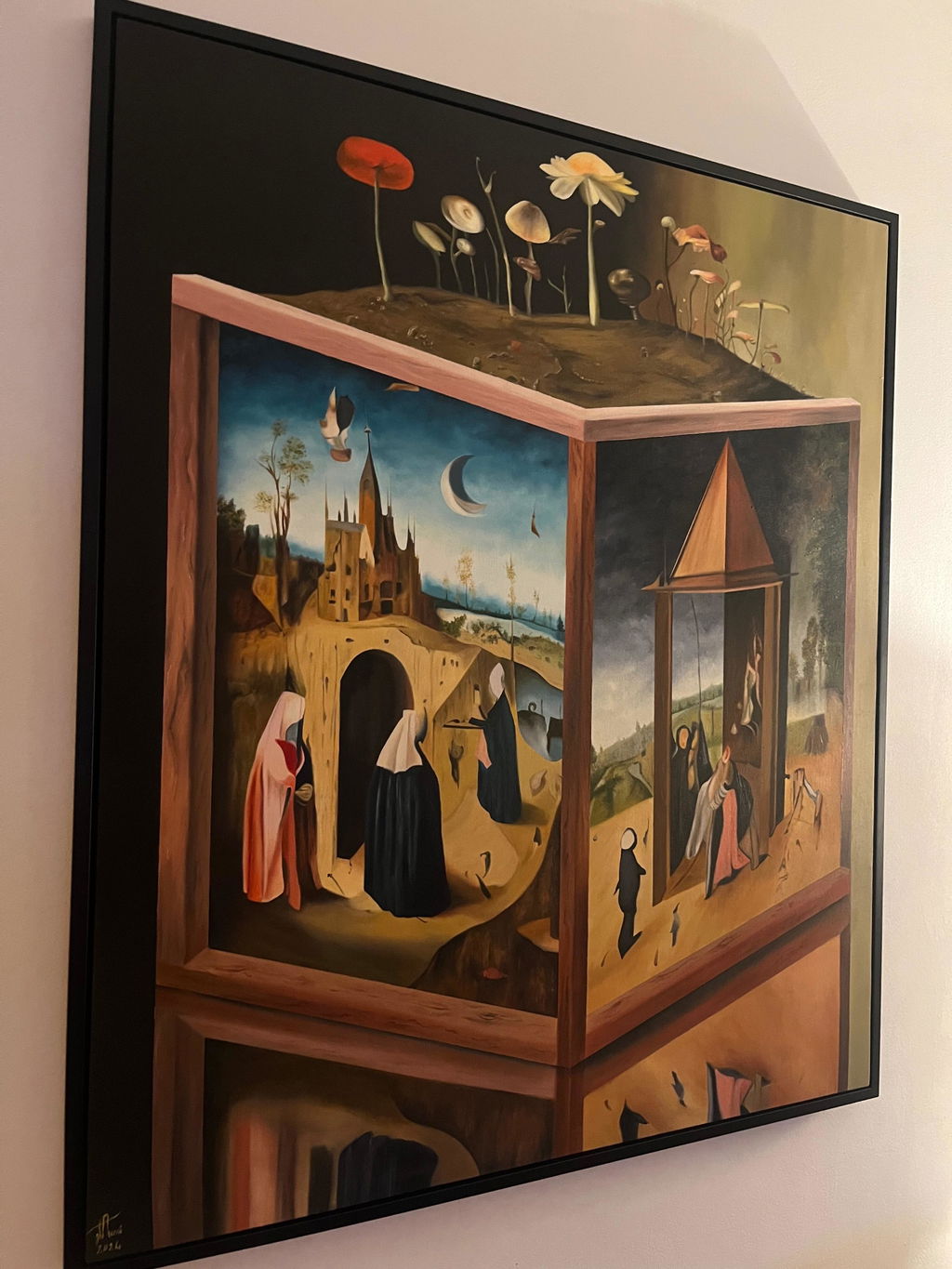
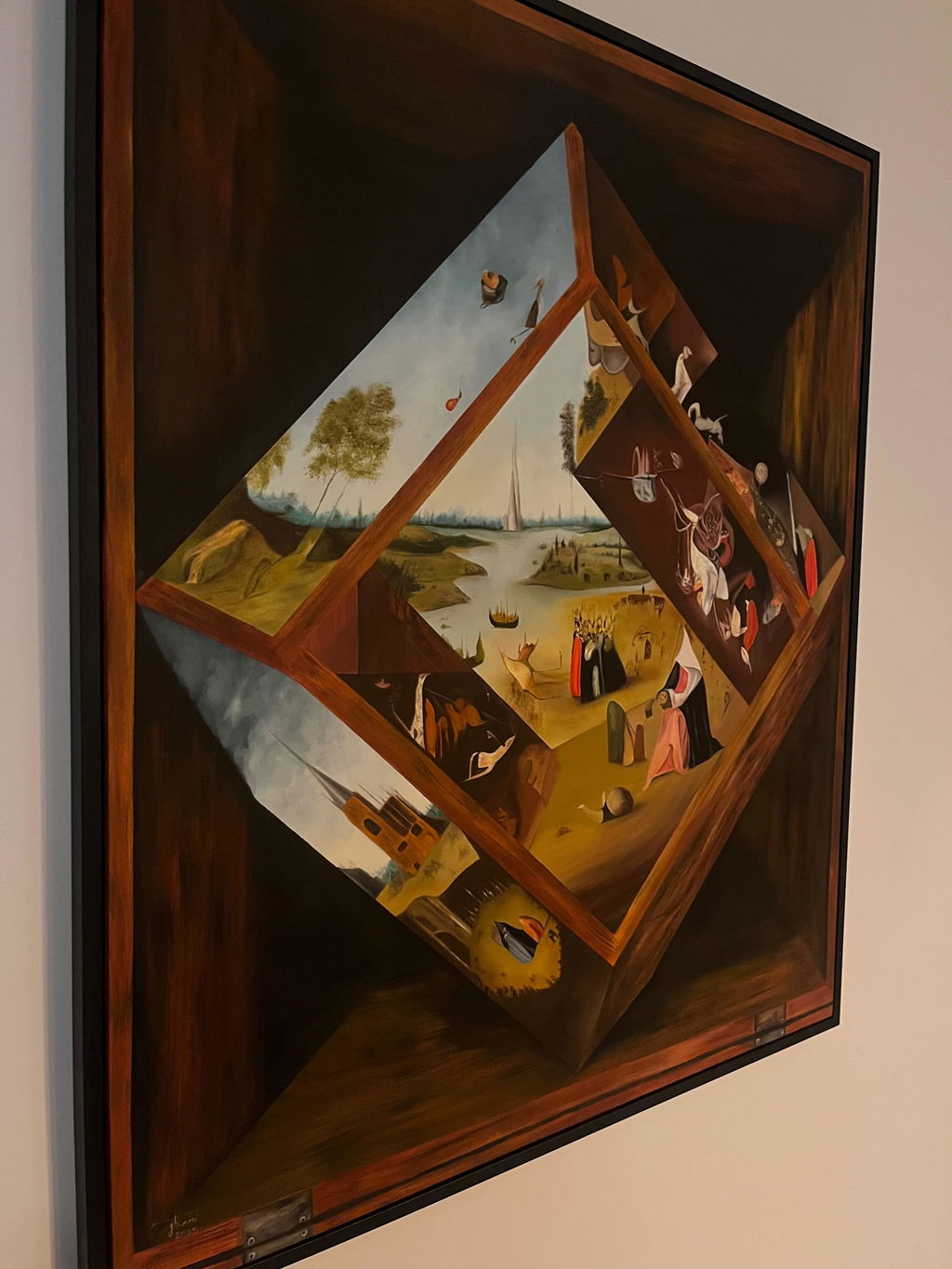
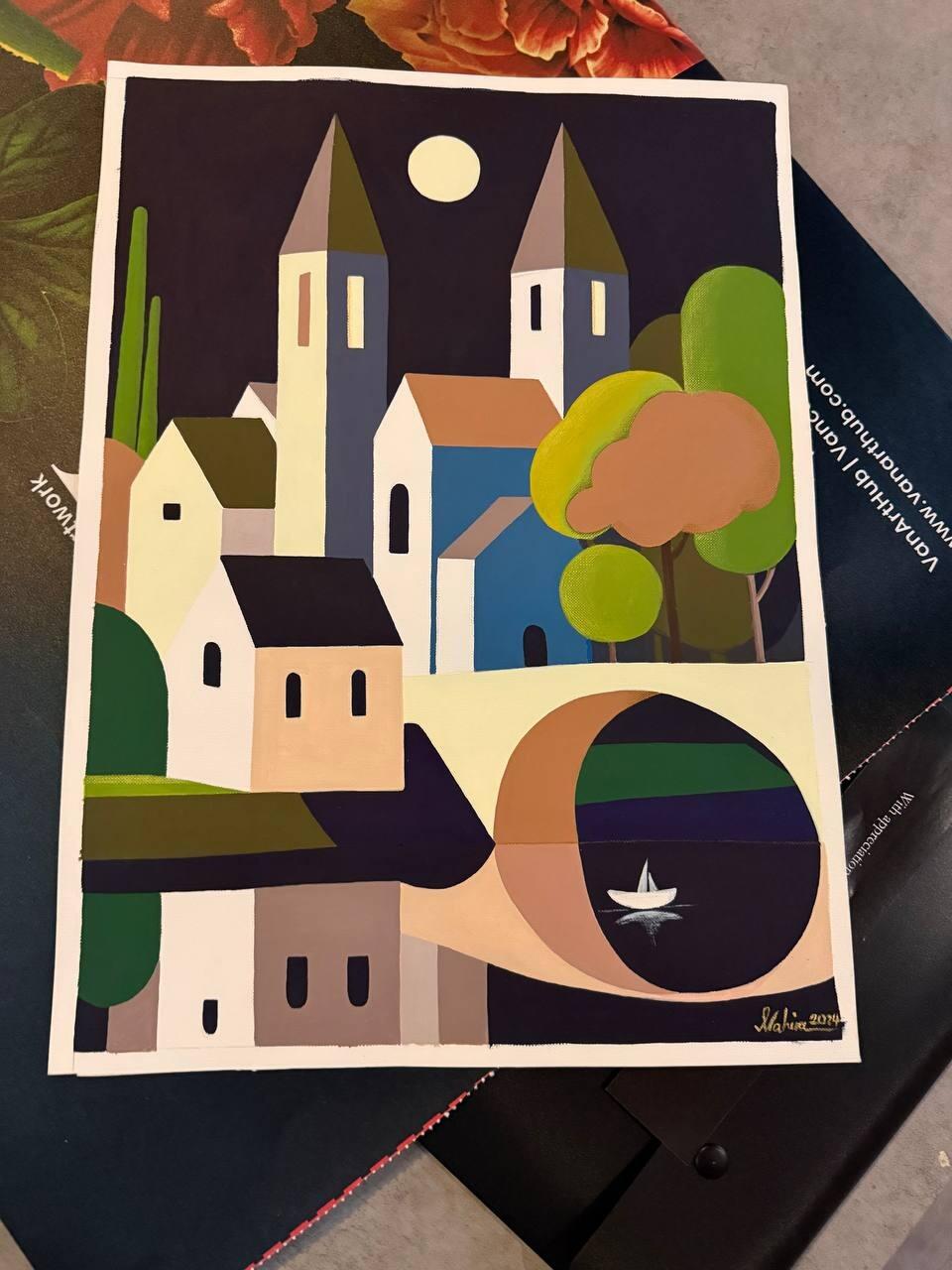
Long corridors that all look the same are hard to navigate for anyone, and harder still for a resident living with memory loss. Art can help. A distinct, memorable painting at the end of a hall or beside a doorway gives residents a landmark to recognise, something to say "my room is past the blue lake" about. This is a well-known idea in care home design. How you apply it should follow your care team and current dementia design guidance, because wayfinding needs differ from building to building.

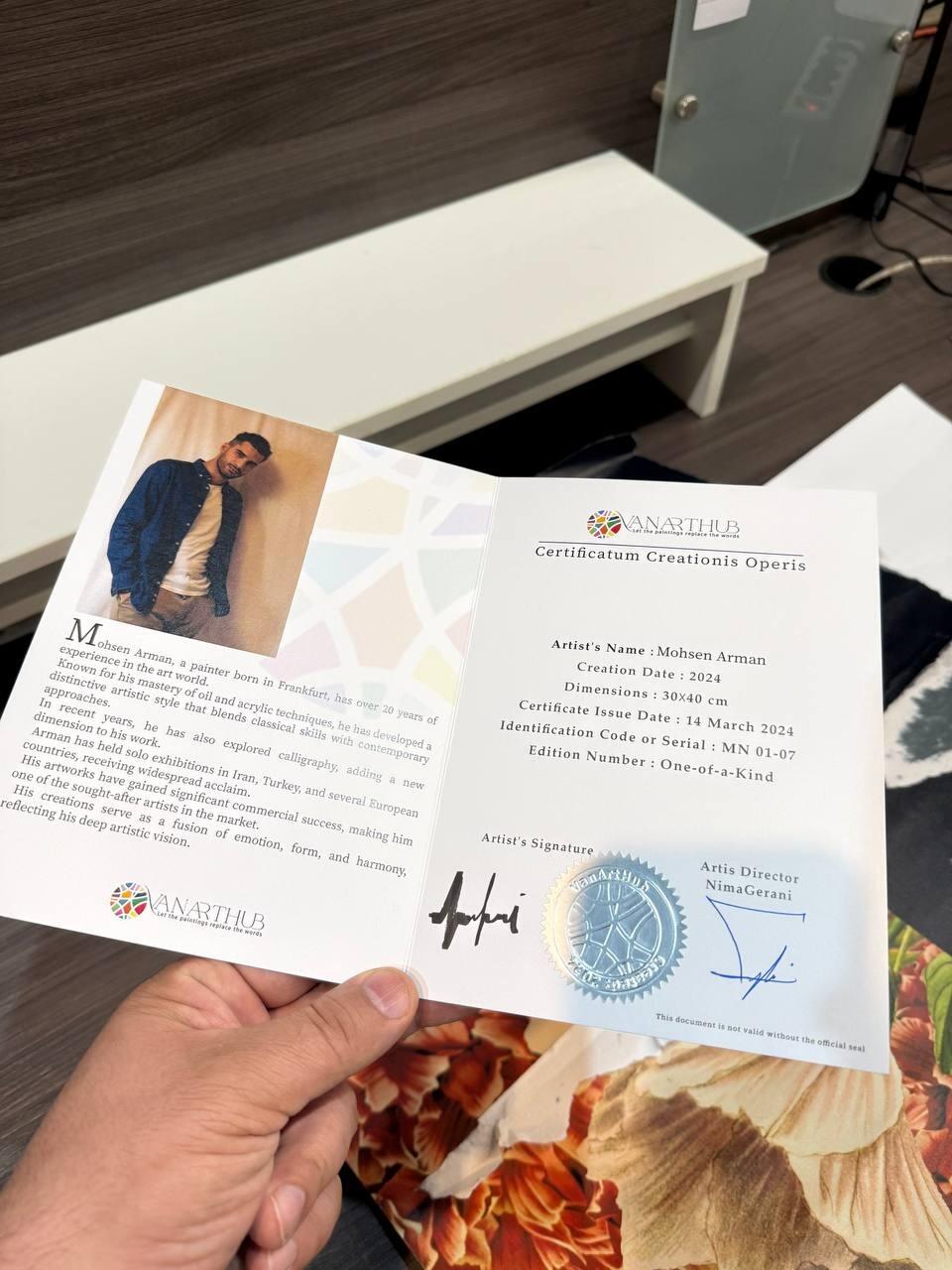
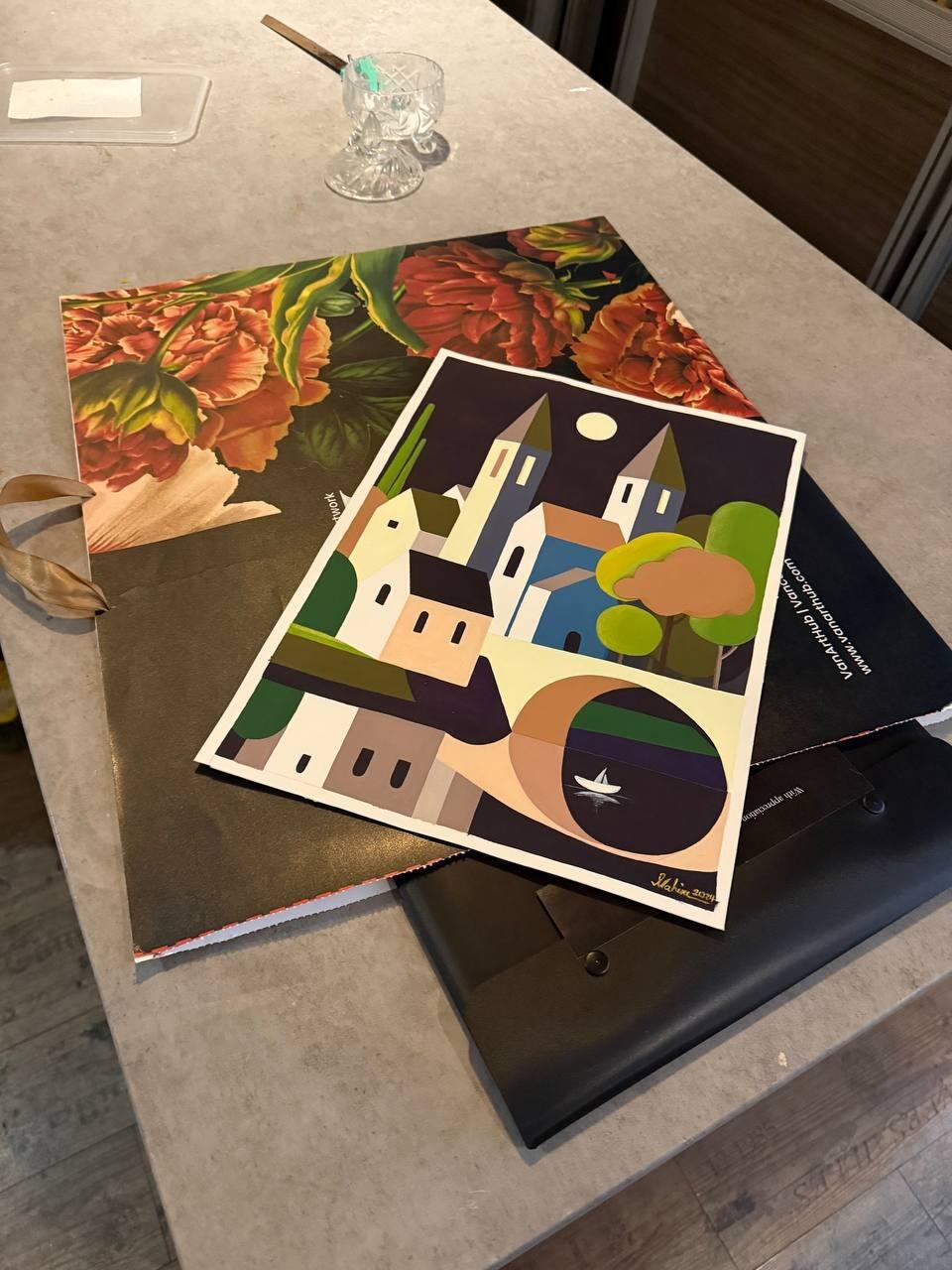
We supply original, hand-signed Canadian paintings that can act as landmarks along corridors and at key points in a care home. Each piece ships with a Certificate of Authenticity, and we deliver and install.

How art supports wayfinding

The idea is simple. If each corridor or zone has its own clear, different image, a resident can use it as a marker. This is a general design approach, not a promise that any resident will find their way, so treat it as one tool among many that your care team decides to use.

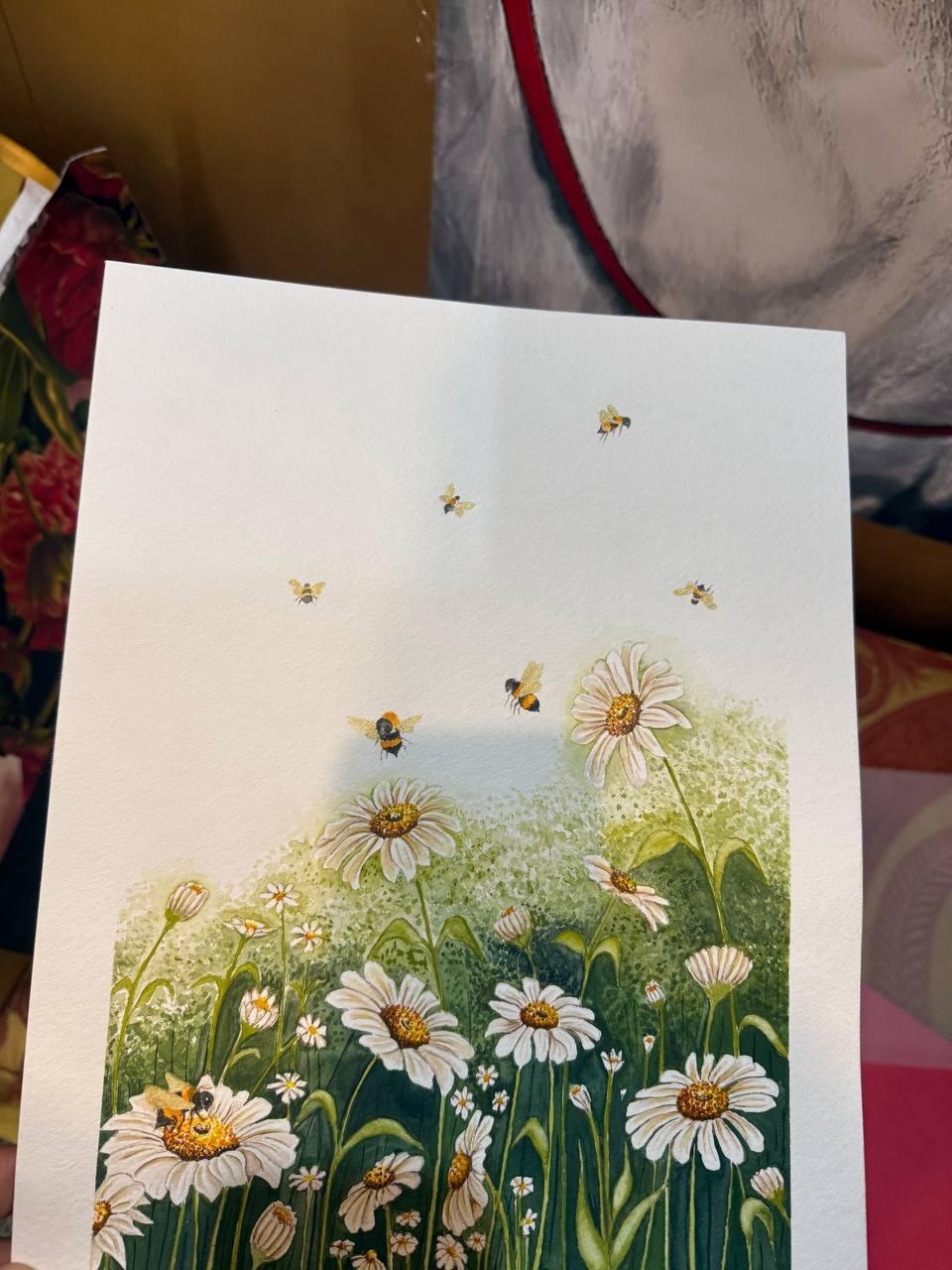
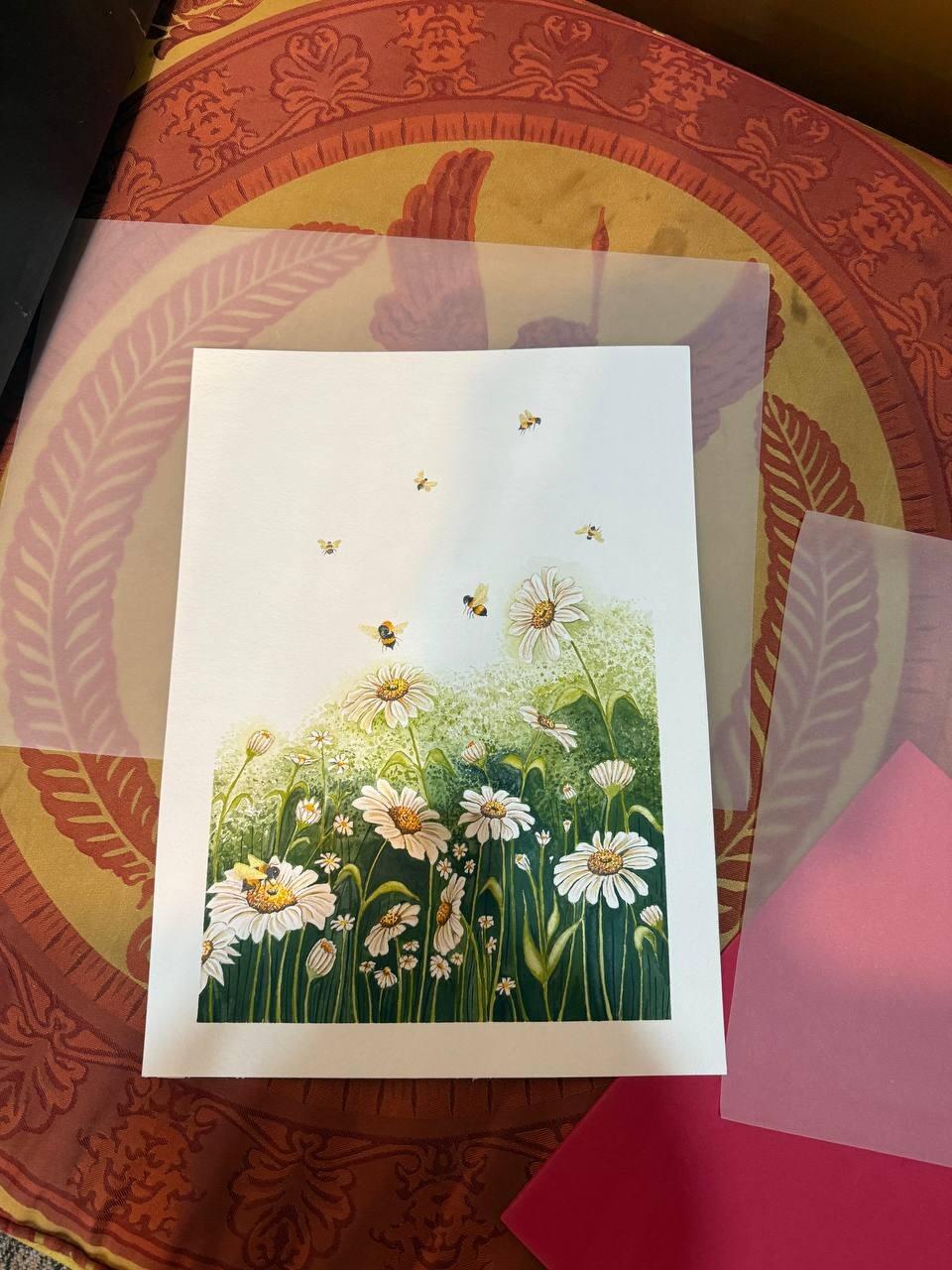
  • Distinct images per zone. Different, clearly different subjects for each hall help each area feel unique. A garden hall, a lake hall, a forest hall.
  • Clear, simple, easy to describe. A landmark works only if it is easy to name. One strong subject beats a busy, hard-to-describe scene.
  • Consistent placement. Putting the landmark in the same kind of spot in each zone, such as at the turn or beside the lounge door, makes the pattern easier to learn.
  • Support signage, do not replace it. Art can back up your signs and colour coding. It is an addition, not a substitute for proper wayfinding.

Choosing landmark pieces

Pick images that are clear, calm, and different enough from each other that no two get confused. Our nature paintings and landscape paintings give you a range of distinct subjects, a garden, a lake, a forest, a mountain, that are easy to name and remember. For quieter connecting corridors between landmarks, neutral modern wall art keeps the walls calm so the landmark pieces stand out.

Safe hanging in corridors

Corridors are high-traffic and often used by residents with mobility aids. We recommend secure, tamper-resistant fixings, and where your care team advises it, shatter-resistant glazing or a frameless canvas. Placement height should follow your team's guidance so pieces are visible and safe. We plan all of this with you and can install the work.

Related pages

Frequently asked questions

How does art help residents find their way?

A distinct, memorable painting can act as a landmark, so a resident can recognise "my room is past the blue lake." Giving each corridor or zone its own clear, different image helps each area feel unique. This is a general design idea and one tool among many. How you apply it should follow your care team and current dementia design guidance.

Can art replace signs and wayfinding systems?

No. Art supports signage and colour coding, it does not replace them. Think of a landmark painting as a helpful addition that backs up proper wayfinding. Your care team decides how it fits into the building's overall system, and any claim that a resident will find their way should not be made from the art alone.

What images make good corridor landmarks?

Clear, calm images with one strong subject that is easy to name work best: a garden, a lake, a forest, a mountain. They should be different enough from each other that no two get confused. Keeping connecting corridors quieter and more neutral helps the landmark pieces stand out along the route.

Are the paintings safe for busy corridors?

Yes, with the right fixings. Corridors are high-traffic and often used with mobility aids, so we recommend secure, tamper-resistant fixings and, where your care team advises it, shatter-resistant glazing or a frameless canvas. Placement height should follow your team's guidance. We plan the hang with you and can install the work.

We can plan a set of distinct landmark pieces for your corridors. Talk to our art advisory team or contact us to start.