Art in a memory care setting has a job beyond decoration. For a resident living with dementia, the right image can feel familiar and calm. The wrong one can add confusion to a day that is already hard to read. This page shares general design ideas that come up often in dementia design guidance. Treat them as a starting point. Every choice should be checked with your own care team, because they know your residents and follow the current guidance for your setting.
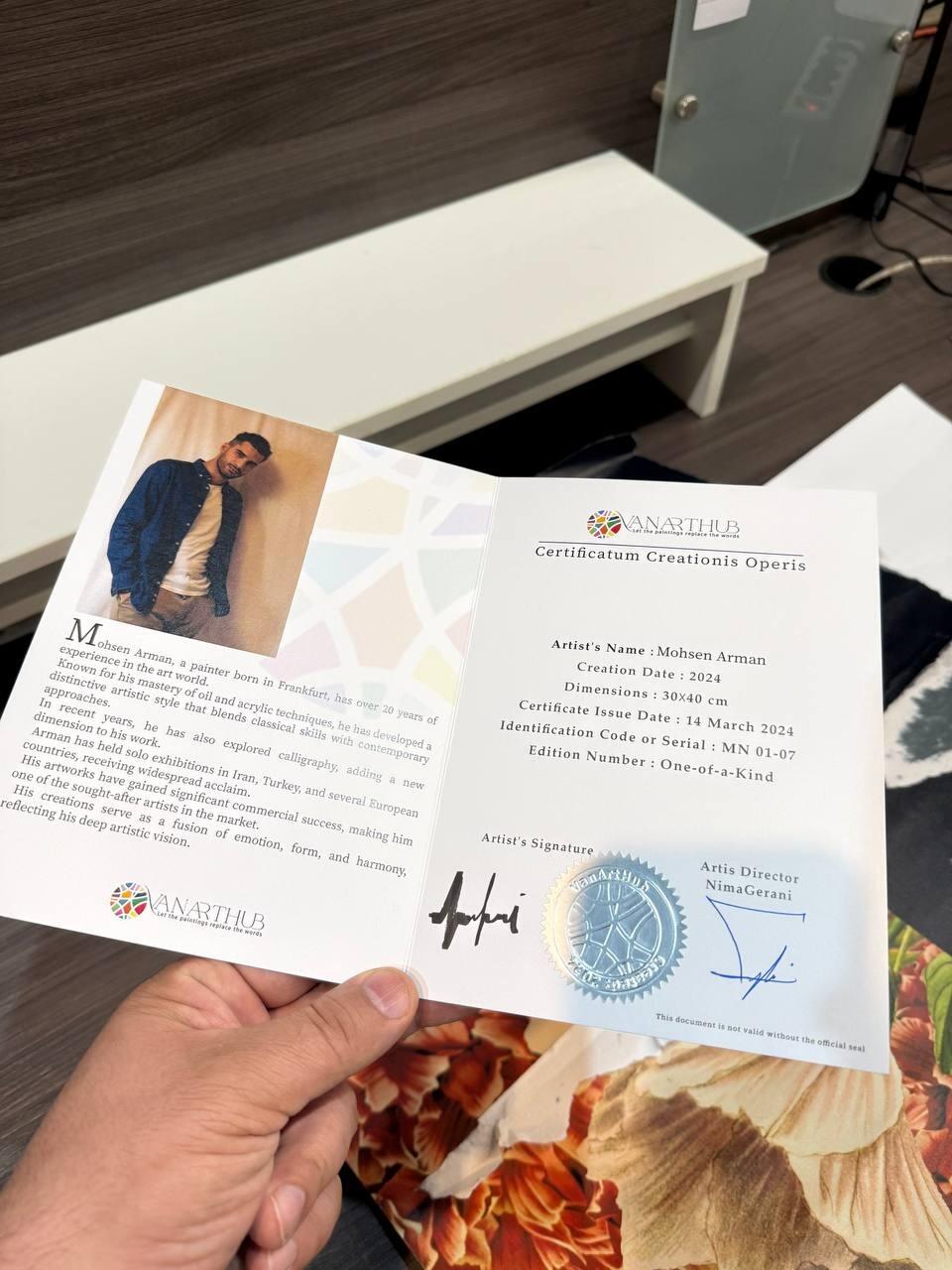
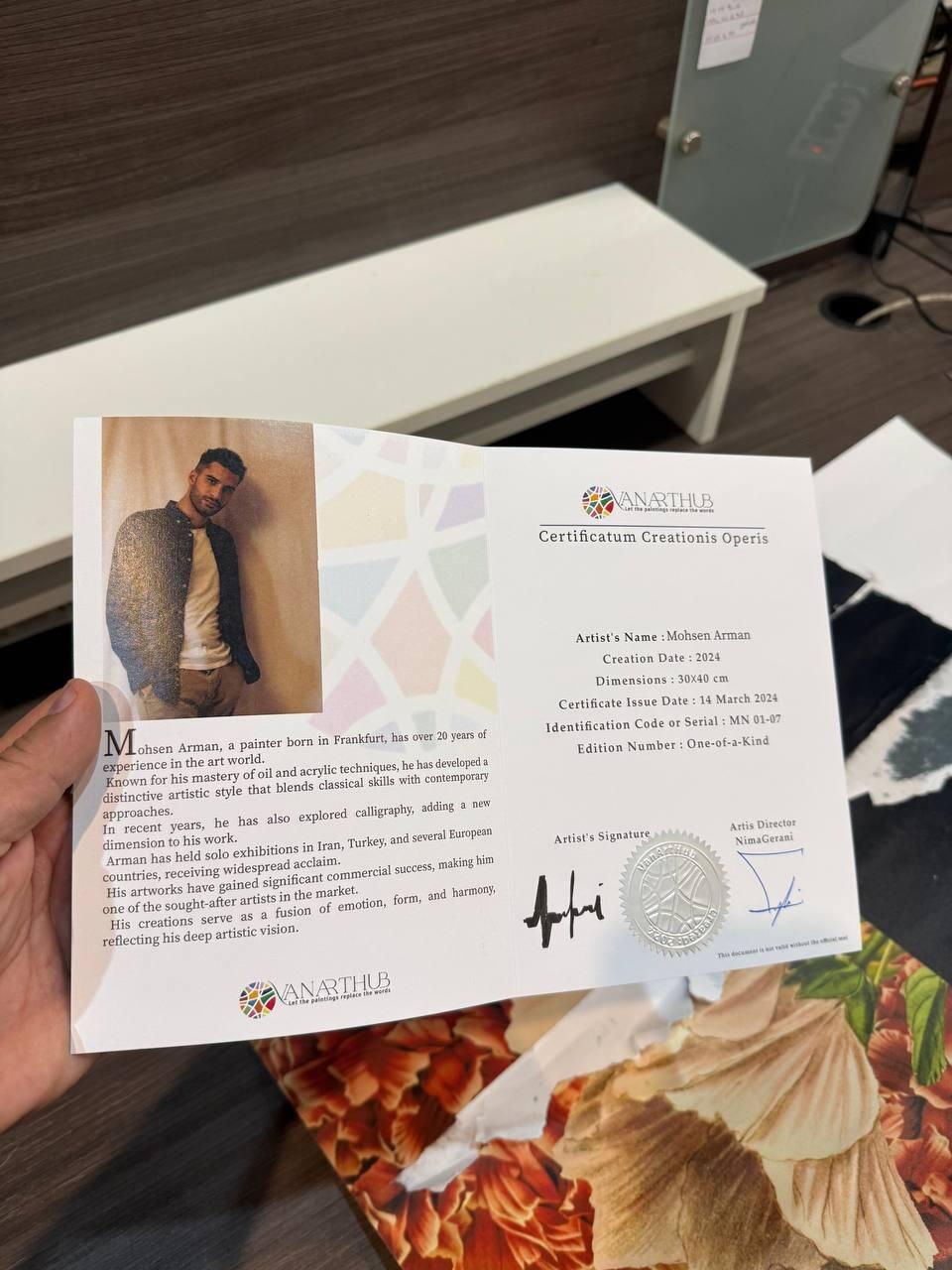
We supply original, hand-signed Canadian paintings and work with memory care operators and their designers to choose pieces that fit these needs. Each painting ships with a Certificate of Authenticity, and we handle delivery and installation.
General ideas that come up in dementia design
These are common, well-known points, not medical claims. Whether any of them suits a particular resident or floor is a decision for your care staff.
-
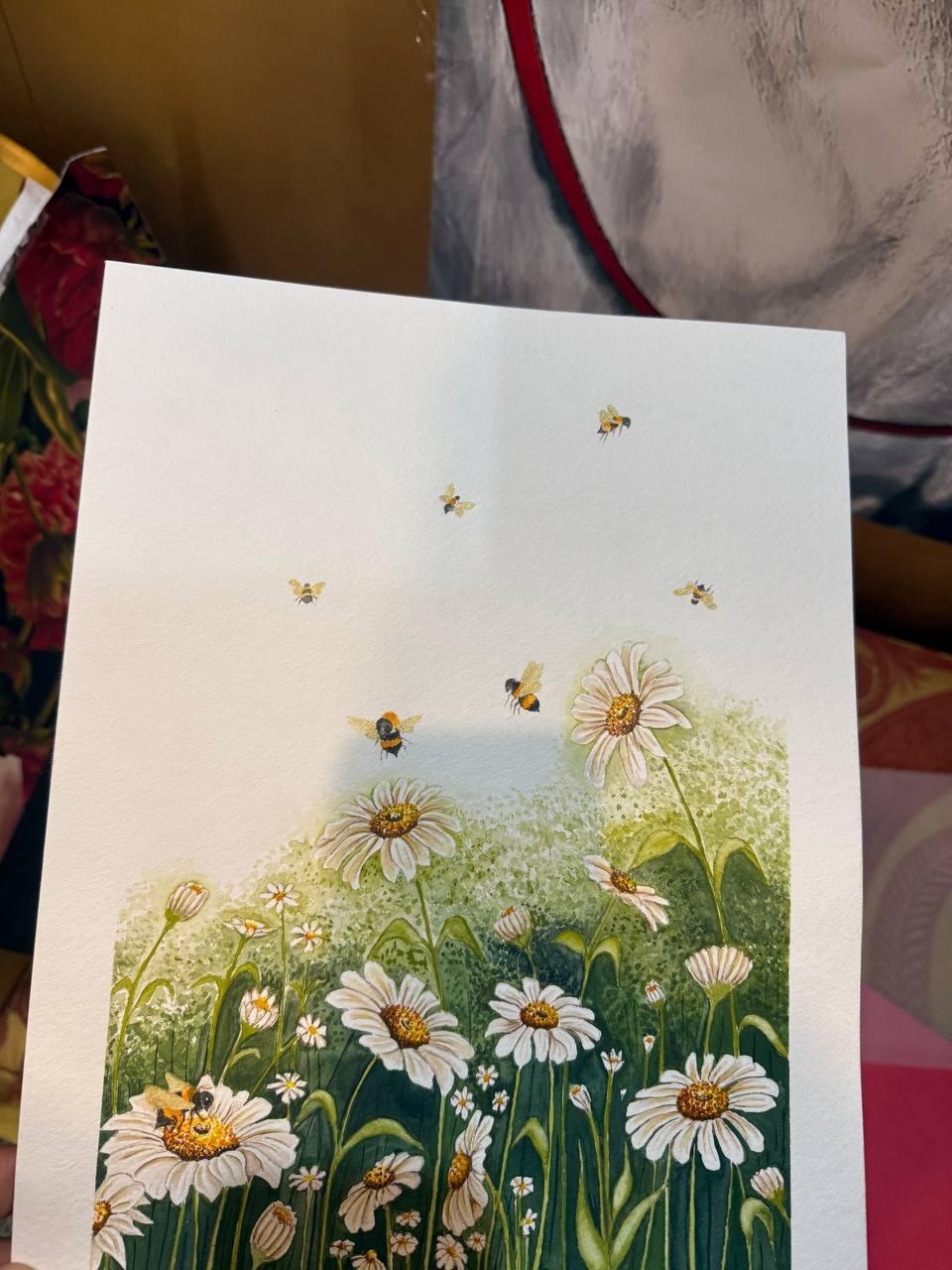
Clear, simple images. One main subject that is easy to read at a glance is usually gentler than a busy, crowded scene.
-
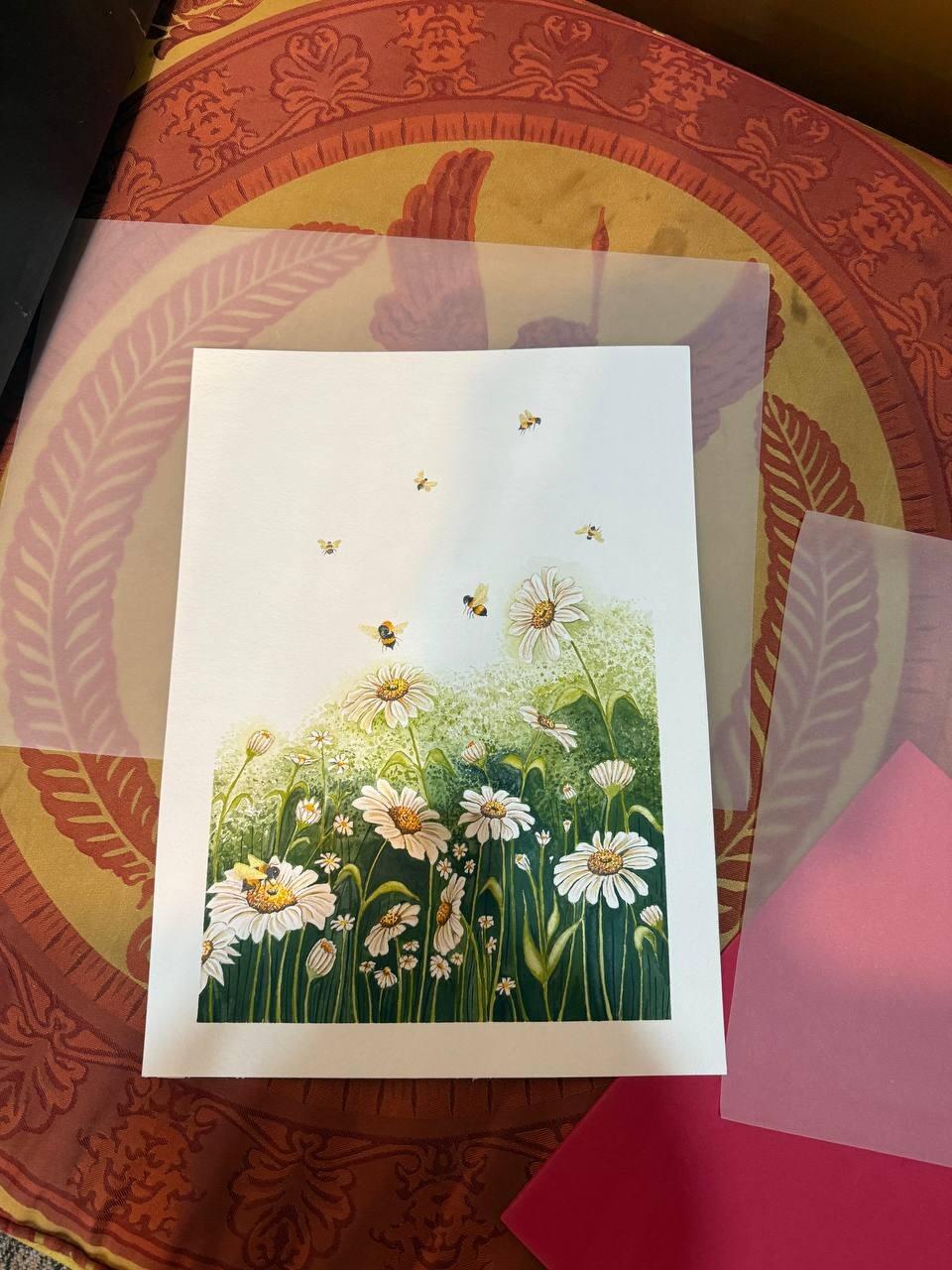
Familiar and everyday subjects. Gardens, calm landscapes, flowers, and simple scenes of daily life are easy to recognise and can prompt a happy memory or a chat.
-
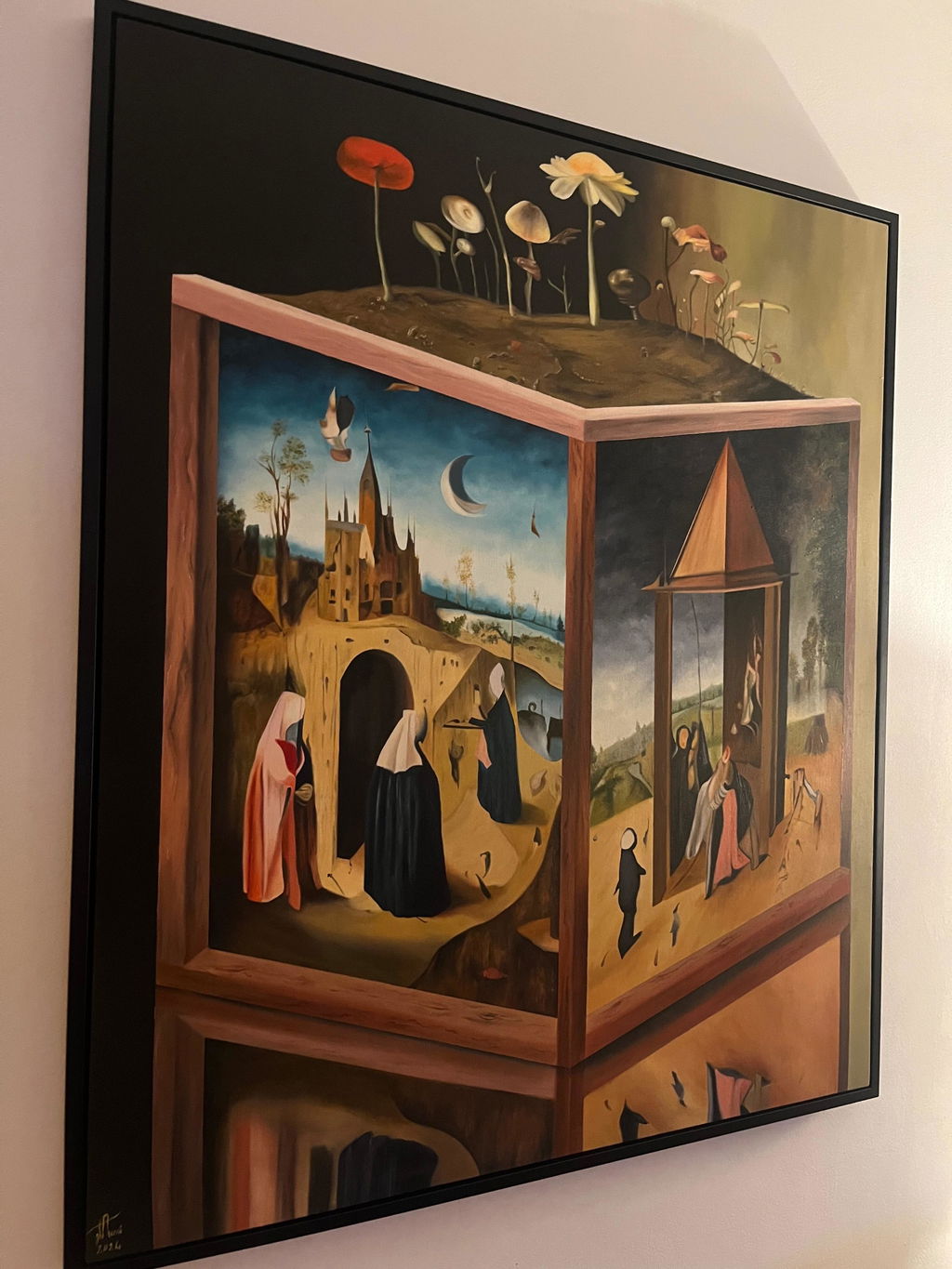
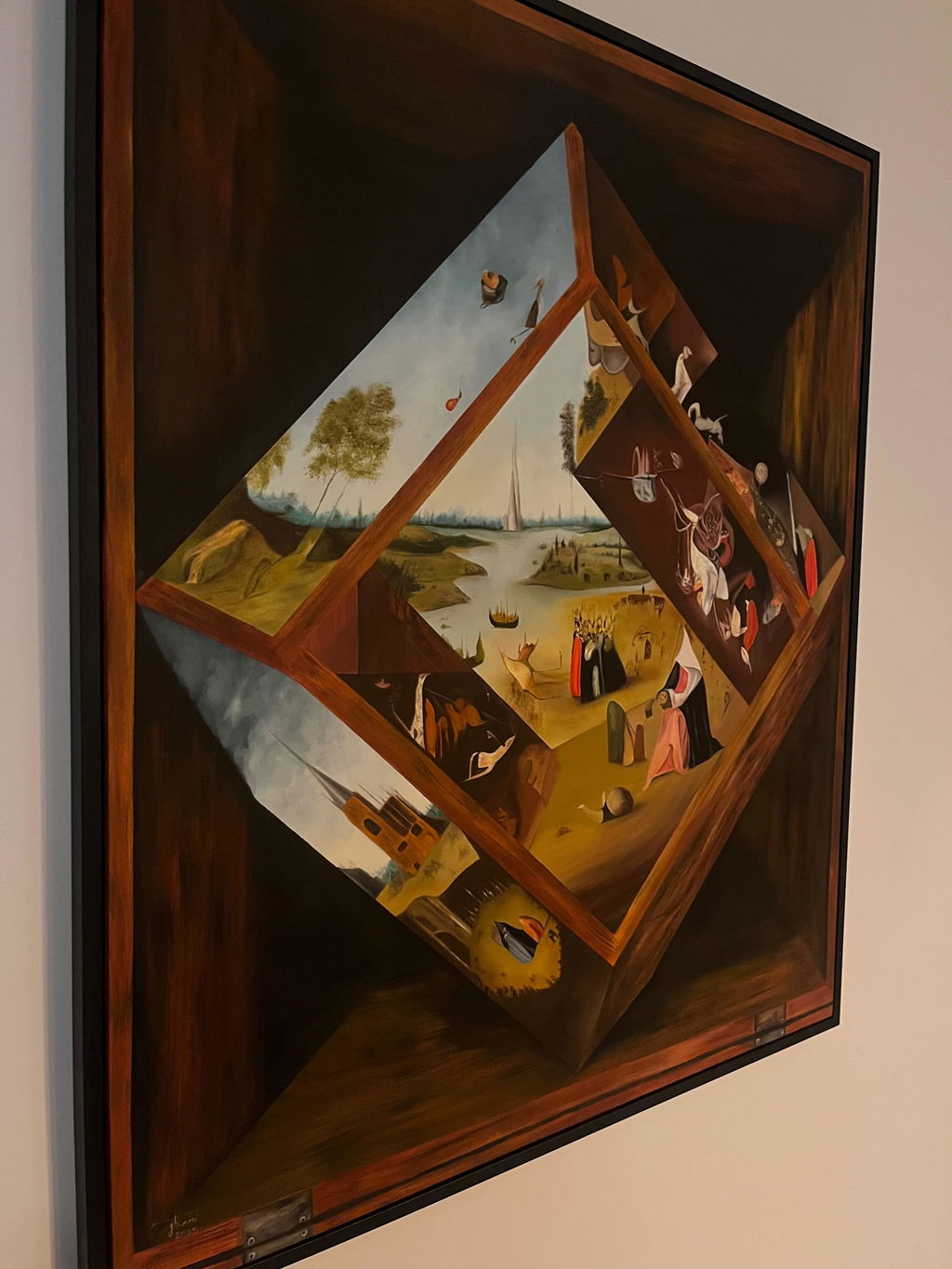
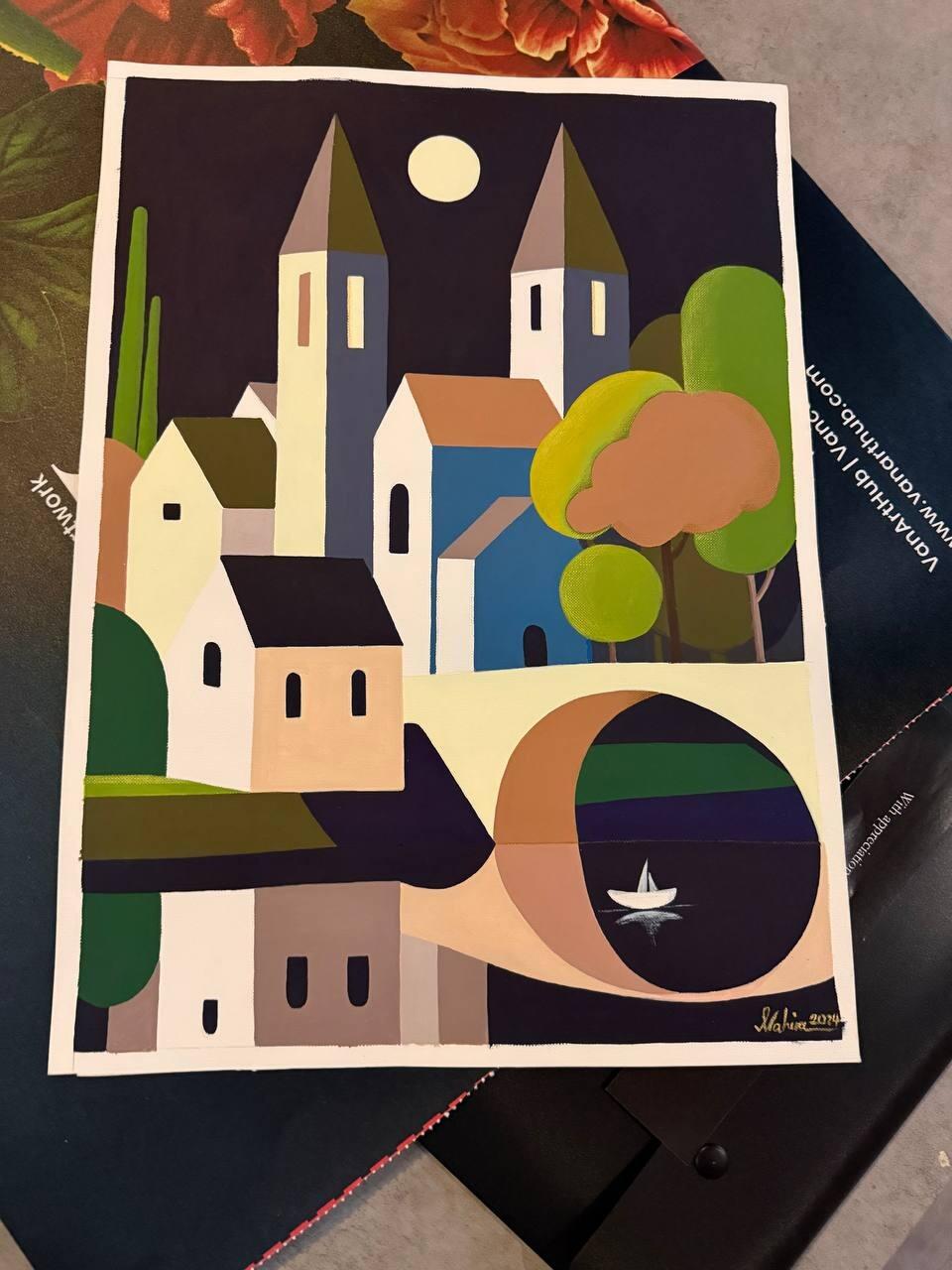
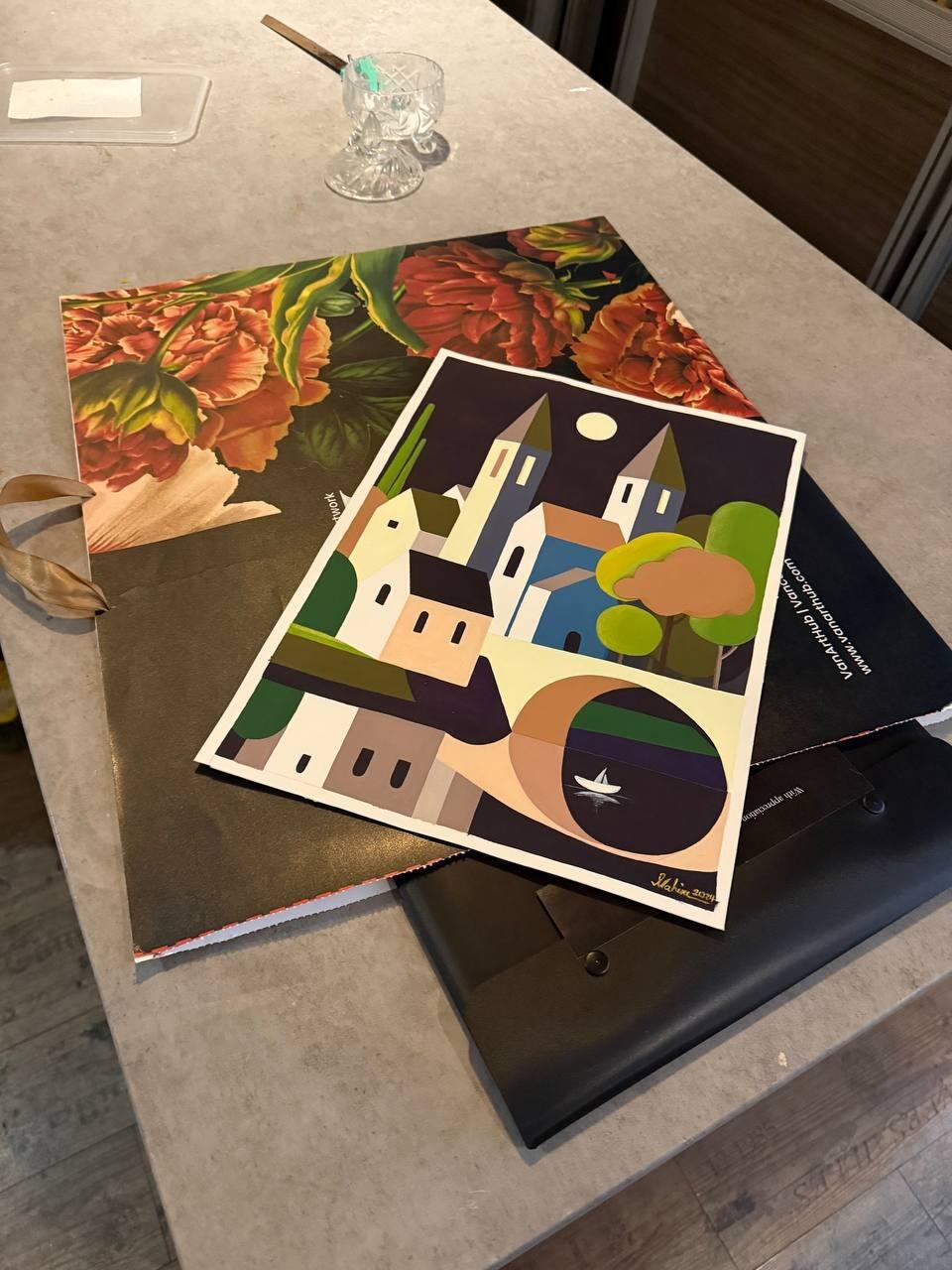
Calm, warm colour. Soft, warm tones tend to feel settling. Very high contrast, strong patterns, or images that could be mistaken for something real (like a dark shape that reads as a hole) are often avoided.
-
Real scenes over abstract. Abstract art can be hard to make sense of. Realistic, recognisable images are usually easier.
Again, these are general considerations. Your care team should guide which images, sizes, and placements are right, and should have the final say.
Where these paintings help
Familiar images can support the mood of a room and give residents something pleasant and recognisable to rest their eyes on. We do not claim any health outcome from art, and no honest gallery should. What we can say is that a clear painting of a garden is easier to enjoy than a confusing one, and that is a fair reason to choose carefully.
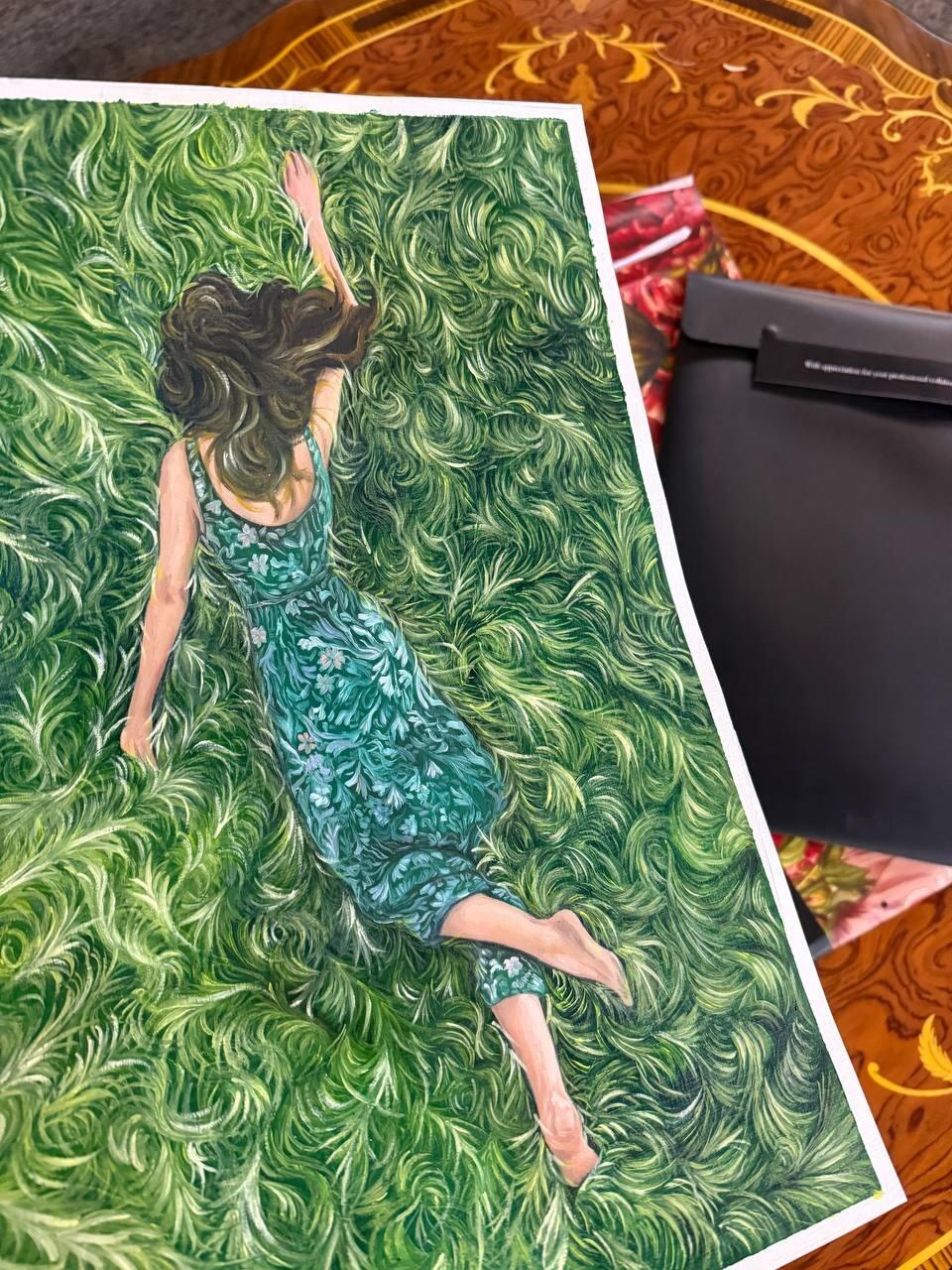
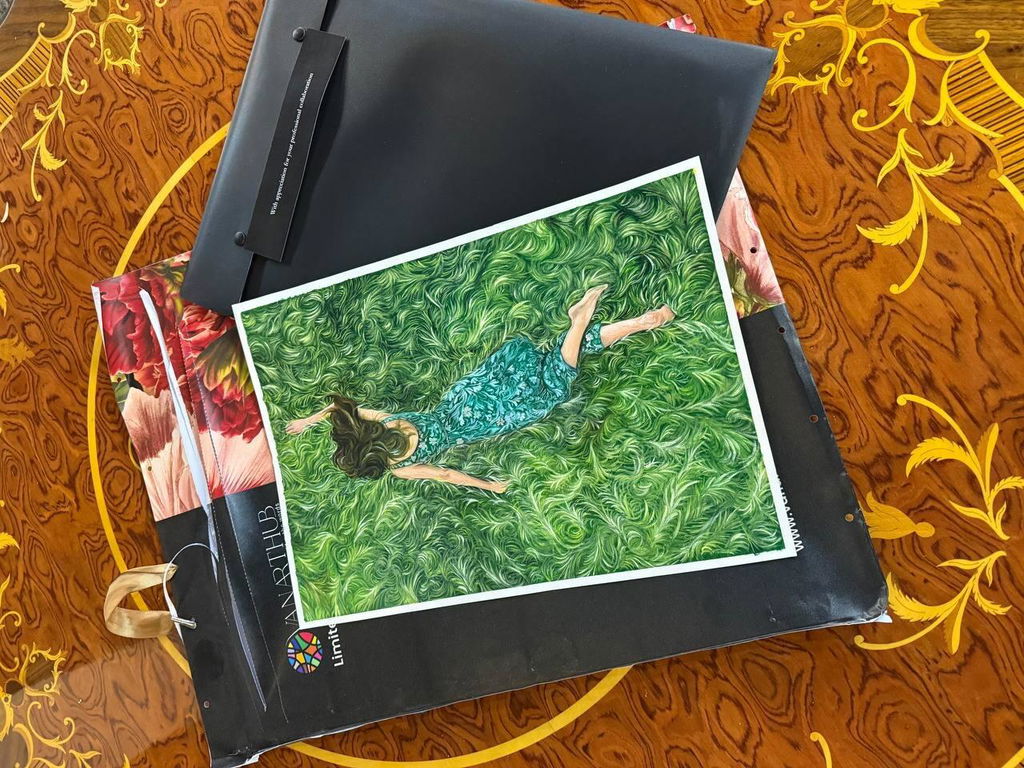
Good starting points are our nature paintings, floral paintings, and landscape paintings, where the subjects are familiar and easy to read. We can help you filter these down to the calmest, clearest options with your care team in the loop.
Safe hanging in memory care
Fixing matters as much as the image. In memory care we recommend secure, tamper-resistant fixings and, where your care team advises it, shatter-resistant glazing or a frameless canvas rather than glass. Placement height and location should also follow your team's guidance. We plan all of this with you before anything goes on the wall.
Related pages
Frequently asked questions
What kind of images are usually chosen for memory care?
Clear, simple, and familiar images are common choices: gardens, calm landscapes, flowers, and everyday scenes with one easy-to-read subject. Very busy, high-contrast, or abstract images are often avoided. These are general design ideas only. Your care team should guide the final choice for your residents and follow current dementia design guidance.
Does art improve health for people with dementia?
We do not make health claims. Art is not a treatment, and no honest gallery will promise a health outcome. What we can say is that a clear, familiar, calming image is easier to enjoy than a confusing one. Any decision about what suits your residents should be guided by your care team.
Why avoid abstract or very busy paintings here?
Abstract and very busy images can be hard to make sense of, which may add confusion. Realistic, recognisable scenes are usually easier to read. Strong patterns or dark shapes that could be misread are also commonly avoided. Always check specific choices with your care staff, since needs differ from resident to resident.
How do you keep the paintings safe on the wall?
We recommend secure, tamper-resistant fixings and, where your care team advises it, shatter-resistant glazing or a frameless canvas instead of glass. Height and placement should follow your team's guidance too. We plan the fixings, glazing, and hang with you before anything goes up, and we can install the work for you.
We can shortlist calm, clear paintings and review them with your care team. Talk to our art advisory team or contact us to start.