Work areas

Open-Plan Office Art

Colour and energy across large shared floors.

An open floor is efficient, but it can feel flat and hard on the eyes. Long bare walls and rows of desks give people nothing to rest their gaze on. The right art fixes that.

Art in an open-plan office does real work. It breaks up long runs of wall, adds colour where the palette is usually grey, and gives the eye somewhere to land between tasks. Done well, it makes a big shared space feel human rather than industrial. Here is how we plan it.

Break up the long walls

Open floors have long, uninterrupted walls that read as blank and cold. Rather than one small piece stranded in the middle, plan a rhythm along the wall. A series of coordinated pieces, spaced evenly, guides the eye down the room and makes the space feel considered.

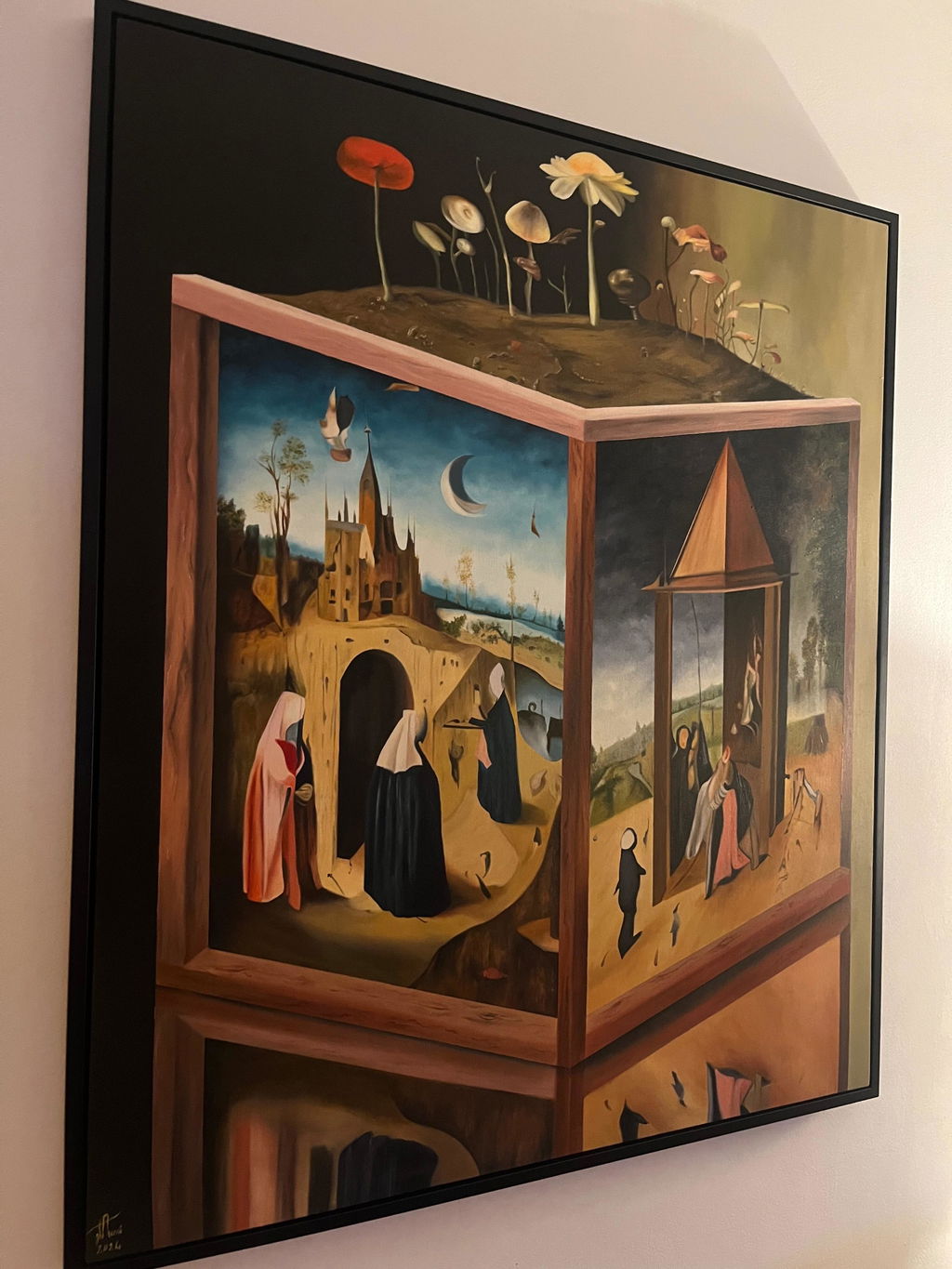
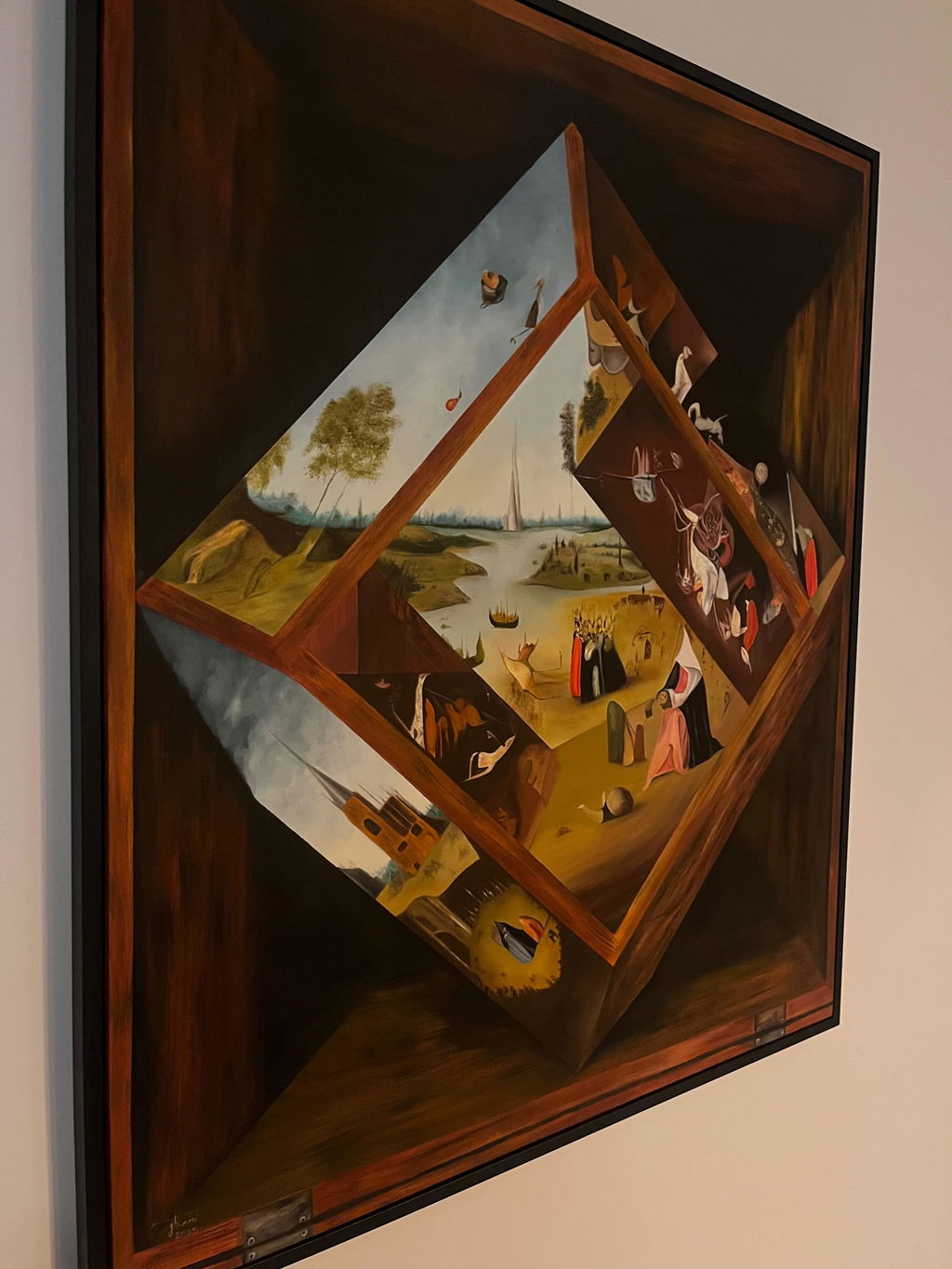
For a very long wall, three to five pieces that share a palette or a theme work better than one piece that gets lost. We plan these as a set so the colours and spacing read as one idea, not a random hang. Browse our office art and modern office paintings for pieces that group well.

Use colour where the palette is grey

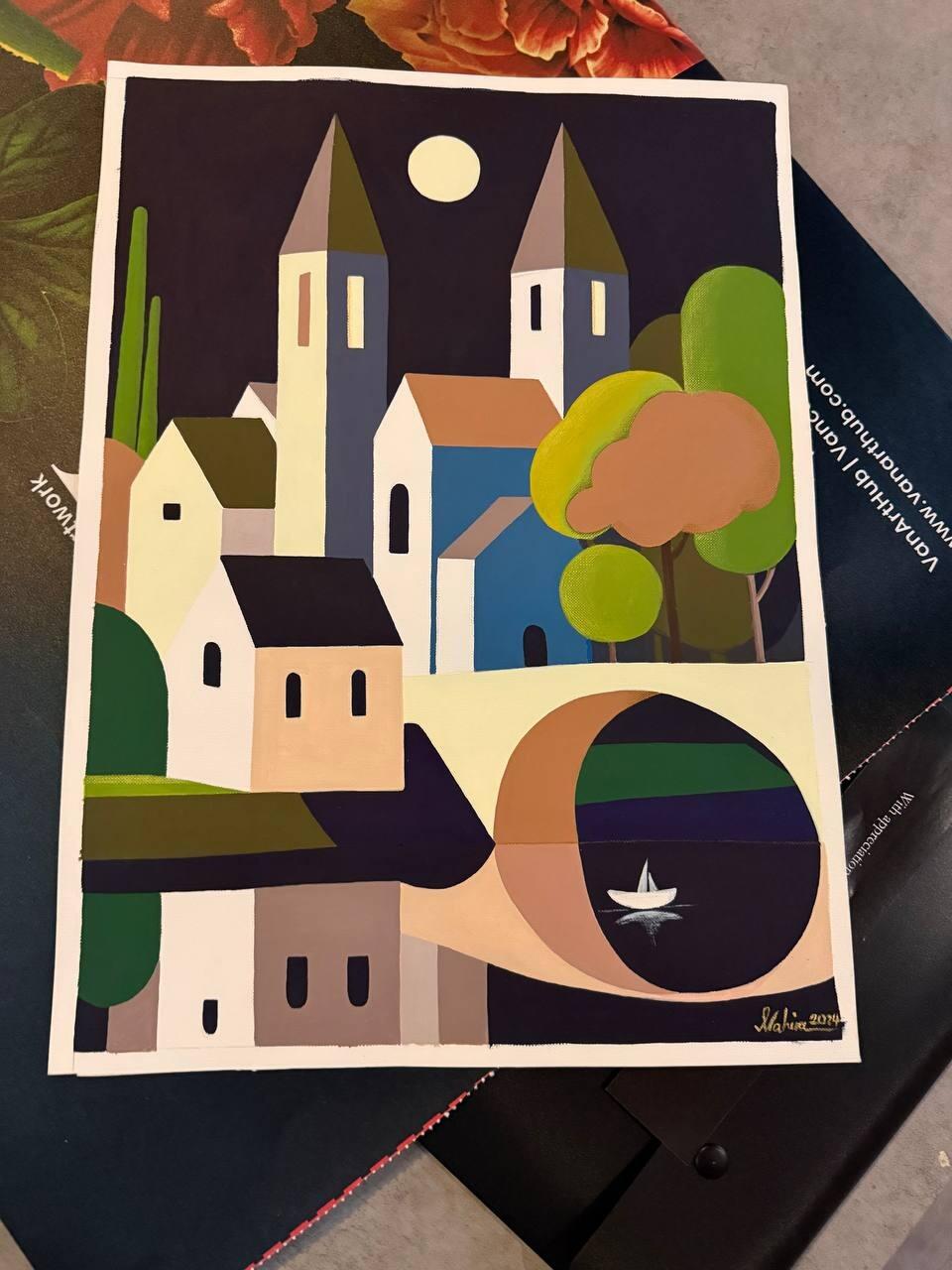
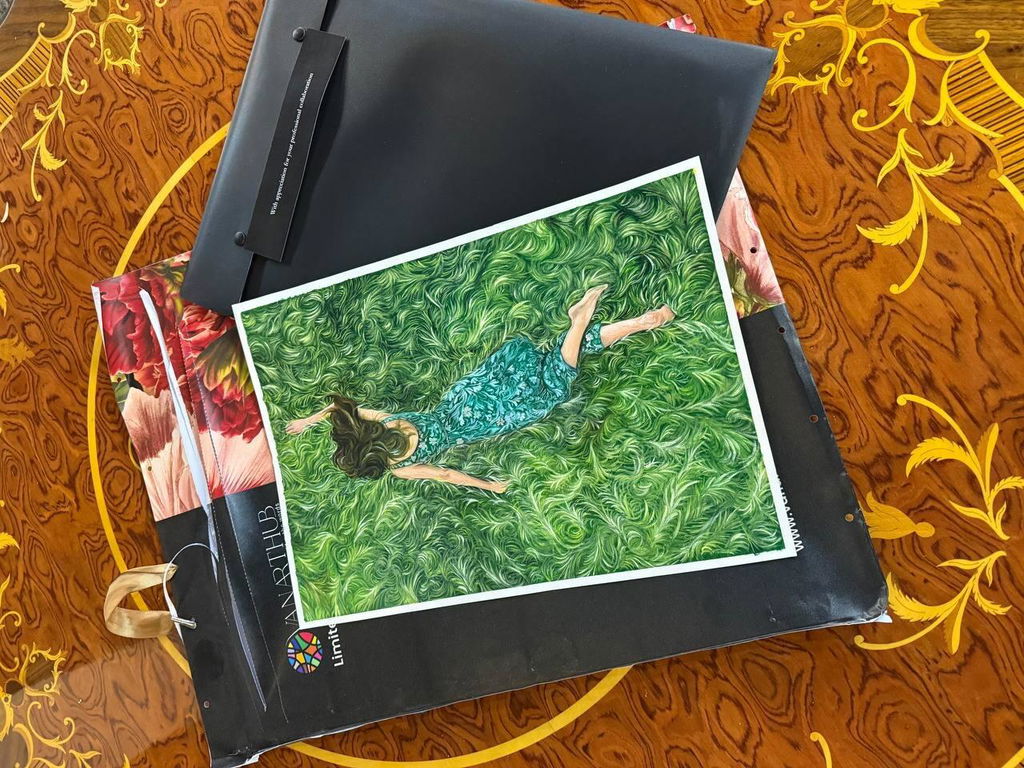
Most open offices are neutral, with grey carpet, white walls, and dark furniture. That is calm but it can feel lifeless. Art is the cheapest way to bring warmth and colour into that palette without repainting or refurnishing. A few well-placed pieces with warm or natural tones lift the whole floor.

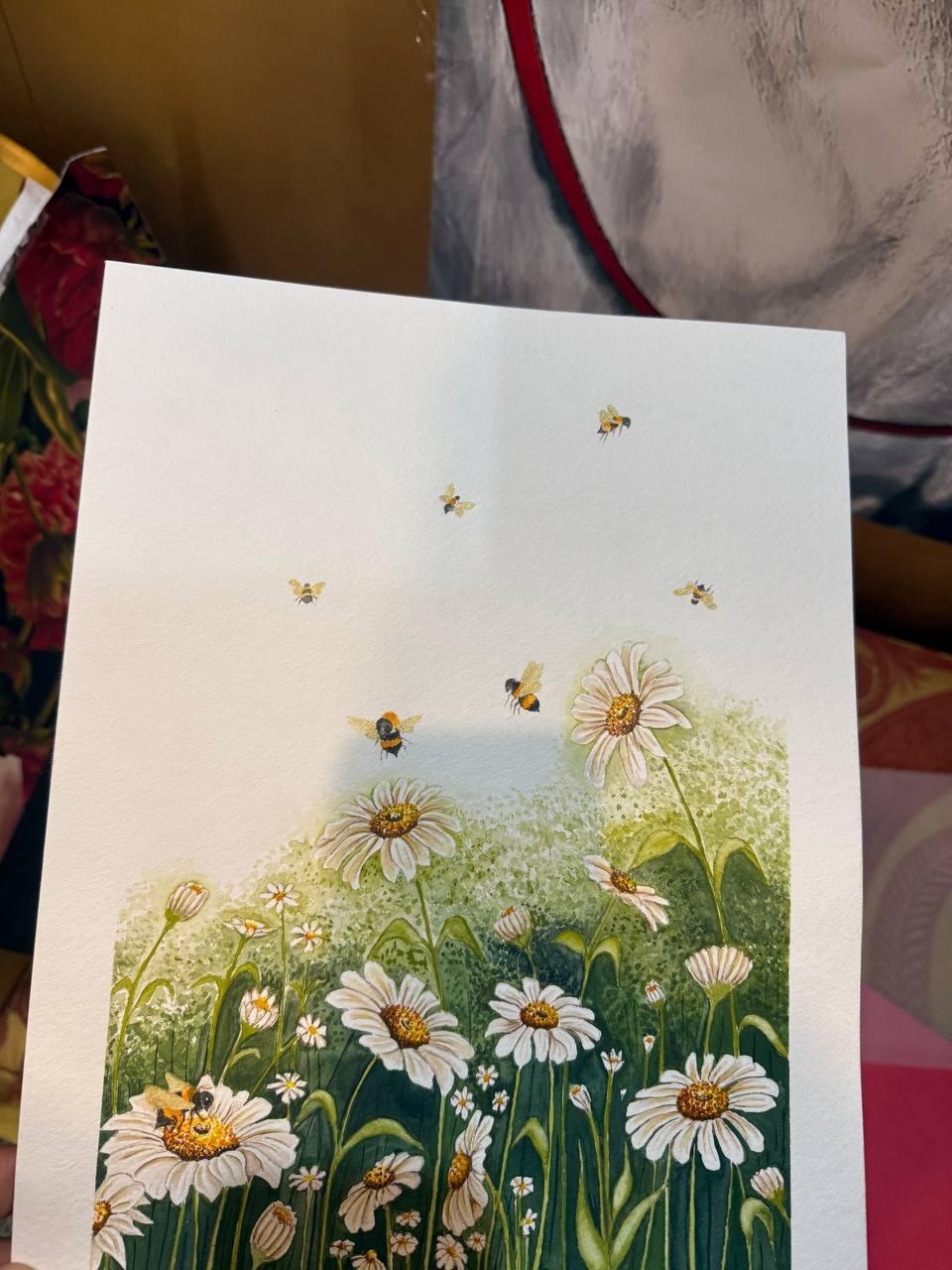
Colour also helps people feel better in the space. Natural subjects, soft landscapes, and calm abstracts give a tired eye a break during the day. You do not need loud art everywhere. A few strong colour points across a large floor do more than colour on every wall.

Help focus and calm, not distract

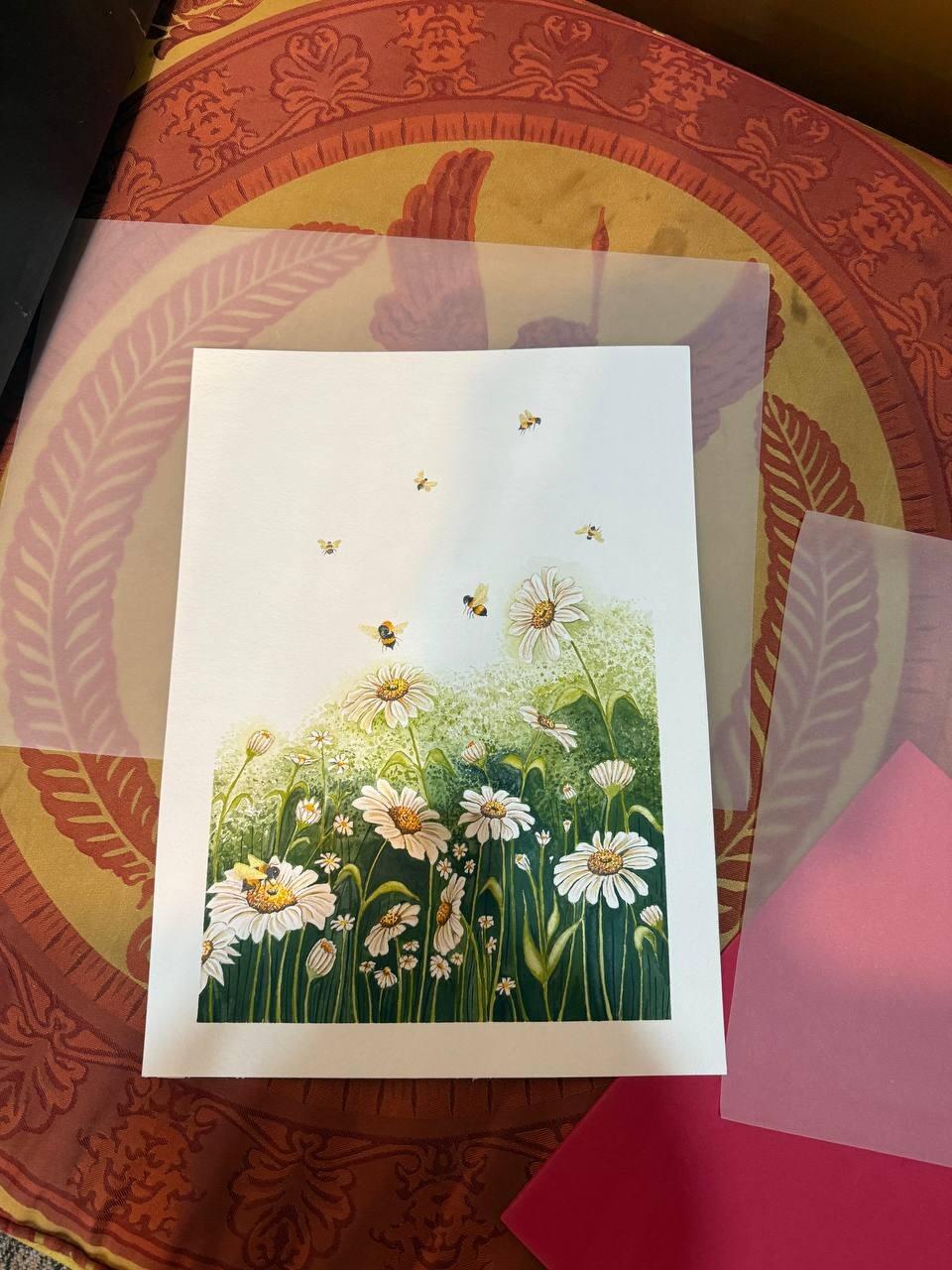
There is a balance here. Art should add interest, but very busy or high-contrast pieces near workstations can distract rather than help. A good rule: use calmer, restful work in the areas where people concentrate, and save bolder pieces for break areas, corridors, and collaboration zones where energy is welcome.

  • Focus zones and desks: calm landscapes, soft abstracts, natural colour.
  • Break rooms and social areas: bolder colour and more movement are fine.
  • Corridors and circulation: a rhythm of coordinated pieces to lead the eye.

Practical notes for a big floor

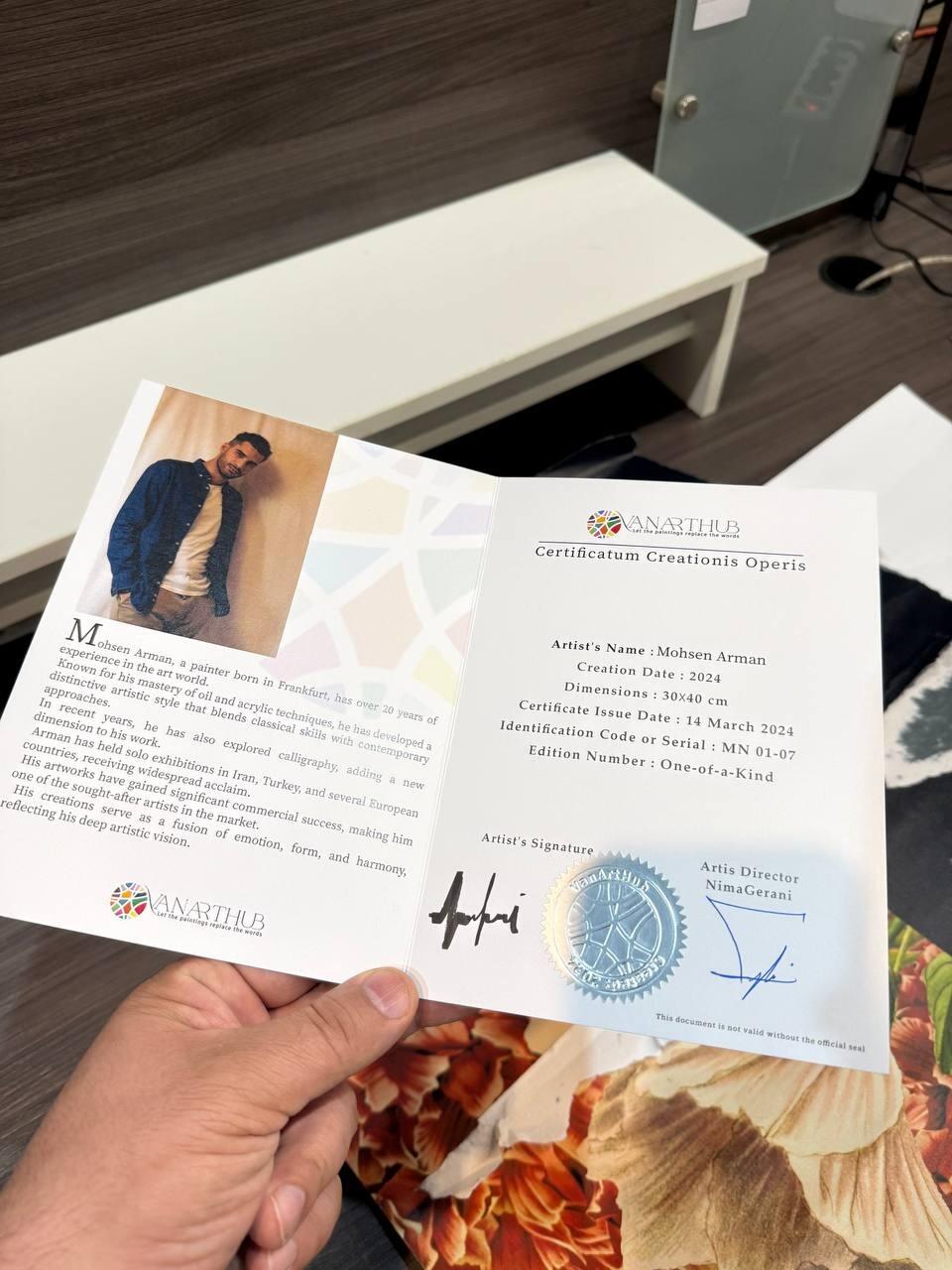
Open offices are high-traffic and the art stays up for years, so durability matters. We supply original paintings on stretched canvas, which hold up well and are easy to maintain. For a whole floor, we can plan the pieces together, arrange delivery and installation, and hang everything level and secure on the right hardware. If you are furnishing a space that may change, art rentals are also an option, so you can refresh the floor without buying every piece outright.

Related pages

See also modern commercial wall art.

Frequently asked questions

How do I fill a long open-office wall?

Plan a rhythm rather than one stranded piece. Three to five coordinated works that share a palette or theme, spaced evenly, guide the eye down the wall and make the space feel considered. We plan sets like this so the colours and spacing read as one idea.

What art helps people focus?

Calmer, restful work near desks and focus zones, such as soft landscapes, calm abstracts, and natural colour. Save bolder, high-contrast pieces for break rooms and collaboration areas, where energy is welcome and concentration is not the goal.

Can art warm up a grey office?

Yes. Art is the cheapest way to add colour and warmth to a neutral office without repainting or refurnishing. A few strong colour points across a large floor lift the whole space more than muted colour spread over every wall.

Do you rent art for offices?

Yes, we offer art rentals. This suits spaces that may change or teams that want to refresh a floor without buying every piece outright. We can also plan, deliver, and install a full set of purchased pieces if you prefer to own them.

Planning art for a whole floor? Our art advisory team can help you map the walls and pick a coordinated set, or reach us on the contact page.