Art That Survives a Steamy Kitchen: What We Recommend
Updated By VanArtHub Curatorial TeamShare
Buyers ask us this more than you would think: can a real painting live in a kitchen? The honest answer is yes, but not just anywhere in the room. A kitchen is warm, greasy, and full of steam, and those three things decide whether a piece looks the same in five years or slowly clouds over.
We sell original, signed paintings, not prints, so we care about where each one ends up. Here is how we would hang art in a working kitchen without regretting it later.
The three things that damage art in a kitchen
Heat, grease, and steam. Every kitchen has all three, and each one hurts a painting in its own way.
- Heat from the stove and oven can soften varnish, expand a wood frame, and dry out a canvas over time. Repeated hot-then-cool cycles are worse than steady warmth.
- Grease is the quiet one. Cooking oil turns into a fine mist that floats across the room and settles on any surface, including your painting. It builds a sticky film that traps dust and yellows a light-coloured piece.
- Steam from boiling pots and the sink raises the humidity right around that spot. On a framed work on paper, that moisture can lift the paper, spot it with mould, or buckle the mount.
None of this happens overnight. It happens slowly, in the corner nobody is watching. So the fix is mostly about placement.
Keep the painting away from the stove and sink
This is the single most important rule, and it costs nothing. Do not hang art on the wall directly beside the cooktop, and do not hang it above or next to the sink. Those are the two spots where grease and steam are heaviest.
Good spots in most kitchens are the wall by the table, the side of a tall cabinet, the strip of wall near the entry, or a breakfast nook away from the cooking zone. If you have a range hood that actually vents outside, use it every time you cook. Good ventilation is the cheapest art protection there is. An open window while you fry does more good than any coating.
Favour a sealed canvas over a framed work on paper
For a kitchen, we point people toward a varnished canvas rather than a framed watercolour, drawing, or print on paper. Here is the reasoning in plain terms.
| Type of piece | How it handles a kitchen |
|---|---|
| Oil or acrylic on canvas, varnished | Best choice. The varnish is a sealed layer you can gently wipe clean. It shrugs off a light grease film far better than bare paper. |
| Framed work on paper, behind glass | Riskier. Steam and humidity can condense inside the glass and mark the paper. Only workable well away from the sink and stove. |
| Unvarnished or raw-surface work | Avoid in a kitchen. There is no protective layer, so grease settles straight into the paint. |
A varnished canvas gives you a surface you can maintain. That is the whole game in a kitchen: pick something you can keep clean without touching the paint itself.
Go small, and fit it between the cabinets
Kitchens rarely have a big empty wall. What they do have is the gap between the upper cabinets and the counter, the end panel of a cabinet run, or a narrow slice of wall by the fridge. Those spots suit a small original, roughly 20 by 20 cm up to 30 by 40 cm.
Small also lowers the stakes. If you are nervous about art in a kitchen, start with one modest piece rather than a large canvas over the range. At VanArtHub prices start at about $531, so a small original for a kitchen corner is a real, low-risk way to begin. And because you get a 14-day trial, you can hang it, live with it for two weeks, and send it back for a full refund with return shipping paid if the spot turns out to be wrong.
Food and botanical subjects that belong there
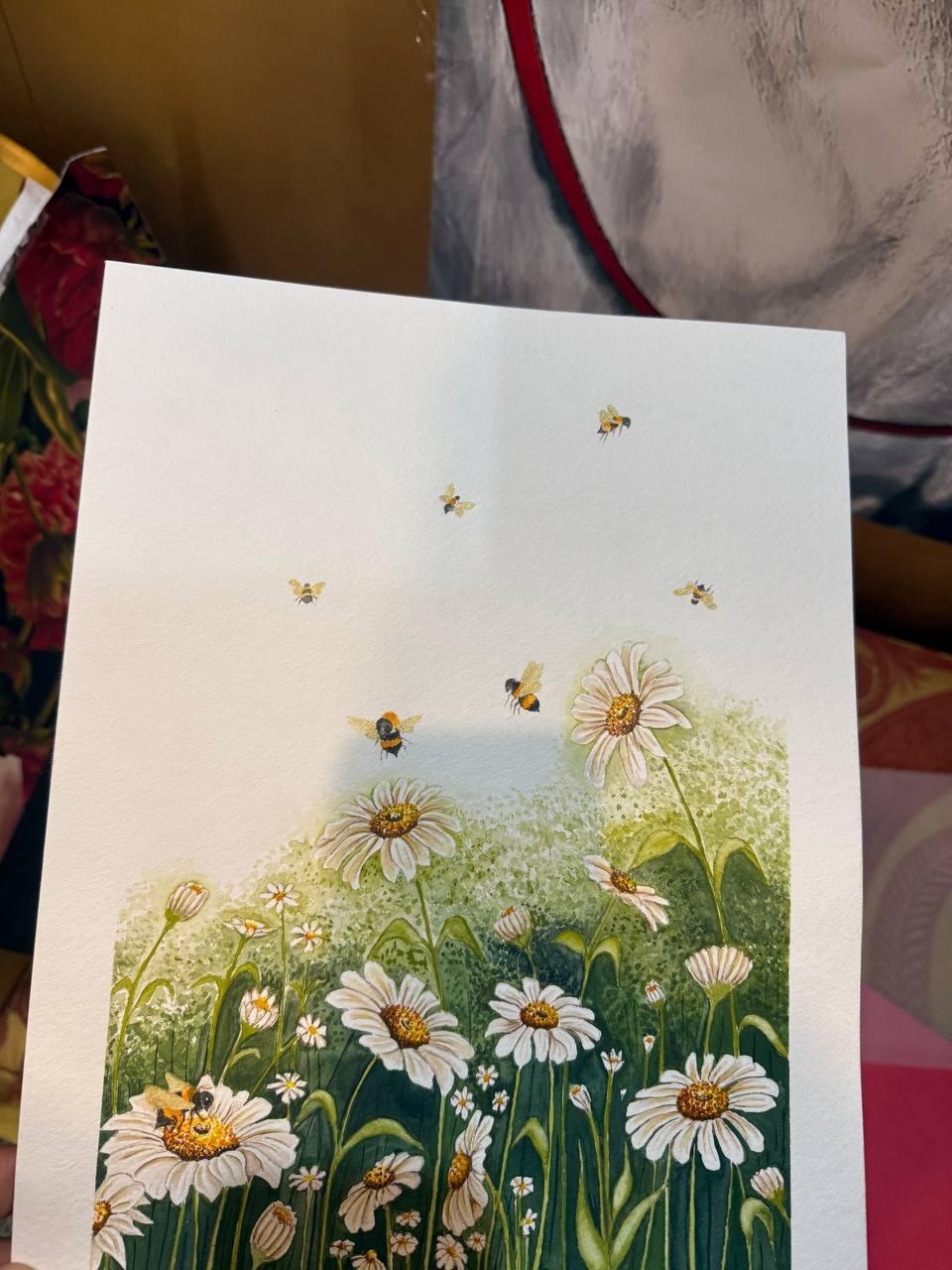
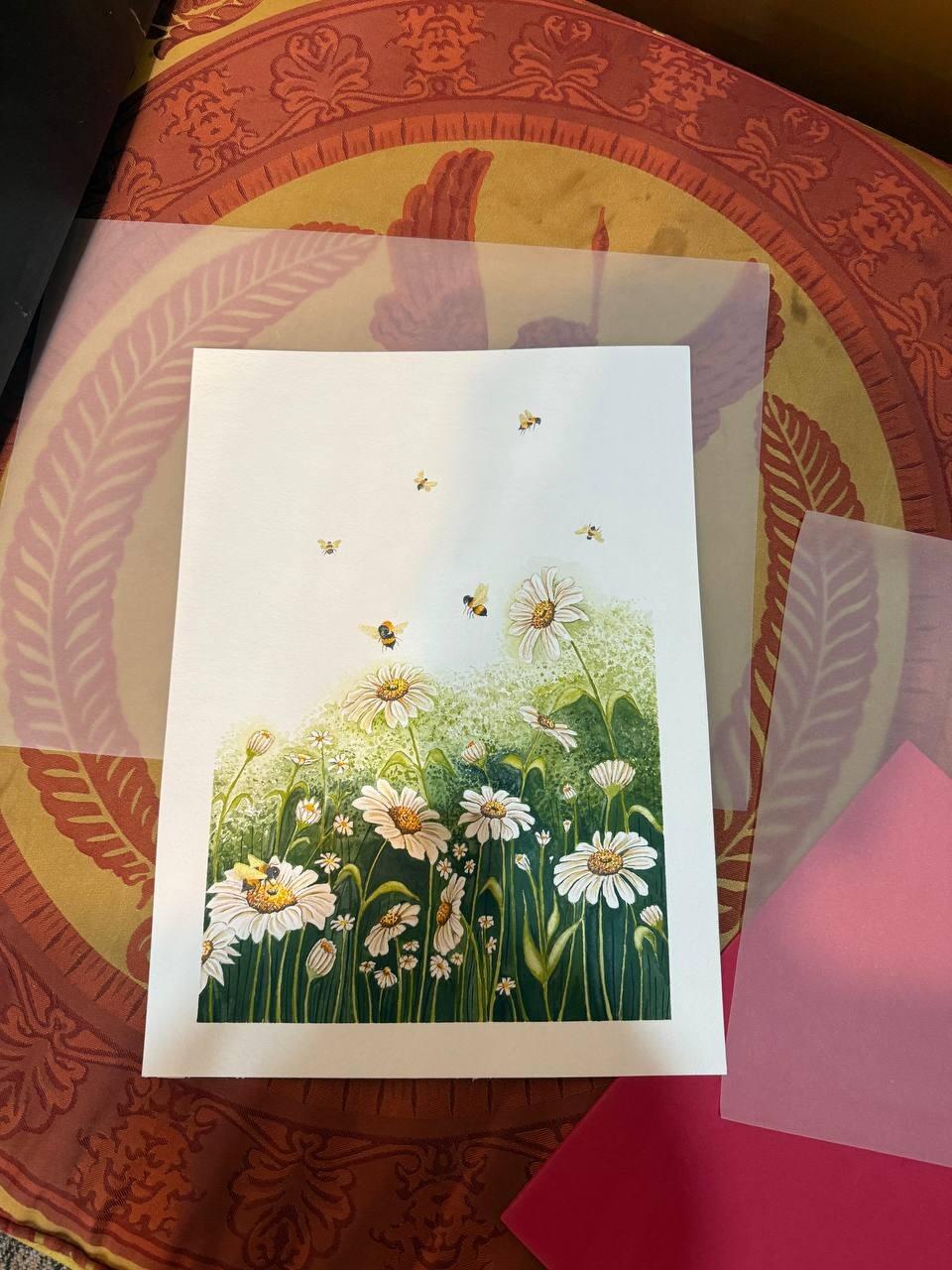
Subject matter is where a kitchen gets to be fun. Food and botanical themes feel at home over a table: a bowl of lemons, a copper pot, herbs, a market scene, a single fig on a plate. Green, leafy nature paintings bring the same calm to a kitchen that a windowsill plant does, without needing water. These read as intentional in a way that a random abstract sometimes does not, though a small abstract in a warm colour works well too.
Key takeaways
- Never hang art directly beside the stove or above the sink. That is where grease and steam are worst.
- Choose a varnished canvas over a framed work on paper, because you can wipe the sealed surface clean.
- Keep it small and slot it between cabinets or by the table, not over the range.
- Run the range hood and open a window when you cook. Ventilation protects art for free.
- Food and botanical subjects, or green nature scenes, suit a kitchen and hide light dust better than a pale, flat surface.
A kitchen can absolutely hold a real painting. You just have to respect the heat, the grease, and the steam, and put the piece where they cannot reach it. If you want the fuller version of this, read our guide to caring for original paintings, and see our thinking on picking pieces for this room in Canadian art for the kitchen. When you are ready to choose, our nature paintings collection is a good place to find a small food or botanical original that will feel right over the table.
Frequently asked questions
Can I really hang an original painting in my kitchen?
Yes, as long as you keep it away from the stove and sink. The damage in a kitchen comes from heat, grease, and steam, and all three are strongest in the cooking zone. Hang the piece by the table or on a cabinet end instead, run your range hood, and a varnished canvas will do fine for years.
Is a canvas or a framed print better for a kitchen?
A varnished canvas. Its sealed top layer lets you gently wipe off the light grease film that every kitchen builds up. A framed work on paper is riskier, because steam and humidity can condense behind the glass and mark the paper. If you use one, keep it far from the sink and stove.
How do I clean a painting that hangs in a kitchen?
Dust it lightly with a soft, dry cloth or a clean makeup brush. Do not use water, kitchen sprays, or solvents on the paint, as these can lift varnish or colour. For anything more than surface dust, ask us or a conservator. Cleaning a kitchen piece a little more often keeps grease from building up.
What size painting fits a kitchen wall?
Usually small, roughly 20 by 20 cm up to 30 by 40 cm, so it slots between the upper cabinets and the counter or onto a cabinet end panel. Kitchens rarely have a large clear wall. Starting small also lowers the risk, and our 14-day trial lets you test the spot before you commit.