Commissioning a Diptych or Triptych for a Wide Wall
Updated By VanArtHub Curatorial TeamShare
You have a wide wall, and everything you hang on it looks small. One painting floats in the middle like it wandered in by accident. You could go bigger, but a single canvas that wide gets awkward fast. This is exactly the wall a diptych or triptych was made for, and commissioning one is more straightforward than most people expect.
What a diptych and triptych actually are
A diptych is one artwork painted across two separate panels. A triptych is the same idea across three. Each panel is its own stretched canvas, and they hang next to each other with a small, even gap between them so they read as a single picture with breaks in it. The image can flow continuously across the panels, like a wide view split into sections, or each panel can hold part of a larger composition that only makes sense together.
The key point is that it is one piece, not a set of three matching paintings. The artist plans the whole image first, then decides where the panel breaks fall, so the gaps become part of the design rather than an interruption.
When multi-panel beats one big canvas
A single large canvas is the right answer more often than not. But there are clear cases where panels win.
Very wide walls. Once a wall passes roughly two metres, a single canvas wide enough to fill it becomes a problem. It is hard to ship, awkward to carry through doorways and up stairwells, and more expensive to stretch and frame. Three panels of a manageable size solve every one of those issues and still cover the same span.
Above a long sofa or sideboard. A long, low piece of furniture calls for width, not height. A diptych or triptych gives you that horizontal spread and lines up naturally with the furniture below it.
Hallways and stairwells. A run of panels can lead the eye down a long, narrow space in a way a single square canvas cannot.
If you are weighing the size of the wall before you decide, our room by room sizing guide gives real measurements for how much wall a piece should fill.
Spacing between the panels
This is where people get nervous, and it is simpler than it looks. Keep the gaps even and modest. A small, consistent gap, usually a couple of finger-widths, is the safe default. Too tight and the panels look like you meant them to touch and missed. Too wide and they stop reading as one picture and start looking like separate paintings that happen to share a wall.
The artist should plan the image so the composition carries across the gaps. A horizon line, a colour field, or a shape that continues from one panel to the next ties them together across the breaks. When you commission the piece, ask the artist to design for the exact gap you will use, because the spacing is part of the artwork, not an afterthought you sort out on hanging day.
For height on the wall, the same rule applies as for a single painting: hang so the centre of the whole group sits around eye level. Our guide on how high to hang a painting covers the exact height and how to treat a multi-panel group as one unit when you measure.
How the commission process works
Commissioning a diptych or triptych follows the same path as any custom painting, with one extra decision about panel breaks. In short:
You start by sharing the wall. Its width and height, the light it gets, the colours already in the room, and the mood you want. You and the artist agree on the number of panels, the total size, and roughly where the breaks fall. The artist then sends a sketch or a small colour study so you can approve the direction before any large canvas is painted. Once you approve, the artist paints the panels as one connected work. When it is done, each panel ships as its own protected package, insured, so nothing is riding on one oversized crate.
Because the steps, the sketch stage, and the approvals are the same as a single commission, our full walkthrough in how to commission a custom painting applies here too, and it is worth reading before you begin so you know what each stage looks like.
Cost and timeline expectations
A multi-panel commission is priced by the total painted area and the work involved, not by the number of panels, so three panels are not automatically three times the price of one. The honest tradeoff is that a large multi-panel piece is a bigger painting overall, so it will cost more and take longer than a small single canvas. Plan for weeks, not days, from the first sketch to a finished piece, and more if the total size is large. The exact figure and timeline depend on size, materials, and the artist, which is why the process starts with a conversation rather than a fixed price list.
Because a commission is made for you and cannot simply be returned like a stock piece, the sketch and approval stage matters even more here. Getting the layout and the gaps right on paper first is how you avoid surprises on the wall.
Matching the panels to the room
A multi-panel piece touches more of the room than a single canvas, so plan it against the space, not just the wall. Because it spreads wide, it picks up colours and light across a larger area, and a colour that flows across three panels will read more strongly than the same colour in one small painting. That is a chance to tie the piece to the room. Ask the artist to work in one or two tones that already appear in your furniture or textiles, so the finished work feels built for the space rather than dropped into it.
Think about the furniture line below the panels too. Above a sofa, the group should stop short of the sofa's ends, not run past them, or it looks like it is sliding off. A rough guide is to make the whole group somewhere around two thirds of the furniture width, then let the artist set the panel sizes and gaps to hit that span. Scale is the thing people most often get wrong on a wide wall, and going too small is the more common mistake, since a group that is too timid looks lost on a large surface.
Buying a commission with confidence
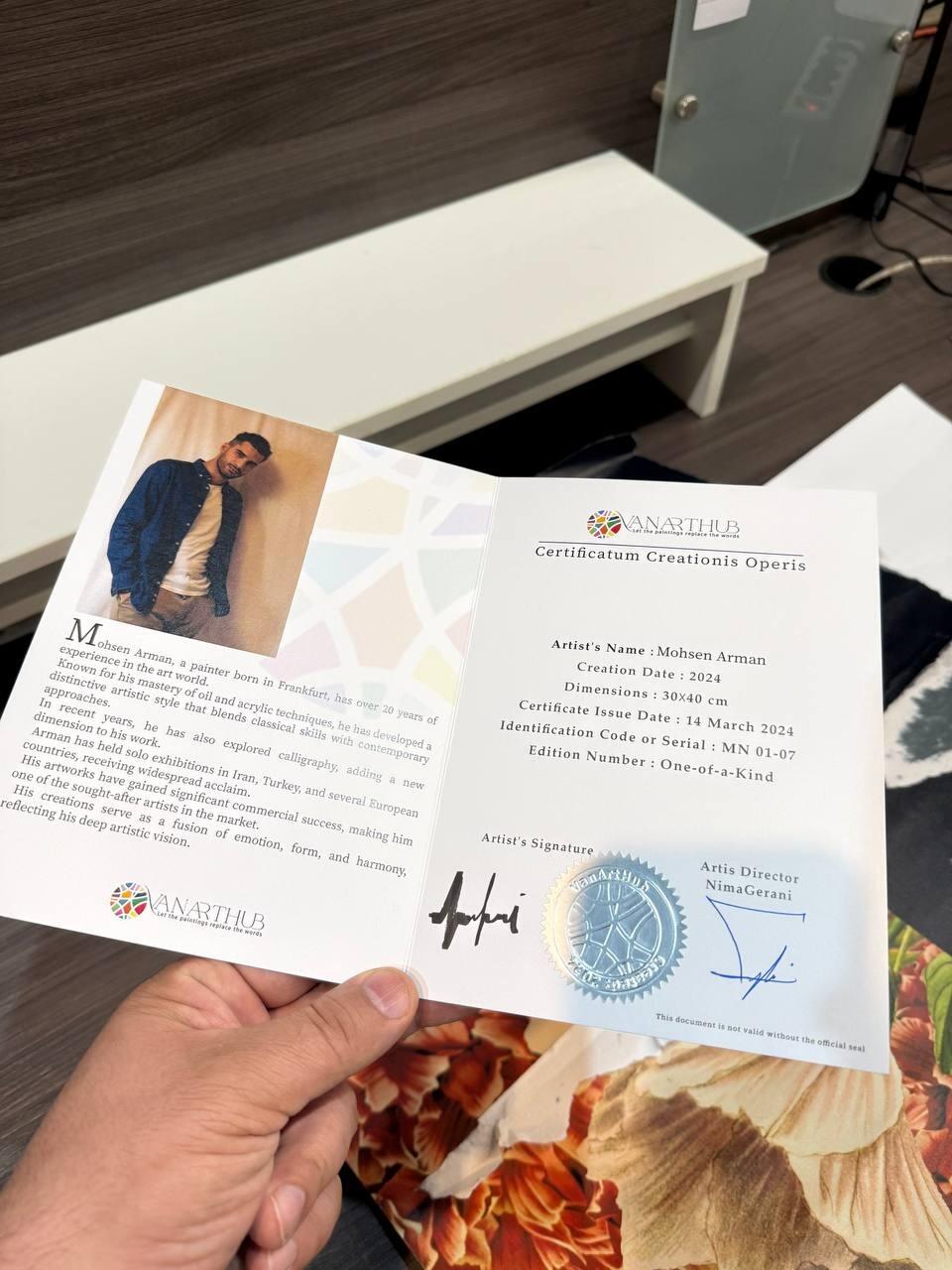
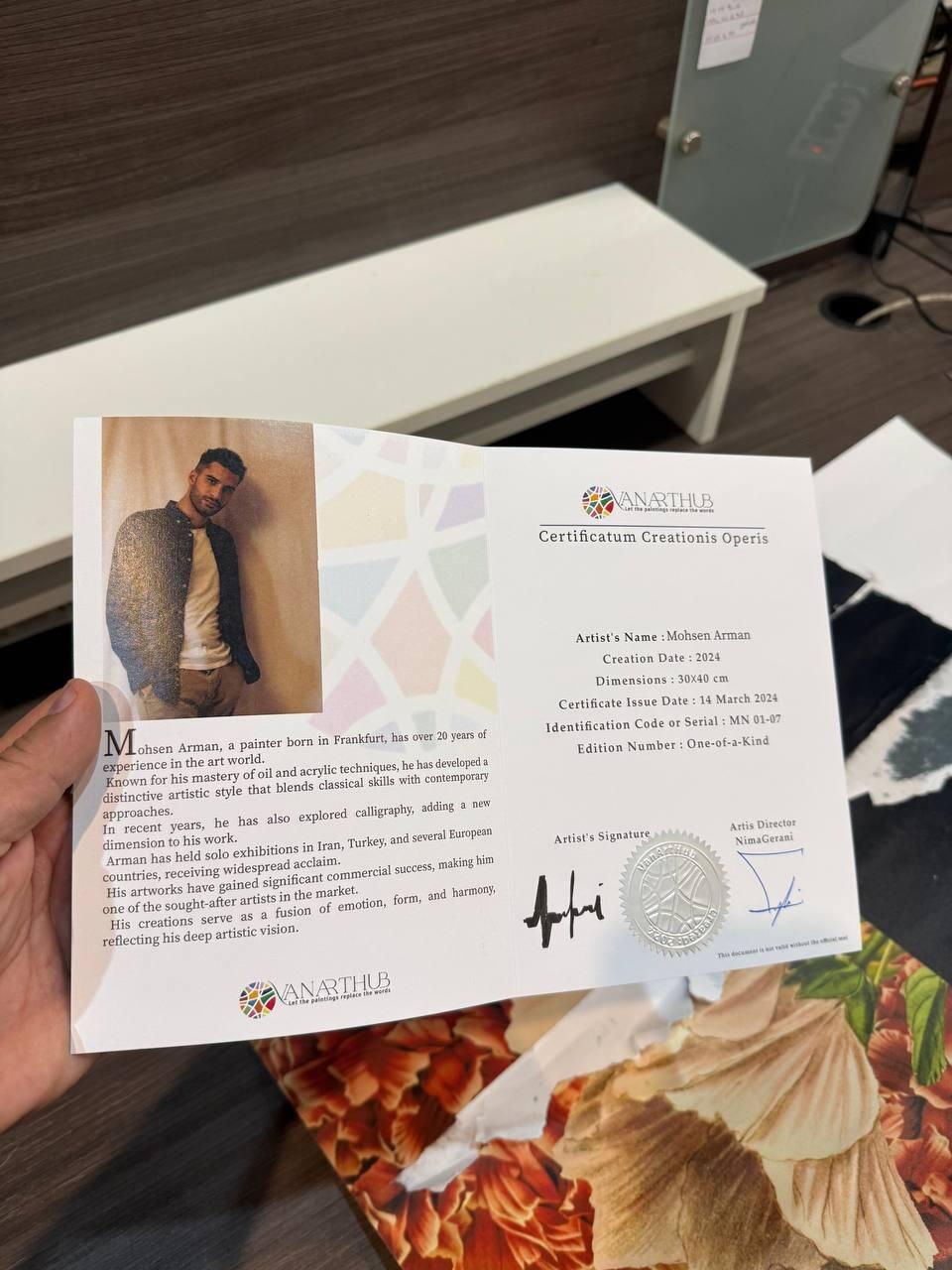
A custom piece is a bigger commitment than buying something off the wall, so it helps to know who you are working with. Every commission we arrange is an original one-of-a-kind painting, signed, and delivered with a Certificate of Authenticity. Shipping across Canada and to the USA is free and fully insured, panel by panel, and we are based in Vancouver with a 5.0 rating on Etsy. The trial and return terms differ for made-to-order commissions compared with stock pieces, so we agree those clearly with you before the artist starts, and there are no surprises later.
The short version
A diptych is a painting across two panels, a triptych across three, hung with a small even gap so they read as one image. Choose multi-panel over a single canvas when the wall is very wide, above a long sofa or sideboard, or down a hallway, because the panels are easier to ship and carry and still fill the span. Keep the gaps even and modest, let the artist plan the image to flow across the breaks, and expect a sketch-and-approval process that runs over weeks. Commissions are original, signed, come with a Certificate of Authenticity, and ship free and insured across Canada and the USA.