Floater Frames, Explained
Updated By VanArtHub Curatorial TeamShare
A floater frame does one thing no other frame does. It holds a canvas without touching the front of it.
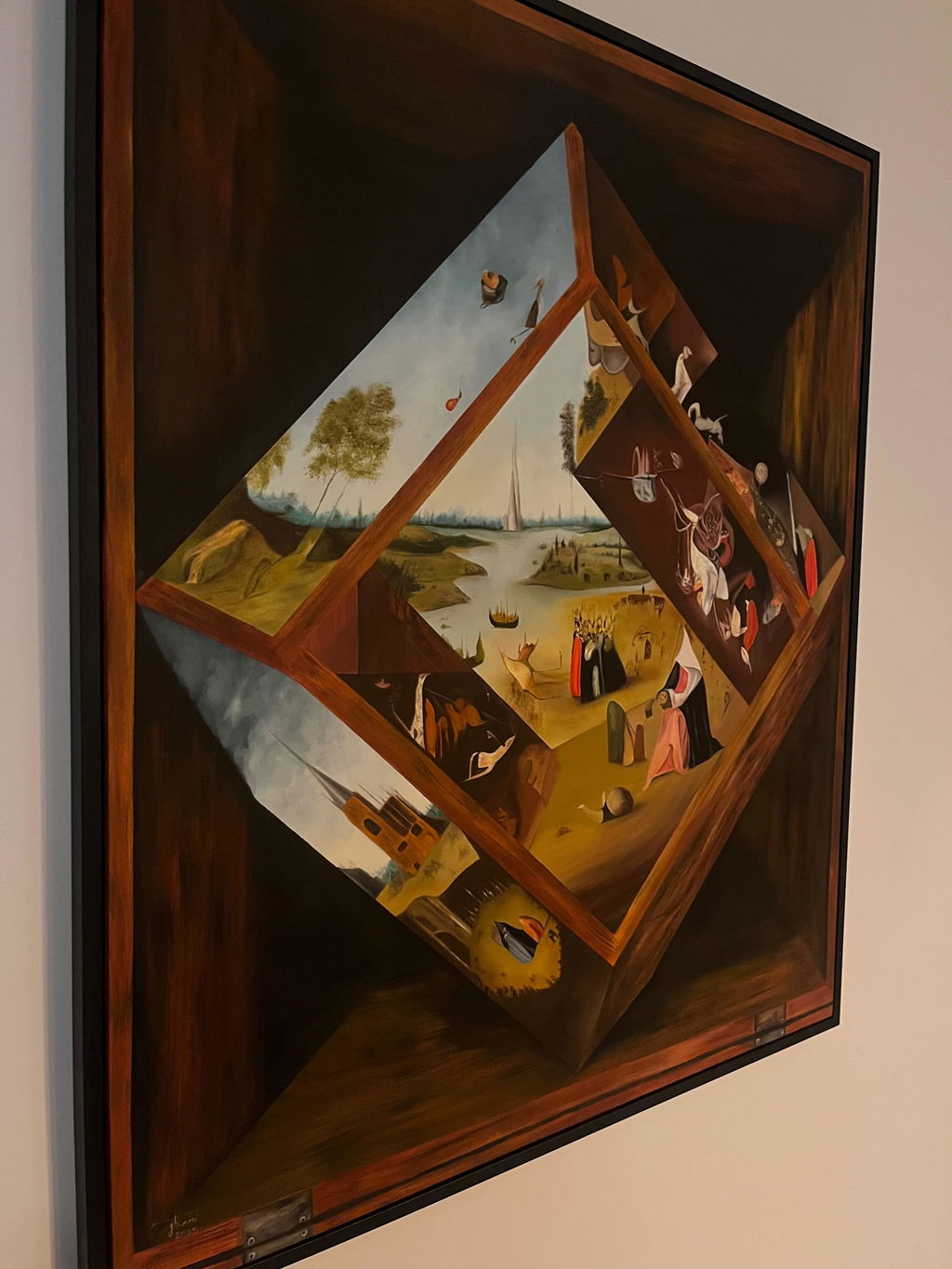
The canvas sits on a platform behind the moulding and stands slightly proud, leaving a visible gap all the way round. Nothing overlaps the painted surface. The edge of the artwork stays visible, and a shadow line runs around the whole piece.
The gap is the entire point
That shadow is what makes the work appear to float, and it is why the frame is worth having. It also means the artist's edge is still visible, rather than hidden under a rebate the way it would be in a conventional frame.
The right gap is between 3 mm and 6 mm on each side. Below 3 mm it reads as a mistake, as though the frame were cut slightly too small. Above about 8 mm the canvas stops looking framed and starts looking like it is sitting inside a box.
The measurement people forget
Depth. This is where most floater frame orders go wrong.
Stretcher bars run anywhere from about 19 mm on a light gallery canvas to 50 mm or more on a deep one. The frame has to be deeper than the canvas. If it is shallower, the canvas stands out of the front of the frame and the whole effect inverts.
Measure from the front surface of the canvas to the back of the stretcher bar before ordering anything. And measure both diagonals while you are there, because stretcher bars are rarely perfectly square and a frame cut to a single width will not close on a canvas that is 4 mm wider at the bottom.
How far forward should the canvas sit?
Flush with the frame, slightly recessed, or slightly proud all look different, and it is a decision rather than an accident. Slightly proud is the most common and reads as the most confident.
Which canvases suit it
Almost all of them, which is why it is the default for an oil or acrylic on stretched canvas.
Dark, heavy paintings take a black or walnut floater well, because the frame gives the composition a hard outer edge without adding brightness to it. Cooler, lighter work is usually better in pale ash or natural wood, which keeps the temperature of the piece where the artist left it.
The one case where a floater frame is questionable is a canvas whose edges are part of the painting, wrapped and continued around the sides. There, a frame of any kind covers something the artist chose to make visible.
How it is fitted, and the detail that matters
The canvas is fixed from behind, through the back panel into the stretcher bars, so no fixing is visible from the front and nothing pierces the painted surface. Screws go into the bars, never into the canvas.
Then the hanging hardware goes on the frame, not the stretcher. This sounds like a small detail and it is not. A canvas screwed into a floater frame but hung from D-rings on the stretcher bars is hanging by the canvas and pulling the frame down with it.
What it does not do
A floater frame offers no protection to the face of the painting. There is no glazing, no dust seal, and the front is completely open to the room.
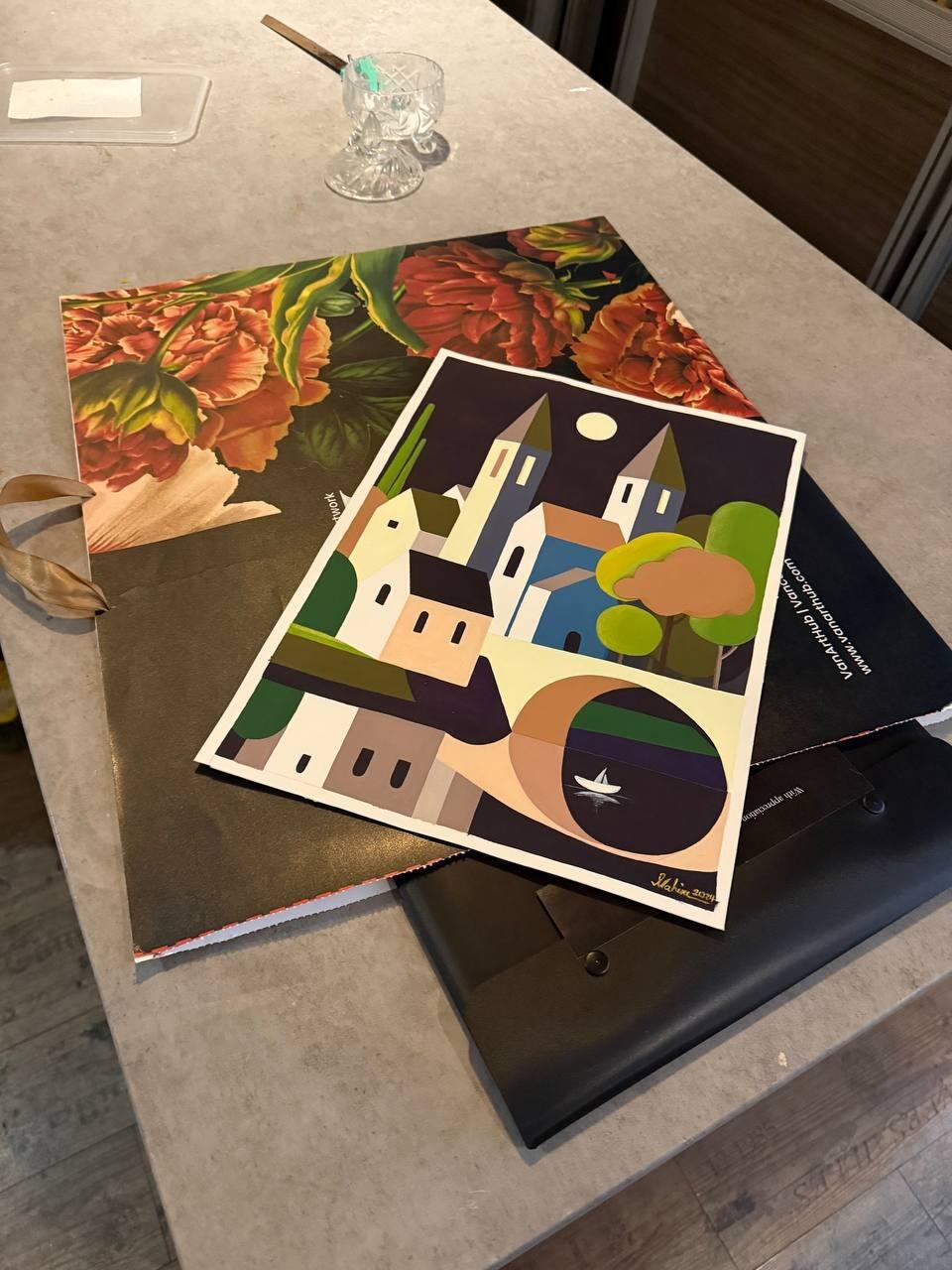
That is correct for an oil or acrylic on canvas, which needs to breathe and is tough enough to live in the open. It is entirely wrong for anything on paper, which needs glazing, a mat or spacer, and a sealed package.
Or no frame at all
A gallery-wrapped canvas with painted edges is a finished object on all sides and was made to hang bare. A floater frame is a choice about how it should sit on the wall, not a requirement, and there is no harm in leaving it unframed.
More in floater frames for canvas, frameless and gallery wrap, and the frame styles hub.
We frame original paintings in-house at our gallery on Davie Street in Vancouver. Every piece is a signed one-of-a-kind original with a Certificate of Authenticity, free insured shipping across Canada and the USA, and a 14-day trial. Browse available originals, or tell us about a canvas you want framed.