Can You Hang Art in a Kitchen or Bathroom?
Updated By VanArtHub Curatorial TeamShare
Yes. Art can hang in a kitchen or a bathroom, and it makes both rooms considerably better. It has to be framed for the job, and a few things should not go in either room at all.
The enemy is change, not moisture
This is the bit that gets misunderstood. A bathroom is not damaging because it is damp. It is damaging because it goes from ordinary humidity to near saturation during a shower and back down over the following hour, once or twice a day, every day.
Paper takes up moisture when the air is wet and gives it back when it dries, expanding and contracting each time. Do that a few thousand times and a sheet cockles permanently, mat board warps, and any adhesive in the package starts to fail.
Worse: moist air that gets inside an unsealed frame condenses on the inside of the glazing, because that is the coldest surface in the package. Liquid water then sits against the mat and sometimes against the artwork. That is how mould starts, and mould in paper fibres stains from within and cannot be cleaned off.
What framing for a damp room means
- Seal the package. The back is sealed so moist air cannot move freely in and out, and the humidity swing happens outside the frame instead of inside it. This is the most important measure.
- Use a spacer, always. The glazing is held off the artwork surface. If condensation does form, it forms on the glass and the glass is not touching the work.
- Choose acrylic over glass. Acrylic conducts heat far less readily, so it stays closer to room temperature and condensation forms on it less. It is also lighter and does not shatter, which matters on a hard bathroom floor.
- Prefer metal, or a fully finished wood frame. Wood moves with humidity; metal does not. If the frame is wood, every surface should be finished, including the back and the rebate.
- Conservation board throughout. Damp accelerates acid migration considerably, so ordinary board fails much faster in a damp room than a dry one.
Kitchens have a second problem
Cooking puts airborne grease into the air, and grease is worse than moisture in one specific way: it is sticky, so it collects dust and forms a film that has to be removed with solvents rather than wiped off.
A sealed frame handles this well, because the grease lands on the outside of the glazing where it can be cleaned.
Which means the recommendation inverts in a kitchen. The canvas is the piece that needs protecting, not the work on paper. An unframed canvas in a kitchen has an open, unglazed surface collecting grease, and over a few years it takes on a film only a conservator can deal with. Keep original canvases away from the cooking area.
Where in the room
- As far from the shower or the hob as the room allows.
- Not on an outside wall, which is the coldest surface and where condensation concentrates.
- Not directly above a bath, a sink, or a kettle.
- Higher rather than lower in a kitchen.
And use the extractor fan. Ventilation reduces the size of the humidity swing more than any framing decision can.
What should not go in either room
- Pastel, charcoal and chalk. Loose pigment and moisture do not mix, and these cannot be sealed tightly enough to be safe.
- Anything genuinely irreplaceable. Not because it would certainly be damaged, but because there is no reason to take the risk when other walls exist.
- Unframed works on paper. Obviously, and it happens more than it should.
- Photographs. Many photographic processes are more moisture-sensitive than paper.
What copes well
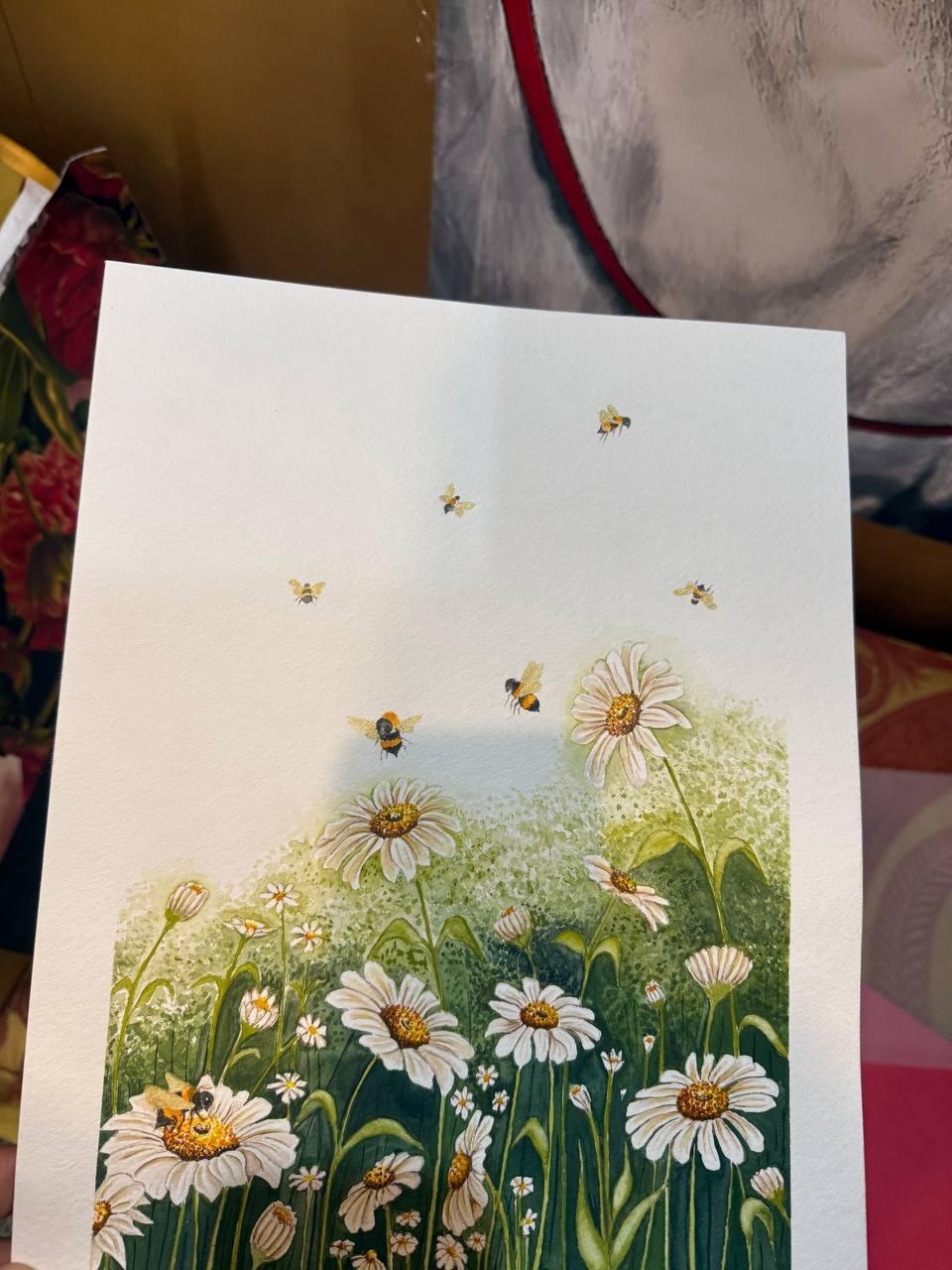
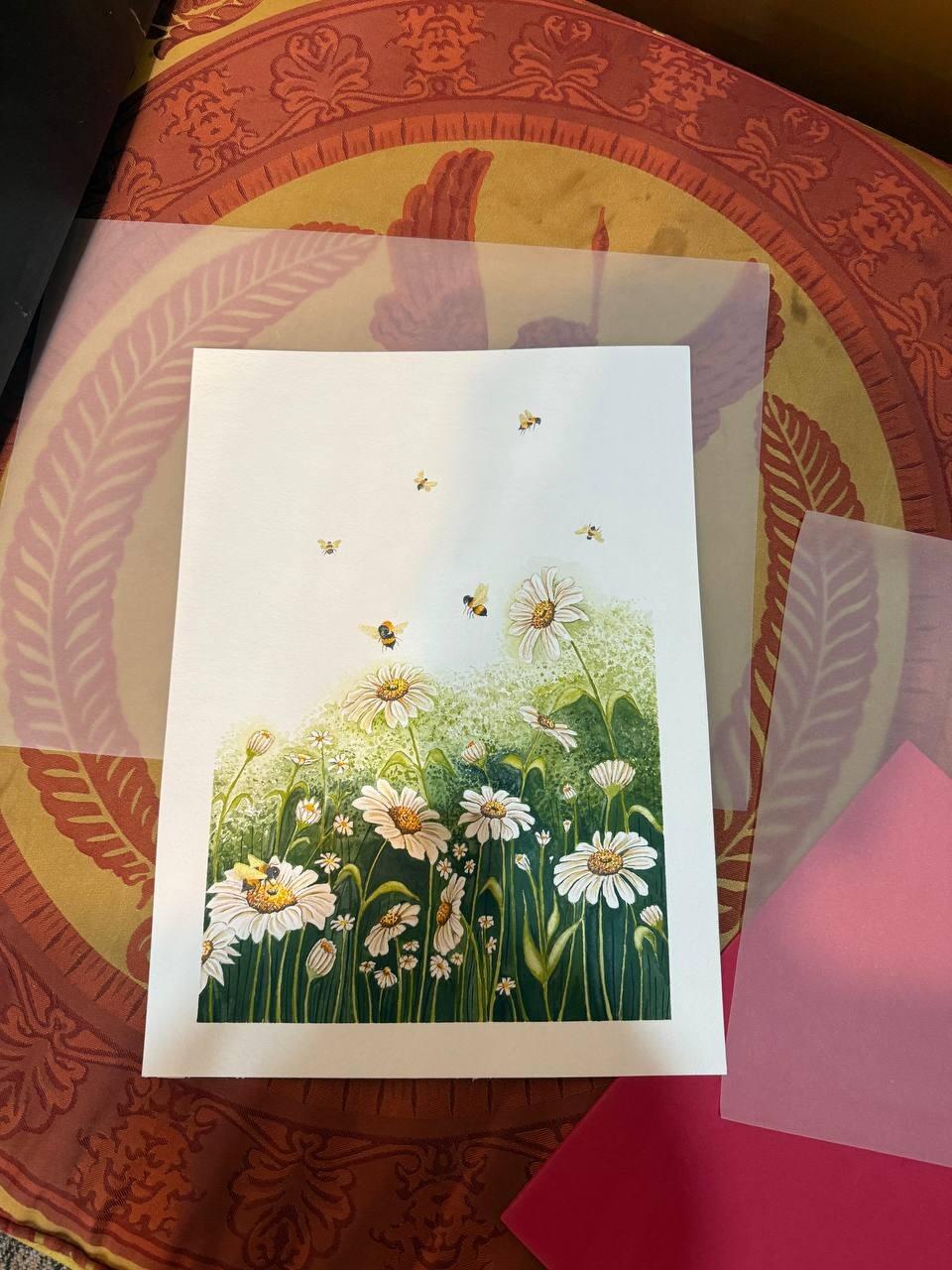
A properly sealed, spacered, acrylic-glazed work on paper in a metal frame will live happily in a normal bathroom for decades. So will an acrylic on canvas in a kitchen away from the hob, since cured acrylic is water-resistant and tolerant of humidity.
An oil in a bathroom is a worse idea. The paint film is more sensitive to humidity cycling, and an unvarnished one more so again.
How to tell if there is a problem
Look for a bloom or fogging on the inside of the glazing, waviness in the mat or artwork, and any brown or grey speckling, which is mould. Any of those means open it now. Caught early it is usually just a reframe. Left alone it becomes conservation work.
More in framing art for kitchens and bathrooms, acrylic vs glass, and the framing at home hub.
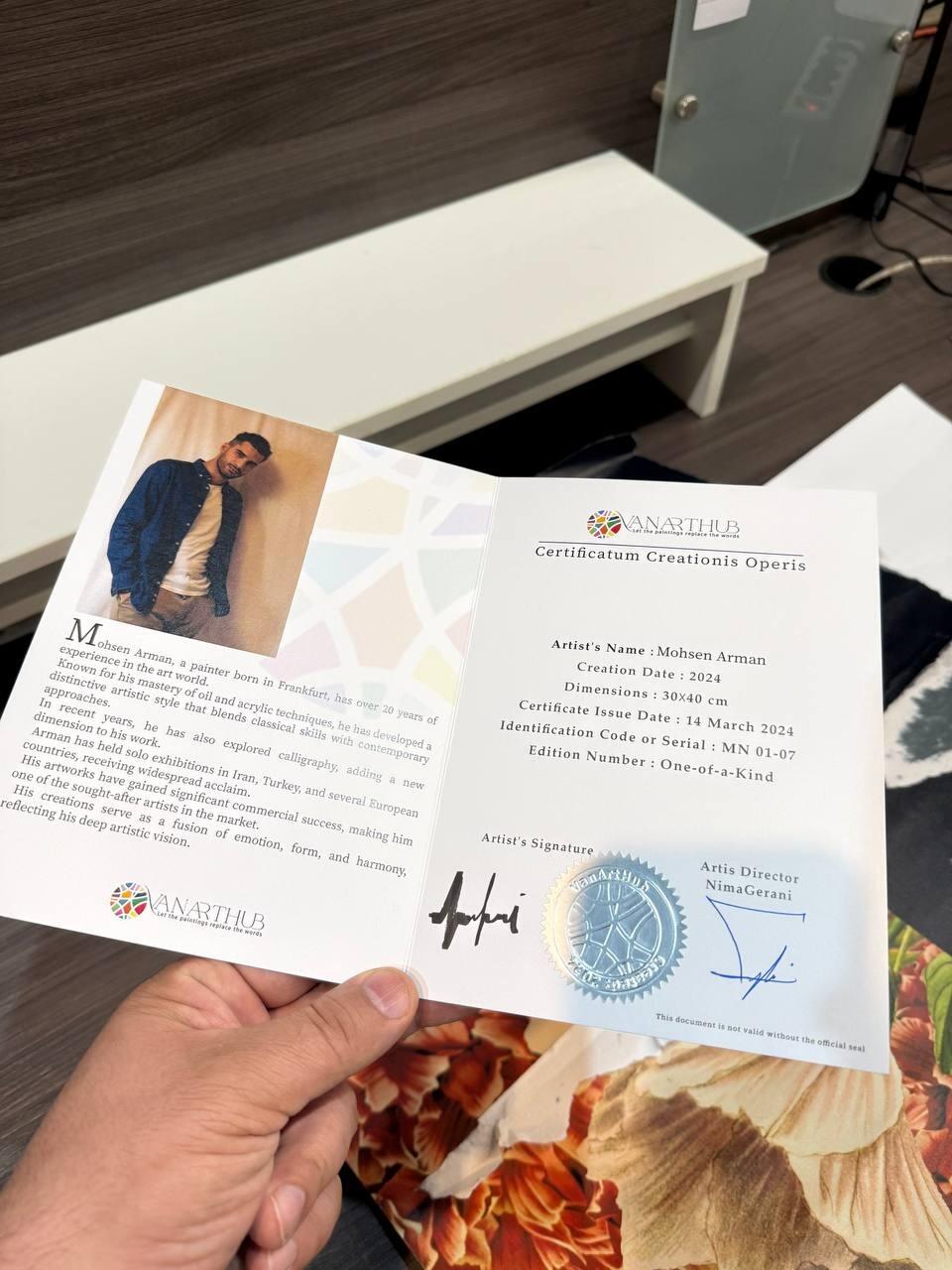
We frame in-house at our gallery on Davie Street in Vancouver. Tell us the room and we will frame for it. Every piece we sell is a signed original with a Certificate of Authenticity, free insured shipping across Canada and the USA, and a 14-day trial.